
Contents
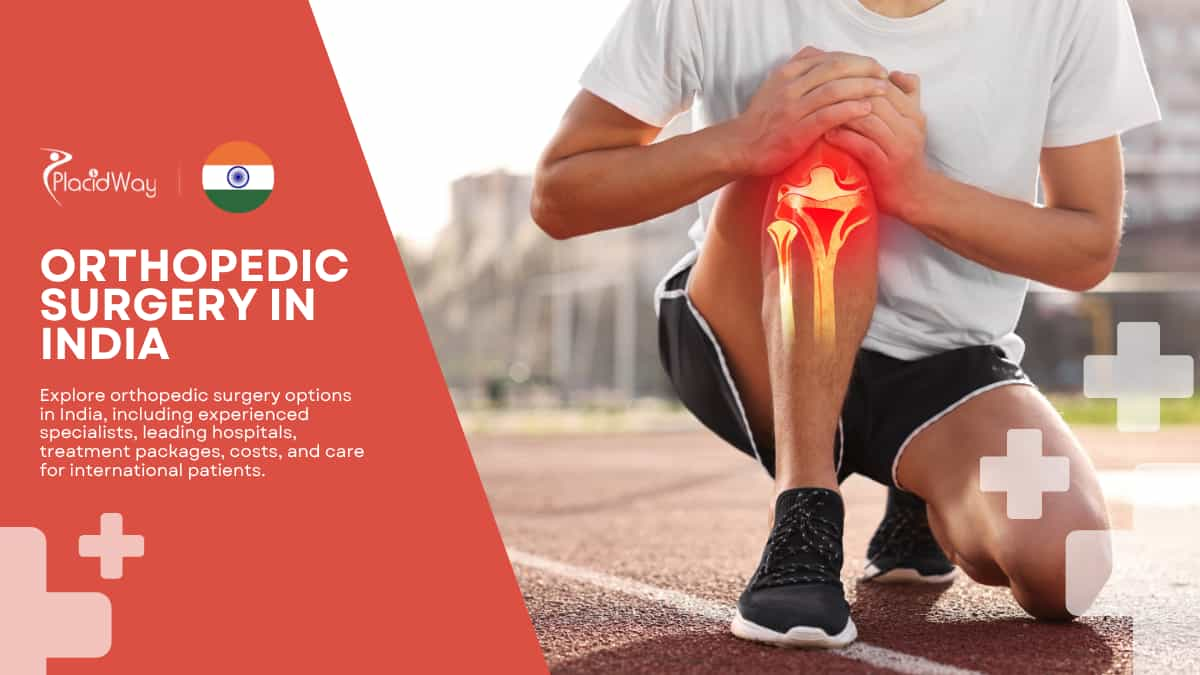
Orthopedic surgery can involve very different procedures, from joint replacement and spine surgery to fracture repair, ligament reconstruction, and revision procedures. Each requires its own specialist, treatment plan, and recovery process.
Patients exploring orthopedic surgery in India may be comparing costs, waiting times, specialist access, or treatment availability. When considering orthopedic surgery cost in India, look beyond the headline price and confirm what is included in the treatment plan.
Before booking, verify the surgeon’s credentials, hospital authorization, implant details, rehabilitation, emergency support, complications policy, and follow-up care.
A package may cover the surgeon, anesthesia, operating room, standard implant, tests, hospital nights, medicines, and early physiotherapy. It may not cover flights, hotels, premium implants, extended rehabilitation, treatment of another condition, complications, readmission, or revision surgery.
Ask whether the quote is for primary or revision surgery, one side or both, and the exact hospital where treatment will occur. The India orthopedic package listings can help you begin a comparison.
Compare the packages below by scope, inclusions, exclusions, medical support, and follow-up—not only by the advertised starting price.

Price starting from $3,750
Knee Meniscus Repair Package in Bengaluru, India by Giostar
GIOSTAR Hospital Bengaluru
- Orthopedic/Knee Surgery
Bengaluru,India
Price starting from $4,750
Stem Cells and PRP Knee Cartilage Rejuvenation Microfracture Package in Bengaluru, India by Giostar
GIOSTAR Hospital Bengaluru
- Orthopedic/Knee Surgery
Bengaluru,India

Price starting from $3,500
Conventional Partial Knee Replacement Package in Bengaluru, India by Giostar
GIOSTAR Hospital Bengaluru
- Orthopedic/Knee Surgery
Bengaluru,India

Price starting from $4,000
Robotic-Assisted Partial Knee Replacement Package in Bengaluru, India by Giostar
GIOSTAR Hospital Bengaluru
- Orthopedic/Knee Surgery
Bengaluru,India
Price starting from $4,250
Conventional Unilateral Knee Replacement Package in Bengaluru, India by Giostar
GIOSTAR Hospital Bengaluru
- Orthopedic/Knee Surgery
Bengaluru,India
There is no single accurate cost for orthopedic surgery in India because the category includes many unrelated procedures. A selected sports-injury repair may be near US$4,000, while joint replacement commonly requires a wider planning range of about US$7,000–US$19,000. Complex spine procedures can exceed these figures.
The final amount depends on the procedure, city, surgeon, implant, room type, anesthesia, tests, hospital stay, rehabilitation, medical conditions, and whether surgery is primary or revision. Request an itemized quotation in writing and confirm its validity date.
Compare the costs below with the exact procedure, implant, hospital stay, rehabilitation, travel expenses, and complication policy included in each option.
Orthopedic/Knee Surgery Centers Cost Comparison in India
| Provider | Procedure | Price |
|---|---|---|
| Welcare Hospital - Orthopedic Surgery in Vadodara, India | Hip Replacement Surgery Partial or Total, Orthopedic/Knee Surgery | $7500 |
| Welcare Hospital - Orthopedic Surgery in Vadodara, India | Knee Replacement Total or Partial, Orthopedic/Knee Surgery | $7000 |
| GIOSTAR Hospital Bengaluru | ACL PCL MCL, Orthopedic/Knee Surgery | $5500 |
| GIOSTAR Hospital Bengaluru | Meniscus Repair, Orthopedic/Knee Surgery | $4500 |
| GIOSTAR Hospital Bengaluru | Bilateral Knee Replacement Surgery, Orthopedic/Knee Surgery | $8500 |
Orthopedic/Knee Surgery Cost Comparison in India
| Country | Procedure | Price |
|---|---|---|
| United States | Hip Replacement Surgery Partial or Total, Orthopedic/Knee Surgery | $45000 |
| India | Hip Replacement Surgery Partial or Total, Orthopedic/Knee Surgery | $5860 |
Identify the actual hospital where surgery will take place. A coordinator’s office or consultation clinic may not be the operating facility. Ask for the hospital’s legal name, address, current registration, emergency and intensive-care capability, infection-control systems, imaging, blood-bank access, and rehabilitation services.
Check whether the hospital has current NABH accreditation or another recognized accreditation, and verify what facility and services the credential covers. Accreditation supports due diligence but does not guarantee a complication-free result.
Compare the clinics below by authorization, safety systems, specialist services, emergency capability, and continuity of care.

Artemis Hospitals - Multispecialty Center in India
Gurgaon,India

Welcare Hospital - Orthopedic Surgery in Vadodara, India
Vadodara,India


GIOSTAR Hospital Bengaluru
Bengaluru,India

AUM Hospital - Multispecialty Center in Vadodara, India
Vadodara,India

Shalby Limited - Multispecialty Hospital in India
Ahmedabad,India
Useful videos explain the diagnosis, procedure, implant or fixation method, hospital routine, physiotherapy, warning signs, and realistic recovery. Prefer content that identifies the doctor, hospital, treatment, and publication date.
Do not treat a testimonial, animation, or promotional video as a personal medical recommendation. Videos that guarantee results or omit risks provide an incomplete basis for decision-making.
Compare the videos below with medical consultation, written quotations, and independently verified provider information.

Reviews may help you understand communication, scheduling, language support, discharge instructions, transportation, and responses to questions after treatment. These practical details are important when care takes place abroad.
Reviews do not establish surgical quality or predict your result. Patients may have different diagnoses, implants, health conditions, surgeons, rehabilitation plans, and follow-up periods.
Compare the reviews below for recurring patterns, then verify the medical and facility information independently.

How much does orthopedic surgery cost in India?
There is no single price because orthopedic surgery includes many procedures. Selected sports-injury repairs may be near US$4,000, while joint replacement may require about US$7,000–US$19,000 for planning. Complex spine surgery can cost more. Request a procedure-specific written quote.
Which orthopedic procedures are available in India?
Patients may compare joint replacement, fracture repair, ligament reconstruction, sports-injury surgery, shoulder procedures, spine surgery, and revision operations. Availability depends on the hospital and surgeon. Your diagnosis and imaging should determine the procedure, not the package title.
How do I choose an orthopedic hospital in India?
Verify the hospital’s legal name, address, registration, accreditation, emergency capability, infection-control systems, imaging, anesthesia, blood-bank access, and rehabilitation. Confirm that the listed hospital is the facility where surgery will occur and ask what happens if you need additional care.
What accreditation should I check in India?
NABH accreditation is one Indian hospital credential patients may check. Verify the hospital in the official directory and confirm the certificate’s scope and validity. Accreditation supports facility due diligence but does not guarantee your individual surgical outcome.
How do I verify an orthopedic surgeon in India?
Ask for the doctor’s full name, registration information, orthopedic specialty credentials, relevant fellowship training, hospital privileges, and experience with your exact procedure. Confirm that the doctor you consult is the doctor scheduled to operate.
What should an orthopedic surgery package include?
Ask whether it includes the surgeon, anesthesia, operating room, implant or fixation device, tests, hospital nights, medicines, physiotherapy, and follow-up. Confirm exclusions such as flights, hotel, premium implants, extra nights, complications, readmission, revision surgery, and home care.
How long should I stay in India after orthopedic surgery?
The stay depends on the procedure, wound, mobility, pain control, medical history, rehabilitation progress, and travel distance. The surgeon should decide when you are ready to leave the hospital, accommodation, and country rather than using a fixed package schedule.
Can I fly soon after orthopedic surgery in India?
Travel timing must be individualized because surgery and prolonged sitting can increase blood-clot risk. Obtain written clearance based on wound healing, mobility, medication, and personal risk. Arrange wheelchair assistance and avoid lifting luggage.
What risks should I discuss before orthopedic surgery in India?
Discuss infection, bleeding, blood clots, anesthesia problems, nerve or blood-vessel injury, stiffness, persistent pain, implant or fixation failure, readmission, revision surgery, and risks linked to your health. Ask how emergencies and complications are handled.
How will follow-up work after I return home from India?
Obtain the operative report, imaging, implant or fixation records, discharge summary, medication list, physiotherapy plan, wound instructions, warning signs, and surgeon contact details. Confirm who will coordinate with your local doctor or therapist after you return.
What is the Cost of Knee Replacement in India?
Knee replacement surgery in India typically costs between $6,000 and $11,500 per joint, offering significant savings compared with private healthcare costs in many Western countries. Key Takeaways: Knee Replacement in India Substantial Financial Savings: Choosing a knee replacement in India offers self-pay patients cost reductions of 70% to 80% compared to typical private healthcare prices in North America. World-Class Infrastructure: Accredited medical centers feature advanced surgical navigation systems, laminar airflow operating suites, and dedicated international patient units. Transparent Bundled Pricing: Evaluating a knee replacement cost in India involves reviewing all-inclusive packages covering surgeon fees, implants, and hospital stays. Standardized Prosthetics: Reputable hospitals utilize FDA-cleared and internationally recognized knee implant systems manufactured by leading global biomechanical firms. Structured Recovery Frameworks: Comprehensive care models integrate early post-operative physiotherapy and extended local monitoring to support successful functional rehabilitation. What is the Average Knee Replacement Cost in India for Self-Pay Patients? The out-of-pocket knee replacement cost in India typically spans from $6,000 to $11,500 per joint depending on material selection and facility choice. Navigating healthcare finances for major orthopedic procedures requires a clear understanding of self-pay pricing models. When evaluating the knee replacement cost in India, international patients find that comprehensive care packages cover operating theater utilization, surgeon compensation, anesthesia, and inpatient nursing care. Lower overall facility operational expenses and favorable administrative overhead enable hospitals to maintain competitive pricing structures. While single-joint replacements remain standard, patients requiring bilateral interventions or specialized custom-engineered prosthetics will encounter varied pricing. Evaluating options at an orthopedic clinic in India ensures that self-pay individuals account for pre-operative diagnostic imaging, specialized blood panels, and required post-operative physical therapy sessions. Prices vary by hospital brand, regional location within major cities like New Delhi, Mumbai, or Chennai, and individual case complexity. Accredited medical centers provide detailed itemized estimates upon reviewing patient medical records and recent diagnostic imaging files. Did You Know? Prosthetic implant materials—such as high-flex polyethylene and oxinium components—play a primary role in determining baseline surgical package costs due to their long-term wear resistance. What Procedure Types Are Available at an Orthopedic Clinic in India? Available procedures at an accredited orthopedic clinic in India include total knee arthroplasty, partial knee replacement, bilateral procedures, and revision surgeries. Patients seeking joint reconstruction gain access to advanced surgical methodologies. Total knee arthroplasty replaces damaged femoral and tibial joint surfaces with durable artificial components, eliminating arthritic friction and restoring pain-free range of motion. Many orthopedic centers specialize in computer-assisted navigation and minimally invasive approaches. These techniques help surgeons ensure precise bone cuts and accurate prosthetic component placement, which can reduce post-operative discomfort and accelerate functional recovery. Additionally, specialized surgical teams perform complex revision arthroplasties for patients needing prosthetic component exchanges due to wear, loosening, or infection. Advanced surgical planning helps surgeons manage bone loss and restore joint stability. Knee Procedure Type Estimated Self-Pay Cost (USD) Inpatient Hospital Stay Total Knee Arthroplasty (Standard) $6,000 - $11,500 3 - 5 Days Partial Knee Replacement $5,500 - $9,500 2 - 4 Days Bilateral Total Knee Replacement $12,000 - $19,000 5 - 8 Days Complex Revision Knee Arthroplasty $10,000 - $18,000+ 6 - 9 Days Why Do International Patients Choose Medical Tourism in India for Orthopedics? International patients choose medical tourism in India for its world-class accredited hospitals, high-volume joint specialists, advanced technology, and personalized patient care services. Engaging in medical tourism in India offers distinct benefits for individuals seeking specialized orthopedic care. Major hospital networks in cities like New Delhi, Mumbai, and Bangalore maintain international facility accreditations, ensuring compliance with strict global standards for hygiene, surgical safety, and patient care. Furthermore, the country has established itself as a premier global healthcare destination by combining advanced medical technology with personalized hospitality. Dedicated international patient coordination departments assist travelers with medical visa invitations, airport transportation, multi-language interpretation, and lodging arrangements. High procedural volumes performed by specialized joint surgeons give clinical teams extensive experience in handling complex joint anatomies, resulting in reliable functional outcomes and high patient satisfaction rates. Important Consideration Patients should request detailed documentation regarding implant component brands and serial numbers prior to surgery to ensure long-term device traceability and worldwide compatibility. What Surgeon Qualifications and Facility Standards Apply in India? Orthopedic specialists maintain active licensing through official registries, complete formal subspecialty fellowships, and practice in accredited hospitals. Ensuring clinical safety requires rigorous evaluation of professional credentials. Orthopedic specialists performing joint arthroplasty must hold active medical registration with the National Medical Commission (NMC) of India, alongside board certifications and specialized fellowship training. Many leading surgeons complete advanced training at prominent international medical institutions across Western nations. Patients can verify physician credentials directly through official medical council registries. Professional association memberships provide insight into ongoing continuing education but should not be treated as standalone proof of active surgical licensing. Hospital facilities must hold recognized international or national health accreditations, such as Joint Commission International (JCI) approval. Accredited centers maintain advanced sterile processing departments, dedicated intensive care units, and comprehensive emergency backup systems to handle unexpected medical needs. What Is the Post-Operative Rehabilitation and Recovery Timeline? Mobilization begins within 24 hours of surgery, followed by structured inpatient physical therapy and a gradual return to normal activity over 3 to 6 months. Structured physical therapy is critical for achieving optimal functional recovery after undergoing a knee replacement in India. In local hospitals, supervised mobilization begins on the first day following surgery, with physical therapists guiding patients through assisted standing, walking with assistive devices, and gentle range-of-motion exercises. Following discharge from the acute care hospital, international patients are advised to remain locally for 10 to 14 days. This extended recovery window allows the surgical team to monitor wound healing, oversee initial outpatient physical therapy sessions, remove surgical staples, and provide formal fit-to-fly clearance. Upon returning home, continuing structured outpatient physiotherapy for 8 to 12 weeks strengthens supporting knee musculature and restores natural joint flexion. What Clinical Risks and Complications Should Patients Consider? Clinical risks include surgical site infection, joint stiffness, blood clots, component wear, and the need for coordinated follow-up care at home. All surgical interventions involve inherent clinical risks. Potential complications of joint replacement include superficial or deep wound infections, joint stiffness, nerve irritation, excessive bleeding, or component wear over time. Traveling internationally introduces added health considerations, particularly regarding deep vein thrombosis (DVT) during long journeys. Surgical teams mitigate DVT risks by prescribing anticoagulant medications, utilizing mechanical compression boots, and enforcing early walking protocols. Patients can minimize risks by disclosing their complete medical history during pre-op evaluations, adhering strictly to rehabilitation instructions, and establishing communication with a local physical therapist in their home country prior to departure. How Should Patients Prepare for Medical Travel? Preparation involves gathering diagnostic imaging, securing virtual pre-consultations, verifying travel documentation, and arranging travel companion support. Proper pre-travel planning helps ensure a well-organized medical journey. Start by compiling recent high-resolution weight-bearing X-rays, MRI scans, and clinical notes from your home doctor. Transmitting these digital files for remote pre-consultations allows orthopedic teams to review your case and formulate a precise treatment plan. Travel-document requirements depend on citizenship and whether the patient travels by air. Verify passport validity and obtain a valid medical visa well in advance. Traveling with a companion is strongly recommended to assist with personal mobility during early recovery. Finally, confirm all financial and logistical agreements in writing before departure. Understanding package inclusions helps prevent unexpected expenses and allows you to focus fully on your physical recovery. Why Choose PlacidWay? PlacidWay connects patients with accredited international hospitals, providing transparent cost comparisons, verified facility profiles, and direct communication channels. Navigating global healthcare options can feel complex. PlacidWay serves as a global medical information resource, helping patients explore accredited treatment centers and connect directly with experienced orthopedic specialists worldwide. Access to Broad Global Healthcare Directories Browse comprehensive profiles of accredited hospitals and specialty orthopedic clinics across international destinations. Transparent Cost Estimates Review estimated procedure pricing and package details to plan your medical travel budget effectively. Direct Medical Facility Communication Connect directly with hospital international patient offices to share medical imaging and request case evaluations. Verified Specialist Documentation Examine surgeon background details, subspecialty fellowship histories, and hospital accreditations before booking. Comprehensive Educational Resources Access detailed procedure guides, destination overviews, and planning checklists to support your healthcare journey. Frequently Asked Questions How much does knee replacement surgery cost in India for international patients? The average knee replacement cost in India ranges between $6,000 and $11,500 per joint, providing 70% to 80% savings compared to typical private healthcare prices in the United States. Are international knee implant brands utilized during knee replacement in India? Accredited medical centers utilize FDA-cleared and internationally recognized prosthetic knee systems manufactured by leading global medical technology companies. How long must international patients stay in India after undergoing knee replacement in India? Patients are generally advised to remain locally in the country for 10 to 14 days following knee replacement in India to complete initial rehabilitation and receive fit-to-fly clearance. What is included in a self-pay medical package for a knee replacement in India? Self-pay packages generally include surgeon and anesthesia fees, operating room expenses, hospital room stays, prosthetic implants, diagnostic imaging, and early bedside physical therapy. How do patients verify the credentials of an orthopedic surgeon before receiving a knee replacement in India? Patients can verify surgeon credentials by checking official registration with the National Medical Commission of India and confirming specialty board certifications and fellowship histories. Is traveling for a knee replacement in India safe for foreign visitors? Yes, joint replacement surgery can be safe when performed at internationally accredited hospital facilities by board-certified specialists following strict global infection control protocols. Can patients undergo minimally invasive knee replacement procedures during medical tourism in India? Many modern orthopedic centers offer computer-assisted navigation and minimally invasive surgical approaches to support precise implant placement and faster recovery. Does health insurance cover elective knee replacement surgery performed during medical tourism in India? Coverage depends entirely on your specific insurance policy provider. Certain international global health insurance plans or specialized employer-sponsored travel programs offer partial reimbursement. What clinical risks should patients consider before traveling for a knee replacement in India? Potential clinical risks include surgical site infection, joint stiffness, blood clots, component wear, and the need for structured follow-up care after returning home. How is deep vein thrombosis managed after receiving care at an orthopedic clinic in India? Surgeons mitigate blood clot risks by prescribing anticoagulant medications, utilizing mechanical compression devices, and initiating early walking protocols within 24 hours of surgery. Request Treatment Information Compare accredited medical centers, review specialist qualifications, and request personalized procedure estimates for your joint care journey. Request Treatment Information Medical Disclaimer: The content provided in this article is for educational and informational purposes only and does not constitute formal medical advice. Always consult with a qualified healthcare professional before undergoing any surgical intervention. Pricing Disclaimer: Cost estimates are subject to variation based on individual medical conditions, facility selection, surgeon experience, and required implant materials. References Activities After Total Knee Replacement Guidelines – American Academy of Orthopaedic Surgeons Total Joint Arthroplasty Outcomes and Economics – National Center for Biotechnology Information Pre-Travel Consultation & Health Guidelines – Centers for Disease Control and Prevention WHO Surgical Safety Guidelines – World Health Organization International Healthcare Facility Accreditation Standards – Joint Commission International Evaluation of Orthopedic Surgery Outcomes – PubMed
Who are the Best Orthopedic Doctors in India?
Leading orthopedic specialists in India include experts like Dr. Shivkumar V. Santpure, Dr. Bharat Mody, Dr. Sujai S, and Dr. Anup Khatri. These board-certified surgeons practice at accredited hospitals across major cities, offering advanced joint replacements and spine surgeries at 70% to 80% lower costs than Western nations. Key Takeaways: Orthopedic Care in India Substantial Financial Savings: Consulting an orthopedic doctor in India offers self-pay patients cost reductions of 70% to 80% compared to typical private healthcare prices in North America. Accredited Hospital Standards: Leading facilities maintain international health accreditations, robotic surgical navigation systems, and dedicated international patient departments. Transparent Bundled Pricing: Evaluating an orthopedic surgery cost in India involves reviewing comprehensive packages covering surgeon fees, implants, and hospital stays. Standardized Prosthetics: Reputable hospitals utilize FDA-cleared and CE-certified implant systems manufactured by leading global medical technology companies. Structured Medical Travel: Engaging in medical tourism in India includes streamlined airport transfers, translation services, and structured rehabilitation protocols. Who Are the Leading Orthopedic Specialists and Surgeons Practicing in India? Prominent orthopedic surgeons in India include Dr. Shivkumar V. Santpure, Dr. Bharat Mody, Dr. Sujai S, and Dr. Anup Khatri, all recognized for extensive expertise in joint reconstruction and arthroscopy. Identifying top musculoskeletal specialists requires evaluating educational backgrounds, board certifications, and clinical experience. The leading bone and joint surgeons practicing in India typically complete rigorous medical training at premier domestic institutions before pursuing specialized subspecialty fellowships in joint reconstruction, arthroscopy, or spine surgery across international centers of excellence. When patients search for an orthopedic doctor in India, verifying active medical registration with the National Medical Commission (NMC) ensures that the practitioner meets all legal and professional standards. Practitioners such as Dr. Shivkumar V. Santpure, Dr. Bharat Mody, Dr. Sujai S, and Dr. Anup Khatri handle high volumes of complex joint replacements and spinal interventions, demonstrating lower complication rates and superior functional outcomes. These specialists operate within advanced multi-specialty medical centers equipped with laminar airflow operating suites, real-time computer navigation, and dedicated intensive care units, supporting safe surgical environments for international patients. Did You Know? Many senior orthopedic surgeons in India have performed thousands of successful joint arthroplasties, giving their clinical teams exceptional expertise in managing complex joint deformities. What Is the Average Orthopedic Surgery Cost in India? The out-of-pocket orthopedic surgery cost in India typically spans from $5,000 for arthroscopic interventions to $12,000 for complex joint replacements or spinal fusions. Navigating healthcare finances for major bone and joint procedures requires a clear understanding of self-pay pricing models. When evaluating the orthopedic surgery cost in India, international patients find that comprehensive care packages cover operating theater utilization, surgeon compensation, anesthesia, and inpatient nursing care. Lower overall facility operational expenses and favorable administrative overhead enable hospitals to maintain competitive pricing structures. While minor procedures like diagnostic or therapeutic arthroscopy involve lower expenses, major joint reconstruction requires significant resource allocation. Evaluating total expenses at an orthopedic clinic in India ensures that self-pay individuals account for pre-operative diagnostic imaging, specialized blood panels, prosthetic components, and required post-operative physical therapy sessions. Prices vary by hospital brand, regional location within New Delhi, Mumbai, or Bangalore, and individual case complexity. Accredited medical centers provide detailed itemized estimates upon reviewing patient medical records and recent diagnostic imaging files. Orthopedic Procedure Type Estimated Self-Pay Cost (USD) Inpatient Hospital Stay Knee Arthroscopy $3,500 - $6,500 Outpatient - 1 Day Total Knee Replacement $6,000 - $11,500 3 - 5 Days Total Hip Replacement $6,000 - $11,000 3 - 5 Days Single-Level Spinal Fusion $8,500 - $13,000 4 - 6 Days Why Do International Patients Choose Medical Tourism in India for Orthopedics? International patients choose medical tourism in India for its world-class accredited hospitals, high-volume joint specialists, advanced technology, and comprehensive patient support services. Engaging in medical tourism in India offers distinct benefits for individuals seeking specialized orthopedic care. Major hospital networks in cities like New Delhi, Mumbai, and Chennai maintain international facility accreditations, ensuring compliance with strict global standards for hygiene, surgical safety, and patient care. Furthermore, the country has established itself as a premier global healthcare destination by combining advanced medical technology with personalized hospitality. Dedicated international patient coordination departments assist travelers with medical visa invitations, airport transportation, multi-language interpretation, and lodging arrangements. High procedural volumes performed by specialized joint surgeons give clinical teams extensive experience in handling complex joint anatomies, resulting in reliable functional outcomes and high patient satisfaction rates. Important Consideration Patients should request detailed documentation regarding implant component brands and serial numbers prior to surgery to ensure long-term device traceability and worldwide compatibility. What Facility Standards and Safety Protocols Apply in India? Top hospitals hold international accreditations like Joint Commission International, maintain advanced sterilization units, and follow strict infection control protocols. Ensuring clinical safety requires rigorous evaluation of hospital infrastructure and operational standards. Premier medical centers in India hold recognized international health accreditations, such as Joint Commission International (JCI) approval, validating their adherence to strict global surgical safety guidelines. Accredited centers feature advanced sterile processing departments, laminar airflow operating theaters to minimize airborne contamination, and comprehensive backup systems for critical care support. These measures significantly reduce post-operative infection risks. Patients can verify hospital accreditations directly through official accrediting body databases, ensuring transparency and confidence when selecting a medical facility for elective orthopedic surgery. What Is the Post-Operative Rehabilitation and Recovery Timeline? Mobilization begins within 24 hours of surgery, followed by structured inpatient physical therapy and a gradual return to normal activity over 3 to 6 months. Structured physical therapy is critical for achieving optimal functional recovery after undergoing orthopedic surgery. In Indian hospitals, supervised mobilization begins on the first day following surgery, with physical therapists guiding patients through assisted standing, walking with assistive devices, and gentle range-of-motion exercises. Following discharge from the acute care hospital, international patients are advised to remain locally in India for 10 to 14 days. This extended recovery window allows the surgical team to monitor wound healing, oversee initial outpatient physical therapy sessions, remove surgical staples, and provide formal fit-to-fly clearance. Upon returning home, continuing structured outpatient physiotherapy for 8 to 12 weeks strengthens supporting musculature and restores natural joint mechanics. What Clinical Risks and Complications Should Patients Consider? Clinical risks include surgical site infection, joint stiffness, blood clots, component wear, and the need for coordinated follow-up care at home. All surgical interventions involve inherent clinical risks. Potential complications of orthopedic surgery include superficial or deep wound infections, joint stiffness, nerve irritation, excessive bleeding, or hardware loosening over time. Traveling internationally introduces added health considerations, particularly regarding deep vein thrombosis (DVT) during long journeys. Surgical teams mitigate DVT risks by prescribing anticoagulant medications, utilizing mechanical compression devices, and enforcing early walking protocols. Patients can minimize risks by disclosing their complete medical history during pre-op evaluations, adhering strictly to rehabilitation instructions, and establishing communication with a local physical therapist in their home country prior to departure. How Should Patients Prepare for Medical Travel to India? Preparation involves gathering diagnostic imaging, securing virtual pre-consultations, verifying visa requirements, and arranging travel companion support. Proper pre-travel planning helps ensure a well-organized medical journey. Start by compiling recent high-resolution X-rays, MRI scans, and clinical notes from your home doctor. Transmitting these digital files for remote pre-consultations allows orthopedic teams in India to review your case and formulate a precise treatment plan. Travel-document requirements depend on citizenship and whether the patient travels by air. Obtain a valid electronic medical visa (e-Medical Visa) well in advance. Traveling with a companion is strongly recommended to assist with personal mobility during early recovery. Finally, confirm all financial and logistical agreements in writing before departure. Understanding package inclusions helps prevent unexpected expenses and allows you to focus fully on your physical recovery. Why Choose PlacidWay? PlacidWay connects patients with accredited international hospitals, providing transparent cost comparisons, verified facility profiles, and direct communication channels. Navigating global healthcare options can feel complex. PlacidWay serves as a global medical information resource, helping patients explore accredited treatment centers and connect directly with experienced orthopedic specialists worldwide. Access to Broad Global Healthcare Directories Browse comprehensive profiles of accredited hospitals and specialty orthopedic clinics across international destinations. Transparent Cost Estimates Review estimated procedure pricing and package details to plan your medical travel budget effectively. Direct Medical Facility Communication Connect directly with hospital international patient offices to share medical imaging and request case evaluations. Verified Specialist Documentation Examine surgeon background details, subspecialty fellowship histories, and hospital accreditations before booking. Comprehensive Educational Resources Access detailed procedure guides, destination overviews, and planning checklists to support your healthcare journey. Frequently Asked Questions How much does orthopedic surgery in India cost compared to the United States? Orthopedic surgery in India typically ranges from $5,000 to $12,000 depending on the procedure, offering self-pay savings of 70% to 80% compared to typical private healthcare prices in the United States. What credentials should patients verify for an orthopedic doctor in India? Patients should verify that an orthopedic doctor in India holds official registration with the National Medical Commission, board certification in orthopedics, and fellowship training. Are medical implant brands used for orthopedic surgery in India internationally recognized? Accredited medical centers in India utilize FDA-cleared or CE-certified prosthetic implant systems manufactured by leading global medical technology companies. How long must international patients stay in India following major orthopedic surgery? Patients are generally advised to remain locally in India for 10 to 14 days following major joint replacement or spine surgery to complete initial rehabilitation and receive fit-to-fly clearance. What is included in a self-pay medical travel package for orthopedic surgery in India? Self-pay packages generally include surgeon and anesthesia fees, operating room expenses, hospital room stays, prosthetic components, diagnostic imaging, and early bedside physical therapy. Can patients undergo robotic-assisted joint replacement procedures at an orthopedic clinic in India? Many modern orthopedic centers in India offer robotic navigation systems and computer-assisted surgical techniques to ensure precise alignment and faster recovery. Is medical tourism in India safe for international patients seeking orthopedic care? Yes, medical tourism in India can be safe when performed at internationally accredited hospital facilities by board-certified specialists following strict global hygiene standards. Does health insurance cover elective orthopedic surgery performed in India? Coverage depends entirely on your specific insurance policy provider. Certain international health plans or specialized medical travel programs offer partial out-of-network reimbursement. What clinical risks should patients consider before traveling for orthopedic surgery? Potential clinical risks include surgical site infection, joint stiffness, blood clots, component loosening, and the need for coordinated follow-up care after returning home. How is deep vein thrombosis managed after joint replacement surgery in India? Surgeons mitigate blood clot risks by prescribing anticoagulant medications, utilizing mechanical compression devices, and initiating early walking protocols within 24 hours of surgery. Request Treatment Information Compare accredited medical centers, review specialist qualifications, and request personalized procedure estimates for your joint care journey. Request Treatment Information Medical Disclaimer: The content provided in this article is for educational and informational purposes only and does not constitute formal medical advice. Always consult with a qualified healthcare professional before undergoing any surgical intervention. Pricing Disclaimer: Cost estimates are subject to variation based on individual medical conditions, facility selection, surgeon experience, and required implant materials. References Activities After Total Knee Replacement Guidelines – American Academy of Orthopaedic Surgeons Total Joint Arthroplasty Outcomes and Economics – National Center for Biotechnology Information Pre-Travel Consultation & Health Guidelines – Centers for Disease Control and Prevention WHO Surgical Safety Guidelines – World Health Organization International Healthcare Facility Accreditation Standards – Joint Commission International Evaluation of Orthopedic Surgery Outcomes – PubMed
How Much Limb Lengthening Surgery Cost in India?
The total limb lengthening surgery cost in India typically ranges from $14,000 to $35,000. This orthopedic expense varies based on the chosen surgical method, hardware specifications, hospital tier, and required rehabilitation duration. Key Takeaways Prices fluctuate significantly based on whether the procedure utilizes internal magnetic nails, external fixators, or hybrid lengthening techniques. Comprehensive budgeting must account for operating room charges, surgeon fees, hardware expenses, and prolonged physical therapy. Patients exploring options evaluate limb lengthening surgery cost in India alongside international alternatives in regions like Turkey and Mexico. Official verification of orthopedic surgeon credentials through national medical registries is essential for clinical safety. The lengthy recovery timeline requires strict nutritional compliance, psychological readiness, and continuity of care after returning home. What Factors Determine Total limb lengthening surgery cost in India? Total expenses are shaped by the surgical hardware chosen, facility overhead, geographic location, and the extended duration of postoperative rehabilitation. Calculating the true financial investment required for stature lengthening involves examining numerous interdependent variables. The single largest factor influencing the bill is the type of fixation device implanted during the operation. Sophisticated internal magnetic intramedullary nails command higher prices due to their advanced engineering and manufacturing precision, whereas traditional external fixators or hybrid lengthening over nail techniques offer more budget-friendly alternatives. Facility fees also play a major role in the financial breakdown. Private orthopedic hospitals that maintain advanced surgical theaters, intensive care units, and specialized inpatient nursing care charge higher rates than smaller surgical centers. Furthermore, the geographic destination within the country heavily dictates baseline operational costs, allowing international medical travelers to find diverse pricing structures across different metropolitan hubs. Prospective patients must also factor in secondary expenses that accumulate over the year-long healing cycle. These include frequent digital X-ray evaluations, specialized physical therapy sessions, nutritional supplements to support bone calcification, mobility equipment rentals, and extended accommodation expenses during the critical distraction phase. Procedure Method Estimated Cost Range (India) External Fixation Methods $14,000 - $22,000 LON Method (Lengthening Over Nail) $18,000 - $28,000 Internal Magnetic Nail Systems $28,000 - $35,000 How Does limb lengthening surgery cost in India Compare Internationally? India offers competitive pricing structures for advanced orthopedic procedures, often making it a prominent destination for international medical tourism. When evaluating global options, many individuals examine the specific limb lengthening surgery cost in India because the country has established specialized orthopedic centers focusing on distraction osteogenesis. Procedures utilizing internal magnetic rods or hybrid techniques in local facilities generally range between $14,000 and $35,000, presenting a substantial financial difference compared to similar surgeries performed in Western Europe or the United States. This regional pricing differential is driven by lower domestic operational overhead, favorable exchange rates, and government-supported medical tourism frameworks designed to attract international patients. However, prospective patients must look beyond the initial price tag to evaluate the exact services included in a package, such as airport transfers, translation support, and postoperative rehabilitation housing. Despite these economic advantages, patients must maintain rigorous standards when selecting a provider. Investigating hospital accreditations, analyzing surgeon experience with complex limb reconstruction, and confirming the origin of implant hardware are vital steps that should never be compromised in pursuit of lower costs. Expert Insight When reviewing international medical quotes, always request an itemized list that explicitly details whether medications, physical therapy sessions, hardware removal surgeries, and emergency complication care are covered under the quoted price. What Is Involved In A limb lengthening clinic in India or Abroad? Specialized centers perform controlled bone osteotomies and guide patients through a structured, multi-month bone regeneration and rehabilitation protocol. Undergoing treatment at a dedicated limb lengthening clinic in India or any other specialized international medical center involves a meticulous clinical pathway. The process begins with comprehensive physical evaluations, bone density scans, and psychological clearances to ensure the candidate is fully prepared for the demanding physiological journey ahead. During the primary surgery, the orthopedic specialist creates a precise bone break, or osteotomy, in either the femurs or tibias and inserts the chosen internal or external fixation hardware. Following a brief inpatient recovery period, the patient enters the active distraction phase, where the bone is mechanically separated by approximately one millimeter per day to stimulate new bone growth. Once the desired height is achieved, the patient transitions into the prolonged consolidation phase. During this time, physical therapy becomes paramount to prevent muscle contractures while the newly formed soft tissue matrix hardens into solid, load-bearing bone. Only after full bone consolidation is achieved will the medical team consider eventual hardware removal procedures. What Are The Medical Risks And Complications Of Stature Lengthening? Potential medical complications include severe nerve stretching, joint stiffness, deep bone infections, delayed union, and hardware mechanical failure. Stature lengthening is a profound structural alteration carrying significant biological risks. As bones are separated, surrounding soft tissues, blood vessels, and nerves are placed under intense tension. If elongation occurs too rapidly, patients may suffer temporary or permanent nerve damage resulting in numbness, chronic pain, or motor dysfunction. Muscle contractures represent another persistent challenge. Because muscles adapt slower than bone elongation, they pull forcefully against adjacent joints, risking permanent stiffness or dislocation if aggressive physical therapy is neglected. Infection is also a serious threat, particularly with external fixator pin tracts or surgical incisions, requiring strict hygiene and immediate antibiotic intervention. Furthermore, the body may fail to generate sufficient bone tissue, leading to delayed union or non-union. This complication can stall the healing timeline and necessitate secondary surgical procedures, such as bone grafting, to achieve proper skeletal stabilization and structural integrity. Important Consideration Always verify that your chosen facility utilizes FDA-cleared or internationally recognized implant systems. Substandard hardware increases the risk of mechanical failure during the critical bone consolidation phase. How Can Patients Evaluate Safety Standards In medical tourism in India? Evaluating safety requires verifying formal hospital accreditations, checking surgeon licensing through official medical boards, and assessing clinical hygiene protocols. Engaging in medical tourism in India or any foreign destination requires rigorous due diligence to ensure patient safety. Prospective medical travelers must not rely solely on online advertisements or promotional agency claims. Instead, they should independently verify that the operating hospital holds recognized international health accreditations. Verifying surgeon credentials is equally critical. Patients should obtain the practitioner full legal name and license number to check their standing through official government medical registries. Confirming that the surgeon holds specialized board certification in orthopedics and traumatology, alongside documented fellowship training in limb reconstruction, provides objective proof of their clinical competence. Additionally, patients should inquire about the clinic complication management protocols, infection control statistics, and the availability of 24/7 on-site orthopedic nursing care during the vulnerable early stages of postoperative recovery. What Is The Importance Of Postoperative Continuity Of Care? Long-term success relies on establishing a relationship with a domestic orthopedic specialist to oversee rehabilitation after returning home. The medical journey does not conclude when a patient boards a flight home. Postoperative management spans many months, making continuity of care an absolute necessity. Before undergoing surgery abroad, individuals must secure a local orthopedic physician or physical therapist willing to take over their long-term management. Patients are responsible for obtaining comprehensive medical records from their operating team, including detailed surgical notes, discharge summaries, hardware specifications, and baseline digital X-rays. Handing these files to the domestic provider ensures a smooth transition of medical oversight. Routine tasks such as monitoring bone calcification progress, reviewing X-ray imagery, managing physical therapy regimens, and addressing unexpected late-stage symptoms must be handled locally. Clear communication channels between the international surgeon and the domestic specialist safeguard the patient recovery trajectory. Did You Know? Air travel is strictly restricted during the active distraction and early consolidation phases due to the severe risk of deep vein thrombosis and increased pressure on healing bone structures. Patients must secure explicit medical clearance before flying. Why Choose PlacidWay To Research Your Medical Journey? PlacidWay provides an objective informational platform to help patients compare international healthcare facilities, review transparent estimates, and connect with credentialed specialists. Global Facility Directory Access structured profiles to research accredited orthopedic centers and specialized surgical providers worldwide. Transparent Estimates Review estimated pricing structures to assist with comprehensive financial planning before making clinical commitments. Direct Inquiries Connect securely with international medical teams to ask preliminary procedural questions and evaluate responses. Objective Data Explore documented facility capabilities, available technologies, and patient care protocols based on factual information. Educational Guides Read extensive articles detailing surgical methodologies, recovery timelines, and essential medical travel safety tips. Frequently Asked Questions About limb lengthening surgery in India What factors influence limb lengthening surgery cost in India? Limb lengthening surgery cost in India depends on the choice of hardware such as internal nails or external fixators, hospital fees, surgeon experience, case complexity, and the duration of inpatient care. Are follow-up physical therapy sessions included in the initial surgical quote? Initial surgical quotes typically do not include long-term postoperative physical therapy. Patients should budget separately for months of rehabilitation sessions, specialized mobility equipment, and necessary nutritional supplements. How does the choice of surgical technique impact overall expenses? Advanced internal magnetic nail systems require sophisticated engineering and advanced manufacturing, making them notably more expensive than traditional external fixators or hybrid lengthening over nail methods. Does health insurance cover cosmetic stature lengthening procedures? Domestic and international health insurance providers generally classify elective stature lengthening as a cosmetic or non-essential procedure, meaning policies almost never cover the associated expenses. What out-of-pocket expenses should patients anticipate when traveling abroad? Patients must anticipate additional out-of-pocket expenses beyond hospital bills, including extended local accommodation during the distraction phase, domestic transport, specialized clothing, and routine X-ray imaging. Why are revision procedures or hardware removal billed separately? Planned hardware removal operations occur months after the initial lengthening phase as entirely distinct surgical events, requiring a new operating room booking, anesthesia, and separate surgical team fees. What financial provisions should be made for potential medical complications? Patients should maintain emergency financial reserves to cover unforeseen medical complications such as delayed bone healing, superficial or deep infections, or unexpected readmissions requiring secondary interventions. How can patients accurately compare price quotes from different clinics? Patients can accurately compare price quotes by requesting fully itemized breakdowns that clearly separate hardware expenses, surgeon fees, anesthesia charges, room rates, and estimated rehabilitation durations. What role do specialized medical tourism facilitators play in planning? Specialized medical tourism facilitators help coordinate hospital stays, local ground transfers, and accommodation packages, though patients must still verify exactly which clinical services are included. How do currency exchange fluctuations affect international surgical budgeting? Currency exchange rate volatility can unexpectedly alter the final cost of care when converting domestic funds into the local currency of the surgical destination, making financial buffers prudent. Explore Your Orthopedic Options Today Compare verified global facilities, review transparent pricing estimates, and connect with credentialed medical specialists to plan your healthcare journey. Request Treatment Information References Musculoskeletal conditions – World Health Organization Limb Lengthening and Deformity Correction – OrthoInfo AAOS Surgical Site Infection (SSI) – Centers for Disease Control and Prevention Complications of limb lengthening – National Center for Biotechnology Information Leg lengthening and shortening – MedlinePlus Medical Encyclopedia Cosmetic Limb Lengthening Outcomes – National Institutes of Health
Verify the surgeon’s full name, medical registration, orthopedic specialty, fellowship or subspecialty training, hospital privileges, and experience with the specific procedure you need. A general orthopedic title does not confirm experience with joint replacement, spine surgery, sports injuries, pediatric cases, or revision operations.
Ask who will operate, which implant or fixation method is planned, what risks apply to you, how complications are managed, and who will provide follow-up after you return home.
Compare the surgeons below by procedure-specific experience, credentials, communication, complication planning, and continuity of care.
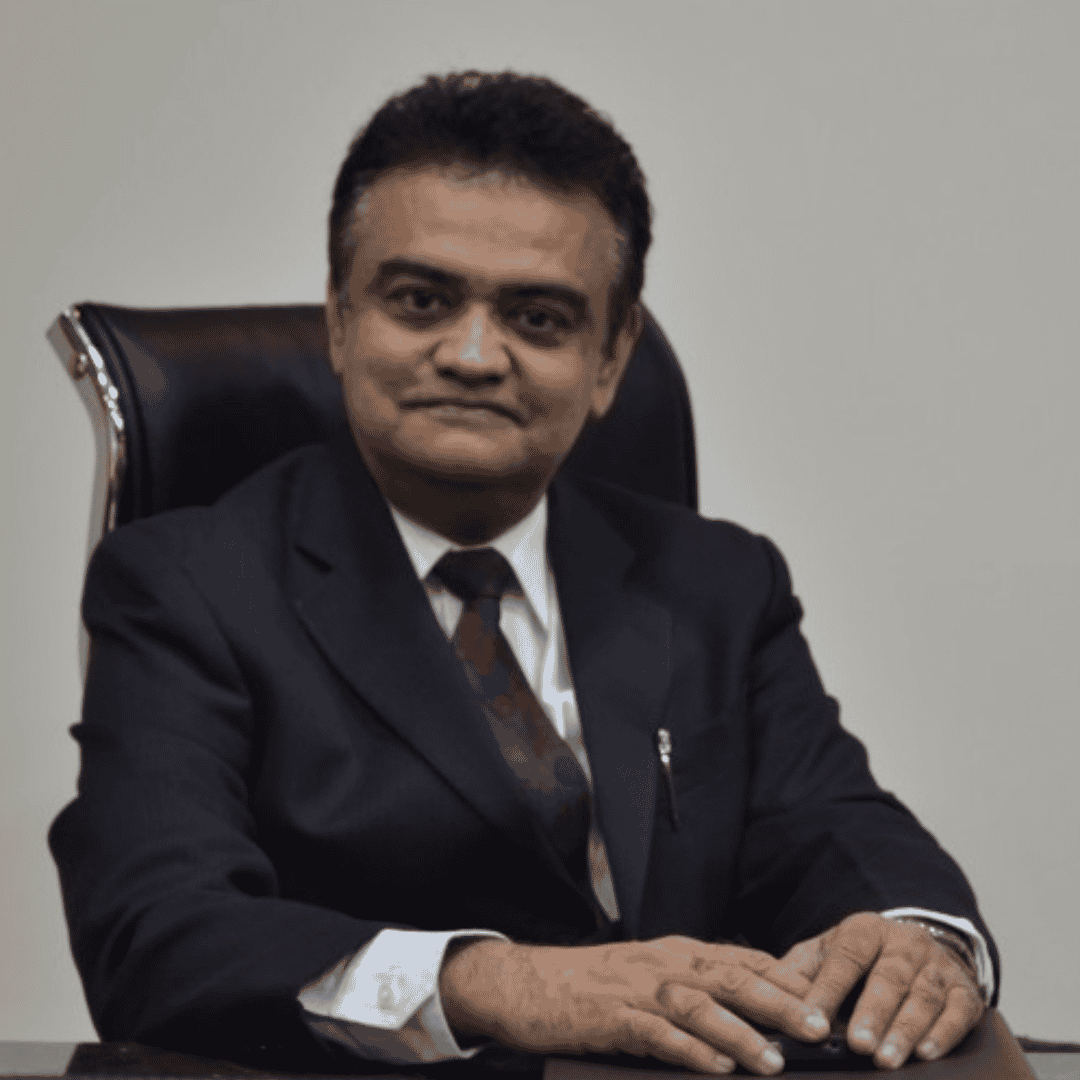

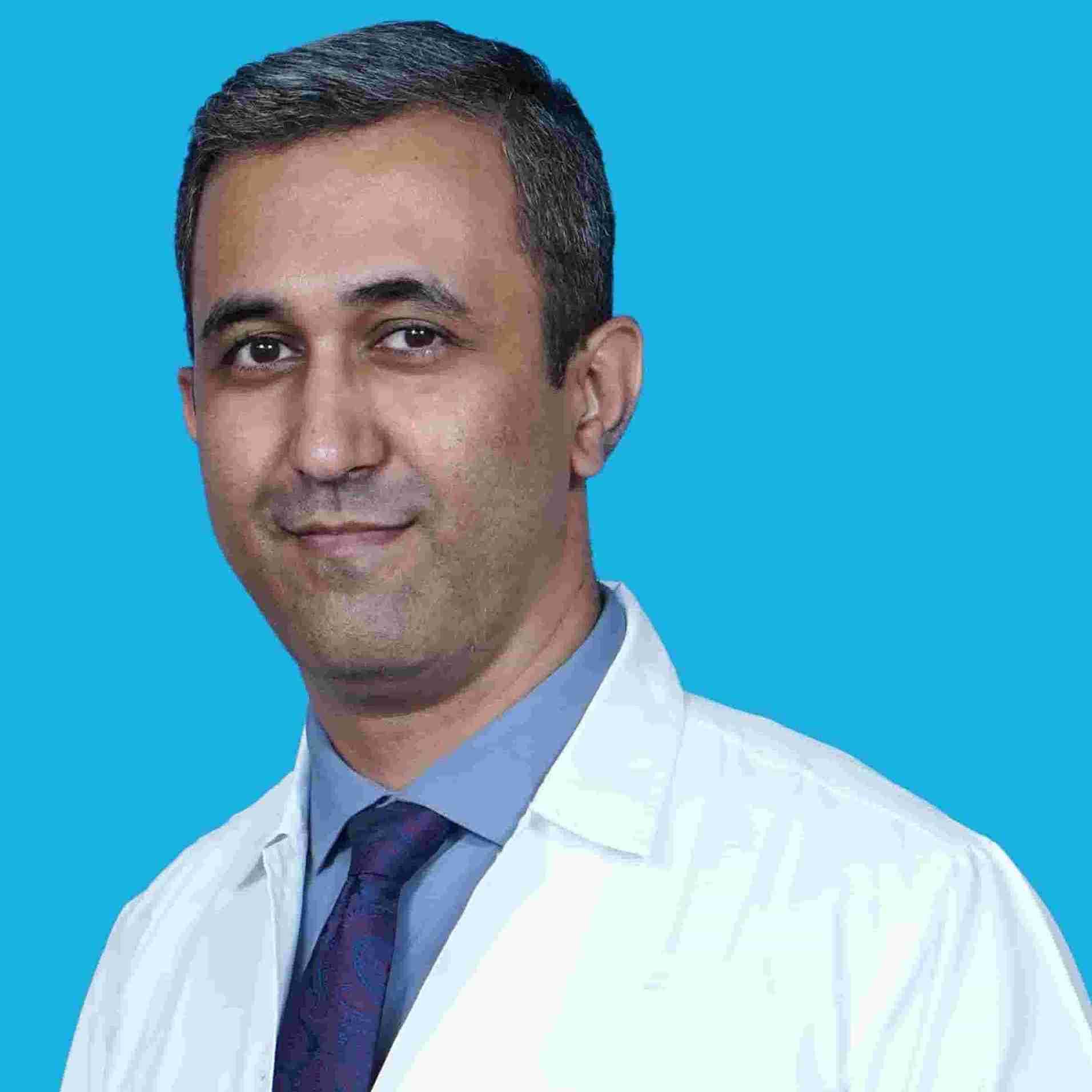
Dr. Sujai S MBBS, MS (Ortho), Senior Prof. HOD
Currex Hospital - Multispecialty Hospital in Bengaluru, India
- Orthopedic surgeon
Bengaluru,India
India’s major medical-travel cities include Delhi, Mumbai, Bengaluru, Chennai, Hyderabad, Kolkata, Ahmedabad, and others. Choose a destination based on the appropriate hospital and surgeon first, then consider flight connections, accommodation, local transport, language support, and access to rehabilitation.
Patients may need a medical visa and a separate attendant visa depending on nationality and current rules. Use India’s official visa portal rather than relying on an agency’s summary. Arrange airport assistance, accessible lodging, a caregiver, medicines, and a local physiotherapist before travel.
| Planning area | What to confirm |
|---|---|
| Medical readiness | Imaging review, tests, anesthesia clearance, medication instructions, and treatment of active infections. |
| Travel logistics | Visa, companion, accessible transfers, hotel, wheelchair help, and luggage assistance. |
| Recovery plan | Hospital stay, physiotherapy, wound review, warning signs, emergency contact, and records. |
| Return home | Individual medical clearance for travel and a plan for local follow-up. |
Surgery and prolonged sitting may increase blood-clot risk. Do not schedule a return flight only from a package timetable; follow the treating surgeon’s clearance. Compare the destination details below with the full clinical and recovery plan.
Compare the available procedures, costs, packages, clinics, reviews, and surgeons carefully. Request a written plan so you can review medical suitability, inclusions, exclusions, travel needs, and follow-up before deciding. This content is for general education and medical-travel planning. PlacidWay does not practice medicine, diagnose conditions, determine treatment suitability, or guarantee outcomes. Speak with a qualified orthopedic surgeon and your healthcare professional before making medical, financial, or travel decisions. Confirm current prices, credentials, facility authorization, package inclusions, and travel requirements directly before booking.Compare Orthopedic Surgery Options in India
References
Medical Disclaimer



















Share this listing