


Birmingham Hip Resurfacing in India: A British Patient's Journey to Mobility
Severe hip osteoarthritis can bring life to a painful halt, leaving many facing agonizing months on medical waiting lists. For active adults unwilling to wait or compromise on their mobility, traveling for Birmingham Hip Resurfacing surgery in India has become a life-changing alternative. A growing number of British patients are discovering that they can access world-class orthopaedic care and bypass crippling delays.
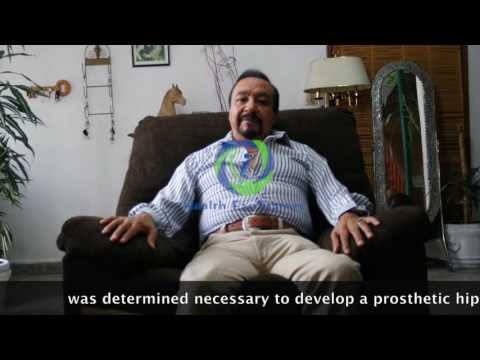
By choosing medical tourism, you can undergo this bone-conserving procedure at a fraction of the private cost back home. Watch to see how a British patient successfully reclaimed his active lifestyle through advanced orthopaedic surgery in India, experiencing exceptional care from highly qualified international specialists.
Video Chapters & Quick Navigation
The Agony of Degenerative Hip Conditions
Living with severe hip dysplasia or advanced osteoarthritis is a daily battle that slowly erodes a person's quality of life. As the protective cartilage in the hip joint wears away, the resulting bone-on-bone friction causes excruciating pain with every step. Simple tasks like tying shoelaces, climbing stairs, or even sleeping through the night become monumental challenges.
For younger, highly active individuals, this diagnosis is particularly devastating. Traditional medical advice often suggests delaying surgery until the pain is unbearable, condemning active adults to years of reliance on painkillers and limited mobility. However, modern orthopaedic advancements have provided a vital alternative to completely replacing the natural joint.
Instead of enduring a sedentary lifestyle while waiting to qualify for a standard hip replacement, many patients are seeking proactive treatments. This urgency to return to high-impact activities, such as jogging, martial arts, or heavy lifting, is exactly what drives the demand for specialized bone-conserving procedures.
What is Birmingham Hip Resurfacing (BHR)?
Birmingham Hip Resurfacing (BHR) is a revolutionary orthopaedic procedure designed specifically for active patients who suffer from severe hip arthritis. Originally developed in the United Kingdom, this technique offers a more conservative approach compared to standard joint replacements. Instead of amputating the entire femoral head and neck, the surgeon simply reshapes the damaged bone.
Once the bone is sculpted, a high-grade cobalt-chrome metal cap is placed over the femoral head, much like a crown placed on a tooth. A matching metal cup is then inserted into the acetabulum (the hip socket). This metal-on-metal articulation is incredibly durable and designed to withstand the rigors of heavy, active physical use over decades.
The primary philosophy behind the BHR device is bone preservation. By keeping the femoral neck intact, the patient retains their natural joint biomechanics. This leads to a more natural feeling joint, greater stability, and a significantly reduced risk of post-surgical dislocation.
Ideal Candidates for the BHR Procedure
Not everyone with hip arthritis is a candidate for Birmingham Hip Resurfacing. Orthopaedic surgeons typically recommend this procedure for specific demographics to ensure the highest success rates. The most successful outcomes are generally seen in males under the age of 65 who have strong, healthy bone density.
Because the procedure relies on the existing femoral neck to support the metal implant, patients with osteoporosis or severe bone cysts are usually directed toward traditional replacements. Furthermore, active individuals who wish to return to high-demand sports find BHR to be the most optimal surgical route.
Birmingham Hip Resurfacing vs. Total Hip Replacement
When discussing orthopaedic intervention, it is crucial to understand the distinct differences between a Total Hip Replacement (THR) and Birmingham Hip Resurfacing. In a THR, the surgeon removes the entire femoral head and neck, driving a long metal stem deep into the femur bone to anchor the new prosthetic joint.
While THR is an incredibly successful operation, it comes with limitations for younger patients. Traditional implants have a lifespan, and young patients will likely outlive their artificial joints. When a traditional implant fails, the subsequent revision surgery is highly complex due to the massive loss of bone stock from the initial operation.
Conversely, BHR preserves the femur. If a resurfaced hip ever needs to be revised in the future, the surgeon simply performs a standard primary hip replacement. This "buy time" strategy is why leading orthopaedic specialists advocate for resurfacing in younger, active demographics.
| Feature | Birmingham Hip Resurfacing (BHR) | Total Hip Replacement (THR) |
|---|---|---|
| Bone Preservation | High (Femoral head is capped, neck is preserved) | Low (Femoral head and neck are completely removed) |
| Target Patient | Active males under 65 with good bone density | Patients over 65, or those with poor bone quality |
| Post-Op Activity | High-impact sports permitted (running, martial arts) | Low-impact activities recommended (swimming, cycling) |
| Dislocation Risk | Extremely low due to natural anatomical size | Higher risk, often requires post-op physical restrictions |
The UK Healthcare Dilemma: Wait Times and Private Costs
Despite BHR being a British invention, accessing the procedure within the United Kingdom has become increasingly difficult. The National Health Service (NHS) is currently facing unprecedented backlogs for elective orthopaedic procedures. British patients frequently report waiting anywhere from 12 to 24 months just to secure a surgical date.
During this prolonged waiting period, patients suffer physical deterioration. Muscle atrophy around the affected hip joint makes the eventual recovery much harder. Furthermore, the mental health impact of living with chronic pain and restricted mobility while waiting for NHS treatment cannot be overstated.
Frustrated by the delays, many patients look to the private healthcare sector in the UK. Unfortunately, the cost of private Birmingham Hip Resurfacing surgery in London or other major UK cities is staggering. Patients are regularly quoted upwards of £15,000 to £18,000 out-of-pocket, making domestic private care financially inaccessible for the average citizen.
Why British Patients Are Choosing India for Orthopaedic Surgery
Faced with long NHS queues and exorbitant private costs, a massive shift toward medical tourism has occurred. India has rapidly emerged as the premier global destination for complex orthopaedic surgeries, including Birmingham Hip Resurfacing. The country boasts a sophisticated medical infrastructure that rivals the best hospitals in the West.
One of the primary driving factors is the unparalleled expertise of Indian orthopaedic surgeons. A vast majority of the leading joint replacement specialists in India have undergone extensive training and fellowships in the United Kingdom or the United States. Many hold the prestigious FRCS (Fellowship of the Royal Colleges of Surgeons) qualification.
These highly skilled surgeons perform a massive volume of joint replacements annually, granting them a level of technical proficiency that is hard to match. By choosing medical tourism for hip replacement in India, British patients are guaranteed access to elite specialists operating in Joint Commission International (JCI) accredited facilities.
State-of-the-Art Medical Facilities
Indian corporate hospitals, such as Apollo, Fortis, and Max Healthcare, are equipped with cutting-edge surgical technology. They utilize advanced computer navigation systems, 3D robotic-assisted surgery platforms, and strictly adhere to international sterilization protocols.
Moreover, the patient-to-nurse ratio in Indian premium hospitals is exceptionally favorable. British patients frequently commend the dedicated, round-the-clock nursing care they receive, which stands in stark contrast to the stretched resources often experienced in domestic public hospitals.
Analyzing the Cost of Birmingham Hip Resurfacing in India
The financial advantage of traveling to India for orthopaedic care is impossible to ignore. British patients can expect to save between 60% and 70% on their BHR procedure, even when factoring in the cost of international flights and premium hotel accommodations.
In India, comprehensive medical packages for affordable hip resurfacing surgery abroad are transparently priced. These all-inclusive packages generally cover the surgeon's fees, the authentic Smith & Nephew BHR implant, operating theater charges, anesthesia, a private hospital room for several days, and initial inpatient physiotherapy.
When you combine top-tier medical expertise with these profound cost savings, the decision to fly to India becomes a logical choice for patients eager to reclaim their health without depleting their life savings.
| Expense Category | Estimated Cost in the UK (Private) | Estimated Cost in India |
|---|---|---|
| Surgery & BHR Implant | £14,000 - £18,000 | £5,000 - £6,500 |
| Hospital Stay (5-7 days) | Included in surgery cost | Included in surgery cost |
| Flights (Return from UK) | N/A | £600 - £900 |
| Outpatient Hotel (7 days) | N/A | £300 - £500 |
| Total Estimated Spend | ~ £16,000 | ~ £6,400 - £7,900 |
A British Patient's Journey: From Consultation to Surgery
The prospect of traveling to a foreign country for major orthopaedic surgery can seem daunting, but specialized medical facilitators ensure a seamless experience. For a British patient traveling to India, the journey begins weeks before boarding the plane. Initial remote consultations allow the Indian surgeon to review the patient's X-rays and MRI scans to confirm they are a viable candidate for BHR.
Upon arriving in India, patients are greeted at the airport by a dedicated international patient coordinator. From that moment, all logistical concerns are managed by the hospital staff. The patient is transported to their hotel or directly to the hospital for comprehensive pre-operative assessments, including blood tests, cardiac evaluations, and precise digital imaging of the hip joint.
Meeting the surgeon in person provides profound peace of mind. Indian specialists take the time to thoroughly explain the surgical approach, the mechanics of the BHR implant, and the expected recovery timeline. By the time the patient is wheeled into the operating theater, they feel confident, supported, and fully informed.
Post-Operative Care and the Rehabilitation Process
The success of a Birmingham Hip Resurfacing surgery relies heavily on post-operative physiotherapy. In Indian orthopaedic centers, rehabilitation begins almost immediately. Thanks to modern pain management protocols, patients are often assisted out of bed and encouraged to take their first assisted steps within 24 hours of waking from surgery.
Because the BHR procedure preserves the native femoral neck and large gluteal muscles are meticulously handled, patients typically experience rapid early mobility. Daily, intensive physiotherapy sessions are conducted right in the hospital room. Therapists guide the patient through targeted exercises designed to restore range of motion, strengthen the supporting musculature, and teach safe crutch-walking techniques.
After a typical hospital stay of five to seven days, the patient is discharged to a nearby comfortable hotel. For the next week, they continue outpatient physical therapy and undergo final surgical reviews. Once the surgeon issues medical clearance, the patient is safe to board a flight back to the UK, equipped with a comprehensive long-term recovery plan to share with their local NHS or private physical therapist.
Reclaiming an Active Life: The Long-Term Outlook
Returning home with a newly resurfaced hip marks the beginning of a vibrant new chapter. As the initial post-surgical swelling subsides and muscle strength returns, patients begin to realize the profound impact of their decision. The gnawing, constant bone-on-bone pain is entirely gone, replaced by smooth, frictionless movement.
Over the following months, under the guidance of local physiotherapists, British patients who underwent Birmingham Hip Resurfacing in India progressively return to the activities they love. Whether it is confidently hiking in the Peak District, returning to the golf course, or simply keeping up with grandchildren without grimacing in pain, the quality-of-life improvements are immeasurable.
By taking control of their healthcare journey, looking beyond geographical borders, and partnering with world-class orthopaedic experts in India, patients successfully sidestep the limitations of domestic waitlists and secure a pain-free, active future.
Ready to Reclaim Your Mobility with BHR in India?
Stop letting long waitlists dictate your quality of life. PlacidWay connects you with world-renowned orthopaedic surgeons and top-tier accredited hospitals in India. Secure exceptional bone-conserving hip surgery at a fraction of the cost. Let us help you plan your medical journey today.
GET A FREE QUOTE





-Package-for-Ankle-Osteoarthritis-in-Beijing,-China-by-AMCare.jpg)












Share this listing