
What Affects the Cost of Knee Replacement Surgery in India?
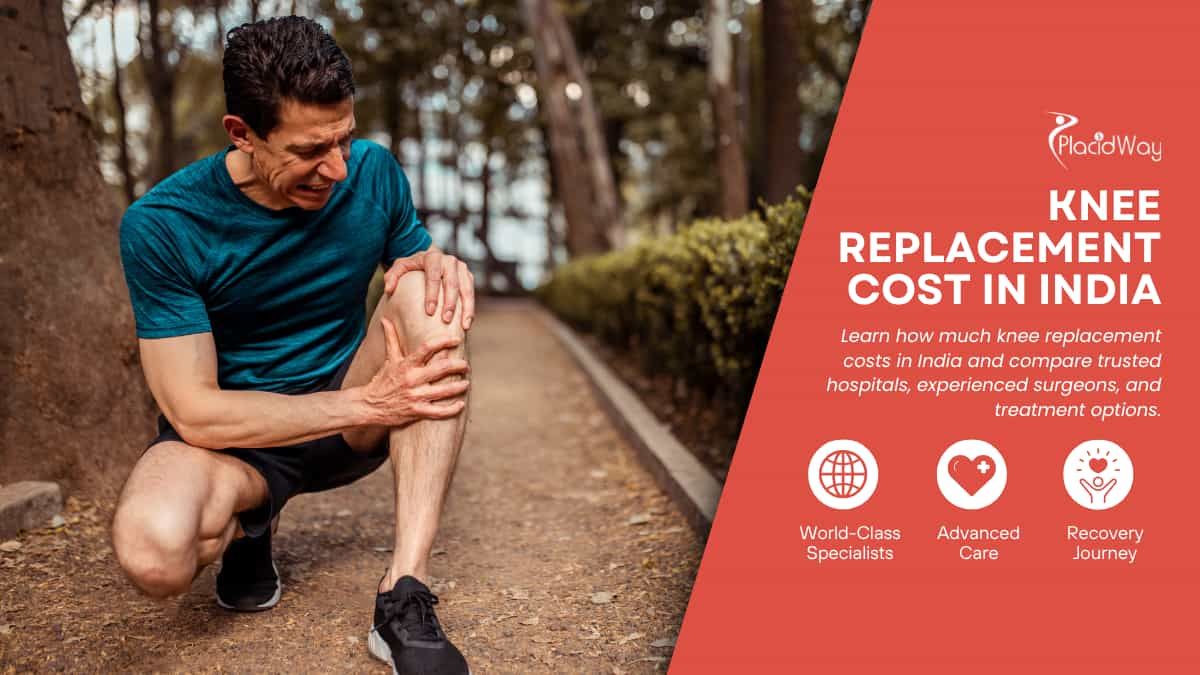
Knee replacement surgery in India typically costs between $6,000 and $11,500 per joint, offering significant savings compared with private healthcare costs in many Western countries.
Key Takeaways: Knee Replacement in India
- Substantial Financial Savings: Choosing a knee replacement in India offers self-pay patients cost reductions of 70% to 80% compared to typical private healthcare prices in North America.
- World-Class Infrastructure: Accredited medical centers feature advanced surgical navigation systems, laminar airflow operating suites, and dedicated international patient units.
- Transparent Bundled Pricing: Evaluating a knee replacement cost in India involves reviewing all-inclusive packages covering surgeon fees, implants, and hospital stays.
- Standardized Prosthetics: Reputable hospitals utilize FDA-cleared and internationally recognized knee implant systems manufactured by leading global biomechanical firms.
- Structured Recovery Frameworks: Comprehensive care models integrate early post-operative physiotherapy and extended local monitoring to support successful functional rehabilitation.
What is the Average Knee Replacement Cost in India for Self-Pay Patients?
The out-of-pocket knee replacement cost in India typically spans from $6,000 to $11,500 per joint depending on material selection and facility choice.
Navigating healthcare finances for major orthopedic procedures requires a clear understanding of self-pay pricing models. When evaluating the knee replacement cost in India, international patients find that comprehensive care packages cover operating theater utilization, surgeon compensation, anesthesia, and inpatient nursing care. Lower overall facility operational expenses and favorable administrative overhead enable hospitals to maintain competitive pricing structures.
While single-joint replacements remain standard, patients requiring bilateral interventions or specialized custom-engineered prosthetics will encounter varied pricing. Evaluating options at an orthopedic clinic in India ensures that self-pay individuals account for pre-operative diagnostic imaging, specialized blood panels, and required post-operative physical therapy sessions.
Prices vary by hospital brand, regional location within major cities like New Delhi, Mumbai, or Chennai, and individual case complexity. Accredited medical centers provide detailed itemized estimates upon reviewing patient medical records and recent diagnostic imaging files.
Did You Know?
Prosthetic implant materials—such as high-flex polyethylene and oxinium components—play a primary role in determining baseline surgical package costs due to their long-term wear resistance.
What Procedure Types Are Available at an Orthopedic Clinic in India?
Available procedures at an accredited orthopedic clinic in India include total knee arthroplasty, partial knee replacement, bilateral procedures, and revision surgeries.
Patients seeking joint reconstruction gain access to advanced surgical methodologies. Total knee arthroplasty replaces damaged femoral and tibial joint surfaces with durable artificial components, eliminating arthritic friction and restoring pain-free range of motion.
Many orthopedic centers specialize in computer-assisted navigation and minimally invasive approaches. These techniques help surgeons ensure precise bone cuts and accurate prosthetic component placement, which can reduce post-operative discomfort and accelerate functional recovery.
Additionally, specialized surgical teams perform complex revision arthroplasties for patients needing prosthetic component exchanges due to wear, loosening, or infection. Advanced surgical planning helps surgeons manage bone loss and restore joint stability.
| Knee Procedure Type | Estimated Self-Pay Cost (USD) | Inpatient Hospital Stay |
|---|---|---|
| Total Knee Arthroplasty (Standard) | $6,000 - $11,500 | 3 - 5 Days |
| Partial Knee Replacement | $5,500 - $9,500 | 2 - 4 Days |
| Bilateral Total Knee Replacement | $12,000 - $19,000 | 5 - 8 Days |
| Complex Revision Knee Arthroplasty | $10,000 - $18,000+ | 6 - 9 Days |
Why Do International Patients Choose Medical Tourism in India for Orthopedics?
International patients choose medical tourism in India for its world-class accredited hospitals, high-volume joint specialists, advanced technology, and personalized patient care services.
Engaging in medical tourism in India offers distinct benefits for individuals seeking specialized orthopedic care. Major hospital networks in cities like New Delhi, Mumbai, and Bangalore maintain international facility accreditations, ensuring compliance with strict global standards for hygiene, surgical safety, and patient care.
Furthermore, the country has established itself as a premier global healthcare destination by combining advanced medical technology with personalized hospitality. Dedicated international patient coordination departments assist travelers with medical visa invitations, airport transportation, multi-language interpretation, and lodging arrangements.
High procedural volumes performed by specialized joint surgeons give clinical teams extensive experience in handling complex joint anatomies, resulting in reliable functional outcomes and high patient satisfaction rates.
Important Consideration
Patients should request detailed documentation regarding implant component brands and serial numbers prior to surgery to ensure long-term device traceability and worldwide compatibility.
What Surgeon Qualifications and Facility Standards Apply in India?
Orthopedic specialists maintain active licensing through official registries, complete formal subspecialty fellowships, and practice in accredited hospitals.
Ensuring clinical safety requires rigorous evaluation of professional credentials. Orthopedic specialists performing joint arthroplasty must hold active medical registration with the National Medical Commission (NMC) of India, alongside board certifications and specialized fellowship training. Many leading surgeons complete advanced training at prominent international medical institutions across Western nations.
Patients can verify physician credentials directly through official medical council registries. Professional association memberships provide insight into ongoing continuing education but should not be treated as standalone proof of active surgical licensing.
Hospital facilities must hold recognized international or national health accreditations, such as Joint Commission International (JCI) approval. Accredited centers maintain advanced sterile processing departments, dedicated intensive care units, and comprehensive emergency backup systems to handle unexpected medical needs.
What Is the Post-Operative Rehabilitation and Recovery Timeline?
Mobilization begins within 24 hours of surgery, followed by structured inpatient physical therapy and a gradual return to normal activity over 3 to 6 months.
Structured physical therapy is critical for achieving optimal functional recovery after undergoing a knee replacement in India. In local hospitals, supervised mobilization begins on the first day following surgery, with physical therapists guiding patients through assisted standing, walking with assistive devices, and gentle range-of-motion exercises.
Following discharge from the acute care hospital, international patients are advised to remain locally for 10 to 14 days. This extended recovery window allows the surgical team to monitor wound healing, oversee initial outpatient physical therapy sessions, remove surgical staples, and provide formal fit-to-fly clearance.
Upon returning home, continuing structured outpatient physiotherapy for 8 to 12 weeks strengthens supporting knee musculature and restores natural joint flexion.
What Clinical Risks and Complications Should Patients Consider?
Clinical risks include surgical site infection, joint stiffness, blood clots, component wear, and the need for coordinated follow-up care at home.
All surgical interventions involve inherent clinical risks. Potential complications of joint replacement include superficial or deep wound infections, joint stiffness, nerve irritation, excessive bleeding, or component wear over time.
Traveling internationally introduces added health considerations, particularly regarding deep vein thrombosis (DVT) during long journeys. Surgical teams mitigate DVT risks by prescribing anticoagulant medications, utilizing mechanical compression boots, and enforcing early walking protocols.
Patients can minimize risks by disclosing their complete medical history during pre-op evaluations, adhering strictly to rehabilitation instructions, and establishing communication with a local physical therapist in their home country prior to departure.
How Should Patients Prepare for Medical Travel?
Preparation involves gathering diagnostic imaging, securing virtual pre-consultations, verifying travel documentation, and arranging travel companion support.
Proper pre-travel planning helps ensure a well-organized medical journey. Start by compiling recent high-resolution weight-bearing X-rays, MRI scans, and clinical notes from your home doctor. Transmitting these digital files for remote pre-consultations allows orthopedic teams to review your case and formulate a precise treatment plan.
Travel-document requirements depend on citizenship and whether the patient travels by air. Verify passport validity and obtain a valid medical visa well in advance. Traveling with a companion is strongly recommended to assist with personal mobility during early recovery.
Finally, confirm all financial and logistical agreements in writing before departure. Understanding package inclusions helps prevent unexpected expenses and allows you to focus fully on your physical recovery.
Why Choose PlacidWay?
PlacidWay connects patients with accredited international hospitals, providing transparent cost comparisons, verified facility profiles, and direct communication channels.
Navigating global healthcare options can feel complex. PlacidWay serves as a global medical information resource, helping patients explore accredited treatment centers and connect directly with experienced orthopedic specialists worldwide.
Access to Broad Global Healthcare Directories
Browse comprehensive profiles of accredited hospitals and specialty orthopedic clinics across international destinations.
Transparent Cost Estimates
Review estimated procedure pricing and package details to plan your medical travel budget effectively.
Direct Medical Facility Communication
Connect directly with hospital international patient offices to share medical imaging and request case evaluations.
Verified Specialist Documentation
Examine surgeon background details, subspecialty fellowship histories, and hospital accreditations before booking.
Comprehensive Educational Resources
Access detailed procedure guides, destination overviews, and planning checklists to support your healthcare journey.
Frequently Asked Questions
How much does knee replacement surgery cost in India for international patients?
The average knee replacement cost in India ranges between $6,000 and $11,500 per joint, providing 70% to 80% savings compared to typical private healthcare prices in the United States.
Are international knee implant brands utilized during knee replacement in India?
Accredited medical centers utilize FDA-cleared and internationally recognized prosthetic knee systems manufactured by leading global medical technology companies.
How long must international patients stay in India after undergoing knee replacement in India?
Patients are generally advised to remain locally in the country for 10 to 14 days following knee replacement in India to complete initial rehabilitation and receive fit-to-fly clearance.
What is included in a self-pay medical package for a knee replacement in India?
Self-pay packages generally include surgeon and anesthesia fees, operating room expenses, hospital room stays, prosthetic implants, diagnostic imaging, and early bedside physical therapy.
How do patients verify the credentials of an orthopedic surgeon before receiving a knee replacement in India?
Patients can verify surgeon credentials by checking official registration with the National Medical Commission of India and confirming specialty board certifications and fellowship histories.
Is traveling for a knee replacement in India safe for foreign visitors?
Yes, joint replacement surgery can be safe when performed at internationally accredited hospital facilities by board-certified specialists following strict global infection control protocols.
Can patients undergo minimally invasive knee replacement procedures during medical tourism in India?
Many modern orthopedic centers offer computer-assisted navigation and minimally invasive surgical approaches to support precise implant placement and faster recovery.
Does health insurance cover elective knee replacement surgery performed during medical tourism in India?
Coverage depends entirely on your specific insurance policy provider. Certain international global health insurance plans or specialized employer-sponsored travel programs offer partial reimbursement.
What clinical risks should patients consider before traveling for a knee replacement in India?
Potential clinical risks include surgical site infection, joint stiffness, blood clots, component wear, and the need for structured follow-up care after returning home.
How is deep vein thrombosis managed after receiving care at an orthopedic clinic in India?
Surgeons mitigate blood clot risks by prescribing anticoagulant medications, utilizing mechanical compression devices, and initiating early walking protocols within 24 hours of surgery.
Request Treatment Information
Compare accredited medical centers, review specialist qualifications, and request personalized procedure estimates for your joint care journey.
Request Treatment InformationMedical Disclaimer: The content provided in this article is for educational and informational purposes only and does not constitute formal medical advice. Always consult with a qualified healthcare professional before undergoing any surgical intervention.
Pricing Disclaimer: Cost estimates are subject to variation based on individual medical conditions, facility selection, surgeon experience, and required implant materials.
References
- Activities After Total Knee Replacement Guidelines – American Academy of Orthopaedic Surgeons
- Total Joint Arthroplasty Outcomes and Economics – National Center for Biotechnology Information
- Pre-Travel Consultation & Health Guidelines – Centers for Disease Control and Prevention
- WHO Surgical Safety Guidelines – World Health Organization
- International Healthcare Facility Accreditation Standards – Joint Commission International
- Evaluation of Orthopedic Surgery Outcomes – PubMed





























Share this listing