



Premium and Affordable Hip Replacement in India
Choosing to undergo a Hip Replacement in India is rapidly becoming the premier choice for international patients seeking to eliminate chronic joint pain and regain their mobility. With the rising costs of orthopedic healthcare in Western nations, India offers a highly attractive alternative that combines world-class medical expertise with exceptional affordability. Patients from the United States, the United Kingdom, Canada, and Australia are increasingly traveling to Indian medical centers to access advanced arthroplasty procedures performed by internationally trained and highly acclaimed joint replacement surgeons.
The medical tourism packages for orthopedic surgeries in this region are designed with international standards in mind, ensuring that every patient receives personalized, compassionate, and technologically advanced medical care. By opting for a total or partial hip arthroplasty in India, patients benefit from state-of-the-art medical infrastructure, minimal to zero waiting times, and post-operative rehabilitation programs that foster rapid and safe recovery. The significant cost savings associated with these procedures allow patients to invest in their health without facing crippling financial burdens, all while receiving treatment in internationally accredited hospitals.
Key Takeaways for Your Orthopedic Journey
- Massive Cost Savings: Patients can save between sixty to eighty percent on their joint replacement surgeries compared to healthcare costs in North America or Europe, without compromising on the quality of implants or clinical outcomes.
- World-Renowned Surgeons: The orthopedic specialists performing hip replacement surgery in India possess decades of experience, international fellowships, and exceptionally high success rates in complex joint reconstruction.
- FDA-Approved Implants: Top-tier Indian hospitals utilize globally recognized, high-durability prosthetic implants from leading international manufacturers, ensuring longevity and improved joint function.
- Zero Waiting Periods: Unlike the public healthcare systems in many Western countries, international patients receive immediate medical attention and can schedule their surgeries promptly upon arrival.
- Comprehensive Rehabilitation: Medical packages frequently incorporate dedicated physical therapy and post-operative rehabilitation, which are critical for restoring strength, flexibility, and a natural gait pattern.
Cost Overview and Comparison for Hip Replacement in India
Understanding the financial aspects of orthopedic care is vital for international patients. The cost of a hip replacement in India is remarkably lower than in most developed nations, primarily due to lower administrative and operational costs, favorable exchange rates, and a highly competitive medical sector. Despite the lower price tag, the standard of clinical care, the sterilization protocols, and the quality of the prosthetic joints remain on par with the best medical facilities globally.
| Country | Estimated Cost (USD) | Estimated Savings |
|---|---|---|
| India | $5,500 - $7,500 | - |
| United States | $35,000 - $45,000 | Up to 80% |
| United Kingdom | $18,000 - $22,000 | Up to 70% |
| Australia | $20,000 - $26,000 | Up to 72% |
| Canada | $16,000 - $20,000 | Up to 65% |
Note: The prices listed above are estimates and may vary depending on the complexity of the procedure, the specific type of implant required, the surgeon's expertise, and the patient's individual medical condition.
What’s Included in the Hip Replacement Package
- Comprehensive pre-operative orthopedic consultations and comprehensive physical evaluations.
- The surgical procedure itself, including the high-quality prosthetic hip implant.
- Surgeon, anesthesiologist, and dedicated operating theater fees.
- Hospitalization costs for the standard required duration (typically 4 to 6 days).
- Standard post-operative medications, antibiotics, and pain management drugs administered during the hospital stay.
- Initial in-hospital physical therapy and rehabilitation sessions to encourage early mobility.
- Routine medical supplies, dressings, and use of surgical equipment.
- Round-the-clock nursing care and monitoring while admitted to the orthopedic ward.
What’s Not Included in the Hip Replacement Package
- International airfare and domestic transportation to and from the home country.
- Hotel accommodation and living expenses for the patient and companion outside of the hospital stay.
- Costs associated with obtaining a medical visa or passport processing.
- International health or travel insurance policies.
- Meals, beverages, and dining expenses incurred outside the standard hospital meal plan.
- Extra treatments or surgeries needed for unforeseen complications or pre-existing non-orthopedic conditions.
- Personal expenses, sightseeing costs, or premium upgrades in hospital room categories.
Understanding Hip Replacement in India
- Purpose of the Surgery: The primary objective of hip replacement surgery is to alleviate severe, debilitating joint pain and restore full range of motion. It is most frequently performed on patients suffering from end-stage osteoarthritis, rheumatoid arthritis, or severe joint trauma that has not responded to conservative therapies.
- Types of Procedures: Patients may undergo a Total Hip Replacement (replacing both the ball and socket), a Partial Hip Replacement (replacing only the femoral head), or a Bilateral Hip Replacement (operating on both hips simultaneously or staged). The specific approach depends on the extent of the joint damage.
- How the Surgery Works: During the procedure, the orthopedic surgeon carefully removes the diseased bone and damaged cartilage from the hip joint. These biological structures are then systematically replaced with precise, biocompatible prosthetic components made of metal, ceramic, or medical-grade plastic to recreate a smooth, gliding joint.
- Technological Advancements: Many Indian medical facilities utilize minimally invasive surgical techniques and robotic-assisted arthroplasty. These modern approaches reduce soft tissue damage, minimize surgical incisions, lower the risk of dislocation, and promote a much faster healing timeline.
- Expected Recovery Time: While initial hospital recovery takes about a week, patients generally resume light, daily activities within three to six weeks. Full integration of the implant and complete functional recovery, aided by rigorous physical therapy, usually takes about three to six months.
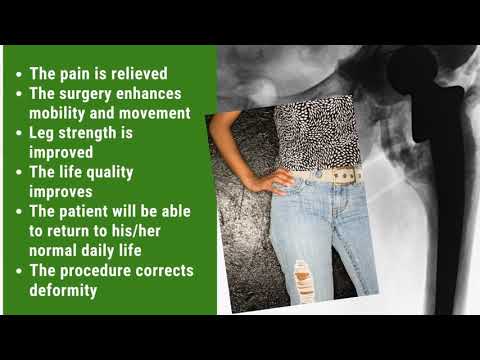
- Remarkable Success Rates: Orthopedic joint replacements in this region boast a success rate exceeding ninety-five percent. With proper post-operative care and adherence to physical therapy protocols, modern prosthetic hips are designed to last for fifteen to twenty years, dramatically improving the patient's quality of life.
Who Is the Ideal Candidate for Hip Replacement in India?
- Individuals experiencing chronic, persistent hip pain that interferes with routine daily activities such as walking, bending, or climbing stairs.
- Patients who experience continuous joint pain while resting, both during the day and particularly at night, leading to sleep disturbances.
- Those who suffer from severe hip stiffness that severely limits their ability to move or lift their leg.
- Individuals who have found no adequate pain relief from conservative, non-surgical treatments including anti-inflammatory medications, physical therapy, or walking supports.
- Patients who are generally in good overall medical health, free from active infections, and have a strong cardiovascular system to safely undergo major anesthesia and surgery.
- People with a positive mindset who hold realistic expectations about the surgery outcomes and are fully committed to completing the rigorous post-operative physical rehabilitation program.
Day-by-Day Itinerary for Your Hip Replacement in India
- Day 1: Arrival and Settlement: You will arrive in the host city, get settled into your local accommodation or directly into the hospital ward, and rest after your international flight.
- Day 2: Pre-Operative Assessment: An in-depth consultation with your primary orthopedic surgeon takes place. You will undergo comprehensive diagnostic tests, blood work, X-rays or MRIs, and a thorough evaluation by the anesthesiology team to ensure surgical readiness.
- Day 3: The Surgical Procedure: On the day of the operation, you will be prepared for surgery. The hip replacement procedure typically lasts between one to two hours. Following the surgery, you will be monitored closely in the post-anesthesia care unit before returning to your private orthopedic room.
- Day 4 to 5: Immediate Post-Op Care: The primary focus shifts to effective pain management and preventing complications. A physical therapist will help you stand and take your first few steps using a walker. You will learn how to safely bear weight on your new joint.
- Day 6 to 8: In-Hospital Rehabilitation: You will engage in daily physical therapy sessions to strengthen the muscles surrounding the hip and improve your overall mobility. Once the surgeon determines your progress is satisfactory and medically stable, you will be discharged from the hospital.
- Day 9 to 15: Outpatient Recovery and Follow-ups: You will stay in a local hotel or recovery center. During this phase, you will attend scheduled outpatient physical therapy and visit the surgeon for wound inspection and staple removal before getting medical clearance to fly back home.
What to Expect from Your Hip Replacement in India
When you opt for this life-changing procedure, the primary outcome you can anticipate is a dramatic and lasting reduction in joint pain. Many patients report that the chronic, grinding pain they experienced due to arthritis is completely eliminated almost immediately after the surgical pain subsides. As you heal, you will notice a significant restoration of your hip's range of motion, enabling you to participate in activities that were previously impossible, such as swimming, cycling, or enjoying long walks without requiring constant breaks or walking aids.
The overall patient experience in Indian orthopedic hospitals is characterized by compassionate care and high levels of patient satisfaction. The hospital staff, from nurses to specialist physicians, are fluent in English and trained to cater specifically to international medical tourists. While the first few weeks of recovery require dedication to physical therapy and adapting to new physical boundaries, patients generally find the environment highly supportive. You can expect a structured, guided pathway to recovery that prioritizes your comfort, safety, and long-term joint functionality.
Post-Hip Replacement Recovery in India
- Strict Adherence to Physical Therapy: Consistent physical therapy is the cornerstone of a successful recovery. Engaging daily in the prescribed exercises will strengthen your hip abductors, improve joint flexibility, and help you transition smoothly from a walker to a cane, and eventually to independent walking.
- Following Movement Precautions: To prevent dislocation of the new prosthetic joint, you must strictly avoid crossing your legs, bending your hips more than ninety degrees, or excessively twisting your operated leg inward or outward for the first several weeks.
- Utilizing Assistive Devices: Make use of elevated toilet seats, shower chairs, and dressing sticks to navigate daily hygiene and dressing routines safely without violating your hip precautions or straining your healing muscles.
- Meticulous Wound Care: Keep your surgical incision clean and completely dry. Follow your surgeon's exact instructions regarding bandage changes and showering protocols to minimize the risk of post-operative bacterial infections.
- Effective Medication Management: Take your prescribed blood thinners to prevent deep vein thrombosis (blood clots) and stay ahead of your pain by taking your analgesics exactly as directed, rather than waiting for the pain to become unbearable.
- Gradual Resumption of Activities: Slowly integrate more movement into your daily routine. Avoid high-impact sports, heavy lifting, or running. Consult your orthopedic specialist before attempting to drive or returning to a physically demanding job.
Why Choose India for Hip Replacement?
- Unparalleled Affordability: The cost framework for complex orthopedic surgeries is highly economical, allowing international patients to access premium healthcare at a fraction of the cost they would incur in their home countries.
- Internationally Accredited Facilities: The top-tier hospitals are recognized by global healthcare standardization bodies such as the Joint Commission International (JCI), ensuring rigorous patient safety and strict clinical governance.
- Language and Communication: India boasts a massive population of fluent English-speaking healthcare professionals. Medical tourists face no language barriers when discussing complex medical histories or understanding post-operative care instructions.
- Exceptional Surgical Expertise: The nation is home to globally recognized orthopedic surgeons who routinely perform hundreds of joint replacements annually, refining their skills and mastering complex reconstructive techniques.
- Advanced Medical Technologies: The facilities are equipped with the latest diagnostic imaging, robotic surgical assistants, and cutting-edge operating theaters, which significantly enhance the precision and safety of the joint replacement process.
- Holistic Medical Tourism Infrastructure: The country offers dedicated medical tourist departments that handle airport transfers, priority admissions, and dedicated international patient lounges, making the entire medical journey seamless and stress-free.
Explore India While You Recover: Top Attractions for Hip Replacement Patients
- Tranquil Houseboat Cruises in Kerala: For patients seeking absolute relaxation without physical exertion, floating through the serene, palm-fringed backwaters of Kerala offers a peaceful, scenic recovery environment that requires minimal mobility.
- Accessible Viewing of the Taj Mahal: A visit to this world wonder in Agra is highly manageable. The site offers wheelchair accessibility and smooth, paved pathways, allowing recovering patients to marvel at the iconic architecture without enduring long, stressful walks.
- Therapeutic Wellness and Yoga Retreats: Many post-surgical patients benefit from attending specialized Ayurvedic wellness centers. These resorts offer gentle, medically approved restorative yoga, meditation, and therapeutic massages that complement physical recovery and calm the mind.
- Cultural Experiences in Delhi: Exploring the rich history of the capital can be done comfortably via private, air-conditioned vehicle tours. You can view the majestic India Gate, the Red Fort, and the Lotus Temple safely from a vehicle or with minimal walking.
- Relaxing in Coastal Goa: Opt for a luxurious beachfront resort in Goa to enjoy the soothing sea breeze and warm climate. Spending time in a comfortable lounge chair by the ocean is an excellent, low-impact way to relax during your final stages of recuperation before flying home.
Frequently Asked Questions About Hip Replacement in India
How much does a hip replacement in India typically cost?
The procedure generally costs between $5,500 and $7,500. This price typically includes the hospital stay, surgeon's fees, anesthesia, the prosthetic implant, and immediate post-operative care. It provides a substantial financial advantage compared to prices in the United States or the United Kingdom.
What type of prosthetic materials are used by Indian orthopedic surgeons?
Surgeons utilize high-quality, FDA-approved implants sourced from top global manufacturers. Depending on the patient's age and activity level, materials may include ceramic-on-ceramic, metal-on-polyethylene, or ceramic-on-polyethylene, known for their durability and excellent biocompatibility.
How long should I plan to stay in the country for this medical procedure?
International patients are generally advised to stay for a total of two to three weeks. This duration covers the pre-operative assessments, the hospital stay (usually four to six days), and enough time for initial outpatient physical therapy and follow-up clearance before boarding a long flight.
Is it safe to travel long distances after undergoing joint replacement surgery?
Yes, it is safe once you receive clearance from your orthopedic specialist. To prevent complications like deep vein thrombosis during your flight home, your doctor will advise you to wear compression stockings, take prescribed blood thinners, and periodically move your legs and ankles in the cabin.
Will the hospital staff be able to communicate with me in English?
Absolutely. The prominent hospitals that cater to medical tourists require their doctors, surgeons, nurses, and administrative staff to be highly proficient in English. You will have no trouble discussing your medical history, understanding your treatment plan, or conveying your needs.
What is the success rate of orthopedic joint replacement surgeries in this region?
The success rates at leading JCI-accredited hospitals are exceptionally high, typically exceeding ninety-five percent. Advanced surgical techniques, stringent infection control measures, and rigorous rehabilitation protocols contribute to these excellent, long-term clinical outcomes.
Are minimally invasive surgical options available for this procedure?
Yes, many top orthopedic centers offer minimally invasive hip replacement options. This advanced technique involves smaller surgical incisions, less muscle cutting, reduced blood loss, and generally results in a much faster and less painful recovery period for the patient.
How quickly will I be able to walk after the operation?
Most patients are assisted by a physical therapist to stand and take a few steps using a walker on the very same day or the day after the surgery. Early mobilization is highly encouraged as it accelerates the healing process and significantly reduces the risk of blood clots.
Can I have both hips replaced during the same surgical trip?
Yes, bilateral hip replacements can be performed either simultaneously (in one operation) or sequentially (staged a few days apart) if your overall health and cardiovascular fitness permit. Your surgeon will carefully evaluate your medical condition to determine the safest and most effective approach.
What happens if I require further medical assistance after returning home?
Reputable hospitals and medical facilitators maintain ongoing communication with international patients. You will receive a detailed medical report, surgical notes, and implant details to share with your local physician. Tele-consultations can also be arranged to monitor your long-term recovery progress.
Take the First Step Towards Pain-Free Movement with PlacidWay
Navigating international healthcare can feel overwhelming, but you do not have to do it alone. PlacidWay is dedicated to connecting patients with the highest quality medical care globally, ensuring a transparent, secure, and supportive experience as you plan your Hip Replacement in India.
- Expert Medical Matching: PlacidWay meticulously connects you with globally accredited hospitals and highly vetted orthopedic surgeons who specialize in advanced joint reconstruction.
- Transparent Cost Estimates: We assist you in acquiring detailed, transparent, and obligation-free quotes, allowing you to clearly compare prices and understand exactly what your medical package entails.
- Direct Clinic Communication: PlacidWay bridges the communication gap by facilitating direct, smooth correspondence between you and the international medical providers, ensuring all your clinical questions are thoroughly answered.
- Dedicated Patient Support: Our dedicated team guides you through the complex documentation process, helping you organize medical records and simplifying your pathway to receiving top-tier healthcare.
- Empowering Healthcare Decisions: We provide you with verified patient reviews, detailed surgeon profiles, and comprehensive clinic data so you can make informed, confident choices regarding your orthopedic surgery.




.png)
.png)
.png)













Share this listing