


The Complete Guide to World-Class Orthopedics, Traumatology, and Spine Care
Chronic joint pain and debilitating spinal conditions can severely diminish your quality of life, transforming simple daily tasks into agonizing challenges. Finding the best multispeciality hospital for orthopedics, traumatology, and spine care is the most critical first step toward reclaiming your mobility and overall independence. Modern medical facilities do not just treat the immediate injury; they provide a comprehensive, holistic approach to musculoskeletal health.
By combining world-class orthopedic surgeons, cutting-edge robotic technology, and highly specialized rehabilitation programs, top-tier medical centers deliver exceptional patient outcomes. Watch to discover how state-of-the-art surgical techniques and advanced diagnostic tools are completely revolutionizing modern bone, joint, and spine care.
Video Chapters & Quick Navigation
The Foundation of Musculoskeletal Health and Longevity
The human musculoskeletal system is an incredible architectural marvel composed of bones, joints, ligaments, tendons, and muscles working in perfect harmony. When this complex system functions properly, it allows us to perform dynamic movements, support our body weight, and protect our vital internal organs. However, as we age or experience physical trauma, the structural integrity of this intricate system can become severely compromised.
Degenerative conditions like osteoarthritis can slowly erode the protective cartilage within our joints, leading to painful bone-on-bone friction. Similarly, acute injuries sustained during sports or vehicular accidents can cause immediate, catastrophic damage to our skeletal framework. Seeking early intervention at a highly rated multispeciality hospital is crucial for preventing long-term disability and chronic pain syndromes.
Advanced diagnostic imaging has transformed how physicians understand and treat these debilitating musculoskeletal conditions. Utilizing high-resolution MRI machines and 3D CT mapping, doctors can visualize the exact extent of tissue damage before making a single incision . This unparalleled level of diagnostic precision ensures that patients receive highly targeted therapies tailored to their specific biomechanical needs.
The Unique Advantage of a Multispeciality Hospital
When facing a complex orthopedic or spinal issue, the environment in which you receive care is just as important as the surgeon performing the procedure. A premier multispeciality hospital offers an integrated, multidisciplinary approach that standalone clinics simply cannot match. In these advanced medical centers, orthopedic surgeons collaborate directly with neurologists, pain management specialists, and specialized physical therapists.
This collaborative ecosystem is particularly vital for patients who have preexisting medical conditions, such as diabetes or cardiovascular disease. If complications arise during an advanced spine surgery or a total joint replacement, having an entire team of diverse medical experts down the hall is a literal lifesaver. This comprehensive safety net drastically reduces perioperative risks and significantly improves overall patient survival and recovery rates.
Furthermore, the best multispeciality hospitals invest heavily in state-of-the-art infrastructure and rigorous infection control protocols. These institutions maintain ultra-sterile operating theaters equipped with laminar airflow systems, which continuously filter out airborne pathogens to prevent surgical site infections. By strictly adhering to international healthcare standards, these hospitals provide a secure and highly optimized environment for complex surgical interventions.
Comprehensive Orthopedic Treatments and Sports Medicine
Orthopedics is a vast medical specialty focused on diagnosing, correcting, and preventing structural deformities and disorders of the skeletal system. Top orthopedic doctors utilize a progressive treatment philosophy, ensuring that conservative, non-invasive therapies are exhausted before recommending surgery. Modalities such as corticosteroid injections, customized bracing, and targeted physical therapy can often provide profound relief for chronic joint pain.
Innovations in Biologics and Regenerative Medicine
In recent years, the field of sports medicine has been completely revolutionized by the advent of regenerative medicine and biologic treatments. Platelet-Rich Plasma (PRP) therapy and stem cell treatments are now routinely used to accelerate the healing of torn ligaments and inflamed tendons. By harnessing the body's natural healing factors and concentrating them at the site of injury, patients can often avoid invasive surgical procedures altogether.
These cutting-edge biological treatments are particularly beneficial for professional athletes and active individuals suffering from conditions like tennis elbow, Achilles tendinitis, or partial rotator cuff tears. The minimally invasive nature of regenerative medicine means that patients experience little to no downtime. As these technologies continue to advance, they are rapidly becoming the new gold standard for treating soft tissue orthopedic injuries .
Pediatric Orthopedic Excellence
Children require specialized orthopedic care because their skeletal structures are still rapidly growing and developing. The best multispeciality hospitals feature dedicated pediatric orthopedic departments that handle complex conditions such as severe scoliosis, clubfoot, and congenital hip dysplasia. Treating these conditions early prevents permanent skeletal deformities and ensures that children can grow into healthy, fully mobile adults.
Pediatric orthopedic surgeons use highly specialized, growth-sparing techniques when correcting spinal curves or lengthening limbs. They work closely with pediatric anesthesiologists and child life specialists to minimize fear and anxiety during hospital stays. This compassionate, family-centered approach is a hallmark of world-class pediatric bone and joint care facilities.
Advanced Joint Replacement Solutions: Hips, Knees, and Shoulders
For individuals suffering from end-stage osteoarthritis or rheumatoid arthritis, joint replacement surgery offers a miraculous opportunity to live a pain-free life. Total knee replacement (arthroplasty) and total hip replacement are among the most successful and frequently performed elective surgeries worldwide. By removing the damaged cartilage and bone and replacing it with highly durable prosthetic components, surgeons can fully restore joint mechanics.
The Rise of Robotic-Assisted Surgery
The integration of robotic-assisted surgical platforms has elevated joint replacement procedures to an unprecedented level of precision. Using systems like Mako SmartRobotics, orthopedic surgeons can create a highly detailed 3D model of the patient’s joint prior to the operation. This virtual mapping allows the surgeon to plan the exact size, placement, and alignment of the implant with sub-millimeter accuracy.
During the actual procedure, the robotic arm assists the surgeon by constraining the cutting tools within the predefined surgical plan. This prevents accidental damage to surrounding healthy bone, ligaments, and soft tissues. As a result, patients who undergo robotic joint replacement surgery typically experience less postoperative pain, faster rehabilitation, and a much more natural-feeling joint .
Next-Generation Prosthetic Materials
The longevity of a joint replacement heavily depends on the quality of the materials used in the prosthetic implant. Leading orthopedic hospitals exclusively use premium-grade implants constructed from advanced alloys, such as titanium and cobalt-chromium. These metals are highly biocompatible, meaning the body accepts them readily without triggering an adverse immune response.
Additionally, modern bearing surfaces utilize highly cross-linked polyethylene plastics or specialized ceramics that are incredibly resistant to wear and tear. Older generation implants often required revision surgeries after ten to fifteen years due to material degradation. Today, with the use of these advanced aerospace-grade materials, modern joint replacements can easily last twenty to thirty years, providing patients with a permanent solution to joint failure.
| Type of Procedure | Traditional Approach | Robotic-Assisted Approach |
|---|---|---|
| Total Knee Replacement | Relies on manual alignment guides and visual assessment. | Utilizes 3D mapping and haptic feedback for perfect implant positioning. |
| Total Hip Replacement | Higher risk of leg length discrepancy and potential dislocation. | Precise soft tissue balancing ensures equal leg length and superior stability. |
| Recovery Timeline | Often requires a longer hospital stay and extensive physical therapy. | Patients frequently walk the same day and experience faster overall rehabilitation. |
Critical Care in Advanced Traumatology
Traumatology is a highly specialized branch of medicine dedicated to treating severe, life-threatening physical injuries resulting from high-impact accidents, severe falls, or violent trauma. A world-class traumatology and emergency response center operates on the medical principle of the "golden hour." This refers to the critical window of time immediately following a traumatic injury where prompt medical treatment has the highest likelihood of preventing death or permanent physical disability.
The best multispeciality hospitals are equipped with advanced Level I or Level II trauma centers, featuring dedicated surgical suites that are available continuously. These advanced facilities are staffed by board-certified trauma surgeons, critical care specialists, and anesthesiologists who are trained to act with lightning speed. Their multidisciplinary approach ensures that patients presenting with multiple traumatic injuries receive prioritized, life-saving interventions simultaneously.
Complex orthopedic injuries, such as pelvic ring disruptions, comminuted femur fractures, or severe crush injuries, require immediate and highly precise surgical fixation. Trauma surgeons frequently utilize external fixators or intramedullary nailing to stabilize shattered bones and prevent further internal tissue damage. By effectively managing blood loss, stabilizing the skeletal structure, and preventing life-threatening infections, traumatology teams perform daily miracles .
Revolutionary Innovations in Spine Surgery
Spinal disorders are among the most debilitating medical conditions, often causing excruciating radiating pain, severe numbness, and progressive loss of motor function. Conditions like herniated discs, spinal stenosis, degenerative disc disease, and spondylolisthesis can severely compress delicate nerve roots or the spinal cord itself. Historically, spine surgery required massive incisions, extensive muscle stripping, and agonizingly long recovery periods.
The Shift to Minimally Invasive Techniques
The landscape of neurosurgery and orthopedic spine care has been completely transformed by the rapid development of Minimally Invasive Spine Surgery (MISS). Instead of making a long, open incision down the back, specialized spine surgeons now use tiny, specialized tubular retractors to gently push aside muscle tissue. Through these narrow microscopic corridors, surgeons can clearly visualize the spine using powerful high-definition endoscopes.
By avoiding the severe muscle damage associated with traditional open back surgery, patients experience remarkably less postoperative pain and significantly reduced surgical blood loss. Procedures such as microdiscectomies, which remove herniated disc material pressing on nerves, can now routinely be performed on an outpatient basis. Patients who previously faced weeks of hospital bed rest can now frequently walk out of the medical center the very same afternoon.
Advanced Spinal Fusion and Disc Replacement
When spinal instability is severe, surgeons may need to perform a spinal fusion to permanently connect two or more vertebrae using titanium screws and bone grafts. While traditional fusion eliminates motion to stop pain, it can put extra stress on adjacent spinal levels over time. As an alternative, top spine care centers now offer artificial disc replacement (arthroplasty) for eligible patients suffering from cervical or lumbar disc degeneration.
During an artificial disc replacement, the damaged natural disc is entirely removed and replaced with a highly sophisticated mechanical device designed to mimic natural movement. This cutting-edge procedure preserves the spine's natural range of motion and drastically reduces the likelihood of adjacent segment disease. Access to these advanced, motion-preserving technologies is a key indicator of a premier, top-tier spine care hospital .
The Vital Role of Post-Surgical Rehabilitation
Even the most perfectly executed orthopedic or spine surgery is only the first half of a patient's journey toward full physical recovery. The ultimate success of a joint replacement or a spinal fusion relies heavily on a structured, scientifically grounded postoperative rehabilitation program. Top multispeciality hospitals feature expansive, in-house physiotherapy departments staffed by specialized musculoskeletal rehabilitation experts.
Physical therapy typically begins within hours of waking up from surgery, which prevents dangerous blood clots and reduces disruptive joint stiffness. Therapists utilize advanced modalities, including aquatic therapy in heated pools, functional electrical stimulation, and targeted mobility exercises to rebuild atrophied muscles safely. This highly supervised environment ensures that patients regain their full strength, flexibility, and confidence without risking damage to their new surgical implants.
Furthermore, occupational therapists play a critical role in teaching patients how to navigate their daily lives during the healing process. They provide comprehensive instruction on how to safely climb stairs, get in and out of vehicles, and utilize assistive devices like specialized walkers. This holistic approach to postoperative care bridges the gap between the surgical suite and a successful return to an active, independent lifestyle.
Global Access to Care: Medical Tourism for Orthopedics
In many Western nations, the skyrocketing cost of complex orthopedic surgeries and prolonged wait times for elective procedures have become insurmountable barriers to care. Patients are often forced to endure excruciating joint pain for months or even years while waiting for approval for a total knee replacement or spinal decompression. This systemic healthcare crisis has driven a massive surge in international medical tourism for specialized musculoskeletal treatments.
By traveling to internationally accredited multispeciality hospitals in global medical hubs, patients can bypass long waiting lists and save up to seventy percent on surgical costs. These exceptional cost savings do not come at the expense of clinical quality or patient safety. Many of these premier international facilities are accredited by the Joint Commission International (JCI) and employ surgeons who completed their specialized fellowships in the United States or the United Kingdom.
Comprehensive medical tourism agencies provide end-to-end support for international patients seeking high-level orthopedic care abroad. These tailored packages typically include the primary surgical procedure, premium prosthetic implants, extended hospital stays, personalized physiotherapy sessions, and luxury hotel accommodations for recovery. By removing the logistical stress of traveling for healthcare, patients can focus entirely on healing and restoring their physical mobility.
| Orthopedic Procedure | Average US/UK Cost | Estimated Global Hub Cost | Potential Savings |
|---|---|---|---|
| Total Knee Replacement | $35,000 - $45,000 | $6,500 - $9,500 | Up to 80% |
| Spinal Fusion Surgery | $75,000 - $100,000 | $12,000 - $18,000 | Up to 85% |
| Arthroscopic Ligament Repair | $15,000 - $25,000 | $3,500 - $5,500 | Up to 75% |
Empowering Your Orthopedic Journey
Living with constant joint deterioration or severe spinal nerve compression is a burden that no one should have to endure indefinitely. The remarkable advancements in orthopedic technology, biologic treatments, and minimally invasive surgical techniques have made safe, effective, and permanent pain relief a highly accessible reality. Choosing a dedicated multispeciality hospital guarantees that you will receive the highest echelon of comprehensive, multidisciplinary medical care.
Whether you require emergency traumatology stabilization following an accident or an elective robotic joint replacement, the right medical team will carefully guide you every step of the way. Reclaiming your ability to walk, run, and live comfortably is entirely possible with modern surgical innovations. The journey toward a healthier, more active, and pain-free life begins by making an informed, proactive decision about your musculoskeletal healthcare provider.
Take the First Step Toward a Pain-Free Life
PlacidWay Medical Tourism connects you with the world's finest multispeciality hospitals specializing in advanced orthopedics, traumatology, and minimally invasive spine care. Let us help you find affordable, top-tier medical solutions tailored to your specific needs.
GET A FREE QUOTE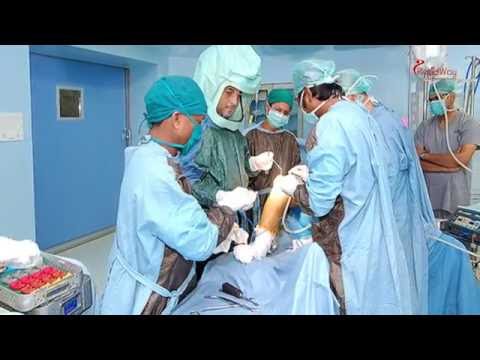






.png)

.png)
.png)
.png)




.png)
.jpg)
.png)









Share this listing