

Contents
Dealing with severe joint pain is exhausting enough, but being told you have to wait over a year for surgery—or deplete your savings to pay for it—adds insult to injury. Whether you are facing endless public healthcare waitlists in the UK and Canada, or staring down massive out-of-pocket bills in the US, getting a new joint should not be an impossible hurdle. That is exactly why thousands of patients are looking across the Atlantic. Getting hip replacement surgery in Europe offers a practical way to bypass the delays and staggering fees without compromising on medical standards.
You can access highly advanced orthopedic care, often for a fraction of what you would pay at home, while recovering in a world-class facility. It is important to know that a total hip replacement in European countries typically ranges from $10,500 to $15,000, depending on the specific location and hospital. When comparing your options, always look for international benchmarks like Joint Commission International (JCI) accreditation or strict local European hospital quality certifications, such as the KTQ in Germany or the HAS in France, to ensure the highest level of patient safety.
Quick Facts at a Glance
Navigating medical travel is much less stressful when you know exactly what your surgical fees cover upfront. Comprehensive treatment packages for joint procedures often bundle the hospital stay, surgeon fees, anesthesia, initial physical therapy, and even airport transfers into one transparent price. However, it is essential to review the fine print carefully.
Check to see if pre-operative cardiology clearance, specialized implant materials, or extended rehabilitation days are included or billed separately. Knowing exactly what is on the itinerary helps you budget effectively. Review the treatment bundles listed below to see exactly what each hospital includes, allowing you to choose the most supportive plan for your journey.

Price starting from $12,800
Hip Replacement Surgery Package in Istanbul, Turkey by Turan Turan
Turan Turan Robotic Surgery Center and Orthopedic Clinic in Turkey
- Orthopedic/Knee Surgery
Istanbul,Bursa, Turkey
Managing the financial aspect of orthopedic surgery is often the primary reason patients look abroad. The average cost for hip replacement surgery in Europe typically ranges between $10,500 and $15,000, depending on the specific country, hospital, and implant materials used. This presents a significant contrast to the staggering prices found in the United States, often saving patients tens of thousands of dollars even after travel expenses.
While affordability is a major draw, it is important to remember that lower prices in these regions are due to different economic structures and lower administrative overhead, not a reduction in medical quality. Compare the pricing options below to understand the financial estimates across different clinics and find a solution that fits your budget.
Hip Replacement Surgery Partial or Total Centers Cost Comparison in Europe
| Provider | Procedure | Price |
|---|---|---|
| Turan Turan Robotic Surgery Center and Orthopedic Clinic in Turkey | Hip Replacement Surgery Partial or Total, Orthopedic/Knee Surgery | $14750 |
| Turan Turan Robotic Surgery Center and Orthopedic Clinic in Turkey | Hip Replacement Surgery Partial or Total, Orthopedic/Knee Surgery | $12800 |
Hip Replacement Surgery Partial or Total Cost Comparison in Europe
| Country | Procedure | Price |
|---|---|---|
| United States | Hip Replacement Surgery Partial or Total, Orthopedic/Knee Surgery | $27300 |
| United Kingdom | Hip Replacement Surgery Partial or Total, Orthopedic/Knee Surgery | $13500 |
Finding a trustworthy hospital abroad requires looking past beautifully designed waiting rooms and focusing entirely on clinical excellence. When evaluating orthopedic centers, prioritize facilities that hold recognized certifications like JCI or rigorous national health board licenses specific to that European country. Take the time to verify the hospital's specific volume of joint replacements per year and the technology they utilize in the operating room.
A reputable facility will be fully transparent about their clinical outcomes, infection rates, and regulatory standing. Take a close look at the hospital profiles below to compare facility credentials, accreditations, and specific patient services to determine which medical center aligns with your safety standards.

Turan Turan Robotic Surgery Center and Orthopedic Clinic in Turkey
Istanbul,Bursa, Turkey

Liv Bona Dea Hospital in Baku, Azerbaijan
Baku, Azerbaijan

Private Koru Ankara Hospital
Ankara, Turkey

Pendik Bolge Hospital in Istanbul Turkey
Istanbul, Turkey
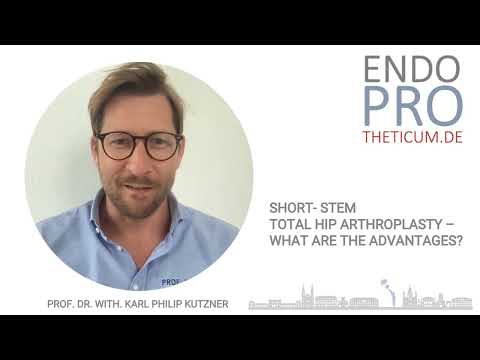
Sometimes, reading about a hospital is not enough to make you feel completely comfortable traveling abroad for major surgery. Watching video tours of the orthopedic wards, seeing the physical therapy facilities, and listening to surgeons explain their surgical approach can provide invaluable peace of mind. These visual insights allow you to gauge the professionalism of the medical staff before you ever book a flight.
It helps bridge the distance and gives you a much better feel for the environment where you will be healing. Browse through the medical and patient videos below to get a real-world look at the facilities and the medical teams that will be handling your care.

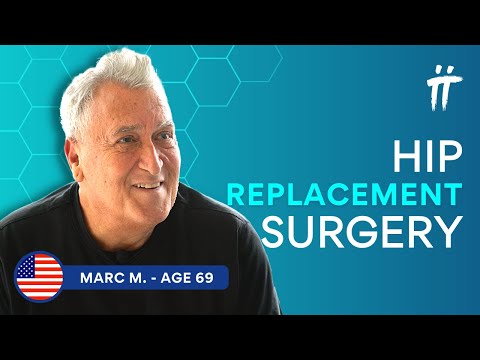

There is no better way to understand the reality of medical travel than by listening to people who have already walked that path. Reading firsthand experiences from former joint replacement patients gives you a clear picture of bedside manner, the effectiveness of pain management, and the overall quality of post-operative care.
Look for reviews that mention the specific details that matter to you, such as communication with the nursing staff or the rigorousness of the daily physical therapy sessions. Authentic feedback helps you set realistic expectations. Explore the patient testimonials below to compare real-life recovery stories and make a more informed, confident decision.

Planning an orthopedic procedure in another country naturally brings up several logistical and medical questions. To help you feel fully prepared, we have gathered answers to the most common concerns patients have when considering a joint replacement abroad.
How long will I need to stay in Europe after a hip replacement?
Patients are typically required to stay in the destination country for 10 to 14 days following surgery. This includes your time in the hospital and several days at a nearby hotel to begin physical therapy, monitor for any signs of infection, and receive clearance from your surgeon before undertaking a long flight home.
What type of hip implants do European surgeons use?
Accredited hospitals in Europe use top-tier, internationally recognized implant brands that carry CE marks and are often FDA-approved. These include high-quality materials such as advanced ceramics, titanium, and cross-linked polyethylene, designed for maximum durability and range of motion.
Are English-speaking staff available at these orthopedic hospitals?
Yes, hospitals that regularly treat international patients have dedicated international departments. Your primary surgeon, nursing managers, and assigned patient coordinators will speak fluent English, ensuring clear communication regarding your surgical plan, pain management, and recovery protocols.
How do I manage physical therapy once I return home?
Your surgical team will provide a detailed discharge summary, operative notes, and a structured rehabilitation protocol before you leave. You will need to share these documents with a local physical therapist in your home country to continue your rehabilitation seamlessly.
Is it safe to fly after having a total hip replacement?
Flying is generally safe after 10 to 14 days, provided you have been cleared by your surgeon. Because long flights increase the risk of deep vein thrombosis (DVT), your doctor will prescribe blood-thinning medication, recommend compression socks, and advise you to move your legs frequently during the journey.
What happens if there is a complication after I leave the hospital?
Reputable international hospitals have established follow-up protocols, often conducting virtual consultations to monitor your progress. If a complication arises once you are home, you will typically need to seek immediate care from a local orthopedic specialist, which is why having secondary travel medical insurance is highly recommended.
Do European clinics accept my domestic health insurance?
In most cases, standard domestic health insurance policies from the US or Canada will not cover planned surgeries abroad. Patients typically pay out-of-pocket. However, some specialized medical travel insurance plans or specific corporate health plans may offer partial reimbursement, so it is best to check with your provider directly.
How long does the actual hip surgery take?
A standard total hip replacement procedure usually takes between 1.5 to 2 hours in the operating room. This timeframe can vary slightly depending on the surgical approach used, such as anterior or posterior, and the specific complexity of your joint deterioration.
Will I need a medical visa to travel to Europe for surgery?
Visa requirements depend on your citizenship and your specific destination. Citizens of the US, Canada, and the UK generally do not need a visa for short medical stays in the Schengen area, but they will soon require ETIAS authorization. Always verify the current entry requirements for your destination country well before your travel date.
Can I have both hips replaced at the same time in Europe?
Bilateral hip replacement is sometimes performed, but it requires a very thorough pre-operative medical evaluation. Surgeons evaluate your cardiovascular health, age, and overall fitness before agreeing to replace both joints simultaneously, as it significantly increases the physical demand on your body during recovery.
The success of your joint replacement depends almost entirely on the expertise and precision of the orthopedic specialist performing it. When researching doctors abroad, look closely at their educational background, specifically checking for international fellowships or active memberships in recognized global orthopedic societies. You want a specialist who performs hundreds of these specific joint procedures annually.
High surgical volume is strongly linked to better patient outcomes and fewer complications. Do not hesitate to ask about their experience with minimally invasive techniques or their preferred implant brands. Review the surgeon profiles below to compare their qualifications, years of experience, and clinical specialties to find the right medical expert for your procedure.

Op.Dr. Kayhan Turan
Turan Turan Robotic Surgery Center and Orthopedic Clinic
- Orthopedic surgeon
Istanbul, Turkey
Europe has firmly established itself as a premier destination for complex orthopedic procedures, drawing patients globally who seek high-tier medical infrastructure combined with rigorous safety standards. North American patients, particularly from the US and Canada, frequently travel across the Atlantic to escape prohibitive healthcare costs or lengthy public system waitlists. Similarly, patients from the Middle East and Africa travel to this region to access specialized surgical technologies and highly experienced joint replacement specialists that may not be available locally.
Navigating travel to European medical hubs is straightforward due to excellent international connectivity. Major airports in cities across Germany, Spain, and Central Europe offer direct flights from most global capitals. Once you arrive, the public transportation systems and private medical transfer services are highly efficient, ensuring comfortable movement from the airport to your clinic or hotel, which is particularly helpful for patients dealing with limited mobility prior to surgery.
| Advanced Healthcare Systems | Clinics operate under strict European Union medical regulations, ensuring high hygiene standards and advanced medical technology. |
| Accessible Geography | Extensive flight networks make reaching major European medical centers convenient from North America, Asia, and Africa. |
| Specialized Rehabilitation | Many European centers offer integrated post-operative physical therapy programs within state-of-the-art wellness facilities. |
| Cultural Comfort | High levels of English proficiency in medical tourism hubs ensure smooth communication for international patients. |
Making the decision to travel for joint surgery is a significant step toward regaining your mobility and improving your daily life. Taking the time to thoroughly research your options, understand the clinical standards, and verify the credentials of your chosen medical team will help ensure a safe and successful journey. Focusing on factual information and clear communication with your chosen clinic is the best way to prepare for your procedure.
If you need assistance navigating the hospital choices, understanding treatment itineraries, or coordinating your medical travel logistics, our team is here to provide clear, unbiased information. We can help connect you with accredited orthopedic centers that align with your specific healthcare requirements.
References
- Total Hip Replacement Overview – American Academy of Orthopaedic Surgeons (AAOS)
- Orthopaedic Standards in Europe – European Federation of National Associations of Orthopaedics and Traumatology (EFORT)
- Medical Tourism Safety Guidelines – Centers for Disease Control and Prevention (CDC)
- Global Healthcare Accreditation Standards – The International Society for Quality in Health Care (ISQua)
- Outcomes of Total Hip Arthroplasty – National Center for Biotechnology Information (NCBI)


























Share this listing