
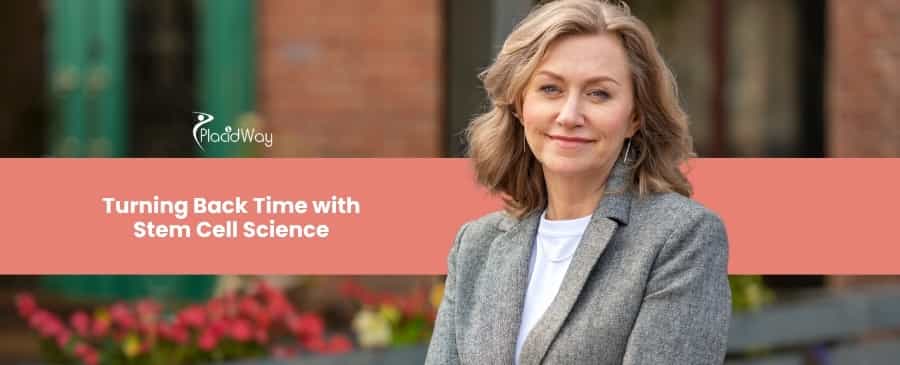
The pursuit of longevity and cellular health has dramatically shifted from basic aesthetic treatments to advanced, scientifically backed medical therapies. Among the most innovative approaches is systemic stem cell therapy, an intervention designed to target cellular degeneration at a foundational level. Systemic stem cell rejuvenation in Ankara has garnered global attention as the city merges highly regulated medical infrastructure with cutting-edge regenerative medicine, offering patients an accessible pathway to potentially slow the markers of aging.
This medical approach utilizes the restorative power of stem cells, typically administered intravenously, to promote widespread tissue repair, reduce systemic inflammation, and enhance metabolic function. As medical tourism in Ankara expands, international patients are increasingly seeking these specialized biological age reset treatments, drawn by the expertise of Turkish medical professionals and the strict adherence to international healthcare standards.
Mesenchymal stem cells (MSCs) are often referred to as the body’s "medicinal signaling cells" because they secrete growth factors that encourage native cells to repair damaged tissues.
- Intravenous administration ensures widespread distribution of restorative cells.
- Therapy focuses on reducing systemic inflammation, a key driver of biological aging.
- Treatments are conducted in highly regulated, accredited clinical environments.
The Science Behind Biological Age Reset Treatments
Biological aging is fundamentally driven by cellular senescence, chronic inflammation, and the gradual depletion of the body's natural stem cell reserves. Biological age reset treatments aim to intervene in this process by introducing young, potent stem cells into the patient's system. These introduced cells generally seek out areas of inflammation and tissue damage, where they release exosomes and growth factors that stimulate the body’s intrinsic healing mechanisms.
Scientific evidence indicates that systemic administration of mesenchymal stem cells can positively influence immune system regulation and tissue homeostasis. Most patients experience these physiological shifts gradually, as the cellular regeneration process requires time to manifest into noticeable improvements in vitality, cognitive clarity, and physical endurance.
Studies published by the National Institutes of Health (NIH) suggest that advanced regenerative therapies can reduce specific inflammatory markers associated with cellular aging by up to 30% in clinical observations.
- Paracrine Effect: Stem cells release signaling molecules that command surrounding cells to repair themselves.
- Immunomodulation: Stem cells help regulate the immune system, typically reducing autoimmune flare-ups and chronic inflammation.
- Angiogenesis: The therapy encourages the formation of new blood vessels, improving overall blood flow and organ function.
Why Choose Medical Tourism in Ankara for Anti-Aging Therapy?
The rise of medical tourism in Ankara is no coincidence. The Turkish capital boasts a sophisticated healthcare ecosystem, featuring internationally accredited hospitals, state-of-the-art laboratory facilities, and physicians who frequently train or collaborate with top institutions in Europe and the United States. For international patients seeking systemic stem cell rejuvenation, Ankara provides a secure, highly regulated environment that prioritizes patient safety over commercial interests.
Furthermore, navigating the medical landscape in Ankara offers logistical ease. The city’s medical sector is highly accustomed to international visitors, ensuring seamless bilingual communication, comprehensive pre-treatment evaluations, and meticulous follow-up protocols. Choosing anti-aging clinics in Ankara means opting for rigorous scientific protocols coupled with exceptional medical hospitality.
Always request to see a clinic’s ISO certifications or JCI accreditations when researching medical facilities abroad to ensure they meet stringent international safety standards.
- Highly regulated health sector governed by the Turkish Ministry of Health.
- Access to multidisciplinary medical teams for comprehensive pre-treatment screening.
- Geographic accessibility connecting Europe, Asia, and the Middle East.
Systemic Stem Cell Rejuvenation Cost in Ankara Compared Globally
One of the primary catalysts for the influx of international patients is the cost-to-quality ratio. The stem cell therapy cost in Ankara is typically a fraction of the price found in North America or Western Europe, without compromising the quality of the biological materials or clinical standards. This price disparity is largely due to lower operational costs, favorable exchange rates, and a highly competitive local medical sector.
Patients searching for affordable systemic stem cell rejuvenation in Ankara will find transparent pricing structures. It is vital to note that comprehensive packages often include medical consultations, laboratory screenings, and the stem cell administration itself, providing clear financial expectations prior to travel.
| Procedure Name | Average Cost in Ankara | Average Cost in USA/UK |
|---|---|---|
| Autologous Adipose Stem Cell Therapy | $5,000 - $7,000 | $15,000 - $25,000 |
| Umbilical Cord MSC Systemic Infusion | $7,000 - $10,000 | $20,000 - $35,000 |
| Comprehensive Anti-Aging Protocol (with Exosomes) | $9,000 - $12,000 | $30,000 - $50,000 |
The global medical tourism market is projected to reach over $180 billion by 2030, with regenerative medicine serving as one of its fastest-growing sub-sectors.
Exploring Top Anti-Aging Clinics in Ankara
Finding the right provider is critical when considering complex biological therapies. The premier anti-aging clinics in Ankara are characterized by their adherence to multidisciplinary care models. Rather than operating as standalone aesthetic centers, the most reputable facilities are often integrated into larger medical institutions, ensuring that patients have access to endocrinologists, cardiologists, and immunologists.
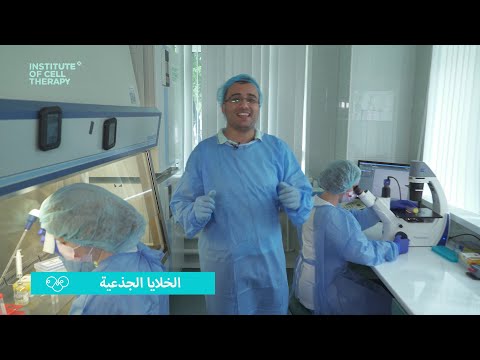
These top-tier facilities typically utilize sophisticated cell processing laboratories that comply with Good Manufacturing Practice (GMP) standards. By maintaining strict control over the cultivation and expansion of stem cells, these clinics help ensure high cell viability and safety, factors that are crucial for a successful therapeutic outcome.
Good Manufacturing Practice (GMP) regulations require that cells used for human therapies are processed in highly specialized cleanrooms to prevent contamination and preserve cell vitality.
- State-of-the-art diagnostic imaging and lab testing on-site.
- Implementation of GMP-certified cell processing protocols.
- Comprehensive, long-term post-treatment tracking for international patients.
Ideal Candidates for Cellular Rejuvenation Therapy
While the concept of cellular rejuvenation is universally appealing, not everyone is medically suited for the procedure. Ideal candidates are generally individuals experiencing signs of early biological aging, chronic fatigue, mild systemic inflammation, or prolonged recovery from physical exertion. Candidates must undergo extensive preliminary testing to ensure their bodies can safely process and respond to the cellular infusion.
It is vital to recognize that systemic stem cell rejuvenation is not a cure-all. Physicians in Ankara enforce rigorous screening protocols to safeguard patient health, typically reserving these therapies for adults whose overall physiological profiles align with the specific treatment indications of regenerative medicine.
Patients with active malignant cancers, acute infections, or specific uncontrolled autoimmune conditions are strictly contraindicated for systemic stem cell therapy. Always disclose your complete medical history to your healthcare provider.
- Adults over the age of 35 seeking to mitigate biological aging markers.
- Individuals suffering from chronic stress and systemic inflammation.
- Patients with clean medical histories regarding active malignancies or acute infections.
The Step-by-Step Stem Cell Treatment Process
Understanding the clinical pathway helps international patients manage their expectations. The journey typically begins long before arriving in Ankara, starting with remote medical consultations and the review of existing health records. Once the patient arrives, the clinical process is meticulously structured to ensure absolute safety and optimal cellular uptake.
The on-site process involves detailed diagnostic workups, followed by the specific preparation of the stem cells. The actual administration is usually a minimally invasive intravenous infusion that lasts a few hours, allowing patients to relax in a comfortable clinical setting under constant medical supervision.
Arrive in the city at least a day before your medical appointments to rest. Managing travel fatigue and jet lag can help stabilize your baseline vital signs before the preliminary diagnostics.
- Phase 1: Remote evaluation and initial eligibility screening.
- Phase 2: On-site comprehensive blood panels and diagnostic imaging.
- Phase 3: Intravenous cell administration monitored by medical specialists.
- Phase 4: Immediate post-infusion observation and personalized aftercare instructions.
Types of Stem Cells Used for Systemic Rejuvenation
Medical providers in Ankara typically utilize two primary sources of stem cells for systemic rejuvenation: autologous and allogeneic. Autologous treatments involve harvesting cells from the patient’s own body, usually from adipose (fat) tissue or bone marrow. These cells are then processed and reintroduced, significantly minimizing the risk of adverse immune reactions.
Alternatively, allogeneic treatments utilize ethically sourced Mesenchymal Stem Cells (MSCs) derived from Wharton’s Jelly in human umbilical cords. These younger, highly robust cells are favored for their vigorous proliferative capabilities and potent anti-inflammatory properties, making them a popular choice for systemic biological age reset therapies.
Umbilical cord-derived MSCs are considered "immune-privileged," meaning they have a profoundly low risk of triggering an immune rejection response when introduced into a patient's body.
- Autologous Adipose-Derived MSCs: Extracted safely from the patient's own fat stores.
- Allogeneic Umbilical Cord MSCs: Ethically sourced, highly potent cells from healthy donor births.
- Exosome Therapy: Often combined with stem cells, exosomes are the cell-signaling vesicles that amplify the regenerative communication.
Expected Timelines and Post-Treatment Recovery
A major advantage of systemic stem cell therapy is the minimal physical downtime associated with the procedure. Because the treatment is typically administered via an IV drip, most patients experience only mild fatigue or minor flu-like symptoms for 24 to 48 hours post-treatment. This allows medical tourists to safely travel back to their home countries shortly after medical clearance.
However, the timeline for clinical results is gradual. Stem cell rejuvenation operates on a cellular level, requiring patience. Most patients generally begin to report improvements in energy levels, sleep quality, and joint mobility within 4 to 12 weeks, with progressive tissue repair continuing for several months thereafter.
- Immediate (1-3 Days): Rest, mild fatigue, hydration prioritized.
- Short-Term (1-3 Months): Initial systemic shifts, reduction in inflammation, improved vitality.
- Long-Term (3-6 Months): Continued cellular regeneration and potential improvements in biological age markers.
Potential Risks and Strict Contraindications
While regenerative medicine offers promising potential, it is imperative to approach it with clinical pragmatism. Medical professionals in Ankara operate under strict protocols to mitigate risks, but side effects such as transient fever, mild nausea, or localized injection-site soreness can occasionally occur. The integrity of the cellular product and the clinical environment are paramount to minimizing severe complications.
Furthermore, strict contraindications are non-negotiable in accredited clinical settings. The fundamental nature of stem cells is to promote growth; therefore, administering them to individuals with active cancers, uncontrolled severe infections, or poorly managed autoimmune diseases could be highly detrimental. Transparent risk disclosures are a hallmark of trustworthy medical practices.
- Mild, transient side effects may include fever, fatigue, or headache.
- Risk of infection is heavily mitigated by GMP-certified lab standards and strict clinical hygiene.
- Patients must be entirely truthful about their medical history to prevent life-threatening contraindications.
Scientific Evidence Supporting Cellular Renewal
The enthusiasm for systemic stem cell therapy is rooted in an expanding body of scientific literature. Research published in prominent global medical journals underscores the capability of MSCs to exert powerful anti-inflammatory and immunomodulatory effects. By targeting systemic inflammation—often dubbed "inflammaging"—stem cells directly address one of the primary catalysts of biological deterioration.
It is crucial to note that while evidence strongly supports the physiological benefits of cellular renewal, results can never be guaranteed. Each patient’s biological framework, genetic predispositions, and lifestyle choices play a significant role in determining how effectively their body utilizes the introduced stem cells.
The term "inflammaging" was coined by scientists to describe the chronic, low-grade inflammation that characterizes the aging process and contributes to age-related cellular decline.
Clinical trials assessing MSC safety and efficacy have grown exponentially, with over 1,000 registered clinical trials globally exploring their regenerative potential.
Real Patient Experiences and Treatment Outcomes
Understanding the real-world impact of these treatments can provide valuable insight for prospective medical tourists. Patients traveling for systemic therapy often share similar baseline complaints: chronic fatigue, diminished cognitive sharpness, and prolonged recovery times. Post-treatment reports frequently highlight holistic improvements in daily vitality and overall wellness.
Below are summaries based on the typical experiences of international patients who have undergone systemic stem cell rejuvenation. These summaries illustrate the varied, yet generally positive, trajectories of post-treatment recovery.
Enhanced Vitality and Energy
A 52-year-old executive from the UK reported a significant reduction in mid-day fatigue approximately six weeks after receiving IV stem cell therapy. He noted that his cognitive focus and overall physical stamina during high-stress workdays had noticeably stabilized.
Improved Joint Function and Mobility
A 60-year-old patient traveled to Ankara specifically targeting systemic aging markers. By month three, she experienced a generalized decrease in systemic joint stiffness, allowing her to comfortably resume her daily swimming and yoga routines.
Better Sleep Quality and Recovery
A 45-year-old competitive athlete noted that post-treatment, his sleep architecture improved dramatically. He reported deeper REM sleep cycles and faster physical recovery following intense training sessions, markers he attributed to reduced cellular inflammation.
Overall Dermatological and Physical Glow
While primarily seeking internal rejuvenation, a 58-year-old patient noticed secondary aesthetic benefits. Around the four-month mark, she documented improved skin elasticity and a brighter complexion, which her medical team suggested was a secondary benefit of enhanced microvascular circulation.
How PlacidWay Assists Your Stem Cell Rejuvenation Journey in Ankara?
Embarking on a complex medical journey abroad requires careful navigation and trustworthy guidance. PlacidWay serves as a crucial bridge for patients seeking systemic regenerative treatments, ensuring that your path to improved cellular health is supported by transparency, expertise, and verified medical access.
Through our comprehensive global network, we empower patients to make informed, safe medical decisions without the stress of navigating foreign healthcare systems alone. Our focus is entirely on facilitating value-based healthcare connections.
- Providing direct access to rigorously vetted and internationally accredited medical centers in Ankara.
- Facilitating secure, transparent communication between you and top-tier regenerative medical specialists.
- Supplying comprehensive provider profiles, including physician credentials and clinical certifications.
- Assisting with bilingual patient coordination to ensure absolute clarity regarding your medical protocol.
- Offering objective comparisons of treatment options to help you align medical choices with your specific health goals.
Frequently Asked Questions
When evaluating international medical options, prospective patients naturally have numerous questions regarding efficacy, safety, and logistics. Being well-informed is the first step toward a successful medical journey.
Here are some of the most frequently asked questions regarding systemic stem cell therapy for those considering treatment in Ankara.
Systemic stem cell rejuvenation involves the intravenous administration of stem cells to promote cellular repair and reduce markers of biological aging. It typically targets systemic inflammation and tissue degradation across the body.
The systemic stem cell therapy cost in Ankara generally ranges from $5,000 to $12,000. This is typically significantly more affordable than equivalent treatments in North America or Western Europe.
While generally considered well-tolerated by most patients, all medical procedures carry risks. Extensive medical screening is required to ensure patient safety and to identify any strict contraindications.
Clinics typically utilize ethically sourced Mesenchymal Stem Cells (MSCs) derived from umbilical cord tissue or the patient's own adipose tissue. The specific type depends on the patient's medical profile and the clinic's protocols.
Most patients experience a minimal recovery period of 24 to 48 hours for intravenous treatments. Full cellular regeneration occurs gradually over several months, meaning results are typically not immediate.
No, medical outcomes are never guaranteed, and individual results can vary widely. Systemic stem cell therapy relies on individual biological responses, and its efficacy depends on the patient's overall health and lifestyle.
No, there are strict contraindications for these therapies. Individuals with active infections, active malignancies, or severe autoimmune disorders are generally excluded from receiving treatment.
Ankara combines state-of-the-art medical facilities with highly qualified specialists at a fraction of Western costs. The city’s healthcare infrastructure adheres strictly to international safety and quality standards.
Many international patients can easily obtain an e-Visa or a standard medical visa to enter Turkey. It is advisable to check the specific entry requirements based on your country of citizenship prior to traveling.
PlacidWay connects you with globally accredited healthcare facilities and provides objective provider information. We offer dedicated patient coordination to help you navigate your medical options seamlessly.
Take the first step toward your biological age reset in Ankara today. Explore your options and connect with accredited medical professionals through PlacidWay.
References
- National Institutes of Health (NIH). Stem Cells and Aging. https://www.ncbi.nlm.nih.gov/pmc/articles/PMC8158911/
- Nature Reviews Molecular Cell Biology. Cellular Rejuvenation. https://www.nature.com/articles/s41392-023-01343-5
- Mayo Clinic. Stem cells: What they are and what they do. https://www.mayoclinic.org/tests-procedures/bone-marrow-transplant/in-depth/stem-cells/art-20048117
- International Society for Stem Cell Research (ISSCR). A Closer Look at Stem Cells. https://www.closerlookatstemcells.org/
.jpg)







.png)



.jpg)
.jpg)








Share this listing