
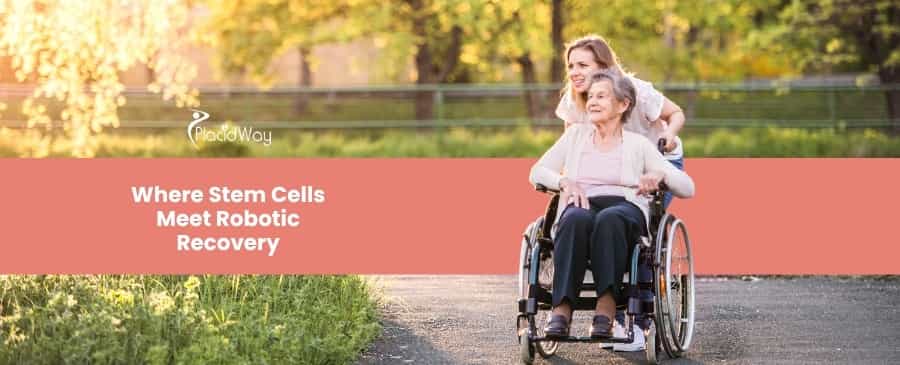
The landscape of global healthcare is rapidly shifting, and the quest for advanced neurological care has led many international patients to explore new horizons. In recent years, Eastern Europe has emerged as a powerhouse for medical innovation. Specifically, seeking stem cell therapy in Slovakia has become a focal point for those managing complex neurological conditions. The integration of regenerative medicine with state-of-the-art robotic technology represents a significant leap forward in how we approach recovery for conditions that were once considered strictly manageable, rather than improvable.
Bratislava, the vibrant capital of Slovakia, stands at the forefront of this medical evolution. By seamlessly combining cellular treatments with intensive physical re-education, medical professionals in this region are offering renewed possibilities to patients worldwide. Medical tourism in Bratislava is gaining unprecedented traction because the city successfully marries European clinical excellence with cost-effective healthcare models, making high-tier neurological rehabilitation accessible to a broader international audience.
Slovakia is geographically situated in the heart of Europe, making it easily accessible via direct flights or short rail journeys from major international hubs like Vienna, which is less than an hour away.
How Combining Stem Cells with Robotic Neurological Rehabilitation Works in Slovakia?
To understand the profound impact of this dual-modality approach, it is essential to recognize how each treatment complements the other. Stem cell therapy generally focuses on neuroregeneration and reducing inflammation within the central nervous system. Mesenchymal Stem Cells (MSCs), often used in these procedures, are believed to secrete neurotrophic factors that help repair damaged neural pathways and protect existing cells from further degradation.
When this cellular therapy is paired with robotic neurological rehabilitation, the results are typically optimized. Robotic devices support the patient’s body, allowing for high-intensity, highly repetitive movement training that a human therapist alone could not physically sustain. This intense repetition is crucial for stimulating neuroplasticity—the brain's ability to reorganize itself by forming new neural connections.
- Cellular Repair: Stem cells generally work at the microscopic level to reduce neuroinflammation and promote tissue healing.
- Biomechanical Feedback: Exoskeletons and robotic gait trainers provide real-time biofeedback, ensuring precise movements.
- Synergistic Neuroplasticity: The regenerated cells are "trained" through the repetitive motions of robotic rehab, maximizing functional recovery.
Why Bratislava is the Top Destination for Neurological Medical Tourism in 2026?
As the demand for specialized care grows, patients are looking beyond traditional healthcare borders. Bratislava has strategically positioned itself as a sanctuary for advanced medical treatments by investing heavily in both biotechnology and robotic engineering infrastructure. The country’s healthcare sector complies with strict European Union regulations, assuring patients of high standards in clinical safety, hygiene, and ethical medical practices.
Furthermore, stem cell clinics in Bratislava attract internationally trained neurologists and rehabilitation specialists. These experts operate in multidisciplinary teams, ensuring that every aspect of a patient's care—from the initial cellular harvest to the final day of physical therapy—is meticulously monitored. The peaceful environment of the city, coupled with cutting-edge medical facilities, creates an ideal setting for the rigorous demands of neurological recovery.
The global medical tourism market is expected to grow by nearly 12% annually, with neurology and regenerative therapies driving a significant portion of international patient travel to European hubs like Slovakia.
Affordable Stem Cell and Robotic Rehab Cost in Bratislava Compared to the US and UK
One of the most compelling reasons international patients pursue affordable medical tourism in Slovakia is the transparent and highly competitive pricing structure. In North America and Western Europe, the cost of experimental regenerative therapies and long-term robotic rehabilitation can be prohibitively expensive, often leaving patients with crippling medical debt. Bratislava offers a solution where high-quality care does not mandate an astronomical price tag.
The lower cost of living and operational overhead in Central Europe translates directly into savings for the patient. However, affordability never equates to compromised quality; the equipment and cellular protocols used are on par with, or sometimes exceed, those found in more expensive regions. Below is a realistic comparative market analysis highlighting the cost of neurological robotic rehab in Slovakia versus traditional Western markets.
| Procedure / Treatment Plan | Average Cost in Bratislava (€) | Estimated Cost in US/UK ($/£) |
|---|---|---|
| Mesenchymal Stem Cell (MSC) Therapy | €8,000 - €12,000 | $25,000 - $40,000 |
| Intensive Robotic Rehab (Per Week) | €2,000 - €3,500 | $8,000 - $15,000 |
| Comprehensive 4-Week Package | €15,000 - €25,000 | $55,000 - $90,000 |
When requesting cost estimates, always ask for an itemized breakdown. Ensure that pre-treatment diagnostics, the specific type of cellular therapy, and the exact hours of daily robotic rehabilitation are explicitly listed.
Ideal Candidates for Neurological Stem Cell Treatments in Bratislava
While the prospect of combining stem cells with advanced physical therapy is exciting, it is vital to understand that it is not a universal cure. Ideal candidates for neurological rehabilitation abroad are typically individuals suffering from conditions that cause motor impairment, nerve damage, or neurodegeneration. Medical professionals in Slovakia carefully screen patients to ensure the highest probability of a positive therapeutic response.
Most patients who travel for this specific dual-modality treatment have diagnoses such as Spinal Cord Injuries (SCI), stroke-related paralysis, Multiple Sclerosis (MS), or Traumatic Brain Injuries (TBI). The treatment is generally most effective when the patient possesses sufficient cognitive function to actively participate in the robotic rehabilitation sessions, as engagement is critical for neuroplasticity.
There are strict contraindications for stem cell therapy. Individuals with active systemic infections, a history of certain cancers, or severe bleeding disorders are typically disqualified from undergoing regenerative cellular treatments due to the risks involved.
The Step-by-Step Process of Robotic Neurological Rehabilitation in Slovakia
Embarking on a medical journey for complex treatments requires a clear understanding of clinical protocols. Upon arriving at one of the esteemed stem cell clinics in Slovakia, patients undergo an exhaustive series of diagnostic tests. This includes advanced neuroimaging, blood panels, and thorough functional assessments by a physiotherapist to establish a baseline and customize the robotic parameters.
The procedure generally unfolds in sequential, highly monitored stages. First, stem cells are either harvested from the patient (autologous) or sourced from a highly regulated ethical bank (allogeneic), then processed in a clean-room laboratory. Following the administration of the cells—usually via intravenous or intrathecal methods—the patient begins their intensive daily robotic rehabilitation. Exoskeletons are calibrated to the patient's exact measurements to assist with weight-bearing and gait training over several weeks.
Recovery Timelines After Stem Cell Therapy in Bratislava
Recovery in the context of neurological damage is fundamentally different from surgical recovery; it is a marathon, not a sprint. Patients and their families must set realistic expectations before undergoing stem cell therapy in Slovakia. Immediately following the cell administration, patients generally experience a period of mild fatigue as the body’s immune system interacts with the new cellular material.
During the 3 to 6 weeks of intensive robotic therapy in Bratislava, patients typically build endurance, core strength, and muscle memory. However, the regenerative effects of stem cells work gradually. Most patients experience the most notable neurological improvements 3 to 6 months post-treatment, as the cells have had time to integrate, reduce inflammation, and facilitate new neural connections alongside the home-based exercises prescribed upon discharge.
The term "neuroplasticity" refers to the brain's remarkable ability to rewire itself. Robotic devices help achieve the thousands of precise repetitions needed to trigger this rewiring, a feat nearly impossible with manual therapy alone.
Potential Risks of Stem Cells and Neurological Rehab Procedures
Transparency regarding medical risks is a cornerstone of trustworthy medical tourism. While protocols in Europe are stringently regulated, combining cellular injections with intensive physical exertion carries inherent clinical considerations. Patients must discuss all potential complications with their primary healthcare provider before making any medical decisions.
Stem cell administration typically carries risks such as injection site pain, mild fever, headaches, or localized swelling. Very rarely, immune rejection or localized infections can occur. Concurrently, the robotic rehabilitation phase demands intense physical labor, which generally leads to deep muscle soreness, temporary fatigue, and, if not properly monitored, joint strain. Clinics mitigate these risks through continuous clinical oversight and adjusting the intensity of the robotics daily.
Adverse reactions to adult Mesenchymal Stem Cells (MSCs) are exceptionally rare because they are highly immunoprivileged, meaning they typically do not trigger a strong immune response even when sourced from a donor.
Advanced Medical Technology at Stem Cell Clinics in Bratislava
The success of neurological rehabilitation abroad is heavily reliant on the caliber of technology available at the destination. Bratislava has become a hub for clinical innovation by integrating some of the world’s most advanced biomechanical engineering tools into its rehabilitation centers. This technology allows for objective measurement of a patient's progress, replacing guesswork with hard, actionable data.
Clinics are generally equipped with a suite of sophisticated devices. This includes robotic gait orthoses that guide the patient's legs through physiological walking patterns while supporting their body weight. Virtual reality (VR) integration is also commonly utilized alongside robotic arm and hand trainers, immersing patients in gamified environments that make repetitive tasks engaging, thus boosting motivation and cognitive involvement during therapy.
Inspiring Patient Case Summaries from Stem Cell Therapy in Slovakia
Numbers and clinical terminology only tell half the story. The true impact of combining these advanced modalities is best understood through the lived experiences of international medical tourists who sought out affordable stem cell therapy in Bratislava. While results vary, these case summaries highlight the potential of dedicated neurological care.
Stroke Recovery Progress
A 58-year-old patient from the UK traveled to Bratislava dealing with severe right-sided hemiparesis following an ischemic stroke. After a customized stem cell protocol and four weeks of daily robotic gait training, they reported a significant decrease in spasticity and regained the ability to walk short distances with a cane.
Spinal Cord Injury (Incomplete)
A 34-year-old male from Canada with an incomplete thoracic SCI underwent intrathecal stem cell administration combined with exoskeleton therapy. While he remains dependent on a wheelchair for long distances, he experienced marked improvements in core stability, bladder control, and a reduction in neuropathic pain.
Multiple Sclerosis Management
A 45-year-old woman from the US sought treatment in Slovakia to address the progressive muscle weakness caused by MS. The anti-inflammatory effects of the stem cells, paired with robotic balance training, generally helped her achieve greater stamina and a stabilized gait, delaying the progression of her symptoms.
Cerebral Palsy Enhancements
Parents of a 12-year-old boy with spastic diplegia brought him to Bratislava for a pediatric rehab package. Through a gentle cellular approach and pediatric-scaled robotic assistance, the child improved his joint range of motion and overall posture, making independent standing a new reality for him.
Preparing for Your Medical Journey to Bratislava for Neurological Care
Organizing a cross-border trip for complex medical procedures requires meticulous preparation. When planning for medical tourism in Bratislava, administrative readiness is just as important as physical preparation. Patients must gather comprehensive medical dossiers, including recent MRI scans, neurologist reports, and a detailed medical history translated into English or Slovak, to ensure the receiving medical team has a complete clinical picture.
Additionally, logistics play a massive role in reducing travel-related stress. Given the physical limitations of most patients seeking neurological care, arranging accessible airport transfers and ensuring that your travel companion is fully briefed on their role as a caregiver is vital. Securing a Schengen visa (if required based on your citizenship) well in advance will prevent last-minute delays to your treatment schedule.
Always consult your local neurologist before traveling. Establish a post-treatment care plan in your home country before you depart, ensuring you have a local physical therapist ready to continue your rehabilitation once you return.
Comparing Robotic Rehab in Bratislava With Traditional Therapy Options
Patients often wonder if traveling abroad for high-tech solutions is truly superior to undergoing standard physical therapy locally. While traditional therapy is the bedrock of recovery, it has limitations, particularly concerning endurance and consistency. A human therapist can only safely support a patient's weight and guide their limbs for a limited number of repetitions before fatigue sets in for both the patient and the therapist.
In contrast, the robotic systems utilized in Slovakia offer tireless, mathematically precise support. This allows a patient to execute up to 1,000 physiological steps in a single session, compared to perhaps 50 to 100 steps in manual therapy. Furthermore, traditional therapy relies heavily on subjective assessment, whereas robotic rehabilitation provides continuous, data-driven feedback on weight distribution, joint angles, and muscle exertion.
Clinical studies indicate that patients utilizing electromechanical and robotic-assisted gait training after a stroke are more likely to achieve independent walking than those receiving conventional gait training alone.
How PlacidWay Assists Your Stem Cell Therapy Journey in Bratislava?
Navigating the global healthcare landscape can be overwhelming, especially when managing a challenging neurological condition. PlacidWay serves as an essential bridge, connecting international patients with accredited medical centers in Slovakia. By utilizing our platform, you gain access to a streamlined, transparent medical tourism process tailored to your unique healthcare needs.
Here is how PlacidWay facilitates your journey toward innovative neurological care:
- Providing comprehensive access to highly vetted, internationally accredited medical facilities in Bratislava.
- Facilitating secure and direct communication channels between you and leading neurologists for preliminary evaluations.
- Assisting with the secure transfer of your complex medical records and diagnostic imaging.
- Offering transparent cost estimates and detailed treatment itineraries so you understand your care plan fully.
- Equipping you with educational resources and patient testimonials to empower your healthcare decisions.
PlacidWay has helped thousands of patients worldwide research and connect with highly specialized medical treatments, turning complex international healthcare options into accessible, manageable decisions.
Frequently Asked Questions
This combination therapy is generally utilized for conditions like spinal cord injuries, stroke recovery, multiple sclerosis, and cerebral palsy. Patients are evaluated on a case-by-case basis to determine candidacy.
The cost of stem cell therapy combined with robotic neurological rehabilitation in Slovakia typically ranges from €15,000 to €25,000 depending on the length of the rehabilitation program and the specifics of the cellular therapy.
No medical procedure can guarantee results. While many patients experience improvements in mobility and quality of life, outcomes vary significantly based on the individual's condition, age, and adherence to rehabilitation protocols.
Robotic rehabilitation provides high-intensity, repetitive motion that helps stimulate neuroplasticity. When combined with the regenerative potential of stem cells, it generally creates an optimal environment for neurological recovery.
Most patients require a stay of 3 to 6 weeks. This allows adequate time for the stem cell administration and an intensive course of robotic neurological rehabilitation under expert supervision.
Slovakia adheres to stringent European Union medical directives regarding cellular therapies. Clinics utilize advanced safety protocols, though all medical procedures carry inherent risks that should be discussed with your physician.
Clinics generally utilize Mesenchymal Stem Cells (MSCs) derived from the patient's own bone marrow or adipose tissue, or ethically sourced umbilical cord tissue, due to their potent immunomodulatory and regenerative properties.
Robotic devices are designed to assist and support your movements, making the process as comfortable as possible. However, patients typically experience mild muscle soreness or fatigue due to the intensive nature of the physical exertion.
Because neurological rehabilitation requires significant physical and emotional energy, it is highly recommended to travel with a companion or caregiver to assist you outside of clinical hours.
You can connect with global medical facilitators like PlacidWay to request a free quote and facilitate the initial consultation process, securely transferring your medical records for a preliminary evaluation.
Take the first step towards accessing advanced neurological care in Slovakia.
Connect with top-tier clinics and expert medical professionals through PlacidWay. Secure your personalized treatment plan and begin your journey toward recovery today.
Medical Disclaimer: This article is for informational purposes only and is not medical advice. Always consult a qualified healthcare provider before any medical decisions. Results may vary. Read Full Disclaimer here.
References
- National Institutes of Health (NIH). Neuroplasticity and Robotic Rehabilitation in Stroke Recovery. https://pmc.ncbi.nlm.nih.gov/articles/PMC12653413/
- Mayo Clinic. Stem cells: What they are and what they do. https://www.mayoclinic.org/tests-procedures/bone-marrow-transplant/in-depth/stem-cells/art-20048117
- World Health Organization (WHO). Rehabilitation Fact Sheet. https://www.who.int/news-room/fact-sheets/detail/rehabilitation
- Nature. The clinical application of mesenchymal stem cells in neurological diseases. https://www.nature.com/articles/s41392-025-02313-9
- Cleveland Clinic. Neurologic Rehabilitation: What to Expect. https://my.clevelandclinic.org/departments/rehabilitation/services/neurological





.png)












Share this listing