


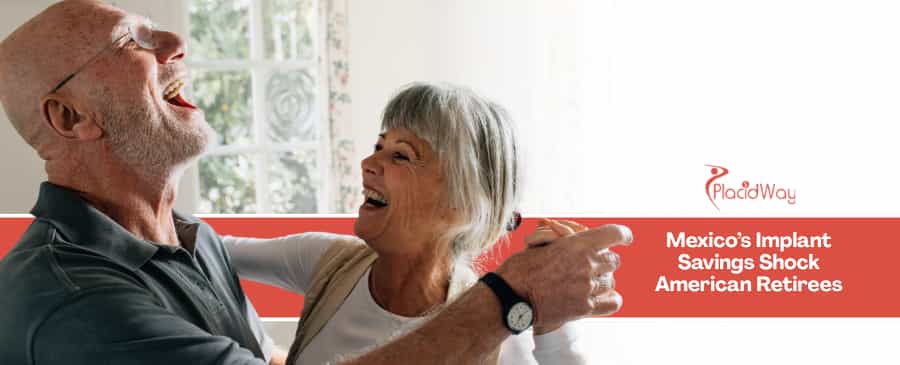
This comprehensive guide explores the stark realities of the dental industry across borders. By comparing the All on 4 dental implants in Mexico price against American costs, we will uncover how internationally accredited Mexican dental clinics are providing top-tier, technologically advanced restorations that save patients upwards of $30,000 without compromising on safety, materials, or surgical expertise.
The Cost Crisis: Why Retirees Are Looking South
The modern All-on-4 procedure is an engineering marvel in restorative dentistry, utilizing four strategically placed titanium implants to support a permanently fixed arch of prosthetic teeth. While the clinical outcomes are life-changing, the financial barrier in the US is insurmountable for the average citizen. Dental insurance typically caps annual maximums at a mere $1,500 to $2,000, covering almost none of the $50,000 to $80,000 required for dual-arch (full mouth) restoration.
Conversely, dental tourism in Mexico has evolved into a highly sophisticated, billion-dollar industry. Border cities like Tijuana and Los Algodones, alongside resort destinations like Cancun, host world-class facilities equipped with the exact same 3D CBCT scanners and global implant brands (such as Nobel Biocare and Straumann) used in Beverly Hills or New York. The only difference is the price tag, driven by lower overhead, reduced administrative bloat, and a lower cost of living.
Detailed Comparison: All-on-4 Dental Implants in Mexico vs USA
Key Capabilities: Infrastructure and Medical Expertise
United States Key Capabilities
The US dental infrastructure is undeniably robust. Clinics are heavily regulated by state dental boards and the FDA, ensuring strict sterilization and operational protocols. American prosthodontists and oral surgeons possess exceptional training, providing patients with a high degree of confidence.
However, this infrastructure comes with massive overhead. Malpractice insurance, student loan debt for specialists, facility leasing, and administrative staff required to navigate complex insurance billing all inflate the final cost. While the technology is cutting-edge, these structural expenses are entirely passed down to the patient, resulting in the bankrupting prices retirees face today.
Mexico Key Capabilities
Mexico has strategically developed vast hubs dedicated explicitly to international patients seeking dental treatment in Mexico. Facilities in locations like Los Algodones ("Molar City") and Tijuana operate on a scale that minimizes costs. They often house on-site specialized dental laboratories, allowing for the rapid creation of custom zirconia or acrylic prosthetics, eliminating the middleman.
Top-tier Mexican implantologists frequently attend continuing education in the US and Europe. By operating in a predominantly cash-based or direct-pay system, these clinics bypass the administrative bloat of American insurance companies. This efficiency allows them to offer the exact same premium implant systems at a fraction of the cost, often while providing luxurious VIP concierge services.
Full Mouth Dental Implants in the USA - Pros And Cons
Pros
- Ultimate Convenience: No passports, international flights, or border crossings are required. Your clinic is likely within driving distance.
- Simplified Follow-Up: Post-operative checkups and adjustments are easily scheduled without needing to book an international flight.
- Familiar Legal Recourse: Patients are fully protected under US malpractice laws and state dental board regulations.
- No Language Apprehension: Native English communication guarantees absolutely no misinterpretations regarding complex medical terminology.
Cons
- Astronomical Costs: The price tag of $50,000 to $80,000+ for a full mouth restoration is entirely out of reach for average American retirees.
- Insurance Limitations: Dental insurance is virtually useless for procedures of this magnitude, leaving patients to pay out of pocket.
- Long Wait Times: Due to high demand and specialist scheduling constraints, it can take weeks or months to begin the actual surgical procedure.
Full Mouth Dental Implants in Mexico - Pros And Cons
Pros
- Unmatched Affordability: Patients save up to 70%, keeping their retirement funds secure while accessing top-tier dental care.
- Premium Quality Materials: Reputable clinics use globally recognized implant brands like Straumann and Nobel Biocare, ensuring identical quality to US clinics.
- VIP Concierge Experience: Many clinics offer all-inclusive packages covering airport shuttles, luxury hotel stays, and personal patient coordinators.
- Speed of Treatment: Clinics catering to tourists expedite the process, often completing extractions and temporary implant placements in just a few days.
Cons
- Travel Logistics Required: Patients must possess a valid passport, book flights, and manage international travel, which can be tiring for elderly patients.
- Multiple Trips Needed: The All-on-4 procedure requires two phases. Patients must return 4 to 6 months later for the final permanent prosthetics.
- Varying Clinic Standards: While top clinics are world-class, unregulated street-side dentists also exist. Thorough research and vetting through trusted platforms is mandatory.
Authentic Patient Reviews: The Cross-Border Experience
William T., Texas
Treated in Los Algodones"I was quoted $62,000 in Dallas for upper and lower arches. It was either my teeth or my retirement savings. I traveled to Los Algodones, paid $16,500 total, and the clinic was more high-tech than my local dentist. The staff treated me like family."
Martha C., Florida
Treated in Cancun"Combining my dental work with a vacation in Cancun was the best decision of my life. My coordinator handled my hotel and airport rides. The implantologist was incredibly gentle. I got my smile back for a third of the US price."
Robert J., Arizona
Treated in Tijuana"Living in Arizona, going to Tijuana was a no-brainer. The clinic had a dedicated shuttle from San Diego. I received Nobel Biocare implants, and my own US dentist was amazed at the quality of the permanent zirconia bridges when I showed him."
Susan D., California
Treated in Puerto Vallarta"I was terrified of the language barrier, but the entire clinic staff spoke perfect English. They took a 3D scan on day one, and by day three I had my temporary teeth. The $30,000 I saved is staying right in my grandkids' college funds."
Comprehensive FAQ Section: Dental Tourism in Mexico
1. Is getting All-on-4 dental implants in Mexico safe?
Yes, provided you choose a certified and vetted clinic. Top facilities adhere to international sterilization protocols, utilize advanced 3D CBCT imaging, and employ board-certified dental specialists. Utilizing platforms that pre-screen clinics is the best way to ensure maximum safety and avoid substandard operators.
2. Why is the cost of All-on-4 in USA so much higher?
The massive price gap is purely economic. US dentists face massive overhead costs, including exorbitant malpractice insurance, high staff salaries, expensive commercial real estate, and costly dental school debt. In Mexico, these operational and living costs are significantly lower, allowing dentists to pass the savings directly to the patient.
3. Are the implants used in Mexico the same quality as in the US?
Absolutely. The best dental clinics in Mexico import the exact same FDA-approved implant materials from globally recognized brands like Nobel Biocare, Straumann, and Zimmer. Your body will not know the difference between a titanium screw placed in California versus one placed in Tijuana.
4. How many trips to Mexico will I need for the All-on-4 procedure?
The standard All-on-4 protocol requires two trips. The first trip (Phase 1) involves extractions, bone grafting, implant placement, and fitting a temporary acrylic denture. After a healing period of 4 to 6 months for the implants to fuse with the bone (osseointegration), you will make a second trip (Phase 2) to receive your permanent, highly durable zirconia teeth.
5. Do I need a passport to receive dental treatment in Mexico?
Yes, US citizens require a valid passport to re-enter the United States by land or air. While some land borders may have lenient enforcement, having a valid passport card or passport book is legally required and ensures a stress-free travel experience across the border.
6. Will there be a language barrier at the clinic?
No. Clinics that cater to international dental tourism in Mexico are fully bilingual. From the receptionist to the lead oral surgeon, the staff speaks fluent English. All your medical documents, consent forms, and post-operative instructions will be provided clearly in English.
7. What happens if something goes wrong after I return home?
Reputable Mexican clinics offer comprehensive warranties on their work, often replacing failed implants free of charge. If a minor adjustment is needed, some patients coordinate with a local US dentist. For major complications, you would return to the Mexican clinic. High success rates (over 95%) make major complications very rare.
8. Will I be without teeth during the healing phase?
No, you will not leave the clinic toothless. After the implants are surgically placed, the dentist will attach a temporary, lightweight acrylic denture. This allows you to speak and smile normally while your gums heal and the bone fuses to the titanium posts over the next several months.
9. Is the procedure painful?
Patients are typically kept completely comfortable during the procedure using local anesthesia and IV sedation. While some swelling and discomfort are expected in the days following the surgery, clinics provide necessary pain management medications and antibiotics to ensure a smooth recovery process.
10. How do I find the best dental clinics in Mexico?
Thorough research is vital. Look for clinics that list their dentists' credentials, show before-and-after photos, and utilize advanced CBCT technology. The safest route is utilizing an established medical tourism facilitator that thoroughly pre-screens clinics for international accreditation, patient safety records, and specialized expertise in full mouth restorations.
Ready to Reclaim Your Smile Without Emptying Your Retirement Account?
Navigating the complex world of dental tourism does not have to be overwhelming. You deserve high-quality care, transparent pricing, and peace of mind. At PlacidWay, we specialize in connecting patients with heavily vetted, globally accredited dental clinics in Mexico perfectly equipped for complex All-on-4 procedures.
Our dedicated Care Team is ready to provide a free, no-obligation consultation. We will help you review detailed profiles of elite implantologists, compare all-inclusive packages, and plan a seamless journey toward your new, confident smile.
















Share this listing