
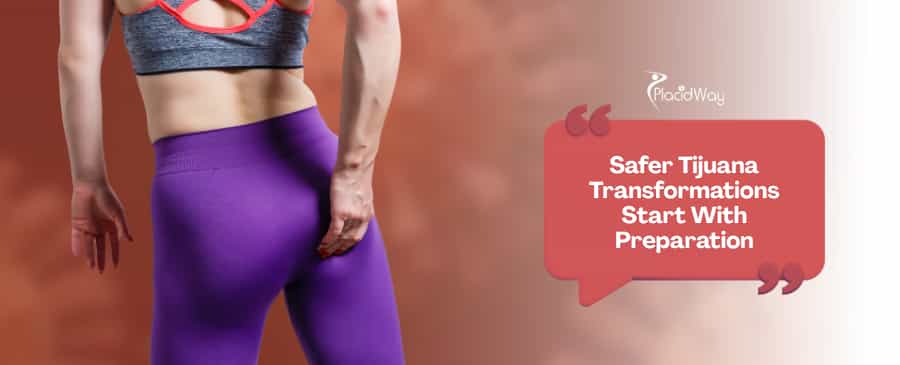
The pursuit of an enhanced, sculpted physique has led thousands of individuals to explore international healthcare options. In recent years, securing a Brazilian Butt Lift in Tijuana, Mexico, has become an increasingly popular choice for patients from the United States. Situated just across the border from San Diego, Tijuana offers world-class medical facilities, experienced surgeons, and highly competitive pricing. However, while the benefits of medical tourism in Mexico are vast, undergoing any major surgical procedure abroad requires diligent research and an unwavering commitment to safety.
A Brazilian Butt Lift (BBL) is a complex body contouring procedure that involves liposuction to harvest fat from areas like the abdomen or thighs, which is then purified and strategically transferred to the gluteal region. Because of the intricate nature of fat grafting, it is not a surgery where corners can be cut. To ensure you achieve beautiful, long-lasting results without compromising your well-being, you must evaluate your options rigorously. If you are considering traveling south of the border for this transformative procedure, here are seven essential safety checks you must perform before booking your surgery.
1. Verify the Board Certification and Credentials of Your Specialist
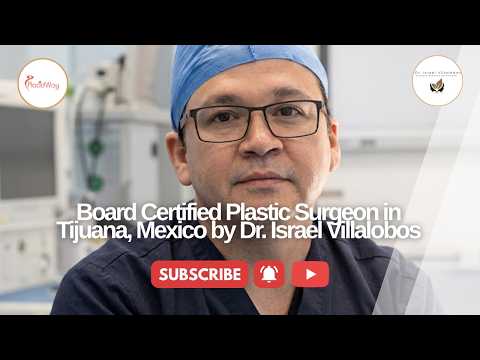
The single most critical factor in the safety and success of your surgery is the person holding the instruments. When looking for a Brazilian Butt Lift specialist in Tijuana, Mexico, you must differentiate between a "cosmetic surgeon" and a board-certified "plastic surgeon." In Mexico, any licensed physician can legally call themselves a cosmetic surgeon after taking a short weekend course. However, a board-certified plastic surgeon has undergone up to seven additional years of rigorous, specialized surgical training after medical school.
What to Look For in Mexican Credentials
To guarantee you are in safe hands, ensure your chosen surgeon is certified by the Mexican Council of Aesthetic and Reconstructive Plastic Surgery (CMCPER) and is an active member of the Mexican Association of Aesthetic and Reconstructive Plastic Surgery (AMCPER). Membership in international organizations like the International Society of Aesthetic Plastic Surgery (ISAPS) or the American Society of Plastic Surgeons (ASPS) is an excellent additional indicator of high standards.
| Credential Level | Training & Certification | Safety Rating |
|---|---|---|
| General Physician / Cosmetic Doctor | Basic medical degree, short cosmetic courses. Not certified for complex surgery. | High Risk |
| Board-Certified Plastic Surgeon (CMCPER) | Medical degree + General Surgery residency + Plastic Surgery residency + Board exams. | Excellent |
| Internationally Affiliated Surgeon (ISAPS/ASPS) | Holds national board certification and adheres to global safety protocols and continuous education. | Gold Standard |
An ethical plastic surgeon will never hesitate to provide their medical license number (Cédula Profesional) and board certification number. You can independently verify these numbers through the official Mexican government registry and the CMCPER website to ensure they are current and valid.
2. Ensure the Facility is Fully Accredited and Equipped for Emergencies
The environment where your surgery takes place is just as important as the surgeon performing it. Some patients are lured by seemingly unbelievable pricing, only to discover their procedure will be performed in a back-room clinic rather than a sterile, hospital-grade surgical theater. When researching Brazilian Butt Lift clinics in Tijuana, Mexico, facility accreditation must be a top priority.
The Importance of COFEPRIS
In Mexico, the regulatory body responsible for inspecting and licensing healthcare facilities is COFEPRIS (Federal Commission for the Protection against Sanitary Risk). A clinic or hospital that holds current COFEPRIS certification has demonstrated adherence to strict protocols regarding sanitation, equipment maintenance, and biohazard disposal.
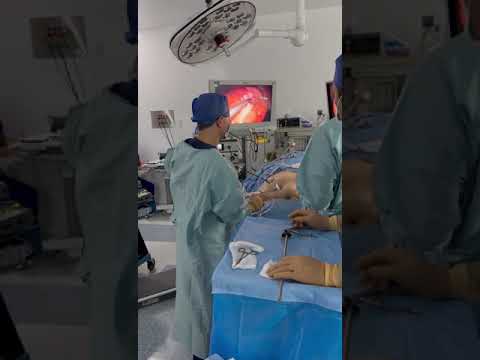
Furthermore, you must ask what happens in the rare event of a medical emergency. Does the facility have its own Intensive Care Unit (ICU), or do they have a rapid transfer agreement with a nearby major hospital? A safe surgical center will have an emergency protocol clearly outlined, emergency power generators, and life-saving equipment readily available in the operating room.
- Ventilation Systems: High-grade HEPA filtration to prevent airborne infections during open surgery.
- Sterilization Protocols: Advanced autoclaves for instrument sterilization.
- Emergency Resuscitation: Defibrillators, crash carts, and emergency medications on standby.
Many of the top-tier surgical facilities in Tijuana are designed specifically for international patients, offering private recovery suites that rival luxury hotels, while maintaining the strict clinical standards required by international health organizations.
3. Evaluate the Rigor of the Pre-Operative Health Screening Process
A reliable medical practice will prioritize your health over securing a booking. A Brazilian Butt Lift is a major surgical procedure that places a temporary strain on your cardiovascular and respiratory systems. Therefore, not everyone is a suitable candidate. The rigorousness of a clinic’s pre-operative screening is a direct reflection of their commitment to safety.
Mandatory Lab Work and Health Limits
Months before you travel, you should be asked to complete a comprehensive medical history questionnaire. Before surgery, usually upon arriving in Tijuana, you must undergo mandatory medical tests. If a clinic tells you that bloodwork is optional or unnecessary, consider that a major red flag.
Your pre-operative evaluation should include:
- Complete Blood Count (CBC): To check for anemia or active infections. Low hemoglobin levels can make surgery highly dangerous.
- Coagulation Panel (PT/PTT): To ensure your blood clots normally, reducing the risk of excessive bleeding.
- Electrocardiogram (EKG/ECG): Required for patients over a certain age (usually 40) or with a history of heart issues, to clear you for anesthesia.
- BMI Assessment: For a BBL, surgeons typically require a Body Mass Index (BMI) below 30 or 32. Operating on patients with a higher BMI drastically increases the risks of complications such as blood clots and anesthesia-related issues.
Nicotine constricts blood vessels, severely restricting blood flow to newly grafted fat cells. Smoking or vaping can cause the transferred fat to die (necrosis) and lead to terrible wound healing. Ethical surgeons will require you to be completely nicotine-free for at least four weeks prior to and after your BBL.
4. Confirm the Use of Ultrasound-Guided Fat Transfer Techniques
This is perhaps the most vital safety check regarding the surgical technique itself. Historically, the Brazilian Butt Lift carried a higher mortality rate compared to other cosmetic procedures. The primary cause of this danger was Pulmonary Fat Embolism (PFE)—a fatal complication occurring when injected fat accidentally enters the deep gluteal veins and travels to the lungs or heart.
The Subcutaneous Mandate
Extensive anatomical studies determined that injecting fat deep into or under the gluteal muscle is what causes this severe risk. Today, global plastic surgery standards mandate that fat must only be injected into the subcutaneous space (the layer of fat between the skin and the muscle). To ensure this standard is met with absolute precision, leading surgeons now utilize Ultrasound-Guided Fat Transfer.
By using a real-time ultrasound probe on the buttocks during the injection process, the surgeon can visually confirm the exact location of the cannula tip beneath your skin. This technology completely eliminates the guesswork. It guarantees that the cannula remains safely above the muscle layer, keeping the deep gluteal veins entirely protected. When consulting with your prospective surgeon, ask directly: "Do you use real-time ultrasound guidance during the fat grafting phase?"
The adoption of ultrasound-guided technology has dramatically altered the safety profile of the BBL. When performed strictly subcutaneously with visual ultrasound confirmation, the complication rate of a BBL is now comparable to that of standard abdominal liposuction or a tummy tuck.
5. Understand the Anesthesia Protocols and Provider Qualifications
While the surgeon performs the actual contouring, your life during surgery is largely in the hands of the anesthesiologist. A comprehensive safety check must include an understanding of who will be administering your anesthesia and the specific protocols they follow.
Board-Certified Anesthesiologists
Ensure that a dedicated, board-certified anesthesiologist—not a nurse anesthetist or a surgical assistant—will be present in the operating room for the entire duration of your surgery. You should have a pre-operative consultation with the anesthesiologist prior to your surgery. During this meeting, they will review your EKGs, blood work, and airway anatomy, and discuss any previous adverse reactions you or your family members have had to anesthesia.
Depending on the clinic’s protocols and your specific surgical plan (such as the extent of liposuction required), your BBL will be performed under general anesthesia or epidural anesthesia combined with deep intravenous sedation. Both methods are safe when administered by a certified professional in a well-equipped facility, but understanding what you will undergo helps reduce anxiety and ensures you are fully informed.
6. Review the Comprehensive Aftercare and Recovery Plan
A successful surgery is only the first half of your journey. The way your body heals will dictate your final results and your overall safety. Traveling immediately after a major fat transfer procedure is incredibly dangerous due to the increased risk of Deep Vein Thrombosis (DVT), a type of blood clot. Therefore, your safety check must evaluate the clinic's mandatory aftercare protocols.
Post-Operative Stay in Tijuana
Reputable clinics will require you to stay in Tijuana for a minimum of 5 to 10 days post-surgery before clearing you to travel back to the US. This time is crucial for initial healing, monitoring for signs of infection, and managing post-operative pain. High-quality medical tourism packages often include accommodations in dedicated recovery houses staffed by nurses who understand plastic surgery aftercare.
| Recovery Phase | Key Aftercare Requirements |
|---|---|
| Days 1-3 | Close medical monitoring, pain management, frequent short walks to prevent blood clots. Absolute zero pressure on buttocks. |
| Days 4-7 | Lymphatic drainage massages to reduce swelling and fluid buildup. Follow-up appointments with the surgeon. |
| Weeks 2-6 | Continuous wearing of compression garments (faja). Using a specialized BBL pillow when sitting is mandatory to allow fat cells to survive. |
You must also verify that the clinic provides a clear line of communication once you return to the US. A dedicated patient coordinator or access to the medical team for virtual check-ups is vital to address any concerns that may arise weeks or months after your procedure.
7. Analyze Total Transparency in Pricing and Logistics
Financial stress can distract from your focus on healing. When researching the Brazilian Butt Lift cost in Tijuana, Mexico, you will find that it is significantly more affordable than in the US. The average cost in the US can easily exceed $10,000 to $15,000, while in Tijuana, it typically ranges from $4,500 to $7,000. However, this lower price point should not come with hidden surprises.
Decoding Your Surgical Quote
A safe, reputable provider will be completely transparent about what their quote includes. Shady clinics might offer an incredibly low upfront price, only to tack on exorbitant fees for anesthesia, operating room time, or post-op garments upon arrival.
Ensure your written quote explicitly outlines whether the following are included:
- Surgeon’s fees and Anesthesiologist’s fees.
- Operating room and hospital facility fees.
- Pre-operative lab work and medical evaluations.
- Post-operative compression garments (fajas) and medications.
- Logistics, such as border pick-up, transportation to the clinic, and hotel/recovery house stays.
Many comprehensive medical tourism packages in Mexico include VIP concierge services. This means a driver will pick you up directly from the San Diego International Airport, escort you across the border through the medical fast-lane, and take you straight to your consultations, eliminating the stress of navigating a foreign city on your own.
Ready to Safely Transform Your Body?
Navigating international healthcare and verifying the credentials, facilities, and safety standards of providers can be overwhelming. You don't have to do it alone. PlacidWay is your trusted partner in coordinating safe, high-quality medical travel.
We take the guesswork out of medical tourism by connecting you exclusively with vetted, board-certified plastic surgeons and internationally accredited surgical centers in Tijuana, Mexico. From ensuring transparent pricing with no hidden fees to assisting with travel logistics and ongoing support, PlacidWay guarantees your safety and comfort are prioritized at every single step of your journey. Let us help you achieve the curves you desire with the peace of mind you deserve.
Get Your Free Custom Quote Today



.png)
.jpg)

.jpg)
.jpg)
.jpg)
.jpg)








Share this listing