

For many Canadians, dealing with extensive dental issues is a dual burden: the physical discomfort of failing teeth and the immense financial stress of domestic dental care. Provincial healthcare systems do not cover major dental work, and out-of-pocket expenses for complete dental restorations in cities like Toronto, Vancouver, or Montreal can easily exceed the cost of a luxury vehicle. This harsh reality has led thousands of Canadians to look beyond their borders for a viable, high-quality solution.
Enter Costa Rica. Just a direct flight away from major Canadian hubs, this tropical paradise has established itself as a premier destination for complex dental procedures. Combining world-class specialists, state-of-the-art technology, and strict safety standards, the country offers exceptional dental care at a fraction of North American prices. Planning a medical journey abroad may seem daunting at first, but with the right guidance, it transforms into a seamless, life-changing experience. If you are ready to reclaim your smile, your confidence, and your oral health, here are the six essential steps to planning your full mouth rehabilitation trip to Costa Rica from Canada.
1. Understand Your Dental Needs and the Full Mouth Rehabilitation Procedure
Before booking any flights or consultations, you must first understand what full mouth rehabilitation actually entails. Also known as full mouth reconstruction or restoration, this is not a single, isolated procedure. Rather, it is a highly customized, comprehensive treatment plan designed to rebuild and restore all of the teeth in both the upper and lower jaws.
As a Canadian patient, you might be suffering from severe decay, advanced periodontal (gum) disease, traumatic dental injury, or severe tooth wear from acid erosion or grinding. A full mouth rehabilitation addresses these issues through a combination of restorative dentistry, implantology, and sometimes orthodontics. The treatments involved often include:
- Dental Implants: Titanium posts surgically placed into the jawbone to act as artificial roots, providing a stable foundation for replacement teeth.
- All-on-4 or All-on-6 Systems: A full arch of prosthetic teeth supported by four or six strategically placed implants. This is a highly popular option for patients missing all or most of their teeth.
- Crowns and Bridges: Custom-made caps and prosthetic teeth used to restore the size, shape, and strength of damaged teeth, or to bridge the gap left by missing teeth.
- Bone Grafting and Sinus Lifts: Preparatory surgical procedures that add volume to the jawbone, ensuring it is dense enough to securely hold dental implants.
- Porcelain Veneers: Thin, custom-made shells designed to cover the front surface of teeth to improve their appearance, often used in conjunction with other restorative work.
Understanding these components is crucial because it helps you communicate effectively with your prospective dental team. Knowing your baseline oral health allows you to ask the right questions during your initial remote evaluations. Most international providers will ask you to send panoramic X-rays or a 3D CBCT (Cone Beam Computed Tomography) scan from your local Canadian dentist to provide an accurate preliminary assessment.
Never rely solely on a visual description of your teeth when seeking quotes abroad. A 3D CBCT scan is the gold standard for full mouth rehabilitation planning. It allows specialists to view your jawbone structure in three dimensions, accurately identifying nerve pathways, sinus cavities, and bone density to determine if you are a candidate for implants without the need for extensive bone grafting.
2. Research the Financial Benefits and Evaluate Costs
The primary catalyst driving medical tourism in Costa Rica from Canada is the profound financial savings. In Canada, a comprehensive full mouth reconstruction involving dental implants for both the upper and lower jaws can easily range from $50,000 to over $90,000 CAD. These exorbitant prices force many to live with chronic pain, dietary restrictions, and diminished self-esteem.
By traveling south, you can save anywhere from 50% to 70% on these exact same procedures, even when factoring in the cost of flights, accommodations, and food. The lower cost is not a reflection of inferior quality. Rather, it is the result of lower overhead costs, reduced administrative burdens, lower malpractice insurance premiums, and a more favorable cost of living in Central America.
When evaluating the full mouth rehabilitation cost in San Jose, Costa Rica, it is important to look at the breakdown of individual treatments. Below is an estimated comparison of costs to give you a clearer picture of your potential savings.
| Procedure | Average Cost in Canada (CAD) | Average Cost in Costa Rica (USD) |
|---|---|---|
| Single Dental Implant (with Crown) | $4,000 - $6,000 | $1,200 - $1,800 |
| All-on-4 System (Per Arch) | $25,000 - $35,000 | $8,500 - $12,000 |
| Porcelain Crown / Veneer | $1,200 - $2,000 | $350 - $550 |
| Bone Grafting (Per Site) | $800 - $1,500 | $300 - $500 |
Note: The prices above are estimates and can vary based on the specific materials used (e.g., acrylic vs. zirconia), the complexity of your case, and current exchange rates.
When budgeting, remember to factor in the two-phase nature of implant-supported restorations. You will need to budget for two separate trips: the first for extractions and implant placement, and the second (usually four to six months later) for the attachment of your permanent crowns or full-arch bridges. Even with two sets of flights and hotel stays, the financial math overwhelmingly favors traveling abroad.
Many top-tier dental facilities in Central America utilize the exact same FDA-approved implant brands (such as Straumann, Nobel Biocare, and Zimmer) and the same premium dental materials (such as monolithic zirconia) as your local Canadian dentist. The savings come from economics, not a downgrade in quality.
3. Choose the Right Location and Specialists
Selecting the right destination within the country and finding the most qualified experts is arguably the most critical step in your journey. While the country boasts beautiful beaches and lush rainforests, serious medical procedures require proximity to advanced infrastructure. For this reason, the capital region is the undisputed hub for complex dental work.
When looking for full mouth rehabilitation in San Jose, Costa Rica, you will find that the highest concentration of premium facilities is located in upscale districts such as Escazu, Santa Ana, and Sabana. These areas are known for their modern amenities, international restaurants, secure environments, and proximity to Juan Santamaria International Airport (SJO).
As you research full mouth rehabilitation clinics in San Jose, Costa Rica, you must look beyond flashy websites. Full mouth reconstruction is a multi-disciplinary effort. You should seek out facilities that house a dedicated team of specialists under one roof. This typically includes:
- Maxillofacial Surgeons or Periodontists: Specialists responsible for complex extractions, bone grafting, sinus lifts, and the precise surgical placement of the titanium implants.
- Prosthodontists: The architects of your new smile. They design, fabricate, and fit the artificial teeth (crowns, bridges, dentures) ensuring proper bite alignment and superior aesthetics.
- Endodontists: If you are saving some of your natural teeth, these specialists handle complex root canals.
A qualified full mouth rehabilitation specialist in San Jose, Costa Rica, will often hold international affiliations. Look for professionals who are members of recognized global organizations, such as the American Dental Association (ADA), the American Academy of Implant Dentistry (AAID), or the International Congress of Oral Implantologists (ICOI). Many of the country's top dental professionals complete their postgraduate training or fellowships in the United States, Canada, or Europe, ensuring they are well-versed in the latest global standards and speak fluent English.
The World Health Organization routinely ranks Costa Rica’s healthcare system among the best in Latin America, and often places it higher than that of the United States. This systemic commitment to health and hygiene extends directly into their thriving dental tourism sector, which is heavily monitored by their Ministry of Health.
4. Plan Your Consultation and Travel Logistics
Once you have established contact with a chosen facility, the next phase is outlining your treatment plan and organizing the travel logistics. A high-quality international clinic will assign you an English-speaking patient coordinator. This individual will arrange virtual consultations where you will discuss your 3D CBCT scans, treatment options, timelines, and receive a detailed, binding cost estimate.
Traveling from Canada is highly convenient. Major airlines offer direct flights from cities like Toronto (YYZ), Montreal (YUL), and occasionally Vancouver (YVR) or Calgary (YYC) directly to Juan Santamaria International Airport (SJO) in San Jose. Flight times from the east coast are typically under six hours, making it an accessible journey even for those dealing with dental discomfort.
When planning your itinerary, consider the following logistical details:
- Passport Requirements: Ensure your Canadian passport is valid for at least six months beyond your planned date of entry. Canadians do not require a visa for stays up to 180 days.
- Accommodations: Choose a hotel or recovery retreat close to your clinic in Escazu or Santa Ana. Many modern facilities partner with local hotels to offer discounted corporate rates and recovery-friendly amenities for medical tourists.
- Transportation: Navigating a foreign city after a medical procedure is not ideal. Premium clinics often provide complimentary VIP airport transfers and daily shuttle services between your hotel and the dental facility.
- Time Allocation: For Phase 1 (surgery and implant placement), expect to stay in the country for 7 to 10 days. For Phase 2 (final restorations), plan for a 10 to 14-day stay, as custom prosthetics require precise crafting and multiple fittings in the on-site laboratory.
Always build "buffer days" into your travel itinerary. Dental work, especially full mouth rehabilitation, requires the fabrication of customized prosthetic teeth. Sometimes the lab needs an extra 24 hours to perfect the shading, bite alignment, or fit of your new crowns or bridge. Booking a flight too tightly against your last scheduled appointment can lead to unnecessary stress.
5. Prepare for the Procedure and Recovery Period
Knowing what to expect during the actual treatment phases will significantly reduce any anxiety. A full mouth reconstruction using implants is almost always executed in two distinct phases to ensure safety, efficacy, and longevity of the results.
Phase 1: Surgery and Temporaries
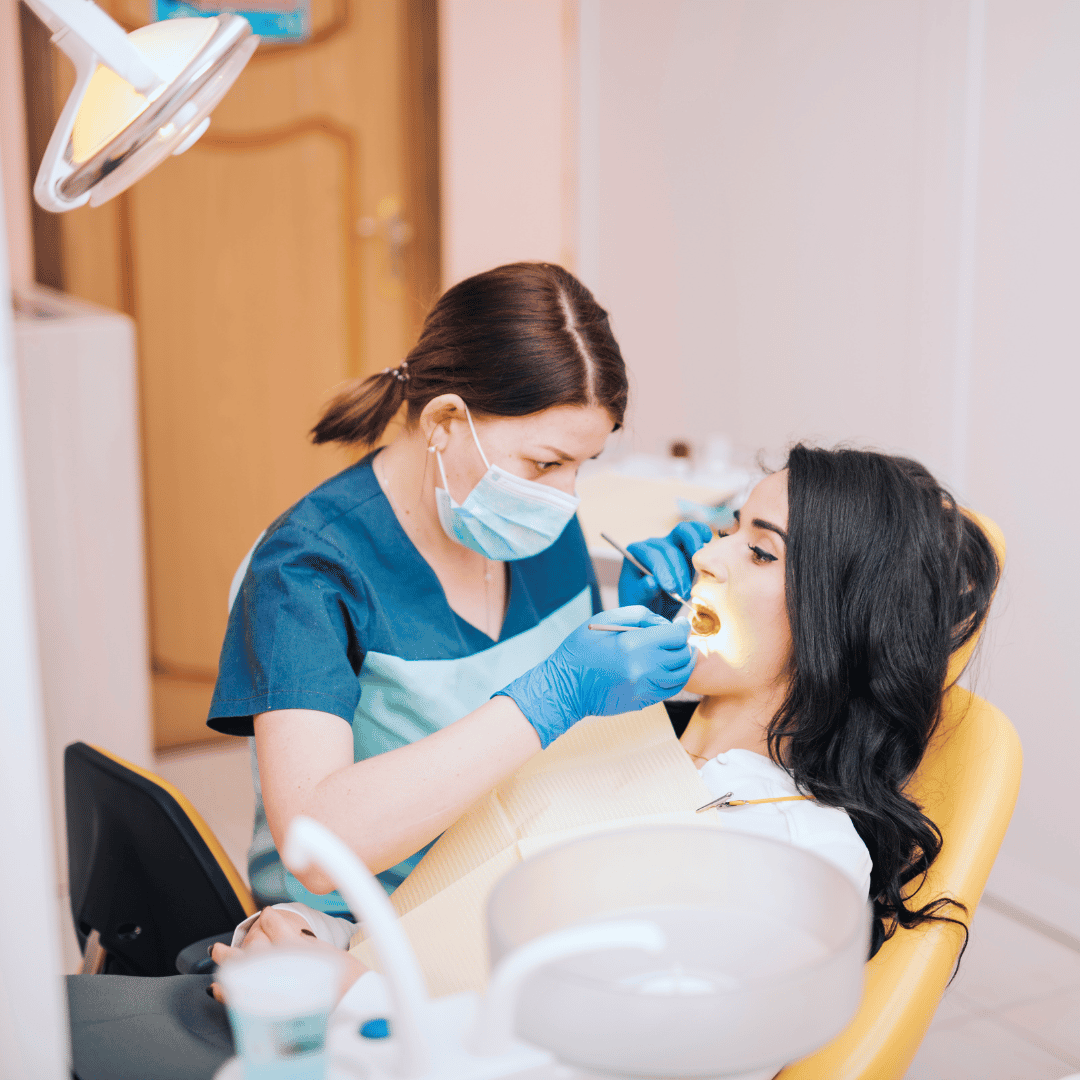
During your first trip, the specialists will perform any necessary tooth extractions, clean infected gum tissue, and perform bone grafting if your jaw lacks the required density. The titanium dental implants are then surgically inserted into the jawbone. Following the surgery, you will not leave toothless. The prosthodontist will fit you with temporary, functional acrylic teeth. These temporaries allow you to smile and eat soft foods while your mouth heals.
The Healing Period (Osseointegration)
You will return to Canada for a healing period typically lasting four to six months. During this time, a biological process called osseointegration occurs, where your natural jawbone completely fuses with the titanium implants, turning them into permanent, sturdy anchors within your mouth.
Phase 2: Final Restorations
Once osseointegration is complete, you will fly back to Costa Rica for the final phase. The temporary teeth are removed, new impressions or digital scans are taken, and your permanent, highly durable restorations—often crafted from premium porcelain or monolithic zirconia—are securely attached to the implants. The specialists will make meticulous adjustments to ensure your bite is perfectly balanced and the aesthetics match your facial structure naturally.
Recovering in a tropical environment offers distinct advantages. Instead of battling the stressful, freezing Canadian winters post-surgery, you can spend your recovery days resting in a climate-controlled hotel room overlooking lush valleys, enjoying soft, fresh local fruits like papaya and mango, and allowing your body to heal in a relaxed state.
Pain management is a top priority in modern medical tourism in Costa Rica. Intravenous (IV) sedation or oral conscious sedation is frequently utilized for extensive surgical phases, meaning you will be in a deeply relaxed, twilight state during the extractions and implant placements, waking up with little to no memory of the procedure.
6. Coordinate Aftercare and Follow-up Strategy
The journey does not end the moment you look in the mirror and see your brilliant new smile. Long-term success of a full mouth rehabilitation requires diligent aftercare and a solid follow-up strategy once you return home to Canada.
While dental implants cannot get cavities, the gum tissue surrounding them is still susceptible to periodontal disease (peri-implantitis) if not cared for properly. It is imperative that you maintain excellent oral hygiene. This means brushing twice a day with a non-abrasive toothpaste, using a water flosser designed for implants or bridges, and using antimicrobial mouthwash.
Furthermore, you must establish a relationship with a local dental hygienist in Canada. You will need professional cleanings every four to six months. Be transparent with your local Canadian dentist about having your work done abroad. Good domestic practitioners will respect the quality of the work and assist you in maintaining it through regular check-ups and panoramic X-rays to ensure the bone levels around the implants remain stable over the years.
Before leaving the clinic in San Jose, ensure you receive all your medical records in English. This includes the brand, size, and serial numbers of the specific implants used, as well as digital copies of all X-rays and scans. Reputable international facilities provide comprehensive warranties on their implants and restorative work; make sure you understand the terms of this guarantee, including what is required on your end to maintain its validity.
A severe condition that often leads to the need for full mouth rehabilitation is Bruxism (involuntary teeth grinding). Because the biting force of implant-supported zirconia bridges is incredibly strong, your specialist will likely fabricate a custom night guard for you to wear while sleeping. Wearing this guard is critical to protecting your investment from nocturnal grinding forces once you return home.
Ready to Transform Your Smile? Let PlacidWay Guide Your Journey
Navigating the complexities of international medical travel can feel overwhelming, but you do not have to do it alone. PlacidWay is your trusted partner in coordinating every aspect of your full mouth rehabilitation trip from Canada to Costa Rica. We bridge the gap between patients and world-class healthcare, connecting you exclusively with accredited, top-tier dental facilities and globally recognized specialists.
From helping you secure highly competitive quotes and facilitating the transfer of your 3D scans, to ensuring rigorous quality standards and offering dedicated, ongoing patient support, PlacidWay removes the stress of planning so you can focus entirely on your health and recovery. Stop letting prohibitive Canadian dental costs hold you back from a pain-free, confident life.


.png)
.png)
.png)




.jpg)
.jpg)
.jpg)
.jpg)








Share this listing