



For years, the pursuit of aesthetic perfection has driven a massive influx of international patients to East Asia's beauty capital. Among the myriad of procedures sought, eye-widening surgeries hold a particular fascination. As Chinese patients increasingly look beyond their borders for highly specialized, meticulous cosmetic enhancements, medical tourism in South Korea has surged in popularity. The country's reputation for pioneering advanced techniques in Asian facial anatomy is unparalleled.
One procedure, in particular, dominates the conversation: Canthoplasty. Designed to elongate the eyes and create a softer, more open expression, this surgery goes a step beyond traditional double eyelid creation. However, traveling abroad for a surgical procedure is a significant decision. If you are considering crossing the Yellow Sea for this transformative surgery, you likely have concerns about safety, aesthetics, logistics, and cost. Below, we explore the ten most common questions Chinese medical tourists ask before committing to Canthoplasty in South Korea, providing you with the comprehensive knowledge needed to make an informed, confident decision.
1. What Exactly is Canthoplasty, and How Does It Differ from Double Eyelid Surgery?
When patients first research eye enhancement, they often confuse Canthoplasty with standard double eyelid surgery (blepharoplasty). While both aim to enhance the appearance of the eyes, their anatomical targets are entirely different. Double eyelid surgery creates a visible crease on the upper eyelid, making the eye appear vertically larger. Canthoplasty, on the other hand, focuses on the horizontal length and the overall shape of the eye by modifying the inner or outer corners.
- Epicanthoplasty (Medial Canthoplasty): This involves releasing the epicanthal fold (the Mongolian fold) at the inner corner of the eye. It reduces the distance between the eyes and creates a brighter, more open inner corner.
- Lateral Canthoplasty: This targets the outer corner of the eye, extending it horizontally to create a longer, more almond-shaped appearance.
- Lateral Hotz (Canthopexy): Often combined with lateral canthoplasty, this technique lowers the outer corner of the lower eyelid to correct an overly slanted or "fierce" eye shape, resulting in a softer, more innocent expression.
Many international patients achieve their desired results by combining both a blepharoplasty and a canthoplasty during the same surgical session. This combination ensures proportional enlargement of the eye both vertically and horizontally, delivering a more harmonious aesthetic outcome without multiple recovery periods.
2. Why is South Korea the Premier Destination for This Procedure?
You might wonder why thousands of Chinese patients bypass local clinics to undergo medical tourism in South Korea. The answer lies in the intense specialization and rigorous training required within the Korean medical system. South Korean plastic surgeons perform the highest volume of aesthetic eye surgeries globally, specifically focusing on the nuances of Asian facial anatomy.
In South Korea, aesthetic surgery is not viewed as a one-size-fits-all practice but as an intricate art form. The surgical techniques utilized here are highly refined, employing microscopic suturing that minimizes scarring and accelerates healing. Furthermore, the aesthetic trend in Korea heavily favors "natural beauty," meaning surgeons are trained to enhance your features subtly rather than creating an artificial, over-operated appearance.
South Korea holds one of the highest ratios of plastic surgeons per capita in the world. However, only a select fraction of these are board-certified specialists who have undergone years of grueling, specialized residency programs focusing exclusively on complex craniofacial and aesthetic reconstructions.
3. How Much Does Canthoplasty Cost in Seoul, South Korea?
Cost is naturally a primary concern for any medical traveler. The Canthoplasty cost in Seoul South Korea is influenced by several factors: the specific technique used (medial, lateral, or both), the complexity of your eye anatomy, the prestige of the medical facility, and the expertise level of the surgeon.
While prices fluctuate, patients can generally expect a transparent pricing structure from reputable providers. Here is a general estimate of what you might expect regarding financial investment:
| Procedure Type | Estimated Cost Range (USD) |
|---|---|
| Medial Canthoplasty (Inner Corner) | $1,000 - $2,500 |
| Lateral Canthoplasty (Outer Corner) | $1,200 - $3,000 |
| Dual Canthoplasty (Medial + Lateral) | $2,000 - $4,500 |
| Combined with Double Eyelid Surgery | $3,500 - $6,000+ |
It is vital to remember that these costs often encompass not just the surgery, but also local anesthesia, pre-operative consultations, and essential post-operative care items like medication and de-swelling treatments. Compared to Western countries, the value proposition here is exceptional, offering world-class expertise at competitive rates.
4. Will the Results Look Natural and Complement My Facial Features?
One of the greatest fears Chinese patients express is the dreaded "plastic" or over-corrected look. A successful aesthetic procedure is one that goes completely unnoticed by strangers while significantly enhancing your overall attractiveness. Canthoplasty requires meticulous precision; cutting even one millimeter too far can expose the red mucosal lining of the eye, leading to an unnatural appearance and functional issues.
Korean specialists rely heavily on the principles of facial harmony. During the consultation, they do not just look at your eyes; they measure the distance between your eyes, the width of your nose bridge, and the overall proportions of your face to determine the exact degree of incision required. Advanced Canthoplasty clinics in Seoul South Korea utilize 3D imaging and specialized structural analysis to ensure the final result perfectly complements your unique facial blueprint.
5. What is the Recovery Process Like for an International Patient?
Recovering in a foreign country can seem daunting, but the infrastructure for medical tourists in South Korea is highly developed to accommodate this exact scenario. Because Canthoplasty is typically performed under local anesthesia with light sedation, it is an outpatient procedure, meaning you will return to your hotel the same day.
Here is what the standard recovery timeline looks like:
- Days 1-3: This is the peak period for swelling and minor bruising. You will need to apply cold compresses diligently and sleep with your head elevated. Redness in the whites of the eyes (chemosis) is common and temporary.
- Days 4-6: Swelling begins to subside significantly. You can usually engage in light sightseeing, though wearing sunglasses is highly recommended to protect your eyes from wind and dust.
- Day 7: Sutures are typically removed. By this point, the majority of the visible bruising has faded, and you are usually cleared to fly home.
- Weeks 2-4: The incisions will still be slightly pink but can easily be concealed with light makeup. The final, settled shape of the eye will become apparent.
Many medical facilities in Seoul provide specialized post-operative care packages that include LED light therapy sessions and oxygen therapies. These complementary treatments are specifically designed to stimulate cellular repair, dramatically reducing swelling and cutting recovery time almost in half compared to healing naturally at home.
6. Are There Any Risks or Complications Associated with the Surgery?
Like any surgical intervention, Canthoplasty carries inherent risks, which is why choosing a highly qualified specialist is paramount. Potential complications include infection, asymmetry between the two eyes, noticeable scarring, or a condition called "webbing" where the skin heals in a thick, unnatural fold. Functional issues, such as dry eyes or irritation from the exposure of the conjunctiva, can occur if the incision is made too aggressively.
Top-tier facilities utilize advanced, micro-precision suturing techniques designed to hide the incision lines within the natural contours of the eye, virtually eliminating visible scarring once healed. During your consultation, your surgeon will thoroughly evaluate your tear duct function and skin elasticity to ensure you are a safe candidate, thereby minimizing the risk of adverse outcomes.
7. How Long Should I Plan to Stay in South Korea for the Procedure?
Proper logistical planning is crucial for a stress-free medical trip. While the surgery itself takes only 30 minutes to an hour, the overall stay must accommodate pre-surgical consultations and post-surgical healing.
For a standalone Canthoplasty, an itinerary of 8 to 10 days is optimal. This schedule allows you to arrive, settle in, and attend your final consultation before the surgery date. Following the procedure, you will need to remain in the country for approximately 7 days until your stitches are safely removed by your surgical team. Rushing to fly with fresh sutures is highly discouraged due to cabin pressure fluctuations and the increased risk of infection or wound separation.
8. Will Language Be a Barrier During My Medical Consultation?
Clear, uncompromised communication between you and your surgeon is the cornerstone of aesthetic success. For Chinese medical tourists, language barriers are a valid, frequent concern. However, South Korea's medical tourism infrastructure is deeply attuned to the needs of the Chinese market.
Almost all prominent Canthoplasty clinics in Seoul South Korea feature dedicated international patient departments. They employ full-time, highly trained medical interpreters fluent in Mandarin and Cantonese. These interpreters are not just casual translators; they possess a deep understanding of complex medical terminology and aesthetic phrasing. From your initial online consultation to your post-operative check-up, an interpreter will be by your side to ensure every question is answered and your exact aesthetic desires are clearly conveyed to the surgical team.
9. How Do I Choose the Right Canthoplasty Specialist in Seoul, South Korea?
The success of your surgery hinges almost entirely on the hands performing it. With hundreds of options available, selecting the right Canthoplasty specialist in Seoul South Korea requires careful vetting. Do not base your decision solely on marketing materials or the lowest price point.
Here are the critical factors you should evaluate:
- Board Certification: Ensure the surgeon is certified by recognized national plastic surgery boards, indicating they have completed rigorous aesthetic training.
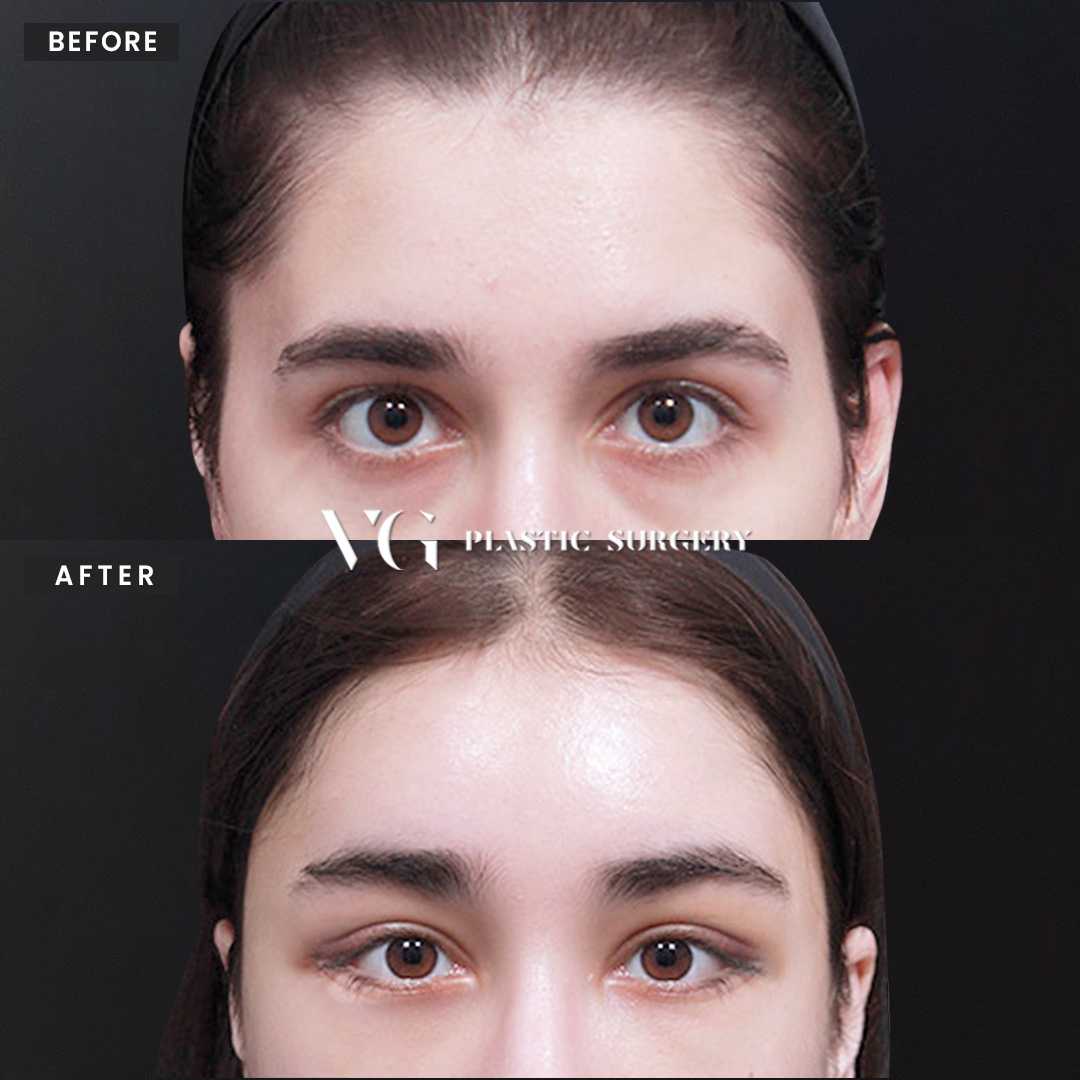
- Extensive Portfolio: Ask to see a comprehensive gallery of before-and-after photos, specifically focusing on patients with similar eye anatomy to your own.
- Specialization Focus: Look for specialists who dedicate a large portion of their practice specifically to ocular and facial aesthetic surgery rather than general plastic surgery.
- Transparent Consultations: A reputable specialist will honestly inform you of what is medically possible, rather than over-promising unachievable results.
10. How Do I Coordinate My Medical Travel Safely and Seamlessly?
Traveling internationally for surgery involves coordinating multiple moving parts: obtaining the correct medical visa, booking flights, finding recovery-friendly accommodations, scheduling airport transfers, and managing the surgical appointments. Attempting to organize this independently in a foreign language can induce unnecessary stress right before your procedure.
The safest and most efficient way to manage this journey is by utilizing reputable medical tourism facilitators. These experts bridge the gap between international patients and foreign healthcare systems. They assist with fast-tracking visa applications, securing accommodations close to the medical facility, and ensuring that the providers you visit adhere to strict international safety and quality standards.
When planning your accommodation, prioritize hotels or serviced apartments located within the same district (such as Gangnam) as your chosen facility. Minimizing travel time through busy city traffic during the first few days of recovery will significantly enhance your comfort and ease your follow-up visits.
Take the Next Step Towards Your Transformation with PlacidWay
Navigating the complexities of medical tourism doesn't have to be overwhelming. At PlacidWay, we specialize in connecting international patients with the highest-rated, globally accredited medical providers. Our dedicated team is here to ensure that your journey for aesthetic enhancement in South Korea is safe, seamless, and tailored specifically to your needs.
We handle the heavy lifting—from verifying strict quality standards to facilitating clear communication and providing ongoing support throughout your entire trip. You deserve to focus purely on your recovery and your stunning new results. Let us coordinate your medical travel with confidence and care.
Get Your Free Quote Today

.png)

.png)
.jpg)

.png)

.jpg)
.jpg)
.jpg)
.jpg)








Share this listing