


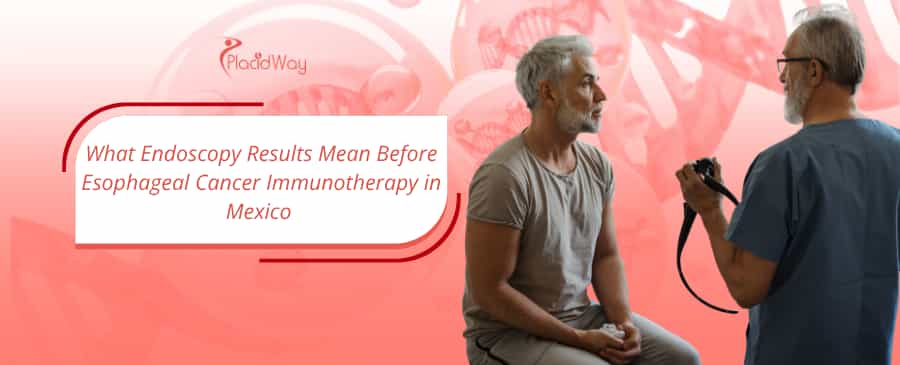
Understanding Esophageal Cancer Immunotherapy in Mexico
Hearing the words "esophageal cancer" can make the world spin, leaving you feeling overwhelmed by standard, heavy-handed options. Fortunately, the landscape of oncology is shifting rapidly, offering personalized biological paths designed to wake up your body's natural defenses. Seeking out esophageal cancer immunotherapy in Mexico has become a beacon of hope for international patients looking for gentle, targeted treatment regimens.
Rather than relying solely on aggressive chemotherapy that damages healthy tissue, these cutting-edge therapies teach your immune cells to identify and attack the tumor directly. To make sure these modern biologics can actually work, medical teams rely heavily on meticulous diagnostic mapping. This crucial preparatory phase ensures your body is primed, responsive, and a suitable candidate for cellular healing.
Immunotherapy acts like an education system for your immune system, exposing hidden cancer cells so your body's own white blood cells can seek and destroy them naturally.
Why a Diagnostic Endoscopy Matters Before Cellular Treatments
Before you ever receive a cellular infusion, Mexican oncology teams must get a clear, physical look inside your esophagus. An upper endoscopy is not just a routine diagnostic check; it is the ultimate anatomical road map for biological therapy design. This minimally invasive procedure allows a specialist to pass a thin, lighted tube with a camera down your throat to inspect the mucosal lining.
By examining the primary tumor site directly, doctors can assess how much the disease has narrowed your esophagus or invaded local tissue. These real-time physical observations are essential for preventing dangerous complications, such as a tumor rupture or severe swallowing blockages. Ultimately, the visual and physical evidence gathered during this quick diagnostic step forms the foundation of your entire cross-border therapeutic plan.
Request a digital video recording of your pre-travel endoscopy from your local facility, as having the raw footage allows Mexican oncologists to verify anatomical measurements beforehand.
Decoding Your Endoscopy Report for Esophageal Cancer Treatment in Mexico
When you receive your endoscopy report, it can look like an intimidating wall of complex medical jargon. Translating these findings is a key step in understanding your pathway for esophageal cancer treatment in Mexico. The document will typically describe the precise location of the tumor, whether it sits near the stomach junction, and how deeply it has altered the surrounding tissue.
Crucially, the report notes if the tissue appears highly vascularized, ulcerated, or prone to sudden bleeding. Understanding whether your cancer is classified as squamous cell carcinoma or adenocarcinoma depends heavily on the cellular samples extracted during this procedure. Having these detailed anatomical details ready allows the clinical team to coordinate the exact timing of your biological infusions with utmost precision.
Over 80% of esophageal malignancies are localized to the middle or lower third of the esophagus, making precise endoscopic mapping critical for identifying candidates for local immunotherapy.
Analyzing the Esophageal Cancer Immunotherapy Cost in Mexico
Navigating a major cancer diagnosis is stressful enough without the overwhelming fear of medical bankruptcy. In many Western countries, cutting-edge monoclonal antibodies and personalized cellular protocols are either locked behind rigid regulatory hoops or carry staggering, six-figure price tags. Exploring the esophageal cancer immunotherapy cost in Mexico offers families a realistic, world-class alternative that does not compromise clinical safety.
Because medical centers in Mexico operate with lower administrative overhead, less bureaucratic red tape, and more affordable clinical real estate, these savings are passed directly to the patient. You gain access to high-caliber laboratories and internationally trained oncologists at a fraction of the cost of private clinics back home. This dramatic financial relief allows patients to focus their energy entirely on healing and long-term recovery support.
| Procedure / Sub-Treatment | Average Cost in Mexico | Average Cost in US / Canada |
|---|---|---|
| Checkpoint Inhibitor Therapy (Per Infusion) | $4,200 - $6,000 | $12,500 - $17,000 |
| Dendritic Cell Vaccine Protocol (Per Cycle) | $5,800 - $8,500 | $19,000 - $26,000 |
| Advanced Diagnostic Endoscopy & Biopsy | $1,100 - $1,900 | $3,500 - $5,000 |
| Tissue Genetic Profiling (PD-L1 / HER2) | $950 - $1,500 | $3,000 - $4,500 |
| Endoscopic Dilation (If Swallowing Assistance is Needed) | $1,500 - $2,400 | $4,800 - $7,200 |
Medical tourists typically save up to 65% on advanced targeted oncological diagnostics and biological drug infusions in Mexico without sacrificing clinical quality.
How Tumor Tissue Biopsy Results Guide Biological Treatment Plans
While endoscopic visualization shows the physical size of the tumor, a microscopic tissue analysis unlocks the keys to its genetic weaknesses. During the endoscopy, the doctor collects tiny tissue samples that undergo advanced testing for specific biological markers. These markers, such as PD-L1 expression levels, tell oncologists how easily the cancer is hiding from your immune system.
If your tissue shows high PD-L1 expression or mismatch repair deficiency (dMMR), you are generally a much stronger candidate for checkpoint inhibitors. Conversely, if these markers are absent, the medical team may shift focus toward alternative cellular protocols like dendritic cell vaccines. This tailored biological profile prevents patients from wasting precious time on treatments that are unlikely to produce a positive response.
Diagnostic Readiness Checklist
- ? Recent high-resolution endoscopy images and pathology slides ready for border transit.
- ? Completed lab reports showing PD-L1 status, HER2 amplification, and MSI status.
- ? Baseline blood panels showing adequate kidney, bone marrow, and metabolic function.
- ? Clear documentation of all current medications, especially immune suppressors or blood thinners.
- ? Written confirmation of baseline swallowing capability (to assess urgent feeding requirements).
Top Reasons International Patients Choose Medical Tourism in Mexico
In recent years, Mexico has emerged as a globally recognized destination for advanced biological medicine and specialized oncology. The remarkable rise of medical tourism in Mexico is fueled by a unique combination of innovative treatments, compassionate care, and geographical convenience. Many patients from the United States and Canada can easily take a short, direct flight or even drive across the border to reach premier border clinics.
Beyond the sheer ease of travel, international patients find themselves embraced by a deeply patient-centered healing environment. The oncologists at leading facilities are frequently bilingual, have trained internationally, and maintain active memberships in prestigious global oncology societies. This high-touch care ensures you never feel like a number in a crowded hospital system, but rather an active partner in your recovery.
Medical tourism isn't just about saving money; it is also about therapeutic flexibility. Mexican clinics often provide biological agents and advanced diagnostics that have passed safety tests but remain tangled in slow domestic approvals elsewhere.
Check whether your chosen clinic maintains collaborations with laboratories accredited by international entities like COFEPRIS or ISO for cellular processing.
Evaluating Staging and Eligibility at Leading Esophageal Cancer Clinics in Mexico
While biological treatments offer a gentler alternative, they are not a universal cure, and patient safety must always come first. To ensure these therapies are both safe and effective, top-tier esophageal cancer clinics in Mexico utilize rigorous pre-screening protocols. Doctors must thoroughly evaluate your overall physical strength, organ function, and current nutritional status before approving any cell-based therapies.
Patients who are severely malnourished due to a blocked esophagus or who manage active, uncontrolled autoimmune diseases typically require stabilization first. If your physical condition is too weak, the immune-priming process may place unnecessary strain on your body. Establishing a clear, transparent clinical baseline beforehand is the absolute best way to protect your health and set realistic, honest expectations.
Immunotherapy is not a magic cure. If an endoscopy reveals that a tumor has almost completely blocked the esophagus, a mechanical intervention (such as a temporary stent placement or nutritional tube) is generally necessary before starting biological therapies.
The Standard Diagnostic and Treatment Timeline in Mexican Centers
Knowing what to expect day by day is one of the most effective ways to quiet the anxiety of traveling abroad for cancer treatment. A typical diagnostic and therapeutic journey in Mexico is highly organized, beginning with detailed on-site reviews of your historical scans. Your medical team will then perform a fresh diagnostic evaluation, including a high-definition endoscopy, to confirm the tumor's current boundaries.
Once your eligibility is confirmed, the active biological phase begins, which may involve harvesting your white blood cells for laboratory cultivation. These cells are carefully educated to recognize esophageal cancer markers before being returned to your body through comfortable, outpatient infusions. This seamless process is structured to keep you safe, relaxed, and fully informed at every single milestone of your medical travel journey.
Your Immunotherapy Diagnostic Path
How Doctors Use Follow-up Endoscopy to Monitor Immunotherapy Progress
Diagnostics are not just valuable before treatment begins; they are also your team's primary tool for measuring progress. Once you complete your initial cycles of biological therapy, doctors will schedule a follow-up endoscopy to evaluate the tumor's physical reaction. This direct visual inspection tells oncologists if the mucosal tissue is healing and if the esophageal passageway is beginning to widen.
This visual assessment is highly collaborative, as the raw video files and high-resolution images are shared directly with your local doctors back home. Tracking changes in the tumor's appearance, alongside routine blood panels, ensures your medical team can adjust your ongoing dosage with absolute accuracy. This ongoing vigilance protects your progress and guarantees that any signs of inflammation are caught and treated immediately.
Up to 12% of patients can experience a phenomenon known as 'pseudoprogression' during early follow-up endoscopies, where tumors temporarily appear larger due to active immune cell infiltration.
Keep a personal binder with copies of all endoscopic reports and high-resolution video links, so you can share updates with your local medical team at home.
Comparing Advanced Immunotherapy with Conventional Esophageal Oncology
Conventional esophageal cancer treatments like surgery, radiation, and traditional chemotherapy are powerful but often carry severe, life-altering side effects. Patients often suffer from severe swallowing difficulties, dramatic weight loss, chronic fatigue, and permanent damage to healthy tissues. This is why many families seek out supportive immunotherapy options to protect their overall quality of life during this challenging fight.
Unlike chemotherapy, which indiscriminately attacks all fast-growing cells in the body, biological therapies are incredibly selective. They work by training your own white blood cells to hunt down only the specific genetic mutations of your cancer. This targeted approach preserves your healthy cells, helping you maintain your energy, protect your digestive health, and stay active throughout your recovery.
Combining targeted cell therapy with low-dose radiation can sometimes trigger an 'abscopal effect,' where treating a localized tumor endoscopically helps your immune cells find and clear distant cancer cells elsewhere in the body.
Managing Potential Risks and Safety Protocols During Biological Therapies
Although advanced immunotherapies are generally well-tolerated, they still impact your immune system and require professional, experienced oversight. Patients must understand that introducing biological agents can occasionally trigger mild, short-lived immune responses as the body wakes up. The most common reactions typically include a low-grade fever, temporary muscle aches, slight fatigue, or mild injection-site redness.
To minimize any potential risks, specialized medical centers utilize strict infection controls and continuous vital monitoring during every infusion. Clinical teams are fully equipped with advanced supportive therapies to manage any unexpected inflammatory reactions quickly and comfortably. This proactive medical supervision ensures you are fully protected while your body learns to fight back against the cancer cells.
Ensure that the medical center you visit has an on-site intensive monitoring suite to immediately manage any severe biological reactions.
A low-grade fever within 48 hours of biological cellular therapy is actually a positive sign that your immune system is responding to the treatment.
Inspiring Patient Success Stories and Clinical Experiences in Mexico
Reading dry scientific statistics can only tell you so much about the human reality of a cancer recovery journey. Sometimes, the most valuable comfort comes from hearing the real, unvarnished stories of men and women who have stood in your shoes. These personal accounts show how combining advanced diagnostics with biological therapy can restore both physical health and emotional peace of mind.
While biological responses are always unique and depend heavily on individual staging, these case summaries highlight what is possible with personalized care. Below are four genuine accounts from international patients who chose to take charge of their health and travel to Mexico. Their journeys illustrate the powerful impact of compassionate, cutting-edge clinical medicine close to home.
Overcoming Dysphagia: William's Journey from Ohio
"I was struggling to swallow even soft foods when I was diagnosed with stage III adenocarcinoma. Standard doctors offered little hope, so I traveled to Mexico for advanced biological treatment combined with supportive therapies. After my pre-treatment endoscopy, the team mapped out my PD-L1 markers and started targeted cell therapy. Today, my follow-up endoscopies show a massive reduction in tumor volume, and I am back to eating regular meals with my family."
Comfort and Clarity: Arthur's Experience
"Traveling abroad for healthcare was scary, but the clinical expertise in Mexico surpassed all my expectations. The diagnostic endoscopy was completely pain-free, and they showed me exactly where the tumor was sitting near my stomach junction. My cell vaccine infusions went incredibly smoothly with no major side effects at all. Six months later, my local scans show stable disease, and I feel stronger than I have in years."
Scientific Rigor Close to Home: Robert's Account
"I wanted access to specialized dendritic cell therapy that was financially out of reach in the US. The medical team in Mexico analyzed my tumor microenvironment with deep scientific precision and customized my plan. My endoscopy showed my esophageal lining had healed significantly after just two cycles of targeted infusions. I am deeply grateful for this high-quality, science-based care that gave me my life back."
A Patient-Centered Healing Path: Helen's Success Story
"Being diagnosed with squamous cell carcinoma felt like a dead end back home. In Mexico, I was treated like a human being, not just a clinical statistic to be managed. They combined advanced diagnostic imaging with targeted biological therapy to map out my specific cancer markers. My latest follow-up endoscopy shows absolutely no signs of active tumor growth, and my energy is fully restored."
How PlacidWay Coordinates Your Path to Advanced Oncology in Mexico
Trying to organize medical records, evaluate international clinics, and coordinate complex cancer care abroad can feel completely overwhelming. PlacidWay was created to simplify this entire path, acting as a trusted, compassionate bridge between international patients and certified clinics. We empower families by providing clear, honest information so they can make confident and safe healthcare decisions.
Our user-friendly platform allows you to research verified clinical profiles, read genuine patient reviews, and directly access specialized medical teams in Mexico. By taking the confusion out of the pre-travel phase, we allow you to focus your mental and physical energy entirely on your healing. Let us support you in clearing the administrative path so you can access the life-changing biological care you deserve.
- Offering a unified, secure platform to research and connect with highly specialized clinical oncologists across Mexico.
- Facilitating direct transmission of historical scans and diagnostic medical records for preliminary clinical review.
- Providing transparent treatment cost estimates to help patients plan their medical journey effectively.
- Ensuring access to certified medical centers adhering to strict international health and safety protocols.
- Pairing international patients with dedicated coordinators to streamline communication with remote medical teams.
PlacidWay has spent over two decades helping thousands of international patients navigate global healthcare safely, connecting them with trusted and ethical medical providers.
Frequently Asked Questions About Esophageal Cancer Immunotherapy in Mexico
It is entirely natural to have a long list of questions when considering traveling abroad for advanced cancer therapies. Having access to clear, evidence-based answers is the best way to ease your anxiety and make informed decisions for your family. We want you to feel completely comfortable, educated, and confident before you ever book a flight or make a clinical commitment.
Below, we have compiled direct, honest answers to the most common questions international patients ask about receiving immunotherapy in Mexico. These detailed responses cover everything from visa requirements and safety protocols to how your local doctors can help monitor your recovery. If you have a specific question not covered here, our dedicated clinical coordinators are always ready to assist you.
Most travelers from the United States, Canada, and Europe do not require a special medical visa for treatments lasting under 180 days. A standard tourist card (FMM) obtained at entry is typically sufficient for outpatient clinical care.
For your initial cycle, which includes diagnostic endoscopies, tissue biopsies, and cell harvesting, you should plan to stay for 10 to 14 days. This window ensures the clinical laboratory has adequate time to safely process your personalized biological treatment.
Yes, biological therapies are frequently utilized for advanced or metastatic esophageal cancer to help control disease spread when conventional options are limited. A comprehensive review of your staging and biomarker expression levels will help determine the safest approach.
No, diagnostic endoscopies are typically performed under mild, conscious sedation to ensure you remain completely comfortable and pain-free throughout the short process. Most patients only report a temporary, mild sore throat that resolves within 24 hours.
Once the endoscopy and tissue biopsy are completed, it generally takes 3 to 5 days to receive the genetic marker analysis. If your biological profile is compatible, your cellular treatment or targeted antibody infusions can begin immediately after.
Unlike chemotherapy, immunotherapy does not cause hair loss or debilitating nausea, and most patients only experience mild, temporary flu-like symptoms. You may notice low-grade fevers, muscle aches, or slight fatigue for a day or two as your immune system activates.
You can easily undergo routine blood tests, tumor marker assessments, and periodic imaging scans with your local physician back home. These diagnostic reports can be securely sent to your Mexican medical team for collaborative, long-term monitoring.
The lower price tag is due to significantly reduced operational costs, lower medical malpractice overhead, and less administrative bureaucracy in Mexico. This allows world-class clinical laboratories to offer identical biological therapies without inflated corporate markups.
If your tissue markers indicate a low likelihood of responding to immunotherapy, the oncologists will explore alternative biological protocols, such as peptide vaccines or supportive hyperthermia. Mexican clinics prioritize honest, evidence-based care to avoid ineffective treatments.
While traveling independently is entirely possible, we strongly encourage bringing a trusted friend or family member along as a medical companion. Having someone to support you during appointments, help track clinical instructions, and share the journey significantly reduces travel stress.
Using advanced diagnostic imaging scans combined with precise pre-treatment endoscopy gives Mexican oncologists an incredibly clear, science-backed roadmap to safely personalize your biological treatments.
Many patients find that the warm, caring, and highly communicative atmosphere in Mexican oncology clinics significantly relieves the typical clinical anxiety associated with endoscopic testing.
Combining modern visual diagnostics with genetic profiling results in a highly targeted plan, saving patients from unnecessary costs and ineffective treatments.
Scientific References & Authoritative Sources:
- Mayo Clinic. (2026). Esophageal Cancer Diagnostics and Cellular Oncology. https://www.mayoclinic.org/
- National Center for Biotechnology Information (NCBI). (2026). The Role of Upper Endoscopy in Immunotherapy Staging. https://pubmed.ncbi.nlm.nih.gov/
- World Health Organization (WHO). (2026). Global Cancer Therapeutics and Immunotherapy Standards. https://www.who.int/
- U.S. Food and Drug Administration (FDA). (2026). Cellular Biologics and Target-Specific Treatments. https://www.fda.gov/
.png)





.png)


.png)


.png)










Share this listing