
Amchepry is the world's first iPS cell-derived regenerative medicine product developed by Sumitomo Pharma. It is a new treatment option for Parkinson's disease that was approved for health insurance coverage in May 2026 at a drug price of 55.3 million JPY. Targeting patients who show an insufficient response to levodopa, this cell therapy involves transplanting dopaminergic neural progenitor cells generated from iPS cells into the putamen via stereotactic brain surgery.
Under a conditional and time-limited approval, clinical evidence will be robustly accumulated over the next seven years. In this article, a Regenerative Medicine Specialist in Japan provides an end-to-end explanation of Amchepry's treatment method, drug price, insurance coverage conditions, the latest evidence from the Kyoto University Phase I/II trial, and its differences from autologous adipose-derived stem cell (ADSC) therapy.
What is Amchepry? A Doctor Explains the World's First iPS Cell Therapy for Parkinson's Disease
Direct Answer
Amchepry is a regenerative medicine product comprising dopaminergic neural progenitor cells generated from allogeneic iPS cells. It is a treatment in which cells are transplanted into the brain (putamen) via stereotactic surgery for Parkinson's disease patients who cannot achieve sufficient efficacy with levodopa. Developed by Sumitomo Pharma, it received conditional and time-limited approval in March 2026, and insurance coverage commenced on May 20.
Amchepry (generic name: dopaminergic neural progenitor cells) is the world's first iPS cell-derived regenerative medicine product to obtain manufacturing and marketing approval, based on extensive basic and clinical research accumulated over many years at the Center for iPS Cell Research and Application (CiRA), Kyoto University.
Parkinson's disease is a neurodegenerative disorder characterized by the progressive loss of dopamine-producing neurons in the brain that control movement, leading to motor symptoms such as tremor, rigidity, akinesia, and postural instability. While symptoms can be controlled with pharmacotherapy such as levodopa, disease progression often leads to "wearing-off" and "dyskinesia," making it difficult to maintain quality of life with medication alone. Amchepry introduces a fundamentally different treatment concept from pharmacotherapy: "replenishing the lost cells themselves."
Target Patient Profile:
-
Definitively diagnosed with Parkinson's disease
-
Insufficient efficacy from existing treatments, including levodopa
-
General condition capable of withstanding stereotactic brain surgery under general anesthesia
-
Able to attend outpatient visits for long-term follow-up post-transplantation
Why was a "New Treatment" Needed for Parkinson's Disease?
Direct Answer
Although pharmacotherapy (levodopa) and deep brain stimulation (DBS) can suppress the symptoms of Parkinson's Disease, no treatment has existed that halts the progression of the disease itself. In advanced stages, complications such as wearing-off (shortened drug efficacy duration) and dyskinesia (involuntary movements) occur, making the medical community eagerly await a new drug and a novel treatment concept for many years.
The number of Parkinson's disease patients in Japan is estimated to be approximately 200,000, and this number is increasing with an aging population. Standard treatment has centered on levodopa replacement therapy, introduced in the 1960s, with subsequent additions of dopamine agonists, MAO-B inhibitors, and COMT inhibitors. These are symptomatic treatments designed to suppress symptoms; they do not possess the ability to replenish depleting neurons or halt disease progression.
DBS (Deep Brain Stimulation) is a surgical therapy popularized since the 1990s, effective in reducing tremors and dyskinesia, but it also does not regenerate the nerves themselves.
Given this background, a treatment capable of directly addressing disease progression has been long desired. Amchepry is a therapy designed precisely to fill this "missing piece."
Treatment Method of Amchepry — Stereotactic Brain Surgery and Cell Transplantation into the Putamen
Direct Answer
Amchepry administration involves stereotactic brain surgery, performed under general anesthesia, where small burr holes are made in the skull. A thin needle is advanced along a guide to the putamen deep within the brain, and cells are transplanted into multiple sites in the bilateral putamina. Unlike drugs administered via intravenous infusion, it can only be performed at limited facilities equipped with dedicated surgical setups and neurosurgical teams.
Overview of the Treatment Flow:
-
Indication Assessment: Comprehensive examination by neurologists and neurosurgeons, MRI, and levodopa responsiveness evaluation.
-
Consent and Facility Requirement Confirmation: As it is under conditional and time-limited approval, it is conducted at facilities subject to the Optimal Clinical Use Guidelines.
-
Hospitalization: Preoperative examinations and anesthesia evaluation.
-
Stereotactic Brain Surgery: Creation of burr holes in the skull under general anesthesia ? Guided by a stereotactic frame, dopaminergic neural progenitor cells are divided and transplanted into multiple sites in both the left and right putamina.
-
Postoperative Management: Inpatient observation (monitoring for bleeding, infection, and abnormal proliferation of transplanted cells).
-
Long-Term Follow-up: Management of immunosuppressant administration duration, and regular evaluations including MRI, PET, and motor symptom assessments.
What "Stereotactic Brain Surgery" as an Administration Route Means:
While stereotactic surgery is a standard neurosurgical procedure also used in deep brain stimulation (DBS), it is decidedly more invasive than intravenous or intrathecal administration. Risks such as general anesthesia complications, bleeding, infection, tumorigenesis of transplanted cells, and exacerbation of dyskinesia cannot be reduced to zero.
Contrary to the image that "iPS cells = cutting-edge = gentle on the body," it is important to understand that Amchepry falls into the highly invasive category regarding the administration route among regenerative medicines.
Drug Price of 55.3 Million Yen and Insurance Coverage for Parkinson's Disease — What is the Patient's Burden?
Direct Answer
On May 13, 2026, the Central Social Insurance Medical Council (Chuikyo) set the drug price for Amchepry at 55,306,737 JPY per patient, and insurance coverage began on May 20. This marks the world's first insurance coverage for an iPS cell-derived product. The out-of-pocket expense for individual patients will be significantly reduced through the High-Cost Medical Care Benefit System.
Drug Price and Cost Structure:
The drug price covers only the cost of the medication; expenses for hospitalization, stereotactic surgery, perioperative examinations, and immunosuppressants are added separately. However, as it falls under the High-Cost Medical Care Benefit System, the patient's individual out-of-pocket costs are designed to be capped at tens of thousands to a few hundred thousand yen per month, depending on income brackets.
What iPS Cells × Insurance Coverage Signifies:
It has been 20 years since Professor Shinya Yamanaka and his team established iPS cells in 2006. During this period, the clinical application of regenerative medicine often stagnated at the research stage. This insurance coverage represents a historic turning point where "iPS cell research has finally entered Japan's healthcare system," raising expectations for future ripple effects into other disease areas such as cardiac regeneration, retina, and cartilage.
On the other hand, the drug price of 55.3 million yen is an issue of medical expenditures supported by society as a whole. The sustainability of drug pricing when regenerative medicine expands to other diseases is expected to become a subject of future societal debate.
Evidence from Kyoto University Phase I/II Trial — What was Shown in iPS Cell Therapy for Parkinson's Disease?
Direct Answer
In the Phase I/II trial at Kyoto University, which served as the basis for Amchepry's approval, iPS cell-derived dopaminergic neural progenitor cells were transplanted into the bilateral putamina of seven Parkinson's disease patients aged 50–69. After approximately two years of observation, no serious adverse events occurred. The MDS-UPDRS Part III score in the "off" state improved in 4 out of 6 evaluable patients, and increased dopaminergic neural activity was demonstrated via PET imaging (Nature, 2025).
Key Trial Design Points:
-
Subjects: 7 Parkinson's disease patients (aged 50–69)
-
Administration Method: Transplantation of iPS cell-derived dopaminergic neural progenitor cells into the bilateral putamina.
-
Observation Period: Approximately 2 years
-
Evaluation Metrics: MDS-UPDRS Part III (motor symptom score), safety, imaging findings (MRI/PET)
Significance and Limitations of This Trial:
Frankly speaking, the sample size of "7 patients and 2 years of observation" is still small. However, for a Phase I/II trial, confirming the safety profile and observing efficacy signals represents an extremely vital step forward in cell transplantation therapy.
Nevertheless, these results do not automatically imply that it will "always work for general Parkinson's disease patients." Only after the number of cases has accumulated through Phase IV trials (post-marketing clinical trials) conducted under the conditional and time-limited approval will the full picture of the magnitude of effect, duration of effect, and adverse event profile emerge.
An Alternative Therapeutic Option: Autologous Adipose-Derived Stem Cell (ADSC) Therapy
Direct Answer
Autologous Adipose-Derived Stem Cell (ADSC) therapy is a regenerative medicine modality in which mesenchymal stem cells harvested from the patient's own adipose tissue are cultured and administered via minimally invasive routes, such as intravenous infusion or intrathecal injection. Unlike Amchepry, it avoids craniotomy. This approach aims to modulate neuroinflammation and deliver neurotrophic factors, and it is currently available in Japan for Parkinson's disease as a self-funded (private-pay) medical treatment.
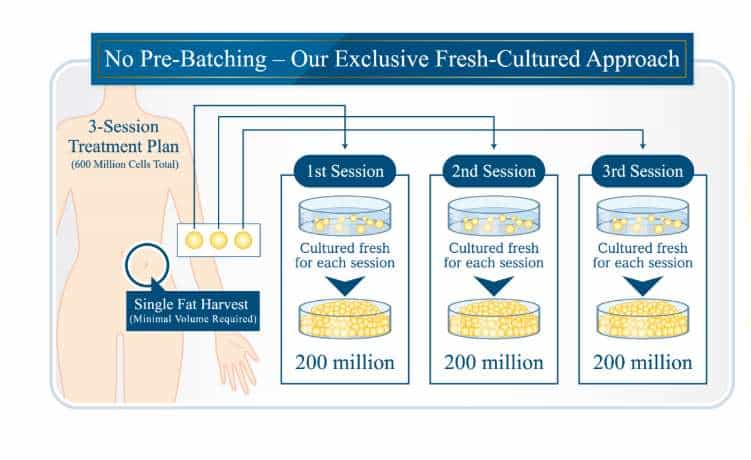
Fundamental Concept of Autologous Adipose-Derived Stem Cell Therapy In autologous ADSC therapy, a small volume of adipose tissue is harvested from areas such as the abdomen under local anesthesia. The extracted cells are expanded in a dedicated cell processing facility and subsequently readadministered to the patient. The primary route of administration is intravenous infusion, which may be combined with intrathecal administration (lumbar puncture) in certain cases.
The primary mechanisms of action of autologous ADSCs are as follows:
-
Neuroprotective Effects: Secretion of neurotrophic factors, including Brain-Derived Neurotrophic Factor (BDNF) and Glial Cell Line-Derived Neurotrophic Factor (GDNF), to support the survival of residual neurons.
-
Anti-inflammatory Effects: Release of cytokines that suppress chronic neuroinflammation within the brain.
-
Promotion of Angiogenesis and Tissue Repair: Release of growth factors, such as Vascular Endothelial Growth Factor (VEGF).
-
Immunomodulation: Immune-modulating properties characteristic of mesenchymal stem cells (MSCs).
Rationale for the Therapeutic Potential of Autologous Adipose-Derived Stem Cells (ADSCs) in Parkinson’s Disease
Domestic and international case reports and small-scale clinical trials have indicated improvements in MDS-UPDRS scores and PDQ-39 (a quality-of-life metric) among a subset of patients who underwent multiple intravenous infusions of autologous ADSCs. Currently, the incidence of serious adverse events remains limited. However, large-scale, placebo-controlled trials are still ongoing; thus, in terms of the hierarchy of evidence, this modality is currently classified within the "investigational stage."
Amchepry vs. Autologous Adipose-Derived Stem Cell (ADSC) Therapy — How to Choose
Direct Answer
Although both Amchepry (allogeneic iPS cell-derived) and autologous adipose-derived stem cell (ADSC) therapy are classified as "regenerative medicine," they differ significantly in their routes of administration, degree of invasiveness, cost profiles, and scope of indications. While Amchepry is an insurance-covered treatment that aims for fundamental cellular replacement, it necessitates a craniotomy. Conversely, autologous ADSC therapy is a self-funded (private-pay) treatment that offers a minimally invasive approach designed to exert neuroprotective and anti-inflammatory effects.
Considerations for Patient Selection
It is not a simplistic matter of determining which therapy is inherently superior. The optimal therapeutic choice varies depending on the patient's clinical condition, disease progression, general health status, personal preferences (specifically, tolerance for procedural invasiveness), feasibility of regular outpatient visits, and financial considerations.
-
Patients in advanced stages with diminished pharmacological efficacy, who desire fundamental cellular replacement and possess the physical resilience to undergo surgery: Undergoing a formal indication assessment for Amchepry is a viable option.
-
Patients who wish to avoid craniotomy and seek a minimally invasive approach aimed at delaying disease progression and alleviating symptoms: Autologous ADSC therapy represents a suitable alternative.
-
Patients wishing to carefully explore both modalities: We strongly recommend obtaining comprehensive consultations at both an Amchepry-certified medical institution and a specialized regenerative medicine clinic.
"No regenerative medicine is a magic cure; rather, it is a standard medical intervention with specific indications, inherent limitations, and potential adverse effects." — This is a critical point that must be continually emphasized.
For Patients Struggling with Parkinson’s Disease — The Support Cell Grand Clinic Can Provide
Direct Answer
Cell Grand Clinic is a regenerative medicine clinic located in Shinsaibashi, Osaka. We have submitted 13 regenerative medicine provision plans to the Ministry of Health, Labour and Welfare (MHLW)—representing one of the highest numbers in Osaka—and our physicians, certified by the American Board of Regenerative Medicine (ABRM), have performed over 3,000 cases of autologous adipose-derived stem cell (ADSC) therapy. Because autologous ADSC therapy directly indicated for Parkinson's disease itself currently falls outside our submitted MHLW provision plans, we do not perform it for that specific primary indication. However, we do provide exosome therapy, systemic regenerative therapy under the frailty framework, arteriosclerosis treatment, and NMN intravenous infusions, all designed to optimize the patient's overall systemic condition and maximize the efficacy of pharmacotherapy and rehabilitation.
What Cell Grand Clinic Can "Realistically" Do At present, no medical facility in the world possesses a curative treatment that completely eradicates Parkinson's disease. The core philosophy of Cell Grand Clinic is an approach focused on "moderating disease progression by optimizing the patient's systemic health and quality of life, thereby maximizing the therapeutic effects of pharmacotherapy and rehabilitation."
-
Exosome Therapy — The Most Accessible Entry Point into Regenerative Medicine This therapy involves the intravenous or intranasal administration of a purified preparation containing active components (growth factors, cytokines, and miRNAs) secreted by stem cells. It does not require adipose tissue harvesting and can be initiated with a 30-minute intravenous infusion per session. It is anticipated to suppress neuroinflammation, improve cerebral blood flow, and exert antioxidant effects, with ongoing research investigating its potential to maintain cognitive function. It is the most frequently selected initial option for patients who feel that full stem cell therapy represents too high of a hurdle to begin with.
-
Systemic Regenerative Therapy under the Frailty Indication (MHLW Type II Regenerative Medicine Provision Plan: PB5250049) As Parkinson's disease progresses, it is common for patients to develop concomitant frailty characterized by muscle weakness, unintended weight loss, and declining ambulatory capacity. Cell Grand Clinic has formally submitted a Type II Regenerative Medicine Provision Plan targeting frailty. Under this regulatory framework, we can provide systemic anti-aging and preventative medicine (pre-disease management) utilizing autologous ADSCs. This is a "systemic optimization" approach aimed at suppressing neuroinflammation, improving mitochondrial function, and maintaining muscle mass and physical stamina.
-
Arteriosclerosis Treatment (MHLW Type II Regenerative Medicine Provision Plan: PB5250051) It is not uncommon for patients with Parkinson's disease to concurrently exhibit decreased cerebral blood flow and increased vascular aging. We perform autologous ADSC therapy indicated for arteriosclerosis under the MHLW-submitted framework, which can consequently be expected to promote vascular rejuvenation and support cerebral hemodynamics.
-
NMN Intravenous Infusion and PRP — Complementary Modalities Intravenous infusion of Nicotinamide Mononucleotide (NMN), an NAD+ precursor, is an option aimed at supporting mitochondrial function and improving systemic metabolism. Platelet-Rich Plasma (PRP) can also be utilized as an adjunctive therapy targeting tissue repair via autologous growth factors.
Six Reasons Why Cell Grand Clinic is Chosen
| # | Key Strength | Clinical Significance for Patients |
|---|---|---|
| 1 | Clinical Track Record of 3,000+ Cases | Led by a Board-Certified Physician (ABRM), the clinic has successfully performed over 3,000 stem cell therapies across patients from 20+ countries, demonstrating extensive international clinical experience and reliability. |
| 2 | Extensive MHLW-Regulated Provision Plans | With 13 officially submitted regenerative medicine plans (10 Type II, 3 Type III) to Japan’s Ministry of Health, Labour and Welfare, the clinic operates under strict regulatory compliance, ensuring legally structured and ethically governed treatments. |
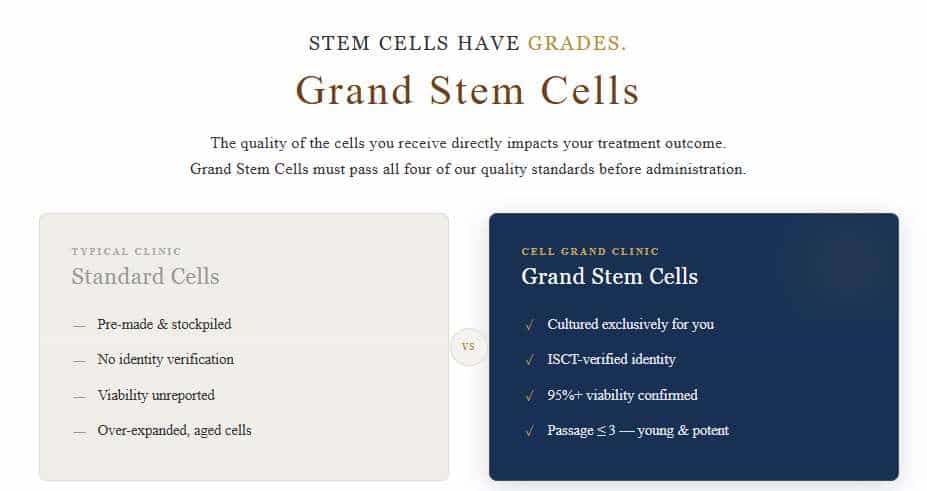
| 3 | ISCT-Based Global Stem Cell Verification | Every cell product is validated using International Society for Cell & Gene Therapy (ISCT) standards, ensuring true mesenchymal stem cell identity while eliminating non-compliant or low-quality cell batches. |
| 4 | ?95% Guaranteed Cell Viability | Only high-viability cells (?95%) are administered, ensuring optimal biological activity, therapeutic potential, and consistent treatment quality at the time of infusion. |
| 5 | Exclusive Use of Low-Passage Youthful Cells | Cells are limited to early passages (up to Passage 3) to preserve regenerative potency, reduce cellular senescence, and maximize functional therapeutic performance. |
| 6 | End-to-End Physician-Led Continuity of Care | The medical director oversees the entire patient journey—from consultation and cell processing to administration and long-term follow-ups at 1, 3, and 6 months—ensuring consistency, safety, and personalized clinical supervision. |
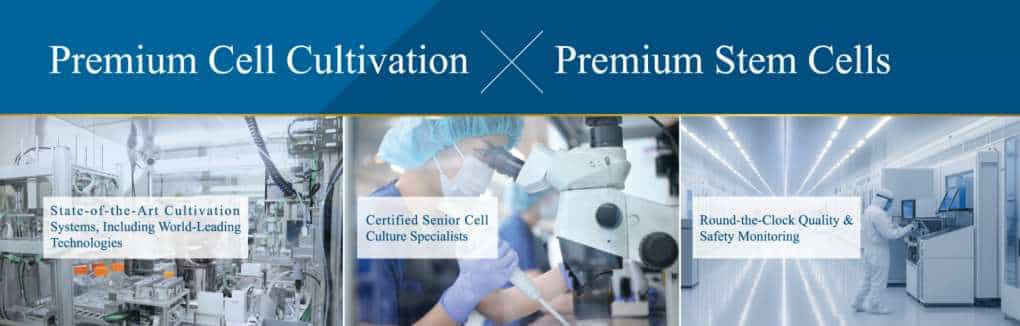
Stem Cell Gallery at Cell Grand Clinic


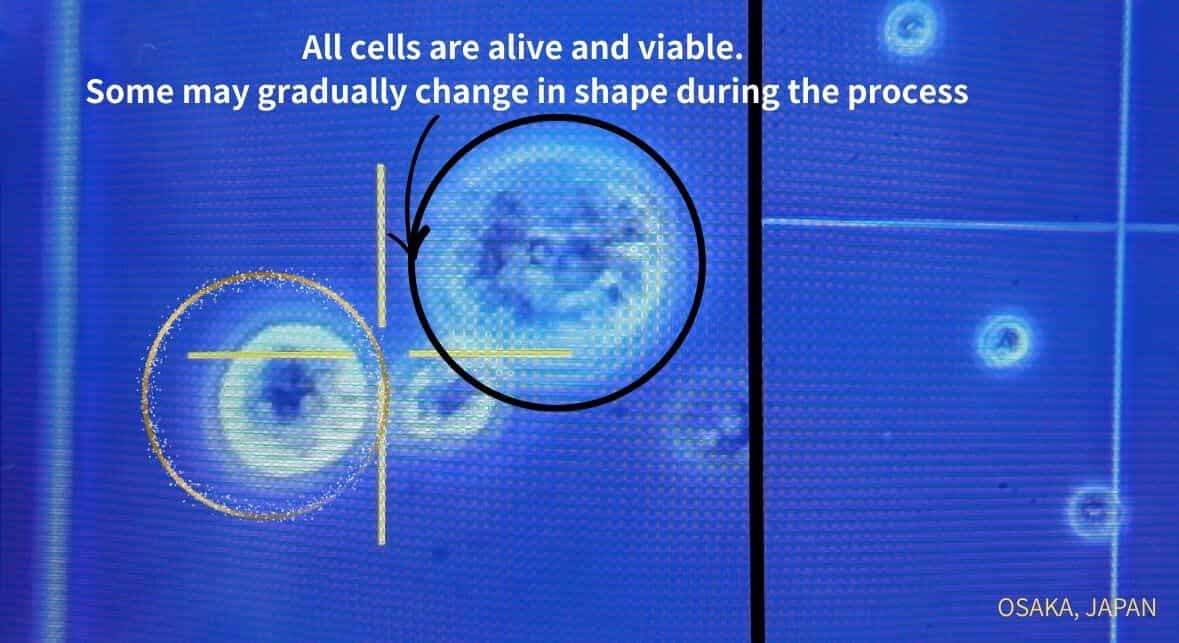
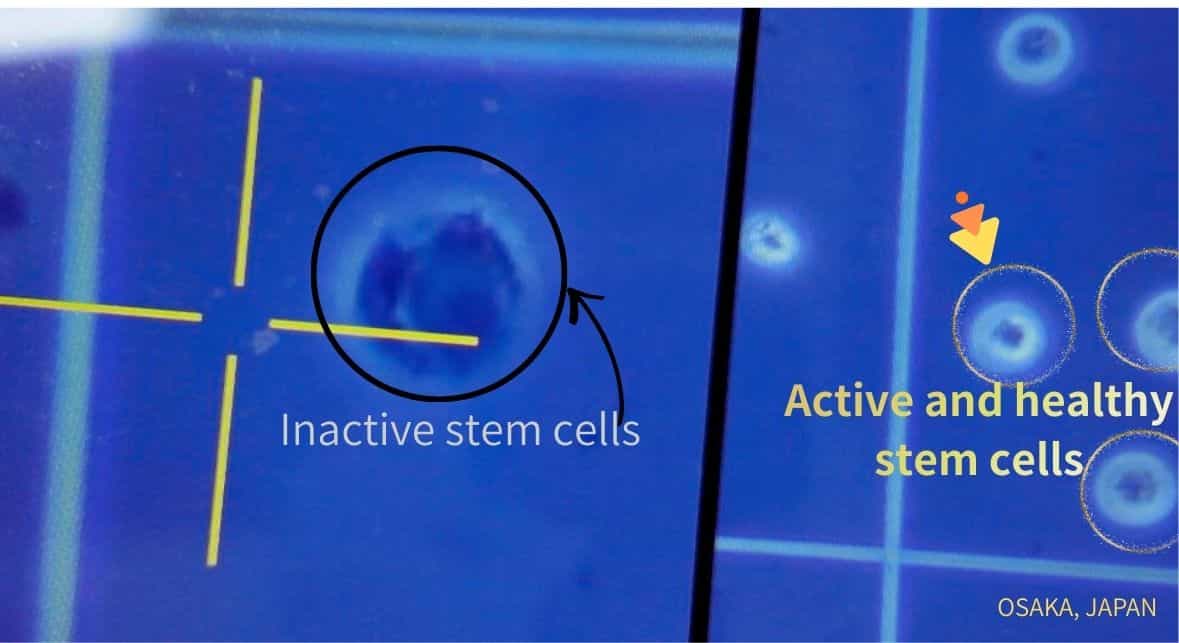
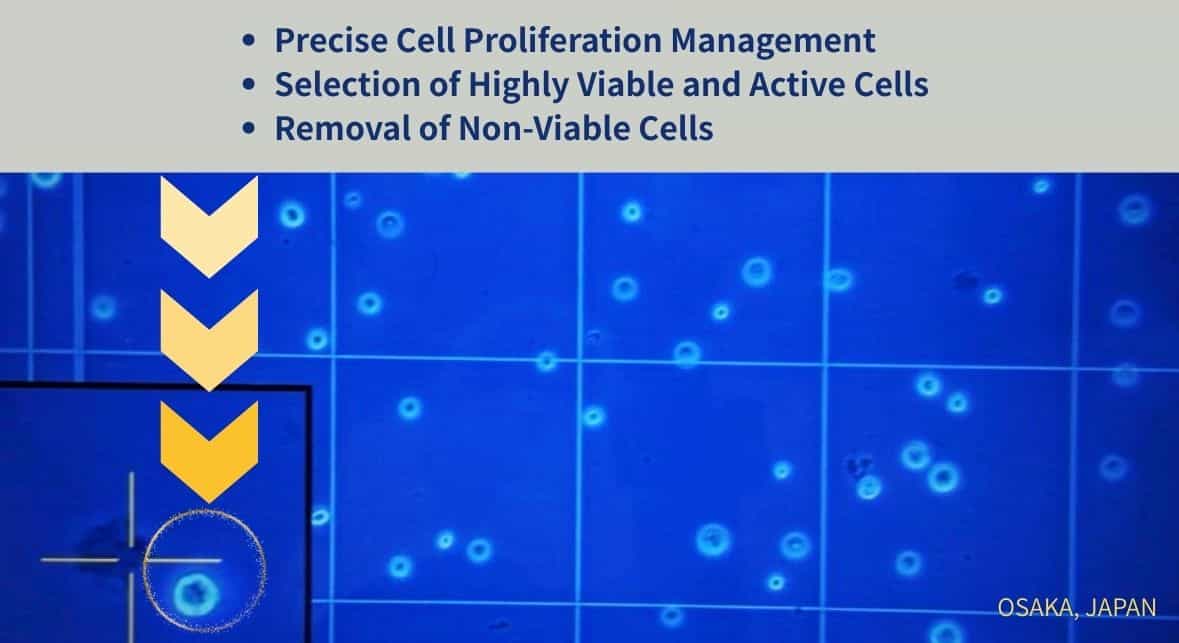
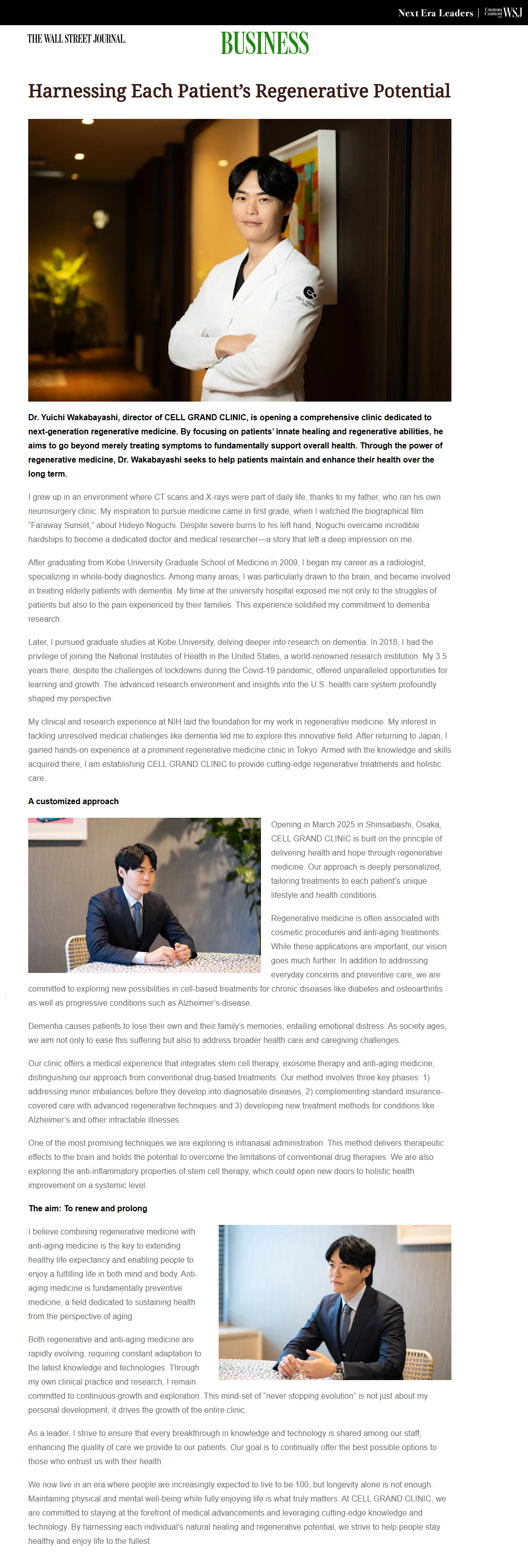
Cell Grand Clinic has earned international recognition for its leadership in regenerative medicine and commitment to advancing patient-centered care. The clinic's founder, Dr. Yuichi Wakabayashi, was featured in the Business section of The Wall Street Journal, highlighting his pioneering work and innovative vision in the field of regenerative medicine.
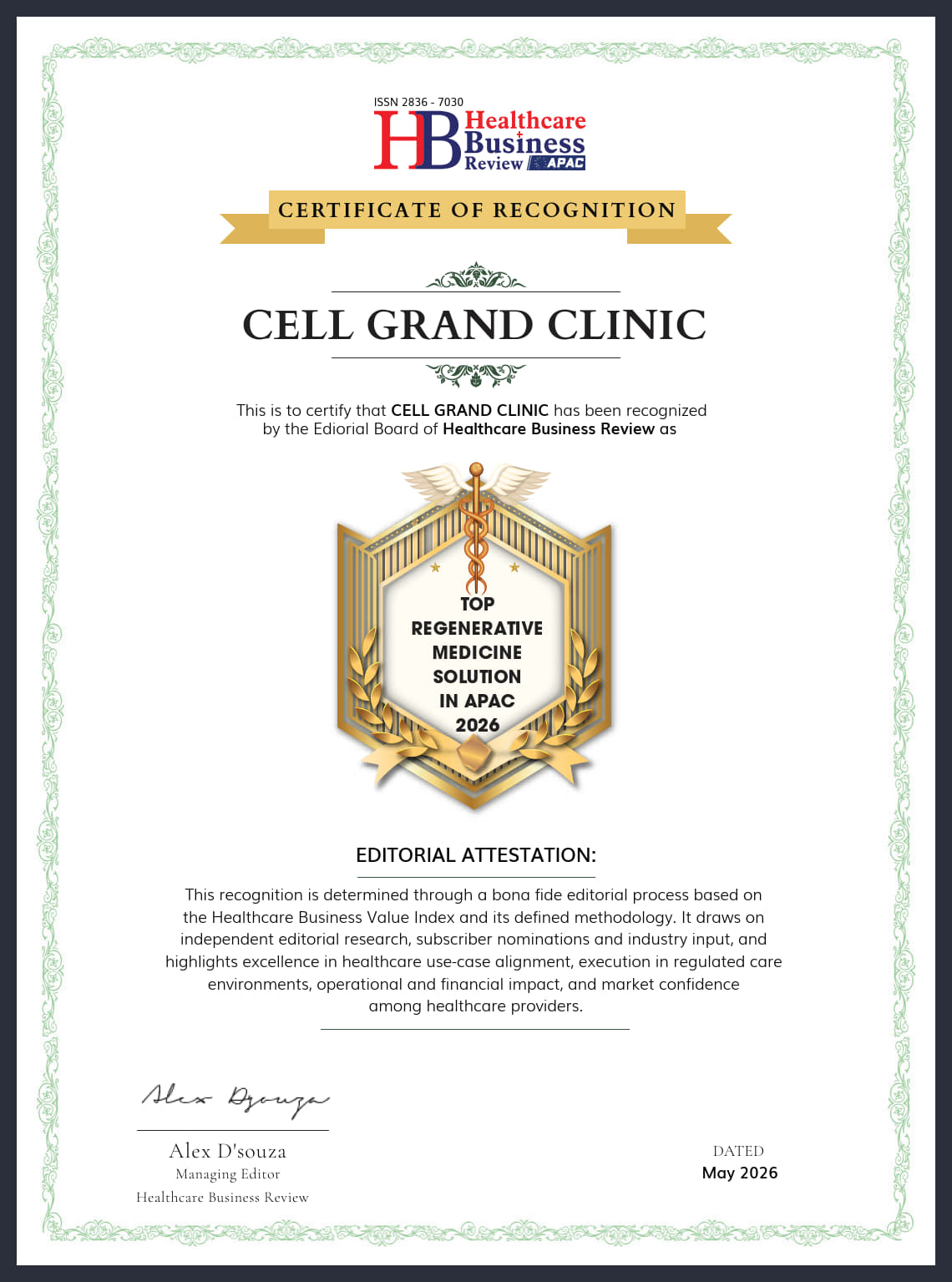
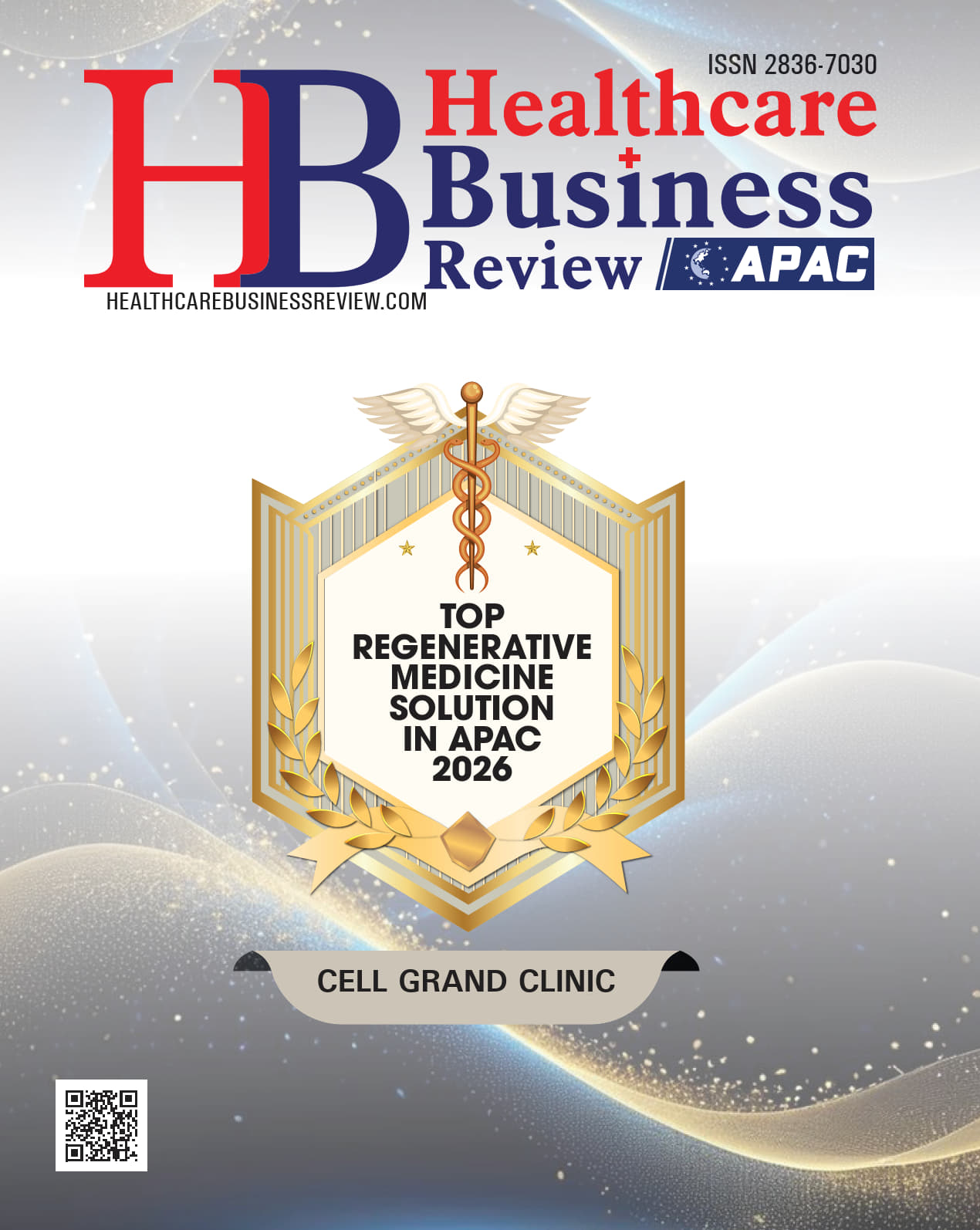
Further demonstrating its dedication to clinical excellence, the clinic's leadership holds the prestigious American Board of Regenerative Medicine Certificate, reinforcing its reputation as an Advanced Stem Cell Clinic in Japan. Adding to these achievements, Cell Grand Clinic was recognized by Healthcare Business Review APAC as a Top Regenerative Medicine Solution in APAC for 2026, reflecting its growing influence and excellence in delivering cutting-edge regenerative healthcare solutions.
Recognized by Healthcare Business Review APAC as a Top Regenerative Medicine Solution in APAC (2026).
The Wall Street Journal Feature Dr. Yuichi Wakabayashi
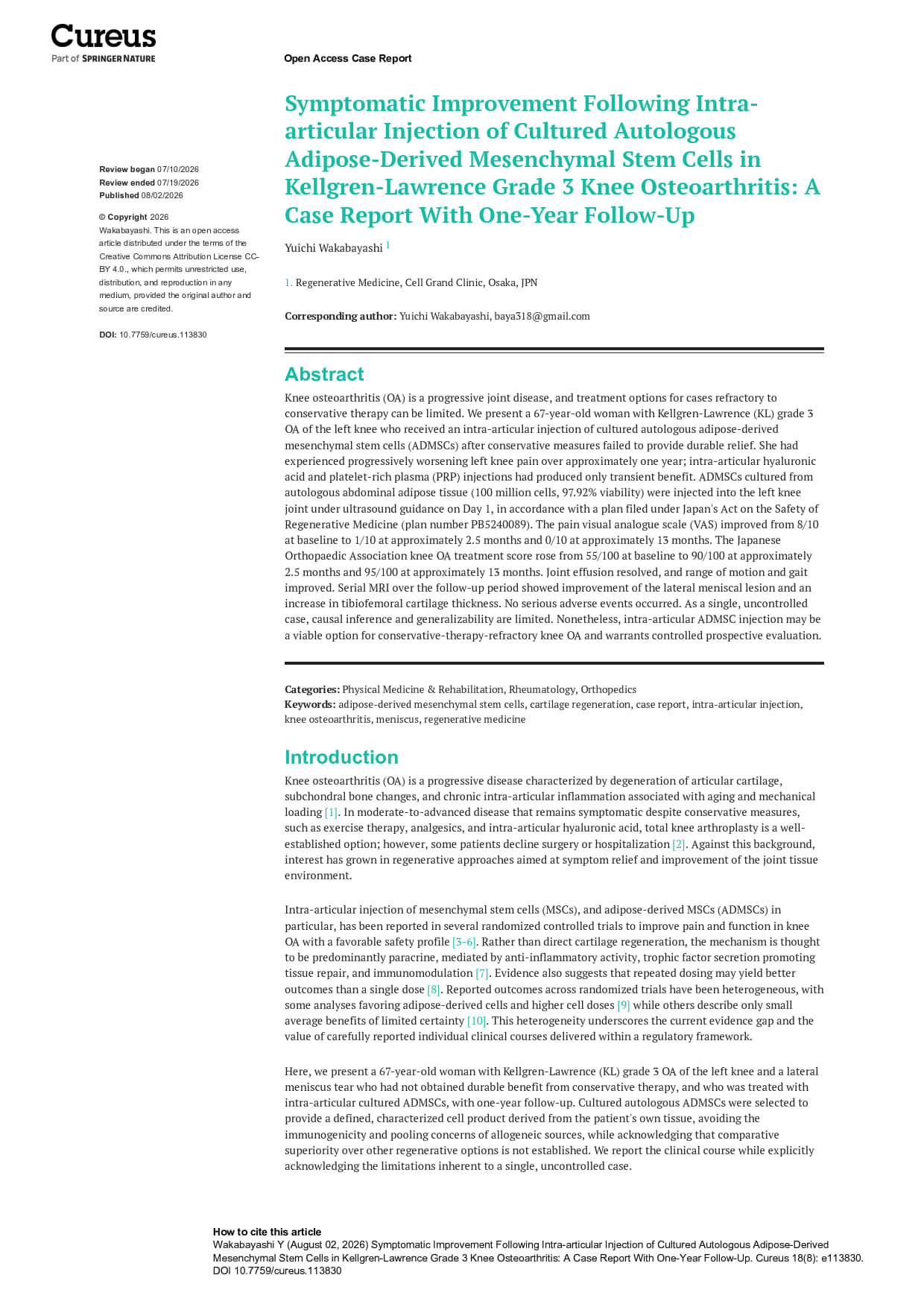
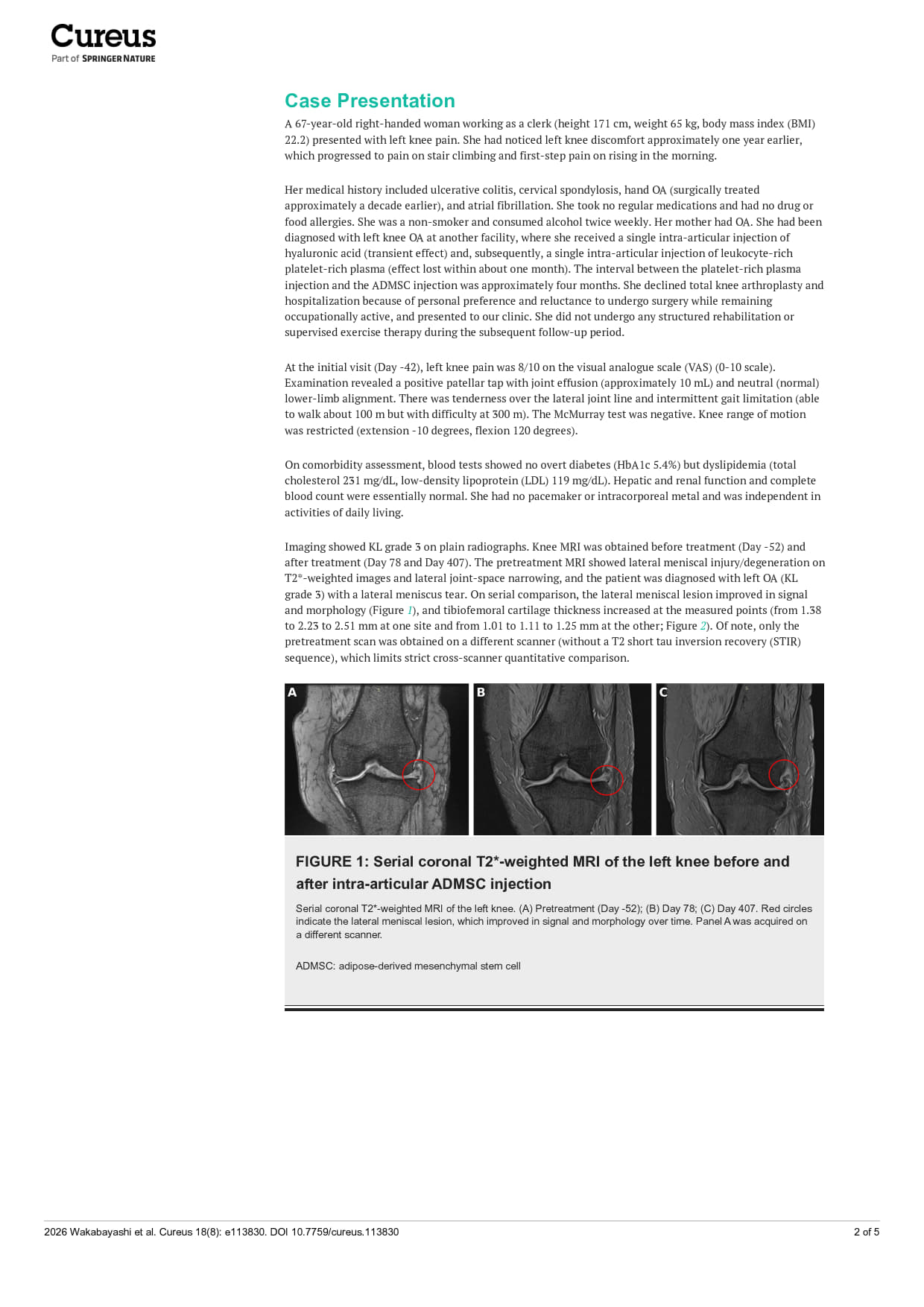
Peer-Reviewed Publication
Reflecting this commitment to transparency, Dr. Wakabayashi’s one-year outcome report on adipose-derived stem cell therapy for knee osteoarthritis was published in the peer-reviewed medical journal Cureus in 2026 (DOI: 10.7759/cureus.113830), adding independently verifiable clinical documentation to the clinic’s growing body of research.
Symptomatic Improvement Following Intra-articular Injection of Cultured Autologous Adipose-Derived Mesenchymal Stem Cells in Kellgren-Lawrence Grade 3 Knee Osteoarthritis: A Case Report With One-Year Follow-Up
 Page 1
 Page 2
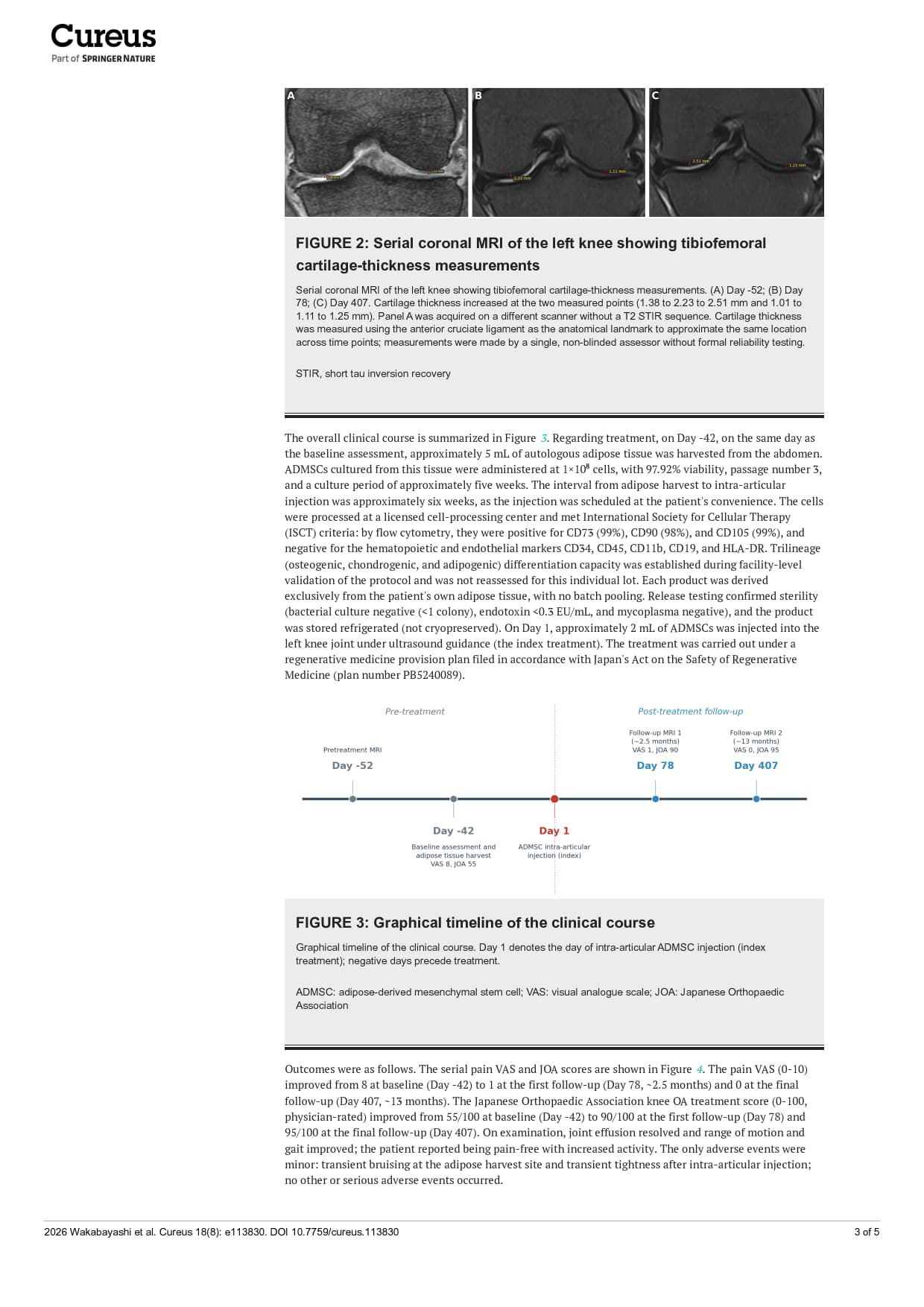 Page 3
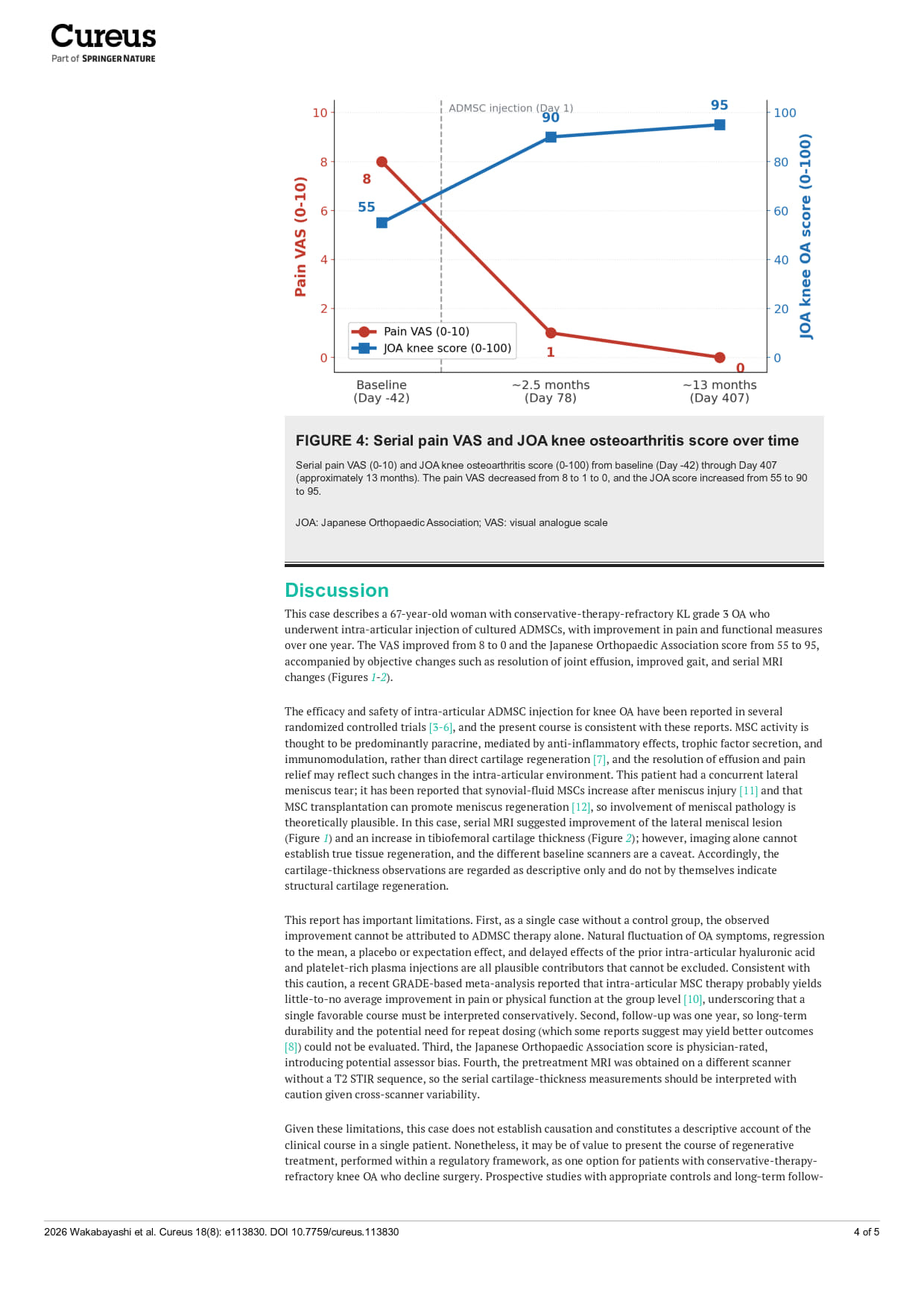 Page 4
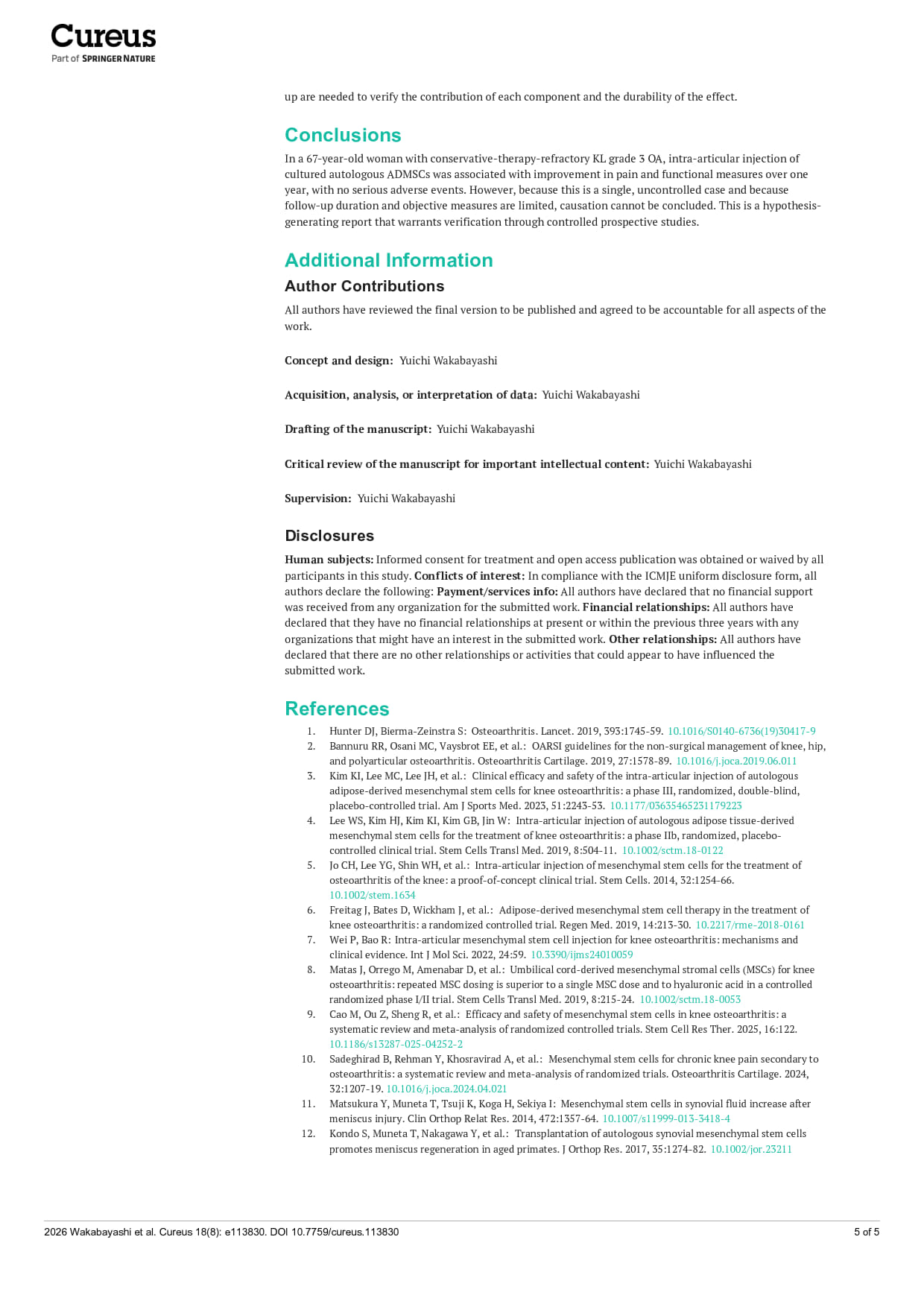 Page 5
Author: Yuichi Wakabayashi
Affiliation: Regenerative Medicine, Cell Grand Clinic, Osaka, Japan
Journal: Cureus
Year: 2026
Volume/Issue: 18(8)
Article: e113830
DOI: 10.7759/cureus.113830
FAQ — Frequently Asked Questions
Q: When can I receive Amchepry?
A: Insurance coverage commenced on May 20, 2026. However, because it is subject to Optimal Clinical Use Guidelines and can only be performed at facilities equipped with a dedicated medical structure, the commencement timing will vary by medical institution and region.
Q: What is the drug price of Amchepry? What is the patient's out-of-pocket cost?
A: The drug price is 55,306,737 JPY per patient. Because it is covered by the High-Cost Medical Care Benefit System, out-of-pocket expenses are kept to tens of thousands to a few hundred thousand yen per month, depending on your income bracket.
Q: What does "conditional and time-limited approval" mean?
A: It is a system where a product is brought to clinical practice early with certain conditions attached, once efficacy is presumed and safety is confirmed based on limited data. Additional data is then collected to aim for full approval. Amchepry's limit is a maximum of 7 years.
Q: Can anyone receive Amchepry?
A: No. It is indicated for Parkinson's disease patients who do not achieve sufficient efficacy with existing treatments including levodopa. There are multiple criteria, including a general condition capable of enduring stereotactic surgery under general anesthesia, and the facility's acceptance system.
Q: How does Amchepry differ from autologous adipose-derived stem cell (ADSC) therapy?
A: Amchepry is an insurance-covered treatment that transplants cells derived from allogeneic (someone else's) iPS cells into the putamen via stereotactic brain surgery. Autologous ADSC therapy is a self-funded (out-of-pocket) treatment that administers cells harvested from your own fat via intravenous infusion. The administration route, invasiveness, and concept of indication differ significantly.
Q: Is autologous stem cell therapy for Parkinson's disease covered by insurance?
A: No. Currently, Parkinson's disease treatment using autologous adipose-derived stem cells is self-funded. It is conducted at certified regenerative medicine clinics based on regenerative medicine provision plans submitted to the Ministry of Health, Labour and Welfare.
Q: Are there options if I want to avoid craniotomy?
A: Yes. As a minimally invasive option, there is therapy via intravenous infusion of autologous adipose-derived stem cells (ADSC). This is an approach aimed at neuroprotection, anti-inflammation, and the supply of trophic factors, and data from case reports and small trials are accumulating.
Q: What are the side effects of Amchepry?
A: Anticipated risks include general anesthesia complications, postoperative bleeding/infection, abnormal proliferation of transplanted cells, and exacerbation of dyskinesia. A more detailed side effect profile will be clarified in the upcoming Phase IV trials conducted under the conditional and time-limited approval.
Moving Forward with Both Hope and Reality
Direct Answer
The insurance approval of Amchepry is a historic moment where 20 years of iPS cell research has finally entered the Japanese healthcare system. At the same time, the administration involves craniotomy, and the complete picture of its efficacy and side effects will become clear through future Phase IV trials. Maintaining a calm perspective that "no regenerative medicine is magic" and making comprehensive decisions that include alternative options like autologous ADSC therapy is crucial.
-
Amchepry has achieved insurance coverage as the world's first iPS cell-derived regenerative medicine product (drug price: 55.3 million JPY, starting May 20, 2026).
-
The administration requires stereotactic surgery and putamen transplantation, making it highly invasive among regenerative therapies.
-
The Phase I/II trial at Kyoto University showed safety and efficacy signals, but evidence will be robustly gathered during the 7-year Phase IV trial phase.
-
Autologous adipose-derived stem cell (ADSC) therapy runs in parallel as a minimally invasive, self-funded option.
-
No treatment is "magic." Setting accurate expectations is the greatest power to protect patients.
For patients and families suffering from Parkinson's disease, having an increased number of options is a great salvation in itself. Rejoicing in new treatments while carefully nurturing foundational clinical practice—these two wheels form the path to truly establishing regenerative medicine in society.
Supervising Doctor | Yuichi Wakabayashi - Director of Cell Grand Clinic / Physician / MD, PhD
-
Specialties: Regenerative Medicine, Stem Cell Therapy, Anti-aging Medicine, Preventive Medicine, Beauty Aging Care, Radiology.
-
Credentials: Certified Physician of the American Academy of Regenerative Medicine (AARM) / Board Certified Physician of the Japanese Society of Anti-Aging Medicine / Board Certified Radiologist / Board Certified Physician in Nuclear Medicine / Member of the Japanese Society for Regenerative Medicine / Member of the Japan Society for Dementia Research
-
Clinical Experience: Over 3,000 stem cell therapies performed.
Take Your Next Step Responsibly
Navigating neurological conditions requires personalized coordination and access to trusted treatment modalities. Whether you seek advanced clinical selection in Japan or standard supportive therapies, expert medical counselors are here to help you plan safely.










.png)



.png)
.png)
-(2).png)



.png)

-(10).png)









Share this listing