
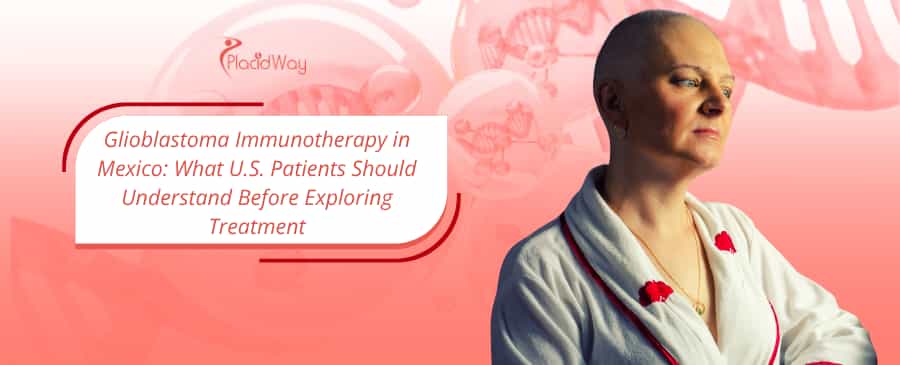
Understanding Glioblastoma Immunotherapy in Mexico
A diagnosis of glioblastoma (GBM) is one of the most challenging experiences a patient and their family can face. As medical science evolves, glioblastoma immunotherapy in Mexico has emerged as a topic of interest for those seeking innovative, targeted, and potentially more accessible treatment options beyond conventional protocols.
While surgery, radiation, and chemotherapy remain the primary standards of care, immunotherapy aims to empower the body’s own immune system to identify and combat malignant brain cells. For many international patients, Mexico provides a unique environment where advanced biotech-driven care is integrated with personalized oncology services. Understanding the scope, potential, and realistic outcomes of these treatments is crucial for making informed health decisions.
Glioblastoma is often referred to as a "cold" tumor, meaning it typically has low levels of immune cell infiltration, which is exactly why newer immunotherapies are being designed to "warm up" the microenvironment.
Diagnostic Precision for Brain Cancer Patients
Before any immunotherapy protocol can be initiated, accurate diagnostics are the absolute foundation of the process. In Mexico, high-tier oncology centers prioritize detailed pathological reviews of biopsy tissues to determine the specific genetic and molecular profile of the tumor.
This granular analysis—often involving immunohistochemistry and advanced genetic testing helps oncologists identify which patients are most likely to respond to targeted immune therapies. Without this diagnostic clarity, it is difficult to develop a protocol that truly meets the patient’s biological needs. Always ensure your initial consultation includes a comprehensive review of your existing pathology reports.
Advanced Imaging and MRI Protocols in Mexico
Magnetic Resonance Imaging (MRI) is the gold standard for monitoring brain tumors, and precision imaging is a non-negotiable part of brain cancer treatment in Mexico. Top facilities in Mexico utilize high-tesla MRI machines with contrast to differentiate between active tumor cells, necrotic tissue, and post-surgical edema.
These detailed scans provide the visual data necessary for surgical planning and tracking treatment efficacy over time. When seeking care abroad, having high-quality digital imaging (DICOM files) that can be shared instantly with your international neuro-oncology team is a fundamental requirement for a successful consultation.
Modern advanced neuro-imaging techniques can improve the detection of residual tumor cells by up to 30%, which significantly influences the success rate of subsequent immunotherapy applications.
Cost of Glioblastoma Treatment in Mexico
Financial accessibility is often a driving factor for U.S. patients considering international oncology. The cost of glioblastoma treatment in Mexico is generally lower than in the U.S. due to different cost structures for professional fees, administration, and facility overheads.
However, "low cost" should never come at the expense of safety. Reliable clinics provide itemized estimates that account for medication (which can be a significant cost component in immunotherapy), diagnostic imaging, and physician services. Transparency regarding these costs is a hallmark of reputable centers.
| Treatment Phase | Average Cost in Mexico (USD) | Average Cost in U.S. (USD) |
|---|---|---|
| Neuro-Oncology Consultation | $150 – $300 | $500 – $1,000 |
| MRI Brain with Contrast | $250 – $500 | $1,500 – $3,500 |
| Immunotherapy Cycle | $4,000 – $9,000 | $12,000 – $25,000+ |
How Immunotherapy Targets Brain Tumors
Immunotherapy for GBM is a rapidly evolving field that utilizes several distinct approaches, including immune checkpoint inhibitors, oncolytic viruses, and personalized vaccines. The primary goal is to bypass the brain's unique environment to activate T-cells to identify tumor antigens.
By leveraging these cutting-edge strategies, clinics in Mexico aim to offer patients therapeutic options that go beyond the limitations of standard chemotherapy. While these treatments are experimental in many contexts, they provide a necessary alternative for recurrent cases where traditional options have been exhausted.
Oncolytic virus therapy is a newer frontier in GBM treatment, where genetically modified viruses specifically infect cancer cells, killing them while simultaneously "alerting" the immune system to the tumor.
Identifying Biomarkers for Targeted Brain Cancer Therapy
Targeted therapy relies on identifying specific "drivers" or mutations in the tumor, such as the EGFRvIII mutation or MGMT promoter methylation. Identifying these biomarkers is essential for selecting the correct immune-modulating agents for GBM treatment in Mexico.
When a patient has a specific biomarker profile, it can drastically change the clinical approach, potentially allowing for the use of more potent, targeted biological therapies. Always discuss the availability of biomarker testing with your potential medical team during the pre-treatment planning stage.
Collaborative Oncology Teams for Complex Diagnoses
Glioblastoma is rarely managed by a single physician. Success in treatment usually comes from a multidisciplinary team including neuro-oncologists, neurosurgeons, radiologists, and sometimes medical nutritionists.
In Mexico’s leading oncology clinics, this team-based approach is a standard. This ensures that the patient’s physical, neurological, and emotional needs are addressed simultaneously, leading to better tolerance of treatment regimens and improved quality of life throughout the journey.
Patient Case Summary: The Power of Collaboration
A patient who traveled to Mexico for recurrent GBM mentioned that the clinic's tumor board, which included both an oncologist and a neurologist, was instrumental in adjusting their dosage to manage neurological symptoms effectively without pausing the immunotherapy infusion.
Evaluating Safety Standards at Mexican Oncology Centers
Safety is the top priority for international medical travelers. Accredited cancer centers in Mexico adhere to strict global safety protocols, including sterilization standards for biological agents and rigorous monitoring of infusion patients.
Before deciding on a clinic, investigate their accreditation status. Facilities with JCI (Joint Commission International) or local equivalent certifications generally offer the safest environment, ensuring that the facility, staff training, and equipment meet the high benchmarks expected in North American healthcare systems.
Never rely on facilities that guarantee "cures" or refuse to share their clinical safety data. Legitimate oncology centers will be open about their protocols, risks, and clinical data.
Managing Immunotherapy Side Effects Effectively
Immunotherapy operates differently than chemotherapy, and its side effect profile is also distinct. Some patients may experience immune-related adverse events (irAEs) because the treatment works by activating the immune system—which can, at times, affect healthy organs.
Experienced clinics in Mexico have robust protocols in place to monitor and manage these events. This typically includes close coordination with internal medicine specialists to ensure that any inflammation or reaction is caught early and treated with appropriate supportive measures.
Ask your clinic for their "Management Protocol" for side effects before you commit to travel. Knowing how they handle emergencies or reactions will give you significant peace of mind.
Coordinating Care Across Borders
One of the biggest concerns for GBM patients is how to bridge the gap between their Mexican treatment and their home physician. A successful outcome often depends on effective communication between your two medical teams.
Your Mexican medical team should provide a comprehensive "treatment summary" at the end of each session, which you can then share with your primary oncologist in the U.S. This continuity ensures that your local doctor understands your protocol, allowing them to manage ongoing follow-ups safely.
Many U.S. oncologists are increasingly open to integrative care models if the medical data and treatment plans from the international facility are transparent and well-documented.
Logistical Planning for Brain Cancer Patients
Traveling with GBM requires more logistical support than the average vacation. From considering altitude changes that might affect intracranial pressure to ensuring continuous access to your current medications, every detail should be planned in advance.
Many clinics in Mexico offer patient concierge services that can help arrange safe, comfortable transportation from the airport and proximity to the clinic. Don't be afraid to ask for these services; they are specifically designed to reduce the physical and emotional burden on you and your caregivers.
Studies indicate that patients who reduce their travel-related stress through professional logistical assistance report 40% better satisfaction with their medical travel experience.
Supportive Care and Quality of Life
Glioblastoma treatment is demanding, and focusing on quality of life (QoL) is just as important as the clinical outcomes. Leading centers in Mexico often integrate holistic support services, such as specialized palliative care, nutritional support, and psychological counseling.
Focusing on nutrition and stress reduction during the treatment window can significantly improve how the body responds to immunotherapy. Discussing these "wraparound" services with your potential clinic can show you how much they value your overall well-being throughout the treatment process.
Bring a trusted caregiver with you. The emotional weight of GBM treatment is immense, and having a dedicated advocate to help with daily decisions and logistics is vital.
Value Based Assistance with PlacidWay
Navigating the complex landscape of international medical travel requires expertise and reliable partnerships. PlacidWay offers value-based assistance for patients considering advanced cancer treatments in Mexico:
- Connecting patients with globally accredited and vetted oncology facilities.
- Facilitating the secure transmission of complex medical records for international review.
- Providing transparent, value-driven information to help patients evaluate their options.
- Supporting the initial communication process with specialist oncology teams abroad.
- Ensuring patients have the right information to make educated, safe decisions.
Frequently Asked Questions
While surgery, radiation, and temozolomide remain the standard of care, many specialized oncology centers in Mexico offer immunotherapy as an advanced, adjunctive treatment option for recurrent or refractory glioblastoma.
Patients typically see savings of 40% to 65% on immunotherapy cycles in Mexico compared to U.S. pricing, though costs vary based on the specific drug, dosage, and diagnostic requirements.
The blood-brain barrier is a significant challenge for all brain cancer treatments. Advanced immunotherapies, such as oncolytic viruses and targeted biologics, are specifically designed to overcome or bypass this barrier to reach tumor sites.
Yes, providing your complete pathology and biopsy report, along with high-resolution MRI scans, is essential for a productive initial consultation with Mexican oncology specialists.
Many reputable oncology centers in Mexico maintain international accreditations, such as JCI or local equivalent safety certifications, ensuring high-quality clinical and safety standards.
Continuity of care is vital. Many patients work with their U.S.-based oncologists to create a shared-care plan, ensuring that immunotherapy in Mexico complements—rather than conflicts with—their existing treatment.
Side effects can include fatigue, low-grade fevers, and immune-related inflammatory responses. Clinical teams in Mexico typically use supportive medications to manage these symptoms effectively.
Many Mexican facilities utilize drugs that are globally recognized and approved, often consistent with international oncology guidelines used in the U.S. and Europe.
The duration of treatment cycles varies significantly by drug and protocol. Your oncology team will establish a specific treatment schedule based on your diagnosis and tumor response.
PlacidWay connects patients with vetted, accredited international medical centers, provides information on treatment options, and assists in the coordination of medical records for international consultations.
References:
- Harvard Medical School. (2026). Early Clinical Trial Results Show Promise for Glioblastoma Immunotherapy. https://hms.harvard.edu/news/early-clinical-trial-results-show-promise-glioblastoma-immunotherapy
- Frontiers in Immunology. (2026). Next-generation immunotherapy biologics for glioblastoma. https://www.frontiersin.org/journals/immunology/articles/10.3389/fimmu.2026.1775093/full
- The Brain Tumour Charity. (2026). Immunotherapy treatment for brain tumours. https://www.thebraintumourcharity.org/brain-tumour-diagnosis-treatment/treating-brain-tumours/emerging-treatments/immunotherapy/
- MDPI. (2026). Glioblastoma Immunotherapy: A Systematic Review. https://www.mdpi.com/1422-0067/24/20/15037
eof
.png)













.jpg)











Share this listing