


For individuals researching a Total Knee Replacement in Turkey for German Patients, the primary advantage is a combination of premium orthopedic care and cost efficiency. The procedure in Turkey typically costs €5,500 to €8,500, compared to €15,000+ for private self-pay in Germany. All-inclusive Turkish packages generally feature CE/FDA-approved implants (like Zimmer or Stryker), a 3-to-5-night hospital stay in JCI-accredited facilities, VIP transfers, and dedicated German-speaking patient coordinators, requiring a total stay of 10-14 days.
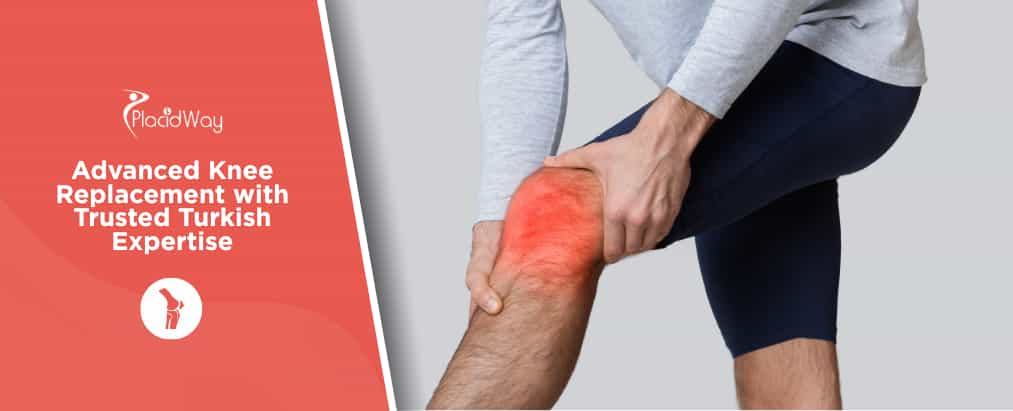
Osteoarthritis is a progressively debilitating condition that affects millions of aging adults across Europe. As the cartilage cushioning the knee joint wears away, patients experience chronic pain, debilitating stiffness, and a profound loss of daily mobility. In Germany, while the statutory health insurance system (Gesetzliche Krankenversicherung or GKV) provides robust coverage, patients seeking total joint arthroplasty often encounter restrictive hurdles: months-long wait times for specialist consultations, delayed surgical scheduling for non-emergency cases, and limited choices regarding hospital selection and specific implant brands.
For those seeking immediate relief without the exorbitant out-of-pocket costs of private German clinics, medical tourism has emerged as a compelling solution. Pursuing a Total Knee Replacement in Turkey for German Patients offers a highly regulated, internationally accredited alternative. Just a short three-hour flight from major hubs like Frankfurt, Munich, and Berlin, Turkish medical centers in Istanbul and Antalya have transformed into global centers of excellence for complex orthopedic reconstruction.
This comprehensive clinical guide provides an evidence-based overview of undergoing knee arthroplasty in Turkey. By the end of this article, you will understand: the precise financial comparisons between the two countries, how to verify Turkish hospital safety standards and surgeon credentials, the step-by-step surgical process, and the critical post-operative recovery timeline required to ensure a safe transition back to your active lifestyle in Germany.
Quick Facts at a Glance
Essential clinical and logistical benchmarks for German patients considering orthopedic surgery abroad.
- Average Cost in Turkey
- €5,500 – €8,500
- Cost in Germany (Private Pay)
- €15,000 – €25,000+
- Hospital Stay (Turkey)
- 3 – 5 Nights
- Total Time Required in Turkey
- 10 – 14 Days
- Implant Types
- Cobalt-Chromium / Titanium / Polyethylene
- Full Recovery Timeline
- 6 – 12 Months
What is a Total Knee Replacement?
The knee is a complex hinge joint where the thigh bone (femur) meets the shin bone (tibia), protected by the kneecap (patella). In a healthy knee, smooth articular cartilage cushions these bones. When this cartilage degenerates due to osteoarthritis, rheumatoid arthritis, or post-traumatic injury, the bones rub directly against one another. This bone-on-bone friction causes severe inflammation, bone spurs, and debilitating pain that standard conservative treatments—such as corticosteroid injections, physical therapy, or weight loss—can no longer manage.
Why German Patients Choose Turkey for Orthopedics?
Germany possesses a world-class healthcare system. However, the decision to seek a Total Knee Replacement in Turkey for German Patients is largely driven by three distinct factors:
- Immediate Accessibility: Elective joint replacements in the German GKV system frequently involve waitlists of three to six months. In Turkey, procedures can be scheduled within weeks, allowing patients to stop living in pain.
- Financial Relief for Self-Payers: Patients who wish to bypass the GKV waitlist or upgrade their hospital experience face steep private fees in Germany. Turkey offers premium, VIP-level healthcare experiences at less than half the domestic price.
- Advanced Surgical Technologies: Leading Turkish hospitals invest heavily in robotic-assisted surgery (such as the Mako SmartRobotics™ system) and computerized navigation, which are often classified as expensive "upgrades" in domestic clinics.
Cost Breakdown: Turkey Vs Germany
Financial transparency is one of the pillars of international medical tourism. German patients looking outside the EU are often surprised by the comprehensive nature of Turkish medical packages. The table below illustrates the striking cost disparity between paying privately in Europe versus traveling to Turkey.
*Note: Prices fluctuate based on case complexity, whether a single or bilateral (both knees) procedure is performed, and if robotic-assisted surgical technology is requested.
What is Included in a Turkish Arthroplasty Package?
Most reputable clinics in Istanbul, Antalya, and Izmir provide an all-inclusive pricing model. A standard package typically encompasses:
- Comprehensive pre-operative diagnostics (X-rays, MRI, EKG, blood panels, anesthesiology consultation).
- Surgeon, anesthesiologist, and operating room fees.
- The premium prosthetic implant (typically globally recognized brands).
- 3 to 5 nights in a private, VIP hospital room with meals for the patient and a companion.
- Initial post-operative physical therapy sessions while in the hospital.
- Prescription medications needed during the stay and blood thinners for the flight home.
- VIP ground transfers between the airport, hotel, and hospital.
- A dedicated German or English-speaking patient coordinator.
What is Excluded?
- Round-trip airfare from Germany to Turkey.
- Extended hotel stays for recovery (Days 6–14 are often booked at partnered hotels at an additional, though discounted, rate).
- Long-term outpatient physical therapy back in Germany (which is essential for a successful outcome).
Why is it so much cheaper?
The lower cost of medical care in Turkey does not equate to inferior quality. The savings are driven by macroeconomic factors: the favorable exchange rate between the Euro and the Turkish Lira, a significantly lower cost of living, reduced administrative overhead, and extensive Turkish government subsidies aimed at promoting the country as a global medical tourism leader. These factors allow clinics to purchase premium implants and employ elite surgeons while keeping the end cost accessible to international patients.
Step-by-Step Knee Replacement Surgical Procedure in Turkey
Understanding the clinical process helps alleviate surgical anxiety. Total knee arthroplasty is a highly standardized, precise operation that generally takes 1.5 to 2.5 hours to complete.
- Pre-Operative Preparation: After arriving in Turkey, you will undergo thorough cardiovascular and orthopedic clearance. The surgical site is sterilized, and an IV is established.
- Anesthesia Administration: You will receive either general anesthesia (putting you completely to sleep) or a spinal block (numbing you from the waist down) combined with a mild sedative. The anesthesiologist monitors your vitals continuously.
- Surgical Incision: The orthopedic surgeon makes a 6-to-10-inch incision over the front of the knee to expose the damaged joint, carefully moving the patella (kneecap) aside.
- Bone Reshaping: Using specialized surgical instruments (or robotic arms for enhanced precision), the surgeon removes the damaged cartilage and a small amount of underlying bone from the ends of the femur and tibia, preparing the surfaces to precisely fit the artificial implant.
- Implantation and Fixation: The metal femoral and tibial components are attached to the bone, often using specialized orthopedic bone cement to ensure immediate stability (a process known as cementation, though press-fit options exist for younger patients where bone grows into the implant). A medical-grade plastic spacer is inserted between the metal components to create a smooth gliding surface.
- Closure and Immediate Recovery: The surgeon bends and extends the knee to ensure perfect alignment and range of motion. The incision is closed with sutures or surgical staples, covered with a sterile dressing, and you are moved to the recovery room.
Safety, Quality, and Hospital Accreditations
The most common concern for patients pursuing international surgery is clinical safety. When researching a Total Knee Replacement in Turkey for German Patients, it is vital to recognize that top-tier Turkish hospitals operate under rigorous international protocols.
Accreditation and Standards
The safest medical tourism hospitals in Turkey carry accreditation from the Joint Commission International (JCI). JCI is a globally recognized organization that evaluates hospitals on hundreds of stringent safety standards, covering everything from operating room sterility to emergency response protocols. A JCI-accredited hospital in Istanbul maintains the exact same infection control standards as a premium private clinic in Munich.
Additionally, the Turkish Ministry of Health strictly regulates the medical tourism sector. Clinics must hold specialized "Health Tourism Authorization Certificates" to treat international patients legally, ensuring they have the necessary translation services, medical infrastructure, and follow-up capabilities.
Evaluating Implant Quality
A knee replacement is only as good as the prosthesis used. Reputable Turkish orthopedic centers do not use generic or substandard hardware. They utilize the same FDA-approved and CE-marked implants utilized globally. You should actively ask your surgeon which brand they intend to use. Industry leaders include:
- Zimmer Biomet
- Stryker
- Smith & Nephew
- DePuy Synthes (Johnson & Johnson)
Surgeon Expertise
Many senior orthopedic surgeons in Turkey are active members of the Turkish Society of Orthopaedics and Traumatology (TOTBID) and have completed fellowships in Western Europe or the United States. High surgical volume is a crucial indicator of expertise; you should seek a surgeon who performs over 100 joint replacements annually.
Recovery and Aftercare for Knee Replacement
The success of a knee replacement relies heavily on your commitment to physical therapy. The recovery process is a marathon, not a sprint, and begins mere hours after your surgery.
The Recovery Timeline
- Days 1–3 (Hospital Phase): Within 24 hours of surgery, a physical therapist will assist you in standing and taking your first steps using a walker. The goal is to achieve 90 degrees of knee flexion (bending) and full extension (straightening) early to prevent scar tissue formation. Pain is managed aggressively via IV medications.
- Days 4–14 (In-Country Recovery): You will be discharged from the hospital to a nearby recovery hotel. You must perform daily exercises, manage swelling with ice, and rest. You will return to the clinic for a final wound check and staple removal before receiving a "Fit to Fly" certificate.
- Weeks 2–6 (Early Home Rehab): Back in Germany, you transition from a walker to crutches or a cane. Intensive outpatient physical therapy occurs 2 to 3 times a week. Driving is restricted until you can comfortably perform an emergency stop (usually 4-6 weeks for the right leg).
- Months 3–6 (Strengthening Phase): Pain diminishes significantly. You return to normal daily activities, light recreational walking, and cycling. The focus shifts to rebuilding quadriceps and hamstring strength.
- Months 6–12 (Full Recovery): Maximum medical improvement is reached. The artificial joint feels stable and natural, allowing for a pain-free return to low-impact sports like swimming, golf, and hiking.
Warning Signs to Watch For
While recovering in your hotel or upon returning to Germany, seek immediate medical attention if you experience:
- Sudden, throbbing pain in the calf muscle, which may indicate a blood clot.
- Chest pain or sudden shortness of breath (a medical emergency).
- A fever exceeding 38.5°C (101°F) accompanied by chills.
- Increased redness, heat, or thick purulent drainage from the surgical incision.
How to Choose a Knee Replacement Clinic in Turkey?
Navigating the sea of medical tourism offers requires due diligence. Use this 7-step checklist to evaluate providers objectively and protect your health.
- Verify Hospital Accreditation: Search the Joint Commission International (JCI) directory to confirm the hospital’s certification is currently active.
- Request the Surgeon’s CV: Ensure the operating doctor is a board-certified orthopedic specialist, not a general surgeon. Ask about their specific experience with total knee arthroplasty.
- Demand Hardware Transparency: Get written confirmation of the exact implant brand and model. Avoid clinics that use unnamed or off-brand prosthetics.
- Analyze the Financial Quote: Check that the quote is truly "all-inclusive." Does it cover the flight clearance consultation, blood thinners for the flight, and companion accommodation?
- Evaluate Communication: If the clinic’s international department is slow to respond or pressures you to put down an immediate deposit, walk away. Professional communication is a proxy for clinical competence.
- Inquire About Technology: Ask if the clinic utilizes computer-assisted navigation or robotic systems (like MAKO), which improve the precise alignment of the implant.
- Plan Your German Aftercare: Never book surgery abroad without first speaking to a physical therapist and general practitioner in Germany who agrees to manage your rehabilitation upon your return.
Risks, Limitations, and Contraindications
Every major surgery, regardless of where it is performed, carries inherent clinical risks. When traveling internationally for a knee replacement, you face a unique combination of surgical and logistical challenges that must be weighed carefully against the benefits.
Clinical and Travel Risks
The primary complication of concern for international patients is Deep Vein Thrombosis (DVT)—the formation of blood clots in the legs. Knee surgery naturally increases clot risk, and sitting immobilized on a 3-to-4-hour flight back to Germany exacerbates this. To mitigate this risk, patients must adhere strictly to a regimen of prescribed anticoagulants (blood thinners like Lovenox or Xarelto), wear compression stockings, and perform in-flight ankle exercises.
Infection is another serious, albeit rare, risk (affecting roughly 1% of patients globally). An infected knee implant is a catastrophic complication that requires removing the prosthesis, treating the bone with strong antibiotics, and performing a revision surgery months later. Treating an infection contracted abroad is logistically complex, underscoring the absolute necessity of choosing a highly sterile, JCI-accredited hospital.
Who Should NOT Pursue Medical Tourism for Knee Arthroplasty?
Medical travel is not safe for everyone. You are generally contraindicated for this pathway if you have:
- A severely high Body Mass Index (BMI > 40), which exponentially increases anesthetic and infection risks.
- Uncontrolled diabetes or severe cardiovascular disease.
- Active chronic infections or severe autoimmune disorders that impair wound healing.
- A lack of support at home in Germany to assist with early post-operative mobility and daily chores.
How to Plan for Your Knee Replacement Procedure in Turkey?
If you have decided that traveling for your orthopedic care is the right choice, use this actionable 5-step framework to begin your journey safely.
- Acquire Local Diagnostics: Obtain a recent MRI and weight-bearing X-rays of your knee in Germany. Turkish surgeons cannot provide an accurate diagnosis or a final price quote without viewing these images.
- Compare Providers: Use platforms like PlacidWay to research and contact 3 to 4 top-rated orthopedic hospitals in Turkey. Compare their comprehensive package inclusions side-by-side.
- Schedule a Remote Consultation: Set up a video call with the prospective surgeon. Discuss your medical history, any allergies, the proposed surgical technique, and implant options.
- Secure Your Local Aftercare: Book your physical therapy appointments in Germany for the week you return. A seamless transition into intensive PT is non-negotiable for regaining knee flexion.
- Coordinate Travel Logistics: Once your surgery date is set, book a flight with ample legroom. Ensure your passport is valid for at least six months from your date of entry into Turkey. Arrange for a companion to travel with you to handle luggage and provide support.
Take Control of Your Mobility Today
Stop waiting in pain. Connect with internationally accredited orthopedic centers in Turkey. Review expert surgeon profiles, compare transparent package costs, and schedule a free, no-obligation video consultation.
Frequently Asked Questions
Making an Empowered Healthcare Decision
Living with advanced osteoarthritis drains your physical vitality and diminishes your independence. When evaluating a Total Knee Replacement in Turkey for German Patients, the path forward becomes clear: you do not have to accept months of debilitating pain while waiting on domestic public health queues, nor do you have to drain your savings paying private European fees. Turkey provides a viable, safe, and highly regulated alternative that merges elite surgical talent with profound affordability.
By leveraging JCI-accredited facilities, demanding transparency in implant selection, and committing to the rigorous post-operative physical therapy required upon returning to Germany, you can reclaim your mobility safely and confidently. Your joint health is a paramount investment—ensure you make informed choices that prioritize both clinical excellence and personal well-being.
If you are ready to explore your options, begin by gathering your medical imaging, requesting customized quotes through platforms like PlacidWay, and taking the first actionable step toward a pain-free future.
The information in this article is for educational purposes only and does not constitute medical advice. Individual results vary based on health status, case complexity, and other factors. Always discuss your specific situation with a licensed healthcare professional before making treatment decisions. PlacidWay connects patients with verified healthcare providers but does not provide medical services directly.
- World Health Organization (WHO): Osteoarthritis Fact Sheet
- Mayo Clinic: Knee Replacement Overview and Patient Guidance
- National Institutes of Health (NIH): Clinical Outcomes of Total Knee Arthroplasty
- Wikipedia: Knee Replacement (Arthroplasty) Detailed Overview
- PlacidWay Medical Tourism: Orthopedic Knee Surgery Abroad Options and Providers
.png)



-Package-in-Istanbul,-Turkey-by-Turan-Turan.jpg)


-Banner-Image-(3).png)











Share this listing