


For patients seeking Kidney Stone Surgery in Tijuana for Canadians, the primary advantage is rapid access to care at a fraction of North American private costs. Procedures cost between $4,500 and $8,500 CAD, saving patients thousands while bypassing provincial health system wait times. Packages include advanced laser lithotripsy or PCNL, performed by board-certified urologists in internationally accredited hospitals located just minutes from the San Diego border.

Anyone who has experienced the sudden, agonizing onset of renal colic knows that kidney stone pain is often described as worse than childbirth. When a stone blocks the urinary tract, immediate medical intervention is sometimes the only path to relief. However, for many Canadians, the reality of the public healthcare system presents a frustrating hurdle. Unless a kidney stone causes a total blockage resulting in dangerous kidney infections (sepsis) or acute renal failure, procedures like laser lithotripsy are often classified as "elective." This classification can relegate patients in British Columbia, Ontario, and beyond to waiting lists that stretch from several weeks to many agonizing months.
Because living with a symptomatic kidney stone severely disrupts your quality of life—causing chronic pain, missed work, and immense psychological stress—an increasing number of patients are looking beyond their local provincial health authorities. Kidney stone surgery in Tijuana for Canadians has emerged as a highly sought-after medical tourism solution. Just a short flight from Vancouver or Toronto, Tijuana offers immediate, private, world-class urological care without the exorbitant out-of-pocket expenses associated with the US healthcare system.
This comprehensive, medically reviewed guide is tailored specifically for Canadian medical tourists. We will break down the exact costs in Canadian Dollars (CAD), detail the step-by-step surgical process, provide a realistic recovery timeline, and outline exactly how to manage travel logistics—including how to safely return home on a flight to Vancouver or Toronto.
Quick Facts
Essential benchmarks for Canadians researching urological procedures abroad.
- Average Cost (Tijuana)
- $4,500 – $8,500 CAD
- Private Cost (US/Canada)
- $15,000 – $35,000 CAD
- Wait Time to Surgery
- 1 – 2 Weeks
- Hospital Stay Required
- Outpatient to 1 Night
- Total Travel Time
- 4 – 5 Days
- Primary Technologies
- Holmium Laser / Shockwave
Understanding Urological Procedures
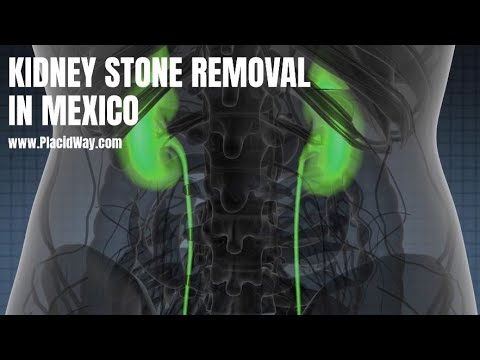
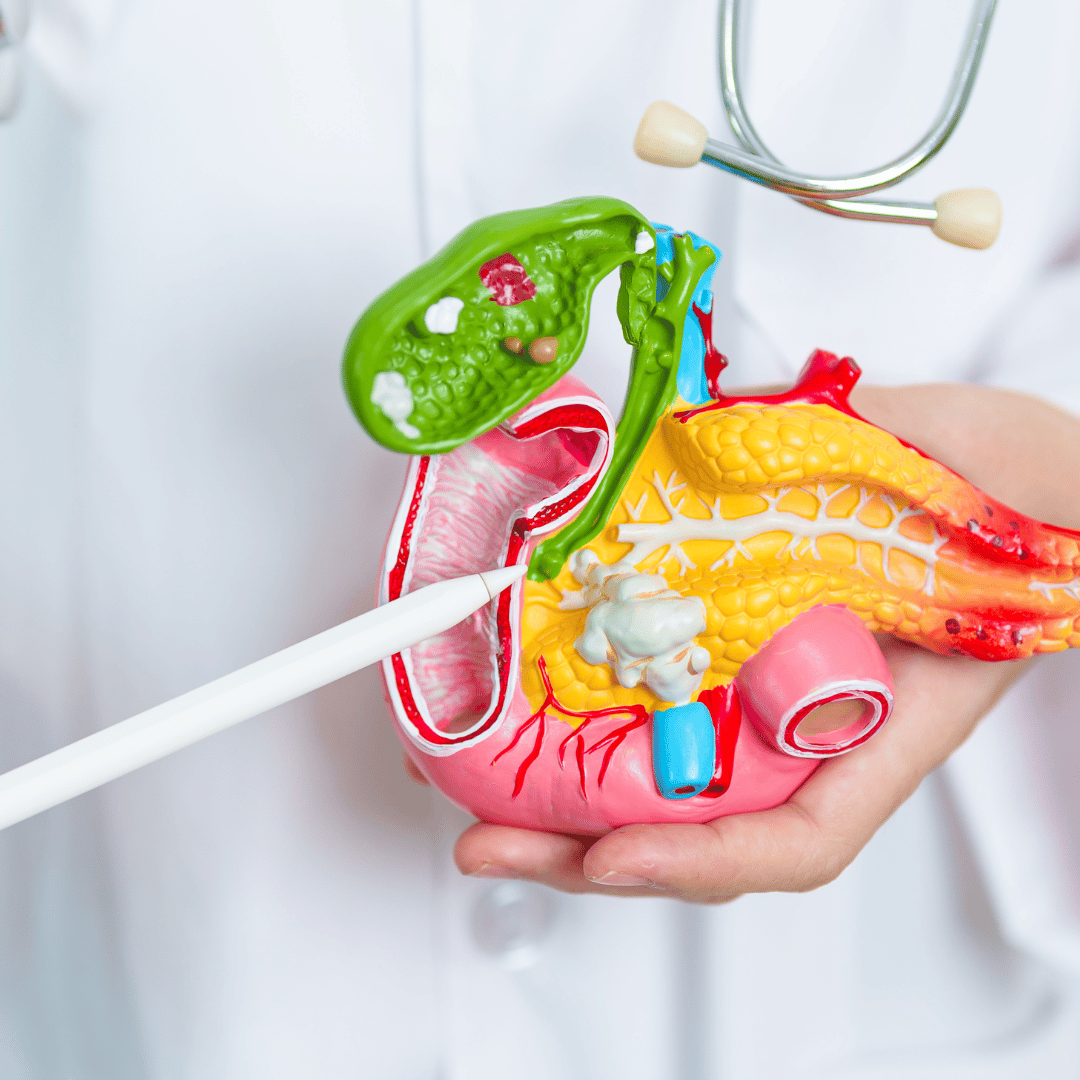
Kidney stones (nephrolithiasis) are hard deposits of minerals and acid salts that form inside your kidneys. While small stones may pass on their own with increased hydration and pain medication, stones larger than 5mm often become lodged in the ureter—the narrow tube connecting the kidney to the bladder. When this happens, surgical intervention becomes necessary.
Types of Kidney Stone Removal Surgeries
Urologists in Tijuana utilize the exact same state-of-the-art procedures found in major North American hospitals. Your specific treatment plan depends on the size, location, and composition of the stone:
- Extracorporeal Shock Wave Lithotripsy (ESWL): A completely non-invasive procedure that uses targeted sound waves from outside the body to crush stones in the kidney or upper ureter into passing fragments. It is best for softer stones under 2 centimeters.
- Ureteroscopy with Laser Lithotripsy (URS): The most common procedure for medical tourists. A thin, flexible scope is passed through the urethra and bladder into the ureter. A highly precise Holmium or Thulium laser is then fired through the scope to pulverize the stone into dust, which is then flushed out or grabbed with tiny baskets.
- Percutaneous Nephrolithotomy (PCNL): Reserved for massive "staghorn" stones or complex calculi over 2 centimeters. This involves creating a tiny incision in the patient's back, inserting a tube directly into the kidney, and extracting the stone fragments.
For a Canadian, the primary motivation for seeking treatment in Mexico is the evasion of extensive waitlists. Prolonged obstruction of the ureter can lead to irreversible kidney damage, localized scarring (strictures), and recurrent, debilitating urinary tract infections (UTIs).
Cost: Canada, the US, and Tijuana
Understanding the exact cost in CAD is crucial for medical tourists traveling from Vancouver or Toronto. Currency fluctuations matter, but the structural cost differences between the Mexican private healthcare sector and North American systems are profound. By cutting out middleman administrative bloat and leveraging a favorable cost of living, top-tier Mexican clinics pass incredible savings directly to the patient.
The comparison table below outlines the estimated expenses for an elective laser ureteroscopy (the most commonly requested procedure) in Canadian Dollars.
*Note: Pricing estimates are in CAD and subject to exchange rate fluctuations. Complex PCNL procedures fall on the higher end of the pricing spectrum due to increased operating room time.
What Does a Tijuana Treatment Package Include?
Unlike the US system, where patients receive separate, uncoordinated bills from the facility, the surgeon, the anesthesiologist, and the laboratory, medical tourism operates on a transparent package model. A standard package for kidney stone surgery in Tijuana typically includes:
- The lead urologist's surgical fee
- Anesthesiologist fees (general or spinal anesthesia)
- Operating room time and specialized equipment utilization (fluoroscopy and Holmium lasers)
- Pre-operative blood panels and a localized CT scan to pinpoint the stone
- A 1-night hospital stay for observation (if deemed necessary)
- Ground transportation between the San Diego airport (SAN) and the clinic
What is Excluded?
To budget accurately, patients should know that return airfare from YVR or YYZ, hotel accommodations for recovery days prior to flying home, and the cost of having a ureteral stent removed by a local Canadian doctor upon return are not included in the baseline package price.
The Surgical Process: What to Expect Step-by-Step?
Undergoing urological surgery in a foreign country can feel intimidating. Knowing the exact clinical pathway helps alleviate anxiety. Here is the standardized timeline for a Canadian patient undergoing ureteroscopy with laser lithotripsy in Mexico.
- Remote Medical Triage: Before traveling, you will submit a recent CT scan, KUB ultrasound, or medical report to your dedicated international patient coordinator. The Tijuana urologist reviews this imaging to confirm you are a safe candidate for the procedure.
- Arrival and Border Transfer: You fly into San Diego International Airport. A clinic representative meets you at the terminal and drives you across the border using a dedicated medical fast-pass lane, ensuring rapid entry into Tijuana.
- Pre-Operative Diagnostics: Upon arrival at the hospital, you undergo fresh blood work, an EKG, and a rapid, low-dose CT scan without contrast. This confirms the stone has not shifted positions during your flight.
- The Procedure: You are placed under general or regional anesthesia. The surgeon inserts a microscopic camera through the natural urinary tract—meaning no incisions are made. Using an advanced fiber-optic laser, the stone is pulverized into fine dust.
- Stent Placement: To prevent the ureter from swelling shut and to allow the "dust" to pass painlessly, the surgeon typically leaves a temporary, soft plastic tube called a "JJ stent" inside the ureter.
- In-Country Recovery: You spend a few hours in the recovery room. Most patients are discharged to their hotel the same afternoon, though some stay overnight. You must remain in Tijuana for an additional 48 hours for a final follow-up and flight clearance.
Safety, Surgeon Qualifications, and Hospital Quality
The phrase "surgery in Mexico" once carried unwarranted stigma, but the reality of modern Tijuana's medical tourism sector is far different. Premium private hospitals in Tijuana rival, and sometimes exceed, the technological capabilities of aging public facilities in Canada. However, rigorous vetting remains absolutely essential.
Accreditation and Hospital Standards
When selecting a destination, safety must be paramount. Elite Tijuana hospitals prioritize international standards. Look for facilities accredited by the Joint Commission International (JCI) or the Mexican General Health Council (CSG). These governing bodies enforce strict protocols regarding operating room sterility, emergency crash cart availability, and ICU readiness. Because laser lithotripsy requires profound precision to avoid ureteral perforation, top clinics rely on exact same FDA-approved equipment (such as Olympus or Boston Scientific scopes) used in North America.
Evaluating Your Urologist
Your outcomes are intrinsically linked to the skill of your surgeon. When evaluating a provider for kidney stone surgery in Tijuana, ensure they possess the following credentials:
- Board Certification: Active certification by the Consejo Nacional Mexicano de Urología (the Mexican Board of Urology).
- International Memberships: Association with the American Urological Association (AUA) or the Endourological Society indicates a commitment to continuous, global medical education.
- Specialized Endourology Training: Seek out a surgeon who has completed specialized fellowship training in endourology (minimally invasive stone surgery).
Reputable medical tourism facilitators, such as PlacidWay, only partner with doctors who pass strict credentialing checks, minimizing patient risk.
Recovery Timeline and Aftercare Procedures
Ureteroscopy and laser lithotripsy are well-tolerated, but recovery requires active patient participation. You will not feel 100% normal the day after surgery.
The First 72 Hours
Immediately post-op, it is entirely normal to experience hematuria (visible blood in the urine) and mild to moderate flank pain, particularly during urination. Your surgical package will include pain relievers, antibiotics to prevent infection, and alpha-blockers like Flomax to relax the urinary tract. Aggressive hydration—drinking at least 2.5 to 3 liters of water a day—is critical to flush out the laser-pulverized stone dust.
Living with a Ureteral Stent
The most challenging aspect of recovery for most patients is the temporary JJ stent. While it prevents dangerous obstructions, it can cause urgency to urinate, bladder spasms, and a dull ache in the kidney. The stent typically remains in place for 5 to 14 days. Crucially for Canadians, you must arrange for a local family doctor or urologist in Canada to remove this stent via a simple, 5-minute in-office cystoscopy once you return home. Leaving a stent in too long can lead to severe encrustation and infection.
Warning Signs Post-Surgery
While severe complications are rare, you must seek immediate emergency medical care if you experience:
- A sustained fever above 38.5°C (101.3°F) or severe chills, which may indicate a systemic infection.
- Inability to urinate at all (anuria).
- Thick, bright red blood clots in the urine that do not clear with hydration.
- Intractable pain that does not respond to prescribed analgesics.
How to Choose the Right Clinic in Tijuana?
Navigating the sheer volume of healthcare options online can be overwhelming. To ensure a safe, high-quality outcome, use this 6-point checklist before making any financial deposits.
- Verify Technology: Ask specifically if they use a Holmium:YAG or Thulium fiber laser. Avoid clinics relying solely on older, pneumatic (jackhammer-style) lithotripters for ureteroscopies.
- Confirm Imaging Access: Ensure the facility has a functioning CT scanner on-site. Accurate imaging right before surgery is non-negotiable.
- Demand Transparent Pricing: Request a detailed quote in writing. Ask explicitly: "What happens if a complication occurs requiring a longer hospital stay? Are those costs capped?"
- Discuss Stent Management: Clearly communicate that you are returning to Canada. Ensure the doctor provides detailed clinical notes and imaging on a USB drive to hand to your local physician for stent removal.
- Check English Proficiency: Ensure the lead urologist speaks fluent English to clearly explain the risks, benefits, and aftercare protocols without needing a translator in the operating room.
- Assess Facility Capabilities: While a boutique clinic is fine for consultations, your actual surgery should take place in a fully equipped hospital with a dedicated Intensive Care Unit (ICU) just in case.
Risks, Limitations, and Contraindications
Like any medical intervention, traveling for kidney stone surgery in Tijuana carries inherent limitations. Transparency regarding these risks is a vital part of the medical tourism process.
Clinical Risks
General risks of ureteroscopy include ureteral injury, strictures (scarring) forming later on, and failure to remove the entire stone, which could necessitate a secondary procedure. Infection (UTI or sepsis) is the most serious immediate risk, which is why antibiotics are aggressively administered.
Who Should NOT Travel for Treatment?
Medical tourism is not suitable for everyone. You should not board a flight to Mexico if you have:
- An active, untreated urinary tract infection accompanied by a high fever (this requires immediate, local emergency room care).
- A totally obstructed kidney leading to acute renal failure.
- Severe, unmanaged cardiovascular or respiratory diseases that make general anesthesia highly risky.
- A complex bleeding disorder.
Furthermore, the logistical limitation of international follow-up care means you must have a plan. If you develop a postoperative stricture two months later, returning to Mexico may be impractical, forcing you back into the Canadian public system.
How to Travel from Vancouver or Toronto?
Planning international medical travel requires coordination. If you are a Canadian ready to bypass the waitlist, follow these precise action steps for a seamless journey.
- Acquire Your Local Records: You cannot receive an accurate quote without imaging. Secure a copy of your most recent KUB ultrasound or CT scan from your Canadian doctor or local hospital imaging department.
- Connect with a Medical Facilitator: Submit your imaging to a platform like PlacidWay. They will present your case to top Tijuana urologists, returning with 2-3 itemized quotes and treatment plans in CAD equivalents.
- Book Strategic Airfare: From Vancouver (YVR) or Toronto (YYZ), book a direct or one-stop flight to San Diego International Airport (SAN). Major carriers like Air Canada and WestJet operate these routes daily. Aim to arrive at least 24 hours before your scheduled surgery.
- Arrange Local Stent Removal: Before flying to Mexico, call a local walk-in clinic, your GP, or a private Canadian clinic to secure an appointment for 7-10 days after your return date to have your surgical stent removed.
- Pack for Comfort: Pack loose-fitting sweatpants (to accommodate the stent comfortably), a heating pad for post-operative back pain, and a reusable water bottle to maintain aggressive hydration during your flights.
Find Immediate Relief from Kidney Stone Pain
Don't let endless wait times dictate your health. Connect with internationally certified urologists in Tijuana, compare all-inclusive packages, and schedule a remote consultation to discuss your specific case.
Frequently Asked Questions
Reclaiming Your Health and Mobility
Living with untreated kidney stones can plunge you into a cycle of chronic pain, emergency room visits, and anxiety. For Canadians facing months of delays for non-emergency urological procedures, medical tourism is a powerful, proactive solution. Choosing to undergo Kidney Stone Surgery in Tijuana provides access to highly skilled, board-certified urologists and advanced laser technology at a fraction of North American private costs.
By conducting thorough research, verifying hospital accreditation, and meticulously planning your travel and follow-up care, you can safely resolve your renal issues and return to a pain-free life. If you are tired of waiting for the care you need, take the first step towards reclaiming your comfort.
Browse accredited clinics on PlacidWay, request a comprehensive, itemized quote in CAD, and speak directly with a specialist to coordinate your treatment strategy.
The information in this article is for educational purposes only and does not constitute medical advice. Individual results vary based on health status, case complexity, and other factors. Always discuss your specific situation with a licensed healthcare professional before making treatment decisions. PlacidWay connects patients with verified healthcare providers but does not provide medical services directly.
- World Health Organization (WHO): Global Health Standards and Quality Patient Care
- Mayo Clinic: Kidney Stones: Diagnosis and Surgical Treatment Options
- National Institutes of Health (NIH): Efficacy of Ureteroscopy and Laser Lithotripsy
- Canadian Urological Association (CUA): Guidelines for the Management of Ureteral Calculi
- PlacidWay Medical Tourism: Urology Procedures and Clinics Abroad






.jpg)










Share this listing