


The Ultimate Guide to Affordable Kidney Stone Removal in Mexico: Procedures, Costs, and Clinics
Are you suffering from debilitating flank pain but hesitating to seek treatment due to exorbitant healthcare costs? You are certainly not alone in this struggle. Thousands of patients are discovering that affordable kidney stone removal in Mexico offers a true medical lifeline. This cross-border solution combines world-class urological care with massive financial savings.
Whether you need non-invasive shock wave therapy or advanced laser lithotripsy, medical tourism provides immediate relief without paralyzing medical debt. Watch our comprehensive video guide to see how board-certified urologists in Mexico are utilizing state-of-the-art technology to eliminate renal calculi safely and effectively.
Video Chapters & Quick Navigation
The Agony of Renal Calculi: Understanding Kidney Stones
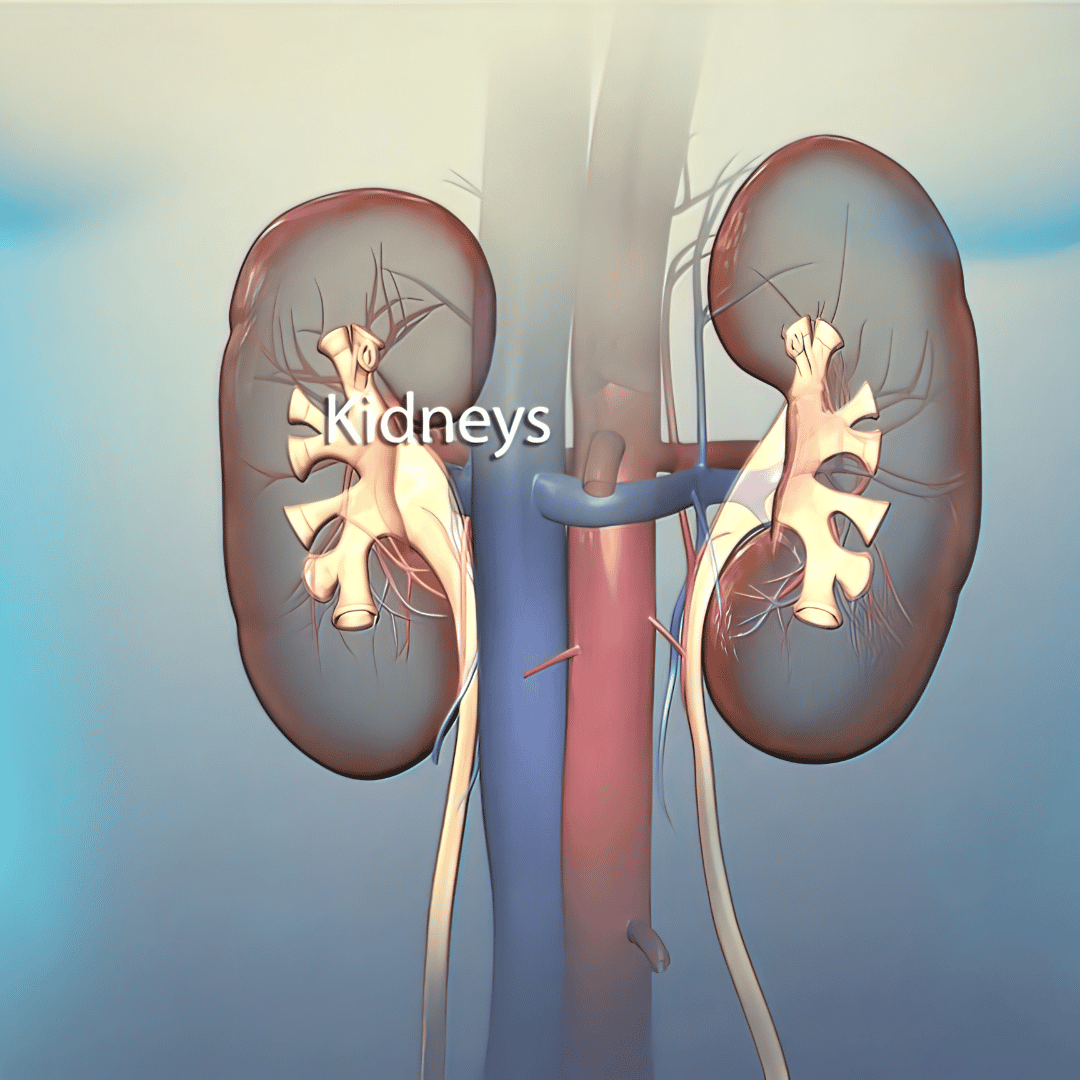
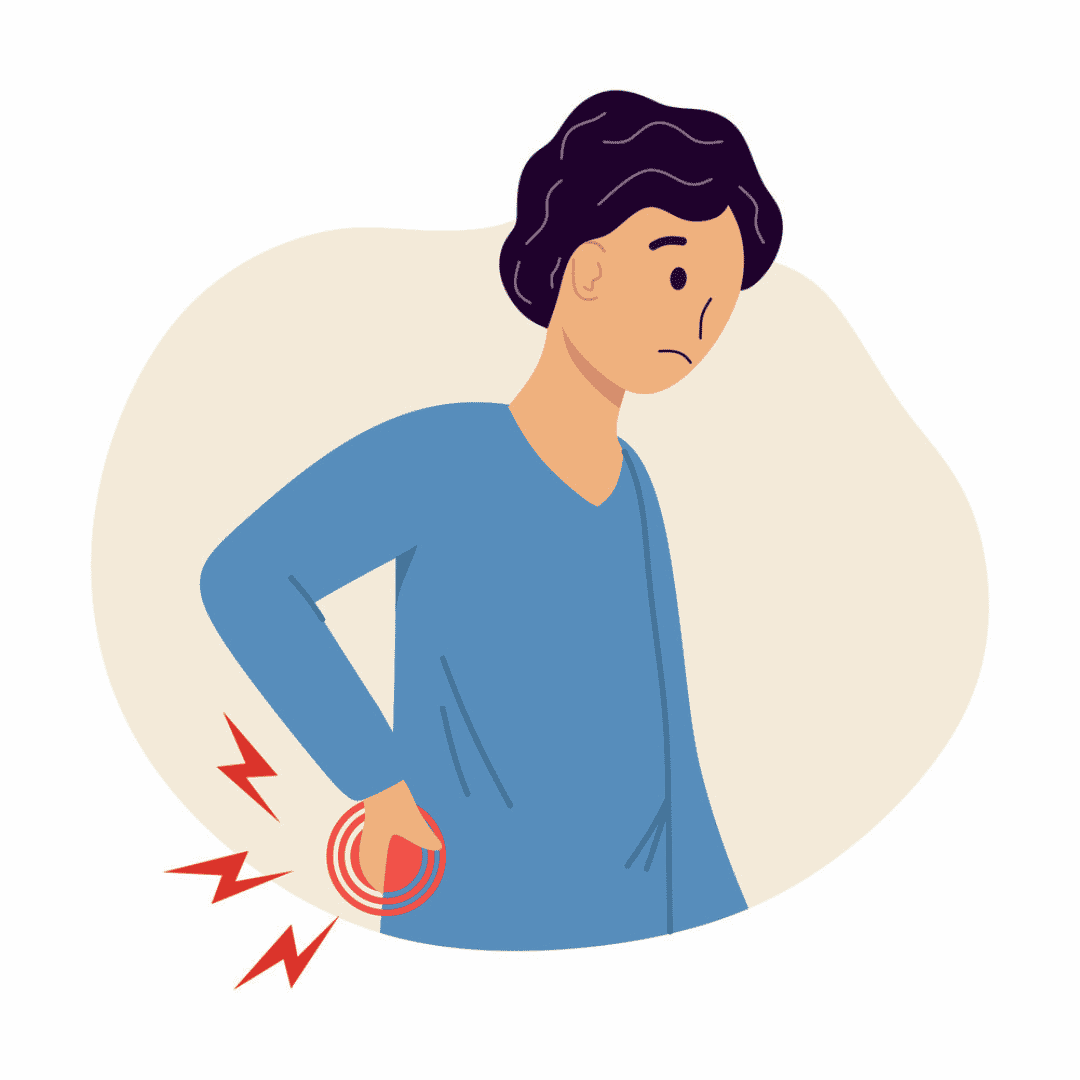
Kidney stones, medically known as renal calculi or nephrolithiasis, are hard deposits made of minerals and salts that form inside your kidneys. For anyone who has experienced them, the pain is often described as one of the most agonizing medical conditions imaginable. The severe discomfort usually originates in the lower back or flank area and aggressively radiates toward the lower abdomen and groin.
The high concentration of crystal-forming substances like calcium, oxalate, and uric acid in your urine causes these painful formations. When your urine lacks the substances that prevent these crystals from sticking together, an ideal environment for kidney stones is created. As highlighted in the video at , ignoring this condition is not a viable option.
When stones begin moving down the ureters—the narrow tubes connecting the kidneys to the bladder—they can cause severe blockages. This leads to kidney swelling, sudden spasms of unimaginable pain, and potentially life-threatening urinary tract infections. Prompt medical intervention is absolutely critical to preserve kidney function and alleviate the agonizing symptoms.
Different Types of Kidney Stones
Understanding the exact composition of your kidney stone is the first step toward effective treatment. Calcium stones are by far the most common, typically occurring in the form of calcium oxalate. Oxalate is a naturally occurring substance found in many foods, including nuts, chocolate, and certain fruits and vegetables.
Uric acid stones form in people who lose too much fluid, eat a high-protein diet, or suffer from conditions like gout. Struvite stones form in response to an infection, such as a urinary tract infection, and can grow quickly with very few warning signs. Finally, rare cystine stones are linked to a hereditary disorder that causes the kidneys to excrete too much of a specific amino acid.
Why Choose Kidney Stone Removal in Mexico?
For patients in the United States and Canada, the primary barrier to immediate urological care is the staggering out-of-pocket cost. Even with premium health insurance, high deductibles and massive copays can make routine stone removal financially devastating. This harsh reality has fueled a massive surge in patients seeking high-quality urology procedures in Mexico.
Medical tourism for urology is no longer a fringe alternative; it is a mainstream solution chosen by thousands annually. Mexican hospitals and specialized urology centers offer state-of-the-art medical technology that directly mirrors the equipment used in top American hospitals. The urologists operating in these facilities are frequently board-certified internationally, possessing extensive training from prestigious global medical institutions.
As discussed at , immediate availability is another massive advantage. Instead of waiting weeks or months in agonizing pain for a surgical slot in your home country, clinics in Mexico can often schedule your procedure within days. This rapid response time is crucial for patients whose quality of life has been completely halted by renal colic.
Accredited Facilities and Safety Standards
Safety is understandably the top priority for anyone traveling abroad for medical care. The best urology clinics in Mexico hold rigorous international accreditations, such as Joint Commission International (JCI). This accreditation guarantees that the hospital adheres to the strictest global protocols for sterilization, patient safety, and surgical excellence.
Furthermore, these medical centers feature dedicated international patient departments. These teams ensure seamless communication by providing fully bilingual medical staff, from the front desk receptionists to the lead urological surgeons. You will never have to worry about a language barrier impacting the quality of your medical care.
The Diagnostic Phase: Pinpointing the Problem
Before any treatment plan is finalized, top Mexican urologists conduct a highly thorough diagnostic evaluation. This process usually begins with an intensive consultation and a review of your current medical records and history. It is highly recommended that you bring your previous ultrasound or CT scan reports from your home country to expedite this process.
If you require updated imaging, high-resolution CT scans and modern ultrasound equipment are readily available on-site at a fraction of the US cost. These advanced imaging techniques allow the surgeon to determine the exact size, location, and density of the calculus. Blood tests and comprehensive urinalysis are also conducted to check for underlying infections or kidney function impairment.
Extracorporeal Shock Wave Lithotripsy (ESWL)
Extracorporeal Shock Wave Lithotripsy, commonly known as ESWL, is a highly effective, non-invasive treatment option for smaller kidney stones. Mentioned at in the video, this outpatient procedure utilizes targeted sound waves to break the stones into tiny, sand-like fragments. These minute particles can then be easily and naturally passed through the urinary tract over the following days.
During the ESWL procedure, you will lie comfortably on a specialized water-filled cushion or table. Using precise X-ray or ultrasound guidance, the urologist pinpoints the exact location of the stone. High-energy shock waves are then directed externally through your body, specifically targeting the calculus without requiring any surgical incisions.
Because it is entirely non-invasive, the recovery time for ESWL is incredibly short. Most patients are safely discharged on the very same day and can resume light activities within 24 to 48 hours. However, it is important to note that ESWL is generally only recommended for stones that are less than two centimeters in diameter.
Ureteroscopy with Laser Lithotripsy
When stones are lodged firmly in the ureter or are too dense to be broken by shock waves, a Ureteroscopy with Laser Lithotripsy is the gold standard treatment. This advanced, minimally invasive procedure has an exceptionally high success rate. It is one of the most frequently requested urological procedures by international patients traveling to Mexico.
During this surgery, which is performed under general anesthesia, the urologist inserts a microscopic, flexible scope into the urethra. This scope is carefully guided through the bladder and directly up into the ureter to visually locate the stone. No incisions are made on the body, making it a highly appealing option for rapid recovery.
Once the stone is visually identified on a high-definition monitor, a tiny holmium laser fiber is passed through the scope. The laser precisely pulverizes the stone into dust or small fragments, which are then physically removed using a microscopic wire basket. Following the procedure, the surgeon may place a temporary ureteral stent to ensure the ureter remains open and swelling is minimized.
Percutaneous Nephrolithotomy (PCNL) for Large Stones
For excessively large or complex kidney stones, such as massive staghorn calculi, non-invasive methods are simply not viable. In these severe cases, Mexican urologists rely on Percutaneous Nephrolithotomy (PCNL). As detailed at , PCNL is a highly sophisticated surgical intervention designed to handle the most challenging stone formations.
Unlike ESWL or Ureteroscopy, PCNL requires a small incision—roughly the size of a dime—made in the patient’s back. Through this tiny portal, a specialized sleeve is directly inserted into the kidney. The surgeon then utilizes a nephroscope alongside ultrasonic or pneumatic energy to systematically break apart and extract the large stone fragments.
While PCNL is slightly more invasive, it is incredibly effective for completely clearing the kidney of large stone burdens in a single session. Patients undergoing PCNL in Mexico typically spend one to two nights in the hospital for careful monitoring. A temporary nephrostomy tube may be left in place to drain urine and localized bleeding, which is safely removed before the patient travels home.
Comprehensive Cost Analysis: US vs. Mexico
The financial disparity between urological treatments in the United States and Mexico is staggering. In the US, the complex, fragmented billing system means you receive separate, exorbitant invoices from the hospital, the anesthesiologist, the surgeon, and the imaging center. For an uninsured or underinsured American, a single Ureteroscopy can easily exceed twenty thousand dollars.
In stark contrast, medical centers in Mexico operate on a highly transparent, all-inclusive pricing model. The quoted package typically covers the surgeon's fees, anesthesia, operating room costs, medical supplies, and standard pre-operative consultations. This straightforward financial approach eliminates the fear of hidden fees and surprise medical bills.
| Procedure Type | Average Cost in the US / Canada | Average Cost in Mexico |
|---|---|---|
| Extracorporeal Shock Wave Lithotripsy (ESWL) | $8,000 - $12,000 | $1,800 - $2,500 |
| Ureteroscopy with Laser Lithotripsy | $12,000 - $20,000 | $2,500 - $3,500 |
| Percutaneous Nephrolithotomy (PCNL) | $20,000 - $35,000+ | $4,000 - $6,000 |
These massive savings easily cover the cost of flights, comfortable hotel accommodations, and meals, while still leaving thousands of dollars in your bank account. The profound relief of achieving a pain-free life without draining your life savings cannot be overstated.
Top Medical Destinations in Mexico for Urology
Mexico is a vast country featuring several specialized medical hubs that cater heavily to international patients. Choosing the right city often depends on your geographical proximity, flight availability, and personal preferences for your recovery environment. Each destination boasts unique advantages for medical travelers.
Tijuana: The Premier Border Hub
Located just minutes from San Diego, California, Tijuana is the undisputed leader in cross-border medical tourism. Patients from the West Coast can easily fly into San Diego and take a brief, medically facilitated shuttle directly to their Tijuana clinic. This unparalleled convenience makes it an incredibly popular choice for rapid urology interventions.
Cancun: Healing in Paradise
For those located on the East Coast of the US or in Canada, Cancun offers direct, affordable flights and an incredibly relaxing atmosphere. Modern private hospitals in Cancun are equipped with cutting-edge urological lasers and imaging technology. Recovering from a successful laser lithotripsy procedure is certainly more pleasant when looking out over the Caribbean Sea.
Monterrey and Guadalajara: High-Tech Medical Centers
Monterrey is recognized as the industrial and medical technology capital of Mexico, featuring ultra-modern hospitals affiliated with top American universities. Guadalajara, known for its rich culture, also hosts immense medical talent and specialized urology institutes. Both cities offer exceptional care for complex procedures like Percutaneous Nephrolithotomy.
Post-Operative Recovery and Stone Prevention
Once your kidney stones have been successfully removed in Mexico, adhering to strict post-operative guidelines is critical for a smooth recovery. Your urologist will prescribe a comprehensive regimen of pain management medication and broad-spectrum antibiotics to prevent post-surgical infections. It is normal to experience mild discomfort and slight blood in the urine for a few days following procedures like Ureteroscopy or PCNL.
As noted at in our guide, preventing future stones is a vital part of your long-term health strategy. Once a patient forms a kidney stone, they are at a significantly higher risk of forming another within the next five to ten years. Therefore, your Mexican urologist will likely provide you with a customized dietary and lifestyle plan before you return home.
The cornerstone of stone prevention is aggressive hydration; drinking massive amounts of water dilutes the urine and flushes out crystal-forming minerals. You will also be advised to dramatically reduce your dietary sodium intake, which drives calcium into the urine. For oxalate stones, moderating the consumption of high-oxalate foods like spinach, rhubarb, and strong teas is highly recommended.
Planning Your Medical Tourism Journey with Confidence
Navigating the logistics of international healthcare can seem initially daunting, but comprehensive medical facilitation makes the process effortless. The journey begins with a detailed virtual consultation where you can speak face-to-face with your prospective Mexican urologist. This allows you to ask targeted questions, understand the exact surgical plan, and build genuine trust with your doctor before ever leaving home.
Once you are ready to proceed, you will receive a transparent, itemized quote detailing every aspect of your clinical package. Reputable medical tourism facilitators assist with every logistical hurdle, including securing discounted hotel rates, arranging VIP airport pickups, and ensuring seamless clinic transfers. From the moment you land in Mexico, a dedicated patient coordinator will be by your side.
When packing for your medical trip, ensure your passport is valid for at least six months beyond your travel dates. Bring extremely loose, comfortable clothing for your recovery period, as tight waistbands can irritate the flank area after surgery. Most importantly, bring a positive mindset; you are taking a proactive, highly effective step toward regaining your health and eliminating your chronic pain forever.
End the Agony of Kidney Stones Today
You do not have to live with debilitating pain or face astronomical medical debt. PlacidWay Medical Tourism seamlessly connects you with top-rated, board-certified urologists in Mexico. Experience world-class laser lithotripsy and PCNL at up to 80% less than US prices.
GET YOUR FREE UROLOGY QUOTE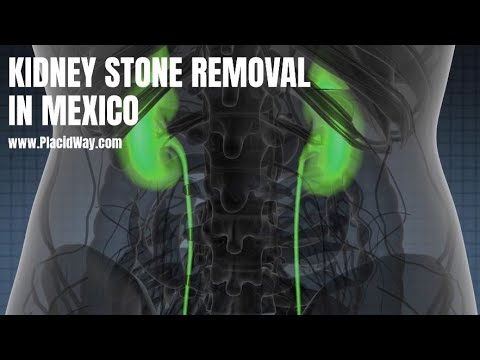




.png)








Share this listing