The Grandchild He Could No Longer Lift: Thomas Bennett’s Shoulder Osteoarthritis Joint Replacement Story from the United States to Mexico

Publish date: Modified date: Medically reviewed by: Dr. Raul Valenzano on Sep 01, 2026 Author: Aamina Bibi

Thomas Bennett’s Shoulder Osteoarthritis Joint Replacement Story 

Patient Profile

Name: Thomas Bennett

Age: 62

Condition: Shoulder osteoarthritis with severe rotator cuff failure

Treatment: Reverse or anatomic shoulder joint replacement

Destination: Cancun, Mexico

Journey at a Glance

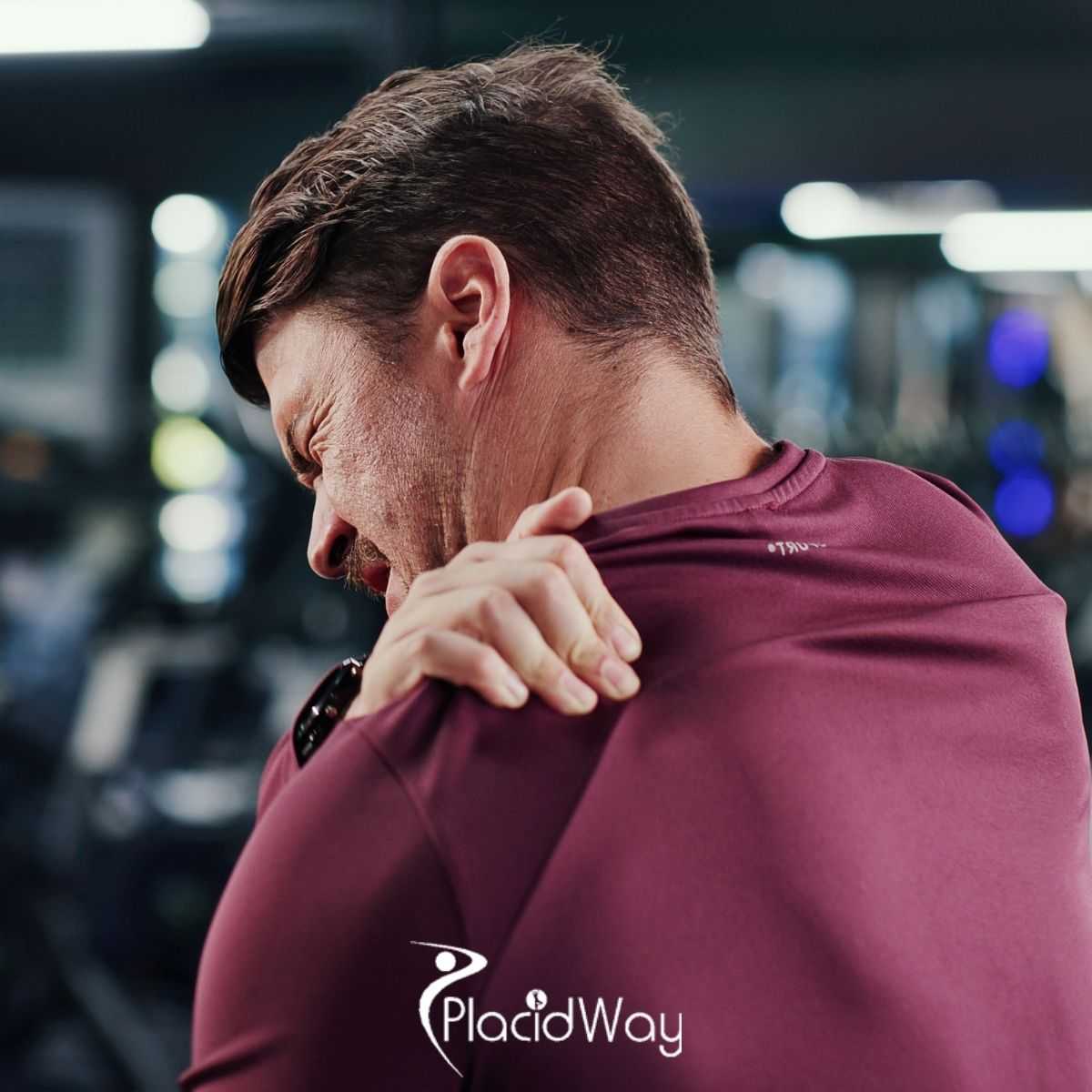
Main problems: Chronic shoulder pain worsening despite physical therapy and corticosteroid injections; Severe loss of range of motion (lifting arm above shoulder impossible); Nighttime pain disrupting sleep; pain radiating down arm; Weakness; inability to perform…

Previous care: Physical therapy (multiple rounds, often 12+ weeks per cycle); Corticosteroid or platelet-rich plasma (PRP) injections (usually 1–3 rounds, spaced months apart); Prescription NSAIDs and muscle relaxants

Travel driver: Seeking timely specialist evaluation and a clearly coordinated care pathway in Cancun, Mexico

Treatment explored: Reverse or anatomic shoulder joint replacement

Personal goal: Lift, garden and carry his grandchildren without severe shoulder limitation.

You start by shifting the toolbox to your left hand.

Then you stop carrying it altogether.

You start avoiding the top shelves in the kitchen.

You learn to put your jacket on by sliding the bad arm in first.

You begin waking up at 3:00 a.m. with an ache radiating down to your elbow.

You start sleeping in the recliner.

You stop picking up your grandson.

You cancel your golf membership.

"Just take it easy on that side."

"It's just part of getting older, dad."

"Insurance wants another round of therapy first."

Your world has quietly become smaller.

The hardest part is not the pain or the out-of-pocket costs, but the waiting.

Let's look closely at Thomas Bennett's situation.

Thomas Bennett is not a real PlacidWay client.

He is a fictional composite built from the situations, denials, and questions Americans in their sixties frequently face.

He is sixty-two.

He lives in rural Ohio.

He spent thirty-five years working as an independent contractor.

He built decks, swung hammers, and pulled his own weight.

Now he measures his days by how long the ibuprofen lasts.

How did the deterioration progress?

He thought it was just a severe strain.

He ignored it for six months.

Ice packs.

Heat pads.

Prescription anti-inflammatories.

Twelve weeks of physical therapy.

Two painful corticosteroid injections.

Waiting on hold with the insurance company.

When conservative treatments fail and bone-on-bone friction destroys joint mechanics, clinical guidelines often indicate reverse or anatomic shoulder arthroplasty to restore function and alleviate severe osteoarthritis . The procedure is typically considered only after irreversible rotator cuff failure makes simple overhead motion mechanically impossible.

"You need a shoulder replacement."

When?

What happens after the diagnosis is confirmed?

Wait times for orthopedic specialists in non-metropolitan US regions may frequently exceed six to ten months for elective procedures, while preauthorization denials for joint arthroplasty continue to rise across mid-tier commercial insurance networks .

But Thomas Bennett doesn't experience the healthcare system as a national statistic.

He experiences it at the pharmacy counter when his medication is delayed.

He experiences it sitting in the surgeon's waiting room watching the clock.

"The earliest we can schedule is next November."

He experiences it opening the morning mail.

"Your surgical request does not meet medical necessity."

He has already tried to be patient.

People in his position are rarely careless shoppers demanding instant gratification.

They are exhausted individuals managing chronic pain.

He played by the rules.

He did the physical therapy exercises.

He paid the high deductibles.

He rationed his remaining strength.

"I just need to hold on longer."

"Maybe the approval will come next week."

Eventually, the internal dialogue shifts:

From "Can I tolerate this?" to:

"How much of my life am I prepared to organise around it?"

What about paying for the surgery locally?

The domestic self-pay option is the next logical step.

He researches paying out-of-pocket at a regional hospital.

The estimate comes back between USD 35,000 and 55,000, excluding long-term rehabilitation.

He has that money sitting in a retirement account.

But draining a hard-earned safety net for a procedure his insurance should cover feels like a different kind of injury.

"We could pull it from the IRA."

"There is a difference between affording it and being able to afford it."

He isn't searching for Mexico yet.

how to sleep with torn rotator cuff

insurance denial appeal shoulder replacement

cost of shoulder surgery self pay US

affordable joint replacement abroad

shoulder arthroplasty Cancun cost

When Cancun first appears on his screen, he feels the familiar skepticism.

"I'm not going abroad just because something is cheaper."

His instinct is entirely correct.

Why does Cancun keep appearing in his research?

Cancun has systematically positioned itself as a medical hub by integrating US-trained orthopedic specialists with internationally accredited recovery facilities .

But the crucial reframing happens when he realizes a basic truth about healthcare.

Countries do not perform orthopedic operations.

Fellowship-trained shoulder surgeons do.

Accredited clinical teams do.

Hospitals with strict infection-control protocols do.

There is something concrete and verifiable to investigate beyond the marketing brochures.

Official advisories consistently recommend conducting independent research and consulting with a domestic primary care provider before traveling for surgery .

His first question was inevitably financial.

Current indicative pricing for shoulder arthroplasty in established Cancun clinics typically varies between USD 8,000 and 12,000, depending on the implant brand, hospital tier, and required length of stay .

"You get what you pay for."

"What exactly am I getting?"

Twelve things the advertised price may or may not cover.

Does this include the pre-operative MRI and blood panels?
Are the anesthesia fees billed separately?
Which manufacturer supplies the titanium implant?
Is the physical therapy immediately post-surgery included in the quote?
Does this cover the hospital room for two nights?
Are medications during the stay part of the package?
What happens if I need an extra day of observation?
Does the fee encompass airport transfers to the clinic?
Who handles the translation of my domestic medical records?
Are follow-up telemedicine consultations part of the standard care?
Is there a structured rehabilitation protocol provided to my US physical therapist?
Does the quote include medical complication insurance?

The advertised number is only the beginning of the conversation.

What does shoulder arthroplasty actually involve?

A reverse shoulder replacement is a complex biomechanical intervention where the normal ball-and-socket anatomy is inverted, allowing the deltoid muscle to lift the arm when the rotator cuff is irreparably torn . It requires meticulous surgical precision and a highly structured rehabilitation timeline to ensure the surrounding muscles adapt to the new mechanics.

"How do I fly home with a new shoulder?"

The part the brochures rarely put on the front page.

The unglamorous operational reality is that traveling immediately after joint replacement is physically demanding.

Current official guidance regarding safe air travel following major orthopaedic surgery varies significantly among medical bodies, indicating that venous thromboembolism risks must be individually assessed .

The variation itself is the lesson.

This physiological constraint must be part of the plan before committing, not afterward.

"Wait. Does that mean I'm stuck in a hotel room for two weeks?"

Possibly, depending on your surgeon's deep vein thrombosis protocols.

Where exactly is the hotel located relative to the clinic?

Does the room have a walk-in shower?

Is there an elevator?

Can I safely get out of a standard hotel bed with one functioning arm?

Who helps me dress?

Is there a pharmacy nearby that recognizes the surgeon's prescriptions?

How do I manage my luggage at the airport?

Who pushes the wheelchair through customs?

Will the airline allow me to purchase an extra seat for arm elevation?

What happens if the surgical site starts weeping on day four?

Who is the emergency contact on a Sunday night?

This isn't tourism in the usual sense.

His wife isn't just coming along.

She is the invisible second participant in this undertaking.

She will carry the bags, remember the medication schedules, and notice the slight changes in his temperature.

She will be responsible for navigating a foreign pharmacy.

She needs to know exactly what the escalation protocols are if something feels wrong.

Comprehensive medical travel insurance must specifically cover the designated companion in the event of an extended medical stay or emergency evacuation .

She is part of the care system too.

Then comes the uncomfortable conversation about risk.

Shoulder arthroplasty carries inherent risks including infection, nerve damage, implant instability, and prosthetic loosening, regardless of geographic location .

He learns to distrust specific phrases:

Completely safe. No risk. Guaranteed success. Better than American hospitals.

Informed consent means understanding more than the hoped-for outcome.

Thomas Bennett's questions become better.

He stops asking if it will hurt and starts asking how the clinic operates.

What is your facility's specific infection rate for joint arthroplasty?
How many reverse shoulder replacements do you perform monthly?
Where did you complete your orthopedic fellowship?
What brand of prosthesis do you use, and is it FDA-approved?
Are your operating rooms equipped with laminar airflow systems?
How do you handle post-operative complications once I am back in Ohio?
Do you have an ICU on-site?
Who translates my medical history for the anesthesiologist?
Will you collaborate directly with my physical therapist at home?
What would you see on my MRI that would make you tell me not to proceed?

He doesn't only want someone willing to do it.

He wants someone willing not to.

Have I exhausted my options at home?

Patients have the right to formally appeal insurance denials through state insurance commissioners and demand peer-to-peer reviews for elective orthopedic procedures .

What is the exact criteria for medical necessity in my policy?
Can I request an out-of-network exemption?
Is there a cash-pay discount at a local surgical center?
What happens to my place in line if I decline this current appointment?
Will my primary care doctor agree to coordinate my aftercare?

Cancun should be compared with Thomas Bennett's real alternatives, not with a worst-case assumption about the home system.

The night before the decision.

The kitchen table looks different now.

The insurance denial letters are pushed to one side.

The printed emails from the Cancun clinic coordinator are in the center.

The logistical spreadsheet his wife built sits next to them.

The printed reviews, both positive and critical, are highlighted.

"We know what we're walking into."

"Yes, we do."

The research didn't make them more afraid; it made them more capable of deciding.

What Thomas Bennett actually wants isn't a titanium joint.

He wants to start the lawnmower without wincing.

He wants to hold his grandson.

He wants to sleep through the night.

He wants his independence back.

Not the surgery. Not the implant. Not the all-inclusive recovery package. Not Cancun.

Autonomy.

And underneath that:

Dignity.

Cancun might be the answer. It might not be.

He might discover he has complex comorbidities that make travel unsafe.

He might win his insurance appeal at the final hour.

He might find a local self-pay clinic offering a manageable payment plan.

He might decide the logistical burden on his wife is too heavy.

He might accept the ten-month wait list.

He might book the flight, schedule the surgery, and meticulously plan his recovery.

Any of those can be an informed decision.

The goal is not to persuade you to board an airplane.

The goal is to make sure frustration doesn't make the decision for you.

Where do you go from here?

Maybe you've stopped shifting the toolbox.

Maybe you're tired of sleeping in the recliner.

Maybe you're exhausted from arguing with insurance representatives.

Maybe you're quietly terrified that this is just how life is now.

Maybe you're ready to look at alternatives.

You do not need to decide today.

What exactly is my diagnosis?

What are the concrete risks of delaying surgery?

What is my absolute budget?

Who will support me during a twelve-week recovery?

Am I willing to travel for medical care?

Am I willing to do the independent research required?

Can I advocate for myself in a foreign environment?

You are not just comparing prices.

You are comparing paths forward.

Hope isn't the promise that everything will be fixed.

Hope isn't the assumption that a foreign hospital is a magic solution.

Hope isn't ignoring the real risks of major joint surgery.

Hope isn't pretending the recovery will be easy.

Hope is having enough information to make a decision that feels like yours.

It is the ability to read a medical file. It is the capacity to ask difficult questions. It is the willingness to walk away if the answers fall short. It is the quiet strength of planning your own recovery. It is recognizing your own agency.

From "I suppose I'll just have to keep waiting."

To:

"What other informed options do I have?"

PlacidWay — Your Way to Hope.

PlacidWay helps individuals explore international medical options, compare accredited facilities, and prepare the rigorous questions required for cross-border care. We do not provide clinical advice, diagnose conditions, or guarantee medical outcomes. For someone like Thomas Bennett, Cancun isn't a promise, it is one route worth understanding fully before making a choice.

Your Way to Hope.

Medical disclaimer

This article is for educational purposes only and does not recommend that any individual undertake medical travel or specific surgical interventions. Individual suitability and surgical risks require rigorous professional assessment. The reader should consult their own domestic clinician or medical adviser to evaluate their condition, verify the current regulatory status of any international facility, and obtain appropriate medical travel insurance protection before making any healthcare decisions.

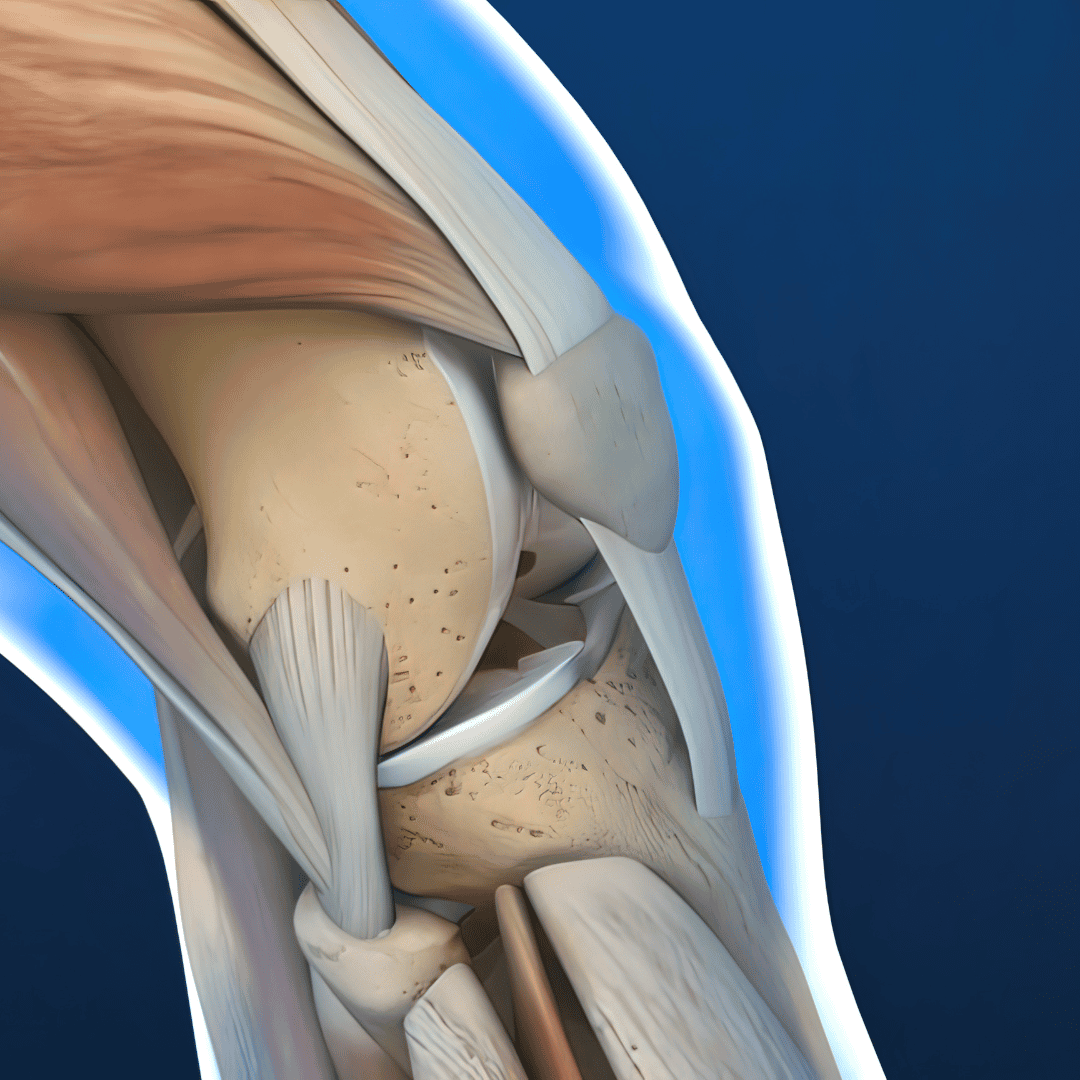
The Grandchild He Could No Longer Lift: Thomas Bennett’s Shoulder Osteoarthritis Joint Replacement Story from the United States to Mexico

About Article

  • Translations: EN ES
  • Treatment: Orthopedic/Knee Surgery
  • Country: Mexico
  • Overview This educational overview follows Thomas Bennett, a composite American patient exploring Shoulder Replacement in Cancun, Mexico. It summarizes daily-life effects, previous care and why treatment abroad is being considered. Candidacy, safety, recovery and follow-up remain central to informed decision-making.

Trusted Medical Tourism Platform Since 2007

60+
Countries
2k+
Clinics
19.5k+
Reviews
2.5k+
Qualified Doctors
1.1M+
Patients Served Since 2007