The Season Slipping Away: Callum Davies’s ACL Tear Reconstruction Story from the United Kingdom to Turkey

Publish date: Modified date: Medically reviewed by: Dr. Raul Valenzano on Sep 01, 2026 Author: Usama Ahmad

Callum Davies’s ACL Tear Reconstruction Story 

Patient Profile

Name: Callum Davies

Age: 32

Condition: Anterior cruciate ligament tear or rupture

Treatment: ACL reconstruction using an appropriate tendon graft

Destination: Bursa, Turkey

Journey at a Glance

Main problems: Acute knee pain and swelling post-injury; Chronic knee instability, giving way during movement; Loss of range of motion and strength; Inability to return to sport or high-impact activity

Previous care: Waiting on NHS queue lists (6–12 months); Pursuing private surgery in the UK (£12,000–15,000; still 3–4 month wait); Physiotherapy-only management (conservative treatment often insufficient for competitive athletes)

Travel driver: Eliminate wait times (surgery within weeks vs. NHS months; 4-week availability vs

Treatment explored: ACL reconstruction using an appropriate tendon graft

Personal goal: Complete surgery promptly and return safely to training and competitive sport.

You started by taping the knee before a match.

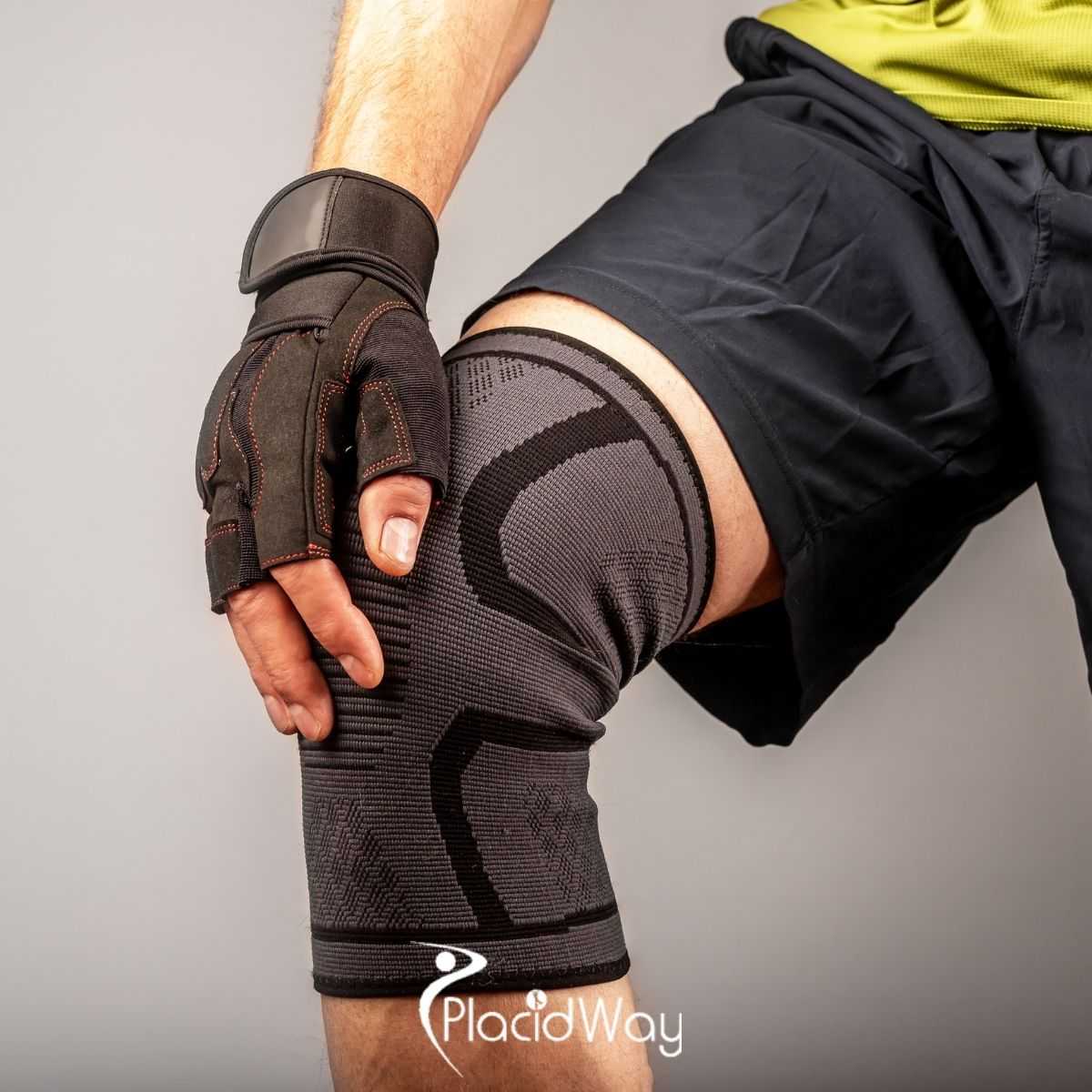
You bought a heavy-duty brace you swore you would only wear for a week.

You stopped taking the stairs two at a time.

You started walking down them sideways.

You told your manager you just tweaked a hamstring.

You stopped carrying the heavy grocery bags.

You stopped pivoting sharply in the kitchen.

You declined the five-a-side invitation.

You let your gym membership lapse.

"It just needs a bit of rest."

"I'll be back on the pitch next month."

"It only hurts when it gives way."

Your world has quietly become smaller.

The hardest part is not the pain or the functional loss, but the waiting.

Meet Callum Davies, who is tired of checking the post for a hospital letter.

Callum Davies is not a real PlacidWay patient.

He is a fictional composite built from the exact physical realities, logistical hurdles, and profound frustrations that active British athletes face today.

He is thirty-two years old and lives in Manchester.

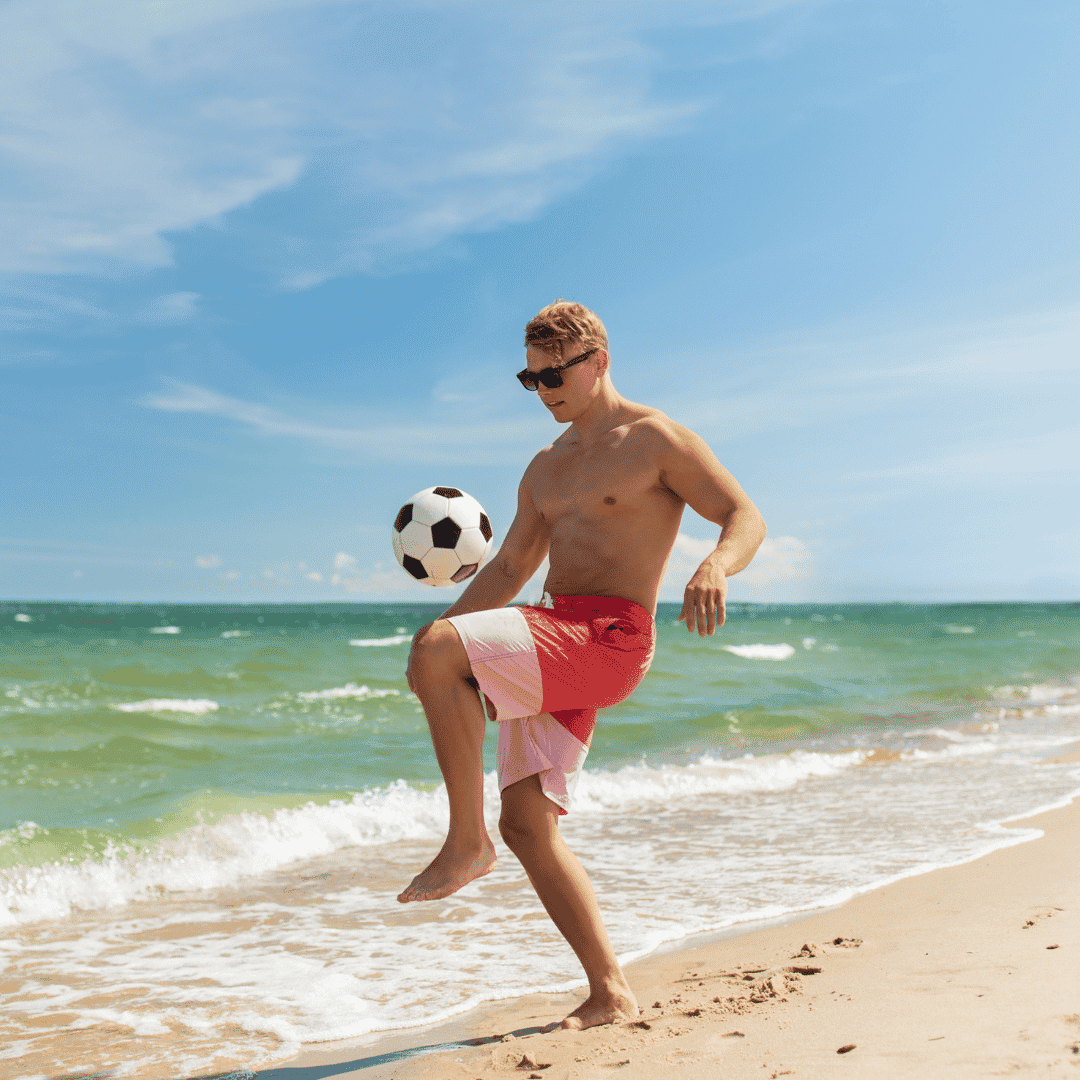
He sprints down the wing on Sunday mornings.

He carries his niece on his shoulders.

He unloads equipment from his van without a second thought.

The physical breakdown is never just an isolated event.

He explains the swelling away as temporary inflammation.

He ices the joint every evening.

He takes ibuprofen with breakfast.

He pays for private physiotherapy out of pocket.

He wears the compression sleeve underneath his work trousers.

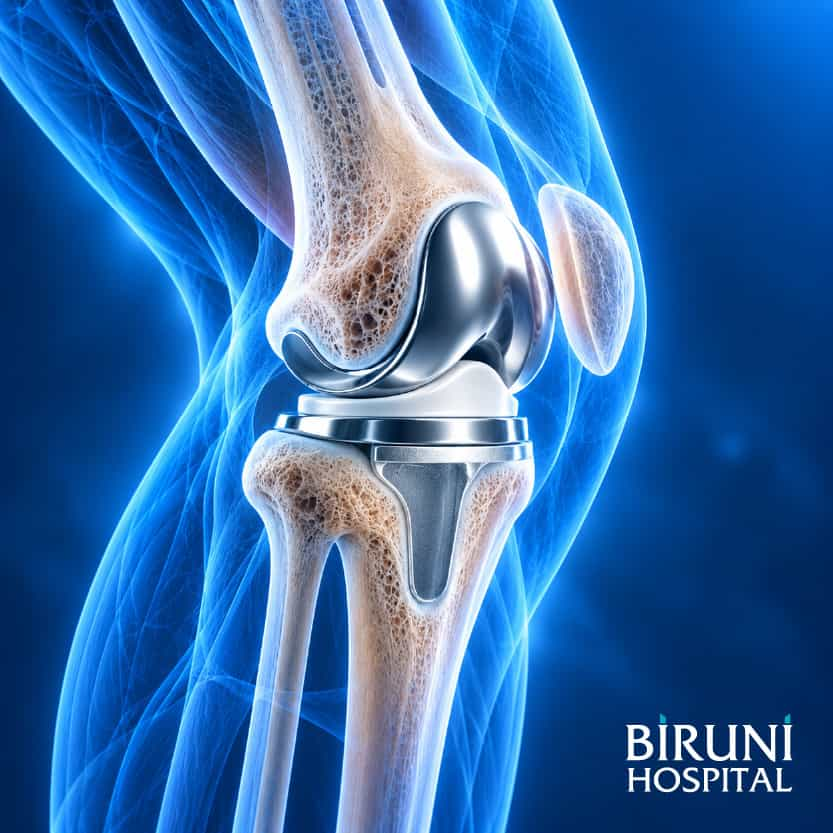
Anterior cruciate ligament reconstruction replaces the torn tissue with a biological graft to restore joint stability and mechanical function, and it is usually considered the standard remedy when conservative management fails to allow a return to high-demand activities.

The consultant delivers the verdict plainly:

"A complete anterior cruciate ligament rupture."

The diagnosis is clear, but it immediately creates a heavier burden:

When?

The systemic delay reshapes his entire year.

The current median waiting time for elective trauma and orthopaedic surgery in England stands at just over 15 weeks, but complex joint reconstructions frequently face queue times stretching to 40 weeks or more depending on regional trust capacity and clinical prioritisation.

But Callum Davies doesn't experience the healthcare system as a national statistic.

He experiences it as a hollow shift in his knee when stepping awkwardly off the curb.

"They said maybe February next year."

He feels it when he sits on the bench in the freezing rain while his teammates warm up.

"I can't just do nothing until then."

He notices it when a sudden pivot in the hallway sends a sharp warning up his thigh.

"The physio says the instability won't improve."

He has already tried to be intensely patient.

People in his position are frequently misunderstood as impatient consumers looking for shortcuts.

He behaves with ordinary, reasonable competence.

He phones the NHS trust secretary weekly.

He researches private medical insurance exclusions.

He does the hamstring strengthening routines until he knows them blindly.

"I just need to keep the muscle mass up."

"Maybe they'll get a cancellation slot soon."

But the months slip past, and the internal dialogue inevitably shifts:

From "Can I tolerate this?" to:

How much of my life am I prepared to organise around it?

The nearer alternative is deeply flawed.

The conventional alternative is to pay for private surgery domestically.

A private UK reconstruction typically demands GBP 12,000–15,000.

Even with the funds secured, he learns that local private consultants still carry a three-to-four month waiting list.

He sits at the kitchen table with Sarah, his partner and former mixed-doubles teammate.

"We could put the fifteen thousand on the cards."

"There is a difference between paying for it and affording it."

He isn't searching for Bursa yet.

His browser history maps his escalating desperation.

Knee giving way going down stairs

How long to wait for ACL surgery UK

Private ACL reconstruction cost Manchester

Orthopaedic surgery abroad

ACL reconstruction Turkey sports medicine

Bursa begins appearing in his searches as a destination specifically equipped for rapid-access orthopaedic care.

He reads the preliminary information, but his reaction is healthy skepticism:

"I'm not going abroad just because something is cheaper."

The instinct is exactly right.

Why does Bursa keep appearing?

Bursa has structurally positioned itself as a centre for orthopaedics and sports medicine within Turkey, drawing on dedicated private infrastructure and surgeons frequently trained in European clinical protocols.

But the essential reframe requires looking past the geography.

Countries do not perform complex joint operations.

Surgeons do.

Hospitals do.

Clinical teams do.

There is something highly specific and concrete to verify before making any commitment.

The British Orthopaedic Association advises that anyone considering surgery abroad should thoroughly research the specific clinical team, verify their credentials, and ideally secure a consultation with a local professional to understand the full implications of international care.

His first question focuses entirely on the price.

An indicative price for an ACL reconstruction in Turkey ranges from GBP 6,000–8,000, a figure that commonly includes hospital fees and surgeon costs but varies significantly based on the chosen graft material and required days of inpatient monitoring.

He remembers a line his father used to repeat about cheap quotes:

"You always end up paying for what you get."

"What exactly am I getting?"

Twelve things the advertised price may or may not cover.

Is the initial MRI scan included in the clinical package?
Who pays if I need an extra night in the ward for pain management?
Are the surgical fixations titanium or bio-absorbable?
Does the quoted fee cover the anaesthetist?
What about the first crucial round of inpatient physiotherapy?
Are airport transfers physically handled by the clinic?
Is the hotel room appropriate for someone who cannot safely bend their knee?
Who translates if the night nurse does not speak English?
What happens if my return flight is delayed?
Does the surgeon use a hamstring or patellar tendon autograft?
Am I discharged with the correct crutches and a locking hinged brace?
How long must I wait before I can safely fly?

The advertised number is only the beginning of the conversation.

The logistics soon overtake the diagnosis.

The spreadsheets begin to replace the frustration.

The focus shifts from the injury to the mechanics of travel.

The recovery requires a highly detailed map.

What does ACL reconstruction actually involve?

Arthroscopic anterior cruciate ligament reconstruction is a complex, minimally invasive procedure where the surgeon drills precise tunnels into the femur and tibia to anchor a replacement graft, which must then integrate tightly with the surrounding bone over several months of structured rehabilitation.

"How do I get home with a surgically repaired knee?"

This is the part the glossy brochures rarely put on the front page.

The operational reality of international surgery involves navigating major transit hubs while heavily medicated and largely immobile.

UK government guidance on medical travel warns that post-operative flying increases the physiological risk of deep vein thrombosis, and recommendations on safe travel intervals vary widely between individual clinics and commercial airlines.

The variation itself is the most important lesson.

This rigid constraint must be part of the plan before committing to the journey, not afterward.

"Wait. Does that mean I am stuck there for two weeks?"

Possibly, depending on your surgeon's specific deep vein thrombosis protocol.

Who officially gives the clearance to fly?

Do I need to inject blood thinners into my stomach myself?

Will the airline require a signed fit-to-fly certificate before boarding?

Can I physically fit an extended, braced leg into a standard economy seat?

Do I need to purchase a bulkhead seat for the necessary extension space?

How do I navigate security scanners with fresh surgical hardware?

Who carries my luggage through the terminal?

What happens if the surgical site weeps through the dressing mid-flight?

Is there a reliable local emergency contact?

How do I safely transfer from Manchester airport to my house?

This is not tourism in the usual sense.

The reality demands a partner.

The planning takes over the evenings.

The physical reality of the travel sets in.

The burden is not carried alone.

Sarah isn't just coming along for the ride.

She is the invisible second participant in the entire medical process.

She will carry the heavy bags through the departures terminal.

She will remember the complex postoperative medication schedule.

She will notice if the calf swelling looks abnormal.

She needs to know the escalation protocols if something goes entirely wrong in a foreign hotel room.

Standard travel insurance policies explicitly exclude coverage for complications arising from planned medical treatment abroad, meaning a specialist medical indemnity policy is practically essential.

She is part of the care system too.

Then comes the uncomfortable conversation about risk.

All surgical procedures carry inherent risks of deep infection, nerve damage, graft failure, and continued instability, regardless of the precise geography in which they are performed.

Callum Davies learns to distrust specific phrases in international marketing:

Completely safe. No risk. Guaranteed success.

Informed consent means understanding significantly more than the hoped-for outcome.

You must acknowledge plainly that a lower price point should never answer a clinical or technical question.

Callum Davies's questions become noticeably better.

He shifts away from asking "When can I have it?" and "How much does it cost?"

What is your specific infection rate for this exact procedure?
How many ACL reconstructions do you personally perform monthly?
Which graft type do you recommend for my specific twisting sport?
What brand of hardware do you use to secure the bone tunnels?
Who monitors my recovery trajectory once I return to the UK?
What is the protocol if I develop a fever on day three?
Do you have an English-speaking clinical liaison on the ward overnight?
Can my UK physiotherapist communicate directly with your surgical team?
What legal jurisdiction governs any potential clinical negligence claims?
What would you see on my MRI that would make you tell me not to proceed?

They don't only want someone willing to do the operation.

They want someone willing not to.

Have I exhausted my options at home?

Before looking outward across borders, UK patients maintain the statutory right to ask for a transfer to another domestic hospital under NHS choice frameworks if their wait times exceed mandated maximums.

Can I be officially moved to a different trust's waiting list?
Is there an expedited clinical pathway for impending job loss?
Will my local trust handle the vital rehabilitation if I go private abroad?
Can I access intensive conservative sports management while I wait?
What clinical documentation will my NHS GP require to take over prescribing?

Bursa should be compared with Callum Davies's real alternatives, not with a worst-case assumption about the NHS.

The night before the decision brings clarity.

The kitchen table is covered with paperwork.

The printed MRI reports. The surgeon's translated curriculum vitae. The minute-by-minute clinical itinerary. The specialist travel insurance policy. The physical rehabilitation timeline.

"It feels like a lot of moving parts."

"But at least we know what the parts are."

The relentless research didn't make them more afraid; it made them more capable of deciding.

What Callum Davies actually wants isn't the product.

"Are you sure you want to go through with this?"

"I just want my knee fixed."

Have surgery scheduled and completed within 6 weeks, return to training within 4 months.

He wants to run without consciously thinking about the ground beneath him.

He wants his Sunday mornings back on the pitch.

He wants to step off a curb without bracing his entire body for a collapse.

Not the arthroscopy. Not the titanium screws. Not the inclusive hotel package. Not the city of Bursa.

Motion.

And underneath that:

Reclamation.

Bursa might be the answer. It might not be.

He might decide the postoperative flight risk is simply too high.

He might miraculously find a cancellation slot in a Manchester private clinic.

He might feel deeply uncomfortable with the physical distance from his primary care physician.

He might secure a partial insurance payout to offset domestic costs.

He might realise he is not prepared to manage the intensive aftercare independently.

He looks at the verified credentials, weighs the travel logistics, and decides the trade-off ultimately serves his recovery timeline.

Any of those can be an informed decision.

The goal here is not to persuade you to board a plane.

The goal is to ensure frustration does not make the decision for you.

The decision rests squarely in your hands.

Maybe you have stared at the ceiling with an ice pack strapped to your leg.

Maybe you have calculated exactly how many competitive matches you will miss.

Maybe you have refreshed the NHS app hoping a surgery date has magically appeared.

Maybe you have wondered if your athletic days are quietly over.

Maybe you have felt the quiet shame of stepping back from the team you helped build.

You do not need to decide today.

What is my actual timeline for a safe return to sport?

How much physical instability can I safely tolerate?

Am I prepared to meticulously handle international logistics?

Who will rigorously manage my post-operative physiotherapy?

What are the concrete risks of delaying treatment further?

Does a foreign surgeon specifically align with my recovery goals?

How do I aggressively protect myself if things go wrong?

You are not just comparing prices.

You are comparing paths forward.

Hope isn't the promise that the problem disappears.

Hope isn't the promise that the knee will never hurt again.

Hope isn't the promise of a risk-free procedure.

Hope isn't the promise that an international medical trip is a holiday.

Hope is having enough information to make a decision that feels like yours.

You are capable of reading the complex clinical notes. You are capable of asking the difficult logistical questions. You are capable of demanding clear, unvarnished answers. You are capable of walking away if something feels fundamentally wrong. You are capable of taking control of your own physical recovery.

From:

I suppose I'll just have to keep waiting.

To:

What other informed options do I have?

PlacidWay — Your Way to Hope

PlacidWay helps people systematically explore international healthcare options, compare clinical credentials, and prepare the difficult questions necessary for informed decision-making.

For someone like Callum Davies facing an indefinite wait for essential reconstruction, travelling to Bursa isn't a promise of an easy fix, but rather one rigorously evaluated route worth understanding.

Your Way to Hope.

Medical disclaimer

Disclaimer: This article is strictly educational and does not recommend that any individual undertake medical travel or specific surgical procedures. Individual clinical suitability and operative risk require direct professional assessment. Readers should always consult their own qualified clinician or healthcare adviser within their home system, independently verify all institutional and surgical credentials, confirm current regulatory status, and obtain appropriate specialist medical indemnity insurance prior to making any medical decisions.
The Season Slipping Away: Callum Davies’s ACL Tear Reconstruction Story from the United Kingdom to Turkey

About Article

  • Treatment: Orthopedic/Knee Surgery
  • Country: Turkey
  • Overview This educational overview follows Callum Davies, a composite British patient exploring ACL Reconstruction in Bursa, Turkey. It summarizes daily-life effects, previous care and why treatment abroad is being considered. Candidacy, safety, recovery and follow-up remain central to informed decision-making.

Trusted Medical Tourism Platform Since 2007

60+
Countries
2k+
Clinics
19.5k+
Reviews
2.5k+
Qualified Doctors
1.1M+
Patients Served Since 2007