
Contents
If you live in the UK or North America, hearing a loud 'pop' in your knee during a weekend run is usually followed by a second gasp when you see the surgery waitlist or the hospital bill. You are suddenly stuck icing a swollen joint while staring down months of limited mobility or out-of-pocket costs that rival the price of a new car. For active individuals, waiting endlessly to fix a torn cartilage just is not a practical option.
That is exactly why so many patients are packing their bags and heading to cities like Istanbul or Antalya. Meniscus repair surgery in Turkey offers a chance to get back on your feet without emptying your savings, with the procedure typically costing around $2,500. Beyond the affordable price tag, the country features advanced orthopedic centers equipped with the latest arthroscopic technology. When researching your options, it is crucial to look for hospitals backed by the Turkish Ministry of Health and international bodies like JCI to ensure your safety and care.
Key Insights
Navigating joint surgery in a foreign country feels much less daunting when everything is coordinated for you. Many orthopedic centers in Turkey offer comprehensive treatment bundles that cover the arthroscopy, anesthesia, operating room fees, and pre-op MRI scans. This approach removes the stress of unexpected bills popping up during your discharge.
Some centers go a step further by including airport transfers, hotel accommodations for your early recovery, and a dedicated English-speaking patient coordinator. Having these logistics handled means you can focus entirely on resting and elevating your knee. Explore the available packages below to see exactly which services and medical fees are included in each offer.
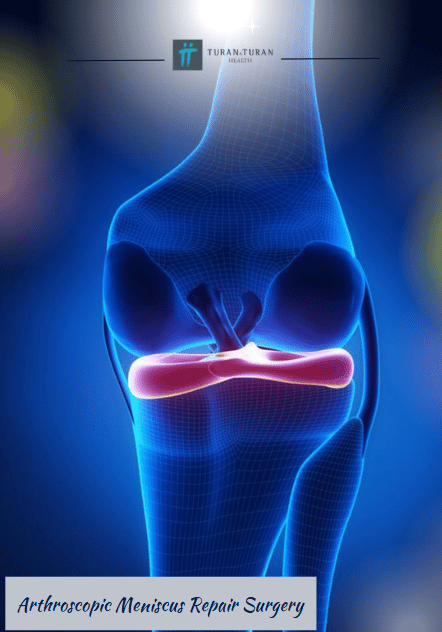
Price starting from $5,750
Arthroscopic Meniscus Repair Surgery Package in Istanbul, Turkey by Turan Turan
Turan Turan Robotic Surgery Center and Orthopedic Clinic in Turkey
- Orthopedic/Knee Surgery
Istanbul,Bursa, Turkey
The average cost of meniscus repair surgery in Turkey is typically between $2,000 and $3,500, depending on the severity of your tear and the specific arthroscopic technique required. This is a fraction of what uninsured or underinsured patients often face in North America, where the same procedure can easily exceed $10,000. These lower prices stem from Turkey's lower operational costs and favorable exchange rates, not a compromise in medical quality.
Keep in mind that final pricing can fluctuate slightly based on the surgeon's expertise, the type of sutures used, and facility fees. It is always wise to request a detailed breakdown of costs before committing. Compare the pricing estimates listed below to find a facility that aligns with your medical needs and budget.
Meniscus Repair Centers Cost Comparison in Turkey
| Provider | Procedure | Price |
|---|---|---|
| Turan Turan Robotic Surgery Center and Orthopedic Clinic in Turkey | Meniscus Repair, Orthopedic/Knee Surgery | $5700 |
Meniscus Repair Cost Comparison in Turkey
| Country | Procedure | Price |
|---|---|---|
| United States | Meniscus Repair, Orthopedic/Knee Surgery | $30000 |
Booking a hospital halfway across the world requires more than just looking at photos of a modern lobby. You want to ensure your knee is in the hands of a reputable, thoroughly vetted medical facility with strict hygiene protocols. Start by checking if the clinic holds active local licenses from the Turkish Ministry of Health.
Additionally, look for international accreditations such as JCI (Joint Commission International) or ISO certifications, which indicate a high standard of patient safety. Investigate whether the facility specializes in sports medicine or minimally invasive arthroscopic joint repairs. A verified clinic will gladly share its credentials and infection control data with you. Take a moment to review the clinic profiles listed below to compare their medical standards and specialized facilities.

Turan Turan Robotic Surgery Center and Orthopedic Clinic in Turkey
Istanbul,Bursa, Turkey

International Multispecialty Hospital in Istanbul, Turkey
Istanbul, Turkey
Sometimes, reading about a medical procedure just is not enough to calm your pre-surgery nerves, especially when traveling abroad. Watching video content from previous patients and operating surgeons can give you a much clearer, realistic picture of what to expect. These videos often showcase the hospital environment and explain the arthroscopic techniques in simple terms.
They also provide a glimpse into the daily reality of knee rehabilitation and navigating a Turkish hospital on crutches. Seeing another patient speak positively about their post-operative care can be incredibly reassuring as you plan your own trip. Watch the patient and clinic videos below to gain a better visual understanding of the surgical experience.

There is no better way to gauge the true quality of a hospital than by listening to people who have already walked through its doors. Patient reviews reveal the unspoken details of medical tourism, like how attentive the nursing staff is during the night or how clearly the physical therapist explained the recovery exercises. This feedback is invaluable for managing your expectations.
Pay close attention to comments regarding post-operative pain management, hospital cleanliness, and the thoroughness of the surgeon's follow-up care. Honest testimonials help you separate glossy marketing from actual patient realities. Read through the patient reviews below to see how others rate their meniscus repair journey and recovery abroad.

Planning knee surgery abroad naturally brings up a lot of questions about travel logistics, recovery timelines, and medical safety. To help you prepare for your journey, we have gathered the most common questions patients ask before booking their meniscus repair in Turkey.
Why is meniscus repair in Turkey more affordable?
The cost difference is primarily due to Turkey's lower overall cost of living, reduced administrative overhead, and favorable currency exchange rates compared to Western countries. It is not an indication of lower medical standards, as many private hospitals use the same equipment found in the US or UK.
How long do I need to stay in Turkey after knee surgery?
Most surgeons recommend staying in Turkey for 5 to 7 days after the procedure. This allows time for your initial follow-up appointment, removal of drainage tubes if used, and clearance from your doctor to safely board a flight home.
Can I fly home safely after a meniscus repair?
Yes, flying is generally safe once cleared by your surgeon. However, you will need to take precautions against deep vein thrombosis (DVT), such as wearing compression stockings, taking prescribed blood thinners, and requesting extra legroom or wheelchair assistance at the airport.
What type of anesthesia is used for this procedure in Turkish clinics?
Meniscus repairs are typically performed under either general anesthesia or regional (spinal) anesthesia. The anesthesiologist will discuss your medical history and preferences to determine the safest and most comfortable option for you.
Will my Turkish orthopedic surgeon speak English?
Many orthopedic specialists in Turkey, especially those catering to international patients, speak fluent English. Additionally, reputable clinics provide dedicated interpreters and patient coordinators to ensure clear communication throughout your hospital stay.
How soon can I walk after arthroscopic meniscus surgery?
Unlike a simple meniscectomy (trimming), a true meniscus repair usually requires you to keep weight off the knee to allow the cartilage to heal. You will likely need crutches and a knee brace for 4 to 6 weeks, depending on your surgeon's specific protocol.
What happens if I need physical therapy after returning home?
Physical therapy is crucial for a successful recovery. Your Turkish surgeon will provide a detailed, phased rehabilitation protocol before you leave. You will need to share this document with a local physical therapist in your home country to continue your care.
Are Turkish hospitals equipped for emergency complications?
Accredited private hospitals in Turkey are fully equipped with intensive care units and emergency response teams. Choosing a JCI-accredited facility ensures that they meet strict international safety standards for handling any unexpected surgical complications.
Do clinics provide crutches or knee braces in their packages?
This varies by clinic. Some all-inclusive packages cover necessary medical equipment like crutches, compression socks, and hinged knee braces, while others bill them separately. Always clarify what medical supplies are included in your quote.
How do I verify my surgeon’s credentials in Turkey?
You should look for board certification in orthopedics and check if they are members of respected organizations like the Turkish Society of Orthopaedics and Traumatology (TOTBID) or international arthroscopy associations. Requesting their CV and asking about their annual volume of meniscus repairs is highly recommended.
How much does Meniscus Repair cost in Turkey?
Suffering from a torn meniscus can be a painful and debilitating experience, putting a major brake on your active lifestyle. Fortunately, effective surgical options exist. Meniscus repair cost in Turkey is significantly lower than in many Western countries, making it an increasingly popular choice for patients worldwide seeking high-quality, affordable care. This procedure, aimed at preserving the knee's natural shock absorber, not only alleviates pain but also helps prevent future complications like arthritis. If you're considering this surgery, understanding the costs, procedures, and what to expect is crucial. Turkey offers a compelling combination of experienced orthopedic surgeons, modern medical facilities, and all-inclusive packages that simplify the entire medical journey. This guide will walk you through everything you need to know about getting a meniscus repair in Turkey, from the initial price tag to the recovery process, helping you make an informed decision about your knee health. How much does a meniscus repair cost in Turkey? "The average meniscus repair cost in Turkey typically ranges from $2,500 to $5,500. However, prices can go up to $7,200 depending on the complexity of the tear, the surgeon's experience, the hospital's reputation, and the specifics of the treatment package." This price range is significantly more affordable compared to countries like the US or the UK, where the same procedure can cost two to three times as much. The lower cost in Turkey does not imply a compromise on quality. The affordability is due to the country's lower cost of living, favorable exchange rates, and government support for the medical tourism sector. Many Turkish hospitals offer all-inclusive packages designed for international patients. These packages often bundle all necessary services into a single price, providing transparency and eliminating hidden fees. This makes financial planning much more straightforward for patients traveling from abroad for their knee surgery in Turkey. What factors influence the final cost of meniscus surgery in Turkey? "Several key factors determine the final cost, including the specific type of surgery (repair vs. partial meniscectomy), the surgeon's and hospital's prestige, the city where the procedure is performed, and whether an all-inclusive package is chosen." Understanding these variables can help you better estimate your total expenses. Here’s a breakdown: Type of Surgery: A full meniscus repair, which involves suturing the torn cartilage, can be more complex and thus more expensive than a partial meniscectomy, where the damaged part of the meniscus is removed. The decision between these procedures depends on the tear's location, size, and pattern. Surgeon and Hospital Choice: Highly experienced surgeons with international acclaim and JCI-accredited hospitals with state-of-the-art technology may charge more for their services. Cities like Istanbul and Ankara have a higher concentration of these premier facilities. Complexity of the Case: A simple, small tear will naturally cost less to repair than a complex tear that might be combined with other ligament injuries, such as an ACL tear. Package Inclusions: The scope of the all-inclusive package affects the price. Basic packages cover the surgery and hospital stay, while comprehensive ones might add luxury accommodation, dedicated translators, and post-operative physical therapy sessions. What is typically included in a meniscus repair package in Turkey? "Most all-inclusive meniscus repair packages in Turkey include the surgeon and anesthesia fees, one to two nights of hospital stay, pre-operative consultations and diagnostic tests (like MRI), post-operative medications, and all airport, hotel, and hospital transfers." These packages are designed to provide a seamless and stress-free experience for medical tourists. When you opt for a package, you can generally expect it to cover all the essential medical costs associated with the procedure. This transparency is a major advantage of seeking orthopedic surgery in Turkey. However, it's crucial to confirm what's not included. Typically, packages do not cover the cost of your flights to and from Turkey, your visa (if required), or expenses for any tourism or personal activities. Some packages may also exclude the cost of extended hospital stays or treatment for unforeseen complications, so it's vital to clarify these details with your chosen clinic beforehand. Why is meniscus repair in Turkey so affordable? "The affordability of meniscus repair in Turkey is due to the country's lower operational and labor costs, a favorable currency exchange rate for international patients, and strong government incentives that support the medical tourism industry, not a lower standard of care." Many people wonder if the lower price indicates lower quality, but this is a common misconception. Turkish orthopedic hospitals are known for their high standards, with many holding international accreditations like JCI (Joint Commission International). They are equipped with the latest medical technologies, and surgeons are often trained in Europe and the United States. The economic structure of the country allows for these competitive prices. The cost of medical education, staff salaries, and facility maintenance is less expensive than in North America or Western Europe. This economic advantage is passed on to patients, making medical tourism in Turkey a financially smart choice for high-quality healthcare. What is the difference between meniscus repair and meniscectomy? "A meniscus repair involves suturing the torn pieces of the meniscus back together to preserve the tissue, while a meniscectomy involves surgically removing the damaged portion of the meniscus. Repair is generally preferred for long-term knee health." The primary goal of a meniscus repair is to save the meniscus. This is important because the meniscus acts as a crucial shock absorber and stabilizer for the knee joint. Preserving it helps to reduce the risk of developing osteoarthritis later in life. This procedure is typically possible when the tear is in the outer portion of the meniscus (the "red zone"), which has a good blood supply necessary for healing. A meniscectomy, on the other hand, is performed when the tear is in the inner "white zone" with poor blood supply, making healing unlikely. While a meniscectomy can provide quicker initial pain relief and a faster recovery, the removal of knee cartilage can increase long-term stress on the joint. Your surgeon will determine the best approach based on an MRI and an arthroscopic evaluation during surgery. What is the success rate for meniscus repair in Turkey? "The success rate for arthroscopic meniscus repair in Turkey is very high, generally reported to be between 85% and 90%. This rate is on par with leading hospitals in Europe and the United States." This high success rate is attributed to several factors. Turkish orthopedic surgeons are highly skilled and perform a large volume of these surgeries, leading to greater expertise. The use of advanced arthroscopic techniques, which are minimally invasive, also contributes to better outcomes, less scarring, and faster recovery times. Furthermore, success is also dependent on the patient. Adhering strictly to the post-operative rehabilitation protocol, including physical therapy and activity restrictions, is critical for the repaired meniscus to heal properly and ensure a successful long-term result. How do I choose the best surgeon and hospital in Turkey? "To choose the best surgeon, look for board-certified orthopedic specialists with extensive experience in arthroscopic knee surgery. For hospitals, prioritize those with international accreditations, such as JCI, and positive reviews from previous international patients." Doing your research is paramount. Look for surgeon profiles that detail their educational background, years of experience, and any specializations in sports medicine or knee surgery. Many hospitals provide this information on their websites. Patient testimonials and before-and-after stories can also provide valuable insight into the patient experience. Consider working with a reputable medical tourism facilitator like PlacidWay. These agencies have already vetted numerous hospitals and surgeons, and they can connect you with the best options based on your specific needs and budget. They assist with everything from medical record reviews to travel logistics, making the process much smoother. What does the meniscus repair procedure involve? "Meniscus repair is a minimally invasive procedure performed arthroscopically. The surgeon makes small incisions around the knee, inserts a tiny camera (arthroscope) to view the joint, and uses specialized instruments to suture the torn meniscus." The surgery is typically performed under general or spinal anesthesia and usually takes about one to two hours. The arthroscopic approach means less pain, minimal scarring, and a quicker recovery compared to traditional open surgery. The surgeon visualizes the inside of your knee on a high-definition monitor, allowing for precise placement of sutures or other fixation devices to hold the torn tissue together while it heals. After the sutures are in place, the instruments are removed, and the small incisions are closed. You will wake up in a recovery room with your knee bandaged and likely in a brace to keep it stable. How long does recovery take after meniscus repair? "Full recovery from a meniscus repair can take between three to six months. Patients typically use crutches for four to six weeks to avoid putting weight on the knee, and a knee brace is worn to protect the healing tissue." The recovery timeline is phased and requires patience. The initial weeks are focused on controlling pain and swelling while allowing the meniscus to begin healing. You will be on crutches and your range of motion will be restricted. Physical therapy is a cornerstone of recovery and often begins shortly after surgery. As healing progresses, your physical therapist will guide you through exercises to gradually restore your knee's range of motion, strength, and stability. A return to desk work may be possible within a couple of weeks, but returning to sports or physically demanding activities will take several months and requires clearance from your surgeon. How long should I plan to stay in Turkey? "Patients undergoing meniscus repair surgery in Turkey should plan to stay in the country for approximately 10 to 14 days. This allows for the pre-operative consultation, the surgery itself, a brief hospital stay, and initial post-operative check-ups." This timeframe ensures that your surgeon can monitor your initial recovery and address any immediate concerns before you fly home. The first follow-up appointment usually occurs a few days after you are discharged from the hospital. Your medical team will provide you with a comprehensive rehabilitation plan and all necessary medical documents to continue your care with a physical therapist in your home country. Many Turkish clinics also offer remote follow-up consultations to check on your long-term progress. What are the risks associated with meniscus repair surgery? "Like any surgery, meniscus repair has potential risks, including infection, blood clots, stiffness in the knee, nerve or blood vessel damage, and failure of the repair to heal. However, these complications are rare, especially when the procedure is performed by an experienced surgeon." Choosing a high-quality, accredited hospital significantly minimizes these risks. The medical team will take every precaution, such as administering antibiotics to prevent infection and advising on exercises to prevent blood clots. The most common "risk" is that the meniscus fails to heal, which can occur in 10-20% of cases, particularly in older patients or with more complex tears. In such instances, a second procedure, usually a partial meniscectomy, may be required. Discussing these potential outcomes with your surgeon is an important part of the consent process. Is meniscus repair surgery painful? "You will not feel pain during the surgery due to anesthesia. Post-operative pain is expected but is well-managed with prescribed pain medication. The pain typically subsides significantly within the first week." The initial discomfort after surgery is a normal part of the healing process. The medical staff will ensure you are comfortable during your hospital stay. You will be sent home with a prescription for pain relievers to manage any pain in the following days. Using ice packs on the knee for 15-20 minutes several times a day is also highly effective at reducing both pain and swelling, especially in the first 48 hours after the procedure. As you recover and the swelling goes down, the pain will steadily decrease. Ready to take the next step toward a pain-free knee? Explore your options for affordable, high-quality meniscus repair and other orthopedic treatments abroad. Contact PlacidWay today to get a personalized quote and connect with world-class medical providers in Turkey!
How Much Does Meniscus Surgery Cost Without Insurance?
Meniscus surgery cost without insurance in the United States typically ranges from about $5,000 to $12,000 for an uncomplicated outpatient arthroscopy, although published cash prices can vary significantly by provider and procedure. Key Takeaways Meniscus surgery costs vary widely based on whether the procedure is a partial meniscectomy or a complex repair. Uninsured domestic costs in North America can exceed $10,000 when factoring in facility and anesthesia fees. International medical destinations provide structured packages that lower out-of-pocket expenses significantly. Preoperative MRIs, surgeon consultation fees, and physical therapy are often separate line items. Planning for recovery lodging and safe travel timelines is crucial for medical tourists. What are the primary cost components of meniscus surgery without insurance? Understanding the financial breakdown requires examining individual medical fees, including surgeon charges, operating room utilization, anesthesia administration, and necessary diagnostic imaging. When paying out-of-pocket without health insurance, patients receive separate bills from various entities involved in their care. The primary surgeon's fee covers the professional labor of performing the arthroscopic intervention. Operating room charges encompass sterile equipment, disposable arthroscopic blades, camera systems, and specialized nursing support. Anesthesia expenses depend on whether the operation utilizes general anesthesia or regional nerve blocks combined with sedation. Additionally, patients must account for preoperative diagnostics like MRI scans and blood panels required to clear them for safe procedural intervention. Postoperative medications and bracing equipment add to the total financial commitment. Comparing domestic pricing models with international options reveals substantial differences in billing structures. Many international hospitals bundle these distinct charges into a single comprehensive estimate, making financial planning more predictable for uninsured patients seeking orthopedic care abroad. Expense Category Domestic Estimate (Uninsured) International Estimate Surgeon & Anesthesia Fees $4,000 – $7,000 $1,500 – $3,000 Facility & Operating Room $3,000 – $6,000 $1,000 – $2,500 Diagnostics & Follow-up $1,000 – $2,500 $300 – $800 How does procedure type affect meniscus surgery cost without insurance? The specific surgical approach required to treat a torn meniscus directly impacts total expenditures. A partial meniscectomy differs significantly in surgical complexity and rehabilitation cost from a meniscus repair. A partial meniscectomy involves trimming and smoothing out the torn, non-healable portion of the cartilage. Because this procedure requires less operative time and simpler instrumentation, it is generally less expensive. Patients can often bear weight relatively quickly, reducing immediate postoperative care expenses. Conversely, a meniscus repair aims to suture and preserve the torn tissue, particularly when the tear occurs in a zone with good blood supply. This technique demands greater technical precision, specialized fixation devices, and a prolonged rehabilitation schedule, which collectively raise the overall cost of treatment. Choosing between these options depends on tear location, patient age, and activity level. Uninsured patients must discuss these procedural distinctions with their orthopedic specialist to understand how each approach alters the anticipated financial investment. Expert Insight Always request a comprehensive, itemized estimate that explicitly states whether surgical fixation devices, hardware, or overnight facility fees are included in the initial quote. What are the advantages of international medical travel for knee arthroscopy? Traveling abroad for orthopedic procedures provides uninsured patients with access to accredited medical facilities, experienced specialists, and significant cost savings without sacrificing clinical quality. Many global medical destinations feature state-of-the-art hospitals equipped with advanced arthroscopic imaging and surgical technology. Leading orthopedic surgeons in these regions frequently complete specialized fellowships internationally, bringing standardized best practices to their practice environments. International patient departments streamline the administrative process by coordinating airport transfers, hotel accommodations, and translation services. This holistic support system helps reduce the logistical stress typically associated with scheduling major medical procedures independently. Despite these benefits, medical tourists must carefully factor in travel expenses, recovery lodging costs, and the requirement for post-travel rehabilitation when calculating their total out-of-pocket budget. What factors should guide the selection of an international orthopedic clinic? Selecting an appropriate overseas medical provider requires rigorous verification of hospital accreditations, surgeon credentials, infection control standards, and postoperative patient support protocols. Verify international healthcare accreditations, such as Joint Commission International certification, to ensure adherence to global safety standards. Review the operating surgeon's formal medical licensure, specialized board certifications, and annual case volume for arthroscopic knee procedures. Inspect facility resources, including dedicated orthopedic surgical suites, sterile processing protocols, and on-site physical therapy departments. Confirm that the hospital utilizes internationally recognized medical devices and FDA-cleared or CE-marked fixation materials. Evaluate patient communication policies to ensure clear, transparent discussions regarding informed consent and complication management. How does recovery and physical therapy impact overall treatment expenses? Rehabilitation is a vital component of successful meniscus surgery. Uninsured patients must factor ongoing physical therapy sessions and assistive device costs into their total financial planning. Following arthroscopic intervention, structured physical therapy is essential to restore joint range of motion, strengthen quadriceps muscles, and ensure proper biomechanical recovery. Depending on whether the patient underwent a meniscectomy or a complex repair, rehabilitation can span from several weeks to multiple months. Outpatient physical therapy visits can accumulate substantial out-of-pocket expenses when paying without insurance coverage. Patients choosing to travel abroad should clarify whether initial rehabilitation sessions are included in their medical package and arrange for a local physical therapist to manage their ongoing care upon returning home. Neglecting structured rehabilitation to save money often leads to prolonged joint stiffness, muscle atrophy, and compromised surgical outcomes. Budgeting adequately for physical therapy protects both your physical health and your financial investment. Did You Know? Arthroscopic knee surgery is among the most frequently performed orthopedic procedures globally, utilizing tiny fiber-optic cameras and specialized miniature instruments inserted through small incisions. What are the potential risks and complications of meniscus surgery? Like all surgical interventions, knee arthroscopy carries inherent medical risks. Uninsured patients must understand these potential complications to ensure they can afford necessary follow-up care if issues arise. Infection at the surgical incision site or within the joint capsule represents a primary concern requiring prompt antibiotic treatment or secondary washout procedures. Blood clots, such as deep vein thrombosis, can develop during immobilization and demand strict adherence to preventive protocols. Other possible complications include localized nerve irritation, persistent joint stiffness, hemarthrosis (bleeding inside the joint), and incomplete pain relief if underlying degenerative joint disease is present. Discussing these risks thoroughly with your surgeon helps establish realistic expectations. Medical tourists must secure comprehensive travel medical insurance that specifically covers potential orthopedic complications and emergency repatriations, ensuring financial protection against unexpected medical events. How should patients prepare for safe post-surgical travel? Patients undergoing surgery away from home must plan their travel timelines carefully. Long-distance flights immediately following orthopedic procedures create severe vascular risks that require strict medical precautions. Medical guidelines strictly prohibit long-haul air travel immediately after knee surgery due to the elevated risk of deep vein thrombosis and pulmonary embolism caused by cabin pressure changes and prolonged immobility. Patients generally need to remain near the surgical center for one to two weeks. Before boarding a return flight, the operating surgeon must conduct a thorough physical examination to provide official medical clearance. Travelers should request aisle seating to allow frequent leg extension, wear prescribed compression stockings, and maintain adequate hydration throughout the journey. Coordinating with a local physician or physical therapist in your home country before departure ensures seamless continuity of care as soon as you arrive home, facilitating a safer and more controlled rehabilitation process. Why Choose PlacidWay? Navigating international healthcare options can be complex without objective information. PlacidWay connects individuals with structured resources to compare global medical providers effectively. Access comprehensive directories of accredited hospitals and orthopedic specialty centers worldwide. Compare estimated pricing structures across different international destinations to evaluate healthcare budgets responsibly. Connect directly with international patient coordinators to ask clinical questions and request detailed treatment itineraries. Review educational resources regarding medical travel planning, facility standards, and postoperative recovery guidelines. Explore flexible healthcare options tailored to uninsured patients seeking high-quality orthopedic solutions. Frequently Asked Questions What factors influence the total cost of meniscus surgery without insurance? The total expense depends heavily on the chosen country, hospital facility fees, surgeon expertise, anesthesia type, and whether the procedure involves a meniscus repair or a partial meniscectomy. Additional charges often include preoperative diagnostic imaging such as MRIs and postoperative physical therapy sessions. Is arthroscopic meniscus surgery performed as an outpatient procedure? Yes, arthroscopic meniscus surgery is typically performed on an outpatient basis. Patients generally return home or to their recovery accommodation a few hours after the operation concludes, provided they recover smoothly from anesthesia and can walk with assistive devices safely. How long is the typical physical therapy recovery period after meniscus repair? Recovery timelines vary based on the specific surgical technique used. A partial meniscectomy may require a few weeks of light rehabilitation, whereas a meniscus repair often necessitates four to six months of structured physical therapy to protect the healing tissue. Can I fly internationally immediately following knee arthroscopy? Medical guidelines strictly advise against taking long-haul flights immediately after orthopedic surgery due to the elevated risk of deep vein thrombosis. Patients typically need to remain near the surgical center for at least one to two weeks before receiving travel clearance. Are surgical implants or hardware routinely used in meniscus operations? While a partial meniscectomy involves trimming damaged tissue without leaving hardware behind, a meniscus repair often utilizes specialized bioabsorbable sutures, arrows, or small darts to anchor and stabilize the torn meniscus edges together. What diagnostic imaging is required before scheduling meniscus surgery? Surgeons typically require high-resolution Magnetic Resonance Imaging scans to visualize the exact location, pattern, and severity of the tear within the cartilage. Standard X-rays may also be ordered to evaluate overall joint alignment and check for arthritis. Do international medical packages include postoperative rehabilitation? Initial inpatient physical therapy and immediate postoperative check-ups are frequently bundled into international surgical packages. However, extended outpatient rehabilitation sessions required after returning home usually necessitate separate financial planning. What are the primary risks associated with arthroscopic meniscus procedures? Inherent surgical risks include localized infection, blood clots, persistent stiffness, nerve irritation around the incision sites, and potential damage to surrounding cartilage or ligaments within the knee joint capsule. How do I verify the credentials of an international orthopedic surgeon? Patients should verify professional credentials by reviewing official government medical registries, checking specialized fellowship training in arthroscopic surgery, and confirming that the operating facility holds recognized international healthcare accreditations. What lifestyle modifications are necessary during early meniscus recovery? Early recovery requires strict adherence to weight-bearing restrictions, regular elevation of the leg to minimize swelling, consistent use of ice therapy, and dedicated performance of prescribed home exercises to restore full knee extension. Compare Your Orthopedic Treatment Options Review accredited facilities, compare estimates, and connect with medical providers to make an informed decision regarding your healthcare journey. Request Treatment Information References Arthroscopic Surgery – American Academy of Orthopaedic Surgeons Meniscus Surgery Overview – Mayo Clinic Venous Thromboembolism and Travel – Centers for Disease Control and Prevention Patient Safety and Quality Care – World Health Organization International Healthcare Accreditation Standards – ISQua Planning for Joint Surgery Abroad – Arthritis Foundation
What Is The Recovery Time For Arthroscopic Meniscus Repair In Turkey?
The recovery time for arthroscopic meniscus repair in Turkey typically takes 3 to 6 months. Most patients use crutches for 4 to 6 weeks, gradually returning to normal daily activities by week 8 and sports after 4 to 6 months of rehab. Understanding the recovery timeline is one of the most critical steps when planning for arthroscopic meniscus repair in Turkey. Unlike a partial meniscectomy where the damaged tissue is simply removed, a repair involves carefully suturing the torn cartilage back together. Because cartilage has a limited blood supply, this sutured tissue needs substantial time and protection to heal properly. Patients traveling abroad for orthopedic care must plan not only for the surgical procedure itself but also for the immediate post-operative phase away from home. Your recovery journey will involve navigating early mobility restrictions in your hotel, safely managing your return flight, and committing to a structured physical therapy program once you arrive back in your home country. Key Takeaways Full recovery from a sutured meniscus repair typically requires 3 to 6 months. You will likely need to stay in Turkey for 7 to 10 days before flying home. Crutches and a hinged knee brace are normally required for the first 4 to 6 weeks. Consistent physical therapy in your home country is vital for regaining knee strength. Outcomes and healing speeds depend heavily on the tear location and your adherence to rehab protocols. How long will I need to stay in Turkey after my meniscus surgery? You should plan to stay in Turkey for at least 7 to 10 days following your arthroscopic meniscus repair to ensure safe initial healing. While the surgery itself is usually performed on an outpatient basis or requires just one night in the hospital, the immediate days following the procedure are crucial. Your orthopedic surgeon will want to monitor your knee for any signs of infection, excessive swelling, or complications before clearing you for international travel. During this 7 to 10 day period, you will attend one or two follow-up appointments. The medical team will change your dressings, review your early physical therapy exercises, and ensure your pain is adequately managed. Rushing to the airport too soon after knee surgery increases the risk of deep vein thrombosis (blood clots) and can cause painful joint swelling due to cabin pressure changes. What are the typical phases of meniscus repair rehabilitation? Meniscus rehabilitation typically involves three phases restricted weight-bearing, restoring range of motion, and finally, strengthening for a return to full activity. Phase 1 Maximum Protection (Weeks 1 to 6): The primary goal is protecting the sutured meniscus. You will use crutches to limit weight on the leg and wear a brace locked in a straight position to prevent bending that could stress the repair. Phase 2 Range of Motion and Light Strength (Weeks 6 to 12): As the tissue heals, your physical therapist will gradually unlock your brace. You will transition off crutches and begin exercises designed to restore your normal walking gait and gentle knee bending. Phase 3 Advanced Strengthening (Months 3 to 6): Focus shifts to building the quadriceps and hamstrings to support the joint. Activities like stationary biking, swimming, and eventually light jogging are introduced based on your progress. Expert Insight: A meniscus repair takes significantly longer to heal than a meniscus removal. Patience during the first six weeks is essential to prevent the delicate sutures from pulling through the cartilage. How soon can I walk normally after an arthroscopic meniscus repair? Most patients can begin walking normally without crutches or a knee brace around 4 to 6 weeks after a successful meniscus repair. During the first month, your surgeon will likely restrict you to partial or non-weight-bearing status. Putting your full body weight on a freshly sutured meniscus can disrupt the healing process. You will rely on crutches to navigate your hotel in Turkey and during your journey home. Around the six-week mark, assuming your follow-up evaluations go well, your physical therapist will guide you in weaning off the crutches. You will practice shifting your weight naturally until you can walk without a limp. Returning to physically demanding jobs or high-impact sports usually requires clearing the four-to-six-month mark. When is it safe to fly home after knee surgery in Turkey? Flying is usually considered safe 7 to 10 days post-surgery, provided your orthopedic surgeon has evaluated your risk for blood clots and cleared you for travel. Long-haul flights involve prolonged periods of sitting, which naturally slows blood circulation in the legs. When combined with recent knee surgery, this creates a heightened risk for deep vein thrombosis. Your medical team in Turkey will evaluate this risk before you depart. To minimize risks during your flight, your doctor may prescribe a short course of blood-thinning medication. You will also be advised to wear medical-grade compression stockings, perform frequent ankle pump exercises in your seat, and request wheelchair assistance at the airport to avoid exhausting your healing knee while navigating terminals. Will I need physical therapy once I return home? Yes, committing to a physical therapy program in your home country is essential for regaining full strength and restoring proper knee function. The surgical procedure is only half of the equation; rehabilitation dictates the final outcome. Before you leave Turkey, your surgical team will provide a detailed, phased physical therapy protocol. This document serves as a roadmap for your local physical therapist. You should arrange for physical therapy appointments in your home country before you travel for surgery. A local therapist will physically manipulate the joint, guide your exercise progression, and monitor for any signs of stiffness or abnormal healing that might require a remote consultation with your Turkish surgeon. How much does an arthroscopic meniscus repair cost in Turkey? The arthroscopic meniscus repair cost in Turkey generally ranges between $2,500 and $4,500, though prices vary depending on the facility and individual case complexity. This estimated cost range often includes the surgeon fees, operating room charges, anesthesia, and the standard medical materials used during the procedure. In many cases, facilities catering to international patients offer comprehensive packages that might bundle pre-operative imaging (like an MRI), airport transfers, and initial post-op consultations. It is highly recommended to request a detailed breakdown of what is included in your estimate. Variables that can affect the final price include the specific type of suture anchors required, the duration of your hospital stay, and whether any accompanying procedures (such as addressing a minor ligament issue) are performed simultaneously. What factors can delay or speed up my meniscus healing time? Your recovery speed depends primarily on the tears location, your age, your adherence to the prescribed physical therapy, and your overall health status. Tear Location: The outer edge of the meniscus (the red zone) has a good blood supply and heals much faster. Tears closer to the center (the white zone) lack blood flow and take longer to heal, or may not heal fully. Patient Age: Younger patients typically experience more robust tissue healing, while older adults may face a slightly prolonged recovery timeline. Rehab Compliance: Patients who consistently perform their physical therapy exercises without pushing past recommended limits tend to recover more predictably. Smoking: Nicotine constricts blood vessels, significantly reducing blood flow to healing tissues, which can delay recovery and increase the risk of repair failure. How do I find a suitable arthroscopic meniscus repair clinic in Turkey? Choosing an arthroscopic meniscus repair clinic in Turkey involves verifying the surgeons credentials, looking for international facility accreditations, and understanding the post-operative support provided. When evaluating different medical centers, prioritize those that hold recognized accreditations, such as from the Joint Commission International (JCI). These accreditations indicate that the hospital adheres to strict international standards for patient safety, hygiene, and clinical care. Additionally, review the specific background of the orthopedic surgeon. Look for specialists who focus primarily on sports medicine or knee arthroscopy. Clear communication is also vital; ensure the clinic has responsive English-speaking patient coordinators who can clearly explain the treatment plan, costs, and remote follow-up procedures once you return home. What are the risks of traveling for knee surgery? While generally safe in suitable patients, potential complications include infection, blood clots during travel, knee stiffness, or a failure of the meniscus to properly heal. Every surgical procedure carries inherent medical risks. Infection at the incision sites or deeper within the joint is a possibility that requires immediate antibiotic treatment. Joint stiffness can also occur if physical therapy is neglected or if scar tissue forms excessively within the knee. For traveling patients, the logistical risks are just as important. A significant risk of medical tourism in Turkey is managing complications after returning home. If the meniscus fails to heal or an infection develops weeks later, you will need to seek care from a local physician who may not be familiar with the specifics of your initial surgery. Always retain full copies of your surgical reports and imaging to provide to your local healthcare providers. Important Consideration: Outcomes vary by patient. Only a qualified orthopedic specialist can determine if a repair is medically appropriate for your specific tear pattern and knee health. Why Choose PlacidWay for Medical Tourism in Turkey? Navigating international healthcare options can feel overwhelming. PlacidWay serves as a comprehensive health directory designed to help you research and compare medical centers globally. Here is how our platform assists patients seeking orthopedic care: Global Connections: PlacidWay connects patients directly with a wide network of international hospitals and specialized clinics. Educational Resources: We provide detailed articles and guides about treatments, destinations, and what to expect as a traveling patient. Provider Transparency: Patients can view detailed clinic profiles, read about facility accreditations, and review physician credentials on our platform. Comparison Tools: Our platform allows you to evaluate different clinics side-by-side to find a facility that aligns with your specific needs. Direct Estimates: Users can request informational quotes and preliminary treatment plans directly from the medical providers through our system. Frequently Asked Questions Is a meniscus repair more painful than a removal? Because a repair involves placing sutures into the cartilage to heal a tear, the initial recovery can involve more discomfort and a stricter rehabilitation protocol compared to simply removing the damaged tissue. Can I shower with my knee brace on while staying in my hotel? Your surgical team will provide specific instructions, but patients typically need to keep the incisions dry for the first several days. You may need to use a waterproof cover over your knee or take sponge baths initially. What happens if my meniscus repair fails after I go home? If a repair does not heal or tears again, you may experience returning pain and clicking. You would need to consult a local orthopedic surgeon who might recommend a follow-up arthroscopy to remove the unhealed portion. Do surgeons in Turkey use the same arthroscopic techniques as in the US or UK? Many orthopedic surgeons operating in internationally accredited Turkish hospitals utilize the same standardized arthroscopic equipment, techniques, and suture anchors as those used in North America and Europe. Will language barriers affect my physical therapy instructions in Turkey? Facilities catering to international patients typically employ English-speaking staff or provide dedicated medical interpreters to ensure you fully understand your post-operative and physical therapy instructions. How long does the actual arthroscopic procedure take? The surgery itself usually takes between one to two hours, depending on the complexity of the tear and whether any other knee structures require attention during the operation. When can I drive a car again after meniscus repair? Driving is usually restricted for 4 to 6 weeks, or until you are no longer taking prescription pain medication, can bend your knee sufficiently, and have enough leg control to safely perform an emergency stop. Can I sleep on my side after knee surgery? You can sleep on your side, but it is highly recommended to place a firm pillow between your knees to maintain proper alignment and reduce pressure on the operated joint. What type of anesthesia is typically used for this surgery in Turkey? Surgeons typically use either general anesthesia, where you are completely asleep, or regional spinal anesthesia combined with sedation, depending on your medical history and the anesthesiologists recommendation. Do I need an escort or companion to travel with me to Turkey? While not strictly mandatory, having a companion is highly beneficial for carrying luggage, assisting with mobility while you are on crutches, and providing emotional support during the early days of your recovery. Compare Treatment Options Explore facility profiles, gather more information about recovery timelines, and request treatment estimates to help you make an informed decision regarding your orthopedic care. Request Treatment Information References Meniscus Tears – American Academy of Orthopaedic Surgeons (AAOS) Torn Meniscus Diagnosis and Treatment – Mayo Clinic Deep Vein Thrombosis & Pulmonary Embolism – Centers for Disease Control and Prevention (CDC) Arthroscopy Overview and Recovery – National Health Service (NHS) Meniscus Repair and Rehabilitation – International Society of Arthroscopy, Knee Surgery and Orthopaedic Sports Medicine (ISAKOS) Medical Tourism Facts and Planning – Centers for Disease Control and Prevention (CDC) Medical Disclaimer: The information provided in this article is for educational and informational purposes only and does not constitute medical advice, diagnosis, or treatment planning. Recovery times, costs, and risks vary by individual patient health, specific diagnosis, and clinical facility. Always consult with a qualified, board-certified orthopedic surgeon to determine if arthroscopic meniscus repair is appropriate for your medical condition before making any healthcare or travel decisions.
Which Clinics Offer Minimally Invasive Meniscus Repair In Istanbul Turkey?
Direct Answer: While specific medical facilities cannot be named directly in this guide, Istanbul is home to numerous JCI-accredited hospitals and specialized orthopedic centers that offer arthroscopic knee procedures. Patients can find state-of-the-art clinics equipped with advanced minimally invasive technology throughout the city's major medical districts. If you are exploring options for knee surgery abroad, you might be researching minimally invasive meniscus repair in Istanbul Turkey. Over the past decade, Turkey has developed a robust healthcare infrastructure, attracting international patients seeking specialized orthopedic care. The meniscus—a vital C-shaped piece of cartilage that acts as a shock absorber in the knee—can tear due to sports injuries or degenerative wear. When surgical intervention is required, minimally invasive arthroscopic techniques are often the preferred approach to preserve as much of this crucial cartilage as possible. Navigating healthcare in another country requires careful consideration of facility standards, surgical techniques, and comprehensive recovery planning. This guide explores how to identify a qualified facility, what the procedure involves, and what international patients should anticipate when traveling for orthopedic care. Key Takeaways Istanbul hosts numerous internationally accredited hospitals featuring dedicated orthopedic and sports medicine departments. Arthroscopic meniscus repair is a minimally invasive approach utilizing small incisions, which typically results in less surrounding tissue damage than open surgery. Not all meniscus tears are repairable; candidacy depends heavily on the tear's location, size, and the patient's knee health. International patients must plan for a sufficient stay in Turkey (usually 7–14 days) to allow for early post-operative monitoring before flying. Comprehensive rehabilitation and physical therapy upon returning home are crucial for a successful surgical outcome. What is minimally invasive meniscus repair and how is it performed? Minimally invasive meniscus repair, also known as knee arthroscopy, is a surgical technique where an orthopedic surgeon uses a tiny camera and specialized instruments inserted through small incisions to stitch a torn meniscus back together. Instead of making a large incision to open the knee joint completely, the surgeon creates two or three small portals, each about the size of a keyhole. An arthroscope (a small tube containing a light source and a high-definition camera) is inserted into one portal, projecting a clear, magnified view of the knee's interior onto a surgical monitor. Using specialized miniature instruments passed through the other portals, the surgeon carefully assesses the cartilage. If the tear is located in a blood-rich area (the "red zone") and is of a certain pattern, the surgeon will use internal sutures or small bio-absorbable anchors to bring the torn edges together. Because the joint capsule is not fully opened, this approach generally reduces trauma to surrounding muscles and ligaments, often leading to a more manageable early recovery compared to traditional open surgery. Why do patients choose medical tourism in Istanbul Turkey for knee surgery? Patients often look into medical tourism in Istanbul Turkey because the city offers a combination of highly trained orthopedic specialists, modern medical infrastructure, and treatment costs that are frequently lower than those in Western Europe or North America. Istanbul has invested heavily in healthcare infrastructure over the last two decades. Many of its major private hospitals are equipped with advanced surgical suites, modern MRI technology, and dedicated physical therapy units. The orthopedic surgeons practicing in these facilities often handle high volumes of sports injuries and degenerative joint conditions. Furthermore, many hospitals catering to international patients have established dedicated international patient centers. These departments assist with logistics such as language interpretation, medical record translation, and coordinating care between the surgical team and the patient's primary care provider back home. This structured support system helps alleviate some of the stress associated with undergoing surgery in a foreign country. Important Consideration: When traveling for surgery, always prioritize medical quality and safety over tourism opportunities. Meniscus repair requires restricted mobility post-surgery, meaning sightseeing should not be on your itinerary. How do I choose the right minimally invasive meniscus repair clinic in Istanbul Turkey? Selecting a minimally invasive meniscus repair clinic in Istanbul Turkey requires vetting the facility's international accreditations, the surgeon's specific experience in arthroscopy, and the hospital's infection control protocols. Because you cannot rely on local word-of-mouth recommendations as you might at home, independent verification is crucial. Start by looking for hospitals that hold Joint Commission International (JCI) accreditation or ISO certifications. These credentials indicate that the facility is regularly audited for adherence to stringent international standards regarding patient safety, equipment sterilization, and overall quality of care. Additionally, focus on the credentials of the orthopedic surgeon. Useful questions to ask during your preliminary research or remote consultation include: What is the surgeon's volume of arthroscopic meniscus repairs per year? Are they a member of recognized international organizations, such as ISAKOS (International Society of Arthroscopy, Knee Surgery and Orthopaedic Sports Medicine)? Does the clinic have an in-house physical therapy department for early post-operative mobilization? What are the facility's protocols for preventing deep vein thrombosis (DVT) for patients who will be flying shortly after surgery? What is the estimated minimally invasive meniscus repair cost in Istanbul Turkey? The minimally invasive meniscus repair cost in Istanbul Turkey typically ranges from $2,500 to $5,000 USD, though prices can fluctuate based on the clinic, the complexity of the tear, and the specific surgical materials required. When reviewing cost estimates provided by international clinics, it is vital to understand exactly what is included in the quoted package. A comprehensive orthopedic surgical package usually encompasses the surgeon's fee, operating room charges, anesthesia, routine pre-operative blood work, and the cost of the medical implants (such as the sutures or anchors used to repair the meniscus). However, patients should also budget for additional expenses that may not be included in the initial quote. These can include pre-operative MRI scans if your home imaging is outdated or insufficient, extended hospital stays due to unexpected surgical findings, prescribed medications to take home, crutches or knee braces, and mandatory post-operative physical therapy sessions while still in Turkey. Always request a highly detailed, itemized breakdown of costs before committing to a treatment plan. Potential Cost Factor Why It May Impact the Final Price Surgical Complexity Complex, multi-pattern tears may require more time in the OR and additional specialized fixation devices. Pre-Operative Diagnostics New MRI scans or cardiac clearance tests (if deemed necessary by the anesthesia team) add to the baseline cost. Length of Hospitalization While often an outpatient or one-night stay procedure, individual recovery needs may dictate extra nights in the hospital. Am I a suitable candidate for arthroscopic meniscus surgery? Not every torn meniscus can or should be repaired; candidacy depends on the tear's location, its pattern, the quality of your remaining cartilage, and your overall medical history. The meniscus is divided into zones based on blood supply. The outer third, known as the "red zone," has a robust blood supply, which is critical for tissue healing. Tears in this zone are often prime candidates for surgical repair. The inner two-thirds, known as the "white zone," lack direct blood supply. Tears here struggle to heal even if sutured, and surgeons may instead opt for a partial meniscectomy (trimming away the damaged tissue) rather than a repair. Age and tissue degeneration also play significant roles. Younger patients with acute, sports-related injuries typically have robust, healthy cartilage that holds sutures well. Older adults with degenerative tears associated with osteoarthritis may find that repairing the friable, frayed tissue is ineffective. A thorough evaluation by an orthopedic specialist, usually including a high-resolution MRI, is required to determine the most appropriate clinical pathway. What does the recovery process look like after a minimally invasive knee repair? Recovery from a meniscus repair is generally a long, carefully phased process; unlike removing tissue, sutured tissue requires weeks of restricted weight-bearing to heal properly. Following a true meniscus repair, you will typically be placed in a specialized knee brace designed to limit the joint's range of motion. For the first 4 to 6 weeks, you will likely need to use crutches to avoid putting full body weight on the healing knee. This protects the delicate sutures holding the cartilage together. Physical therapy is a mandatory component of recovery. Early rehabilitation focuses on safely regaining range of motion and reducing swelling without stressing the repair site. Later phases of physical therapy (usually extending into months 3 through 6) concentrate on rebuilding quadriceps and hamstring strength to stabilize the knee. Patients traveling for this procedure must coordinate with a local physical therapist in their home country to ensure seamless continuity of care once they return. What are the potential risks or complications of meniscus repair surgery? While arthroscopic surgery is considered generally safe, it carries inherent risks including joint infection, blood clots, knee stiffness, or the possibility that the repaired meniscus fails to heal. Infections inside the joint (septic arthritis), while relatively rare, are severe complications that require prompt medical intervention, potentially including further surgery to wash out the joint and intravenous antibiotics. Another significant risk, especially for patients who will be flying shortly after surgery, is Deep Vein Thrombosis (DVT)—the formation of a blood clot in the leg. Furthermore, because the meniscus relies heavily on biological healing processes after being sutured, there is always a risk of a "failed repair." This occurs when the edges of the cartilage do not successfully knit back together, which may result in persistent pain and necessitate a secondary procedure to trim away the unhealed tissue. It is crucial to have a clear plan for how to manage potential complications with a local healthcare provider back home. How long should I plan to stay in Istanbul after my procedure? Orthopedic specialists typically recommend international patients remain in the destination country for at least 7 to 14 days following a meniscus repair to ensure early recovery stability. The immediate post-operative period requires close monitoring. Your surgical team will want to evaluate your incision sites for early signs of infection, monitor joint swelling, and ensure your pain is adequately managed before clearing you for international travel. Removing surgical drains (if used) and conducting the first wound dressing change usually happens during this window. Additionally, sitting in a cramped airplane seat for hours shortly after knee surgery significantly elevates the risk of developing a deep vein blood clot. By staying in the city for an extended period, you allow the initial acute inflammation to subside. Your surgeon may provide specific medical clearance for flying, which often includes instructions to wear compression stockings, perform specific leg exercises in flight, and potentially take prophylactic blood-thinning medication. What should I expect during my initial orthopedic consultation in Turkey? Your in-person consultation will involve a comprehensive physical examination of the knee, a detailed review of your medical history, and an assessment of your imaging studies to finalize the surgical plan. Even if you have sent MRI scans to the clinic remotely, the surgeon will need to evaluate your knee's stability, range of motion, and localized pain points in person. The physician will use this consultation to explain exactly what they expect to find during the arthroscopy. They will also discuss the clinical possibility that a repair might not be feasible once they look inside the joint, at which point a partial meniscectomy might become the necessary alternative. This is also your opportunity to discuss the specifics of anesthesia (general versus regional block), review the pain management protocol, and clarify the exact physical therapy guidelines you will need to pass on to your rehabilitation specialist at home. Why Choose PlacidWay for Medical Tourism? Navigating international healthcare options can be complex. PlacidWay serves as a resource for patients exploring medical treatments abroad. Extensive Provider Network: PlacidWay connects patients with a wide directory of internationally accredited medical centers and specialized healthcare providers globally. Educational Resources: The platform offers access to detailed information regarding facility accreditations, available technologies, and specialized medical departments. Cost Transparency: Patients can request customized cost estimates from various clinics, helping them understand potential financial commitments before making a decision. Streamlined Communication: PlacidWay facilitates initial contact and inquiries between international patients and medical facilities, bridging communication gaps. Global Perspective: By providing information across multiple destinations, the platform allows patients to compare healthcare options based on their specific clinical needs and preferences. Frequently Asked Questions Is arthroscopic meniscus repair painful? The procedure itself is performed under general or regional anesthesia, meaning you will not feel pain during surgery. Post-operative discomfort is typical but can usually be managed effectively with prescribed pain relief medications and ice therapy. Can a torn meniscus heal without surgery? Some minor meniscus tears, particularly those located in the outer, blood-rich vascular zone (the 'red zone'), may heal with conservative treatments like rest, physical therapy, and bracing. However, larger tears or those in the avascular 'white zone' often require surgical intervention. Will I need physical therapy in Istanbul before flying home? You will likely begin gentle physical therapy or mobilization exercises in the hospital shortly after surgery. While you will start the process in Turkey, the bulk of your rehabilitation will continue over several months once you return home. Are orthopedic surgeons in Turkey board-certified? Many orthopedic surgeons practicing in major internationally accredited hospitals in Istanbul hold board certifications from Turkish medical boards, and some also hold equivalent European or American certifications or memberships in international orthopedic societies. How soon can I walk after meniscus repair? Unlike a simple meniscectomy (removal of tissue), a meniscus repair requires time for the sutured tissue to heal. Patients are typically required to use crutches and limit weight-bearing on the affected leg for 4 to 6 weeks, depending on the surgeon's protocol. Does minimally invasive knee surgery leave a large scar? No. Arthroscopic surgery is minimally invasive, usually requiring only two or three small incisions (portals) around the knee, each about the size of a buttonhole. This typically results in very minimal scarring. Can I combine my knee surgery with a vacation in Turkey? While you can enjoy the city before your procedure, a meniscus repair requires significant post-operative rest, elevation, and limited mobility. It is generally advised to focus entirely on recovery rather than traditional tourism activities after the surgery. What happens if I experience swelling during my flight back? Flying can increase the risk of swelling and deep vein thrombosis (DVT). Your surgeon will likely recommend wearing compression stockings, taking blood-thinning medication if appropriate, and performing ankle pump exercises during your flight to minimize these risks. Do Istanbul clinics provide interpreters for international patients? Yes, facilities that frequently treat international medical tourists typically have dedicated international patient departments that provide interpretation services in English, Arabic, Russian, and several other languages to ensure clear medical communication. Are there age limits for minimally invasive meniscus surgery? There is no strict age limit, but candidacy is primarily based on the type of tear, tissue quality, and the patient's overall health and activity level. Repairs are highly successful in younger, active patients, though older patients with good tissue quality may also be candidates. Explore Your Knee Surgery Options Compare internationally accredited facilities and request comprehensive information about orthopedic care abroad. Request Treatment Information References Meniscus Repair – American Academy of Orthopaedic Surgeons (AAOS) Torn Meniscus Diagnosis & Treatment – Mayo Clinic Knee Arthroscopy Overview – Johns Hopkins Medicine Meniscus Surgery Procedures – Cleveland Clinic International Society of Arthroscopy, Knee Surgery and Orthopaedic Sports Medicine (ISAKOS) Outcomes of Arthroscopic Meniscus Repair – PubMed Central Medical Disclaimer: The information provided in this article is for educational and informational purposes only and does not constitute medical advice, diagnosis, or treatment recommendations. All surgical procedures, including minimally invasive meniscus repair, carry inherent risks. Outcomes, recovery times, and candidacy vary by individual based on medical history and anatomical factors. Prices mentioned are estimates and subject to change. Always consult with a qualified healthcare professional or board-certified orthopedic surgeon to determine if a specific treatment is appropriate for your medical condition.
Your knee's future mobility depends entirely on the expertise of the person holding the arthroscope. When choosing an orthopedic surgeon in Turkey, you need to look past the clinic's marketing and verify their actual medical background. Look for board-certified specialists who are active members of organizations like the Turkish Society of Orthopaedics and Traumatology (TOTBID).
It is important to ask how many minimally invasive meniscus repairs they perform annually and if they have fellowship training in sports injuries. A qualified doctor will be transparent about their complication rates and will explain realistic recovery timelines without making exaggerated promises. Take time to compare the surgeon profiles below to evaluate their qualifications and specialized experience.
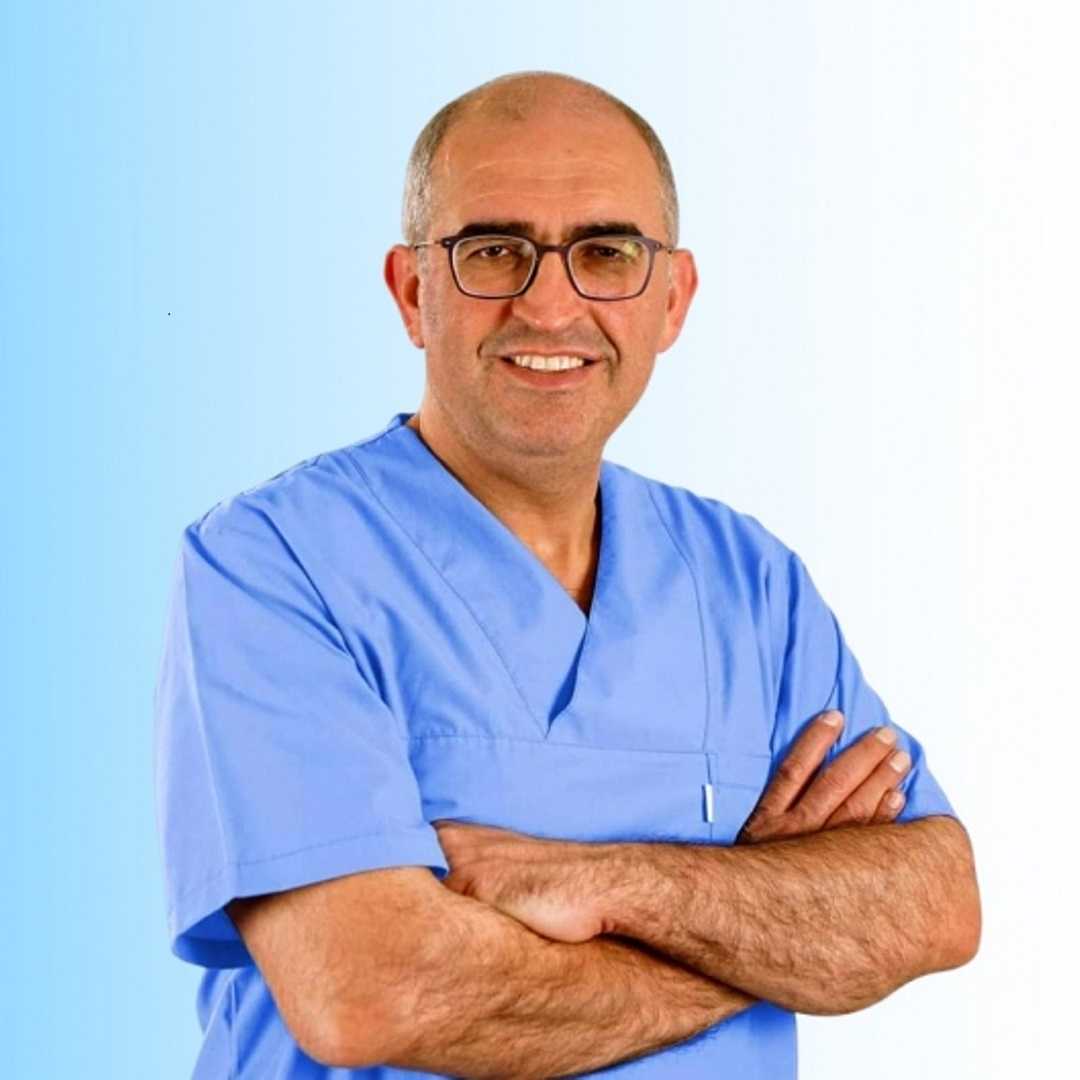
Op.Dr. Kayhan Turan
Turan Turan Robotic Surgery Center and Orthopedic Clinic
- Orthopedic surgeon
Istanbul, Turkey

Orthopedic Specialist in Turkey
International Multispecialty Hospital in Istanbul, Turkey
- Orthopedic Surgeon
Istanbul, Turkey
Turkey has rapidly transformed into a premier global hub for sports medicine and orthopedic surgery, drawing thousands of patients each year. The country perfectly blends advanced healthcare infrastructure with world-renowned hospitality, making the stress of undergoing surgery abroad much more manageable.
For patients traveling from the UK, Ireland, the Middle East, and North America, getting to Turkey is highly convenient. Major hubs like Istanbul, Ankara, and Antalya feature modern international airports with direct flights from most major European cities. Once you arrive, you will find that the medical tourism infrastructure is well-established. Private hospitals are highly accessible, and arranging comfortable transfers for someone traveling on crutches is standard practice.
Beyond the operating room, Turkey offers a peaceful environment for recovery. Many patients choose coastal cities like Antalya to recuperate in a mild, pleasant climate, or Istanbul for its top-tier university hospitals and rich cultural backdrop. Furthermore, English is widely spoken throughout the medical tourism sector, ensuring that communication with your surgical team and nurses remains clear and straightforward.
| Visa Requirements | Many Western countries can use Turkey's simple online e-Visa system. |
| Flight Duration | Approximately 4 hours from the UK; 10 to 12 hours from the US. |
| Local Currency | Turkish Lira (TRY), though clinics routinely accept USD, EUR, or GBP. |
| Best Time to Travel | Spring or Autumn for milder weather, which is ideal during your recovery phase. |
Dealing with a torn meniscus is frustrating enough without the added stress of navigating endless hospital waitlists or worrying about astronomical medical bills. Choosing to have your surgery in Turkey provides a reliable, affordable pathway back to a pain-free, active life. By taking the time to research your options, you can make an informed decision that prioritizes both your health and your finances.
PlacidWay is here to help simplify this process by connecting you with accredited orthopedic centers and verified surgeons. We can assist you in comparing comprehensive treatment packages, securing virtual consultations, and planning your medical journey with confidence. Take control of your knee health today by exploring the verified clinics available to you.
References
- Torn Meniscus Diagnosis & Treatment – Mayo Clinic
- Knee Arthroscopy Overview – American Academy of Orthopaedic Surgeons (AAOS)
- Traveler's Health: Turkey – Centers for Disease Control and Prevention (CDC)
- Arthroscopy Guide and Recovery – National Health Service (NHS)
- JCI Accredited Organizations Directory – Joint Commission International




















Share this listing