


Conteúdo
Recupere a função do seu joelho: Cirurgia de reparação do menisco na Turquia
Lidar com uma lesão no menisco pode limitar drasticamente suas atividades, transformando movimentos simples como agachar, girar ou caminhar em fontes de intenso desconforto. Se você está frustrado com as longas filas de espera para atendimento médico em seu país ou com os altos custos médicos, buscar tratamento no exterior é uma medida prática. É por isso que pacientes internacionais frequentemente optam pela cirurgia de menisco na Turquia . A combinação de tecnologia ortopédica avançada com um atendimento de custo acessível torna a Turquia um destino ideal para quem busca soluções confiáveis para o joelho no exterior.
Um procedimento típico de menisco tem um preço razoável, embora o orçamento final dependa se você precisa de uma meniscectomia parcial ou de uma reparação completa, além da clínica e da equipe cirúrgica escolhidas. No entanto, preço acessível nunca significa abrir mão da segurança. Ao pesquisar clínicas e hospitais, vá além dos sites promocionais e confirme se a clínica possui o licenciamento adequado junto às autoridades de saúde locais. Você também deve verificar as credenciais especializadas do cirurgião, sua experiência em artroscopia e sua formação profissional. Dedicar um tempo para avaliar suas opções garante uma jornada médica mais segura e bem-sucedida.
Principais conclusões
Organizar uma viagem médica por conta própria pode ser estressante, já que você precisa coordenar reservas de hotel, consultas médicas e transporte sozinho. Pacotes com tudo incluído simplificam completamente esse processo. Um pacote completo reúne suas taxas hospitalares, acomodações iniciais e transporte local em um plano transparente. Confira as opções abaixo para encontrar um pacote que atenda perfeitamente às suas necessidades de viagem e recuperação.

Price starting from $5,750
Arthroscopic Meniscus Repair Surgery Package in Istanbul, Turkey by Turan Turan
Turan Turan Robotic Surgery Center and Orthopedic Clinic in Turkey
- Orthopedic/Knee Surgery
Istanbul,Bursa, Turkey
A transparência é fundamental no planejamento de cuidados médicos. O tratamento de menisco na Turquia geralmente varia entre US$ 2.500 e US$ 5.000, dependendo da complexidade da lesão e da clínica escolhida, representando um grande contraste com os altos custos na América do Norte ou na Europa Ocidental. Essa variação decorre de diferenças econômicas regionais, e não de padrões clínicos comprometidos. Sempre confirme o que está incluído no seu orçamento, como anestesia e consultas de acompanhamento.
Meniscus Repair Comparação de custos de centros em Turkey
| Provedor | Procedimento | Preço |
|---|---|---|
| Turan Turan Robotic Surgery Center and Orthopedic Clinic in Turkey | Meniscus Repair, Orthopedic/Knee Surgery | $5700 |
Meniscus Repair Comparação de custos em Turkey
| País | Procedimento | Preço |
|---|---|---|
| United States | Meniscus Repair, Orthopedic/Knee Surgery | $30000 |
Escolher a clínica certa envolve ir além de fachadas modernas ou folhetos promocionais. Um atendimento ortopédico eficaz exige altos padrões de esterilidade, equipamentos artroscópicos dedicados e protocolos de segurança rigorosos. Concentre-se em critérios mensuráveis: verifique padrões internacionais, como a certificação JCI, e informe-se sobre a disponibilidade de enfermarias de recuperação especializadas. Navegue pelos perfis das clínicas abaixo para examinar as credenciais das instalações e selecione um ambiente onde você se sinta seguro.

Turan Turan Robotic Surgery Center and Orthopedic Clinic in Turkey
Istanbul,Bursa, Turkey

Medical Park Hospitals Group in Istanbul, Turkey
Istanbul, Turkey
Ler descrições em texto muitas vezes não é suficiente para aliviar completamente a ansiedade pré-operatória. Assistir a relatos de pacientes reais, visitas virtuais à clínica e entrevistas com especialistas ajuda a desmistificar todo o procedimento. Ver espaços de reabilitação e ouvir a equipe médica diminui a distância entre a expectativa e a realidade. Reserve um momento para explorar os vídeos abaixo e obter uma perspectiva honesta sobre o que lhe espera.

Nada fala mais alto do que o feedback autêntico de pessoas que concluíram com sucesso sua jornada de recuperação no exterior. Ex-pacientes entendem os desafios físicos e a dedicação necessários durante a reabilitação. Ler sobre suas interações diretas com as equipes de enfermagem e fisioterapeutas oferece informações valiosas. Explore os depoimentos abaixo para conhecer os resultados pessoais de cada um e tomar uma decisão bem informada.

How much does Meniscus Repair cost in Turkey?
Suffering from a torn meniscus can be a painful and debilitating experience, putting a major brake on your active lifestyle. Fortunately, effective surgical options exist. Meniscus repair cost in Turkey is significantly lower than in many Western countries, making it an increasingly popular choice for patients worldwide seeking high-quality, affordable care. This procedure, aimed at preserving the knee's natural shock absorber, not only alleviates pain but also helps prevent future complications like arthritis. If you're considering this surgery, understanding the costs, procedures, and what to expect is crucial. Turkey offers a compelling combination of experienced orthopedic surgeons, modern medical facilities, and all-inclusive packages that simplify the entire medical journey. This guide will walk you through everything you need to know about getting a meniscus repair in Turkey, from the initial price tag to the recovery process, helping you make an informed decision about your knee health. How much does a meniscus repair cost in Turkey? "The average meniscus repair cost in Turkey typically ranges from $2,500 to $5,500. However, prices can go up to $7,200 depending on the complexity of the tear, the surgeon's experience, the hospital's reputation, and the specifics of the treatment package." This price range is significantly more affordable compared to countries like the US or the UK, where the same procedure can cost two to three times as much. The lower cost in Turkey does not imply a compromise on quality. The affordability is due to the country's lower cost of living, favorable exchange rates, and government support for the medical tourism sector. Many Turkish hospitals offer all-inclusive packages designed for international patients. These packages often bundle all necessary services into a single price, providing transparency and eliminating hidden fees. This makes financial planning much more straightforward for patients traveling from abroad for their knee surgery in Turkey. What factors influence the final cost of meniscus surgery in Turkey? "Several key factors determine the final cost, including the specific type of surgery (repair vs. partial meniscectomy), the surgeon's and hospital's prestige, the city where the procedure is performed, and whether an all-inclusive package is chosen." Understanding these variables can help you better estimate your total expenses. Here’s a breakdown: Type of Surgery: A full meniscus repair, which involves suturing the torn cartilage, can be more complex and thus more expensive than a partial meniscectomy, where the damaged part of the meniscus is removed. The decision between these procedures depends on the tear's location, size, and pattern. Surgeon and Hospital Choice: Highly experienced surgeons with international acclaim and JCI-accredited hospitals with state-of-the-art technology may charge more for their services. Cities like Istanbul and Ankara have a higher concentration of these premier facilities. Complexity of the Case: A simple, small tear will naturally cost less to repair than a complex tear that might be combined with other ligament injuries, such as an ACL tear. Package Inclusions: The scope of the all-inclusive package affects the price. Basic packages cover the surgery and hospital stay, while comprehensive ones might add luxury accommodation, dedicated translators, and post-operative physical therapy sessions. What is typically included in a meniscus repair package in Turkey? "Most all-inclusive meniscus repair packages in Turkey include the surgeon and anesthesia fees, one to two nights of hospital stay, pre-operative consultations and diagnostic tests (like MRI), post-operative medications, and all airport, hotel, and hospital transfers." These packages are designed to provide a seamless and stress-free experience for medical tourists. When you opt for a package, you can generally expect it to cover all the essential medical costs associated with the procedure. This transparency is a major advantage of seeking orthopedic surgery in Turkey. However, it's crucial to confirm what's not included. Typically, packages do not cover the cost of your flights to and from Turkey, your visa (if required), or expenses for any tourism or personal activities. Some packages may also exclude the cost of extended hospital stays or treatment for unforeseen complications, so it's vital to clarify these details with your chosen clinic beforehand. Why is meniscus repair in Turkey so affordable? "The affordability of meniscus repair in Turkey is due to the country's lower operational and labor costs, a favorable currency exchange rate for international patients, and strong government incentives that support the medical tourism industry, not a lower standard of care." Many people wonder if the lower price indicates lower quality, but this is a common misconception. Turkish orthopedic hospitals are known for their high standards, with many holding international accreditations like JCI (Joint Commission International). They are equipped with the latest medical technologies, and surgeons are often trained in Europe and the United States. The economic structure of the country allows for these competitive prices. The cost of medical education, staff salaries, and facility maintenance is less expensive than in North America or Western Europe. This economic advantage is passed on to patients, making medical tourism in Turkey a financially smart choice for high-quality healthcare. What is the difference between meniscus repair and meniscectomy? "A meniscus repair involves suturing the torn pieces of the meniscus back together to preserve the tissue, while a meniscectomy involves surgically removing the damaged portion of the meniscus. Repair is generally preferred for long-term knee health." The primary goal of a meniscus repair is to save the meniscus. This is important because the meniscus acts as a crucial shock absorber and stabilizer for the knee joint. Preserving it helps to reduce the risk of developing osteoarthritis later in life. This procedure is typically possible when the tear is in the outer portion of the meniscus (the "red zone"), which has a good blood supply necessary for healing. A meniscectomy, on the other hand, is performed when the tear is in the inner "white zone" with poor blood supply, making healing unlikely. While a meniscectomy can provide quicker initial pain relief and a faster recovery, the removal of knee cartilage can increase long-term stress on the joint. Your surgeon will determine the best approach based on an MRI and an arthroscopic evaluation during surgery. What is the success rate for meniscus repair in Turkey? "The success rate for arthroscopic meniscus repair in Turkey is very high, generally reported to be between 85% and 90%. This rate is on par with leading hospitals in Europe and the United States." This high success rate is attributed to several factors. Turkish orthopedic surgeons are highly skilled and perform a large volume of these surgeries, leading to greater expertise. The use of advanced arthroscopic techniques, which are minimally invasive, also contributes to better outcomes, less scarring, and faster recovery times. Furthermore, success is also dependent on the patient. Adhering strictly to the post-operative rehabilitation protocol, including physical therapy and activity restrictions, is critical for the repaired meniscus to heal properly and ensure a successful long-term result. How do I choose the best surgeon and hospital in Turkey? "To choose the best surgeon, look for board-certified orthopedic specialists with extensive experience in arthroscopic knee surgery. For hospitals, prioritize those with international accreditations, such as JCI, and positive reviews from previous international patients." Doing your research is paramount. Look for surgeon profiles that detail their educational background, years of experience, and any specializations in sports medicine or knee surgery. Many hospitals provide this information on their websites. Patient testimonials and before-and-after stories can also provide valuable insight into the patient experience. Consider working with a reputable medical tourism facilitator like PlacidWay. These agencies have already vetted numerous hospitals and surgeons, and they can connect you with the best options based on your specific needs and budget. They assist with everything from medical record reviews to travel logistics, making the process much smoother. What does the meniscus repair procedure involve? "Meniscus repair is a minimally invasive procedure performed arthroscopically. The surgeon makes small incisions around the knee, inserts a tiny camera (arthroscope) to view the joint, and uses specialized instruments to suture the torn meniscus." The surgery is typically performed under general or spinal anesthesia and usually takes about one to two hours. The arthroscopic approach means less pain, minimal scarring, and a quicker recovery compared to traditional open surgery. The surgeon visualizes the inside of your knee on a high-definition monitor, allowing for precise placement of sutures or other fixation devices to hold the torn tissue together while it heals. After the sutures are in place, the instruments are removed, and the small incisions are closed. You will wake up in a recovery room with your knee bandaged and likely in a brace to keep it stable. How long does recovery take after meniscus repair? "Full recovery from a meniscus repair can take between three to six months. Patients typically use crutches for four to six weeks to avoid putting weight on the knee, and a knee brace is worn to protect the healing tissue." The recovery timeline is phased and requires patience. The initial weeks are focused on controlling pain and swelling while allowing the meniscus to begin healing. You will be on crutches and your range of motion will be restricted. Physical therapy is a cornerstone of recovery and often begins shortly after surgery. As healing progresses, your physical therapist will guide you through exercises to gradually restore your knee's range of motion, strength, and stability. A return to desk work may be possible within a couple of weeks, but returning to sports or physically demanding activities will take several months and requires clearance from your surgeon. How long should I plan to stay in Turkey? "Patients undergoing meniscus repair surgery in Turkey should plan to stay in the country for approximately 10 to 14 days. This allows for the pre-operative consultation, the surgery itself, a brief hospital stay, and initial post-operative check-ups." This timeframe ensures that your surgeon can monitor your initial recovery and address any immediate concerns before you fly home. The first follow-up appointment usually occurs a few days after you are discharged from the hospital. Your medical team will provide you with a comprehensive rehabilitation plan and all necessary medical documents to continue your care with a physical therapist in your home country. Many Turkish clinics also offer remote follow-up consultations to check on your long-term progress. What are the risks associated with meniscus repair surgery? "Like any surgery, meniscus repair has potential risks, including infection, blood clots, stiffness in the knee, nerve or blood vessel damage, and failure of the repair to heal. However, these complications are rare, especially when the procedure is performed by an experienced surgeon." Choosing a high-quality, accredited hospital significantly minimizes these risks. The medical team will take every precaution, such as administering antibiotics to prevent infection and advising on exercises to prevent blood clots. The most common "risk" is that the meniscus fails to heal, which can occur in 10-20% of cases, particularly in older patients or with more complex tears. In such instances, a second procedure, usually a partial meniscectomy, may be required. Discussing these potential outcomes with your surgeon is an important part of the consent process. Is meniscus repair surgery painful? "You will not feel pain during the surgery due to anesthesia. Post-operative pain is expected but is well-managed with prescribed pain medication. The pain typically subsides significantly within the first week." The initial discomfort after surgery is a normal part of the healing process. The medical staff will ensure you are comfortable during your hospital stay. You will be sent home with a prescription for pain relievers to manage any pain in the following days. Using ice packs on the knee for 15-20 minutes several times a day is also highly effective at reducing both pain and swelling, especially in the first 48 hours after the procedure. As you recover and the swelling goes down, the pain will steadily decrease. Ready to take the next step toward a pain-free knee? Explore your options for affordable, high-quality meniscus repair and other orthopedic treatments abroad. Contact PlacidWay today to get a personalized quote and connect with world-class medical providers in Turkey!
How Much Does Meniscus Surgery Cost Without Insurance?
Meniscus surgery cost without insurance in the United States typically ranges from about $5,000 to $12,000 for an uncomplicated outpatient arthroscopy, although published cash prices can vary significantly by provider and procedure. Key Takeaways Meniscus surgery costs vary widely based on whether the procedure is a partial meniscectomy or a complex repair. Uninsured domestic costs in North America can exceed $10,000 when factoring in facility and anesthesia fees. International medical destinations provide structured packages that lower out-of-pocket expenses significantly. Preoperative MRIs, surgeon consultation fees, and physical therapy are often separate line items. Planning for recovery lodging and safe travel timelines is crucial for medical tourists. What are the primary cost components of meniscus surgery without insurance? Understanding the financial breakdown requires examining individual medical fees, including surgeon charges, operating room utilization, anesthesia administration, and necessary diagnostic imaging. When paying out-of-pocket without health insurance, patients receive separate bills from various entities involved in their care. The primary surgeon's fee covers the professional labor of performing the arthroscopic intervention. Operating room charges encompass sterile equipment, disposable arthroscopic blades, camera systems, and specialized nursing support. Anesthesia expenses depend on whether the operation utilizes general anesthesia or regional nerve blocks combined with sedation. Additionally, patients must account for preoperative diagnostics like MRI scans and blood panels required to clear them for safe procedural intervention. Postoperative medications and bracing equipment add to the total financial commitment. Comparing domestic pricing models with international options reveals substantial differences in billing structures. Many international hospitals bundle these distinct charges into a single comprehensive estimate, making financial planning more predictable for uninsured patients seeking orthopedic care abroad. Expense Category Domestic Estimate (Uninsured) International Estimate Surgeon & Anesthesia Fees $4,000 – $7,000 $1,500 – $3,000 Facility & Operating Room $3,000 – $6,000 $1,000 – $2,500 Diagnostics & Follow-up $1,000 – $2,500 $300 – $800 How does procedure type affect meniscus surgery cost without insurance? The specific surgical approach required to treat a torn meniscus directly impacts total expenditures. A partial meniscectomy differs significantly in surgical complexity and rehabilitation cost from a meniscus repair. A partial meniscectomy involves trimming and smoothing out the torn, non-healable portion of the cartilage. Because this procedure requires less operative time and simpler instrumentation, it is generally less expensive. Patients can often bear weight relatively quickly, reducing immediate postoperative care expenses. Conversely, a meniscus repair aims to suture and preserve the torn tissue, particularly when the tear occurs in a zone with good blood supply. This technique demands greater technical precision, specialized fixation devices, and a prolonged rehabilitation schedule, which collectively raise the overall cost of treatment. Choosing between these options depends on tear location, patient age, and activity level. Uninsured patients must discuss these procedural distinctions with their orthopedic specialist to understand how each approach alters the anticipated financial investment. Expert Insight Always request a comprehensive, itemized estimate that explicitly states whether surgical fixation devices, hardware, or overnight facility fees are included in the initial quote. What are the advantages of international medical travel for knee arthroscopy? Traveling abroad for orthopedic procedures provides uninsured patients with access to accredited medical facilities, experienced specialists, and significant cost savings without sacrificing clinical quality. Many global medical destinations feature state-of-the-art hospitals equipped with advanced arthroscopic imaging and surgical technology. Leading orthopedic surgeons in these regions frequently complete specialized fellowships internationally, bringing standardized best practices to their practice environments. International patient departments streamline the administrative process by coordinating airport transfers, hotel accommodations, and translation services. This holistic support system helps reduce the logistical stress typically associated with scheduling major medical procedures independently. Despite these benefits, medical tourists must carefully factor in travel expenses, recovery lodging costs, and the requirement for post-travel rehabilitation when calculating their total out-of-pocket budget. What factors should guide the selection of an international orthopedic clinic? Selecting an appropriate overseas medical provider requires rigorous verification of hospital accreditations, surgeon credentials, infection control standards, and postoperative patient support protocols. Verify international healthcare accreditations, such as Joint Commission International certification, to ensure adherence to global safety standards. Review the operating surgeon's formal medical licensure, specialized board certifications, and annual case volume for arthroscopic knee procedures. Inspect facility resources, including dedicated orthopedic surgical suites, sterile processing protocols, and on-site physical therapy departments. Confirm that the hospital utilizes internationally recognized medical devices and FDA-cleared or CE-marked fixation materials. Evaluate patient communication policies to ensure clear, transparent discussions regarding informed consent and complication management. How does recovery and physical therapy impact overall treatment expenses? Rehabilitation is a vital component of successful meniscus surgery. Uninsured patients must factor ongoing physical therapy sessions and assistive device costs into their total financial planning. Following arthroscopic intervention, structured physical therapy is essential to restore joint range of motion, strengthen quadriceps muscles, and ensure proper biomechanical recovery. Depending on whether the patient underwent a meniscectomy or a complex repair, rehabilitation can span from several weeks to multiple months. Outpatient physical therapy visits can accumulate substantial out-of-pocket expenses when paying without insurance coverage. Patients choosing to travel abroad should clarify whether initial rehabilitation sessions are included in their medical package and arrange for a local physical therapist to manage their ongoing care upon returning home. Neglecting structured rehabilitation to save money often leads to prolonged joint stiffness, muscle atrophy, and compromised surgical outcomes. Budgeting adequately for physical therapy protects both your physical health and your financial investment. Did You Know? Arthroscopic knee surgery is among the most frequently performed orthopedic procedures globally, utilizing tiny fiber-optic cameras and specialized miniature instruments inserted through small incisions. What are the potential risks and complications of meniscus surgery? Like all surgical interventions, knee arthroscopy carries inherent medical risks. Uninsured patients must understand these potential complications to ensure they can afford necessary follow-up care if issues arise. Infection at the surgical incision site or within the joint capsule represents a primary concern requiring prompt antibiotic treatment or secondary washout procedures. Blood clots, such as deep vein thrombosis, can develop during immobilization and demand strict adherence to preventive protocols. Other possible complications include localized nerve irritation, persistent joint stiffness, hemarthrosis (bleeding inside the joint), and incomplete pain relief if underlying degenerative joint disease is present. Discussing these risks thoroughly with your surgeon helps establish realistic expectations. Medical tourists must secure comprehensive travel medical insurance that specifically covers potential orthopedic complications and emergency repatriations, ensuring financial protection against unexpected medical events. How should patients prepare for safe post-surgical travel? Patients undergoing surgery away from home must plan their travel timelines carefully. Long-distance flights immediately following orthopedic procedures create severe vascular risks that require strict medical precautions. Medical guidelines strictly prohibit long-haul air travel immediately after knee surgery due to the elevated risk of deep vein thrombosis and pulmonary embolism caused by cabin pressure changes and prolonged immobility. Patients generally need to remain near the surgical center for one to two weeks. Before boarding a return flight, the operating surgeon must conduct a thorough physical examination to provide official medical clearance. Travelers should request aisle seating to allow frequent leg extension, wear prescribed compression stockings, and maintain adequate hydration throughout the journey. Coordinating with a local physician or physical therapist in your home country before departure ensures seamless continuity of care as soon as you arrive home, facilitating a safer and more controlled rehabilitation process. Why Choose PlacidWay? Navigating international healthcare options can be complex without objective information. PlacidWay connects individuals with structured resources to compare global medical providers effectively. Access comprehensive directories of accredited hospitals and orthopedic specialty centers worldwide. Compare estimated pricing structures across different international destinations to evaluate healthcare budgets responsibly. Connect directly with international patient coordinators to ask clinical questions and request detailed treatment itineraries. Review educational resources regarding medical travel planning, facility standards, and postoperative recovery guidelines. Explore flexible healthcare options tailored to uninsured patients seeking high-quality orthopedic solutions. Frequently Asked Questions What factors influence the total cost of meniscus surgery without insurance? The total expense depends heavily on the chosen country, hospital facility fees, surgeon expertise, anesthesia type, and whether the procedure involves a meniscus repair or a partial meniscectomy. Additional charges often include preoperative diagnostic imaging such as MRIs and postoperative physical therapy sessions. Is arthroscopic meniscus surgery performed as an outpatient procedure? Yes, arthroscopic meniscus surgery is typically performed on an outpatient basis. Patients generally return home or to their recovery accommodation a few hours after the operation concludes, provided they recover smoothly from anesthesia and can walk with assistive devices safely. How long is the typical physical therapy recovery period after meniscus repair? Recovery timelines vary based on the specific surgical technique used. A partial meniscectomy may require a few weeks of light rehabilitation, whereas a meniscus repair often necessitates four to six months of structured physical therapy to protect the healing tissue. Can I fly internationally immediately following knee arthroscopy? Medical guidelines strictly advise against taking long-haul flights immediately after orthopedic surgery due to the elevated risk of deep vein thrombosis. Patients typically need to remain near the surgical center for at least one to two weeks before receiving travel clearance. Are surgical implants or hardware routinely used in meniscus operations? While a partial meniscectomy involves trimming damaged tissue without leaving hardware behind, a meniscus repair often utilizes specialized bioabsorbable sutures, arrows, or small darts to anchor and stabilize the torn meniscus edges together. What diagnostic imaging is required before scheduling meniscus surgery? Surgeons typically require high-resolution Magnetic Resonance Imaging scans to visualize the exact location, pattern, and severity of the tear within the cartilage. Standard X-rays may also be ordered to evaluate overall joint alignment and check for arthritis. Do international medical packages include postoperative rehabilitation? Initial inpatient physical therapy and immediate postoperative check-ups are frequently bundled into international surgical packages. However, extended outpatient rehabilitation sessions required after returning home usually necessitate separate financial planning. What are the primary risks associated with arthroscopic meniscus procedures? Inherent surgical risks include localized infection, blood clots, persistent stiffness, nerve irritation around the incision sites, and potential damage to surrounding cartilage or ligaments within the knee joint capsule. How do I verify the credentials of an international orthopedic surgeon? Patients should verify professional credentials by reviewing official government medical registries, checking specialized fellowship training in arthroscopic surgery, and confirming that the operating facility holds recognized international healthcare accreditations. What lifestyle modifications are necessary during early meniscus recovery? Early recovery requires strict adherence to weight-bearing restrictions, regular elevation of the leg to minimize swelling, consistent use of ice therapy, and dedicated performance of prescribed home exercises to restore full knee extension. Compare Your Orthopedic Treatment Options Review accredited facilities, compare estimates, and connect with medical providers to make an informed decision regarding your healthcare journey. Request Treatment Information References Arthroscopic Surgery – American Academy of Orthopaedic Surgeons Meniscus Surgery Overview – Mayo Clinic Venous Thromboembolism and Travel – Centers for Disease Control and Prevention Patient Safety and Quality Care – World Health Organization International Healthcare Accreditation Standards – ISQua Planning for Joint Surgery Abroad – Arthritis Foundation
What Is The Recovery Time For Arthroscopic Meniscus Repair In Turkey?
The typical recovery time for arthroscopic meniscus repair in Turkey ranges from 3 to 6 months, though full return to strenuous activities might take up to 9 months, depending on the tear's severity, individual healing, and adherence to rehabilitation protocols. Considering arthroscopic meniscus repair in Turkey? It's a choice many individuals make for high-quality care at competitive prices, especially when dealing with the discomfort and limitations of a meniscal tear. Understanding the recovery time for this procedure is crucial for planning your treatment journey, whether you're a local resident or traveling for medical tourism. Generally, the recovery period for an arthroscopic meniscus repair can span several months, involving distinct phases of healing and rehabilitation. While the immediate post-operative period focuses on pain management and protecting the repair, the subsequent months are dedicated to restoring strength, flexibility, and full function. This comprehensive guide will walk you through what to expect, from the initial days after surgery to your complete return to daily activities and sports. What is the typical recovery timeline after arthroscopic meniscus repair? "The typical recovery timeline for arthroscopic meniscus repair involves several phases: immediate post-op (weeks 1-2), early rehabilitation (weeks 3-6), progressive strengthening (months 2-4), and return to activity (months 4-9)." Recovering from an arthroscopic meniscus repair is not a sprint but a marathon. The entire journey is structured into different phases, each with specific goals to ensure the best possible outcome for your knee. While individual healing rates vary, the general timeline provides a framework for what to expect. Immediately after the surgery, the focus is on protecting the repair and managing pain and swelling. You will likely use crutches and a brace to limit weight-bearing and knee movement. As healing progresses, you'll gradually introduce more weight-bearing and begin gentle range-of-motion exercises under the guidance of a physiotherapist. The later stages involve advanced strengthening and agility training, preparing your knee for the demands of daily life and any desired sports activities. What are the different phases of recovery after meniscus repair? "Recovery from meniscus repair typically includes three main phases: the protective phase (0-6 weeks), the strengthening phase (6-16 weeks), and the return-to-activity phase (4-9 months), each with specific goals and exercises." Understanding the distinct phases of recovery can help you manage expectations and stay committed to your rehabilitation program. Each phase builds upon the previous one, ensuring a gradual and safe return to full function. Here’s a general breakdown of the phases: Phase 1: Protective Phase (Weeks 0-6): Goals: Reduce pain and swelling, protect the repair, restore limited knee extension/flexion. Activities: Non-weight bearing or partial weight-bearing with crutches, knee brace, gentle passive range-of-motion exercises. Phase 2: Strengthening Phase (Weeks 6-16): Goals: Gradually increase weight-bearing, improve full range of motion, begin strengthening knee and thigh muscles. Activities: Progress from crutches to full weight-bearing, stationary cycling, light resistance exercises, proprioception training. Phase 3: Return-to-Activity Phase (Months 4-9): Goals: Restore full strength, power, endurance, and agility for daily activities and sport-specific movements. Activities: Advanced strength training, plyometrics, sport-specific drills, gradual return to running and jumping activities. What should I expect immediately after arthroscopic meniscus repair in Turkey? "Immediately after arthroscopic meniscus repair in Turkey, you can expect some pain and swelling, a knee brace, crutches for support, and initial instructions on pain management and gentle movements before returning to your accommodation." The first few hours and days after your meniscus repair are crucial for setting the stage for a smooth recovery. Turkish clinics are well-versed in post-operative care, ensuring you receive thorough instructions before discharge. You will likely wake up with your leg in a brace, set to limit movement, and will be provided with crutches to avoid putting full weight on your knee. Pain medication will be prescribed to manage discomfort, and you'll be advised on how to use ice packs and elevate your leg to control swelling. Most patients are discharged the same day or the following morning, ready to begin their initial recovery at their accommodation. What kind of rehabilitation exercises are involved in meniscus repair recovery? "Rehabilitation exercises after meniscus repair start with gentle range of motion, progress to quadriceps and hamstring strengthening, and eventually include balance, agility, and functional training to restore full knee function." Physical therapy is the cornerstone of successful meniscus repair recovery. Your physiotherapist will design a personalized program that evolves as your healing progresses, ensuring you safely regain strength and mobility. Early exercises focus on gentle knee flexion and extension, often passive, to prevent stiffness. As you move into later phases, exercises will include: Strengthening: Quadriceps sets, straight leg raises, hamstring curls, calf raises, wall squats, leg presses. Flexibility: Heel slides, prone hangs, gentle stretching. Balance and Proprioception: Single-leg standing, wobble board exercises. Functional Training: Step-ups, lunges, shuttle runs, agility drills (in later stages). Consistency and adherence to the prescribed exercises are vital for optimal recovery and preventing re-injury. When can I return to daily activities and sports after meniscus repair? "Return to daily activities like walking without crutches typically happens by 6 weeks, while light recreational activities might be possible around 3-4 months. High-impact sports often require 6-9 months of recovery after meniscus repair." The timeline for returning to activities depends heavily on the extent of your repair, your adherence to rehab, and the specific demands of the activity. It's essential to follow your surgeon and physiotherapist's advice to prevent setbacks. A general guide for returning to activities: Activity Approximate Timeline Walking without crutches 4-6 weeks Sedentary work/school 2-4 weeks (if mobility allows) Light exercise (stationary bike, swimming) 8-12 weeks Jogging/Running 4-6 months (gradual progression) High-impact sports (soccer, basketball) 6-9 months (after passing functional tests) Your surgeon will provide specific clearance based on your individual recovery progress. How is pain managed during recovery from meniscus repair? "Pain management after meniscus repair typically involves prescription pain medication initially, followed by over-the-counter options, along with RICE therapy (Rest, Ice, Compression, Elevation) and physical therapy to reduce discomfort." Managing pain effectively is key to a comfortable recovery and enables you to participate in rehabilitation exercises. Your medical team in Turkey will ensure you have a clear plan for pain control. Post-operatively, you'll receive prescriptions for pain relievers, often including a short course of stronger medication, followed by recommendations for over-the-counter options like ibuprofen or acetaminophen. Alongside medication, non-pharmacological methods are highly effective: Rest: Avoid activities that aggravate your knee. Ice: Apply ice packs for 15-20 minutes several times a day to reduce swelling and numb the area. Compression: A compression bandage or sleeve can help control swelling. Elevation: Keep your leg elevated above heart level, especially during the first few days, to minimize swelling. Open communication with your medical team about your pain levels is essential to ensure adequate relief. Why choose Turkey for arthroscopic meniscus repair and recovery? "Turkey is a popular choice for arthroscopic meniscus repair due to its high-quality medical facilities, experienced orthopedic surgeons, cost-effectiveness compared to many Western countries, and excellent medical tourism infrastructure." Turkey has rapidly emerged as a leading destination for medical tourism, attracting patients from around the globe for various procedures, including orthopedic surgeries like meniscus repair. Several factors contribute to its appeal: Meniscus repair hospitals in Turkey are often equipped with state-of-the-art technology and adhere to international healthcare standards, with many holding international accreditations. The orthopedic surgeons are highly trained, many with international experience, offering expertise in advanced arthroscopic techniques. Furthermore, the overall cost of treatment, including surgery, hospital stay, and rehabilitation, is significantly lower than in many Western European countries or North America, without compromising on quality of care. Beyond the medical aspect, Turkey offers a supportive environment for recovery. Patients can enjoy a relaxing post-operative period in a new setting, with many clinics offering comprehensive packages that include accommodation, airport transfers, and interpreter services, making the entire experience smoother for international patients. What are the cost considerations for meniscus repair in Turkey compared to other countries? "The cost of arthroscopic meniscus repair in Turkey typically ranges from $2,500 to $6,000, which is considerably lower than the $7,000 to $20,000 or more often seen in the USA or Western Europe, making it a cost-effective option for many." One of the primary drivers for medical tourism to Turkey is the significant cost savings available for various medical procedures. This holds true for arthroscopic meniscus repair, where the total expenditure can be a fraction of what it would be in other developed nations. The cost difference stems from various factors, including lower operational costs, differing insurance structures, and government support for the healthcare sector. Patients often find that even when factoring in travel and accommodation, the total cost remains highly competitive. However, it's important to remember that exact prices can vary based on the complexity of the tear, the specific clinic, the surgeon's fees, and whether the package includes post-operative physiotherapy. How can I prepare for meniscus repair surgery and recovery abroad in Turkey? "Preparing for meniscus repair and recovery in Turkey involves selecting a reputable clinic, arranging travel and accommodation, understanding post-operative care plans, and ensuring you have support for rehabilitation once you return home." Undergoing surgery in a foreign country requires careful planning to ensure a smooth and stress-free experience. Turkish medical tourism facilitators often assist with these arrangements. Key preparation steps include: Research and Selection: Choose an accredited clinic and an experienced orthopedic surgeon. Read reviews and consider packages that cater to international patients. Travel Logistics: Book flights and accommodation. Many clinics offer assistance with transfers and lodging that is convenient for post-operative rest. Pre-operative Consultations: Share your medical history and imaging results remotely. Clarify all aspects of the procedure, expected recovery time in Turkey, and aftercare. Post-operative Plan: Understand your immediate post-op care, including medication, brace usage, and initial physiotherapy. Plan for your continued rehabilitation once you return home, ensuring you have a local physiotherapist lined up. Communication: Ensure language will not be a barrier; many Turkish clinics provide English-speaking staff or interpreters. What are potential complications of meniscus repair and how are they managed in Turkey? "Potential complications of meniscus repair, though rare, include infection, stiffness, re-tear, or nerve damage. Turkish clinics follow strict protocols for sterilization and post-operative monitoring to minimize risks and ensure prompt management if issues arise." While arthroscopic meniscus repair is generally safe and effective, as with any surgery, there are potential risks. Turkish medical facilities adhere to high standards of care to minimize these complications. Common potential complications include: Infection: Managed with antibiotics and strict sterile techniques during surgery. Stiffness (Arthrofibrosis): Prevented through early, guided rehabilitation exercises. Re-tear of the meniscus: A risk, especially if rehabilitation protocols are not followed or return to activity is too rapid. Nerve or Blood Vessel Damage: Very rare due to the minimally invasive nature of arthroscopic surgery. Blood Clots: Prevented with early mobilization and, in some cases, blood-thinning medication. High-quality Turkish clinics have robust protocols in place for monitoring patients post-operatively and for addressing any complications promptly, often providing clear channels for communication even after you have returned home. Ready to explore your options for arthroscopic meniscus repair and other healthcare services? Visit PlacidWay to connect with leading medical facilities and learn more about tailored treatment plans.
Which Clinics Offer Minimally Invasive Meniscus Repair In Istanbul Turkey?
Istanbul, Turkey, is home to numerous internationally accredited hospitals and specialized orthopedic clinics that proficiently offer minimally invasive meniscus repair procedures. These facilities are equipped with modern technology and staffed by highly experienced orthopedic surgeons, attracting patients seeking quality care at competitive prices. If you're experiencing knee pain due to a meniscus tear, the thought of surgery can be daunting. Fortunately, advancements in medical technology mean that many meniscus injuries can now be treated with minimally invasive techniques, leading to faster recovery times and less discomfort. Istanbul, Turkey, has emerged as a leading destination for orthopedic procedures, including specialized meniscus repair, drawing patients from all over the world. This vibrant city combines cutting-edge medical facilities with a rich cultural experience, making it an attractive option for those seeking high-quality healthcare. When considering minimally invasive meniscus repair in Istanbul, it's natural to have many questions, especially about where to find the best care and what the process entails. The city's healthcare infrastructure boasts a wide array of hospitals and clinics renowned for their expertise in arthroscopic knee surgeries. These institutions frequently use state-of-the-art equipment and follow international medical standards, ensuring patients receive excellent treatment for their meniscus injuries. Whether you're looking for advanced surgical techniques, experienced specialists, or a comprehensive recovery plan, Istanbul offers a compelling choice for your orthopedic needs. What is Minimally Invasive Meniscus Repair? Minimally invasive meniscus repair is a surgical procedure, typically arthroscopic, that involves making small incisions to repair a torn meniscus using specialized instruments and a camera, avoiding large open cuts. Minimally invasive meniscus repair primarily refers to arthroscopic surgery, a technique that has revolutionized orthopedic treatments. Instead of making a large incision to open the knee joint, surgeons use a tiny camera, called an arthroscope, and small instruments inserted through several small incisions, often no larger than a buttonhole. This approach allows the surgeon to visualize the inside of the knee joint on a monitor and perform the repair with precision. The goal is to stitch the torn parts of the meniscus back together, promoting healing and restoring knee function. The meniscus itself is a C-shaped piece of cartilage that acts as a shock absorber between your shinbone and thighbone. Tears can occur due to sudden twisting movements, direct impact, or degenerative changes over time. Minimally invasive techniques are preferred because they reduce trauma to surrounding tissues, resulting in less pain, reduced scarring, and a quicker return to normal activities compared to traditional open surgery. This approach focuses on preserving as much of the natural meniscus tissue as possible, which is crucial for long-term knee health. Which Clinics Offer Minimally Invasive Meniscus Repair in Istanbul, Turkey? Numerous JCI-accredited hospitals and specialized orthopedic centers in Istanbul, Turkey, offer minimally invasive meniscus repair, known for their advanced facilities, expert surgeons, and patient-centric care. Istanbul is a hub for medical tourism, and its healthcare landscape includes many high-quality facilities offering minimally invasive meniscus repair. These institutions often boast international accreditations, such as those from the Joint Commission International (JCI), which signifies adherence to rigorous international standards for patient safety and quality of care. Patients can find top-tier orthopedic departments within large hospital groups that are well-versed in handling complex knee injuries. These orthopedic hospitals typically provide a comprehensive suite of services, from initial diagnosis using advanced imaging like MRI, through the surgical procedure itself, and into post-operative rehabilitation. They are staffed by orthopedic surgeons who specialize in sports medicine and arthroscopic surgery, ensuring that patients receive care from highly qualified professionals. When researching, focus on facilities that highlight their orthopedic surgery departments, their use of modern arthroscopic equipment, and their commitment to personalized patient care pathways for minimally invasive meniscus repair. What are the Benefits of Choosing Istanbul for Meniscus Repair? Choosing Istanbul for meniscus repair offers significant benefits including highly competitive costs, access to internationally accredited medical facilities, experienced orthopedic surgeons, and a high standard of patient care. Istanbul has solidified its reputation as a premier destination for medical tourism, particularly for orthopedic procedures like minimally invasive meniscus repair. One of the most compelling advantages is the cost-effectiveness. Patients can often receive treatment that is on par with, or even exceeds, the quality found in Western countries, but at a fraction of the price. This affordability does not come at the expense of quality; instead, it reflects different economic structures and healthcare systems. Beyond cost, Istanbul’s medical infrastructure is impressive. Many hospitals are modern, state-of-the-art facilities equipped with the latest surgical technology and staffed by internationally trained surgeons and medical professionals. The emphasis on patient experience is also notable, with many clinics offering comprehensive packages that include accommodation, transfers, and language support, making the entire journey smoother for international patients. Furthermore, the opportunity to recover in a culturally rich and beautiful city adds an appealing dimension to the medical travel experience. How Much Does Minimally Invasive Meniscus Repair Cost in Istanbul? The cost of minimally invasive meniscus repair in Istanbul typically ranges from $2,500 to $6,000, which often includes surgery, anesthesia, hospital stay, and initial follow-up, offering significant savings compared to many Western countries. The cost of orthopedic surgery in Istanbul is a major draw for many international patients. While prices can vary based on the specific clinic, the surgeon's experience, the complexity of the tear, and the length of hospital stay, it is generally much more affordable than in countries like the US or UK. This price range usually encompasses a comprehensive package, including pre-operative consultations, the surgical procedure itself, anesthesia, a short hospital stay, and initial post-operative follow-ups. Here’s a general breakdown of what might influence the cost: Clinic Reputation: More prestigious or internationally recognized hospitals might have slightly higher fees. Surgeon's Expertise: Highly experienced or renowned orthopedic surgeons may charge more for their services. Included Services: Some packages might include additional services like physical therapy sessions, airport transfers, or accommodation, which can affect the overall price. Type of Repair: The specific technique used and materials needed for the repair can also play a role. It's always advisable to request a detailed quote from several clinics to compare services and costs thoroughly before making a decision. What Should I Expect During Recovery After Meniscus Repair Surgery? After minimally invasive meniscus repair, you should expect a phased recovery involving rest, crutches, physical therapy, and gradual return to activity, with full recovery typically taking 3-6 months, depending on the tear and individual. Recovery from minimally invasive meniscus repair is a critical phase that significantly impacts the long-term success of the surgery. Immediately after the procedure, you'll likely experience some pain and swelling, which can be managed with medication. Most patients are discharged within 24 hours. The initial phase of recovery usually involves resting the knee, using crutches to avoid putting weight on the repaired meniscus, and wearing a knee brace to protect the joint. Physical therapy is a cornerstone of meniscus repair recovery. It typically begins shortly after surgery and progresses through several stages: Phase 1 (Weeks 0-4): Focus on reducing swelling, gentle range-of-motion exercises, and protecting the repair. Non-weight-bearing or partial weight-bearing is common. Phase 2 (Weeks 4-12): Gradual increase in weight-bearing, strengthening exercises for the quadriceps and hamstrings, and restoring full knee extension and flexion. Phase 3 (Months 3-6+): Advanced strengthening, balance training, and sport-specific drills, aiming for a full return to activities. Adherence to your surgeon's and physical therapist's instructions is crucial for a successful outcome and to prevent re-injury. The exact timeline for recovery varies based on the individual, the size and location of the tear, and the specific repair technique used. How Do I Choose the Right Clinic for Meniscus Repair in Istanbul? To choose the right clinic for minimally invasive meniscus repair in Istanbul, research accreditation (e.g., JCI), surgeon experience and specialization in arthroscopic knee surgery, patient testimonials, and comprehensive care packages. Selecting the ideal clinic for your minimally invasive meniscus repair in Istanbul requires careful consideration. Given the abundance of options, focusing on key indicators of quality and expertise will help you make an informed decision. Start by looking for international accreditations, such as JCI, which signal a commitment to global healthcare standards. These accreditations are a strong indicator of a clinic's quality and safety protocols. Next, delve into the orthopedic team's qualifications. Look for surgeons who specialize in sports medicine and arthroscopic knee surgery, as their focused expertise is invaluable for meniscus repair. Inquire about their experience, the number of procedures they perform annually, and their success rates. Patient testimonials and reviews can also provide insights into the patient experience and the clinic’s overall quality of care. Finally, consider clinics that offer transparent pricing and comprehensive care packages, including post-operative physical therapy support, especially if you are traveling from abroad. Clear communication and a supportive environment are vital for a smooth medical journey. What are the Common Types of Meniscus Tears that Can Be Repaired? Common types of meniscus tears that can be repaired include longitudinal (bucket-handle), radial, flap, and horizontal tears, depending on their location within the meniscus's blood supply and stability. The meniscus can tear in various ways, and the type of tear often dictates whether it can be repaired or if removal (meniscectomy) is a better option. Generally, tears located in the "red zone" – the outer third of the meniscus where there's a good blood supply – have the best chance of healing after repair. Tears in the "white zone," which has poor blood supply, are less likely to heal and often require partial meniscectomy. Here are some common types of tears: Longitudinal Tear: A tear that runs along the length of the meniscus. A "bucket-handle" tear is a severe type of longitudinal tear where a portion of the meniscus is displaced, resembling a bucket handle. These often need repair. Radial Tear: A tear that runs perpendicular to the curvature of the meniscus. These are common and often occur in the avascular (white) zone, sometimes making repair challenging. Flap Tear: A tear where a small piece of the meniscus cartilage flips or tears away, potentially catching in the joint. Horizontal Tear: A tear that separates the meniscus into upper and lower halves, often associated with degenerative changes. The surgeon will assess the tear's type, size, location, and the patient's age and activity level to determine the most appropriate treatment plan during the diagnostic phase, often using MRI imaging and arthroscopic examination. Are There Any Risks Associated with Minimally Invasive Meniscus Repair? While generally safe, risks of minimally invasive meniscus repair can include infection, nerve or blood vessel damage, persistent pain, stiffness, blood clots, or the possibility of the repair failing and requiring further surgery. Like any surgical procedure, minimally invasive meniscus repair carries some potential risks, although serious complications are rare. It's important to discuss these thoroughly with your surgeon before the operation. Being aware of these possibilities helps in managing expectations and recognizing any issues early. Potential risks include: Risk Factor Description Infection Despite sterile environments, there's a small risk of infection at the incision sites or within the joint. Nerve/Blood Vessel Damage Though rare due to precise techniques, nearby nerves or blood vessels can be inadvertently affected. Stiffness/Persistent Pain Some patients may experience ongoing stiffness or pain, even after successful repair and rehabilitation. Blood Clots Deep vein thrombosis (DVT) is a risk after any surgery, but measures are taken to prevent it. Repair Failure Despite successful repair, the meniscus may re-tear or not heal completely, potentially requiring another surgery. Choosing an experienced surgeon in a reputable clinic significantly minimizes these risks, as they have strict protocols for patient safety and post-operative care. What Preparations Are Needed Before Traveling to Istanbul for Meniscus Surgery? Before traveling to Istanbul for meniscus surgery, you'll need to secure your visa, arrange travel and accommodation, gather all medical records, communicate clearly with your chosen clinic, and plan for post-operative recovery logistics. Traveling abroad for surgery, even for a minimally invasive procedure, requires careful planning to ensure a smooth and stress-free experience. If you're considering Istanbul for your meniscus repair, here are essential preparations: Visa and Travel Documents: Check Turkey's visa requirements for your nationality well in advance. Ensure your passport is valid for at least six months beyond your planned departure date. Clinic Communication: Establish clear and consistent communication with your chosen clinic. They should provide a detailed treatment plan, cost breakdown, and instructions for pre-operative assessments. Share all your relevant medical history and imaging (MRI scans, X-rays) with them beforehand. Travel and Accommodation: Book your flights and accommodation. Many medical tourism providers or clinics offer assistance with these arrangements. Consider hotels or serviced apartments that are close to the hospital and offer amenities suitable for post-operative recovery. Financial Planning: Ensure you have sufficient funds for the procedure, travel, accommodation, and any unforeseen expenses. Confirm payment methods accepted by the clinic. Post-Operative Support: Plan for your recovery period in Istanbul. This might include arranging for a companion to travel with you, transportation to and from physical therapy sessions, and a comfortable place to rest. Understand the expected length of your stay before you can safely fly home. Having all these details in order will allow you to focus on your recovery once you arrive. What is the Typical Success Rate for Meniscus Repair? The success rate for minimally invasive meniscus repair typically ranges from 70% to 90%, with factors like tear type, location, patient age, and adherence to rehabilitation significantly influencing outcomes. The success rate of minimally invasive meniscus repair is generally quite good, providing patients with significant pain relief and improved knee function. It's important to understand that "success" usually means that the meniscus heals and the patient can return to their desired activities without significant pain or limitations. However, various factors can influence these outcomes, leading to a range of reported success rates. Key factors influencing the success rate include: Tear Characteristics: Tears in the "red zone" (with good blood supply) tend to have higher healing rates than those in the "white zone." Smaller, more stable tears also generally heal better. Patient Age: Younger patients often have a better blood supply and greater healing potential than older individuals, particularly those with degenerative tears. Adherence to Rehabilitation: Strict adherence to post-operative physical therapy protocols is crucial. Neglecting rehabilitation can compromise the repair and overall outcome. Surgeon Experience: The skill and experience of the orthopedic surgeon performing the arthroscopic repair can significantly impact the precision and effectiveness of the surgery. While the goal is always a complete and lasting repair, there is always a small risk of re-tear or non-healing, which might necessitate further intervention. Your surgeon can provide a more personalized prognosis based on your specific situation. How Long Does it Take to Return to Sport After Meniscus Repair? Returning to sports after minimally invasive meniscus repair typically takes 4 to 6 months, depending on the sport's demands, the severity of the tear, individual healing, and strict adherence to a progressive rehabilitation program. Returning to sports and high-impact activities after meniscus repair is a gradual process that requires patience and dedication to rehabilitation. Rushing back too soon can jeopardize the healing meniscus and lead to re-injury. The timeline provided by your surgeon and physical therapist will be tailored to your specific case, but there are general guidelines. The journey back to sport typically follows a phased approach: Initial Healing and Basic Mobility (Weeks 0-6): Focus on protecting the repair, reducing swelling, and restoring basic range of motion without weight-bearing on the knee. Light, low-impact activities may begin towards the end of this phase. Strength and Stability Building (Months 2-4): This phase involves intensive strengthening of the muscles around the knee and hip, improving balance, and engaging in exercises that gradually increase load on the repaired meniscus. Examples include stationary cycling, swimming, and light resistance training. Sport-Specific Training (Months 4-6+): Once sufficient strength, stability, and pain-free range of motion are achieved, sport-specific drills, agility training, and controlled plyometric exercises are introduced. Full return to competitive or high-impact sports is typically cleared only when the surgeon and physical therapist are confident in the knee's stability and strength. It's crucial to listen to your body and follow expert advice to ensure a safe and sustainable return to your chosen sport, minimizing the risk of future complications. Ready to explore your options for minimally invasive meniscus repair in Istanbul, Turkey? PlacidWay can help you navigate the best clinics and specialists to find a tailored solution for your healthcare needs, ensuring a seamless and supportive medical journey.
A saúde do seu joelho a longo prazo depende muito da precisão do seu cirurgião. Você precisa de um especialista focado exclusivamente em intervenções articulares artroscópicas e relacionadas a esportes. Procure profissionais médicos atuantes em associações ortopédicas reconhecidas e com histórico comprovado. Analise os perfis dos especialistas abaixo para comparar suas qualificações e escolher um profissional em quem você possa confiar.
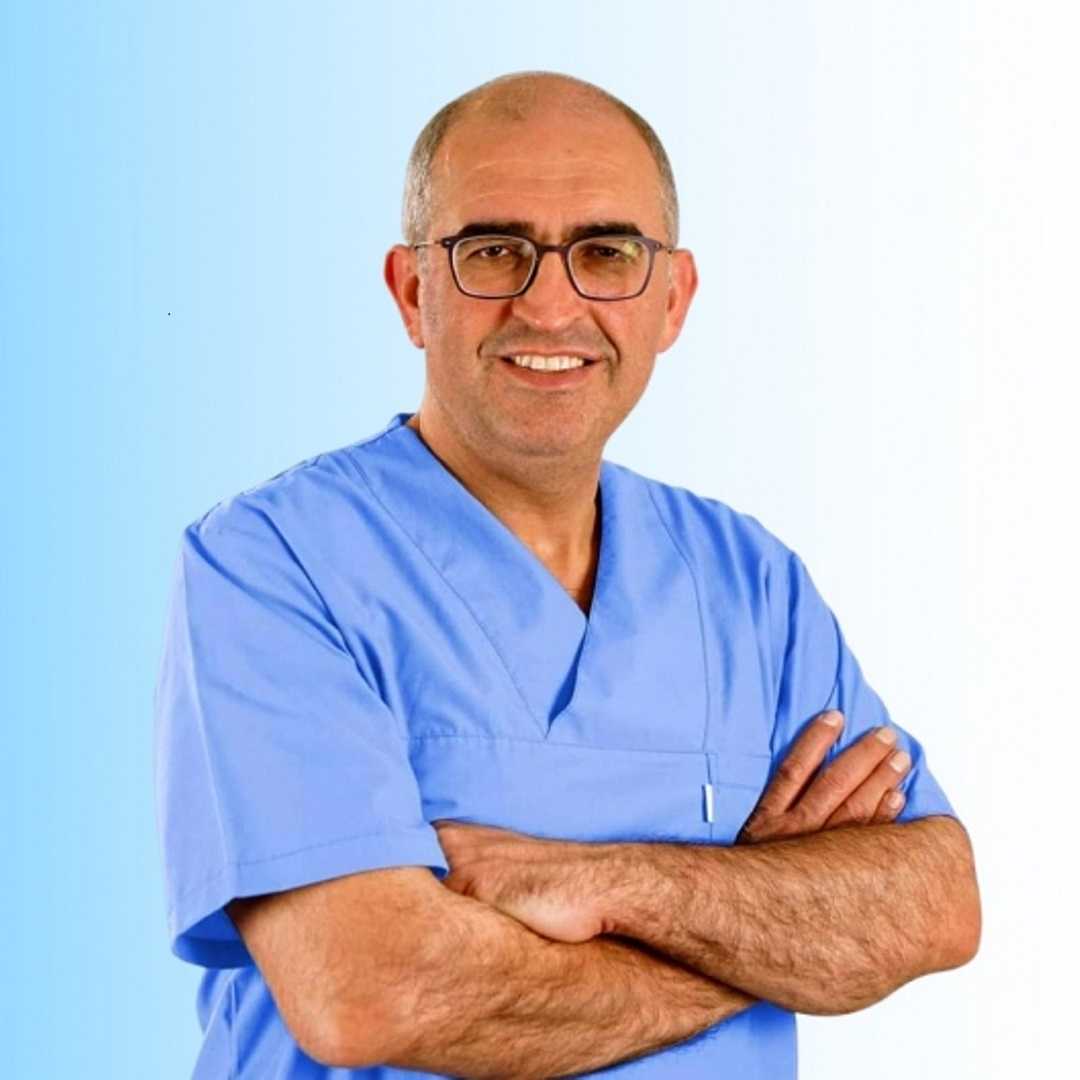
Op.Dr. Kayhan Turan
Turan Turan Robotic Surgery Center and Orthopedic Clinic
- Orthopedic surgeon
Istanbul, Turkey
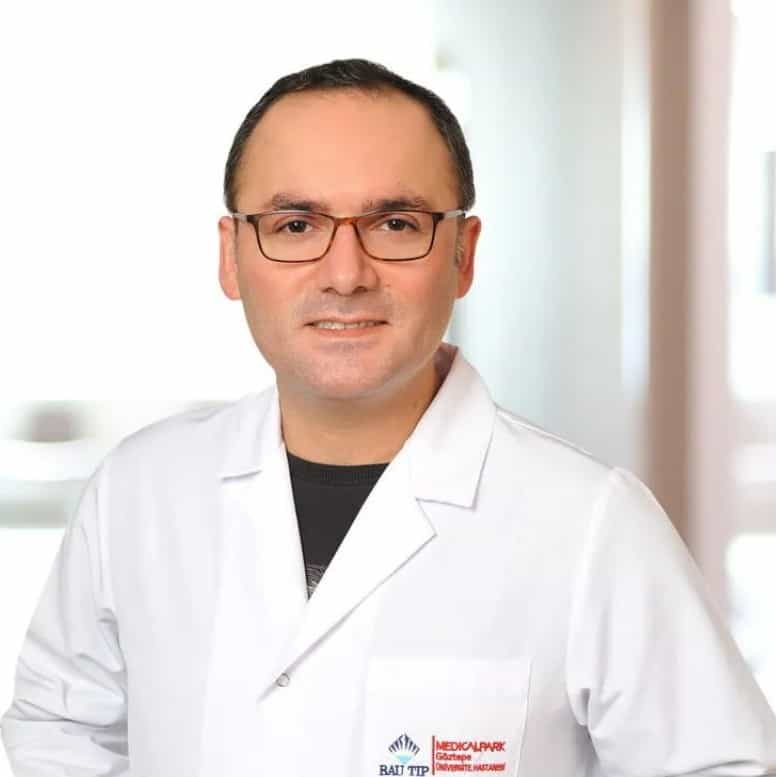
Abdulhamit Misir
Medical Park Hospitals Group in Istanbul, Turkey
- Orthopedic Surgeon
Istanbul, Turkey
Viajar para a Turquia em busca de cuidados de saúde especializados é uma prática consolidada, atraindo pacientes da Europa, América do Norte e Oriente Médio que procuram alternativas confiáveis aos longos tempos de espera em seus países de origem. Com localização central entre os principais continentes, os centros de transporte de Istambul e Antalya oferecem conectividade global perfeita.
Com opções de transporte e acomodação disponíveis por meio de diversos fornecedores de turismo médico, os pacientes podem se concentrar em seu tratamento e recuperação enquanto planejam sua estadia na Turquia.
Optar por realizarum tratamento de menisco na Turquia é um passo importante, e você não precisa lidar com todos os detalhes sozinho. Desde orçamentos transparentes até a verificação das credenciais da clínica, a PlacidWay está pronta para te auxiliar em cada etapa. Pronto para descobrir como será o seu plano personalizado para o procedimento? Deixe-nos te ajudar a encontrar o caminho certo. Referências













.png)








Share this listing