
If you are exploring options for knee surgery abroad, you might be researching minimally invasive meniscus repair in Istanbul Turkey. Over the past decade, Turkey has developed a robust healthcare infrastructure, attracting international patients seeking specialized orthopedic care. The meniscus—a vital C-shaped piece of cartilage that acts as a shock absorber in the knee—can tear due to sports injuries or degenerative wear. When surgical intervention is required, minimally invasive arthroscopic techniques are often the preferred approach to preserve as much of this crucial cartilage as possible.
Navigating healthcare in another country requires careful consideration of facility standards, surgical techniques, and comprehensive recovery planning. This guide explores how to identify a qualified facility, what the procedure involves, and what international patients should anticipate when traveling for orthopedic care.
Key Takeaways
- Istanbul hosts numerous internationally accredited hospitals featuring dedicated orthopedic and sports medicine departments.
- Arthroscopic meniscus repair is a minimally invasive approach utilizing small incisions, which typically results in less surrounding tissue damage than open surgery.
- Not all meniscus tears are repairable; candidacy depends heavily on the tear's location, size, and the patient's knee health.
- International patients must plan for a sufficient stay in Turkey (usually 7–14 days) to allow for early post-operative monitoring before flying.
- Comprehensive rehabilitation and physical therapy upon returning home are crucial for a successful surgical outcome.
What is minimally invasive meniscus repair and how is it performed?
Instead of making a large incision to open the knee joint completely, the surgeon creates two or three small portals, each about the size of a keyhole. An arthroscope (a small tube containing a light source and a high-definition camera) is inserted into one portal, projecting a clear, magnified view of the knee's interior onto a surgical monitor.
Using specialized miniature instruments passed through the other portals, the surgeon carefully assesses the cartilage. If the tear is located in a blood-rich area (the "red zone") and is of a certain pattern, the surgeon will use internal sutures or small bio-absorbable anchors to bring the torn edges together. Because the joint capsule is not fully opened, this approach generally reduces trauma to surrounding muscles and ligaments, often leading to a more manageable early recovery compared to traditional open surgery.
Why do patients choose medical tourism in Istanbul Turkey for knee surgery?
Istanbul has invested heavily in healthcare infrastructure over the last two decades. Many of its major private hospitals are equipped with advanced surgical suites, modern MRI technology, and dedicated physical therapy units. The orthopedic surgeons practicing in these facilities often handle high volumes of sports injuries and degenerative joint conditions.
Furthermore, many hospitals catering to international patients have established dedicated international patient centers. These departments assist with logistics such as language interpretation, medical record translation, and coordinating care between the surgical team and the patient's primary care provider back home. This structured support system helps alleviate some of the stress associated with undergoing surgery in a foreign country.
How do I choose the right minimally invasive meniscus repair clinic in Istanbul Turkey?
Because you cannot rely on local word-of-mouth recommendations as you might at home, independent verification is crucial. Start by looking for hospitals that hold Joint Commission International (JCI) accreditation or ISO certifications. These credentials indicate that the facility is regularly audited for adherence to stringent international standards regarding patient safety, equipment sterilization, and overall quality of care.
Additionally, focus on the credentials of the orthopedic surgeon. Useful questions to ask during your preliminary research or remote consultation include:
- What is the surgeon's volume of arthroscopic meniscus repairs per year?
- Are they a member of recognized international organizations, such as ISAKOS (International Society of Arthroscopy, Knee Surgery and Orthopaedic Sports Medicine)?
- Does the clinic have an in-house physical therapy department for early post-operative mobilization?
- What are the facility's protocols for preventing deep vein thrombosis (DVT) for patients who will be flying shortly after surgery?
What is the estimated minimally invasive meniscus repair cost in Istanbul Turkey?
When reviewing cost estimates provided by international clinics, it is vital to understand exactly what is included in the quoted package. A comprehensive orthopedic surgical package usually encompasses the surgeon's fee, operating room charges, anesthesia, routine pre-operative blood work, and the cost of the medical implants (such as the sutures or anchors used to repair the meniscus).
However, patients should also budget for additional expenses that may not be included in the initial quote. These can include pre-operative MRI scans if your home imaging is outdated or insufficient, extended hospital stays due to unexpected surgical findings, prescribed medications to take home, crutches or knee braces, and mandatory post-operative physical therapy sessions while still in Turkey. Always request a highly detailed, itemized breakdown of costs before committing to a treatment plan.
| Potential Cost Factor | Why It May Impact the Final Price |
|---|---|
| Surgical Complexity | Complex, multi-pattern tears may require more time in the OR and additional specialized fixation devices. |
| Pre-Operative Diagnostics | New MRI scans or cardiac clearance tests (if deemed necessary by the anesthesia team) add to the baseline cost. |
| Length of Hospitalization | While often an outpatient or one-night stay procedure, individual recovery needs may dictate extra nights in the hospital. |
Am I a suitable candidate for arthroscopic meniscus surgery?
The meniscus is divided into zones based on blood supply. The outer third, known as the "red zone," has a robust blood supply, which is critical for tissue healing. Tears in this zone are often prime candidates for surgical repair. The inner two-thirds, known as the "white zone," lack direct blood supply. Tears here struggle to heal even if sutured, and surgeons may instead opt for a partial meniscectomy (trimming away the damaged tissue) rather than a repair.
Age and tissue degeneration also play significant roles. Younger patients with acute, sports-related injuries typically have robust, healthy cartilage that holds sutures well. Older adults with degenerative tears associated with osteoarthritis may find that repairing the friable, frayed tissue is ineffective. A thorough evaluation by an orthopedic specialist, usually including a high-resolution MRI, is required to determine the most appropriate clinical pathway.
What does the recovery process look like after a minimally invasive knee repair?
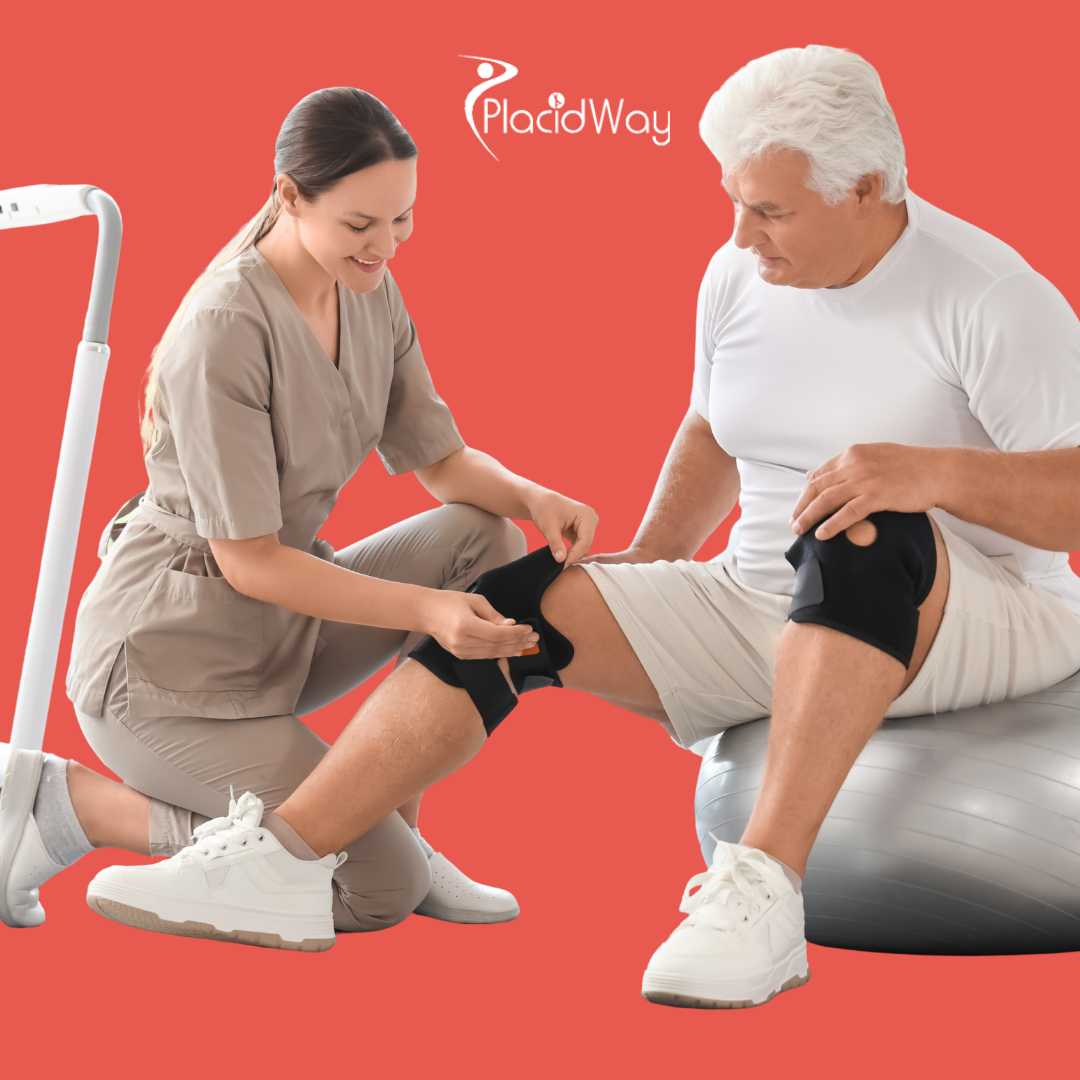
Following a true meniscus repair, you will typically be placed in a specialized knee brace designed to limit the joint's range of motion. For the first 4 to 6 weeks, you will likely need to use crutches to avoid putting full body weight on the healing knee. This protects the delicate sutures holding the cartilage together.
Physical therapy is a mandatory component of recovery. Early rehabilitation focuses on safely regaining range of motion and reducing swelling without stressing the repair site. Later phases of physical therapy (usually extending into months 3 through 6) concentrate on rebuilding quadriceps and hamstring strength to stabilize the knee. Patients traveling for this procedure must coordinate with a local physical therapist in their home country to ensure seamless continuity of care once they return.
What are the potential risks or complications of meniscus repair surgery?
Infections inside the joint (septic arthritis), while relatively rare, are severe complications that require prompt medical intervention, potentially including further surgery to wash out the joint and intravenous antibiotics. Another significant risk, especially for patients who will be flying shortly after surgery, is Deep Vein Thrombosis (DVT)—the formation of a blood clot in the leg.
Furthermore, because the meniscus relies heavily on biological healing processes after being sutured, there is always a risk of a "failed repair." This occurs when the edges of the cartilage do not successfully knit back together, which may result in persistent pain and necessitate a secondary procedure to trim away the unhealed tissue. It is crucial to have a clear plan for how to manage potential complications with a local healthcare provider back home.
How long should I plan to stay in Istanbul after my procedure?
The immediate post-operative period requires close monitoring. Your surgical team will want to evaluate your incision sites for early signs of infection, monitor joint swelling, and ensure your pain is adequately managed before clearing you for international travel. Removing surgical drains (if used) and conducting the first wound dressing change usually happens during this window.
Additionally, sitting in a cramped airplane seat for hours shortly after knee surgery significantly elevates the risk of developing a deep vein blood clot. By staying in the city for an extended period, you allow the initial acute inflammation to subside. Your surgeon may provide specific medical clearance for flying, which often includes instructions to wear compression stockings, perform specific leg exercises in flight, and potentially take prophylactic blood-thinning medication.
What should I expect during my initial orthopedic consultation in Turkey?
Even if you have sent MRI scans to the clinic remotely, the surgeon will need to evaluate your knee's stability, range of motion, and localized pain points in person. The physician will use this consultation to explain exactly what they expect to find during the arthroscopy. They will also discuss the clinical possibility that a repair might not be feasible once they look inside the joint, at which point a partial meniscectomy might become the necessary alternative.
This is also your opportunity to discuss the specifics of anesthesia (general versus regional block), review the pain management protocol, and clarify the exact physical therapy guidelines you will need to pass on to your rehabilitation specialist at home.
Why Choose PlacidWay for Medical Tourism?
Navigating international healthcare options can be complex. PlacidWay serves as a resource for patients exploring medical treatments abroad.
- Extensive Provider Network: PlacidWay connects patients with a wide directory of internationally accredited medical centers and specialized healthcare providers globally.
- Educational Resources: The platform offers access to detailed information regarding facility accreditations, available technologies, and specialized medical departments.
- Cost Transparency: Patients can request customized cost estimates from various clinics, helping them understand potential financial commitments before making a decision.
- Streamlined Communication: PlacidWay facilitates initial contact and inquiries between international patients and medical facilities, bridging communication gaps.
- Global Perspective: By providing information across multiple destinations, the platform allows patients to compare healthcare options based on their specific clinical needs and preferences.
Frequently Asked Questions
Is arthroscopic meniscus repair painful?
The procedure itself is performed under general or regional anesthesia, meaning you will not feel pain during surgery. Post-operative discomfort is typical but can usually be managed effectively with prescribed pain relief medications and ice therapy.
Can a torn meniscus heal without surgery?
Some minor meniscus tears, particularly those located in the outer, blood-rich vascular zone (the 'red zone'), may heal with conservative treatments like rest, physical therapy, and bracing. However, larger tears or those in the avascular 'white zone' often require surgical intervention.
Will I need physical therapy in Istanbul before flying home?
You will likely begin gentle physical therapy or mobilization exercises in the hospital shortly after surgery. While you will start the process in Turkey, the bulk of your rehabilitation will continue over several months once you return home.
Are orthopedic surgeons in Turkey board-certified?
Many orthopedic surgeons practicing in major internationally accredited hospitals in Istanbul hold board certifications from Turkish medical boards, and some also hold equivalent European or American certifications or memberships in international orthopedic societies.
How soon can I walk after meniscus repair?
Unlike a simple meniscectomy (removal of tissue), a meniscus repair requires time for the sutured tissue to heal. Patients are typically required to use crutches and limit weight-bearing on the affected leg for 4 to 6 weeks, depending on the surgeon's protocol.
Does minimally invasive knee surgery leave a large scar?
No. Arthroscopic surgery is minimally invasive, usually requiring only two or three small incisions (portals) around the knee, each about the size of a buttonhole. This typically results in very minimal scarring.
Can I combine my knee surgery with a vacation in Turkey?
While you can enjoy the city before your procedure, a meniscus repair requires significant post-operative rest, elevation, and limited mobility. It is generally advised to focus entirely on recovery rather than traditional tourism activities after the surgery.
What happens if I experience swelling during my flight back?
Flying can increase the risk of swelling and deep vein thrombosis (DVT). Your surgeon will likely recommend wearing compression stockings, taking blood-thinning medication if appropriate, and performing ankle pump exercises during your flight to minimize these risks.
Do Istanbul clinics provide interpreters for international patients?
Yes, facilities that frequently treat international medical tourists typically have dedicated international patient departments that provide interpretation services in English, Arabic, Russian, and several other languages to ensure clear medical communication.
Are there age limits for minimally invasive meniscus surgery?
There is no strict age limit, but candidacy is primarily based on the type of tear, tissue quality, and the patient's overall health and activity level. Repairs are highly successful in younger, active patients, though older patients with good tissue quality may also be candidates.
Explore Your Knee Surgery Options
Compare internationally accredited facilities and request comprehensive information about orthopedic care abroad.
Request Treatment InformationReferences
- Meniscus Repair – American Academy of Orthopaedic Surgeons (AAOS)
- Torn Meniscus Diagnosis & Treatment – Mayo Clinic
- Knee Arthroscopy Overview – Johns Hopkins Medicine
- Meniscus Surgery Procedures – Cleveland Clinic
- International Society of Arthroscopy, Knee Surgery and Orthopaedic Sports Medicine (ISAKOS)
- Outcomes of Arthroscopic Meniscus Repair – PubMed Central
























Share this listing