


Meniscus Repair Recovery in Turkey: Detailed Timeline, Essential Tips, and Rehabilitation Guidance
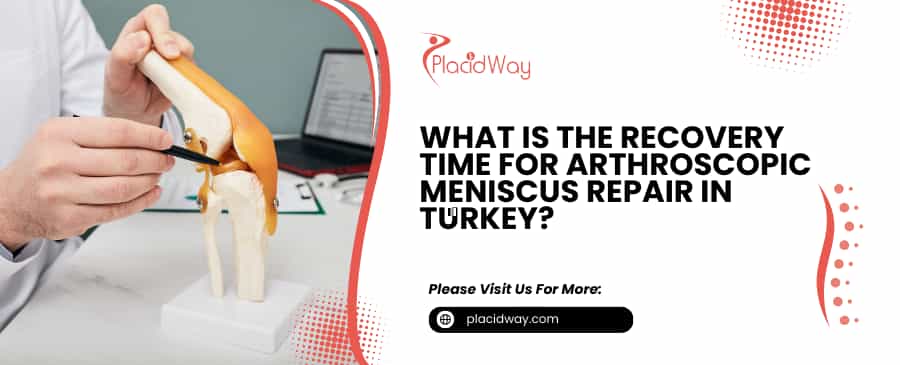
Considering arthroscopic meniscus repair in Turkey? It's a choice many individuals make for high-quality care at competitive prices, especially when dealing with the discomfort and limitations of a meniscal tear. Understanding the recovery time for this procedure is crucial for planning your treatment journey, whether you're a local resident or traveling for medical tourism.
Generally, the recovery period for an arthroscopic meniscus repair can span several months, involving distinct phases of healing and rehabilitation. While the immediate post-operative period focuses on pain management and protecting the repair, the subsequent months are dedicated to restoring strength, flexibility, and full function. This comprehensive guide will walk you through what to expect, from the initial days after surgery to your complete return to daily activities and sports.
What is the typical recovery timeline after arthroscopic meniscus repair?
Recovering from an arthroscopic meniscus repair is not a sprint but a marathon. The entire journey is structured into different phases, each with specific goals to ensure the best possible outcome for your knee. While individual healing rates vary, the general timeline provides a framework for what to expect.
Immediately after the surgery, the focus is on protecting the repair and managing pain and swelling. You will likely use crutches and a brace to limit weight-bearing and knee movement. As healing progresses, you'll gradually introduce more weight-bearing and begin gentle range-of-motion exercises under the guidance of a physiotherapist. The later stages involve advanced strengthening and agility training, preparing your knee for the demands of daily life and any desired sports activities.
What are the different phases of recovery after meniscus repair?
Understanding the distinct phases of recovery can help you manage expectations and stay committed to your rehabilitation program. Each phase builds upon the previous one, ensuring a gradual and safe return to full function.
Here’s a general breakdown of the phases:
- Phase 1: Protective Phase (Weeks 0-6):
- Goals: Reduce pain and swelling, protect the repair, restore limited knee extension/flexion.
- Activities: Non-weight bearing or partial weight-bearing with crutches, knee brace, gentle passive range-of-motion exercises.
- Phase 2: Strengthening Phase (Weeks 6-16):
- Goals: Gradually increase weight-bearing, improve full range of motion, begin strengthening knee and thigh muscles.
- Activities: Progress from crutches to full weight-bearing, stationary cycling, light resistance exercises, proprioception training.
- Phase 3: Return-to-Activity Phase (Months 4-9):
- Goals: Restore full strength, power, endurance, and agility for daily activities and sport-specific movements.
- Activities: Advanced strength training, plyometrics, sport-specific drills, gradual return to running and jumping activities.
What should I expect immediately after arthroscopic meniscus repair in Turkey?
The first few hours and days after your meniscus repair are crucial for setting the stage for a smooth recovery. Turkish clinics are well-versed in post-operative care, ensuring you receive thorough instructions before discharge.
You will likely wake up with your leg in a brace, set to limit movement, and will be provided with crutches to avoid putting full weight on your knee. Pain medication will be prescribed to manage discomfort, and you'll be advised on how to use ice packs and elevate your leg to control swelling. Most patients are discharged the same day or the following morning, ready to begin their initial recovery at their accommodation.
What kind of rehabilitation exercises are involved in meniscus repair recovery?
Physical therapy is the cornerstone of successful meniscus repair recovery. Your physiotherapist will design a personalized program that evolves as your healing progresses, ensuring you safely regain strength and mobility.
Early exercises focus on gentle knee flexion and extension, often passive, to prevent stiffness. As you move into later phases, exercises will include:
- Strengthening: Quadriceps sets, straight leg raises, hamstring curls, calf raises, wall squats, leg presses.
- Flexibility: Heel slides, prone hangs, gentle stretching.
- Balance and Proprioception: Single-leg standing, wobble board exercises.
- Functional Training: Step-ups, lunges, shuttle runs, agility drills (in later stages).
Consistency and adherence to the prescribed exercises are vital for optimal recovery and preventing re-injury.
When can I return to daily activities and sports after meniscus repair?
The timeline for returning to activities depends heavily on the extent of your repair, your adherence to rehab, and the specific demands of the activity. It's essential to follow your surgeon and physiotherapist's advice to prevent setbacks.
A general guide for returning to activities:
| Activity | Approximate Timeline |
|---|---|
| Walking without crutches | 4-6 weeks |
| Sedentary work/school | 2-4 weeks (if mobility allows) |
| Light exercise (stationary bike, swimming) | 8-12 weeks |
| Jogging/Running | 4-6 months (gradual progression) |
| High-impact sports (soccer, basketball) | 6-9 months (after passing functional tests) |
Your surgeon will provide specific clearance based on your individual recovery progress.
How is pain managed during recovery from meniscus repair?
Managing pain effectively is key to a comfortable recovery and enables you to participate in rehabilitation exercises. Your medical team in Turkey will ensure you have a clear plan for pain control.
Post-operatively, you'll receive prescriptions for pain relievers, often including a short course of stronger medication, followed by recommendations for over-the-counter options like ibuprofen or acetaminophen. Alongside medication, non-pharmacological methods are highly effective:
- Rest: Avoid activities that aggravate your knee.
- Ice: Apply ice packs for 15-20 minutes several times a day to reduce swelling and numb the area.
- Compression: A compression bandage or sleeve can help control swelling.
- Elevation: Keep your leg elevated above heart level, especially during the first few days, to minimize swelling.
Open communication with your medical team about your pain levels is essential to ensure adequate relief.
Why choose Turkey for arthroscopic meniscus repair and recovery?
Turkey has rapidly emerged as a leading destination for medical tourism, attracting patients from around the globe for various procedures, including orthopedic surgeries like meniscus repair. Several factors contribute to its appeal:
Meniscus repair hospitals in Turkey are often equipped with state-of-the-art technology and adhere to international healthcare standards, with many holding international accreditations. The orthopedic surgeons are highly trained, many with international experience, offering expertise in advanced arthroscopic techniques. Furthermore, the overall cost of treatment, including surgery, hospital stay, and rehabilitation, is significantly lower than in many Western European countries or North America, without compromising on quality of care.
Beyond the medical aspect, Turkey offers a supportive environment for recovery. Patients can enjoy a relaxing post-operative period in a new setting, with many clinics offering comprehensive packages that include accommodation, airport transfers, and interpreter services, making the entire experience smoother for international patients.
What are the cost considerations for meniscus repair in Turkey compared to other countries?
One of the primary drivers for medical tourism to Turkey is the significant cost savings available for various medical procedures. This holds true for arthroscopic meniscus repair, where the total expenditure can be a fraction of what it would be in other developed nations.
The cost difference stems from various factors, including lower operational costs, differing insurance structures, and government support for the healthcare sector. Patients often find that even when factoring in travel and accommodation, the total cost remains highly competitive. However, it's important to remember that exact prices can vary based on the complexity of the tear, the specific clinic, the surgeon's fees, and whether the package includes post-operative physiotherapy.
How can I prepare for meniscus repair surgery and recovery abroad in Turkey?
Undergoing surgery in a foreign country requires careful planning to ensure a smooth and stress-free experience. Turkish medical tourism facilitators often assist with these arrangements.
Key preparation steps include:
- Research and Selection: Choose an accredited clinic and an experienced orthopedic surgeon. Read reviews and consider packages that cater to international patients.
- Travel Logistics: Book flights and accommodation. Many clinics offer assistance with transfers and lodging that is convenient for post-operative rest.
- Pre-operative Consultations: Share your medical history and imaging results remotely. Clarify all aspects of the procedure, expected recovery time in Turkey, and aftercare.
- Post-operative Plan: Understand your immediate post-op care, including medication, brace usage, and initial physiotherapy. Plan for your continued rehabilitation once you return home, ensuring you have a local physiotherapist lined up.
- Communication: Ensure language will not be a barrier; many Turkish clinics provide English-speaking staff or interpreters.
What are potential complications of meniscus repair and how are they managed in Turkey?
While arthroscopic meniscus repair is generally safe and effective, as with any surgery, there are potential risks. Turkish medical facilities adhere to high standards of care to minimize these complications.
Common potential complications include:
- Infection: Managed with antibiotics and strict sterile techniques during surgery.
- Stiffness (Arthrofibrosis): Prevented through early, guided rehabilitation exercises.
- Re-tear of the meniscus: A risk, especially if rehabilitation protocols are not followed or return to activity is too rapid.
- Nerve or Blood Vessel Damage: Very rare due to the minimally invasive nature of arthroscopic surgery.
- Blood Clots: Prevented with early mobilization and, in some cases, blood-thinning medication.
High-quality Turkish clinics have robust protocols in place for monitoring patients post-operatively and for addressing any complications promptly, often providing clear channels for communication even after you have returned home. Ready to explore your options for arthroscopic meniscus repair and other healthcare services? Visit PlacidWay to connect with leading medical facilities and learn more about tailored treatment plans.







.png)









Share this listing