The Surgery Date Four Months Away: Richard Atkinson’s Colorectal Cancer Resection Story from the United Kingdom to Turkey

Publish date: Modified date: Medically reviewed by: Dr. Orhan Sencan on Aug 31, 2026 Author: Aamina Bibi

Richard Atkinson’s Colorectal Cancer Resection Story 

Patient Profile

Name: Richard Atkinson

Age: 62

Condition: Colorectal adenocarcinoma

Treatment: Colorectal resection with staging, tumor-board review and appropriate systemic therapy

Destination: Istanbul, Turkey

Journey at a Glance

Main problems: Persistent changes in bowel habits (diarrhea, constipation); Blood in stool or rectal bleeding; Abdominal pain and cramping; Unexplained weight loss

Previous care: Requested urgent/expedited review on NHS (usually denied or minimal time gain); Sought private consultation with UK oncologists (cost prohibitive for surgery; £3,000–£8,000 consultation + surgical fees); Explored NHS waiting list alternatives within…

Travel driver: Shorter surgical wait time (2–4 weeks vs. 12–16 weeks NHS); cost savings (40–50% reduction); perceived ability to start curative treatment before disease progression

Treatment explored: Colorectal resection with staging, tumor-board review and appropriate systemic therapy

Personal goal: Reach curative-intent surgery without an extended treatment delay.

You accepted the mild fatigue as a symptom of age.

You ignored the vague abdominal cramping.

You stopped taking long weekend walks.

You changed your diet to something more agreeable.

You started checking the bathroom tissue.

You bought over-the-counter iron supplements.

You weighed yourself and looked away from the scale.

You finally admitted something was wrong.

"You're looking a bit pale lately."

"Maybe just see the GP to be sure."

"It's probably nothing to worry about."

Your world has quietly become smaller.

You realise the hardest part is not the physical pain, but the waiting.

Let's meet Richard Atkinson.

Richard Atkinson is not a real PlacidWay patient.

He is a fictional composite built from the exact situations, anxieties, and questions UK patients face when navigating cancer care.

He is sixty-two years old and lives in Leeds.

Before this year, he lived a competent and entirely ordinary life.

He balanced quarterly tax returns for local clients.

He pruned the roses in the back garden.

He drafted meticulous ledgers for his accounting firm.

He painted the hallway a gentle shade of blue.

He carefully planned a walking holiday in Cornwall for his approaching retirement.

The problem refused to be ignored any longer.

He attributed his sudden weight loss to workplace stress.

He blamed his altered bowel habits on getting older.

He finally submitted a stool sample at his wife's insistence.

Blood tests.

Referrals.

A colonoscopy.

Biopsies.

Waiting.

More waiting.

Under the national healthcare framework, patients with suspected cancer are meant to begin treatment within 31 days of a clinical decision to treat, but capacity constraints mean this target is frequently breached for colorectal pathways .

His consultant finally delivered the verdict:

"It is a locally advanced adenocarcinoma."

When?

He becomes part of a congested system.

Nationwide, thousands of patients wait beyond the 62-day target from urgent referral to their first treatment, with complex surgical lists being particularly congested .

But Richard Atkinson doesn't experience the backlog as a national statistic.

He experiences it sitting in his armchair while his wife watches him pretend to read the newspaper.

"Did the hospital call today?"

He experiences it staring at the blank calendar hanging in the kitchen.

"Still no date in the post."

He experiences it waking at three in the morning with a familiar dull ache.

"I'll try calling the secretary again tomorrow."

He has already tried to be patient.

Richard Atkinson is not an impulsive man.

He is not a careless consumer looking to jump a queue out of mere entitlement.

He asked his multidisciplinary team for an expedited surgical date.

He researched neoadjuvant chemotherapy as a temporary bridge to surgery.

He spent hours reading through online forums for bowel cancer patients.

He repeatedly phoned his GP to see if an intervention could be escalated.

I just need a timeline.

I can't just sit here doing nothing.

His internal monologue shifted:

From "Can I tolerate this?" to "How much of my life am I prepared to organise around it?"

He looks at the closest alternative.

He naturally explored the domestic private healthcare market first.

The procedure would be performed by an excellent NHS surgeon, simply operating on a Saturday in a privately funded facility.

The quoted estimate for a private bowel resection in the UK was GBP 35,000 to GBP 40,000.

He actually has those funds, carefully accumulated in savings meant for his retirement.

But liquidating that much wealth instantly alters the trajectory of his remaining years.

"We have the money in the ISA."

"Having it isn't the same as being able to afford losing it."

He isn't searching for Istanbul yet.

He opens his laptop late at night and begins typing.

Private colon cancer surgery cost UK.

How fast does stage 3 bowel cancer spread.

Alternatives to NHS waiting list.

Cheaper private cancer treatment Europe.

Colorectal cancer surgery Istanbul.

Turkey appears repeatedly on his screen as a hub for complex oncology procedures.

His initial reaction is defensive:

"I'm not going abroad just because something is cheaper."

His instinct is entirely correct.

Price should never answer a complex medical question.

Why does Turkey keep appearing in his research?

The Turkish private healthcare sector has deliberately built high-capacity oncology infrastructure to capture international medical travel, maintaining stringent clinical standards to remain competitive .

The real question is never whether a country is good.

Countries do not perform total mesorectal excisions.

Surgeons do.

Multidisciplinary tumor boards do.

Clinical nursing teams do.

There is a concrete medical track record to verify beyond the glossy marketing.

Patients are strongly advised to consult their domestic GP and independently verify the international accreditation of any foreign facility .

He wants to understand the financial reality.

His first question was exactly what yours would be:

"How much?"

Indicative costs for colorectal cancer surgery in accredited Istanbul centers commonly range between GBP 12,000 and GBP 20,000, depending heavily on the required surgical approach, preliminary staging scans, and expected length of intensive care recovery .

He remembers a strict piece of advice from his father:

"You only get what you pay for."

"What exactly am I getting?"

Does this estimate include the pre-operative MRI and CT staging scans?
Does it cover a formal multidisciplinary tumor board review?
Is the detailed histopathology of the tumor included in the fee?
What happens financially if the surgeon determines I need a temporary stoma?
Does the quote include stoma care supplies and patient education?
Are the intensive care unit days capped at a specific number?
Does it include the hospital stay and meals for my accompanying partner?
Who pays for the extra surgical ward days if I get a post-operative infection?
Are airport transfers conducted in standard taxis or medical vehicles?
Is there a medically fluent English-speaking coordinator available overnight?
What if the surgeon discovers the tumor is larger or more invasive than expected?
Are the critical follow-up video consultations included once I return home?

He realizes something vital:

The advertised number is only the beginning of the conversation.

What does a partial colectomy actually involve?

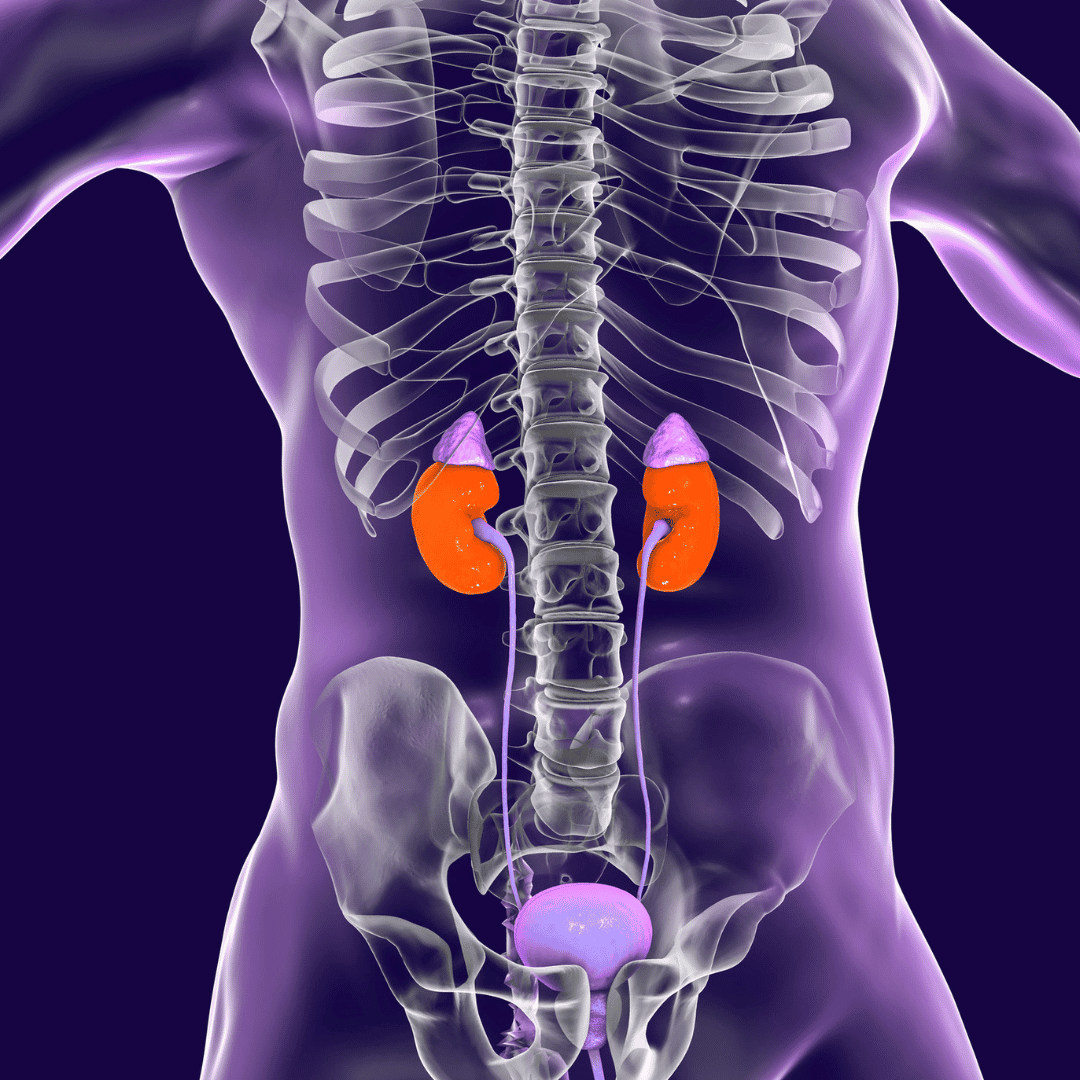
Curative colorectal surgery physically removes the malignant portion of the bowel along with surrounding lymph nodes, requiring precise anatomical reconnection or the creation of a stoma .

It is a major physiological trauma that demands a structured, monitored recovery period.

"How do I get home after major abdominal surgery?"

The part the sales brochures rarely put on the front page.

The unglamorous operational reality is the flight home.

Airlines impose strict restrictions on flying after major abdominal surgery due to cabin pressure effects on intestinal gas and healing tissue.

Current civil aviation guidance suggests waiting at least ten days following major abdominal procedures, but complex cancer resections often require two to three weeks of localized recovery before air travel is safely permitted .

This variation in timing is itself the lesson.

This logistical constraint must be part of your plan before committing, not discovered in a panic afterward.

"Wait. Does that mean I am stuck in a hotel with a healing wound?"

Possibly, depending on your surgeon's specific discharge timeline and fit-to-fly criteria.

Who changes the surgical dressings in a standard hotel room?

Is the hotel bathroom equipped with necessary grab rails?

How do we manage diet when I can only eat specific low-residue foods?

What happens if I develop a fever at two in the morning?

How do I communicate with the surgical team from the hotel?

Is there a pharmacy nearby that recognizes Turkish post-operative prescriptions?

How do we safely transport my heavy luggage to the airport?

What happens if my surgical drains need emptying while I am recovering off-site?

Who is training us on stoma bag management outside of the hospital?

Will the airline require a specific medical certificate before allowing me to board?

He accepts the truth:

This isn't tourism in any usual sense.

His wife isn't just coming along for the ride.

Helen is the invisible second participant in this medical journey.

She will be the one carrying the luggage and deciphering foreign medication schedules.

She will be the one watching for signs of deep vein thrombosis during the flight home.

She will be the one managing the intense emotional weight of a sterile foreign environment.

If something goes wrong, she needs to know exactly who to call and how to pay for it.

Standard travel insurance expressly excludes planned medical procedures, meaning specialized medical complication insurance is a vital necessity for both of them .

They are part of the clinical system too.

Then comes the uncomfortable conversation about risk.

Major bowel surgery carries inherent risks of anastomotic leak, severe bleeding, and pelvic nerve damage, regardless of where on earth it is performed .

Richard Atkinson learns to instantly distrust specific phrases:

Completely safe. No risk. Guaranteed success. The best in the world.

Informed consent means understanding the specific probability of failure, not just visualizing the hoped-for outcome.

Richard Atkinson's questions become drastically better.

He moves past his two original questions.

Instead of asking if it is cheap, he asks:

What is your personal anastomotic leak rate for this specific procedure?
How many total mesorectal excisions do you perform annually?
Will my case be reviewed by a medical oncologist before surgery?
What staging protocol do you use to ensure the cancer hasn't spread?
Who exactly will be responsible for my post-operative pain management?
What is the escalation protocol if I require emergency re-operation?
Will I receive my operative notes and pathology reports translated into English?
How do you coordinate with my NHS oncologist for adjuvant chemotherapy?
What specific surgical technique will you use to preserve continence?
What would you see on my MRI that would make you tell me not to proceed?

He realizes a profound truth:

They don't only want someone willing to do it.

They want someone willing not to.

Have I exhausted my options at home?

Under the NHS Constitution, patients have the legal right to request treatment at an alternative hospital if their wait time exceeds the maximum clinical target .

Can my GP refer me to a different NHS trust with a shorter list?

Is there capacity at independent hospitals locally through an existing NHS contract?

Has my case been formally flagged as an urgent clinical priority?

Can I safely start chemotherapy now to bridge the gap to surgery?

Would a cancellation slot realistically become available in the next two weeks?

Istanbul should be compared with Richard Atkinson's real alternatives, not with a worst-case assumption about the NHS.

The night before the decision.

The kitchen table is covered in documents again.

A printed PDF from an accredited hospital in Sisli.

A spreadsheet detailing flight times and hotel recovery costs.

A list of rigorous questions for the video consultation tomorrow.

A specialized medical travel insurance quote.

"I think I know what I want to ask him."

"Let's write it down so we don't forget."

The intensive research didn't make them more afraid; it made them more capable of deciding.

What Richard Atkinson actually wants isn't surgery in Turkey.

"Are you sure you want to go all the way to Turkey for this?"

"I just want the tumor out."

He wants to wake up knowing the surgical margins are clear.

He wants to return to his back garden in the spring.

He wants to see his retirement through as planned.

He wants to stop waking up at three in the morning.

Not a medical package. Not a discounted surgery. Not a private room in a foreign city. Not a medical tourism itinerary.

Control.

And underneath that:

AGENCY.

Istanbul might be the answer, but it might not be.

He might decide the logistical burden on his wife is simply too high.

He might secure a cancellation slot at his local hospital tomorrow.

He might decide the financial risk outweighs the weeks saved.

He might find a UK private clinic willing to negotiate a staged payment plan.

He might speak to the Turkish surgeon and intuitively feel uncomfortable.

He might speak to the surgeon, review the JCI accreditation, secure the specialized insurance, and book the flight with absolute clarity.

Any of those can be an informed decision.

The goal is not to persuade you to travel, it is to make sure frustration doesn't make the decision for you.

Over to you.

Maybe you have been staring at the same blank calendar as Richard Atkinson.

Maybe you are tired of making polite phone calls that end in apologies.

Maybe you are holding a savings account you meant to use for something else.

Maybe you are weighing the exact cost of intervention against the terrifying cost of waiting.

Maybe you just need to know you are not entirely out of options.

You do not need to decide today.

What is my exact clinical stage right now?

What is the medical risk of waiting another eight weeks?

Am I physically fit enough to travel for a major operation?

Who will manage my ongoing oncology care when I return?

Can I afford the true cost of an overseas complication?

Does my family support this logistical undertaking?

What happens if I do nothing?

You are comparing more than just prices.

Paths forward.

Hope isn't a careless promise.

Hope isn't the promise that major surgery will be easy.

Hope isn't the promise that money guarantees a permanent cure.

Hope isn't the promise that every clinical risk can be entirely eliminated.

Hope is having enough transparent information to make a medical decision that feels like yours.

You have the capacity to research thoroughly. You have the right to ask incredibly difficult questions. You have the intelligence to weigh the operational risks. You have the authority to manage your own healthcare timeline. You have time to think clearly.

He realised the choice was changing:

From "I suppose I'll just have to keep waiting."

To "What other informed options do I have?"

PlacidWay — Your Way to Hope.

PlacidWay helps individuals explore their international medical options, compare accredited facilities, and prepare the rigorous questions needed for a thorough consultation. We do not provide clinical advice, and we do not guarantee surgical outcomes. For someone navigating a daunting wait for cancer care, Istanbul isn't a promise, it is one route worth understanding.

Your Way to Hope.

Medical disclaimer

This article is for educational purposes only and does not recommend that any individual undertake overseas surgery for colorectal cancer. Individual suitability and surgical risk require direct professional assessment. Readers should always consult their own oncologist or primary care clinician regarding treatment timelines, verify the current regulatory and accreditation status of any foreign facility, and obtain appropriate specialized medical travel insurance before committing to treatment abroad.

The Surgery Date Four Months Away: Richard Atkinson’s Colorectal Cancer Resection Story from the United Kingdom to Turkey

About Article

  • Treatment: Cancer Treatment
  • Country: Turkey
  • Overview This educational overview follows Richard Atkinson, a composite British patient exploring Colorectal Cancer Surgery in Istanbul, Turkey. It summarizes daily-life effects, previous care and why treatment abroad is being considered. Candidacy, safety, recovery and follow-up remain central to informed decision-making.

Trusted Medical Tourism Platform Since 2007

60+
Countries
2k+
Clinics
19.5k+
Reviews
2.5k+
Qualified Doctors
1.1M+
Patients Served Since 2007