

The Complete Guide to Medical Tourism in Tirana, Albania
Staring at a private treatment quote from a clinic in London, Zurich, or Milan often triggers a very specific kind of sticker shock. You immediately start calculating how long it will take to save up, wondering if there is a safe, high-quality alternative just a short flight away.
Choosing medical tourism in Tirana, Albania, transforms that overwhelming financial burden into a manageable, even enjoyable, Mediterranean journey. This vibrant capital offers not just modern healthcare facilities, but a welcoming environment where healing feels like a retreat rather than a stressful clinical ordeal.
Key Takeaways for Your Journey
- Patients traveling from the UK, Germany, Italy, and Switzerland typically save between 50% and 70% on major dental and cosmetic procedures in Tirana compared to their home countries.
- The Albanian healthcare sector mandates rigorous local licensing through the Ministry of Health and Social Protection for all clinics treating international patients.
- Tirana International Airport (TIA) offers direct, year-round flights from major European hubs, making travel logistics highly accessible for medical tourists.
- The city’s Mediterranean climate and walkable, flat central districts provide an ideal, low-impact environment for safe post-operative recovery.
- English and Italian are widely spoken across Tirana’s medical facilities, drastically reducing the risk of communication barriers during medical consultations.
Why European Patients Are Choosing Medical Tourism in Tirana, Albania
It is completely understandable to feel apprehensive about crossing borders for medical care, especially when balancing cost against clinical safety. However, the financial realities of domestic healthcare in the UK and Western Europe are pushing many patients to seek viable, high-quality alternatives.
By examining the typical treatment costs across different nations, the economic appeal of this Balkan capital becomes immediately clear. The table below outlines average published pricing ranges (as of early 2024) for common procedures, illustrating why the region has become a prominent healthcare destination.
| Treatment Type | United Kingdom | Italy / Germany | Tirana, Albania |
|---|---|---|---|
| Single Dental Implant (with Crown) | £2,000 - £3,000 | €1,800 - €2,500 | €600 - €900 |
| All-on-4 Full Arch Restoration | £12,000 - £16,000 | €10,000 - €14,000 | €3,500 - €5,500 |
| FUE Hair Transplant (per session) | £4,000 - £8,000 | €3,500 - €7,000 | €1,500 - €2,500 |
| Rhinoplasty | £5,000 - £7,500 | €4,500 - €7,000 | €2,000 - €3,500 |
Primary Treatments Bringing International Patients to the Capital
Deciding to travel for care requires knowing that local specialists perform your specific procedure with high frequency and proven protocols. The clinical focus in this region has naturally evolved to serve the highest volume demands of European travelers.
- Advanced Dental Implantology: Clinics here specialize heavily in complex oral restorations, offering solutions like All-on-4 and zygomatic implants for patients who have suffered severe bone loss. These multi-day procedures are carefully scheduled to allow patients ample downtime in the city.
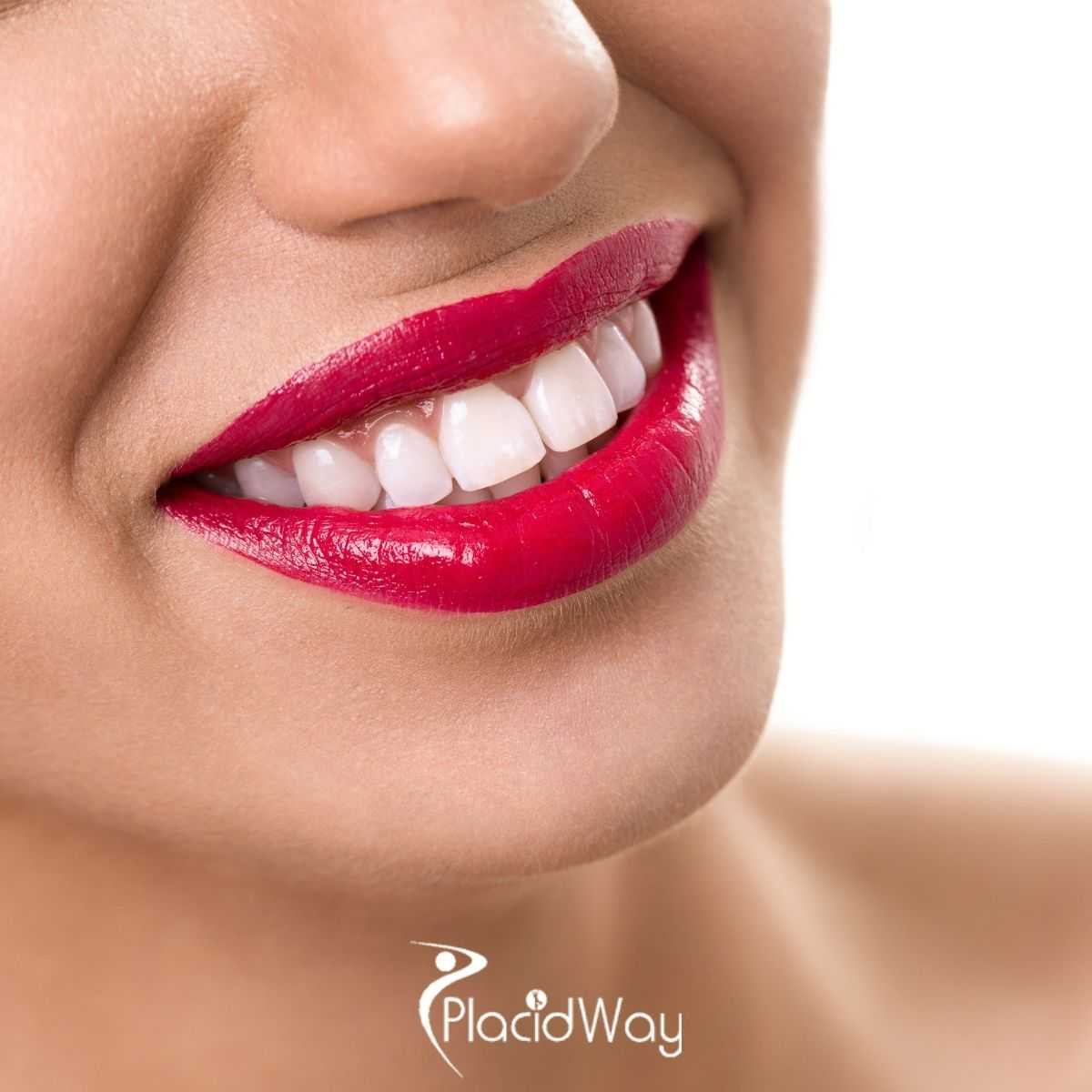
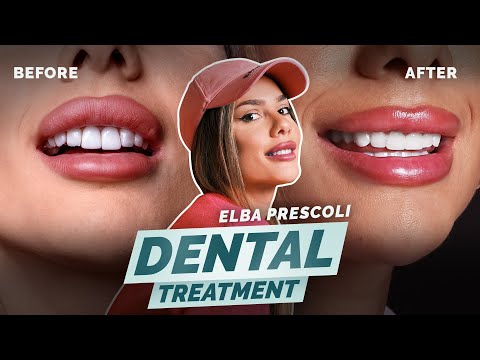
- Cosmetic Dentistry and Veneers: Smile makeovers utilizing zirconia crowns and porcelain veneers are incredibly popular due to their rapid turnaround times. Patients often complete their aesthetic dental work while treating the trip as a city-break holiday.
- Hair Transplantation Services: FUE and hair restoration clinics in the city rival those in Turkey, offering comprehensive packages that include VIP airport transfers and post-operative monitoring. The gentle climate aids comfortably in the crucial first week of scalp recovery.
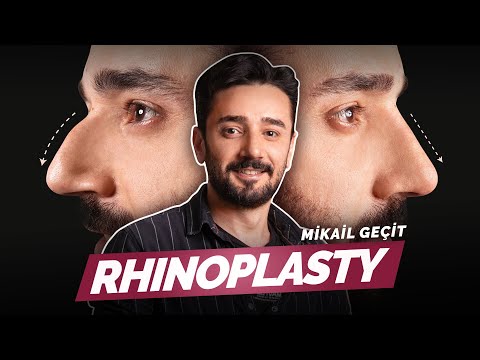
- Aesthetic and Plastic Surgery: Rhinoplasty, breast augmentation, and body contouring procedures draw a significant patient base from Italy and Switzerland. Surgeons utilize modern, well-equipped local hospitals for these procedures, ensuring overnight monitoring meets European standards.
- Fertility and IVF Treatments: Less discussed but rapidly growing, reproductive medicine is attracting couples from the UK seeking affordable, highly regulated IVF cycles. The low-stress environment of the city supports the calm mindset required during these delicate treatments.
Navigating Your Arrival: Flights and First Impressions
Stepping off a plane with an impending medical appointment can induce anxiety, making smooth travel logistics absolutely vital for your peace of mind. Fortunately, the infrastructure supporting international arrivals in Albania has modernized rapidly to accommodate healthcare travelers.
- Direct Flight Accessibility: Tirana International Airport Nënë Tereza (TIA) is serviced daily by major low-cost carriers like Wizz Air and Ryanair from London, Milan, Berlin, and Geneva. This frequency allows you to align your flights perfectly with your clinic appointments.
- Proximity to the City Center: The airport is located merely 17 kilometers from the central clinical districts, ensuring your immediate transfer is swift and minimally exhausting. A standard taxi or pre-arranged clinic transfer takes roughly 30 minutes.
- Clinic Transfer Services: Most reputable medical providers include dedicated airport pickups in their treatment packages to eliminate arrival stress. Being met by an English-speaking driver immediately sets a reassuring tone for your healthcare journey.
- Visa-Free Travel Advantages: Citizens of the UK, EU nations, and Switzerland can enter Albania visa-free for tourism and medical purposes for up to 90 days. This removes complex bureaucratic hurdles from your pre-surgery planning checklist.
- First Impressions of the Capital: The drive into the city reveals a rapidly developing metropolis with wide boulevards and colorful architecture, dispelling outdated myths about the region. This vibrant energy often helps distract patients from pre-procedure nerves.
Where to Stay During Your Recovery Phase
Your accommodation is effectively your private recovery ward, meaning its location and comfort level directly impact your healing experience. Selecting a neighborhood that balances quiet rest with easy access to your clinic is a critical planning step.
- The Blloku District for Accessibility: Once a restricted area, Blloku is now the city's premier district, packed with modern boutique hotels and ground-floor cafes. It is ideal for patients who want amenities within a short, flat walking distance post-treatment.
- Kavaja Street Medical Hub: Many top-tier dental and cosmetic clinics are situated along or near Kavaja Street, making nearby hotels highly convenient. Staying within this zone minimizes time spent in traffic when commuting for daily check-ups.
- Grand Park Periphery for Tranquility: Hotels bordering the Grand Park offer a quieter, greener atmosphere, perfect for those recovering from more invasive cosmetic surgeries. The reduced noise pollution and fresh air significantly enhance restful sleep.
- Apartment Rentals vs. Hotels: For multi-week stays typical of complex dental implant procedures, serviced apartments offer kitchens for specific soft-food dietary needs. However, traditional hotels remain superior for patients requiring daily room cleaning and on-demand reception support.
- Accessibility Considerations: Always confirm your accommodation has a reliable elevator, as many older buildings in the city do not. Post-surgical fatigue makes climbing stairs inadvisable, regardless of your baseline fitness level.
Understanding Local Healthcare Accreditation in Albania
Safety is the unspoken anxiety underlying every search for overseas treatment, making it crucial to understand how local clinics are governed. Relying purely on marketing brochures is risky; instead, you must verify how the local regulatory framework operates.
Albania has strict national protocols that all legitimate healthcare providers must adhere to, offering protection to international visitors. The following table breaks down the primary regulatory bodies ensuring standards are met across the clinical spectrum.
| Regulatory Body / Entity | Role in Patient Safety | What Patients Should Verify |
|---|---|---|
| Ministry of Health and Social Protection | Issues operational licenses to private hospitals and clinics based on hygiene, infrastructure, and staffing laws. | Ensure the clinic holds a valid, current Ministry registration certificate displayed publicly. |
| Albanian Order of Dentists (Urdhri i Stomatologëve) | Regulates the professional conduct, continuing education, and licensing of all practicing dental surgeons. | Ask for the lead dentist's license number and confirm their specialization aligns with your procedure. |
| Order of Physicians of Albania | Oversees medical doctors, plastic surgeons, and anesthesiologists, ensuring adherence to national medical ethics. | Verify that your plastic surgeon or attending physician is fully registered and specialized in their field. |
| National Agency for Drugs and Medical Devices | Controls the importation and quality of pharmaceuticals, implants, anesthetics, and medical materials. | Request the brand names and “implant passports” for any dental or surgical implants used. |
Exploring Skanderbeg Square Between Clinic Visits
Downtime between consultations doesn't have to be spent staring at a hotel ceiling, though rest should remain your priority. Engaging in low-exertion tourism allows you to enjoy your surroundings while keeping your body in a healing state.
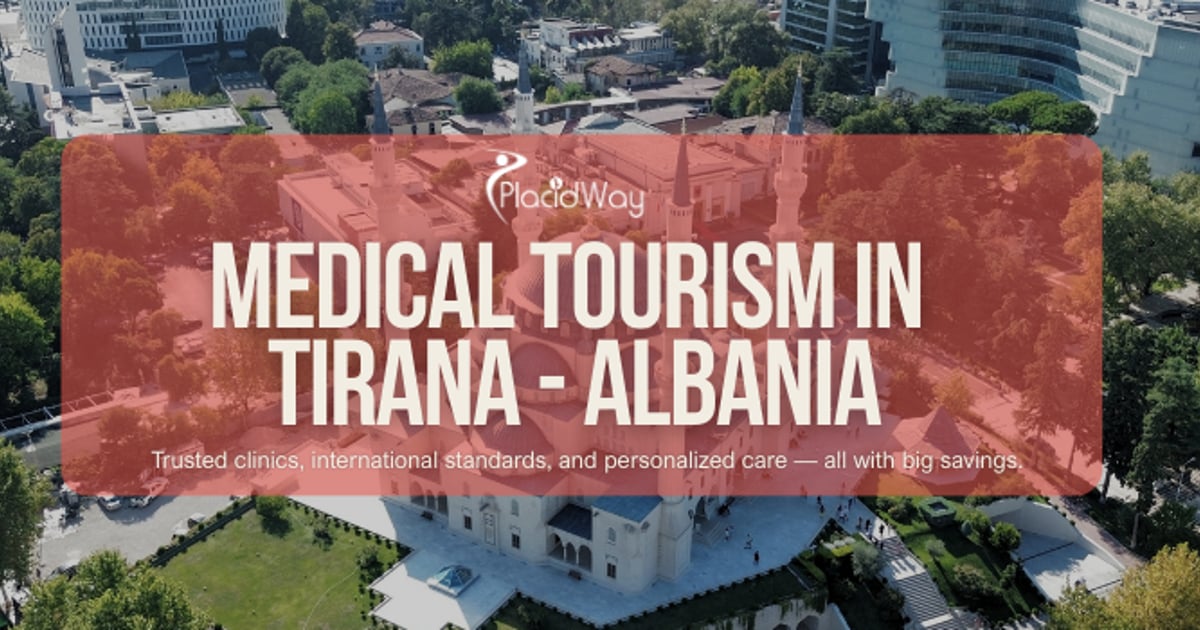
- The Heart of the City: Skanderbeg Square is the vast, pedestrianized center of the capital, offering a completely flat surface ideal for slow, post-operative walking. Strolling here promotes gentle blood circulation without straining recovering muscles or incisions.
- Architectural Distractions: The square is surrounded by vibrant, historically significant buildings like the Et'hem Bey Mosque and the Palace of Culture. Taking in these sights offers excellent mental distraction from any lingering dental or surgical discomfort.
- Ample Resting Spots: Numerous benches and shaded areas dot the perimeter of the square, allowing you to easily sit and rest the moment you feel fatigued. This accessibility ensures you never push yourself beyond your physical limits during recovery.
- Evening Ambience: Visiting the square in the early evening, when the heat of the Mediterranean sun has passed, provides a calm, cooling atmosphere. The gentle hum of local life is soothing for patients navigating the emotional ups and downs of surgery.
- Proximity to Care: Because Skanderbeg Square is the geographical center, it is rarely more than a 10-minute taxi ride from major private medical facilities. You can enjoy your tourism experience knowing clinical support is immediately accessible if needed.
Albanian Cafe Culture: The Perfect Pacing for Relaxation
We often rush through our days at home, a habit that is detrimental when your body requires energy to heal. Adapting to the local rhythm is not just culturally enriching; it is actively beneficial for your physical recovery timeline.
- The Art of Slowing Down: Albanians take their coffee culture incredibly seriously, viewing it as a prolonged social event rather than a quick caffeine fix. Sitting for two hours over a macchiato aligns perfectly with the resting requirements of a medical tourist.
- Hydration and Soft Options: Beyond exceptional espresso, local cafes serve fresh fruit juices, smoothies, and soft teas. These are crucial for hydration and provide pain-free nutritional options for patients recovering from extensive dental implants or extractions.
- A Welcoming Atmosphere: Cafe staff are accustomed to tourists and are famously hospitable, meaning you will never feel rushed to give up your table. This allows you to comfortably read, coordinate with family back home, or simply people-watch while healing.
- Ubiquitous Wi-Fi: Virtually every cafe in the capital offers strong, free internet access, which is essential for medical travelers. You can easily email your coordinator, check flight statuses, or download post-op care instructions while relaxing.
- Social Distraction: The lively, community-focused energy of the city's cafes prevents the feelings of isolation that sometimes accompany traveling alone for healthcare. Simply being surrounded by local life can significantly boost your mood and resilience.
The Culinary Scene: Eating Well for Healing and Pleasure
Proper nutrition is a cornerstone of wound healing and immune support, making your dietary choices during your trip highly important. Fortunately, the local cuisine is fundamentally Mediterranean, emphasizing fresh, anti-inflammatory ingredients.
- The Mediterranean Diet Advantage: Local menus are rich in olive oil, fresh vegetables, lean grilled meats, and seafood sourced from the nearby Adriatic coast. This diet naturally supports cellular repair and reduces post-surgical swelling.
- Accommodating Dental Diets: For dental tourists on strict soft-food diets, traditional Albanian cuisine offers excellent options like Byrek (when filled with soft cheese), slow-cooked vegetable stews (Tavë Kosi), and rich, pureed soups. You will not be restricted to eating bland hotel food.
- High-Quality, Organic Produce: Because the country relies heavily on localized agriculture, the produce served in restaurants is largely organic and highly nutritious. Access to vitamin-rich, un-processed foods directly aids in a smoother, faster physical recovery.
- Italian Culinary Influence: Due to historical ties and proximity, the city boasts exceptional, authentic Italian restaurants offering soft pastas and risottos. This provides familiar, comforting, and easy-to-chew meals for international patients feeling homesick.
- Affordable Fine Dining: The low cost of living extends to gastronomy, allowing medical tourists to enjoy premium dining experiences for a fraction of London or Zurich prices. Treating yourself to a beautiful meal acts as a wonderful psychological reward after completing a medical procedure.
Communicating: Language, Culture, and Clinic Coordinators
The fear of not being understood while vulnerable and in pain is a massive barrier for prospective healthcare travelers. Understanding the linguistic landscape of your destination is key to minimizing this specific, highly valid anxiety.
- Widespread English Proficiency: Among the younger generations and within the professional hospitality and medical sectors, English is spoken fluently. UK and international patients will rarely struggle to order food, navigate a pharmacy, or ask for basic directions.
- The Italian Language Connection: Due to heavy consumption of Italian media over decades, a vast portion of the local population speaks fluent Italian. Patients traveling from Italy or Italian-speaking Switzerland will find communication virtually seamless across the city.
- Dedicated Patient Coordinators: Clinics catering to international travelers employ dedicated, multi-lingual patient coordinators to bridge any gaps. This person acts as your advocate, ensuring your clinical questions are translated with absolute medical accuracy to the surgical team.
- Written Medical Translations: Reputable facilities will provide your treatment plans, consent forms, and post-operative care instructions in your native language. Never sign a medical document unless it has been translated in a way you fully comprehend.
- Cultural Empathy and Warmth: Beyond spoken language, Albanian culture places a profound emphasis on "Besa," a code of honor that translates to profound hospitality. Healthcare providers generally display a level of warmth and personal attentiveness that many European patients find deeply reassuring.
Gentle Day Trips: Expanding Your Horizon Carefully
If you have a gap of several days between your primary procedure and your final check-up, you may wish to venture beyond the city limits. However, any excursions must be evaluated against your physical capacity and medical restrictions.
- The Dajti Ekspres Cable Car: For spectacular views without the physical strain of hiking, the cable car up Mount Dajti is an ideal half-day activity. The smooth, seated ride brings you to fresh mountain air, which is wonderfully revitalizing during recovery.
- Historical Kruja: Located less than an hour away, the town of Kruja offers a famous castle and a traditional bazaar. It is suitable for patients well into their healing phase, though the cobbled streets require comfortable, supportive footwear to prevent jarring.
- Durrës Coastal Retreat: A quick 40-minute drive connects the capital to the Adriatic coastal city of Durrës. Sitting by the sea and enjoying the iodine-rich ocean breeze is a highly recommended, low-impact activity for patients feeling claustrophobic in the city.
- Private Transportation is Essential: When planning day trips post-treatment, always hire a private driver or rely on a clinic-recommended taxi rather than navigating public buses. Comfort, air-conditioning, and the ability to return to your hotel immediately if fatigued are non-negotiable.
- Sun Exposure Warnings: If you have undergone cosmetic surgery or are taking certain antibiotics following dental work, strict sun avoidance is often medically mandated. Excursions must be planned for early mornings or late afternoons, utilizing wide-brimmed hats and SPF.
Exploring Tirana's Green Spaces for Recovery
Physicians universally agree that gentle, steady movement helps prevent post-surgical complications like deep vein thrombosis while boosting overall mood. Having safe, accessible outdoor spaces is a vital component of any medical destination.
- The Grand Park of Tirana (Parku i Madh): This expansive 289-hectare park features an artificial lake surrounded by completely flat, paved walking trails. It offers a safe, predictable surface for patients who need to walk but are unsteady on their feet.
- Shaded Healing Environment: The park’s dense canopy of trees provides necessary shade, keeping you cool and protecting sensitive post-operative skin from direct UV exposure. The presence of nature has been clinically shown to reduce cortisol levels and anxiety.
- Frequent Seating Areas: Park benches are spaced at regular intervals along the lake perimeter, ensuring you are never far from a resting spot. This allows you to manage your exertion levels precisely as your body dictates.
- Rinia Park Accessibility: For those staying closer to the central business district, Rinia Park offers a smaller, highly manicured green space. It is perfect for brief, 15-minute walks directly following a morning clinical consultation.
- Safe Pedestrian Infrastructure: Recent urban renewals have prioritized pedestrian safety in these green zones, meaning you won't have to navigate aggressive traffic while feeling physically vulnerable. This secure environment is crucial for relaxed, mindful recovery walking.
Museums and History: Low-Impact Cultural Immersion
Mental engagement is just as important as physical rest when spending a week or more in a foreign country for healthcare. The city’s museums offer fascinating insights into a complex history without requiring strenuous physical effort.
- Bunk'Art Museums: Housed in massive, Cold War-era nuclear bunkers, these dual museums offer an immersive look at the country's isolated communist past. They are cool, quiet, and easily navigated at a slow, self-directed pace.
- National Historical Museum: Identifiable by the massive mosaic on its facade in Skanderbeg Square, this museum walks you through antiquity to modern times. Its central location means you can pop in for an hour and easily return to your nearby hotel to rest.
- House of Leaves: This museum of secret surveillance provides a gripping, somber look into historical espionage. It is small and contained, making it an excellent one-hour activity that won't exhaust a recovering patient.
- Climate-Controlled Comfort: During the peak heat of summer, exploring indoor museums provides a necessary escape for patients who are prone to post-surgical swelling. The air-conditioned environments help maintain a stable, comfortable body temperature.
- Avoiding Crowds: Unlike the chaotic museums in Rome or London, the cultural sites here are generally uncrowded, particularly on weekday mornings. You can enjoy the exhibits without the fear of being jostled or rushed, protecting your physical space.
Practical Safety and Travel Tips for Medical Tourists
A smooth healthcare journey requires diligent planning that goes beyond booking a flight and a clinic appointment. General travel safety and logistical preparedness are the bedrocks of a stress-free experience abroad.
- High Personal Safety Standards: Violent crime against tourists in this region is exceptionally rare, and the city is generally considered very safe for solo travelers. You can confidently walk to local restaurants in the evening without heightened anxiety.
- Pedestrian Awareness: While safety from crime is high, local driving habits can be erratic, and pedestrian right-of-way is not always strictly observed. Always remain highly alert at crosswalks, especially if pain medication has dulled your reaction times.
- Tap Water Precautions: It is strongly advised to drink only bottled water, which is cheap and widely available. For dental patients with open surgical sites, using bottled water for brushing your teeth is a critical step in preventing avoidable infections.
- Local Pharmacy Access: Pharmacies (Farmaci) are ubiquitous across the capital and are generally well-stocked with European-standard medications. Pharmacists are highly trained, often speak English, and can easily fulfill your post-operative prescriptions.
- Travel Insurance Realities: Standard holiday travel insurance rarely covers complications arising from elective medical procedures sought abroad. You must explicitly source specialist medical tourism insurance to ensure you are covered for emergency repatriations or unforeseen medical events.
Managing Payments and Finances While Traveling
Failing to prepare your finances can lead to stressful encounters at the clinic reception desk when it comes time to settle your bill. Understanding the local currency landscape ensures your transactions are secure and seamless.
- The Local Currency (Lek): While the official currency is the Albanian Lek (ALL), everyday cash transactions for small items like coffee or taxis are best handled in this local tender. ATMs are plentiful across the city for easy withdrawals.
- Euro Acceptance: The Euro is widely accepted informally in hotels, larger restaurants, and specifically in the private healthcare sector. Most medical tourism clinics price their procedures and accept cash payments directly in Euros.
- Credit Card Usability: Major clinics accept Visa and Mastercard, but you must notify your bank of your travel plans beforehand to prevent automated fraud blocks on large medical transactions. Be aware that some clinics may pass on a 2-3% card processing fee.
- Cash Payment Discounts: It is common practice for clinics to offer slight discounts (often around 5%) if the patient pays the entire treatment balance in cash (Euros or GBP). Discuss this option with your coordinator before traveling to ensure you carry funds safely.
- Tipping Etiquette: Tipping 10% in cafes and restaurants is customary and appreciated, though not strictly mandatory. However, tipping medical staff or doctors is neither expected nor professionally appropriate.
The Patient Perspective: A Typical Healing Journey
To truly understand the rhythm of this experience, consider this illustrative journey of a typical patient traveling from the UK for major restorative dental work. This composite scenario highlights the practical realities of combining clinical care with foreign travel.
Upon landing at TIA, you are met by a clinic representative who drives you to a comfortable hotel in the Blloku district. The first evening is spent resting and enjoying a simple, soft meal at a nearby Italian restaurant. The next morning, you take a five-minute taxi ride to the clinic for 3D scans and the initial, intensive phase of your procedure.
Following the surgery, the next three days are dedicated strictly to recovery. You spend mornings taking slow walks around the Grand Park lake, sitting frequently to rest. Afternoons are passed in shaded cafes, sipping iced teas and reading while the clinical coordinator checks in on you via WhatsApp. By day five, the swelling subsides enough to enjoy a gentle cable car ride up Mount Dajti, turning a medical necessity into a genuinely memorable Mediterranean trip before your flight home.
Frequently Asked Questions
Is Tirana safe for international medical tourists?
Yes, the city is widely considered very safe for international visitors. Violent crime is remarkably low, and locals are famously hospitable to tourists. Patients should practice standard urban awareness, but can generally feel secure walking around the central districts, even in the evenings.
Do I need a visa to travel to Albania for healthcare?
Citizens of the United Kingdom, the European Union, the United States, and Switzerland do not require a visa for stays of up to 90 days. This visa-free access makes rapid travel planning for sudden medical or dental needs highly convenient.
How do I pay for my medical treatment in Albania?
Most clinics catering to international patients prefer cash payments in Euros or British Pounds, often offering slight discounts for this method. Major credit cards (Visa/Mastercard) are also widely accepted, though you should inform your bank prior to travel to prevent large transactions from being blocked.
Will there be a language barrier at the hospital?
Communication is rarely an issue in the private healthcare sector. Dentists, surgeons, and clinic coordinators generally speak excellent English and Italian. All medical documents and post-operative instructions will be provided in a language you fully comprehend.
What is the best time of year to visit for surgery?
Spring (April to June) and Autumn (September to November) offer the most comfortable climates for recovery. The summer months can be intensely hot, which may exacerbate post-surgical swelling and limit your ability to walk comfortably outside during the day.
Can I fly immediately after my procedure?
Flight clearance depends entirely on your specific procedure. Minor dental work may allow flying within 24 hours, while complex sinus lifts or cosmetic surgeries may require you to stay grounded for 5 to 7 days to prevent complications from cabin pressure changes.
Are Albanian medical clinics properly regulated?
Yes, legitimate private clinics must be licensed by the Albanian Ministry of Health and Social Protection. Furthermore, physicians and dentists are strictly regulated by national professional bodies such as the Order of Physicians and the Order of Dentists.
What happens if I need follow-up care back home?
Top-tier clinics provide comprehensive digital medical records, implant passports, and detailed operation notes in English. You must take these documents to your local practitioner in your home country to ensure seamless continuity of care and proper monitoring.
Can I drink the tap water during my stay?
It is highly recommended that tourists drink only bottled water, which is very inexpensive and available everywhere. Using bottled water to brush your teeth and rinse your mouth is especially important for patients recovering from oral surgery.
How do I travel from Tirana airport to the city center?
The airport is approximately 17 kilometers from the center. While regular taxis and airport buses are available, most international patients utilize the dedicated VIP transfer services pre-arranged and often included by their chosen medical clinic.
Ready to Explore Your Healthcare Options?
We understand that planning overseas treatment requires careful thought and absolute trust. If you are ready to compare verified clinics, review transparent pricing, or simply ask a few preliminary questions, our coordinators are here to offer calm, zero-pressure guidance to help you navigate Medical Tourism in Tirana, Albania.
References
- Foreign travel advice: Albania – UK Foreign, Commonwealth & Development Office (FCDO)
- Albania Country Profile and Health Data – World Health Organization (WHO)
- Health Regulatory Frameworks – Albanian Ministry of Health and Social Protection
- Going Abroad for Medical Treatment Guidance – National Health Service (NHS UK)
- Albania Demographics, Languages, and Infrastructure – CIA World Factbook
- Official Tourism and Visitor Statistics – Albanian Institute of Statistics (INSTAT)
- Medical Tourism Safety, Risks, and Outcomes – PubMed Central (National Library of Medicine)
Medical Disclaimer: The information provided in this article is for educational and informational purposes only and does not constitute medical advice, diagnosis, or treatment planning. Procedural costs, regulatory frameworks, and travel logistics are subject to change. Always consult directly with a qualified, licensed physician or dental specialist in your home country and your destination country before making any clinical decisions or booking healthcare travel.










Share this listing