

Exploring Medical Tourism in Albania: Evaluating Clinics, Costs, and Patient Safety
An Italian teacher reviews local quotes for All-on-4 Dental Implants and realizes the total cost equals a year’s salary. She expands her search across the Adriatic, finding Tirana clinics promising complete restoration in a fraction of the time. The financial relief is immediate, but she wonders how a complex bite adjustment is handled once she returns to Rome.
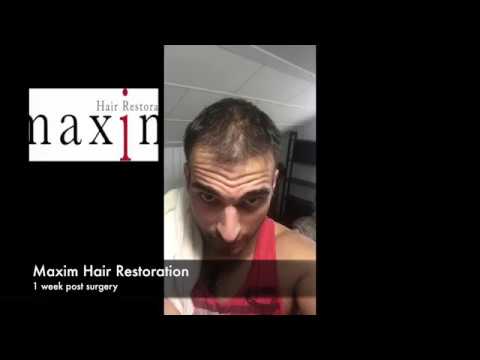
A manager from London scrolls through before-and-after photos of a Hair Transplant in Albania. He has the budget for local care but is drawn to the high-volume expertise and comprehensive packages offered abroad. He hesitates, however, over how to manage postoperative swelling and aftercare once he is back on his rainy morning commute.
A young professional in Geneva considers Rhinoplasty and Breast Augmentation but feels overwhelmed by local waiting lists and steep facility fees. She reads about modern aesthetic centers in Albania that offer private coastal recovery. Her primary barrier is understanding how to independently verify a foreign surgeon's board certifications and emergency protocols.
All three people are dealing with the exact same topic—medical tourism in Albania. Yet, their actual journeys, clinical requirements, and risk factors differ significantly.
How do I accurately evaluate foreign medical providers to ensure my clinical safety, rather than just comparing package prices?
Understanding Your True Motivation for Seeking Care Abroad
Choosing to travel for healthcare requires stepping outside your comfort zone. Medical decisions are deeply personal, and the choice to cross borders adds layers of logistical and emotional weight.
Maybe you have been postponing essential dental work, like Dental Implants, because local out-of-pocket costs keep rising beyond your reach. Perhaps you are seeking cosmetic changes, like Liposuction, but feel rushed or dismissed by local specialists during brief consultations.
Maybe your timeline is tight, and you want a facility that can accommodate your work schedule without waiting months for an opening. Perhaps you simply want a private, unrecognized place to recover away from colleagues and daily family obligations. Maybe your situation is a mix of financial boundaries and a desire for focused, dedicated attention.
Which sounds most like you?
"I need extensive work, and doing it at home would drain my entire savings."
This reader is prioritizing cost versus long-term value. They must balance upfront savings against the potential cost of returning abroad for follow-up care or revisions.
"I want this procedure done privately, without my local circle knowing until I am fully healed."
This reader is prioritizing privacy and environment over proximity. Their primary focus should be on the safety of flying during the vulnerable postoperative recovery window.
"I am drawn to clinics that perform this specific surgery multiple times a day."
This reader is prioritizing specialization and standardized repetition. They need to ensure that a high-volume clinic still offers individualized assessment, rather than a one-size-fits-all medical approach.
"I just want a package that handles the hotel, the transfers, and the doctor in one booking."
This reader is prioritizing convenience and reduced logistical friction. Their challenge is ensuring that convenience does not overshadow the need to independently verify the medical credentials of the chosen facility.
This is why choosing medical tourism in Albania should begin with your situation, not a generic ranking, slogan, or price comparison.
One Medical Tourism Destination. Several Different Real-World Paths.
Traveling to Albania for healthcare is not a single, standardized experience. The country has rapidly developed its private medical sector, but clinical environments, oversight, and patient models vary widely.
Official guidance from international medical boards notes that while many private clinics utilize state-of-the-art European equipment, local regulations on advertising and aftercare can differ from those in the UK or Switzerland. Capability, quality, timing, and support can differ substantially between a boutique cosmetic surgery center and a high-volume dental tourism hub.
In practice, this means one patient might experience a highly personalized, doctor-led journey, while another might navigate a heavily commercialized, agency-driven itinerary. These structural differences dictate who handles your complications, who translates your medical records, and who legally owns the responsibility for your outcome.
Here is what those differences can feel like in real life.
The Accelerated Dental Route: When Time Away from Work is Limited
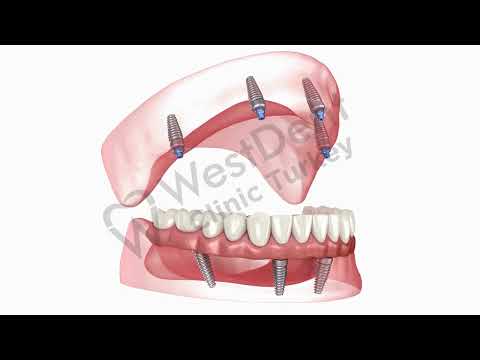
You sit in a modern Tirana dental clinic, scheduled for intensive work involving All-on-4 Dental Implants and Dental Veneers over just seven days. The clinic coordinates your airport transfer, boutique hotel, and daily clinic visits seamlessly.
This option attracts professionals who cannot afford to take weeks off for phased, month-by-month treatments back home. It relies on immediate loading techniques and in-house laboratories that manufacture crowns overnight.
However, the human body does not always respect tight flight schedules. Accelerated dental work demands long hours in the chair, rapid adaptation to new bite alignments, and managing sudden swelling in a hotel room.
Before you decide, ask:
- Who is responsible for adjustments if a veneer feels misaligned two weeks after I return home?
- Does the clinic use implant brands that my local dentist has the tools and authorization to service?
- What is the clinical protocol if my bone density requires a graft, extending the timeline beyond my return flight?
- Will I receive my complete dental records, including postoperative panoramic X-rays, in English or German?
- How are emergency pain management requests handled after clinic hours on a weekend?
Logistical convenience can change the calculation. It should not end the research.
The Surgical Retreat: When Privacy and Environment Drive the Choice
A private recovery suite near the Albanian coast offers a quiet, unseen space to heal from Rhinoplasty or Breast Augmentation. Dedicated nursing staff visit your room to check vitals, change dressings, and monitor early recovery signs.
This route appeals to those wanting discretion, allowing them to return home only when bruising has faded. The focus is on blending high-end cosmetic care with a serene, stress-free recovery environment.
Yet, major surgery requires acute medical readiness. A beautiful view does not replace the need for an intensive care unit if an unexpected surgical complication or infection arises.
Before you decide, ask:
- Is the surgery performed in a fully accredited hospital or a smaller ambulatory clinic?
- What are the exact escalation procedures and transfer times if I require emergency hospital admission?
- How many days must I wait before it is medically safe to board a pressurized commercial flight?
- Who holds liability if a revision surgery is required due to asymmetrical healing?
- Are the nurses visiting my hotel legally certified to administer intravenous antibiotics if needed?
An attractive recovery setting can make the experience easier. It cannot replace critical medical readiness.
The Single-Day Procedure: When Volume and Repetition Build Expertise
You arrive for a Hair Transplant, spending a long day in a dedicated clinic where the team performs this exact procedure multiple times daily. The environment operates with a highly standardized, efficient rhythm.
This pathway caters to patients looking for specialized teams that have mastered a single aesthetic procedure. The repetition often results in clinical speed and lower operational costs.
The trade-off often lies in personalization. High-volume clinics may delegate significant portions of the procedure to technicians rather than the primary surgeon.
Before you decide, ask:
- Which specific steps of the procedure will the board-certified surgeon perform versus unlicensed technicians?
- How do we communicate effectively if I experience unexpected graft shedding back in the UK?
- Is my donor area density sufficient, or am I being approved simply to fill a daily booking slot?
- What happens if the local anesthesia wears off faster than anticipated during the extraction phase?
- What documentation is provided to prove the exact number of grafts successfully implanted?
High volume can build clinical speed. It does not automatically equal personalized aftercare.
The Person Beside You Has a Role Too
There is often another person missing from guides like this. It is the partner, parent, sibling, or friend who boards the flight with you.
Guides focus on the patient, but the companion carries a significant burden. They are the ones remembering medication schedules when you are groggy from anesthesia.
They coordinate the local taxis, communicate with clinic coordinators across language barriers, and manage the unexpected stress if a flight is delayed or swelling looks alarming. They provide the emotional anchor in a foreign medical environment.
A responsible provider will equip your companion with clear instructions. They need to know exactly who to call at 2:00 AM if you spike a fever, where the nearest pharmacy is located, and how to spot signs of Deep Vein Thrombosis (DVT).
Better medical decisions consider everyone affected by the journey, ensuring the person supporting you is also supported.
Moving Past the Search for the "Best" Clinic
The most common question readers ask is, "Which is the best clinic in Albania?" This question feels entirely natural, but it fails to capture the complexity of foreign medical care.
The "best" clinic for a healthy 30-year-old seeking Dental Veneers may lack the cardiology clearance protocols necessary for a 60-year-old undergoing Liposuction. Relying on social media follower counts, glossy waiting rooms, or five-star reviews obscures what actually keeps patients safe.
"We are the number one internationally certified clinic for guaranteed cosmetic results."
When you read a claim like that, you must ask: Certified by whom? Under what national or international regulatory body? Trust must come from identifiable responsibility and verifiable evidence.
Instead of looking for the "best," you should verify the specific entities involved. Check if the surgeon is registered with the Albanian Medical Chamber. Verify if the facility holds specific accreditation for surgical hygiene, rather than just a generic ISO business certificate.
Before you commit, try the 4-Part Care Continuity Test
- The Complication Checkpoint: If you suffer an infection three days after returning home, exactly which doctor is responsible for reviewing your case and prescribing local antibiotics?
- The Transparency Checkpoint: Can the clinic provide the exact brand, serial number, and international warranty information for your implants before you sign the contract?
- The Communication Checkpoint: Will you have direct contact with a medically trained professional during recovery, or only a sales coordinator?
- The Records Checkpoint: Are your complete medical and surgical notes translated into your native language and handed to you before you board your flight?
That is the medical tourism in Albania test.
Show the Topic Through Different Reader Eyes
"I am a retiree needing total dental restoration on a fixed pension."
Route: The high-value dental implant hub offering All-on-4 procedures.
Investigate: The long-term maintenance costs of the specific implant brand being used.
Warning: Do not choose a clinic based solely on free hotel stays; prioritize the prosthodontist's verifiable experience level.
"I am a young professional seeking cosmetic refinements during annual leave."
Route: The boutique aesthetic clinic for Rhinoplasty.
Investigate: The minimum required stay before it is medically safe to fly without risking sinus complications.
Warning: Avoid treating this entirely as a holiday; surgical recovery requires strict rest, not sightseeing.
"I am a parent looking to restore my body after pregnancy."
Route: The comprehensive hospital setting for Breast Augmentation and Liposuction.
Investigate: Postoperative lifting restrictions and how you will manage childcare upon returning home.
Warning: Do not hide pre-existing health conditions or past surgeries from foreign doctors just to get approved faster.
"I am aiming to restore my hairline without draining my investments."
Route: The specialized Hair Transplant center in Tirana.
Investigate: The exact ratio of surgeon involvement versus technician involvement during extraction and implantation.
Warning: Over-harvesting the donor area for immediate dramatic results can permanently damage future restoration options.
Same medical tourism in Albania. Four completely different research journeys.
Looking Beyond the Initial Treatment Quote
Eventually, almost everybody asks.
"How much does it actually cost compared to staying home?" This is a reasonable question, but focusing strictly on the advertised package price is incomplete. The first number you see on a clinic’s website rarely reflects the reality of cross-border healthcare.
You must shift your focus from the procedure quote to the financial impact of the full journey.
What will the whole journey cost?
- Initial Procedure Price: The core fee for the surgery or implants.
- Pre-Travel Testing: Blood work or local scans required before you fly.
- Travel and Transfers: Peak-season flights, baggage fees for medical supplies, and local transport.
- Companion Costs: Food, accommodation, and lost wages for the person supporting you.
- Local Medications: Prescription painkillers, specialized garments, or antibiotics not included in the package.
- Unplanned Delays: Extra hotel nights if your surgeon delays your flight clearance due to slow healing.
- Local Aftercare: Paying out-of-pocket for a local physician to remove stitches or assess healing.
- Revision Risks: The cost of flying back to Albania, or paying local specialists, to correct a complication.
The cheapest procedure may not create the cheapest total experience.
What the Journey Actually Looks Like on the Ground
Medical tourism is often marketed with images of infinity pools and smiling couples in historic squares. The reality of undergoing surgery in a foreign country is much more grounded.
It is the anxiety of sitting in a bright Tirana waiting room, listening to a language you do not understand. It is the relief when a dedicated translator walks in and explains the anesthesia protocol clearly.
It is waking up in a hotel room with tight bandages, feeling the heavy fatigue of recovery. It is eating soft, unfamiliar foods because your new dental implants require care.
It is the quiet, nervous phone call back home to tell your family the procedure went well. It is the slow, stiff walk through the airport terminal on your way back, hoping no one bumps into your luggage.
That is still medical care. Just a very different kind.
The Realities People Wish They Had Planned For
- "I wish I’d known that flying with postoperative swelling would be so physically exhausting."
- "I wish I’d checked if my local dentist would be willing to maintain the specific brand of implants used in Albania."
- "I wish we’d planned for the emotional toll of dealing with minor complications thousands of miles away from my primary care doctor."
- "I wish I’d asked for all my operative notes in English before leaving the clinic, instead of trying to get them emailed weeks later."
- "I wish I’d known that cosmetic surgery revision rates are real, and returning for a fix requires paying for flights and hotels all over again."
- "I wish I’d checked exactly what emergency hospital the private clinic partners with, just in case things went wrong."
"Experience a flawless medical holiday with zero stress and perfect results."
Real-life retrospective questions provide vastly better guidance than promotional messages. Perfection is a marketing term; safe, accountable healthcare requires planning for the imperfections.
Evaluating If This Path Matches Your Circumstances
Medical tourism in Albania may be worth investigating when:
- You have thoroughly researched the specific procedure and understand standard recovery timelines.
- You can independently verify the surgeon’s credentials, experience, and board certifications.
- You have a capable companion traveling with you to manage logistics and advocate for you.
- Your budget accommodates not just the procedure, but potential travel delays and local aftercare costs.
- You are physically robust enough to handle the stress of international travel immediately following a medical procedure.
Who Should Think Especially Carefully?
Medical tourism in Albania—or any comparable option—may make less sense when:
- You have complex pre-existing health conditions like diabetes, heart disease, or blood clotting disorders.
- You are seeking treatment primarily out of sheer desperation and have not researched the risks.
- You expect your local public health system (like the NHS) to seamlessly fix foreign cosmetic or elective complications without cost or delay.
- You are traveling entirely alone for major surgery that requires significant mobility assistance.
- The clinic refuses to provide written, translated treatment plans and exact material details before you pay a deposit.
- Your timeline demands flying back the moment you wake up, ignoring safe flight-clearance windows.
It is perfectly valid to say: "I’m not comfortable proceeding."
What brings you here?
Finding the right direction depends on your starting point.
I need functional chewing restored but lack local funds.
Focus your research on Albanian clinics specializing in All-on-4 systems, demanding proof of the prosthodontist's specific implant volume and brand transparency.
I want to address hair loss quietly and efficiently.
Direct your search toward dedicated Hair Transplant clinics, specifically querying the ratio of doctor-to-technician involvement.
I am seeking aesthetic body contouring or facial refinements.
Look for board-certified plastic surgeons operating in accredited hospital settings, prioritizing emergency protocols over luxury hotel partnerships.
I am trying to balance dental aesthetics with a limited vacation window.
Investigate clinics offering Dental Veneers using in-house CAD/CAM technology, but ensure you plan for follow-up bite adjustments.
I am worried about my safety if something goes wrong abroad.
Stop looking at procedure prices and start researching independent medical accreditation bodies, medical malpractice laws in Albania, and travel insurance covering medical tourism complications.
That is not simply a product comparison. It is a decision environment.
Returning to the Reality of Your Choice
Maybe you decide that the savings and expertise in Tirana perfectly align with your goals, and you book your flight with confidence and a clear plan. Maybe you and your family discuss the logistics and realize the travel demands are too stressful right now.
Perhaps you pause, deciding to save for another year to afford local care because the uncertainty of foreign aftercare outweighs the financial discount. Someone else might find exactly the right specialized surgeon in Albania, returning home safely and highly satisfied.
Medical tourism in Albania cannot be reduced to simple promises of saving money, getting instant results, or finding "the absolute best." The reality requires navigating individual health profiles, practical limitations, and the necessity of rigorous verification.
The best option is not the one with the most obvious advantage.
It is the one where:
- the right clinical capability,
- the right accountable medical provider,
- the right recovery support system,
- and a realistic path to safe long-term follow-up
can come together for your particular situation.
"Where is medical tourism in Albania cheapest?"
"What is the next informed step that realistically fits my situation?"
PlacidWay: Your Way to Hope
Navigating healthcare across borders is a profound personal choice. It involves your wellbeing, your family's peace of mind, and the fundamental need to feel secure.
Maybe medical tourism is the right avenue for your needs. Maybe it isn't. The goal is not only finding an affordable procedure, but building a foundation of deeper clinical trust and preparedness.
At PlacidWay, we believe that informed decisions reduce fear. By replacing assumptions with transparency, you can approach your medical journey with clarity, realistic expectations, and hope.
Are you ready to explore your options safely?
Request Independent InformationDisclaimer: The information provided in this guide is for educational and planning purposes only and does not constitute personalized medical advice. Healthcare regulations, clinic capabilities, and individual patient suitability vary widely. Always consult with a licensed local healthcare provider and independently verify foreign clinic accreditations, surgeon credentials, and legal liability policies before committing to medical travel.
References
- Medical Tourism Guidelines – Centers for Disease Control and Prevention (CDC)
- Patient Safety and Medical Travel Guidelines – International Society of Aesthetic Plastic Surgery (ISAPS)
- Dental Implants: Frequently Asked Questions – American College of Prosthodontists
- Hair Restoration Surgery Basics – International Society of Hair Restoration Surgery (ISHRS)
- Going Abroad for Medical Treatment – National Health Service (NHS UK)



















Share this listing