
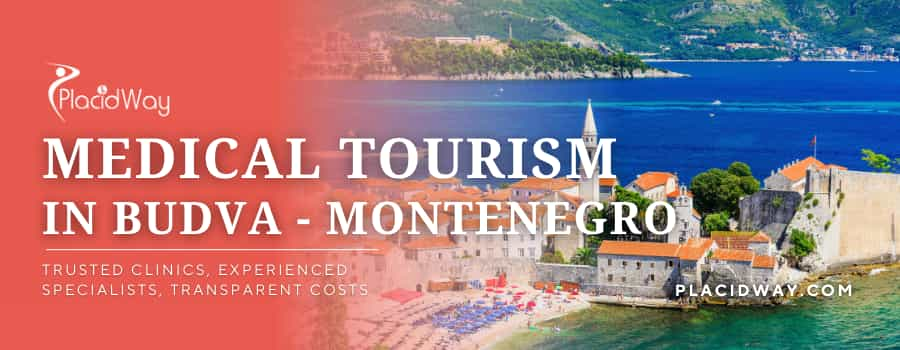
A Comprehensive Guide to Medical Tourism in Budva, Montenegro: Healing on the Adriatic Coast
Sunlight catches the rippling surface of the Adriatic Sea as a gentle morning breeze carries the scent of pine and salt through the open window of a coastal hotel room. A patient from Munich sits quietly on a sunlit balcony, sipping warm chamomile tea, reflecting on a seamless and comfortable morning spent at a nearby dental clinic just ten minutes away. Navigating Medical Tourism in Budva, Montenegro, often begins with this exact feeling of quiet relief, where the anxiety of cross-border healthcare dissolves into the soothing rhythm of a Mediterranean retreat.
Stepping out of your comfort zone for medical care is a deeply personal and sometimes overwhelming decision, especially when coordinating flights, clinical appointments, and post-treatment recovery. By choosing a destination that blends modern clinical standards with the restorative environment of the Montenegrin coast, you allow yourself the space to heal both physically and mentally without the stress of a bustling, impersonal metropolis.
Key Takeaways
- Medical Tourism in Budva, Montenegro offers savings of up to 50% to 70% on dental and aesthetic procedures compared to standard prices in Germany and the UK.
- Patients typically fly into Tivat Airport, which is located just a scenic 30-minute drive along the coastline from central Budva.
- The mild Mediterranean climate provides an ideal environment for post-operative recovery, avoiding the harsh winters of Northern Europe.
- Montenegrin clinics frequently employ English and German-speaking staff to ensure clear communication regarding your medical protocols.
- EU and UK citizens do not require a visa for short medical trips to Montenegro lasting up to 90 days.
Why European Patients Choose Medical Tourism in Budva, Montenegro
It is completely understandable to feel apprehensive about leaving your home healthcare system, as trust is the most important factor in any medical decision. Patients from Germany, Austria, Italy, and the UK are increasingly finding peace of mind in Budva, where high-quality clinical care is paired seamlessly with a calming, therapeutic holiday environment.
- Geographic Proximity: Direct flights from major hubs like Frankfurt, Vienna, and London bring you to the Montenegrin coast in under three hours, significantly reducing travel fatigue before your medical appointments.
- Therapeutic Microclimate: The mixture of sea air and surrounding mountains creates a restorative environment, allowing your body to rest comfortably by the tranquil waters of the Budva Riviera after a procedure.
- Boutique Healthcare Experience: Unlike massive medical hubs, Budva offers smaller, patient-focused clinics where your physician provides highly personalized attention before you return to your coastal hotel.
- Cultural Familiarity: The strong presence of Italian and Austrian cultural influences in the region's hospitality makes European patients feel instantly at home when ordering food or navigating the city.
- Serene Recovery Settings: Escaping the stress of daily life is essential for healing, and the quiet pine forests surrounding areas like Sveti Stefan offer the perfect backdrop for gentle, post-treatment walks.
- Combined Travel Value: Patients from Serbia and Italy can easily drive or take a short ferry to the coast, turning a necessary dental or aesthetic trip into a refreshing long weekend by the sea.
Popular Procedures Driving Health Travel to the Adriatic
Worrying about the quality of specific treatments abroad is a natural part of the planning process, and knowing what a destination specializes in can help ease those concerns. The clinics along the Budva coast have tailored their expertise to match the precise demands of international patients seeking both exceptional results and a restorative holiday.
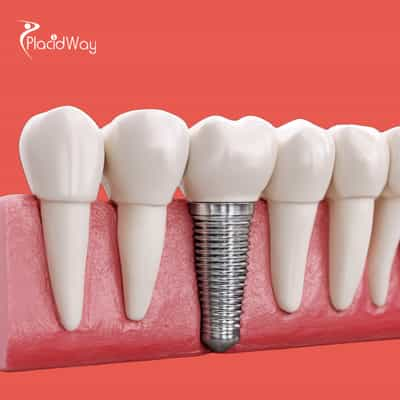
- Complex Dental Implants: After receiving state-of-the-art implant surgery, patients can rest their jaw and manage swelling while listening to the soothing waves at Mogren Beach.
- Cosmetic Veneers: Crafting a new smile takes precision, and between your fitting appointments, you can confidently explore the ancient, sunlit alleyways of Budva's Old Town.
- Preventive Health Screenings: Comprehensive diagnostic checkups require just a few hours in a modern clinic, leaving you ample time to enjoy a leisurely boat tour around the Bay of Kotor.
- Non-Invasive Facial Aesthetics: Dermal fillers and Botox require minimal downtime, meaning you can comfortably dine at a marina-side restaurant on the very same evening.
- Dermatological Treatments: Skin therapies benefit greatly from a stress-free environment, and avoiding harsh northern weather in favor of mild Mediterranean breezes aids in comfortable healing.
- Hair Transplantation: Following a meticulous follicle extraction procedure, recovering patients can wear a loose, protective sun hat while relaxing in the shaded, private gardens of Becici resorts.
How Much Does Medical Tourism in Budva, Montenegro Cost?
Financial anxiety is often the primary reason patients begin looking beyond their borders, as the out-of-pocket expenses for private care at home can be staggering. We understand that budgeting for a medical journey requires clear, honest numbers so you can confidently plan both your clinical fees and your coastal accommodation.
By examining the typical costs across different European nations, you can clearly see how the savings generated in Montenegro provide ample room for a luxurious recovery holiday. The data below outlines average procedural costs, highlighting how patients can afford premium clinical care alongside a boutique stay in the Mediterranean.
| Procedure Type | Avg. Cost in Germany | Avg. Cost in the UK | Avg. Cost in Budva | Tourism Integration |
|---|---|---|---|---|
| Single Dental Implant | €2,500 - €3,200 | £2,000 - £2,800 | €700 - €1,100 | Savings cover a 5-night stay in a premium sea-view suite. |
| Porcelain Veneer (Per Tooth) | €800 - €1,200 | £700 - £1,000 | €250 - €400 | Allows budget for private guided tours of coastal monasteries. |
| Full Health Screening | €1,000 - €1,500 | £800 - £1,200 | €300 - €500 | Leaves funds for upscale dining at the Budva Marina. |
| Hair Transplant (FUE) | €4,000 - €7,000 | £3,500 - £6,000 | €1,800 - €2,500 | Easily funds a two-week restorative retreat away from work. |
| Dermal Fillers (Per Syringe) | €350 - €500 | £300 - £450 | €180 - €250 | Combines perfectly with a relaxing weekend spa getaway. |
Understanding Local Healthcare Accreditation in Montenegro
Fearing a lack of regulatory oversight is a common hurdle when considering care in a developing European nation, and your safety must always remain the absolute priority. Montenegro’s healthcare sector aligns closely with broader European standards, ensuring that while you enjoy the laid-back coastal lifestyle, your medical care remains strictly regulated.
- Ministry of Health Oversight: All private clinics operating near the tourist centers must pass rigorous inspections by the Montenegrin Ministry of Health to maintain their operating licenses.
- Local Dental Chambers: Dentists in the coastal region are mandated members of the national dental chamber, ensuring they follow protocols comparable to those in Germany or Austria.
- European Material Standards: Clinics import medical devices, implants, and pharmaceutical products directly from the EU, meaning your coastal recovery is supported by familiar, high-quality materials.
- Hygiene and Sterilization: Facilities serving international patients adhere to strict sterilization guidelines, providing clinical peace of mind as you step away from the bustling promenades.
- Continuous Medical Education: Many local specialists complete fellowships in neighboring Italy or Serbia, bringing advanced international techniques back to their seaside practices.
- Transparent Patient Rights: The private healthcare framework clearly outlines patient consent and protection laws, ensuring your holiday is free from unexpected clinical compromises.
Arriving in Montenegro: Flights and Transfers to Budva
The logistics of navigating a foreign airport when you are already feeling anxious about an upcoming procedure can feel daunting for any traveler. Fortunately, reaching the Budva Riviera is a remarkably straightforward process, allowing you to transition smoothly from your flight into the welcoming embrace of the Mediterranean.
- Tivat Airport Convenience: Located just 20 kilometers away, flying into Tivat means your coastal transfer offers immediate, breathtaking views of the Bay of Kotor before your medical journey even begins.
- Podgorica Airport Options: The capital’s airport operates year-round flights from the UK and Germany, requiring only a one-hour scenic drive through the mountains down to the coast.
- Pre-Arranged Clinic Transfers: Most patient coordinators will schedule a private driver to greet you at arrivals, bypassing the stress of negotiating taxi fares with local drivers.
- Comfortable Vehicles: Transfer services utilize modern, air-conditioned vehicles to ensure you remain entirely relaxed and comfortable as you travel toward your seaside accommodation.
- Alternative Route via Dubrovnik: Some patients fly into neighboring Croatia and take a beautiful coastal drive south, blending a broader Balkan holiday with their scheduled health treatments.
- Accessible Arrival Times: European flights typically land in the morning or early afternoon, giving you plenty of time to check into your resort and enjoy a sunset dinner before your first clinic visit.
Where to Stay in Budva During Your Medical Recovery
Selecting the right accommodation is critical because your hotel room temporarily becomes your private sanctuary for healing and rest. Budva offers distinct neighborhoods that cater beautifully to medical travelers, allowing you to balance proximity to your clinic with the specific type of coastal tranquility you desire.
- Sveti Stefan Area: This highly exclusive, quiet district is perfect for patients recovering from more complex procedures, offering luxury privacy away from the summer tourist crowds.
- Becici Beach Resorts: Featuring flat terrain and expansive spa facilities, this area allows recovering patients to enjoy gentle walks along the sand without physical strain.
- Modern Downtown Apartments: Staying in the city center places you within walking distance of prime dental clinics and pharmacies, though you must navigate the vibrant energy of the local cafes.
- The Historic Old Town (Stari Grad): While visually stunning for a holiday, the uneven cobblestones and steep stairs may pose challenges if your treatment temporarily limits your physical mobility.
- Rafailovici Fishing Village: A tranquil alternative at the end of the promenade, offering fresh seafood restaurants that easily accommodate specific post-operative dietary requests.
- Amenities for Healing: When booking, prioritize hotels with dedicated room service, blackout curtains for daytime rest, and private balconies overlooking the soothing Adriatic Sea.
Navigating Language Barriers During Your Medical Journey
The fear of being misunderstood regarding a medical issue, allergies, or pain levels is a heavy burden for anyone seeking healthcare in a foreign language. You can take comfort in knowing that Montenegro’s tourism-driven economy has fostered a highly multilingual environment, particularly within the private medical sector catering to Europeans.
- English-Speaking Physicians: The vast majority of dentists and specialists managing international patients are entirely fluent in English, ensuring absolute clarity regarding your treatment plan.
- German Language Support: Given the influx of tourists from Germany and Austria, many top-tier clinics employ German-speaking staff to help you feel completely at ease.
- Translated Medical Documents: Clinics will provide your consent forms, post-operative instructions, and final receipts in English or your native language to prevent any bureaucratic confusion.
- Hospitality Communication: Waitstaff at the restaurants lining the Slovenska Plaza are accustomed to international visitors and can easily understand specific dietary modifications needed during your recovery.
- Digital Translation Tools: Having translation applications on your phone serves as a helpful backup when buying basic supplies at local Montenegrin pharmacies or grocery stores.
- Dedicated Patient Coordinators: Your assigned liaison acts as a personal translator and advocate, seamlessly bridging any communication gaps between your clinical care and your holiday activities.
Balancing Treatment and Tourism: What to Do in Budva
Feeling restricted to a hotel room can make a health-focused trip feel isolating, which is why choosing a vibrant yet relaxing destination is so important. Budva provides a wealth of low-impact, emotionally uplifting activities that perfectly complement the physical limitations you might experience while healing.
- Strolling the Coastal Promenade: A flat, paved walkway connects Budva to Kamenovo, offering a gentle, zero-strain exercise route set against the stunning backdrop of the sea.
- Exploring the Citadel: If your energy permits, the historic fortress provides panoramic views of the Riviera, serving as a beautiful distraction from any lingering post-treatment anxiety.
- Relaxing Boat Tours: Renting a private boat to view the Sveti Stefan peninsula allows you to enjoy the fresh marine air without exerting any physical energy.
- Museums and Culture: The Budva City Museum offers a quiet, air-conditioned environment to learn about local Illyrian history while escaping the midday Mediterranean heat.
- Therapeutic Spa Days: Many upscale coastal resorts feature thalassotherapy and mild massage treatments that can safely alleviate the physical stiffness associated with long medical appointments.
- Sunset Dining: Concluding your day at a quiet waterfront cafe provides the perfect opportunity to reflect on your successful procedure while watching the sky turn brilliant shades of orange.
A Typical Patient Experience: From Germany to the Adriatic Coast
Visualizing the actual day-to-day timeline is one of the most effective ways to calm the nervous mind before embarking on a cross-border healthcare journey. This illustrative schedule represents how a typical German patient beautifully merges their scheduled dental implant procedures with a rejuvenating Montenegrin holiday.
- Day 1: Arrival and Acclimation: After a short flight from Munich to Tivat, the patient is driven to a sea-view hotel in Becici, spending the evening enjoying a gentle walk along the beach to unwind.
- Day 2: The Initial Consultation: The morning involves a detailed clinical assessment and 3D scanning at the clinic, followed by a relaxed afternoon exploring the boutiques of the Old Town.
- Day 3: The Medical Procedure: The core treatment takes place in a highly sterilized environment, after which the patient returns straight to their room to rest, applying ice while watching the ocean.
- Day 4: Rest and Gentle Tourism: Experiencing mild swelling, the patient opts for a quiet day, taking a shaded boat ride around the bay and eating soft, comforting local dishes.
- Day 5: Follow-Up and Clearance: The doctor conducts a thorough check-up to ensure proper healing, green-lighting the patient to enjoy a celebratory, soft-diet meal at a premier marina restaurant.
- Day 6: Safe Journey Home: With medical records securely packed and the Mediterranean sun providing a final burst of energy, the patient takes a private transfer back to the airport, fully restored.
Food and Diet: Eating Well During Your Recovery in Budva
Worrying about what you will be able to eat post-surgery, especially after complex dental work, can cause unnecessary stress when visiting a foreign culinary landscape. Fortunately, Montenegrin cuisine is heavily rooted in the Mediterranean tradition, offering an abundance of soft, highly nutritious, and easily digestible options that promote rapid healing.
- Traditional Seafood Broths: Coastal restaurants serve clear, mineral-rich fish soups that are deeply comforting, highly nutritious, and require zero chewing effort for dental patients.
- Soft Local Cheeses: Fresh Montenegrin cheeses, often served with soft polenta (kacamak), provide excellent protein to aid tissue repair without straining your jaw.
- Olive Oil and Antioxidants: The region’s high-quality, locally pressed olive oil is naturally anti-inflammatory, serving as a gentle, healthy addition to soft mashed vegetables or purees.
- Hydration with Local Waters: Staying hydrated is crucial after any procedure, and the local mineral waters sourced from the Montenegrin mountains are both refreshing and widely available.
- Buzara Style Seafood: For those who can manage slight chewing, slow-cooked seafood stews in wine and garlic offer a delicate texture and an authentic taste of the Adriatic.
- Accommodating Hospitality: Montenegrin chefs take immense pride in their hospitality and are generally very willing to puree soups or overcook pastas to meet your strict medical dietary needs.
Post-Treatment Care and Follow-up Checks Before Flying Home
The period immediately following your procedure is often when anxiety peaks, as you want absolute certainty that everything has gone smoothly before leaving the country. Your clinical itinerary in Montenegro is specifically designed to include buffer days, ensuring your doctor can monitor your initial recovery while you relax by the sea.
- Mandatory Buffer Days: Scheduling two to three days between your procedure and your departure flight allows you to enjoy the coastal sunshine while remaining close to your treating physician.
- In-Person Clearances: A final physical examination ensures there are no early signs of infection, giving you the confidence to board your flight back to the UK or Austria safely.
- Medication Management: Your local doctor will provide enough pain relief or antibiotics to cover your journey home, easily sourced from well-stocked pharmacies located along the Budva promenade.
- Digital Treatment Records: You will receive a comprehensive, translated medical file detailing the materials used, which is vital for your local physician to continue your care in your home country.
- Managing Flight Pressure: Dentists and surgeons will advise you on specific techniques to manage cabin pressure during your flight out of Tivat, ensuring a pain-free return journey.
- Long-Term Communication: Even after you have enjoyed your final Mediterranean sunset and returned home, top clinics maintain open WhatsApp or email channels to monitor your long-term recovery.
Navigating the Seasons: When to Plan Your Medical Trip to Budva
Choosing the wrong time of year can turn a peaceful recovery into a stressful endeavor if you find yourself battling massive crowds or extreme weather. Understanding the seasonal rhythm of the Montenegrin coast empowers you to select a timeframe that offers the best balance of clinical availability and serene holiday conditions.
- The Spring Sweet Spot: May and early June offer comfortably warm weather and blooming coastal flora, making it the perfect time for a quiet, deeply relaxing medical retreat.
- Avoiding Peak Summer: July and August bring intense heat and massive influxes of tourists, which can make navigating the streets uncomfortable when you are trying to heal in peace.
- The Golden Autumn: September and October feature warm seas and empty beaches, providing a tranquil environment where you can easily secure prime accommodation at lower rates.
- Winter Clinical Focus: While the coastal towns become very quiet and some restaurants close from November to March, clinic availability is high and accommodation prices are at their absolute lowest.
- Sun Exposure Risks: If undergoing aesthetic or dermatological treatments, traveling during the cooler months helps you naturally avoid UV exposure, which is critical for preventing post-operative scarring.
- Flight Schedule Variations: Keep in mind that direct flights from Germany and the UK to Tivat fluctuate seasonally, which may require you to route through Podgorica during the off-season.
Safety and Security Guidelines for Medical Travelers in Budva
Safety encompasses far more than just surgical outcomes; it involves feeling entirely secure as you walk the streets of a foreign city in a vulnerable physical state. Montenegro is celebrated as a highly safe destination for international visitors, allowing you to focus entirely on your health and your enjoyment of the Adriatic scenery.
- Low Urban Crime Rates: Violent crime is exceptionally rare, meaning you can confidently enjoy evening strolls along the Budva marina without anxiety regarding personal security.
- Navigating Physical Hazards: Post-operative patients should be cautious of the slippery, uneven cobblestones in the Old Town, opting instead for the flat, paved walkways of the main promenade.
- Emergency Contact Numbers: Dialing 112 connects you to an English-speaking emergency dispatcher, providing a vital safety net while you stay in your coastal accommodation.
- Safe Drinking Water: While tap water is generally safe, consuming bottled mountain water during your recovery eliminates any risk of mild stomach upsets delaying your healing process.
- Reliable Private Pharmacies: Pharmacies (Apoteka) are clearly marked, well-regulated, and stock authentic European medications, ensuring you never have to worry about counterfeit post-care drugs.
- Respecting the Sun: The Mediterranean sun can be deceivingly strong, so wearing high SPF and a hat is a crucial safety measure to prevent inflammation after cosmetic facial procedures.
Preparing Your Travel Documents and Medical Records
Bureaucratic oversights can cause unnecessary spikes in stress, threatening to derail the calm mindset you need before entering a clinic. By organizing your paperwork well before you pack your bags for the Adriatic, you ensure that your entry into the country and your clinical intake are entirely frictionless.
- Visa-Free Entry: Citizens of the EU, UK, and most Western nations do not need a visa for stays up to 90 days, making spontaneous medical travel to Montenegro incredibly easy.
- Passport Validity: Ensure your passport remains valid for at least three months beyond your planned return date to prevent any boarding denials at your home airport.
- Physical Medical Records: Always bring physical, printed copies of your 3D dental scans, blood tests, or previous medical history, rather than relying solely on cloud storage that may be hard to access abroad.
- Travel Insurance Adjustments: Verify that your standard travel insurance covers general trip cancellations, though note it typically will not cover complications arising from planned elective procedures.
- Emergency Contacts: Keep a printed list of your home physician's details and your Montenegrin clinic's address tucked safely alongside your passport in your hotel safe.
- Financial Preparation: Montenegro uses the Euro natively, so having a small amount of physical cash is advisable for paying local taxis or purchasing small items at seaside kiosks.
Getting Around Budva: Transportation for Recovering Patients
When your body is utilizing its energy to heal, figuring out how to navigate a foreign transit system is the last thing you want to deal with. Getting around the Budva Riviera is wonderfully simple, offering accessible options that protect your physical comfort while allowing you to explore the stunning coastline.
- Pedestrian-Friendly Promenades: Much of the coastal strip is dedicated to pedestrians, providing flat, safe routes for light walks between your hotel, the clinic, and seaside cafes.
- Registered Local Taxis: Official taxis are affordable and can be easily called by your hotel reception, ensuring you do not have to strain yourself walking in the midday heat.
- Avoiding Public Buses: The local intercity buses can become crowded and require standing, which is strongly discouraged if you are feeling dizzy or weak after a medical treatment.
- Private Chauffeur Services: For a small premium, clinics can arrange private drivers for the duration of your stay, offering ultimate comfort and air-conditioned relief for your daily transport.
- Car Rentals: Renting a car gives you the freedom to explore hidden beaches like Jaz or Trsteno, but you should only drive if your doctor has specifically cleared you of any medication-induced drowsiness.
- Mindful Mobility: Always request ground-floor clinic access or confirm elevator availability ahead of time, as some older buildings in the city center may pose challenges for fatigued travelers.
Frequently Asked Questions
Is Budva safe for international medical tourists?
Yes, Budva is widely considered very safe for medical tourists from Europe. Violent crime is extremely low, and the private healthcare clinics adhere to strict health ministry guidelines. Patients can comfortably walk around the coastal areas during their recovery without significant security concerns.
Do clinics in Montenegro accept European health insurance?
Most private clinics catering to international patients do not directly accept standard European public health insurance for elective or cosmetic procedures. You will typically pay out-of-pocket in Euros and may seek partial reimbursement from your home provider later if the procedure was medically necessary.
What currency is used for medical payments in Montenegro?
Montenegro unilaterally uses the Euro as its official currency. Medical tourists from Germany, Austria, and Italy do not need to worry about currency exchange rates. Credit cards are widely accepted at established clinics, though carrying some cash is useful for small local purchases.
Can I combine a beach holiday with my medical treatment in Budva?
Absolutely, combining treatments with a coastal holiday is the primary appeal of the region. However, you must follow your doctor's orders regarding sun exposure and swimming. Many patients enjoy relaxing in shaded areas by the sea or taking gentle walks along the promenade during recovery.
How long should I stay in Montenegro after a dental implant?
Patients are generally advised to stay in Budva for at least three to five days following a dental implant procedure. This allows the local dentist to monitor the initial healing phase, manage any immediate swelling, and clear you for safe air travel back home.
Are there direct flights from the UK to Montenegro for medical travel?
Yes, several airlines operate direct flights from London to Tivat Airport during the spring and summer seasons. During the winter months, UK patients may need to fly into Podgorica Airport, which maintains year-round connections and is only an hour away from the coast.
Will language be an issue at Montenegrin medical clinics?
Language barriers are rarely an issue in the private healthcare sector. The majority of doctors, dentists, and patient coordinators working with international visitors speak fluent English, and many also speak German, ensuring clear communication throughout your medical journey.
What happens if there is a complication after I return home?
Reputable clinics in Budva provide comprehensive digital medical records and maintain long-term communication via email or WhatsApp. If a complication arises, they will coordinate with your local physician in your home country and honor warranties on materials like dental implants.
Do I need a visa to travel to Montenegro for medical reasons?
Citizens of the European Union, the United Kingdom, and the United States do not require a visa to enter Montenegro for stays of up to 90 days. This makes planning a short-notice medical or dental trip highly convenient for western travelers.
Is the food in Budva suitable for patients recovering from dental surgery?
Yes, the local Mediterranean diet is highly accommodating for dental patients. You can easily find soft, nutritious options like clear fish broths, slow-cooked risottos, fresh pureed vegetables, and soft local cheeses in almost every restaurant along the Riviera.
Ready to Plan Your Coastal Recovery?
Taking the first step toward cross-border healthcare should feel empowering, not overwhelming. If you are ready to explore your options in a relaxed, pressure-free environment, our compassionate coordination team is here to help you compare trusted clinics and understand your exact logistical needs. Let us help you organize your ideal journey for Medical Tourism in Budva, Montenegro.
References
- Quality of Care in Global Healthcare – World Health Organization (WHO)
- Traveler's Health: Montenegro – Centers for Disease Control and Prevention (CDC)
- Montenegro Travel Advice: Safety and Security – UK Government
- Montenegro: Reise- und Sicherheitshinweise – Federal Foreign Office Germany
- Patient Safety in Dentistry Guidelines – FDI World Dental Federation
- International Patient Safety and Medical Travel – International Society of Aesthetic Plastic Surgery (ISAPS)
Medical Disclaimer: The information provided in this article is for educational and informational purposes only and does not constitute medical advice, diagnosis, or treatment recommendations. Always seek the advice of a qualified physician or other recognized healthcare provider in your home country before making any decisions regarding medical travel or undergoing any surgical procedures. Prices and clinical protocols mentioned are estimated averages and may vary based on individual health conditions and specific clinic policies.














Share this listing