
Share with AI


.png)
"Experience the Harmony of Ancient Wisdom and Modern Science: Your Journey to Healing Starts with Medical Tourism in Beijing, China!"
Beijing is rapidly emerging as a powerhouse in the global healthcare sector, offering a unique proposition that few other destinations can match. As the capital of the world's most populous nation, medical tourism in Beijing, China represents a convergence of cutting-edge western medical technology and thousands of years of Traditional Chinese Medicine (TCM). Patients from across the globe are increasingly traveling to this historic city not just for cost savings, but for treatments that are often unavailable or prohibitively expensive in their home countries. The city's medical infrastructure has undergone massive modernization, boasting facilities that rival the best in Europe and North America.
The allure of Beijing lies in its ability to treat the whole person rather than just the symptoms. Whether you are seeking advanced stem cell therapy in Beijing, complex neurosurgery, or holistic cancer care, the city offers a diverse range of high-quality options. With a focus on patient safety and technological innovation, Beijing is redefining what it means to be a global medical hub, attracting thousands of international patients annually who seek reliable and affordable surgery in Beijing, China.
What truly sets Beijing apart is the strategic integration of TCM with modern diagnostics and surgical procedures. Hospitals here are equipped with the latest MRI machines, robotic surgical systems, and AI-driven diagnostic tools, yet they also respect the body's natural energy flows. This dual approach attracts patients looking for comprehensive medical care in China that minimizes side effects and promotes faster recovery through natural healing modalities alongside conventional medicine.
Recent industry reports indicate that the number of international patients visiting China for medical treatment has grown by over 15% annually, with Beijing hosting a significant portion of these visitors seeking specialized orthopedic and cellular therapies.
Why Choose Beijing for Your Medical Treatment?
Choosing a destination for medical travel is a critical decision, and Beijing presents a compelling case through its combination of affordability, expertise, and technological advancement. The city is home to some of the finest medical universities and research institutions in Asia, ensuring that the specialists treating you are at the forefront of medical science. When you opt for medical services in Beijing, you are accessing a system that handles high patient volumes, resulting in surgeons with exceptional experience and technical proficiency.
Furthermore, the government's significant investment in healthcare infrastructure means that international departments in public and private hospitals are designed to meet Western standards of comfort and care. From English-speaking staff to private suites, the environment is tailored to reduce the stress of traveling for surgery. The healthcare quality in Beijing is rigorously monitored, providing peace of mind to international visitors.
- Significant Cost Reductions: Patients can expect to save between 30% to 70% on procedures compared to the US, UK, or Australia, without compromising on quality.
- Access to Advanced Stem Cell Treatments: Beijing is a global leader in regenerative medicine, offering therapies for conditions often deemed untreatable elsewhere.
- Integrative Medicine Approach: The unique combination of Western surgery and TCM rehabilitation reduces recovery time and improves overall well-being.
- High-Volume Expertise: Surgeons in Beijing perform high numbers of surgeries annually, leading to superior skill levels and lower complication rates.
- No Waiting Lists: Unlike public healthcare systems in Canada or the UK, private and international wings in Beijing offer immediate scheduling for surgeries.
- World-Class Infrastructure: Facilities are equipped with the latest Da Vinci robots, CyberKnife systems, and PET-CT scanners.
- Cultural Experience: Patients can combine their recovery with visits to iconic sites like the Great Wall and the Forbidden City, boosting mental health.
Beijing is home to over 50 Grade 3A hospitals (the highest ranking in China's hospital classification system), many of which have established dedicated International Medical Centers specifically for foreign patients.
Cost of Popular Medical Treatments and Procedures
One of the primary drivers for medical tourism in Beijing, China is the financial advantage. While costs are lower, it is important to understand that this is due to the lower cost of labor, malpractice insurance, and administration in China, not a lack of quality. Patients seeking orthopedic surgery cost in Beijing or dental implants in China will find the pricing transparency refreshing.
The following table provides a comprehensive comparison of popular procedures. These figures are estimates and can vary based on the complexity of the case and the specific facility chosen. However, they serve as a solid baseline for budgeting your medical trip.
| Procedure Name | Average Cost in Beijing ($) | Average Cost in US/UK ($) |
|---|---|---|
| Stem Cell Therapy (Neuro/Ortho) | $20,000 - $35,000 | $50,000 - $100,000+ |
| Total Knee Replacement (Unilateral) | $10,000 - $14,000 | $35,000 - $50,000 |
| Total Hip Replacement | $11,000 - $15,000 | $40,000 - $65,000 |
| Spinal Fusion Surgery | $15,000 - $22,000 | $80,000 - $120,000 |
| Coronary Artery Bypass Graft (CABG) | $18,000 - $25,000 | $80,000 - $150,000 |
| IVF Cycle (Standard) | $4,500 - $7,000 | $12,000 - $17,000 |
| Dental Implant (Titanium) | $800 - $1,200 | $3,000 - $5,000 |
| LASIK Eye Surgery (Both Eyes) | $1,500 - $2,500 | $4,000 - $6,000 |
| Rhinoplasty (Nose Job) | $3,000 - $5,000 | $8,000 - $12,000 |
| Gastric Sleeve (Weight Loss) | $8,000 - $11,000 | $15,000 - $25,000 |
| Breast Augmentation | $4,000 - $6,500 | $8,000 - $12,000 |
| Prostate Cancer Treatment (HIFU/Robotic) | $15,000 - $20,000 | $40,000 - $60,000 |
| Face Lift (Full) | $6,000 - $9,000 | $15,000 - $25,000 |
How Medical Tourism Works
Navigating the process of medical travel might seem daunting initially, but the pathway to treatment in Beijing is structured and efficient. The industry has matured significantly, with streamlined protocols designed to assist international patients from inquiry to discharge. Understanding the flow of your journey helps in reducing anxiety and ensuring all logistical bases are covered before you board your flight.
Most patients begin with a remote consultation, allowing doctors in Beijing to assess medical records and propose a treatment plan. This digital-first approach ensures that you only travel when a viable medical solution is confirmed. The following steps outline the typical patient journey for those seeking healthcare abroad in China.
- Initial Inquiry: You submit your request and medical history through a facilitator like PlacidWay.
- Medical Evaluation: Specialists in Beijing review your files and imaging (MRI/CT scans) to determine eligibility.
- Treatment Plan & Quote: You receive a detailed proposal outlining the procedure, estimated costs, and duration of stay.
- Visa & Logistics: Once you accept, the hospital issues an invitation letter for your Medical Visa (S1/S2) application.
- Arrival & Admission: Upon landing in Beijing, you undergo pre-op tests and are admitted to the International Department.
- Procedure & Recovery: The surgery is performed, followed by a recovery period often including TCM therapies.
- Discharge & Follow-up: You receive your medical records in English and a plan for remote follow-up care.
Top Destinations and Medical Districts
Beijing is a sprawling metropolis, and its medical capabilities are often clustered in specific districts known for their healthcare infrastructure. When researching top hospitals in Beijing, China, it is helpful to understand the landscape of the city. The capital is divided into various zones, with the Chaoyang and Haidian districts acting as the primary hubs for international medical services. These areas are not only medical centers but also expatriate-friendly zones with easy access to amenities.
While we do not recommend specific clinics, we highlight the types of facilities available. Beijing hosts large public hospitals with "International Wings" (VIP wards) that offer the clinical strength of a major university hospital with the comfort of a private hotel. Additionally, there are specialized private hospitals focusing on orthopedics, maternity, and cosmetic surgery that cater exclusively to foreign nationals and wealthy locals.
- Chaoyang District: Known as the diplomatic and business center, this area hosts the highest concentration of international hospitals and clinics, making it convenient for foreign patients.
- Haidian District: Home to major universities and research centers, Haidian is the destination for complex, research-driven treatments and academic medical centers.
- Xicheng District: This area contains some of China's most historic and prestigious TCM hospitals, ideal for patients seeking integrative medicine.
- Fengtai District: An emerging hub for specialized rehabilitation centers, focusing on post-operative care and chronic disease management.
- Beijing Economic-Technological Development Area: A zone fostering biotech innovation, where patients can access the latest clinical trials and pharmaceutical advancements.
- Shunyi District: close to the airport, this area offers several high-end private medical facilities favored by the expat community for family health and dental care.
Always verify if the hospital you are considering has a dedicated "International Department." Regular public wards may not have English-speaking staff or the privacy standards international patients typically expect.
Patient Success Stories
Hearing from others who have navigated the journey of medical tourism in Beijing, China can be incredibly reassuring. Success stories highlight the real-world impact of affordable, high-quality care. From life-changing orthopedic surgeries to innovative cancer treatments, the outcomes speak to the expertise of Beijing's medical professionals.
Below are summaries of experiences from international patients who chose Beijing for their healthcare needs. These narratives underscore the diversity of treatments available and the high level of satisfaction regarding both the medical outcome and the service provided.
Knee Replacement Triumph
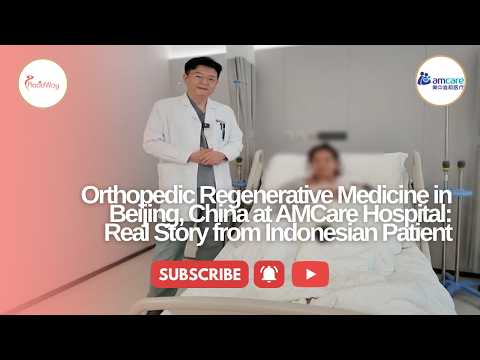
John from Australia traveled to Beijing for a bilateral knee replacement after facing a 2-year waitlist at home. He praised the use of robotic-assisted surgery which allowed him to walk within days. "The cost was a fraction of private care in Sydney, and the rehab using acupuncture significantly reduced my pain."
Stem Cell Success for Neurology
Sarah, a patient from the UK with a degenerative neurological condition, sought stem cell therapy in Beijing. "The doctors were incredibly transparent. The facilities were futuristic. Six months later, I've regained motor functions that my local doctors said were gone forever."
Integrative Cancer Care
Michael from the USA combined conventional chemotherapy with TCM immune-boosting therapies in Beijing. He noted that the holistic approach helped him manage side effects much better than previous rounds of treatment. "They treated me like family, not just a chart number."
Affordable Dental Makeover
Elena from Russia visited for extensive dental implants. She managed to get a full mouth restoration for the price of just a few implants in Europe. "The technology was faster and less invasive. I enjoyed touring the Summer Palace while waiting for my final fittings."
Medical Accreditations and Standards
Safety and quality assurance are paramount when traveling for surgery. Beijing's top medical facilities are subject to rigorous evaluation by both domestic and international bodies. When looking for the best medical care in Beijing, understanding these accreditations helps you distinguish top-tier hospitals from smaller clinics. The Chinese government has implemented a strict "Grade" system, with Grade 3A being the highest level of hospital classification, denoting excellence in medical care, research, and management.
In addition to local standards, many hospitals actively seek international accreditation to build trust with global patients. These certifications ensure that the hospital meets global benchmarks for patient safety, hygiene, and administrative efficiency. Before booking, you should always check for these stamps of approval.
- JCI Accreditation: The Joint Commission International (JCI) is the gold standard for global healthcare. Several top hospitals in Beijing hold this accreditation.
- Grade 3A Certification: This is China's highest hospital rating, ensuring the facility has over 500 beds and provides high-level specialized care.
- ISO Certification: Many labs and clinics hold ISO standards for quality management systems and medical device safety.
- TCM Accreditation: For traditional medicine, look for accreditation from the State Administration of Traditional Chinese Medicine.
- International Partnerships: Leading Beijing hospitals often have partnerships with institutions like Mayo Clinic or Johns Hopkins for knowledge exchange.
- Surgeon Board Certification: Ensure your surgeon is board-certified by the Chinese Medical Doctor Association and potentially holds international fellowships.
Safety, Legal, and Malpractice
Understanding the legal framework and safety protocols is essential for any medical tourist. China has strengthened its laws regarding patient rights and medical safety significantly in recent years. When engaging in medical tourism in Beijing, China, it is important to know that malpractice laws exist to protect patients, though the legal system differs from Western countries. Dispute resolution is typically handled through mediation committees or the courts.
Hospitals catering to international patients usually have robust protocols to prevent errors, including strict patient identification and surgical checklists. However, language barriers can pose a safety risk if not managed properly. This is why utilizing International Departments or professional medical interpreters is a non-negotiable safety measure for non-Mandarin speakers.
There are several misconceptions about healthcare in China that need addressing. One common myth is that low cost equates to low quality; in reality, costs are lower due to economic factors, not medical shortcuts. Another myth is that hygiene is poor; top-tier Beijing hospitals often have stricter sterilization protocols than some Western counterparts due to high patient turnover. Lastly, people fear they will be "lost in translation," but facilitators and international wings bridge this gap effectively.
Always request a written contract in English (or a certified translation) detailing the procedure, costs, and liability policies before undergoing any major surgery. Ensure you have travel insurance that covers medical complications abroad.
Cost of Living in Beijing for Medical Tourists
While procedure costs are the main expense, your daily living costs will impact your overall budget. Beijing offers a wide range of options, from luxury to budget-friendly. Generally, the cost of living for a medical tourist in Beijing is lower than in major cities like New York, London, or Tokyo. However, sticking to "expat" areas or international zones will be more expensive than local neighborhoods.
Food is incredibly affordable and diverse, though patients on strict post-op diets may prefer hotels with kitchenettes or international grocery stores. Transportation is efficient and cheap, with a world-class subway system and affordable taxis or ride-hailing apps (like Didi) that have English interfaces. Budgeting correctly for accommodation, food, and transport is vital for a stress-free recovery.
- Accommodation (Budget): $40 - $70 per night for a clean, 3-star hotel.
- Accommodation (Mid-Range): $80 - $150 per night for 4-star hotels or serviced apartments suitable for recovery.
- Accommodation (Luxury): $200+ per night for 5-star international chains.
- Meals: $5 - $10 for a local meal; $20 - $40 for a western-style dinner.
- Transport: Subway rides cost under $1. Taxi rides within the city center typically range from $5 to $10.
- SIM Card/Data: Approximately $15 - $20 for a month of generous data (essential for translation apps and maps).
How to Plan Your Medical Trip to Beijing
Planning a medical trip requires meticulous attention to detail. Unlike a regular vacation, you must coordinate medical schedules with travel logistics. The key to a successful trip for affordable medical care in Beijing is starting early. We recommend beginning the planning process at least 2-3 months in advance to allow time for visa processing and medical consultations.
Communication is the cornerstone of planning. Ensure you have clear lines of communication with your medical provider or facilitator. Do not book flights until your medical appointment is confirmed and you have a clear understanding of the visa requirements, as medical visas often require specific invitation letters from the hospital.
- Research & Select: Identify the procedure you need and compare different accredited hospitals in Beijing.
- Consultation: Send your medical records (translated if necessary) for a preliminary assessment.
- Visa Application: Apply for an S1 (long term) or S2 (short term) visa using the hospital's invitation letter.
- Flight Booking: Book flexible tickets in case recovery takes longer than expected.
- Accommodation: Book a hotel near the hospital; check for wheelchair accessibility if needed.
- Technology Prep: Download VPNs (if needed for your usual apps), translation apps, and local maps before arrival.
- Currency: Notify your bank of travel plans and bring some Chinese Yuan (RMB) cash for initial expenses.
How PlacidWay Facilitates Your Journey
PlacidWay serves as your bridge to world-class healthcare in Beijing. We understand that finding the right doctor and navigating a foreign healthcare system can be overwhelming. Our role is to simplify this process by connecting you with top-rated medical providers and gathering the essential information you need to make an informed decision.
We prioritize transparency and patient empowerment. By using our platform, you gain access to a curated list of certified medical centers without the hassle of endless internet searches. We facilitate the introduction and information exchange, ensuring you are speaking to the right experts for your specific condition.
- Direct Connection: We connect you directly with the medical provider so you can ask questions and build trust.
- Free Assistance: You pay the clinic directly for your treatment; our assistance in connecting you and gathering information is completely free of charge to you.
- Information Gathering: We help collect quotes and treatment plans from multiple providers to help you compare options.
- Educational Resources: We provide guides and articles to help you understand the destination and procedure.
- Ongoing Support: Our team is available to answer questions about the process and what to expect during your inquiry phase.
Frequently Asked Questions
Below are answers to the most common questions regarding medical tourism in Beijing, China. These FAQs address logistical, medical, and financial concerns to help you plan with confidence.
Yes, international patients typically apply for an S1 or S2 visa for medical treatment. You will need an invitation letter from the hospital or medical institution in Beijing to process this application at a Chinese embassy or consulate.
Yes, major hospitals in Beijing adhere to strict safety protocols and many hold JCI accreditation. The city boasts state-of-the-art medical infrastructure, though it is crucial to choose reputable International Departments within Grade 3A hospitals.
Absolutely, this is a primary advantage of medical tourism in Beijing. Most hospitals offer 'Integrative Medicine' where modern surgical procedures are complemented by TCM therapies like acupuncture and herbal medicine to speed up recovery.
Patients typically save between 40% to 70% on major procedures. For example, orthopedic surgeries and stem cell therapies are significantly more affordable in Beijing while maintaining high standards of care.
While Mandarin is the primary language, major hospitals catering to international patients have dedicated International Departments with English-speaking staff. It is still advisable to hire a medical translator for complex discussions outside these departments.
Most large hospitals accept major international credit cards (Visa, Mastercard) and direct bank transfers. However, digital payment platforms like Alipay and WeChat Pay are widely used and convenient for daily expenses.
Recovery time varies by procedure; minor surgeries may require 7-10 days, while complex orthopedics or cardiac surgeries might require 3-4 weeks. Your doctor will provide a specific timeline to ensure you are fit to fly.
China is a global leader in stem cell research and therapy application. Beijing offers advanced stem cell treatments for various neurological and orthopedic conditions under strict regulatory oversight.
Many International Departments in top-tier hospitals have direct billing arrangements with major international insurance providers. You should verify coverage with your insurance company and the hospital prior to arrival.
Reputable hospitals provide discharge summaries and digital records to share with your local doctor. Before leaving Beijing, ensure you have a clear plan for follow-up communication via telemedicine with your treating surgeon.
13. Take the Next Step for Your Health
Beijing offers a compelling mix of advanced medical technology, skilled specialists, and significant cost savings, all set against the backdrop of a culturally rich city. Whether you are looking for life-improving surgeries or innovative therapies, the capital of China stands ready to serve your healthcare needs with excellence. Don't let high costs or long waitlists in your home country delay your treatment.
PlacidWay is here to help you navigate your options for medical tourism in Beijing, China. We can provide you with free quotes, compare providers, and help you get the information you need to make the best choice for your health and wallet. Take the first step towards a healthier you today.
.png)
-Package-for-Ankle-Osteoarthritis-in-Beijing,-China-by-AMCare.jpg)


-Package-for-Ankle-Osteoarthritis-in-Beijing,-China-by-AMCare.jpg)


.png)








Share this listing