


Comprehensive Foot and Ankle Rehab Program in Beijing, China
About this guide: Are you struggling with chronic mobility issues or recovering from a severe orthopedic injury? Discovering the right Foot and Ankle Rehab in Beijing China could be the definitive turning point in your healing journey. For decades, patients faced skyrocketing physical therapy costs or painfully long waitlists in their home countries. Today, world-class sports medicine and orthopedic recovery centers in Beijing are completely revolutionizing how we treat lower extremity trauma.
By combining cutting-edge medical technology with highly personalized, intensive care, international patients are achieving faster, more complete functional recovery. Keep reading to uncover how advanced Eastern medical infrastructure seamlessly meets elite Western orthopedic standards.
Guide Chapters & Quick Navigation
Understanding the Biomechanics of Foot and Ankle Injuries
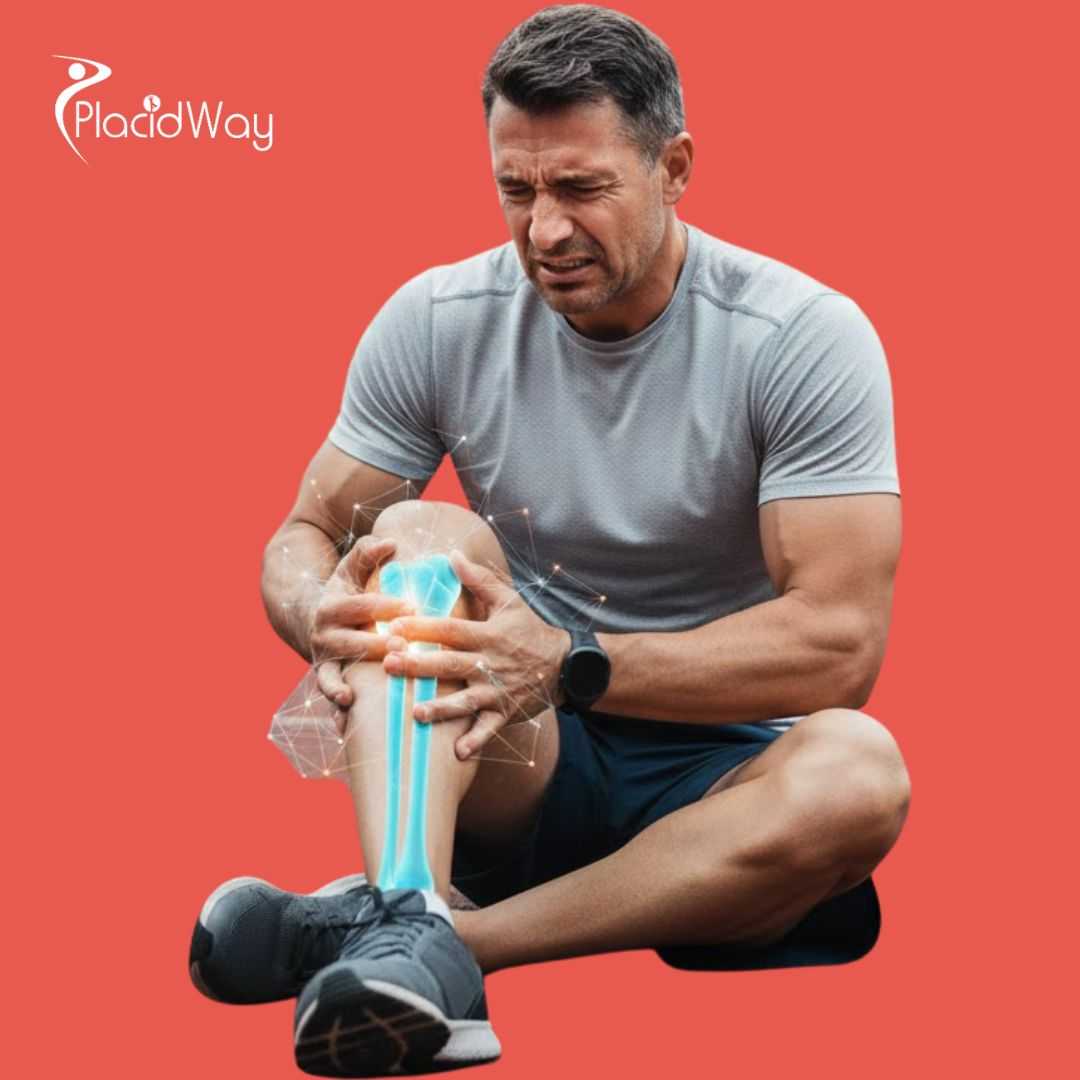
The human foot and ankle form an incredibly complex anatomical structure, consisting of 26 individual bones, 33 intricate joints, and a network of more than 100 interconnected muscles, tendons, and ligaments. Because this small foundation is tasked with supporting the entire weight of the human body during dynamic movement, it is uniquely susceptible to severe trauma. Whether you are an elite athlete pushing your physical limits or an older adult recovering from a debilitating fall, lower extremity injuries can drastically reduce your quality of life.
When soft tissue damage occurs—such as a complete Achilles tendon rupture, a complex trimalleolar fracture, or severe plantar fasciitis—the structural integrity of the entire leg is compromised. The body naturally responds to this trauma by generating restrictive scar tissue and initiating localized muscle atrophy. If this biological response is not managed through immediate and expert physical therapy, patients often suffer from permanent range-of-motion loss, chronic pain, and altered gait mechanics that can eventually damage the knees, hips, and lower spine.
This is precisely why standardized, superficial physical therapy is rarely enough for complex cases. Achieving full functional restoration requires a deep, biomechanical understanding of joint articulation and load management. World-class rehabilitation protocols must carefully balance the need to protect healing tissue with the necessity of stressing that tissue to promote strength and flexibility. Patients seeking optimal outcomes are now looking beyond their local borders to find the intensive, specialized care required to master this delicate balance.
The Global Shift Toward Orthopedic Medical Tourism
Over the past decade, the landscape of global healthcare has experienced a seismic shift. Historically, medical tourism was predominantly associated with elective cosmetic surgeries or affordable dental work. However, as healthcare costs have surged and waiting times for specialized physical therapy have ballooned in countries like the United States, Canada, and the United Kingdom, patients are increasingly traveling for complex orthopedic rehabilitation.
Orthopedic medical tourism addresses a critical gap in Western healthcare systems: the availability of high-frequency, long-duration, one-on-one therapy sessions. In many Western clinics, a physical therapist may be forced to juggle three or four patients simultaneously, delegating the majority of the session to untrained aides. This diluted approach significantly prolongs the recovery timeline and increases the risk of re-injury due to improper exercise execution.
By traveling to premium medical hubs in Asia, patients secure access to dedicated, undivided medical attention. These extended sessions allow specialists to perform continuous micro-adjustments to the treatment protocol based on real-time tissue response. The sheer volume of focused, expert care condensed into a medical tourism itinerary often allows patients to achieve in one month what would typically take six months to accomplish in a standard, fragmented domestic healthcare system.
Why Beijing is the Premier Destination for Orthopedic Rehabilitation
When evaluating international options for complex recovery, Beijing has rapidly emerged as a global powerhouse for sports medicine and orthopedic rehabilitation. The Chinese capital has invested billions into establishing state-of-the-art medical infrastructure, deliberately designing facilities that cater to both elite athletes and international medical travelers. This massive influx of capital has resulted in highly advanced clinics that rival, and often surpass, the technological capabilities of renowned Western hospitals.
Furthermore, Beijing offers a completely unique therapeutic advantage: the seamless integration of modern, evidence-based Western orthopedics with the holistic, healing principles of Traditional Chinese Medicine (TCM). While [00:05] high-tech diagnostic equipment and modern biomechanical therapies form the core of the rehabilitation strategy, adjunctive treatments like medical acupuncture, cupping, and targeted herbal poultices are frequently utilized to dramatically reduce localized inflammation and accelerate blood flow to avascular areas like tendons and ligaments.
Internationally Trained Medical Professionals
The driving force behind Beijing's rehabilitation success is its medical personnel. Leading physical therapists and orthopedic specialists in top Beijing clinics often hold advanced degrees and board certifications from prestigious universities in the United States, Germany, and Australia. They return to China equipped with global best practices, ensuring that international patients receive care that aligns perfectly with the highest international safety and efficacy standards.
These multidisciplinary teams typically include orthopedic surgeons, doctors of physical therapy, biomechanists, and dedicated pain management specialists. This collaborative approach ensures that every single variable of a patient's recovery—from surgical site healing to mental health and nutritional support—is meticulously managed under one roof.
Personalized Rehabilitation Plans: The Key to Functional Recovery
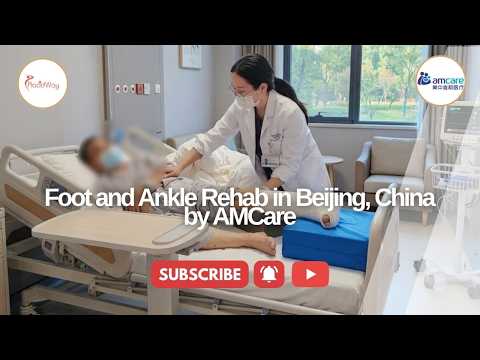
One of the most critical elements highlighted in elite Beijing clinics is the absolute commitment to tailored care. As demonstrated in the clinical footage at [00:10], providing a highly "personalized rehabilitation plan" is not just a marketing buzzword; it is the fundamental clinical philosophy. Medical professionals understand that an ankle fracture in a 25-year-old marathon runner requires a vastly different protocol than the exact same fracture in a 65-year-old retiree.
Before any active therapy begins, patients undergo exhaustive diagnostic testing. This often includes advanced 3D gait analysis, which utilizes multiple high-speed cameras and force plates to measure exactly how a patient distributes their weight during movement. Isokinetic dynamometry is used to objectively measure isolated muscle strength, identifying specific weaknesses in the calf, shin, or foot stabilizing muscles that the naked eye cannot detect.
Based on these precise data points, therapists construct a customized, phased recovery blueprint. Phase one may focus entirely on pain reduction, cellular healing, and passive range of motion. Phase two transitions into active-assisted mobility and neuromuscular re-education, teaching the brain how to properly communicate with the injured limb again. Finally, the later phases introduce dynamic load bearing, plyometrics, and sport-specific or lifestyle-specific functional training to ensure the patient is ready to return to their normal life without fear of regression.
Advanced Physical Therapy Techniques and Modalities
To facilitate rapid and robust recovery, Beijing's premier rehabilitation centers deploy an impressive arsenal of advanced therapeutic modalities. These are not the basic resistance bands and ice packs found in standard neighborhood clinics; these are clinical-grade technologies designed to manipulate human physiology at a cellular level.
Extracorporeal Shockwave Therapy (ESWT)
For chronic conditions like severe Achilles tendinopathy or stubborn plantar fasciitis, Extracorporeal Shockwave Therapy (ESWT) is frequently employed. This technology uses targeted acoustic waves to create micro-trauma within the chronically scarred tissue. This controlled trauma tricks the body into restarting the acute healing phase, triggering the formation of new blood vessels (angiogenesis) and stimulating the production of collagen, the primary building block of healthy tendons.
Blood Flow Restriction (BFR) Training
Following foot or ankle surgery, patients are often unable to lift heavy weights to rebuild their atrophied calf and leg muscles. Blood Flow Restriction (BFR) training solves this dilemma. By safely restricting venous blood return using specialized pneumatic cuffs, patients can lift very light, safe weights while their muscles react as if they are lifting maximum loads. This allows for rapid muscle hypertrophy (growth) without placing dangerous stress on healing surgical sites or delicate joint structures.
Active Assisted and Manual Therapy
Despite the presence of advanced robotics and machines, the cornerstone of elite rehabilitation remains highly skilled, hands-on manual therapy. At [00:20], we see dedicated therapists performing intensive, active-assisted exercises. This involves the therapist physically guiding the patient's limb through specific vectors of movement, breaking down restrictive fascial adhesions, mobilizing stiff joint capsules, and providing immediate tactile feedback to ensure the patient is engaging the correct muscle groups.
Cost Breakdown: Premium Quality Meets Remarkable Affordability
The financial logic behind choosing foot and ankle rehab in Beijing China is incredibly compelling for uninsured, underinsured, or self-pay patients. In the United States, an intensive, multi-disciplinary sports medicine rehabilitation program—which includes physician consults, daily one-on-one physical therapy, high-tech modalities, and advanced imaging—can easily exceed $1,500 per week. Over an 8-to-12 week recovery period, these costs become financially crippling for the average family.
In stark contrast, highly comprehensive, all-inclusive rehabilitation packages in top-tier Beijing medical facilities can yield savings of 40% to 60% compared to Western counterparts. Crucially, this lower price point does not reflect a reduction in care quality; rather, it reflects a different economic structure regarding administrative overhead, medical liability insurance, and localized operational costs.
| Service Type (4-Week Intensive Program) | Average Cost (USA/UK) | Average Cost (Beijing, China) |
|---|---|---|
| Daily 1-on-1 Physical Therapy | $4,000 - $6,000 | $1,200 - $2,500 |
| Advanced Diagnostics (3D Gait/MRI) | $1,500 - $3,000 | $400 - $800 |
| Specialized Modalities (Shockwave/BFR) | $1,200 - $2,000 | Included in Packages |
| Orthopedic Specialist Consultations | $800 - $1,500 | $150 - $300 |
When patients book through recognized medical tourism facilitators, they often receive bundled packages. These curated packages not only cover the entirety of the clinical treatments but also frequently include concierge services such as airport transfers, translation assistance, and coordination with local medical hotels, ensuring absolute cost transparency from day one.
The Transformative Patient Experience
The environment in which you heal is just as critical as the mechanical therapies you receive. Beijing’s elite orthopedic clinics are meticulously designed to reduce patient anxiety and foster a deeply positive psychological outlook. The commitment to helping patients achieve better functional recovery, clearly noted at [00:30], extends to the facility's architecture. Expansive windows allowing natural light, ergonomically designed rehabilitation gyms, and private, sound-dampened treatment rooms create a tranquil sanctuary for healing.
Furthermore, removing oneself from the daily stresses of home life allows patients to dedicate 100% of their physical and mental energy entirely to their rehabilitation. Without the distractions of commuting, cooking, or managing a household, patients can focus purely on rest, nutrition, and completing their intensive therapy protocols. This immersive healing environment routinely produces functional outcomes that surpass initial clinical expectations.
Preparing for Your Medical Journey to Beijing
Embarking on a medical journey abroad requires thoughtful preparation and expert coordination. The first step is organizing all relevant medical records, including recent MRI scans, surgical operative reports, and current physical therapy notes. These documents will be reviewed remotely by the Beijing orthopedic team to determine patient candidacy and to draft a preliminary, individualized treatment outline before you ever board a plane.
Logistical preparation is equally important. International patients will need to secure an appropriate medical visa, which reputable clinics and facilitators will assist in expediting by providing official hospital invitation letters. Additionally, patients must consider their mobility limitations when booking flights; arranging for wheelchair assistance at airports and securing a seat with extra legroom is highly recommended to prevent blood clots and swelling during the long-haul journey.
Upon arrival, patients are typically greeted by English-speaking patient coordinators. These dedicated liaisons bridge any cultural or linguistic gaps, accompanying the patient to all medical consultations and ensuring that the transition into the rehabilitation program is smooth, comfortable, and completely stress-free. By meticulously planning these details, the only thing the patient has to focus on is taking their first pain-free steps.
Ready to Reclaim Your Mobility in Beijing?
Stop letting foot and ankle pain dictate your life. PlacidWay Medical Tourism partners with the most advanced, internationally accredited centers for Orthopedic Rehabilitation China. Experience elite, personalized physical therapy at a fraction of Western costs. Let our patient coordinators handle the logistics so you can focus entirely on your recovery.
GET A FREE, NO-OBLIGATION QUOTEClick to View Video Transcript
Note: This video features visual demonstrations of physical therapy in Beijing with on-screen text, rather than a spoken voiceover track. Below is a descriptive transcript of the visual events and on-screen messaging.
[00:00] The video opens showcasing a modern rehabilitation clinic. A highly trained medical professional in a white coat is sitting on a mat, carefully assessing a patient's foot and ankle mobility.
[00:10] On-screen text appears highlighting the facility's core approach: "Personalized rehabilitation plan." The therapist gently guides the patient's ankle through a controlled range of motion to test joint flexibility and structural stability.
[00:20] The scene shifts to demonstrate active-assisted therapy. The patient is seen lying on a physical therapy mat while the specialist assists with lower limb extension exercises, focusing on rebuilding atrophied muscle tissue surrounding the knee and ankle complex.
[00:30] Additional on-screen text emphasizes the clinical mission: "Committed to helping patients achieve better functional recovery." Multiple therapy bays are visible in the background, indicating a comprehensive, state-of-the-art sports medicine facility.
[00:40] The video concludes with the PlacidWay Medical Tourism logo, directing viewers to their website and contact information to secure a free consultation and begin their medical travel journey.

.png)
.png)
.png)

.png)
.png)








Share this listing