
.png)
Contents
Living with constant knee pain is frustrating enough without having to wait a year on a public healthcare list or drain your savings for surgery in the US or UK. Many people find themselves stuck—unable to enjoy simple walks or keep up with their families while their mobility slowly declines. If you are tired of putting your life on hold, traveling abroad for joint surgery has become a highly practical and safe alternative.
Knee replacement in Bengaluru, India offers a realistic way out of this holding pattern, blending world-class medical expertise with costs that generally range from $4,500 to $6,500. Beyond the significant financial savings, you will find modern orthopedic centers carrying strict local and international accreditations like the National Accreditation Board for Hospitals (NABH) and Joint Commission International (JCI). This means you do not have to compromise on surgical precision or patient safety just because you are crossing borders.
What You Should Know
Booking a medical trip for joint surgery involves many moving parts, which is why comprehensive treatment packages are incredibly helpful. A solid orthopedic package in Bengaluru typically wraps your hospital fees, surgeon charges, standard implants, and a few days of inpatient recovery into one transparent price.
Many bundled options also include airport transfers and a dedicated local liaison to help you navigate the city. However, you must always read the fine print to see if extended physical therapy or external hotel stays are covered. Take a look at the knee replacement packages listed below to compare what each one offers for your journey.

Price starting from $3,500
Conventional Partial Knee Replacement Package in Bengaluru, India by Giostar
GIOSTAR Hospital Bengaluru
- Orthopedic/Knee Surgery
Bengaluru, India
.png)
Price starting from $4,000
Robotic-Assisted Partial Knee Replacement Package in Bengaluru, India by Giostar
GIOSTAR Hospital Bengaluru
- Orthopedic/Knee Surgery
Bengaluru, India
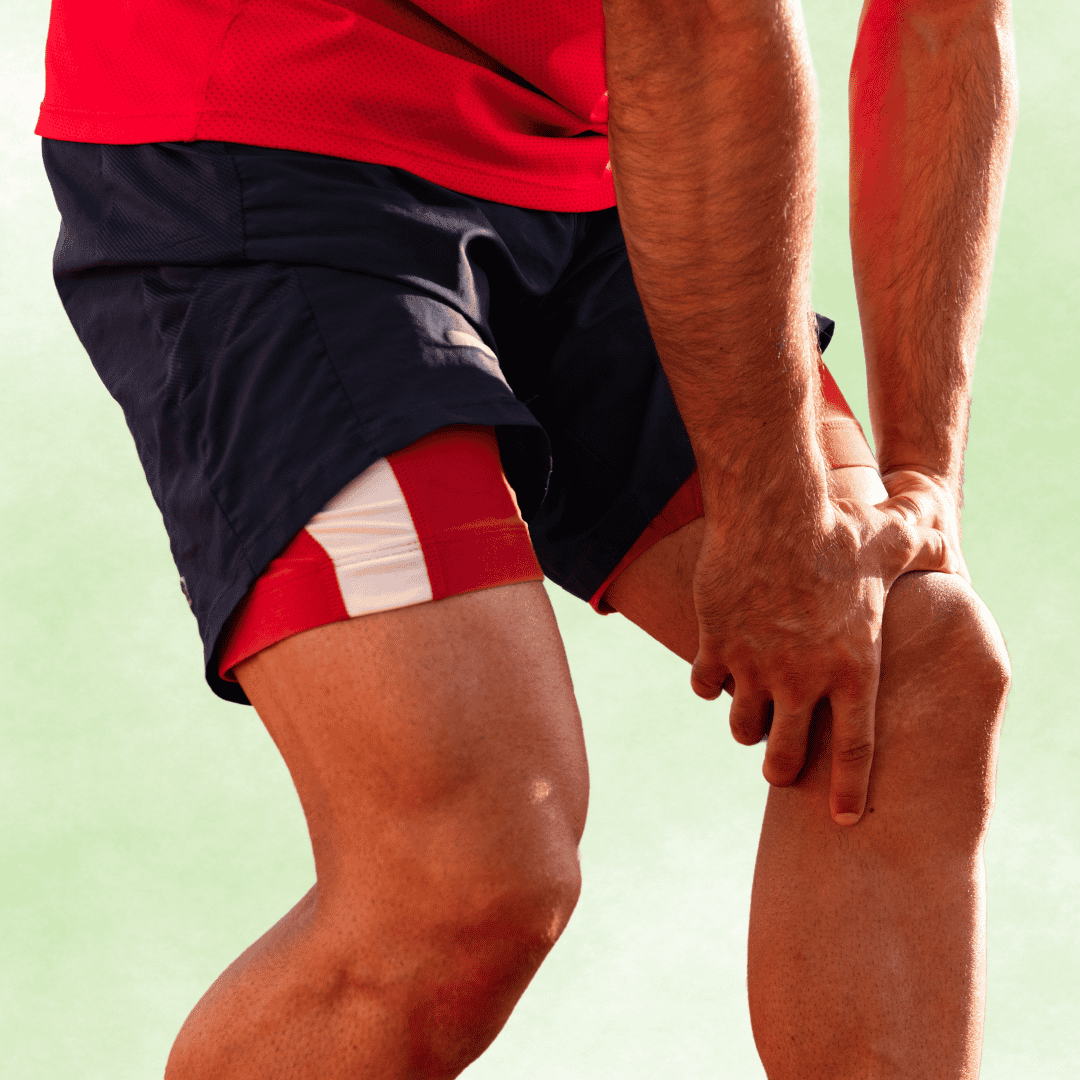
Price starting from $4,250
Conventional Unilateral Knee Replacement Package in Bengaluru, India by Giostar
GIOSTAR Hospital Bengaluru
- Orthopedic/Knee Surgery
Bengaluru, India
The cost of a knee replacement in Bengaluru generally falls between $4,500 and $6,500, depending on the hospital and the specific implant material used. This is a fraction of what you might pay out-of-pocket in North America or Europe, where hospital bills can easily exceed $30,000.
While the price difference is substantial, it is largely driven by lower local operating costs and living expenses rather than a drop in medical quality. Keep in mind that complex revision surgeries or bilateral joint replacements will adjust this estimate. Review the pricing details listed below to help you accurately map out your medical travel budget.
Knee Replacement Total or Partial Centers Cost Comparison in Bengaluru, India
| Provider | Procedure | Price |
|---|---|---|
| GIOSTAR Hospital Bengaluru | Knee Replacement Total or Partial, Orthopedic/Knee Surgery | $6500 |
Knee Replacement Total or Partial Cost Comparison in India
| Country | Procedure | Price |
|---|---|---|
| United States | Knee Replacement Total or Partial, Orthopedic/Knee Surgery | $40000 |
| United Kingdom | Knee Replacement Total or Partial, Orthopedic/Knee Surgery | $15500 |
Finding the right hospital is about much more than a modern lobby or a responsive patient coordinator. When looking at orthopedic centers in Bengaluru, your priority should be verifying their credentials and clinical track record with joint replacements. Check if the facility holds specialized orthopedic certifications and recognized accreditations like NABH or JCI.
You should also ask about their surgical infection rates, the specific prosthetic brands they use, and their post-surgery physical therapy protocols. Take your time to review the clinic profiles below to compare facilities, check their licensing, and see which center best aligns with your medical needs.

GIOSTAR Hospital Bengaluru
Bengaluru, India

Currex Hospital - Multispecialty Hospital in Bengaluru, India
Bengaluru, India

Krishna Institute of Medical Sciences (KIMS), Bengaluru
Bengaluru, India
Understanding the mechanics of joint surgery can make the entire hospital experience feel a lot less intimidating. Watching informative videos helps you visualize exactly what happens during the procedure and what the initial physical therapy steps look like on the ward.
Hearing directly from orthopedic surgeons in Bengaluru as they explain their techniques and implant choices can also give you a strong sense of their clinical expertise. Take some time to watch the videos below to learn more about the facilities, the surgical process, and the medical teams who will handle your care.

Nothing provides quite as much insight as hearing from someone who has already walked the medical path you are considering. Reading testimonials from international patients who traveled to Bengaluru for knee surgery offers a grounded perspective on the actual day-to-day experience.
Pay close attention to how they describe pain management after surgery, the clarity of communication, and the attentiveness of the nursing staff. Honest feedback can highlight red flags or validate a clinic’s strong reputation. Browse through the patient reviews below to compare their firsthand stories and gain confidence in your decision.

Before boarding a long flight for orthopedic surgery, it is completely normal to have pressing questions about patient safety, the quality of implants, and the recovery timeline. Below are some of the most common questions patients ask when considering a knee replacement in Bengaluru.
Why do international patients choose Bengaluru for knee replacement?
Bengaluru is a major healthcare hub in India, known for its advanced orthopedic hospitals, highly trained surgeons, and affordable care. Patients travel here to access top-tier medical facilities and NABH-accredited centers without the long wait times found in their home countries.
How long should I plan to stay in India for this surgery?
You should expect to stay in Bengaluru for about 14 to 21 days. This timeframe covers your pre-operative tests, a 3 to 5-day hospital stay, and enough initial recovery time to get travel clearance from your surgeon before enduring a long flight home.
What types of knee implants are used in Bengaluru hospitals?
Reputable orthopedic centers in Bengaluru use globally recognized, FDA-approved or CE-marked implants from major manufacturers like Zimmer Biomet, Stryker, and DePuy Synthes. Your surgeon will discuss which specific material and design best suits your anatomy and lifestyle.
Will there be a language barrier at the hospital?
No, English is widely spoken across the medical sector in Bengaluru. Doctors, nurses, and patient coordinators are highly fluent in English, ensuring clear communication regarding your procedure, consent forms, and post-operative instructions.
How soon after surgery will I begin physical therapy?
Physical therapy typically starts within 24 hours of your operation. A dedicated physiotherapist will help you stand and take your first steps with a walker, which is crucial for preventing blood clots and improving joint mobility early on.
Is it safe to fly after a knee replacement?
Flying is generally safe once your surgeon clears you, usually two to three weeks post-surgery. You will likely be advised to request wheelchair assistance at the airport, take short walks in the cabin, and wear compression stockings to minimize the risk of deep vein thrombosis (DVT).
What accreditations should I look for in an Indian hospital?
Always look for hospitals accredited by the National Accreditation Board for Hospitals & Healthcare Providers (NABH) or Joint Commission International (JCI). These certifications ensure the facility adheres to strict international protocols for patient safety and infection control.
Can I get both knees replaced at the same time?
Yes, a bilateral knee replacement is an option for some patients, but it depends entirely on your overall health, age, and cardiovascular fitness. While it saves on travel and recovery time, it involves a longer surgery and a more demanding physical rehabilitation process.
How do I manage my medical records when traveling back?
Your hospital in Bengaluru will provide a comprehensive medical dossier before you leave. This file includes your surgical notes, implant details (with a barcode or serial number), X-rays, and physical therapy progress, which you should share with your local physician.
Do I need a special visa for medical treatment in India?
Yes, international patients are generally required to apply for an Indian Medical Visa (e-Medical Visa). The hospital you choose will provide an official invitation letter detailing your treatment plan, which you must submit with your visa application.
How Much Does Unilateral Knee Replacement Cost In Bengaluru India?
The average cost of unilateral knee replacement in Bengaluru, India typically ranges from INR 2,50,000 to INR 5,00,000 (approximately $3,000 - $6,000 USD), though this can vary based on several factors. Planning for a unilateral knee replacement can bring many questions, especially concerning the financial aspect. If you're considering this procedure in Bengaluru, India, you're looking at a destination renowned for its advanced medical facilities and highly skilled surgeons, all at a fraction of the cost found in many Western countries. Understanding the costs involved is a crucial step in your healthcare journey, ensuring you can make an informed decision for your well-being. This comprehensive guide aims to shed light on the various components that contribute to the total cost of unilateral knee replacement in Bengaluru. We'll explore everything from hospital choices and implant types to pre-operative assessments and post-operative rehabilitation. Our goal is to provide clear, concise answers to the most common questions, helping you navigate the financial landscape of this significant procedure, whether you are a local resident or considering medical travel. What is the average cost of unilateral knee replacement in Bengaluru, India? The average cost for unilateral knee replacement in Bengaluru, India ranges from INR 2,50,000 to INR 5,00,000 (roughly $3,000 - $6,000 USD). This estimate includes surgeon fees, hospital charges, anesthesia, and standard implants. Unilateral knee replacement, also known as partial knee replacement or unicompartmental knee arthroplasty, is a procedure where only the damaged part of the knee is replaced, preserving the healthy bone and cartilage. In Bengaluru, a hub for medical excellence, the cost for this specialized surgery is notably competitive compared to many other parts of the world. The price range provided is a general estimate and can fluctuate significantly based on various factors, including the hospital's reputation, the surgeon's experience, and the specific type of implant used. This cost typically encompasses a package that covers the surgical procedure itself, the hospital stay (usually for 3-5 days), anesthesia fees, and the cost of the knee implant. However, it's essential to remember that this is an average. Patients opting for premium hospitals, highly sought-after surgeons, or specific advanced implant materials may find the costs leaning towards the higher end of this spectrum. Conversely, more economical options might be available at smaller hospitals, but without compromising on the quality of care. What factors influence the cost of unilateral knee replacement in Bengaluru? Key factors influencing unilateral knee replacement costs in Bengaluru include hospital type (private vs. corporate), surgeon's experience, implant quality, length of hospital stay, and pre/post-operative care requirements. The total expenditure for a unilateral knee replacement in Bengaluru is not a fixed price; rather, it's a sum influenced by several contributing elements. Understanding these factors is crucial for anyone budgeting for the procedure. Each choice made, from the facility to the type of implant, can adjust the final bill. Here are the primary factors that play a significant role in determining the cost: Hospital Choice: The reputation and facilities of the knee replacement hospital in Bengaluru greatly impact the cost. Corporate multi-specialty hospitals often have higher charges than smaller, specialized clinics. Surgeon's Expertise: Highly experienced and renowned orthopedic surgeons with a strong track record typically charge higher consultation and surgical fees. Type of Implant: The material, brand, and design of the knee implant can vary widely in price. Advanced, custom-fit, or imported implants are generally more expensive. Anesthesia Type: While typically included, specific anesthesia requirements or specialist anesthesiologists might influence the cost. Length of Hospital Stay: The standard stay is 3-5 days. Any extensions due to complications or patient recovery needs will add to the daily room charges. Pre-operative Investigations: Necessary blood tests, X-rays, MRI scans, and cardiac evaluations are part of the diagnostic phase and add to the overall expense. Post-operative Rehabilitation: Physical therapy sessions, medications, and follow-up consultations after discharge are essential for recovery and contribute to the total cost. Room Category: Opting for a private room over a general ward will increase the hospital stay costs. Considering these variables will help you prepare a more accurate estimate for your unilateral knee replacement in Bengaluru. How does hospital choice affect the cost of unilateral knee replacement? Hospital choice significantly impacts unilateral knee replacement costs in Bengaluru, with large corporate hospitals typically charging more due to advanced infrastructure, amenities, and specialized staff compared to smaller, independent hospitals. The hospital where you choose to undergo your unilateral knee replacement surgery is one of the most substantial determinants of the overall cost. Bengaluru boasts a diverse range of medical institutions, from internationally accredited corporate hospitals to well-regarded private clinics, each with its own pricing structure. Large corporate hospitals, known for their state-of-the-art infrastructure, advanced technology, luxurious patient rooms, and extensive support services (like 24/7 critical care units and rehabilitation centers), naturally command higher fees. These institutions often attract top-tier surgeons and offer a comprehensive, often multidisciplinary, approach to patient care. While the cost is higher, patients often benefit from a seamless experience and access to cutting-edge medical advancements. On the other hand, smaller or independent hospitals and specialized orthopedic centers might offer more competitive pricing. These facilities can still provide excellent care, often with highly skilled surgeons, but might have fewer luxury amenities or less extensive support services. For patients prioritizing cost-effectiveness without compromising on surgical quality, these options can be very attractive. It's always advisable to compare several hospitals, considering their accreditations, surgeon availability, and patient reviews, alongside their quoted prices. Are implant materials a significant cost factor in unilateral knee replacement? Yes, implant materials are a significant cost factor in unilateral knee replacement. The price varies widely based on material (metal alloy, ceramic, polyethylene), brand, and whether it's an imported or domestically manufactured implant. The prosthetic implant used in unilateral knee replacement is a critical component of the procedure, both for its functional outcome and its contribution to the overall cost. Implants are designed to replicate the natural movement of the knee joint and are made from various biocompatible materials, each with different properties and price points. Common implant materials include: Metal Alloys: Often cobalt-chromium or titanium, these are durable and widely used. Polyethylene: A durable plastic material typically used as a spacer between metal components. Ceramic: Offers excellent wear resistance and is suitable for patients with metal allergies, but can be more expensive. The choice between domestic and internationally manufactured implants also plays a role. Imported implants from well-known global brands often come at a higher price due to import duties and brand recognition. Domestically manufactured implants, while equally effective and often meeting international quality standards, can be more cost-effective. Your surgeon will discuss the best implant choice for your specific needs, considering factors like your age, activity level, bone quality, and any allergies. It's important to have this discussion to understand how the implant choice impacts both your recovery and your budget. What about pre-operative and post-operative expenses for unilateral knee replacement? Pre-operative expenses for unilateral knee replacement include diagnostic tests and consultations, while post-operative costs cover medications, physical therapy, and follow-up visits, adding significantly to the total cost in Bengaluru. Beyond the surgical fee and hospital stay, both the preparation for and recovery from unilateral knee replacement involve additional expenses that are crucial to consider for a comprehensive cost estimate. These pre- and post-operative costs ensure a safe procedure and a successful recovery. Pre-operative Expenses: Consultations: Initial consultations with the orthopedic surgeon, anesthesiologist, and possibly a general physician. Diagnostic Tests: This includes a range of investigations such as X-rays, MRI scans of the knee, blood tests (e.g., complete blood count, kidney function, liver function), urine tests, ECG, and sometimes an echocardiogram, to assess overall health and surgical fitness. Medications: Any medications prescribed before surgery, such as blood thinners (to be stopped prior to surgery), or supplements. Post-operative Expenses: Medications: Pain relievers, antibiotics, and blood thinners are commonly prescribed for several weeks post-surgery. Physical Therapy/Rehabilitation: This is a vital part of recovery. Costs can accumulate from outpatient physical therapy sessions over several weeks or months. Follow-up Consultations: Regular check-ups with your surgeon to monitor recovery, usually involving X-rays. Assistive Devices: Crutches, walkers, or special seating arrangements might be needed temporarily. Home Care: In some cases, temporary home nursing care might be required, adding to the expense. These elements, while often overlooked in initial estimates, form a significant part of the overall financial commitment for unilateral knee replacement and are essential for a good outcome. Is Bengaluru a good destination for medical tourism for unilateral knee replacement? Yes, Bengaluru is an excellent destination for medical tourism for unilateral knee replacement due to its world-class hospitals, highly skilled surgeons, advanced technology, and significantly lower costs compared to Western countries, coupled with excellent patient care. Bengaluru, often called the "Silicon Valley of India," is also a leading hub for medical tourism, particularly for orthopedic procedures like unilateral knee replacement. Its appeal stems from a powerful combination of factors that make it attractive to international patients seeking high-quality, affordable healthcare. The city boasts numerous JCI (Joint Commission International) and NABH (National Accreditation Board for Hospitals & Healthcare Providers) accredited hospitals, ensuring international standards of patient safety and care. These facilities are equipped with cutting-edge technology, including robotic-assisted surgical systems, which enhance precision and recovery outcomes. Furthermore, Bengaluru is home to a large pool of highly qualified and experienced orthopedic surgeons, many of whom have international training and speak fluent English, facilitating clear communication with international patients. Crucially, the cost-effectiveness is a major draw. A unilateral knee replacement in Bengaluru can be performed at a fraction of the cost compared to the United States, Europe, or Australia, without compromising on quality. This financial advantage allows patients to receive top-tier treatment and often combine it with a recovery period in a culturally rich environment, making Bengaluru an increasingly popular choice for medical tourists seeking orthopedic solutions. How does the cost of unilateral knee replacement in Bengaluru compare internationally? The cost of unilateral knee replacement in Bengaluru is significantly lower than in many Western countries, typically ranging from $3,000-$6,000 USD compared to $20,000-$40,000 USD in the US or UK, offering substantial savings for international patients. The stark difference in healthcare costs is one of the primary drivers for medical tourism to places like Bengaluru, India. For a procedure like unilateral knee replacement, the savings can be substantial, making it an economically viable option for many patients globally. To illustrate the comparison, consider the following approximate cost ranges: Country Approximate Cost (USD) United States $20,000 - $40,000+ United Kingdom $15,000 - $30,000 Canada $15,000 - $25,000 Australia $18,000 - $35,000 Bengaluru, India $3,000 - $6,000 As evident from the table, opting for unilateral knee replacement in Bengaluru can result in savings of 50% to 90% compared to Western nations. These figures generally include the surgery, hospital stay, and basic post-operative care. This significant cost advantage, combined with high-quality medical services, positions Bengaluru as a highly attractive option for patients worldwide seeking specialized orthopedic care. What support is available for international patients in Bengaluru for knee replacement? International patients undergoing knee replacement in Bengaluru receive extensive support, including visa assistance, airport transfers, accommodation arrangements, language interpreters, dedicated international patient coordinators, and post-treatment follow-up services. Bengaluru's leading hospitals have well-established international patient departments designed to provide a seamless experience for those traveling for medical treatment, including unilateral knee replacement. This comprehensive support system aims to alleviate common concerns associated with seeking medical care abroad. Typical services offered to international patients include: Visa Assistance: Hospitals or medical tourism facilitators often provide invitation letters and guidance for obtaining medical visas. Travel & Accommodation: Assistance with flight bookings, airport pick-up and drop-off, and arranging suitable accommodation (ranging from budget hotels to serviced apartments) for the patient and their accompanying family members. Language Interpreters: Professional interpreters are readily available to ensure clear communication between the patient and medical staff, overcoming language barriers. Dedicated Patient Coordinators: A specific coordinator is often assigned to each international patient to manage their appointments, hospital stay logistics, and any non-medical needs. Concierge Services: Help with local transportation, sightseeing arrangements during recovery, and SIM card acquisition. Currency Exchange: Guidance on where and how to exchange currency. Post-treatment Follow-up: Coordination for remote consultations or follow-up care once the patient returns to their home country. This holistic support ensures that international patients can focus entirely on their recovery without worrying about logistical challenges, making their medical journey to Bengaluru as comfortable and stress-free as possible. Are there different types of unilateral knee replacement procedures affecting cost? Yes, while unilateral knee replacement itself is a specific procedure, variations like minimally invasive techniques or robotic-assisted surgery can affect costs in Bengaluru due to specialized equipment and training required. While the core procedure of unilateral knee replacement involves replacing one compartment of the knee, there are variations in surgical techniques and technologies that can influence the overall cost. These advancements aim to improve patient outcomes, reduce recovery time, and enhance precision, but often come with an associated higher price tag. Key variations that might impact cost include: Minimally Invasive Surgery (MIS): This technique involves smaller incisions, leading to less tissue damage, reduced pain, and potentially faster recovery. While it may sometimes be included in standard packages, some hospitals might price it slightly higher due to the specialized instruments and surgical skills required. Robotic-Assisted Surgery: Using robotic systems (like MAKOplasty or NAVIO) for unilateral knee replacement allows for incredibly precise bone cuts and implant placement, tailored to the individual patient's anatomy. This technology offers enhanced accuracy and potentially better long-term outcomes but typically increases the cost due to the expensive equipment and specialized training for the surgical team. Customized Implants: In some rare cases, patient-specific implants might be designed. These are generally more costly than off-the-shelf implants due to the personalized manufacturing process. Discussing these options with your orthopedic surgeon is essential. They can advise on the most suitable technique based on your condition, and provide clarity on how each choice impacts the overall cost of your unilateral knee replacement in Bengaluru. What financing options are available for unilateral knee replacement in India? Financing options for unilateral knee replacement in India include health insurance (both domestic and international), medical loans from banks or financial institutions, hospital payment plans, and personal savings, making the procedure accessible for various budgets. For many individuals, the cost of a unilateral knee replacement can still be a significant financial consideration, even with India's competitive pricing. Fortunately, several financing options are available to help manage these expenses, catering to both domestic and international patients. Common financing avenues include: Health Insurance: Domestic Insurance: For Indian residents, most comprehensive health insurance policies cover knee replacement surgery, though the extent of coverage varies based on the policy terms, sum insured, and specific hospital network. International Insurance: Patients from abroad should check if their existing international health insurance policy covers medical treatment received in India. Some policies may offer full or partial reimbursement. Medical Loans: Many banks and non-banking financial companies in India offer specialized medical loans with competitive interest rates. These loans can cover the entire cost of the procedure and associated expenses, allowing for repayment in convenient installments. Hospital Payment Plans: Some larger corporate hospitals in Bengaluru may offer their own flexible payment plans or collaborate with third-party payment facilitators to assist patients. Personal Savings: For those with adequate savings, paying directly can avoid interest charges associated with loans. Crowdfunding: In certain situations, particularly for patients facing financial hardship, online crowdfunding platforms can be an option to raise funds from a wider community. It's always recommended to thoroughly investigate all options and consult with hospital billing departments or financial advisors to understand the best approach for your individual circumstances. For more detailed information on unilateral knee replacement costs in Bengaluru, India, and to explore medical tourism solutions for this and other healthcare services, visit PlacidWay.
What Is The Cost Of Robotic Partial Knee Replacement In Bengaluru India?
The cost of robotic partial knee replacement in Bengaluru, India, generally ranges from INR 3,00,000 to INR 5,50,000, depending on the hospital, surgeon’s expertise, implant type, robotic technology, and post-operative care. Key Takeaways Robotic-assisted unicompartmental procedures offer enhanced precision compared to traditional manual instruments. Total estimated expenses generally cover surgeon fees, operating room charges, and standard hospital stays. Patients must plan for a multi-week stay to accommodate initial recovery and travel clearance. Continuity of care with a local rehabilitation specialist back home is essential for safe recovery. How much should you expect to pay for robotic partial knee replacement cost in Bengaluru India? The estimated financial commitment for robotic partial knee replacement in Bengaluru generally ranges from INR 3,00,000 to INR 5,50,000, depending on the hospital, surgeon’s expertise, implant type, robotic technology, and post-operative care. When evaluating treatment estimates for robotic partial knee replacement in Bengaluru India, understanding the breakdown of expenses helps prevent unexpected out-of-pocket costs. Comprehensive medical packages frequently bundle surgeon fees, operating room utilization, standard prosthetic components, nursing care, and a three-to-five-night hospital stay. However, preoperative diagnostic imaging, specialized medications, or extended rehabilitation sessions may require separate financial arrangements. The choice of implant materials and advanced robotic console technology also influences the overall price. High-grade titanium or customized components can alter baseline estimates. It is vital to request an itemized billing statement from your chosen robotic partial knee replacement clinic in Bengaluru India to ensure complete transparency before committing to care. Regional economic factors and competitive private healthcare structures allow hospitals in Bengaluru to offer advanced surgical care at fractions of Western costs. Even so, clinical quality, sterile operating conditions, and surgeon experience should always take precedence over finding the lowest advertised price. Expense Category Estimated Cost Range (INR) Included Services & Variables Robotic Partial Knee Replacement ?3,00,000–?5,50,000 Surgeon fees, anesthesia, hospital stay, implant, and initial post-operative consultations Pre-operative Testing Additional / varies X-rays, MRI, consultations, and other diagnostic tests may be separate Rehabilitation & Additional Care Additional / varies Physiotherapy, extended care, or unforeseen complications may add to the total How does medical tourism in Bengaluru India support orthopedic patients? The structured ecosystem for international patients provides dedicated coordination, multilingual support, and modern clinical facilities equipped for complex joint reconstruction procedures. Participating in medical tourism in Bengaluru India offers access to internationally accredited medical centers featuring advanced surgical suites and specialized orthopedic units. Many hospitals maintain partnerships with global healthcare networks, ensuring adherence to strict sterilization and patient safety protocols. International patient departments help navigate logistical hurdles by managing medical record translations, scheduling consultations, and organizing accessible accommodation near the treatment center. This administrative support reduces the stress of planning major orthopedic surgery abroad. Nevertheless, you must perform independent research to verify that the chosen facility adheres to rigorous clinical standards. Reviewing institutional accreditations and speaking directly with medical coordinators helps establish transparency before departure. Expert Insight Always request written confirmation detailing whether your quoted medical package covers unexpected revisions, extended hospital stays, or emergency medication requirements. Who is an appropriate candidate for a robotic partial knee replacement? Candidates typically present with osteoarthritis isolated to a single compartment of the knee (medial or lateral), stable ligaments, and minimal knee deformity. Unlike total knee replacement, a unicompartmental or partial procedure preserves the healthy compartments and cruciate ligaments of the knee joint. This approach is ideal for patients whose joint degeneration is restricted to one area and who have failed conservative measures like physical therapy and injections. Medical conditions such as inflammatory arthritis, widespread multi-compartmental wear, severe ligamentous laxity, or fixed flexion deformities usually disqualify a patient from partial arthroplasty, steering them toward total knee replacement instead. A thorough evaluation involving clinical exams and precise imaging scans is required to determine whether your specific wear pattern makes you a suitable candidate for robotic unicompartmental surgery. What preoperative diagnostics are required before surgery? Comprehensive diagnostic testing is mandatory to evaluate joint architecture, bone stock quality, and overall physiological fitness for anesthesia. Full-length standing X-rays to assess alignment and measure cartilage wear across compartments. Specialized CT scans required by robotic software to construct a precise 3D virtual model of the knee. Comprehensive blood panels to screen for infection markers, coagulation parameters, and organ function. Cardiovascular evaluations, including electrocardiograms, to ensure heart stability under anesthesia. Medical clearances from appropriate specialists if you manage chronic conditions like diabetes or hypertension. What are the potential risks and complications of robotic partial knee procedures? Like all major orthopedic interventions, joint surgery carries inherent medical risks that require careful monitoring, infection control, and strict adherence to rehabilitation guidelines. Deep vein thrombosis represents a primary concern, especially when combining major bone surgery with long-distance air travel. Preventative measures, including blood thinners, mechanical compression devices, and early ambulation, are routinely prescribed to minimize vascular complications. Infection at the surgical site or deep within the joint capsule represents another critical risk requiring prompt antibiotic treatment or secondary intervention. Patients must maintain strict incision hygiene and report unusual swelling, redness, or fever immediately. Other potential issues include persistent stiffness, component wear, or disease progression in the unreplaced compartments of the knee over time. Selecting an experienced surgeon helps mitigate these mechanical risks. Did You Know? Robotic platforms use real-time feedback to guide the surgeon, ensuring bone removal matches the exact thickness of the planned prosthetic implant down to fractions of a millimeter. How should patients plan for post-surgical recovery and travel? A structured recovery timeline is vital. Medical guidelines strictly prohibit immediate air travel, requiring patients to remain near their surgical center for at least ten to fourteen days. The initial days post-surgery focus on acute pain management and supervised physical therapy sessions to restore basic knee movement. Once discharged from the hospital, patients transition to a recovery hotel where light exercises continue under professional guidance. Before boarding a return flight, your operating surgeon must perform a clinical evaluation to provide formal travel clearance. Travelers should request aisle seating to allow leg movement, maintain hydration, and perform gentle seated leg exercises during flight. Establishing ongoing rehabilitation with a local physical therapist in your home country ensures continuous progress and reduces the likelihood of developing scar tissue or range-of-motion deficits. What are the requirements for long-term follow-up care? Long-term success relies heavily on consistent outpatient rehabilitation and periodic radiographic evaluations to monitor implant stability and joint health. After returning home, you will need to continue physical therapy for several weeks to regain muscle strength and natural gait mechanics. Your local orthopedic specialist should review follow-up X-rays at scheduled intervals, such as at six weeks, three months, and one year postoperatively. Maintaining transparent communication between your international surgical team and your local healthcare providers ensures that any minor concerns are addressed promptly before developing into more complex issues. Why Choose PlacidWay? PlacidWay provides an informative platform designed to help patients research global healthcare providers and compare medical options objectively. Provider Directories Access structured databases of international hospitals and specialized orthopedic centers for independent review. Cost Comparison Review estimated pricing structures across different global regions to manage healthcare budgets responsibly. Direct Communication Connect directly with hospital representatives to ask clinical questions and request detailed treatment estimates. Accreditation Review Evaluate facility credentials and safety standards to support informed medical travel decisions. Educational Resources Explore guides detailing surgical preparation, recovery timelines, and continuity of care requirements. Frequently Asked Questions How does robotic assistance improve partial knee replacement accuracy? Robotic guidance systems utilize 3D preoperative or intraoperative modeling to help the surgeon map precise bone cuts and align the implant accurately. This technology aims to optimize soft tissue balance and preserve healthy bone stock around the knee joint, though the human surgeon maintains total control throughout the operation. What factors influence the total price of robotic unicompartmental knee arthroplasty? The final expense depends on the hospital tier, the specific robotic platform used, the quality and brand of the prosthetic implant, surgeon fees, and the length of your hospital stay. Preoperative diagnostics and required physical therapy sessions also contribute to the overall financial commitment. Are orthopedic surgeons in Bengaluru experienced with robotic joint procedures? Many orthopedic specialists practicing in Bengaluru have completed advanced fellowship training in joint arthroplasty and computer-assisted surgery. Patients should verify individual credentials and board certifications through official medical registries before scheduling care. Can international patients travel safely shortly after robotic knee surgery? Medical guidelines strictly advise against taking long-haul flights immediately following major joint procedures due to the elevated risk of deep vein thrombosis. Patients typically need to remain near the surgical facility for ten to fourteen days to receive formal travel clearance from their operating surgeon. What diagnostic imaging is required before scheduling this robotic procedure? Surgeons typically require high-resolution X-rays and specialized CT scans or MRIs to map the exact geometry of the knee joint. These images help generate the precise 3D virtual model utilized by the robotic navigation system during surgery. Is physical therapy included in standard hospital packages in Bengaluru? Initial inpatient physical therapy sessions during your hospital stay are frequently bundled into surgical packages. However, extended outpatient rehabilitation required after discharge usually demands separate financial arrangements, which should be clarified beforehand. What are the primary clinical benefits of partial over total knee replacement? Partial knee replacement targets only the damaged compartment of the joint, leaving healthy cartilage and cruciate ligaments intact. This typically results in a smaller incision, less blood loss, quicker early recovery, and a more natural-feeling joint motion compared to total replacement. What happens if postoperative complications arise after returning home? You must establish a relationship with a local orthopedic specialist in your home country prior to traveling. Having your complete translated medical records ensures seamless continuity of care if unexpected healing issues or stiffness develop after your return. Do I need a medical visa to travel for orthopedic treatment in India? Visa requirements depend entirely on your citizenship and current national entry regulations. Many international patients traveling for planned medical interventions must secure a specific medical visa well in advance of their scheduled hospital admission. Are robotic arms performing the knee surgery autonomously? No, the robotic arm is entirely guided and controlled by the human orthopedic surgeon at all times. The system acts as a precise navigational tool to execute pre-planned bone cuts, preventing the surgeon from straying outside predefined safety boundaries. Compare Treatment Options Review accredited facilities, compare estimates, and connect with medical providers to make an informed decision regarding your healthcare journey. Request Treatment Information References Understanding Knee Replacement Surgery Cost in Bangalore – Hinduja Sindhi Hospital Cost of Robotic Knee Replacement Surgery in Bangalore – Medfin Robotic Knee Replacement Cost – Pristyn Care Patient Safety and Quality Care – World Health Organization International Healthcare Accreditation Standards – ISQua
Is Robotic Knee Surgery Better Than Traditional Surgery In Bengaluru India?
Robotic knee surgery in Bengaluru offers enhanced precision, potentially faster recovery, and improved implant alignment compared to traditional methods. However, the best choice depends on your specific joint anatomy, budget, and medical condition. When considering orthopedic procedures abroad, many international patients find themselves comparing advanced surgical technologies. Bengaluru, a prominent technology and healthcare hub, offers both traditional and robotic-assisted joint replacement options. If you are exploring robotic knee surgery in India, understanding the differences between these two approaches is a crucial first step in making an informed medical decision. Both traditional and robotic methods aim to relieve pain and restore function to a severely damaged knee joint. While traditional surgery has a long, proven track record of success, robotic-assisted techniques introduce new levels of customization. Below, we explore the nuances of both options, what medical travelers should expect, and how to evaluate your choices. Key Takeaways Robotic systems assist surgeons with planning and precision but do not perform the surgery autonomously. Robotic options often provide better bone preservation and potentially less soft-tissue trauma. Traditional knee replacement remains a highly successful, safe, and effective procedure. Costs for robotic surgery are generally higher due to the advanced technology utilized. Bengaluru is a leading destination for orthopedic care, offering international patients access to modern facilities and experienced specialists. How exactly does a robotic knee replacement work? In robotic knee replacement, an orthopedic surgeon uses a specialized robotic arm and 3D imaging to plan and execute the procedure with high precision. The robot assists the surgeon; it does not make independent decisions. The process typically begins before you even enter the operating room. Surgeons use CT scans to create a detailed, 3D virtual model of your unique knee anatomy. This model is loaded into the robotic system, allowing the surgical team to map out the exact placement of the implant and calculate the precise bone cuts needed. During the surgery, the surgeon guides the robotic arm. The system provides real-time feedback, creating a virtual boundary (haptic feedback) that prevents the saw from moving outside the pre-planned area. This helps protect healthy bone, ligaments, and surrounding tissue. It is vital to understand that the human surgeon is in complete control at all times. The robotic system acts as a highly advanced tool that enhances the surgeon's natural skill, allowing for a level of customization that can be difficult to achieve with traditional manual instruments alone. What are the main advantages of robotic-assisted surgery over traditional methods? Robotic surgery can offer superior implant alignment, enhanced preservation of healthy bone and tissue, and a more customized surgical plan based on your specific anatomy. Many patients look into robotic-assisted procedures because they want to optimize their outcomes. The key potential benefits include: Enhanced Precision: The robotic arm limits cuts strictly to the pre-planned dimensions, which can result in a more accurate fit for the prosthetic implant. Tissue Preservation: By utilizing virtual boundaries, the surgeon can minimize accidental damage to surrounding ligaments and soft tissues, which can be beneficial for post-operative comfort. Personalized Planning: The 3D modeling allows the surgeon to select the optimal implant size and placement before the first incision is made, tailoring the surgery to your body. Potential for Natural Feel: Because the implant can be aligned more accurately with your natural mechanical axis, some patients report that the new joint feels more natural during movement. Data-Driven Adjustments: The surgeon can dynamically assess the tension of the ligaments during the procedure and make micro-adjustments in real-time. Does traditional knee surgery still offer good outcomes for patients? Yes, traditional knee replacement is highly effective, widely practiced, and has decades of clinical data demonstrating excellent outcomes for pain relief and mobility restoration. While robotic technology represents a significant advancement, traditional knee surgery is far from obsolete. In traditional surgery, the orthopedic specialist uses manual cutting guides, alignment tools, and their extensive visual and tactile experience to remove the damaged bone and place the implant. For the vast majority of patients suffering from severe osteoarthritis or joint degeneration, traditional total knee arthroplasty provides profound pain relief and significantly improves quality of life. The implants used in both traditional and robotic surgeries are typically the same, meaning the longevity of the prosthetic device is often comparable. Furthermore, highly experienced surgeons who perform hundreds of traditional knee replacements annually achieve exceptional alignment and balancing results without robotic assistance. The choice often comes down to the surgeon's preference, the specific complexity of your joint disease, and the resources available at the hospital. Important Consideration: The most critical factor in the success of any knee replacement—robotic or traditional—is the skill, training, and experience of the orthopedic surgeon performing the procedure. Who is an ideal candidate for robotic knee surgery? Candidates typically include individuals with complex joint deformities, those requiring partial knee replacements, or patients who want the most tailored approach to joint reconstruction. Most patients who qualify for a traditional knee replacement will also qualify for a robotic-assisted procedure. However, a surgeon may particularly recommend the robotic approach for patients who have unique anatomical challenges. For example, individuals with previous bone fractures, hardware from prior surgeries, or significant bone deformities can benefit greatly from the precision of 3D pre-operative planning. Additionally, the robotic approach is highly favored for partial (unicompartmental) knee replacements. In a partial knee replacement, only the damaged section of the knee is replaced. The extreme accuracy of the robotic arm helps the surgeon seamlessly integrate the small implant with the remaining healthy bone and cartilage. Your surgeon will conduct a comprehensive evaluation, including a review of your medical history, current medications, and imaging tests, to determine if you are a suitable candidate. Certain contraindications, such as active infections, severe osteoporosis, or severe peripheral vascular disease, may affect your eligibility for any type of joint replacement surgery. How do the recovery times compare between the two procedures? Patients undergoing robotic-assisted surgery may experience a slightly faster initial recovery and less immediate postoperative pain due to reduced soft-tissue trauma, though long-term recovery timelines are generally similar. Because the robotic system allows the surgeon to operate with precise boundaries, there is often less disturbance to the soft tissues, muscles, and ligaments surrounding the knee. This can translate to reduced swelling and less pain in the first few weeks following surgery. Some patients who opt for robotic surgery report being able to walk with assistance sooner and meeting physical therapy milestones slightly faster during the early stages of rehabilitation. However, it is important to maintain realistic expectations. Total knee replacement is a major surgery regardless of the technique used. The overall recovery process—regaining full strength, stamina, and maximum range of motion—typically takes several months to a year for both traditional and robotic methods. Your commitment to post-operative physical therapy will heavily influence your recovery speed and final outcome. What is the average robotic knee surgery cost in India compared to traditional surgery? The robotic knee surgery cost in India is typically 15% to 30% higher than traditional surgery due to the advanced technology, specialized software, and imaging required. For medical tourists, the financial aspect is a significant factor in decision-making. India, and specifically Bengaluru, is globally recognized for offering high-quality medical care at a fraction of the cost found in North America or Western Europe. While costs vary widely based on the specific hospital, the surgeon's expertise, the type of implant chosen, and the length of your hospital stay, traditional knee replacements in India generally cost between $4,000 and $6,000 USD. By comparison, robotic-assisted knee replacements usually range from $5,500 to $8,000 USD. The higher price tag for the robotic option covers the use of the robotic arm, the proprietary 3D imaging software, and the specialized maintenance of the equipment. When comparing prices, always ask clinics for a comprehensive quote that includes the surgeon's fee, hospital room, implant costs, anesthesia, and initial physiotherapy. Remember that these figures are estimates; individual needs and potential complications can affect the final bill. Are there any specific risks associated with robotic knee surgery? Robotic knee surgery carries standard surgical risks such as infection or blood clots, alongside unique, though rare, risks related to technology malfunctions or additional preoperative radiation. Any major surgical procedure involves some level of risk, and it is important to discuss these thoroughly with your healthcare provider. The standard risks of knee replacement—whether robotic or traditional—include: Infection at the surgical site or in the joint. Deep vein thrombosis (blood clots in the leg). Nerve or blood vessel damage. Stiffness or limited range of motion post-surgery. Implant loosening or wear over time. In addition to these, robotic surgery requires a pre-operative CT scan, which exposes the patient to a small amount of radiation. There is also a minimal risk of technological issues during the surgery, such as computer software glitches or hardware malfunctions. If a technical issue occurs, the surgeon is fully trained to seamlessly transition to a traditional manual procedure to safely complete the operation. How should I choose a robotic knee surgery clinic in India? Select a robotic knee surgery clinic in India by evaluating hospital accreditations, surgeon experience specifically with robotic systems, post-operative care protocols, and communication transparency. Finding the right facility is vital for ensuring a safe and successful medical journey. When researching options in Bengaluru or other major Indian cities, you should focus on objective markers of quality. First, look for hospitals that hold international or national accreditations, such as JCI (Joint Commission International) or NABH (National Accreditation Board for Hospitals & Healthcare Providers). These accreditations indicate that the facility adheres to strict patient safety and hygiene standards. Second, inquire specifically about the surgeon's experience. Ask how many robotic knee replacements they perform annually and what specific robotic system they use. Additionally, ensure the clinic provides a comprehensive care plan that includes robust infection control, dedicated physiotherapy departments, and clear guidance for international patients who need medical tourism preparation and local follow-up care before flying home. Why do patients travel for orthopedic medical tourism in India, specifically Bengaluru? Patients choose Bengaluru for its combination of internationally trained orthopedic specialists, availability of cutting-edge robotic technology, and significantly lower healthcare costs compared to Western nations. Medical tourism in India has grown exponentially over the last two decades, shifting from basic care to highly complex procedures like neurosurgery, oncology, and joint replacements. Bengaluru, often called the Silicon Valley of India, has established itself as a premier destination for medical travelers. The city hosts numerous specialized orthopedic institutes equipped with the latest diagnostic and surgical technologies. Many of the leading surgeons in Bengaluru have completed fellowships in the United States, United Kingdom, or Australia, bringing global best practices back to their home country. Furthermore, English is widely spoken in Indian healthcare facilities, eliminating communication barriers for many international patients. When combining the high standard of clinical care with the cost savings, Bengaluru presents a compelling option for those seeking high-quality joint replacement surgery without the prohibitive expense found in their home countries. Why Choose PlacidWay for Medical Tourism? Navigating international healthcare options can be challenging. PlacidWay serves as a global medical resource, helping patients make informed decisions about their care abroad. Here is how PlacidWay assists medical travelers: Access to Global Options: PlacidWay provides information on a wide network of internationally recognized hospitals and clinics across multiple countries, including India. Educational Resources: Patients can access detailed guides, articles, and comparative data to help understand different medical procedures and destinations. Direct Provider Connections: The platform facilitates direct communication between patients and healthcare facilities, allowing you to ask questions and clarify details. Transparent Quotes: Patients can request and compare cost estimates directly from medical providers to help plan their healthcare budgets. Provider Profiles: PlacidWay offers detailed profiles of clinics and doctors, including their credentials, accreditations, and available technologies, to aid in your research. Frequently Asked Questions Is robotic knee surgery completely painless? No surgery is entirely painless. While robotic-assisted techniques can be less invasive and may result in less postoperative pain compared to traditional methods, you will still require standard pain management medications and experience some discomfort during the initial recovery phase. Will a robot actually perform my knee replacement in Bengaluru? No, a robot does not perform the surgery independently. The robotic system is a precision tool controlled entirely by an experienced orthopedic surgeon to plan the procedure and guide the surgical instruments. How long does a robotic knee implant last? The implants used in robotic knee replacements are typically the same high-quality prosthetics used in traditional surgeries. With proper care and favorable conditions, modern knee implants often last 15 to 20 years or more, though individual results vary based on activity level and weight. Can I fly home immediately after knee surgery in Bengaluru? No, flying immediately after knee surgery is not recommended due to the increased risk of deep vein thrombosis (DVT) and the need for initial post-operative monitoring. Most surgeons advise international patients to stay in the city for 10 to 14 days before taking a long-haul flight. Does insurance cover robotic knee surgery abroad? Insurance coverage varies significantly depending on your provider and policy. Some international health insurance plans cover cross-border care, while domestic plans often do not. You should verify coverage details directly with your insurance provider before traveling. Is the traditional knee replacement obsolete? Not at all. Traditional knee replacement remains a highly successful, safe, and effective procedure that has improved the quality of life for millions of people worldwide. It is still the standard of care in many excellent orthopedic centers. Do all orthopedic clinics in Bengaluru offer robotic surgery? No, robotic-assisted surgery requires specialized, expensive equipment and specific surgeon training. While Bengaluru is a major medical hub with many advanced facilities, not every clinic or hospital will have robotic systems available. Are the materials used in robotic and traditional surgeries different? The prosthetic materials (such as specialized plastics, titanium, and cobalt-chromium alloys) used to replace the knee joint are generally the same in both traditional and robotic-assisted surgeries. How long does the actual surgical procedure take? Both robotic and traditional knee replacements typically take between 1 to 2 hours to complete. The robotic method may require slightly more preparation time for calibration, but the overall time in the operating room is similar. Will I need physical therapy after a robotic knee replacement? Yes. Regardless of whether your surgery is robotic or traditional, committing to a structured physical therapy program is essential for restoring range of motion, rebuilding strength, and achieving the best possible outcome. Compare Treatment Options for Knee Surgery If you are considering traditional or robotic knee surgery and want to explore your options in Bengaluru, gather all the information you need to make an informed decision. Request Treatment Information References Total Knee Replacement – American Academy of Orthopaedic Surgeons (AAOS) Knee Replacement Surgery Options – Arthritis Foundation Knee Replacement Overview – Mayo Clinic Robotic-Assisted vs Conventional Total Knee Arthroplasty (Study) – National Institutes of Health (PubMed) Medical Tourism Travel Information – Centers for Disease Control and Prevention (CDC) Patient Safety and Quality of Care – World Health Organization (WHO) Guidelines for Knee Surgery – International Society of Arthroscopy, Knee Surgery and Orthopaedic Sports Medicine (ISAKOS) Medical Disclaimer: The information provided in this article is for educational and informational purposes only and does not constitute medical advice, diagnosis, or treatment planning. Medical tourism involves specific health and logistical risks, including travel-related complications like deep vein thrombosis (DVT). Suitability for robotic or traditional knee replacement, as well as recovery timelines and surgical risks, vary significantly from person to person. Always seek the advice of a qualified and properly credentialed orthopedic surgeon or healthcare provider regarding a medical condition or treatment options. Never disregard professional medical advice or delay in seeking it because of something you have read in this article. Price ranges provided are estimates and are subject to change.
Who Are The Top-Rated Doctors For Partial Knee Replacement In Bengaluru India?
Bengaluru features many highly qualified orthopedic surgeons specializing in partial knee replacement. To find top-rated doctors, look for board certification, extensive experience in unicompartmental knee arthroplasty, and international training. Navigating healthcare options abroad can feel overwhelming, especially when seeking specialized orthopedic care. Many international patients look into partial knee replacement in India due to the availability of advanced medical technology and highly qualified professionals. Bengaluru, a major metropolitan hub in southern India, is widely recognized for its robust healthcare infrastructure and specialized joint replacement surgeons. Because choosing the right medical professional requires careful consideration, we do not promote specific doctors or hospitals. Instead, this guide provides you with the essential criteria needed to evaluate and select the best orthopedic surgeon for your individual needs, ensuring you make an informed and medically responsible decision regarding your joint health. Key Takeaways Bengaluru is a leading destination for specialized orthopedic procedures, combining modern medical facilities with experienced surgeons. Finding a top-rated doctor requires verifying board certifications, fellowship training, and annual procedure volumes. Partial knee replacement generally offers a faster recovery and more natural joint feel compared to a total replacement, though it is only suitable for specific types of arthritis. Always prioritize facilities with international accreditations such as JCI or NABH for optimal safety and infection control. International patients should plan for a comprehensive recovery period involving local physical therapy before returning home. What qualifications should I look for in a partial knee replacement surgeon in Bengaluru? Look for an orthopedic surgeon with board certification, specialized fellowship training in joint replacement, and a high annual volume of unicompartmental knee arthroplasty procedures. Evaluating a surgeon's credentials is the most critical step in your medical journey. In India, orthopedic surgeons undergo rigorous training, typically holding a Master of Surgery (MS) in Orthopedics or a Diplomate of National Board (DNB) qualification. However, general orthopedic training is just the baseline. For a specialized procedure like a partial knee replacement, you should seek out a physician who has completed dedicated fellowship training in adult joint reconstruction. Experience plays a significant role in surgical outcomes. A high-volume joint replacement surgeon—someone who performs hundreds of these specific surgeries annually—often develops stronger surgical precision, which can lead to lower complication rates. When reviewing a doctor's profile, check if they have international memberships or have trained at recognized orthopedic institutes in North America, Europe, or the United Kingdom. Additionally, transparency is a hallmark of a reputable doctor. A qualified surgeon will willingly discuss their success rates, their protocol for handling potential complications, and why they might recommend a partial knee replacement over other alternatives for your specific anatomy. Am I a suitable candidate for a partial knee replacement? Ideal candidates typically have osteoarthritis confined to a single compartment of the knee, intact major ligaments, and no severe joint deformity or widespread joint inflammation. The knee joint consists of three distinct compartments: the medial (inner), lateral (outer), and patellofemoral (front). A partial knee replacement, also known as unicompartmental knee arthroplasty (UKA), targets only the damaged compartment while leaving the healthy bone, cartilage, and ligaments intact. The most common scenario involves damage solely to the medial compartment. To determine if you are a candidate, an orthopedic specialist will assess several clinical and radiographic factors. Suitable candidates generally have an intact anterior cruciate ligament (ACL) and no significant stiffness or severe bowlegged or knock-kneed deformities. If your arthritis is widespread across multiple compartments, or if you suffer from inflammatory conditions like rheumatoid arthritis, a total knee replacement is usually the more appropriate medical recommendation. Body weight and activity level may also influence a surgeon's recommendation, as excessive stress on a partial implant can lead to premature wear. Your doctor will require recent X-rays and often an MRI to confirm that the disease is truly isolated to one part of the knee before clearing you for this specific procedure. What is the average partial knee replacement cost in India, specifically Bengaluru? The partial knee replacement cost in India typically ranges from $3,500 to $5,500, which is significantly lower than treatment costs in many Western healthcare systems. Understanding the financial aspect of treatment is vital for international patients. In Bengaluru, the total expense for a partial knee procedure can fluctuate based on a variety of variables. These estimates generally cover the surgeon's fee, anesthesia, operating room charges, standard hospital room stays for a few days, and basic post-operative medications while admitted. The primary factor influencing the cost is the type and brand of the implant utilized. High-quality, imported implants from globally recognized manufacturers often push the price toward the higher end of the estimate range. Additionally, if you opt for a hospital that utilizes advanced robotic-assisted surgical systems, you can expect an additional technology fee. When requesting quotes, ask for a comprehensive breakdown to avoid unexpected expenses. Ensure you understand what is included, such as pre-operative blood work, imaging, and physical therapy sessions during your hospital stay. Keep in mind that travel, accommodation outside the hospital, and extended physical therapy are separate expenses that need to be factored into your total budget. How do I evaluate a partial knee replacement clinic in India before traveling? To select a reliable partial knee replacement clinic in India, verify international accreditations like JCI or NABH, review their infection control protocols, and evaluate their international patient support services. Not all medical facilities are equipped to handle complex orthopedic procedures or the specific needs of international travelers. The most reliable indicator of a hospital's quality is its accreditation status. The Joint Commission International (JCI) and the National Accreditation Board for Hospitals & Healthcare Providers (NABH) are two highly respected bodies that ensure a facility meets strict global standards for patient safety, hygiene, and clinical care. Beyond accreditations, inquire about the hospital's infrastructure. Modern joint replacements should ideally take place in specialized laminar flow operating theaters, which are designed to minimize the risk of airborne infections during surgery. Furthermore, a well-equipped intensive care unit (ICU) and an in-house blood bank are crucial safety nets, even though they are rarely needed for routine partial knee surgeries. Communication is another vital element. Top facilities in Bengaluru typically have dedicated international patient departments. These teams coordinate everything from telemedicine consultations before you travel, to helping with medical visas and ensuring clear communication between you and your healthcare providers throughout your stay. What makes Bengaluru a top destination for orthopedic surgery? Bengaluru offers a powerful combination of modern medical infrastructure, highly skilled English-speaking specialists, and early adoption of robotic and minimally invasive surgical technologies. Often referred to as the Silicon Valley of India, Bengaluru's reputation for technological advancement extends heavily into its healthcare sector. The city is home to some of the country's most advanced multi-specialty hospitals and orthopedic research centers. Medical facilities here frequently invest in the latest imaging, navigation, and robotic surgical tools, which can be highly beneficial for procedures demanding exact precision, such as unicompartmental knee arthroplasty. Another significant advantage of Bengaluru is its cosmopolitan nature. English is widely spoken and serves as the primary language of medical education and professional communication in India. This eliminates the language barrier that often causes anxiety for international medical tourists, allowing you to converse directly and clearly with your surgeon, nurses, and physical therapists. Furthermore, Bengaluru enjoys a relatively moderate climate year-round compared to other Indian cities. A comfortable environment can be conducive to recovery, making it easier for patients to engage in post-operative walking and physical therapy exercises. How is a partial knee replacement different from a total knee replacement? A partial knee replacement preserves healthy bone and vital ligaments, which often leads to a more natural-feeling knee joint and a faster initial recovery compared to a total knee replacement. The primary distinction between the two procedures lies in the amount of bone and tissue removed. In a total knee replacement, the entire surface of the joint is resurfaced, and major ligaments—often including the anterior cruciate ligament (ACL)—are removed to accommodate the full implant. This is highly effective for widespread arthritis but involves a more extensive surgical trauma. In contrast, a partial replacement is a less invasive approach. Because only the damaged compartment is addressed, the surgeon leaves all healthy cartilage and structural ligaments intact. Preserving these natural structures maintains your knee's natural proprioception—the joint's ability to sense its position in space. As a result, many patients report that a partial knee feels much more like their original, natural knee. However, it is important to understand that a partial knee replacement is not a permanent cure for arthritis. If arthritis eventually develops in the remaining untreated compartments of the knee, you may require a revision surgery in the future to convert the partial implant into a total knee replacement. What does the recovery process look like after surgery in Bengaluru? Most patients begin walking with support within a day of surgery, leave the hospital in 2 to 3 days, and can slowly resume light daily activities within 4 to 6 weeks. Recovery begins almost immediately. Within hours of waking from surgery, or by the following morning, a physical therapist will assist you in standing and taking your first steps using a walker or crutches. Early mobilization is a crucial medical protocol to prevent joint stiffness and reduce the risk of deep vein thrombosis (blood clots). After being discharged from the hospital, you will need to remain in Bengaluru for a period—typically 10 to 14 days—for outpatient physical therapy and a follow-up wound check. During this phase, therapy focuses on improving your range of motion and strengthening the quadriceps and hamstrings. You will gradually transition from a walker to a cane. Once you are medically cleared to fly and return home, your rehabilitation journey must continue. Adhering to a prescribed physical therapy regimen in your home country is vital for achieving the best possible outcome. Full recovery, where you can comfortably engage in activities like brisk walking, cycling, or swimming, typically takes several months of dedicated effort. What are the potential risks of undergoing a partial knee replacement? While generally safe for appropriate candidates, potential risks include surgical infection, blood clots, nerve damage, implant loosening, and the future need for a total knee replacement. No surgical procedure is entirely free of risk, and patient safety requires a clear understanding of potential complications. Like any major joint surgery, a partial knee replacement carries a small risk of infection, either at the incision site or deeper around the implant. Surgeons mitigate this by administering intravenous antibiotics before and after the procedure. Deep vein thrombosis (DVT) is another serious concern. Blood clots can form in the legs following surgery and, if they break loose, can travel to the lungs. To minimize this risk, patients are routinely prescribed blood-thinning medications and are encouraged to use compression stockings and engage in early mobility exercises. A risk unique to partial knee arthroplasty is the potential progression of arthritis in the unoperated compartments of the knee over time. Furthermore, implants can loosen or wear out. If persistent pain develops years down the line, a revision surgery may become medically necessary. Always establish a clear plan with your surgeon on what steps to take if you experience unexpected swelling, redness, or fever after returning to your home country. How does medical tourism in India support international orthopedic patients? Medical tourism in India provides an organized ecosystem offering assistance with medical visas, pre-operative telehealth consultations, local accommodations, and dedicated patient coordinators. Traveling across the globe for surgery requires significant logistical planning, and India's healthcare sector has adapted to make this process smoother for foreigners. The Indian government offers specific Medical Visas (and e-Medical Visas for eligible countries) designed to allow international patients and their companions to enter the country legally for treatment. Hospitals in major hubs like Bengaluru often feature comprehensive international patient services. These departments act as a bridge between you and the clinical staff. Before you travel, they can facilitate video consultations with potential surgeons, allowing you to discuss your MRI results and treatment options from the comfort of your home. Upon arrival, these coordinators often assist with ground logistics, navigating the hospital admission process, and organizing outpatient care. This structured support system helps alleviate the stress of navigating a foreign healthcare system, allowing you to focus entirely on your surgery and subsequent physical rehabilitation. Why Choose PlacidWay for Medical Tourism? Planning medical travel requires access to reliable, organized information. PlacidWay serves as a global medical tourism resource designed to help patients research their healthcare options abroad. Here is how PlacidWay can assist you: Extensive Global Network: Provides access to information on medical centers and specialized healthcare providers across dozens of countries, including India. Educational Resources: Offers detailed articles, guides, and overviews about various orthopedic procedures and destinations. Transparent Comparisons: Allows patients to compare estimated pricing structures, facility accreditations, and available medical technologies side-by-side. Facilitated Communication: Helps bridge the initial communication gap by connecting you directly with international patient departments at foreign hospitals. Patient-Focused Information: Prioritizes helping patients gather the necessary facts to have informed discussions with their primary care physicians before traveling. Frequently Asked Questions How long does a partial knee replacement implant usually last? In suitable candidates, a partial knee implant often lasts 10 to 15 years, though outcomes vary based on patient activity levels, weight, and adherence to postoperative care guidelines. Can both knees be operated on at the same time in Bengaluru? Bilateral partial knee replacements are possible but depend heavily on the patient's cardiovascular health, age, and physical condition. A surgeon will evaluate whether staging the surgeries is a safer option. Will I need physical therapy after returning to my home country? Yes, continuing physical therapy locally after you return home is essential for restoring full range of motion and rebuilding muscle strength around the knee joint. What type of anesthesia is typically used for this surgery? Surgeons and anesthesiologists frequently use spinal anesthesia combined with a nerve block, though general anesthesia may be utilized depending on your specific medical history. Are robotic-assisted partial knee replacements available in Bengaluru? Yes, many modern healthcare facilities in Bengaluru utilize robotic arm-assisted technologies for joint replacement to improve surgical precision and implant alignment. How soon can I fly home after knee replacement surgery in India? Patients are typically advised to wait 10 to 14 days before taking a long-haul flight. You must receive medical clearance from your surgeon to ensure the risk of blood clots is minimized. Is partial knee replacement an option for rheumatoid arthritis? Typically, partial knee replacements are reserved for osteoarthritis. Because rheumatoid arthritis is an inflammatory condition that often affects the entire joint, a total knee replacement is usually recommended. What materials are used in the knee implants? Knee implants are typically constructed from biocompatible medical-grade metals such as cobalt-chromium or titanium alloys, paired with a durable polyethylene plastic spacer. How long is the typical hospital stay in Bengaluru for this procedure? Most patients remain in the hospital for 2 to 3 days following a partial knee replacement to monitor recovery, manage pain, and begin initial physical therapy. Do orthopedic surgeons in Bengaluru speak English fluently? Yes, English is the primary language of medical education and professional communication in India, meaning most surgeons and medical staff in Bengaluru communicate fluently in English. Compare Treatment Options Gather the information you need to make an informed decision about your orthopedic care. Request detailed facility information and procedure estimates today. Request Treatment Information References Unicompartmental Knee Replacement – American Academy of Orthopaedic Surgeons (AAOS) Outcomes of Unicompartmental Knee Arthroplasty – National Center for Biotechnology Information (NCBI) Knee Replacement Surgery Overview – Mayo Clinic Partial vs. Total Knee Replacement – Arthritis Foundation Travelers' Health: India – Centers for Disease Control and Prevention (CDC) Hospital Accreditation Standards – Joint Commission International (JCI) Medical Disclaimer: The information provided in this article is for educational and informational purposes only and does not constitute medical advice. Treatment outcomes, recovery times, and eligibility vary significantly from patient to patient. Always consult with a qualified, board-certified healthcare professional for an individualized medical assessment, accurate diagnosis, and personalized treatment plan before undergoing any surgical procedure or making medical travel arrangements.
The long-term success of your joint replacement depends heavily on the skill and experience of your chosen orthopedic surgeon. When researching doctors in Bengaluru, look well beyond their basic medical degrees. Seek out surgeons who have completed specialized fellowships in joint replacement, preferably with international training experience.
You should also ask about their annual case volume for knee operations, as surgeons who perform the procedure frequently tend to have lower complication rates. Review the profiles of the orthopedic specialists listed below to compare their qualifications, experience levels, and specific areas of clinical expertise.

Dr. Sujai S MBBS, MS (Ortho), Senior Prof. HOD
Currex Hospital - Multispecialty Hospital in Bengaluru, India
- Orthopedic surgeon
Bengaluru, India
Bengaluru, often referred to as the Silicon Valley of India, is equally respected as a premier destination for advanced medical care. Patients primarily travel here from the United States, the United Kingdom, Canada, and various African nations seeking a combination of highly skilled orthopedic specialists and modern hospital infrastructure.
Traveling to this southern Indian city is straightforward for international patients. Kempegowda International Airport (BLR) is well-connected with numerous direct and connecting flights from major global transit hubs in Europe and the Middle East. Additionally, the city features a comfortable, moderate climate year-round, which makes the recovery period much more pleasant compared to the extreme heat found in other parts of the country.
| Main Airport | Kempegowda International Airport (BLR) |
| Climate | Moderate and pleasant year-round |
| Language | English is widely spoken in all major hospitals |
| Visa Requirement | An Indian e-Medical Visa is required for most nationalities |
While your primary focus will be resting and participating in physical therapy, Bengaluru offers a relatively calm environment for recuperation. The city provides access to comfortable, international-standard accommodations and specialized transit services to ensure your mobility needs are met during your stay.
Taking the next step toward your joint replacement requires careful planning and the right information. If you are considering traveling to Bengaluru for your orthopedic care, our team is here to help you navigate your options clearly and safely.
We can connect you with accredited hospitals, assist in gathering personalized treatment estimates, and provide the practical details you need to make an informed decision about your mobility and health. Click the button below to request more information and start planning your medical journey.
References
- Patient Safety - World Health Organization (WHO)
- Knee Replacement Procedure Details - Mayo Clinic
- Total Knee Replacement - American Academy of Orthopaedic Surgeons (AAOS)
- Medical Tourism Guidelines - Centers for Disease Control and Prevention (CDC)
- Total Knee Arthroplasty - National Center for Biotechnology Information (NCBI)
.png)



.png)

.png)
.png)
.png)



.png)
.png)
.png)









Share this listing