


Who Are The Top-Rated Doctors For Partial Knee Replacement In Bengaluru, India? Experts and Credentials
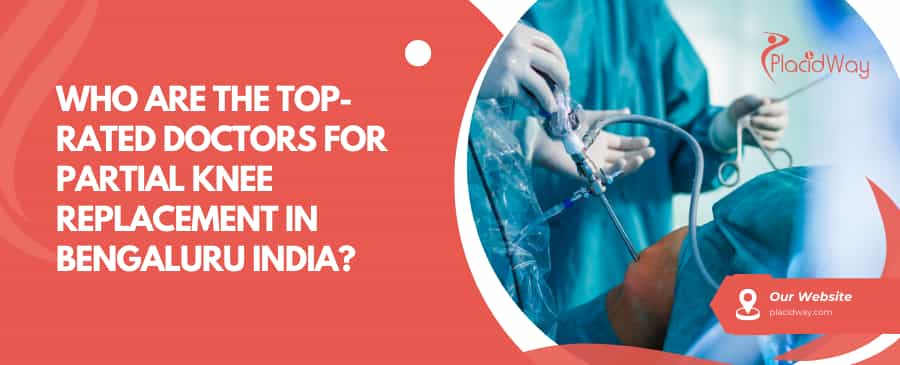
When seeking top-rated doctors for partial knee replacement in Bengaluru, prioritize specialists with extensive experience in joint preservation and a track record of successful outcomes in leading hospitals.
Are you experiencing persistent knee pain and exploring options like partial knee replacement? It's natural to seek out the very best care, especially when considering a surgical procedure. Bengaluru, often called the "Silicon Valley of India," is also a hub for advanced medical care, attracting patients from across the globe. When it comes to specialized orthopedic procedures like partial knee replacement, the city boasts a strong contingent of highly skilled surgeons who are at the forefront of modern joint care. Finding the "top-rated" doctor often comes down to a combination of factors including experience, specialization, patient outcomes, and the facilities they operate within.
Navigating the healthcare landscape to identify the right specialist can feel overwhelming, but understanding what makes a surgeon top-rated can simplify your search. This guide aims to provide you with comprehensive insights into what to look for, key questions to ask, and the general landscape of partial knee replacement in Bengaluru. We'll help you understand the criteria for excellence, the advantages of choosing Bengaluru for your treatment, and practical considerations to ensure you make an informed decision for your knee health.
What is partial knee replacement surgery?
Partial knee replacement is a less invasive alternative to total knee replacement. It's typically recommended for individuals whose arthritis or damage is confined to just one section of the knee, most commonly the medial (inner) compartment. The surgeon removes only the diseased cartilage and bone from the affected area and replaces it with metal and plastic components, leaving the healthy cartilage and ligaments intact.
This procedure offers several potential advantages over a total knee replacement, including a smaller incision, less blood loss, a shorter hospital stay, and a potentially faster recovery. Patients often report a more natural-feeling knee and better range of motion post-surgery because most of their original knee joint is preserved. However, not everyone is a candidate for partial knee replacement, and careful patient selection is crucial for successful outcomes.
What factors should I consider when choosing a doctor for partial knee replacement in Bengaluru?
Selecting the right surgeon is paramount for a successful partial knee replacement in Bengaluru. This is a city with many skilled professionals, focusing on specific criteria can help you narrow down your options. Experience is a key factor; look for surgeons who perform a high volume of knee replacement surgeries, especially partial knee replacements, as this indicates specialized expertise.
Furthermore, consider their specialization – some orthopedic surgeons focus heavily on joint replacement. Their affiliations with well-regarded hospitals that have state-of-the-art facilities and dedicated orthopedic departments are also important. Lastly, a surgeon's communication style and willingness to thoroughly explain the procedure, risks, and recovery plan can significantly impact your comfort and confidence.
- Experience and Specialization: How many partial knee replacements do they perform annually? Do they specialize in knee or joint replacement surgery?
- Hospital Affiliation: Are they associated with a leading hospital known for its orthopedic department and advanced infrastructure?
- Patient Outcomes and Testimonials: While specific outcomes are personal, general indicators of patient satisfaction can be helpful.
- Communication and Bedside Manner: Do they listen to your concerns and explain things clearly?
What are the benefits of partial knee replacement over total knee replacement?
For suitable candidates, partial knee replacement can provide significant advantages. The primary benefit is the preservation of healthy parts of the knee, including crucial ligaments (like the ACL and PCL) and undamaged cartilage in other compartments. This preservation often leads to a knee that feels more "normal" after surgery, with better proprioception (the sense of the knee's position in space).
Other key benefits include a less extensive surgical procedure, which means less blood loss, a shorter hospital stay (often just one or two days), and a generally quicker and less painful recovery period. Patients can often return to activities like walking, cycling, and even some sports sooner than with a total knee replacement. However, it's important to remember that partial knee replacements are not suitable for all forms of knee arthritis.
What is the typical recovery time for partial knee replacement?
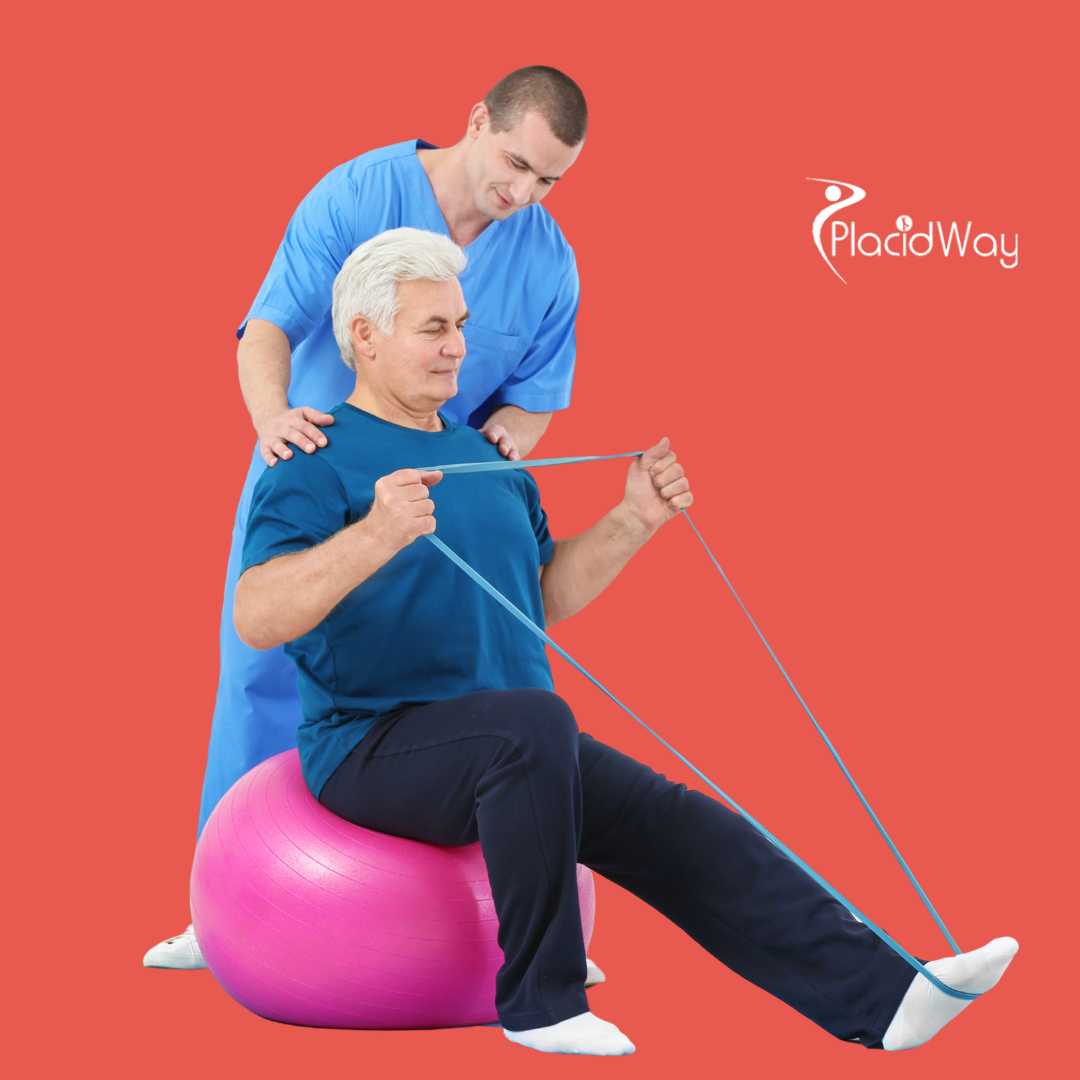
Recovery from partial knee replacement is often quicker than a total knee replacement due to its less invasive nature. Most patients are encouraged to start walking with crutches or a walker within a day or two of surgery. Physical therapy is a crucial component of recovery, beginning almost immediately to restore range of motion and strengthen the surrounding muscles.
While significant pain relief and improved function are typically seen within 3-6 weeks, full recovery and return to normal activities can take anywhere from 3 to 6 months. Adherence to your physical therapy program and following your surgeon's post-operative instructions are vital for optimal results. Individual recovery times can vary based on age, overall health, and commitment to rehabilitation.
What is the average cost of partial knee replacement in Bengaluru?
Bengaluru is known for offering high-quality medical treatments at a fraction of the cost compared to Western countries, making it an attractive destination for medical tourism. The cost of partial knee replacement can vary significantly based on several factors, including:
- Hospital Type: Large corporate hospitals generally have higher charges than smaller private hospitals.
- Surgeon's Expertise: Highly experienced and renowned surgeons may have higher consultation and surgical fees.
- Implant Quality: Different types and brands of knee implants come with varying costs.
- Length of Stay and Complications: An extended hospital stay or any unforeseen complications will increase the overall cost.
- Pre and Post-Operative Care: This includes diagnostic tests, physical therapy, and medications.
It's always advisable to get a detailed cost estimate from the hospital or a medical tourism facilitator that includes all potential expenses to avoid surprises.
Are there specific hospitals in Bengaluru known for excellent knee replacement outcomes?
While it's important not to name specific institutions without direct instruction, it's widely known that Bengaluru is home to numerous hospitals that are considered centers of excellence for orthopedic surgery, including knee replacements. These facilities are often characterized by:
- Advanced Technology: Utilization of robotic-assisted surgery, minimally invasive techniques, and advanced diagnostic tools.
- Experienced Orthopedic Teams: Multidisciplinary teams including orthopedic surgeons, anesthesiologists, physical therapists, and nurses specializing in joint care.
- Comprehensive Rehabilitation: In-house physical therapy and rehabilitation programs to aid recovery.
- International Patient Services: Many hospitals cater specifically to medical tourists, offering services like language interpretation, visa assistance, and accommodation support.
When researching, look for hospitals that are accredited by national or international bodies, as this often indicates adherence to high standards of quality and patient safety. These accreditations provide a reliable benchmark for evaluating healthcare providers.
What kind of experience or certifications should a top surgeon have for partial knee replacement?
When evaluating a surgeon for a specialized procedure like partial knee replacement, several credentials and experiences stand out. Firstly, the surgeon should be a board-certified orthopedic surgeon, which indicates they have met rigorous standards of training and examination in their field. Beyond basic certification, look for surgeons who have pursued fellowship training in arthroplasty (joint replacement) or sports medicine, as this provides an even deeper level of specialization in knee surgeries.
Practical experience is equally vital. A surgeon who performs a high volume of knee replacement procedures, specifically partial knee replacements, is likely to have refined their surgical techniques and can manage potential complications more effectively. Membership in professional orthopedic associations, participation in research, and ongoing education also demonstrate a surgeon's commitment to staying current with the latest advancements in orthopedic care.
Why is Bengaluru a popular destination for medical tourism for knee replacement?
Bengaluru's rise as a premier destination for medical tourism, particularly for orthopedic procedures, is driven by a confluence of factors. One of the most compelling reasons is the significant cost savings compared to countries in North America, Europe, or Australia, without compromising on quality. Patients can often save 50-70% on surgical costs.
Beyond affordability, Bengaluru boasts a robust healthcare ecosystem:
- Skilled Medical Professionals: Many surgeons are internationally trained and highly experienced.
- Advanced Facilities: Hospitals are equipped with cutting-edge technology and adhere to international standards.
- Language Accessibility: English is widely spoken in medical settings, easing communication for international patients.
- Comprehensive Services: Many hospitals offer tailored services for international patients, including travel logistics, accommodation, and interpreter services.
The city also offers a pleasant environment for recovery, with a moderate climate and various options for post-operative care and cultural experiences.
What support services are available for international patients undergoing partial knee replacement in India?
Recognizing the unique needs of patients traveling for medical care, many hospitals and medical tourism facilitators in Bengaluru offer an extensive range of support services. These services are designed to make the entire journey, from planning to recovery, as smooth and stress-free as possible for international patients.
Common support services include:
- Medical Visa Assistance: Guidance and support in obtaining the necessary medical visa for India.
- Travel Logistics: Assistance with flight bookings, airport pick-up and drop-off, and local transportation.
- Accommodation: Help with booking hotels, guesthouses, or serviced apartments for patients and their accompanying family members.
- Language Interpreters: Professional interpreters to ensure clear communication between the patient and medical staff.
- Dedicated Patient Coordinators: A single point of contact to assist with all non-medical aspects of the trip, from appointments to billing.
- Post-Operative Care: Arrangement for follow-up appointments, physical therapy sessions, and sometimes home healthcare.
These services aim to provide a holistic and comfortable experience, allowing patients to focus solely on their recovery.
How can medical tourism facilitators like PlacidWay assist with partial knee replacement in Bengaluru?
Navigating the process of seeking medical treatment abroad can be complex, and this is where medical tourism facilitators become invaluable. Organizations like PlacidWay specialize in connecting international patients with high-quality healthcare providers around the world, including those for partial knee replacement in Bengaluru. They act as a bridge, simplifying the entire journey for you.
Their services typically include:
- Curated Provider Networks: Access to a network of pre-vetted, reputable hospitals and experienced surgeons in Bengaluru specializing in partial knee replacement.
- Personalized Treatment Plans: Helping you obtain initial consultations and treatment plans from multiple providers to compare options.
- Cost Transparency: Providing detailed and transparent cost estimates, often bundled to include surgery, hospital stay, and initial recovery.
- Logistical Support: Arranging travel, accommodation, local transportation, and interpreting services.
- Patient Advocacy: Ensuring your needs and preferences are communicated effectively to the medical team.
By leveraging the expertise of a facilitator, you can significantly reduce the stress and uncertainty associated with international medical travel, allowing you to focus on your health and recovery.
What are the common risks associated with partial knee replacement?
While partial knee replacement is a generally safe and effective procedure, like any surgery, it carries potential risks. It's crucial for patients to be aware of these possibilities and discuss them thoroughly with their surgeon before making a decision.
- Infection: Though rare, infection can occur at the surgical site or around the implant. Prophylactic antibiotics are typically administered to minimize this risk.
- Blood Clots: Deep vein thrombosis (DVT) or pulmonary embolism are potential complications, addressed with blood-thinning medication and early mobilization.
- Implant Complications: Over time, the implant components can loosen, wear out, or fracture, potentially requiring revision surgery.
- Nerve or Blood Vessel Damage: Although uncommon, nearby nerves or blood vessels can be damaged during surgery.
- Persistent Pain or Stiffness: Some patients may experience ongoing pain or stiffness even after successful surgery.
- Progression of Arthritis: Since only part of the knee is replaced, arthritis can develop in the remaining natural parts of the joint, potentially necessitating a total knee replacement in the future.
Your surgeon will take all necessary precautions to minimize these risks and ensure the safest possible outcome.
What questions should I ask my potential surgeon during a consultation?
A thorough consultation is your opportunity to gather crucial information and assess your comfort level with the surgeon. Don't hesitate to ask detailed questions to ensure you feel fully informed and confident about your decision. Here are some key questions to consider:
- "How many partial knee replacements do you perform annually, and what are your success rates?"
- "Am I a suitable candidate for partial knee replacement, or would a total knee replacement be better for me?"
- "What specific surgical technique do you use, and what type of implant do you recommend?"
- "What are the potential risks and complications unique to my case?"
- "What does the recovery process involve, including hospital stay, pain management, and physical therapy?"
- "What are the expected long-term outcomes, and how long can I expect the implant to last?"
- "What are the estimated costs involved, including surgeon's fees, hospital charges, and post-operative care?"
A good surgeon will patiently address all your concerns and provide clear, understandable answers.
Ready to explore your options for partial knee replacement in Bengaluru? Discover trusted solutions and connect with leading healthcare providers through PlacidWay. Visit PlacidWay.com to learn more about medical tourism for your healthcare needs.










.png)









Share this listing