


Trusted Total Joint Arthroplasty and Care in Beijing at AMCare
About this video: Living with chronic joint pain or avascular necrosis can bring your life to a sudden, agonizing halt. When walking, bending, or even sleeping becomes a painful ordeal, an affordable Knee Arthroplasty in Beijing China offers a powerful lifeline. Today, patients from across the globe are bypassing exorbitant healthcare costs and long waitlists by traveling to world-class medical centers in Asia.
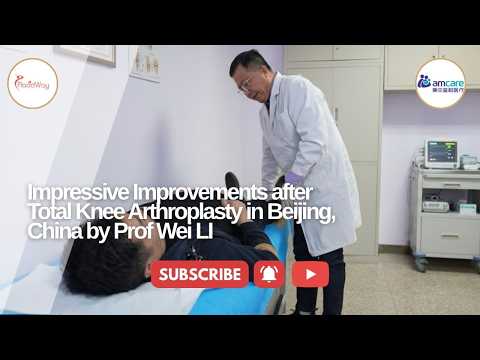
Watch this remarkable demonstration by Prof Wei Li to see firsthand the impressive mobility and immediate relief patients experience following state-of-the-art ceramic-on-ceramic joint arthroplasty. Your journey to pain-free movement and renewed independence starts right here.
Video Chapters & Quick Navigation
Understanding Avascular Necrosis and Joint Degeneration
Avascular necrosis (AVN), also known as osteonecrosis, is a debilitating condition characterized by the death of bone tissue due to a lack of blood supply. This interruption in blood flow causes the bone to weaken, micro-fracture, and eventually collapse. As Prof Wei Li demonstrates at [01:35], AVN of the femoral head severely distorts the hip joint's structural architecture.
The femoral head, which is the "ball" of the hip's ball-and-socket joint, loses its perfectly spherical shape due to cellular death. When the femoral head collapses, the smooth cartilage that normally facilitates friction-free movement is entirely destroyed. This leads to severe secondary osteoarthritis, painful bone-on-bone grinding, and excruciating discomfort during basic daily activities.
The patient in the video originally suffered from this exact condition, which completely restricted his mobility and prevented him from bending his leg or squatting. Knee joints can also suffer from severe degeneration through profound osteoarthritis or post-traumatic arthritis, leading to similar devastating losses of mechanical function. Traditional medications, corticosteroid injections, and physical therapy can only offer temporary symptom management for advanced AVN or stage-four osteoarthritis.
Once the bone structure is fundamentally compromised, avascular necrosis of the femoral head treatment options logically funnel toward definitive surgical intervention. By replacing the damaged bone and cartilage with highly durable prosthetic components, patients can immediately eliminate the source of their pain. This allows them to seamlessly begin the journey toward full mechanical function and long-term joint health.
The Profound Impact of Chronic Joint Pain on Quality of Life
To truly understand the value of an affordable total hip replacement surgery in Beijing China, one must first recognize the heavy toll chronic joint pain takes on a patient’s life. The physical limitations are immediately obvious, creating an inability to climb stairs, tie shoes, or walk for more than a few minutes without sharp, shooting pain. However, the psychological and emotional impacts of losing your mobility are often equally devastating to patients.
Chronic pain invariably leads to chronic fatigue, as patients constantly toss and turn at night trying to find a comfortable sleeping position. The inability to participate in hobbies, perform daily exercise, or travel freely often results in profound social isolation and severe depression. Furthermore, chronic joint issues create a highly dangerous domino effect throughout the entire musculoskeletal body.
When a patient continuously limps to protect a damaged hip or knee, they place unnatural, unbalanced stress on their lower back, their opposite leg, and their ankles. This compensatory mechanism frequently leads to secondary musculoskeletal injuries that further complicate their overall physical health. Economically, the burden is also severe, draining resources through endless physical therapy sessions, daily pain medications, and specialized mobility aids.
The cost of lost wages due to sick days and decreased productivity can quickly accumulate over months or years of untreated joint disease. This is precisely why finding the best orthopedic surgeons for joint replacement in Asia is not just a standard medical decision. It is a vital, proactive step toward reclaiming your livelihood, your mental health, and your overall well-being.
Why Choose Beijing for Orthopedic Surgery?
In recent years, China has rapidly emerged as a global superpower in medical innovation, particularly within the highly specialized fields of orthopedics and joint replacement. Finding the best orthopedic surgeons for joint replacement in Asia often leads international patients directly to the premier, internationally accredited hospitals in Beijing. These institutions boast ultra-modern surgical suites equipped with advanced robotic-assisted surgical systems, 3D pre-operative imaging technology, and highly sterile environments.
Surgeons like Prof Wei Li represent the absolute pinnacle of this advanced medical excellence. These specialized orthopedic surgeons frequently handle incredibly complex cases, performing hundreds of successful joint replacements annually. This high volume of specialized procedures translates directly into exceptional surgical dexterity, refined clinical protocols, and remarkably low patient complication rates.
Their comprehensive expertise spans both total knee and total hip arthroplasty, ensuring highly tailored treatment plans designed for optimal biomechanical restoration. Furthermore, medical tourism for knee arthroplasty in Beijing offers a truly holistic approach to comprehensive patient care. Elite hospitals feature dedicated international patient departments that provide seamless translation services, VIP recovery suites, and highly personalized nursing care.
This patient-centric ecosystem ensures that your medical journey—from the initial telemedicine consultation to your final physical therapy session—is completely stress-free. Many of these top-tier hospitals are accredited by the Joint Commission International (JCI), ensuring that the quality of care and patient safety protocols are identical to those found in Western medical centers. The strong presence of English-speaking staff and dedicated international liaisons removes all language barriers entirely.
The Superiority of Ceramic-on-Ceramic Joint Implants
A crucial factor determining the long-term success of any joint replacement is the specific material composition of the artificial prosthesis. As clearly highlighted in the video at [01:40], the patient successfully received a ceramic-on-ceramic artificial joint. This advanced material combination is widely regarded as the gold standard in modern hip arthroplasty, offering unprecedented durability and superior biocompatibility.
When undergoing major surgery abroad, gaining access to these premium, high-grade materials at a fraction of the domestic cost is a primary motivating factor. Ceramic-on-ceramic hip implant benefits and cost effectiveness over a patient's lifetime are truly unmatched in the orthopedic field. Unlike traditional metal-on-polyethylene implants, which can generate microscopic wear debris over time, ceramics boast an incredibly hard, scratch-resistant surface.
This ultra-smooth bearing surface creates exceptionally low friction, virtually eliminating the dangerous risk of inflammatory reactions caused by plastic or metal particles. This inflammatory condition, known clinically as osteolysis, is a leading cause of implant loosening and catastrophic failure in older implant models. For younger, more active patients, advanced ceramic implants are particularly advantageous.
They offer a vastly extended functional lifespan, often exceeding 20 to 25 years of continuous, daily rigorous use. This durability dramatically reduces the likelihood of requiring a complex, painful, and costly revision surgery down the road. While the upfront material cost of ceramic is slightly higher than standard plastic and metal configurations, the phenomenal long-term clinical outcomes make them a superior health investment.
Comparing Prosthetic Implant Materials
| Implant Material | Wear Rate | Biocompatibility | Best Suited For |
|---|---|---|---|
| Ceramic-on-Ceramic | Extremely Low | Excellent | Young, highly active patients |
| Metal-on-Polyethylene | Moderate | Good | Older, less active patients |
| Ceramic-on-Polyethylene | Low | Very Good | Most standard joint replacements |
The Surgical Procedure: Precision and Innovation
Undergoing major orthopedic surgery in a foreign country can initially feel intimidating for many international patients. However, thoroughly understanding the meticulously planned surgical procedure provides immense peace of mind and reduces pre-operative anxiety. Total hip and knee arthroplasty in top Beijing clinics utilize muscle-sparing, highly minimally invasive surgical techniques whenever physically possible.
This refined approach actively minimizes soft tissue trauma, drastically reduces intraoperative blood loss, and significantly accelerates the overall patient recovery timeline. Smaller, strategically placed incisions mean less visible scarring and far less disruption to the critical stabilizing muscles surrounding the joint. During a total hip replacement procedure, the surgeon carefully removes the necrotic femoral head and accurately prepares the pelvic bone.
A highly durable titanium stem is then securely implanted directly into the hollow center of the patient's femur. Finally, the highly engineered ceramic ball and socket are precisely aligned to perfectly recreate the natural, fluid biomechanics of a healthy joint. For total knee arthroplasty, the damaged cartilage at the ends of the femur and tibia are meticulously shaved away using specialized instruments.
These bone ends are then capped with highly polished metal and medical-grade plastic components to restore smooth articulation. Advanced computer navigation and 3D pre-operative planning software ensure that the implant is positioned with absolute sub-millimeter accuracy. This precise alignment is paramount for actively preventing premature wear and completely minimizing the risk of post-surgical dislocation.
This level of precision also ensures that the patient's leg lengths remain perfectly equal and naturally balanced post-surgery. Many top clinics now utilize state-of-the-art robotic surgical assistants, which allow the surgeon to execute their pre-operative digital plan with flawless, computerized precision. The final surgical result is a highly stable, deeply integrated artificial joint fully capable of withstanding the rigorous demands of daily life.
Post-Operative Recovery and the Critical Gluteus Medius
The ultimate success of a joint replacement relies just as heavily on dedicated, specialized physical therapy as it does on surgical skill. As clearly seen at [00:05], the patient exhibits remarkable flexibility, achieving complete leg flexion without experiencing any pain. This phenomenal level of restored mobility is the direct result of immediate post-operative mobilization and strict adherence to a guided rehabilitation protocol.
The expected recovery time after total hip arthroplasty is significantly shortened when patients actively and consistently participate in their own healing process. Prof Wei Li emphasizes a highly critical medical point at [01:15] regarding the dangers of post-operative muscle atrophy. When a patient suffers from avascular necrosis or severe knee osteoarthritis for an extended period, they naturally adjust their gait to consciously avoid pain.
This prolonged, unnatural compensation causes surrounding stabilizing muscles, specifically the gluteus medius, to severely weaken and rapidly atrophy. While the advanced surgery mechanically replaces the damaged joint, it does not magically rebuild these severely deteriorated muscle fibers. The physical hardware is permanently fixed, but the muscular software requires intense, guided reprogramming.
Therefore, highly targeted physical therapy after joint replacement surgery is an absolutely essential component of the recovery journey. As beautifully demonstrated in the video, patients must diligently perform specific lateral leg raises and hip abduction exercises to fully reactivate the gluteus medius. By diligently rebuilding this specific musculature, patients quickly restore their natural balance and permanently eliminate post-operative limping.
This muscle strengthening is the key to ensuring the long-term structural stability of their new ceramic implant. At [01:25], the expert doctor notes that after exactly three months of dedicated strength training, patients can safely resume squatting. Your dedicated physical therapy team in Beijing will provide a comprehensive, step-by-step roadmap to safely guide you through these crucial early weeks.
Nutritional Support for Bone Healing and Recovery
While surgical precision and expert physical therapy are the foundational pillars of joint replacement success, optimal daily nutrition plays a critical role. Following an affordable total hip replacement surgery in Beijing China, your healing body requires massive amounts of energy. It needs specific raw materials to successfully fuse the new medical implant to your existing natural bone structure.
Adequate, high-quality protein intake is absolutely essential for rapidly repairing the soft tissues, muscles, and skin incised during the surgical procedure. Patients are strongly encouraged to actively consume lean meats, fresh fish, eggs, and nutrient-dense plant-based proteins to facilitate rapid cellular regeneration. Furthermore, optimal levels of Vitamin D and Calcium are paramount for ensuring successful osseointegration.
Osseointegration is the incredible biological process where your living bone naturally grows directly into the microscopic, porous surface of the titanium implant stem. The internationally focused, elite hospitals in Beijing prioritize specialized, scientifically backed post-operative diets for all foreign patients. Expert clinical nutritionists work closely with the primary surgical team to ensure your daily meals are highly anti-inflammatory.
These meals are meticulously crafted to be rich in essential micronutrients like Vitamin C and Zinc, which actively accelerate wound healing. Proper, continuous hydration is also strictly monitored by nursing staff to prevent dangerous blood clots from forming. Excellent hydration ensures the smooth, efficient flushing of surgical anesthetics and potent medications from your recovering system.
Cost Comparison: Restoring Your Health Without Financial Ruin
One of the most compelling reasons international patients continuously seek out the Prof Wei Li Beijing orthopedic surgery reviews is the unparalleled economic value. In the United States, Canada, and the United Kingdom, a total joint arthroplasty can easily exceed $40,000 to $60,000 completely out-of-pocket. This is especially true when factoring in the required premium ceramic implants, lengthy hospital stays, and state-mandated physical therapy.
These exorbitant, often crippling medical costs frequently force desperate patients to significantly delay necessary care, leading to further devastating physical deterioration. Conversely, the overall cost of joint arthroplasty in China vs US is astoundingly more affordable for the average patient. Prices typically range from just $10,000 to $18,000 for a comprehensive, highly inclusive medical tourism package.
This dramatic, life-changing price difference is not a reflection of lower quality medical care or the use of inferior prosthetic materials. Rather, it is the direct result of differing national healthcare economic structures and significantly lower administrative hospital overhead. It also stems from the highly efficient centralization of specialized medical services within Beijing's massive healthcare infrastructure.
- Transparent Pricing Models: Reputable international clinics always offer highly transparent, bundled surgical packages with absolutely zero hidden or unexpected medical fees upon discharge.
- All-Inclusive Surgical Care: These comprehensive packages generally cover the complex surgery, the premium ceramic implant, all anesthesia, and the initial inpatient hospital room.
- Integrated Rehabilitation: Many elite medical tourism packages naturally include immediate post-operative physical therapy sessions to kickstart your vital recovery before flying home.
Preparing for Your Medical Journey to Beijing
Embarking on an international medical journey requires highly careful, strategic logistical planning to ensure a completely stress-free experience. The crucial first step involves securely sharing your recent X-rays, MRI scans, and comprehensive medical history with the surgical team. This is typically done via a secure, confidential telemedicine consultation directly with specialists in Beijing.
This virtual consultation allows specialized surgeons to officially confirm your diagnosis and clearly determine your precise clinical eligibility for surgery. It allows them to outline a highly customized, individualized surgical plan well before you ever book an international flight. Securing the appropriate Chinese medical visa is a remarkably streamlined process with the expert assistance of a dedicated medical tourism facilitator.
Organizations like PlacidWay provide incredibly comprehensive support, seamlessly issuing the necessary official invitation letters directly from the receiving hospital. This documentation serves to rapidly expedite your medical visa application process with the local Chinese embassy or consulate. They also meticulously arrange all localized ground transportation, ensuring a smooth, wheelchair-accessible transition from the airport to your suite.
We highly recommend arriving in the city of Beijing a few days prior to your officially scheduled joint surgery. This vital, relaxing buffer period allows your body to fully acclimate to the new time zone and combat travel fatigue. It also provides ample time to complete all necessary pre-operative blood work, essential cardiovascular screenings, and have a detailed consultation.
Medical Tourism Benefits: Blending Healing with Culture
The stunning physical transformation accurately documented in the provided video is a profound testament to the power of modern orthopedic medicine. Watching a senior patient effortlessly bend their leg past 90 degrees and comfortably squat just months after suffering is truly inspiring. It powerfully highlights the incredibly fast recovery time after total hip arthroplasty achievable when paired with truly expert, specialized medical care.
Choosing to bravely undergo joint replacement surgery in Beijing is a highly proactive step toward reclaiming your lost physical independence. It is an investment in your daily mobility, your mental health, and your overall long-term human vitality. The winning combination of internationally acclaimed surgeons, premium ceramic implants, and highly affordable medical packages creates an unparalleled healing opportunity.
Beyond the sheer medical excellence, recovering in the city of Beijing allows international patients to experience incredible, ancient cultural heritage. It seamlessly turns what is traditionally a stressful medical necessity into a highly unique, memorable, and culturally enriching life experience. You absolutely no longer have to simply accept chronic, debilitating joint pain as a permanent, immovable fixture in your daily life.
You also do not have to completely drain your retirement life savings just to access premium, life-saving orthopedic healthcare. World-class, elite medical facilities in Beijing are standing ready to quickly provide the exact restorative care you desperately need. They will help you get back on your feet, entirely free of pain, and fully ready to engage with life again.
Ready to Reclaim Your Mobility in Beijing?
PlacidWay Medical Tourism connects you with elite orthopedic surgeons and top-tier hospitals for affordable, world-class Orthopedic Surgery China. Let our experts handle the logistics while you focus entirely on your recovery.
GET A FREE QUOTE TODAYView Video Transcript
[00:00] Doctor: Where are you from?
[00:02] Patient: From Dongying, in Shandong province.
[00:05] Doctor: Look, after the surgery, he is doing very well. Complete flexion, no problem. Previously he couldn't bend it.
[00:15] Doctor: Previously he couldn't bend past 90 degrees. Now, as you can see, he can bend over 90 degrees.
[00:25] Doctor: So over 90 degrees, squatting is no problem. But we don't demand squatting right away.
[00:35] Doctor: Let's test mobility. Good, straighten it. Outward extension... very good.
[00:45] Doctor: Internal rotation is also no problem. Now we need to exercise this muscle. Lift your leg.
[00:55] Doctor: Excellent. You are practicing well. Are you practicing every day at home?
[01:05] Doctor: Why do we demand this movement? To exercise his gluteus medius muscle.
[01:15] Doctor: Because after femoral head necrosis, the gluteus medius muscle atrophies. Even though we replaced the joint, the muscle needs to be rebuilt.
[01:25] Doctor: After 3 months, you can squat. (Patient demonstrates squatting).
[01:35] Doctor: Look at this X-ray. Because of his femoral head necrosis, we did a total hip replacement.
[01:40] Doctor: We installed a ceramic-on-ceramic artificial joint. This is the best available right now.














Share this listing