
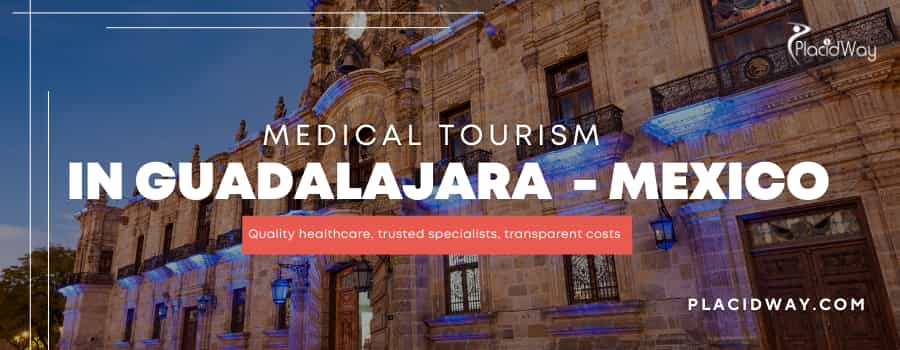
Exploring Medical Tourism in Guadalajara, Mexico: A Complete Guide for US Patients
Guadalajara produces a significant portion of Mexico’s technological innovations while concurrently hosting some of the nation's most advanced healthcare networks. This unique intersection of modern medical infrastructure and deep-rooted colonial heritage creates a highly reliable environment for medical tourism in Guadalajara, Mexico. Patients traveling from the United States or Canada find themselves recovering not in a transient border town, but within a vibrant cultural capital renowned for both its traditional Mariachi heritage and globally accredited surgical facilities.
Key Takeaways
- International patients typically save between 40% and 65% on major medical procedures in Jalisco compared to standard United States pricing.
- The Consejo de Salubridad General (CSG) federally accredits top-tier hospitals in the city to ensure strict adherence to clinical safety protocols.
- Premium medical facilities are strategically clustered in upscale, tourist-friendly neighborhoods like Zapopan and Providencia.
- The city’s high altitude of 5,100 feet provides a temperate, spring-like climate year-round that is highly conducive to post-operative recovery.
- Direct flights from major US and Canadian hubs land daily at Miguel Hidalgo y Costilla International Airport, simplifying travel logistics.
Why Choose Medical Tourism in Guadalajara, Mexico, Over Border Clinics?
It is completely understandable to carefully weigh the financial benefits of healthcare abroad against the logistical realities of international travel. For those assessing their options, choosing this major metropolitan hub offers a distinct advantage over bustling border towns by pairing world-class surgical facilities with a culturally enriching environment.
- Urban Sophistication: The city provides a stable, highly developed metropolitan infrastructure that includes reliable public services, expansive parks, and premium accommodations.
- Financial Predictability: Cross-border shoppers typically save up to 60% on major procedures while enjoying higher-end tourism amenities than border towns provide.
- Cultural Immersion: Recovery here means viewing historic colonial architecture and visiting artisan markets like Tlaquepaque, rather than staring at a sterile hotel wall.
- Advanced Technology: Because it serves as a major tech and education hub, local hospitals frequently utilize the latest surgical robotics and imaging equipment.
- Calm Environment: The destination feels significantly less rushed than border transit zones, allowing your nervous system to relax during the crucial healing phase.
What Are the Top Procedures for Medical Tourism in Guadalajara, Mexico?
Anxiety often accompanies the decision to undergo surgery, especially when coordinating care in a foreign country. By focusing on procedures where local specialists have proven, high-volume experience, you can confidently integrate your clinical needs with a relaxing tourist itinerary.
- Bariatric Surgery: Gastric sleeve and bypass patients frequently utilize the city’s specialized weight-loss clinics, later enjoying gentle walking recoveries in the shaded pathways of Bosque Los Colomos.
- Cosmetic and Plastic Surgery: Facial rejuvenation and body contouring are highly sought after, with patients extending their stays in boutique Providencia hotels to recover in complete privacy.
- Advanced Dentistry: Full-mouth restorations and dental implants allow patients enough physical mobility to safely explore the historic murals at Hospicio Cabañas between clinic visits.
- Orthopedic Joint Replacement: Knee and hip replacements are performed using advanced prosthetics, followed by physical therapy in specialized facilities overlooking the city's green spaces.
- Fertility Treatments: IVF and reproductive medicine clinics offer compassionate care in a low-stress environment, allowing couples to enjoy romantic, quiet dinners in the Tlaquepaque arts district.
- Ophthalmology: Vision correction and cataract surgeries require minimal downtime, giving patients the visual clarity to immediately appreciate the vibrant architecture of the historic center.
How Do Healthcare Costs Compare to the United States?
Managing a cross-border medical budget requires transparent data so you can accurately forecast your total expenses, including travel and tourism costs. The financial relief provided by Mexican healthcare allows you to comfortably afford premium recovery accommodations and local excursions without exceeding your initial savings.
| Medical Procedure | Average US Cost | Average Guadalajara Cost | Tourism Integration Benefit |
|---|---|---|---|
| Gastric Sleeve | $15,000 - $25,000 | $4,500 - $6,500 | Savings cover a 10-day stay in a premium Zapopan recovery suite. |
| Dental Implant (Single) | $3,000 - $5,000 | $900 - $1,200 | Allows budget for private tours to nearby Lake Chapala. |
| Rhinoplasty | $8,000 - $12,000 | $3,500 - $5,000 | Leaves ample funds for private airport transfers and room service. |
| Knee Replacement | $35,000 - $50,000 | $12,000 - $15,000 | Facilitates hiring an in-room physical therapist and private driver. |
| IVF Cycle | $12,000 - $15,000 | $5,000 - $7,000 | Provides a low-stress cultural vacation during the treatment window. |
Is the City Safe for Medical Travelers and Tourists?
Safety is naturally the most pressing concern for anyone planning a healthcare journey to a new international destination. By understanding the layout of the city and staying within designated medical and commercial districts, you can ensure a secure and highly enjoyable experience.
- Secure Medical Districts: Premium healthcare facilities are concentrated in affluent, highly monitored neighborhoods like Puerta de Hierro and Providencia.
- Reliable Transportation: Registered ride-sharing apps like Uber operate safely and efficiently throughout the metropolitan area, eliminating the need to hail street cabs.
- Tourist Police Presence: Bilingual tourist police heavily patrol historic sites like the Guadalajara Cathedral and the surrounding plazas to assist visitors.
- Safe Dining Environments: Upscale culinary corridors in Colonia Americana offer secure, well-lit pedestrian zones for evening meals and post-appointment relaxation.
- Organized Excursions: Utilizing reputable, hotel-vetted tour operators for day trips to Tequila ensures you remain in safe, guided environments.
Which Local Accreditations Guarantee Hospital Quality?
Validating the clinical excellence of a foreign hospital is a critical step in overcoming the anxiety of cross-border healthcare. The city’s finest medical centers adhere to strict national frameworks that rival the standards you expect in your home country, all while being situated next to premium shopping and dining districts.
- Federal Oversight: The Consejo de Salubridad General (CSG) is Mexico’s highest medical authority, granting accreditation only to facilities with impeccable safety records.
- International Alignment: Many local clinics voluntarily align their infection control and patient safety protocols with Joint Commission International (JCI) standards.
- Specialized Certifications: Individual surgeons are typically board-certified by respective Mexican national councils, with many holding dual memberships in American medical associations.
- Integrated Tourism Comforts: Accredited hospitals often feature bilingual patient liaisons, on-site cafes, and serene recovery gardens designed specifically for international visitors.
- Proximity to Amenities: Top-tier clinics are purposefully located near high-end commercial centers like Andares, providing traveling companions with secure entertainment options.
Where Should You Stay During Your Medical Recovery?
Selecting the right accommodation is just as vital to your healing process as choosing the right surgeon. The hospitality sector here excels at blending traditional Mexican warmth with the specific accessibility requirements of recovering patients.
- Upscale Zapopan Hotels: Staying in this modern district puts you within five minutes of major hospitals while offering luxury room service and quiet, climate-controlled environments.
- Boutique Tlaquepaque Inns: For non-surgical dental or fertility patients, these artisanal hotels provide peaceful courtyards and immediate access to artisan shopping.
- Accessibility Features: Many major international hotel chains in the business district offer ADA-compliant rooms with walk-in showers and elevator access.
- Extended Stay Suites: Neighborhoods like Providencia feature luxury serviced apartments equipped with full kitchens, ideal for patients managing specific post-op dietary needs.
- In-Room Medical Support: Premium hotels are accustomed to medical travelers and willingly coordinate with private nursing services for daily check-ins.
How Accessible Are Pharmacies and Medical Supplies?
Worrying about prescription access in a foreign language can unnecessarily elevate your pre-travel stress levels. Fortunately, navigating the local pharmaceutical landscape is incredibly straightforward, often presenting an opportunity to interact with the city’s friendly local infrastructure.
- Widespread Availability: Major chains like Farmacias Guadalajara are located on nearly every commercial corner, remaining open 24 hours a day for your convenience.
- Integrated Delivery Services: Most modern pharmacies partner with mobile delivery apps, allowing you to order medications directly to your hotel bed while recovering.
- Affordable Prescriptions: Medications required for post-operative care are generally available at a fraction of US prices, significantly reducing your out-of-pocket expenses.
- Knowledgeable Pharmacists: In high-tourist areas like Chapultepec, pharmacists frequently speak English and are accustomed to interpreting international prescription requirements.
- Walking Distance Access: If you are cleared for light mobility, walking to a nearby pharmacy in the historic center serves as excellent, low-impact physical therapy.
What Is the Best Time of Year to Travel for Surgery?
Timing your medical journey strategically ensures that climate conditions actively support, rather than hinder, your physical recovery and travel plans. The city's geographic elevation creates a distinct weather pattern that influences both the medical and tourism calendars.
- The Dry Season (October to May): These months offer crisp mornings and sunny, temperate afternoons, providing the ideal climate for comfortable wound healing and gentle sightseeing.
- Avoiding the Summer Rains: June through September brings heavy, though predictable, afternoon thunderstorms that can complicate mobility and outdoor tourism plans.
- Spring Festivals: Traveling in February or March aligns your recovery with beautiful Jacaranda blooms across the city, elevating your mood during the healing process.
- Holiday Blackout Dates: It is wise to avoid booking major surgeries during the week of Easter (Semana Santa), as local tourism peaks and some specialist clinics reduce hours.
- Winter Escapes: For Canadian and Northern US patients, January provides a warm, sunny refuge from winter weather, drastically improving the overall recovery experience.
How Do You Navigate Transportation From the Airport?
Arriving in a new country just days before a medical procedure can feel overwhelming without a clear logistical plan. The transition from Miguel Hidalgo y Costilla International Airport to your recovery suite is designed to be seamless, prioritizing your comfort and safety.
- Dedicated Medical Concierge: Many elite clinics provide a bilingual driver who greets you at the arrivals gate, ensuring you bypass chaotic taxi lines entirely.
- Authorized Airport Taxis: If traveling independently, secure, pre-paid authorized taxi kiosks inside the terminal offer fixed rates to all major hospital and hotel zones.
- Ride-Sharing Convenience: Uber is legally permitted to operate at specific airport designated zones, providing a familiar, GPS-tracked transportation option directly to your accommodation.
- Highway Infrastructure: The airport is connected to the city via well-maintained expressways, meaning the journey to upscale districts like Zapopan typically takes under 40 minutes.
- Wheelchair Accessibility: The airport features modern accessibility infrastructure, and private transfer vans can be pre-arranged to accommodate mobility aids or specific orthopedic needs.
Can Dietary Needs Post-Surgery Be Met by the Local Culinary Scene?
Food is deeply tied to comfort, and it is completely normal to worry about finding appropriate nutrition while recovering away from home. While the region is famous for complex, spicy dishes, the culinary infrastructure easily adapts to the strict, mild diets required after surgery.
- Traditional Healing Broths: Local restaurants excel at preparing mild, deeply nourishing soups like *caldo de pollo* (chicken broth), which are perfect for early post-operative phases.
- High-End Room Service: Premium hotels in Colonia Americana offer extensive international menus, allowing you to order familiar, bland foods like oatmeal or mashed potatoes directly to your room.
- Fresh Produce Availability: Local markets and modern grocery stores provide abundant access to fresh, inexpensive fruits for patients needing high-fiber or liquid-diet smoothie ingredients.
- Bariatric-Friendly Options: Due to the high volume of weight-loss patients, many cafes near the medical districts are familiar with portion control and sugar-free preparation requests.
- Gradual Culinary Exploration: As your digestion recovers, you can slowly introduce mild local specialties, enjoying the region’s rich gastronomy without compromising your medical guidelines.
What Are the Visa and Entry Requirements for US and Canadian Patients?
Navigating immigration protocols should not add to the mental load of planning your medical journey. The entry process for North American citizens is highly streamlined, requiring minimal paperwork to legally enjoy both the clinical and cultural offerings of the region.
- Standard Passport Requirements: A valid US or Canadian passport with at least six months of remaining validity is the primary document required for immediate entry.
- Automatic Tourist Visas: Upon arrival, North American visitors are typically granted a Forma Migratoria Múltiple (FMM) allowing a stay of up to 180 days, which easily covers extensive recoveries.
- Medical Letters: Carrying a formal letter from your chosen Mexican surgeon detailing your appointment dates helps expedite customs and clarifies the purpose of your extended stay.
- Digital Customs Processing: Immigration authorities have modernized entry points at the airport, making the transition from the plane to your private transport swift and efficient.
- Companion Travel: Your family members or caretakers enter under the same simple tourist guidelines, allowing them to focus entirely on supporting you and exploring the city.
How Do Language Barriers Impact the Medical and Travel Experience?
The fear of being misunderstood in a clinical setting is a primary source of anxiety for many prospective international patients. However, the ecosystem here is specifically designed to bridge this gap, ensuring crystal-clear communication from the operating room to the local markets.
- Bilingual Medical Teams: Top-tier surgeons and coordinating staff in this city frequently train in the US or Europe and possess high-level medical English proficiency.
- Dedicated Patient Liaisons: Reputable clinics assign you a dedicated English-speaking coordinator who translates intricate medical details and assists with filling out hospital forms.
- Tourism Sector English: Staff at premium hotels, high-end restaurants in Providencia, and major cultural museums regularly speak excellent English to accommodate international visitors.
- Translation Applications: For casual interactions in traditional markets like San Juan de Dios, modern smartphone translation apps perfectly facilitate shopping and basic dining requests.
- Non-Verbal Hospitality: The local culture is deeply rooted in hospitality and patience, meaning locals are highly accommodating and helpful even when verbal language barriers exist.
What Gentle Tourism Activities Suit the Early Recovery Phase?
Balancing the desire to explore a historic destination with the physical limitations of surgery requires thoughtful itinerary planning. The city offers numerous low-impact, highly engaging experiences that elevate your spirits without jeopardizing your surgical outcomes.
- Strolling Bosque Los Colomos: This expansive, tranquil urban forest features flat, shaded walking paths and a beautiful Japanese garden, ideal for mandatory post-surgical light walking.
- Exploring Tlaquepaque’s Pedestrian Zones: The vibrant artisan district is entirely walkable and filled with benches, allowing you to browse ceramics and listen to Mariachi music at a slow, comfortable pace.
- Visiting Hospicio Cabañas: This UNESCO World Heritage site houses breathtaking murals by José Clemente Orozco and features accessible ramps and quiet courtyards for restful viewing.
- Scenic Agave Landscape Drives: Hiring a private driver allows you to comfortably view the stunning blue agave fields of the Tequila region through the window of a climate-controlled vehicle.
- Relaxing in Plaza de Armas: Simply sitting in the historic center’s main square with a coffee allows you to safely absorb the city’s architectural beauty and vibrant daily life.
How Do You Handle Follow-Up Appointments While Exploring Jalisco?
The period between your discharge and your flight home is a delicate mix of clinical vigilance and vacation leisure. By structuring your days thoughtfully, you can honor your medical commitments while still experiencing the richness of the surrounding state.
- Strategic Scheduling: Request that your clinic schedule follow-up checks in the early morning, leaving the rest of your day free to visit nearby attractions like Lake Chapala.
- Telemedicine Check-Ins: Some progressive clinics allow minor post-op check-ins via video call from your hotel room, reducing transit time and maximizing your relaxation.
- Centralized Basecamps: Staying in a centrally located neighborhood ensures that returning to the clinic for bandage changes or drain removals takes only minutes away from your tourism itinerary.
- Coordinating with Guides: Inform your private tour operators of your medical schedule; they are accustomed to adapting itineraries around strict clinic appointment windows.
- Prioritizing Rest: Always factor in a mandatory afternoon rest period at your hotel between your medical appointments and evening culinary explorations to prevent exhaustion.
A Typical Patient Journey: Experiencing Healthcare and Culture in Jalisco
*The following scenario illustrates a typical experience for a North American patient, demonstrating how clinical care and travel intertwine.*
David, a 54-year-old from Texas, spent months comparing dental restoration prices before choosing a specialized clinic in Jalisco. His anxiety about navigating a foreign healthcare system began to fade the moment a bilingual concierge greeted him at the airport arrivals gate. Instead of a chaotic border crossing, David enjoyed a smooth 30-minute private transfer to a boutique hotel in the quiet, tree-lined neighborhood of Providencia.
Over the next ten days, David's schedule perfectly balanced clinical precision with cultural immersion. His morning implant procedures were conducted in a state-of-the-art facility featuring 3D imaging tech he hadn't even seen at his local Texas dentist. By the afternoon, he was resting in his hotel courtyard, safely sipping mild traditional broths prepared by the hotel kitchen specifically for his soft-food diet. As his discomfort subsided later in the week, David spent his days wandering the flat, pedestrian-friendly streets of Tlaquepaque, purchasing local art, and enjoying the spring-like weather before flying home with a fully restored smile and fond memories of the city.
Frequently Asked Questions
Is the city safe for solo female medical travelers?
Yes, it is highly safe for solo female travelers who utilize common sense and stay within designated medical and upscale commercial districts. Neighborhoods like Zapopan and Providencia are heavily monitored and feature secure, well-lit environments. Always use registered ride-sharing apps rather than hailing cabs on the street.
What is the average cost of a premium hotel during a medical stay?
Patients can expect to pay between $80 and $150 per night for a premium, accessible hotel room in the safest districts. These rates typically include amenities crucial for recovery, such as room service, reliable air conditioning, and on-site dining. Extended-stay suites may offer discounted weekly rates.
How far is the airport from the main medical districts?
Miguel Hidalgo y Costilla International Airport is located approximately 30 to 40 minutes from the primary medical hubs in Zapopan and Providencia. The route utilizes major modern expressways, making the transfer smooth and straightforward. Most high-end clinics arrange private transfers for this exact route.
Do I need a special medical visa to receive treatment here?
No, United States and Canadian citizens do not require a specialized medical visa for procedures requiring standard recovery times. You will enter on a standard tourist permit (FMM), which grants up to 180 days of legal stay. This is more than sufficient for virtually all surgical recoveries and follow-ups.
Are the surgical facilities accredited by recognized bodies?
Yes, the top-tier surgical facilities hold strict federal accreditation from the Consejo de Salubridad General (CSG). Furthermore, many hospitals voluntarily adhere to international safety standards, and individual specialists are heavily vetted by national medical boards. Always ask your specific clinic for their accreditation credentials.
Can I drink the tap water in my hotel room after surgery?
No, it is highly recommended that all international visitors drink only bottled or properly purified water. Premium hotels provide complimentary bottled water daily, which you should use for drinking, taking medications, and brushing your teeth. This prevents any gastrointestinal disruptions during your sensitive recovery phase.
What currency should I use for small tourism purchases?
While major clinics and large hotels readily accept US credit cards, you should carry Mexican Pesos for small daily purchases. Using pesos at local pharmacies, artisan markets, and cafes ensures you receive the best exchange rate. ATMs are widely available in safe locations like hotel lobbies and shopping malls.
Is it easy to find English-speaking tour guides for gentle sightseeing?
Absolutely, the region possesses a robust, professional tourism industry catering to international visitors. English-speaking private guides can be easily hired through your hotel concierge to provide customized, low-impact tours. They understand the physical limitations of recovering patients and adjust the pace accordingly.
How long should I wait before flying back to the United States?
Flight clearance depends entirely on your specific procedure and your surgeon’s strict guidelines. Dental patients may fly within a few days, while orthopedic or bariatric patients typically must wait 7 to 14 days to prevent blood clot risks. Never book your return flight without explicit medical authorization.
What are the emergency protocols if I need help while touring?
If an emergency occurs outside the clinic, dialing 911 connects you to local emergency services, which can route bilingual dispatchers. Additionally, your clinic will provide a 24-hour direct contact number for their on-call medical staff. Tourist police in major plazas are also trained to assist international visitors in distress.
Ready to Plan Your Journey?
Navigating international healthcare options doesn't have to be overwhelming when you have the right guidance and transparent information. If you are ready to explore your options, speak with a dedicated patient coordinator to compare verified clinics and safely plan your medical tourism in Guadalajara, Mexico.
References
- Travelers' Health: Mexico – Centers for Disease Control and Prevention (CDC)
- Mexico Travel Advisory – U.S. Department of State
- Certificación de Establecimientos de Atención Médica – Consejo de Salubridad General (CSG)
- Standards and Accreditation – Joint Commission International (JCI)
- Global Survey on Aesthetic/Cosmetic Procedures – International Society of Aesthetic Plastic Surgery (ISAPS)
- Global Health Observatory Data – World Health Organization (WHO)
Medical Disclaimer: The information provided in this article is for educational and informational purposes only and does not constitute medical advice. We are a medical tourism platform providing destination guides, not a healthcare provider. Always consult with a qualified, licensed physician regarding your specific medical conditions, treatment options, and fitness for international travel. Pricing and medical protocols are subject to change and should be verified directly with chosen medical facilities.


















Share this listing