
Share with AI


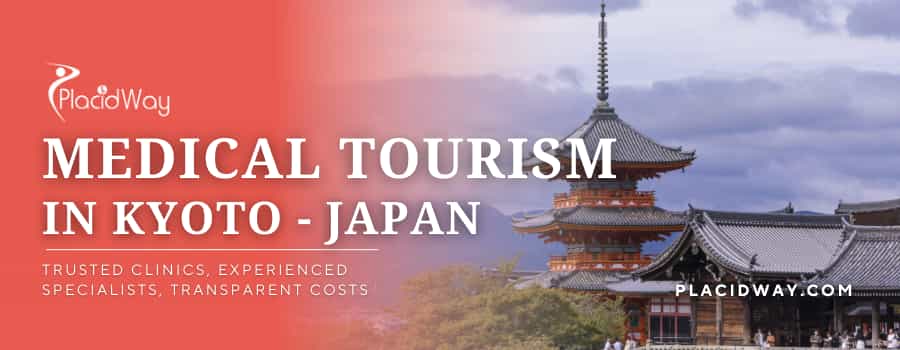
Kyoto, once the imperial capital of Japan, is globally revered for its thousands of classical Buddhist temples, gardens, and imperial palaces. However, beyond its rich cultural heritage lies a sophisticated, high-tech healthcare ecosystem that is rapidly attracting international attention. Medical tourism in Kyoto, Japan represents a unique convergence of cutting-edge medical technology and the traditional Japanese spirit of "Omotenashi" (wholehearted hospitality). Patients traveling here are not just seeking treatment; they are looking for precision, safety, and a serene environment that actively promotes healing and recovery.
Japan consistently ranks among the top countries globally for life expectancy and healthcare quality. Recent data suggests that the number of international patients visiting Japan has been steadily increasing, driven by the country's expertise in fields such as oncology, regenerative medicine, and orthopedics. For those seeking world-class medical care abroad, Kyoto offers a compelling alternative to Western healthcare systems, providing advanced treatments at a fraction of the cost found in the United States, all within one of the world's most beautiful and safe cities.
Why Choose Kyoto for Your Medical Treatment
Advantages of Japanese Healthcare Excellence
Choosing to undergo medical procedures in Kyoto means placing your health in the hands of some of the most disciplined and highly trained medical professionals in the world. The Japanese healthcare system is characterized by a meticulous attention to detail, rigorous hygiene standards, and the utilization of the latest medical equipment. Affordable surgery in Kyoto, Japan does not equate to lower quality; rather, it reflects a regulated healthcare market that keeps costs reasonable while maintaining superior standards of care.
Furthermore, the therapeutic environment of Kyoto itself plays a crucial role in the patient journey. Unlike sterile and bustling medical hubs elsewhere, Kyoto offers a peaceful atmosphere essential for post-operative recovery. The integration of advanced robotic surgery and holistic patient care ensures that outcomes are optimized both physically and emotionally. Patients can expect a seamless experience where administrative efficiency meets compassionate care.
- Advanced Technology Access: Japan leads the world in the availability of MRI and CT scanners per capita, ensuring rapid and accurate diagnostics.
- Regenerative Medicine Leadership: The region is a global hub for stem cell therapy in Kyoto and IPS cell research, offering hope for complex conditions.
- Cost-Effective Quality: Procedures often cost 30-70% less than in the US, without compromising on safety or technological sophistication.
- Holistic Healing Environment: The Zen atmosphere of Kyoto provides a stress-free backdrop that significantly aids in faster recovery.
- Exceptional Hygiene Standards: Japan's hospital hygiene protocols are among the strictest globally, drastically reducing the risk of hospital-acquired infections.
- Comprehensive Health Screenings: The "Ningen Dock" comprehensive checkup system is a unique Japanese preventive medicine service popular among tourists.
- Cultural Hospitality: The culture of respect and politeness ensures that patients are treated with the utmost dignity and care throughout their stay.
Cost of Popular Medical Treatments and Procedures
Comparing Investment in Health: Kyoto vs. Western Nations
Understanding the financial aspect is crucial for any medical traveler. While Japan is not a "low-cost" destination in the same vein as some developing nations, it offers high-value healthcare. You receive top-tier, developed-nation medical care at prices significantly lower than the US or UK. The table below outlines the estimated costs for popular medical procedures in Kyoto.
Please note that these figures are estimates and can vary based on the specific hospital, the complexity of the patient's condition, and exchange rate fluctuations. The cost comparison column highlights the potential savings when choosing medical travel packages in Japan over treatment in the United States.
| Procedure Name | Average Cost in Kyoto, Japan (USD) | Avg. Cost in USA (USD) |
|---|---|---|
| Total Knee Replacement | $14,000 - $18,000 | $35,000 - $50,000 |
| Hip Replacement (Total) | $15,000 - $19,000 | $40,000 - $65,000 |
| Stem Cell Therapy (Anti-Aging/Joints) | $5,000 - $15,000 | $25,000+ (Often not avail.) |
| IVF Cycle (1 Cycle) | $4,000 - $6,000 | $12,000 - $15,000 |
| LASIK Eye Surgery (Both Eyes) | $2,000 - $3,500 | $4,000 - $5,000 |
| Rhinoplasty (Nose Job) | $4,500 - $7,000 | $8,000 - $15,000 |
| Dental Implant (Single Tooth) | $2,500 - $3,500 | $3,000 - $5,000 |
| Gastric Sleeve Surgery | $10,000 - $14,000 | $15,000 - $25,000 |
| Heavy Ion Radiotherapy (Cancer) | $28,000 - $35,000 | $100,000+ |
| Spinal Fusion Surgery | $18,000 - $25,000 | $60,000 - $110,000 |
| Comprehensive Health Check (Ningen Dock) | $400 - $1,500 | $2,500 - $5,000 |
| Breast Augmentation | $6,000 - $9,000 | $8,000 - $12,000 |
| Shoulder Arthroscopy | $6,000 - $8,500 | $15,000 - $25,000 |
How Medical Tourism Works in Kyoto
Navigating Your Healthcare Journey in Japan
The process of obtaining medical treatment in Japan is structured and regulated to ensure patient safety. Unlike some destinations where you can simply walk into a clinic, Japanese hospitals generally require advanced coordination, especially for international patients. This typically involves working with a registered medical guarantor or facilitator who acts as a bridge between you and the healthcare provider.
This coordination is vital for overcoming language barriers and logistical challenges. The system is designed to be efficient, ensuring that by the time you arrive in Kyoto, your treatment plan is ready, your doctors are briefed, and your accommodation is sorted. The following steps outline the typical pathway for a medical tourist:
- Initial Inquiry: You submit your request and current medical records to a facilitator like PlacidWay.
- Medical Evaluation: Specialists in Kyoto review your records to determine eligibility and propose a treatment plan.
- Cost Estimation: You receive a detailed quote covering the procedure, hospital stay, and coordination fees.
- Visa Assistance: If required, a "Visa for Medical Stay" is arranged through a registered guarantor.
- Travel & Arrival: Upon landing, you are often greeted by an interpreter or coordinator who assists with transfer.
- Consultation & Treatment: You undergo pre-operative tests followed by the procedure at the scheduled facility.
- Recovery & Follow-up: Post-treatment care is provided, and a discharge plan is created for your return home.
Top Medical Destinations in Kyoto
Premier Medical Districts and Facility Types
Kyoto is a compact city, but its medical infrastructure is robust and well-distributed. The city is home to prestigious university hospitals and specialized private clinics that cater to international clientele. When looking for the best hospitals in Kyoto, Japan, you will often find them located in accessible districts that blend urban convenience with quiet surroundings.
These facilities are often categorized by their specialization. For instance, the Sakyo ward is known for its academic medical centers offering advanced research-based treatments, while central districts host luxury private clinics focused on cosmetic surgery, dentistry, and preventative health screenings. Each facility type offers a distinct experience tailored to specific medical needs.
- Sakyo Ward (Academic Centers): Home to top-tier university hospitals specializing in complex surgeries, organ transplants, and cancer treatments.
- Shimogyo Ward (Central Kyoto): Features accessible private clinics specializing in dermatology, plastic surgery, and outpatient procedures near Kyoto Station.
- Fushimi Ward: Known for general hospitals that provide excellent orthopedic and rehabilitation services in a quieter setting.
- Kamigyo Ward: Hosts specialized centers for cardiac care and neurosurgery, leveraging long-standing medical traditions.
Success Stories
Patient Experiences in the Cultural Capital
Real-life experiences provide the best insight into the quality of care available. International patients often praise the politeness of the staff, the cleanliness of the facilities, and the precision of the treatments. Below are summaries of what patients have experienced when seeking affordable medical care in Kyoto.
These stories highlight a range of procedures, from life-saving cancer treatments to life-enhancing orthopedic surgeries. They underscore the trust that global patients place in the Japanese medical system.
Knee Replacement Success - Sarah from USA
"I was quoted over $50,000 for a knee replacement back home. In Kyoto, I paid less than half that, including my travel. The technology they used was incredible, and the rehabilitation staff treated me with such kindness. I was walking through the temple gardens weeks sooner than expected."
Cancer Treatment Journey - Mark from Australia
"The heavy ion radiotherapy available in Japan gave me hope when options were limited elsewhere. The precision of the treatment meant minimal side effects. The doctors in Kyoto were thorough and explained every step. It was truly world-class care."
Health Checkup Experience - Li Wei from China
"I travel to Kyoto every year for a Ningen Dock checkup. The depth of the analysis is unmatched. They found a small polyp that my local doctors missed. The efficiency and the clean environment make the whole process stress-free."
Cosmetic Surgery - Elena from Russia
"I wanted a rhinoplasty that looked natural. The Japanese approach to plastic surgery is very subtle and detailed. My surgeon in Kyoto was an artist. The recovery in such a beautiful city made the swelling much more bearable."
Medical Accreditations in Kyoto
Verifying Japanese Medical Quality Standards
Japan takes medical safety and quality assurance incredibly seriously. When searching for the best medical centers in Japan, you will find that many hold prestigious international and national accreditations. These certifications are not easy to obtain and require hospitals to demonstrate consistent excellence in patient care, safety protocols, and management systems.
The government also actively promotes the "Japan International Hospitals" (JIH) recommendation system to help foreign patients identify facilities that are prepared to accept international travelers. This ensures that the hospital not only provides top-tier medical care but also has the infrastructure to handle language support and administrative needs for foreigners.
- JCI (Joint Commission International): The gold standard in global healthcare accreditation, held by top-tier hospitals in the region.
- JIH (Japan International Hospitals): A government-backed certification for hospitals recommended for international patients.
- JMIP (Japan Medical Service Accreditation for International Patients): Evaluates a hospital's capability to accept and treat foreign patients safely.
- ISO 9001: Many clinics hold this certification for quality management systems.
- Board Certified Specialists: Japanese doctors undergo rigorous training and must be certified by their respective specialist societies.
- Cleanliness Standards: Japanese hospitals are world-renowned for their spotless environments, reducing infection risks significantly.
Safety and Legal Considerations
Regulatory Frameworks and Patient Protection
Japan is widely considered one of the safest countries in the world, and this extends to its medical sector. The healthcare system is strictly regulated by the Ministry of Health, Labour and Welfare. Malpractice is rare due to high training standards and a culture of responsibility. However, for international medical tourists, it is important to understand the legal landscape regarding liability and consent.
Patients are typically required to sign comprehensive consent forms that detail the risks of procedures. While Japan does not have the same litigious culture as the US, there are legal recourses available. Importantly, using a registered medical coordinator often adds a layer of protection, as they ensure all contracts and medical documents are properly translated and understood before treatment begins.
Common Myths About Medical Tourism in Kyoto
There are several misconceptions about seeking healthcare in Japan. One common myth is that the language barrier makes treatment impossible. In reality, accredited hospitals for international patients have dedicated interpretation departments. Another myth is that Japan is too expensive. While it is not a "budget" destination, the value-for-money regarding advanced cancer treatment in Japan or robotic surgery is exceptionally high compared to the West.
Cost of Living in Kyoto
Budgeting for Your Stay in Kyoto
While procedure costs are fixed, your daily expenses can vary depending on your lifestyle. Kyoto offers a range of options from luxury hotels to affordable serviced apartments suitable for long-term recovery. Understanding the cost of living is essential for planning your total medical travel budget.
Generally, food in Japan is high quality and reasonably priced. Public transportation is efficient and affordable. Below are the estimated daily costs for a medical tourist in Kyoto.
- Accommodation (3-Star Hotel): $60 - $100 per night.
- Accommodation (Serviced Apartment): $80 - $150 per night (great for long stays).
- Meals (Budget/Local): $10 - $20 per meal.
- Meals (Mid-range Restaurant): $25 - $50 per meal.
- Local Transport (Bus/Subway day pass): $5 - $8 per day.
- Taxi (Short distance): $15 - $25 per ride.
- SIM Card / Pocket Wi-Fi: $5 - $8 per day.
How to Plan a Medical Trip to Kyoto, Japan
Step-by-Step Medical Trip Preparation
Planning a medical trip to Japan requires more preparation than a standard vacation. The key to a successful journey lies in early organization and clear communication. To ensure a smooth experience for your surgery in Kyoto, follow a systematic approach to logistics and medical documentation.
It is advisable to start this process at least 1-2 months before your desired travel date. This allows ample time for medical reviews and visa processing. Here is a checklist to guide your planning:
- Consultation: Contact PlacidWay to connect with Kyoto medical providers and get an initial opinion.
- Medical Records: Gather all relevant X-rays, MRI scans, and reports; these may need to be translated into English or Japanese.
- Financial Planning: Confirm the total cost and payment methods (wire transfer is common for international patients).
- Visa Application: Determine if you need a "Visa for Medical Stay" and apply through the Japanese embassy with your guarantor's help.
- Flight Booking: Book flights to Kansai International Airport (KIX), the closest major airport to Kyoto.
- Accommodation: Book a hotel or apartment that is wheelchair accessible if you are undergoing orthopedic surgery.
- Packing: Bring comfortable clothing, all current medications, and copies of your medical documents.
What to Expect During Your Medical Journey
Upon arrival, expect a high level of structure. Punctuality is paramount in Japanese culture, so arrive early for appointments. Hospitals are quiet and orderly. You will likely be assigned a coordinator who will guide you through registration, testing, and the procedure itself. The focus on privacy and respect is high, ensuring a dignified experience throughout your stay.
How PlacidWay is Facilitating Medical Tourism in Kyoto
Your Partner for Seamless Medical Travel
PlacidWay serves as your comprehensive gateway to the best medical care in Kyoto. We understand that navigating a foreign healthcare system—especially one with a language barrier—can be daunting. Our role is to bridge the gap between you and top-tier Japanese medical providers, ensuring you have access to the information and connections you need to make confident decisions.
We streamline the inquiry process by connecting you directly with trusted medical coordinators and hospitals. Our goal is to empower you with choices regarding affordable medical treatments abroad without the stress of independent research.
- • Free Access to Information: We provide detailed profiles of hospitals and procedures at no cost to you.
- • Direct Connections: We facilitate direct communication between you and the medical provider or their international patient department.
- • Transparent Process: You pay the clinic directly for your treatment; our assistance in connecting you and gathering information is completely free of charge to you.
- • Comparison Tools: Easily compare costs and treatment options to find the best fit for your needs.
- • Trusted Network: We only feature providers that meet high standards of quality and patient safety.
Frequently Asked Questions (FAQs)
Yes, international patients usually require a "Visa for Medical Stay" if the treatment lasts longer than standard tourist visa limits or requires hospitalization. This visa covers the patient and accompanying persons and is issued based on a guarantee from a registered medical coordinator.
While Japanese is the primary language, major hospitals catering to international patients offer dedicated interpretation services. Many doctors have studied abroad and speak English, and medical coordinators facilitate communication throughout your treatment journey.
Patients can typically save between 30% to 70% on major procedures compared to US prices. While not as cheap as some Southeast Asian destinations, the savings come with exceptionally high standards of technology and safety.
Kyoto is renowned for advanced cancer treatments (including heavy ion radiotherapy), regenerative medicine like stem cell therapy, orthopedic surgeries, and comprehensive preventative health checkups (Ningen Dock).
Yes, top facilities often hold JCI (Joint Commission International) accreditation or the local JIH (Japan International Hospitals) certification. These accreditations ensure the hospital meets rigorous standards for patient safety and quality care.
Absolutely, many patients choose Kyoto specifically to recover in a serene environment filled with Zen temples and gardens. However, you should always consult your doctor regarding physical activity limitations during your recovery period.
Major hospitals accept credit cards, but some smaller clinics may require cash. International wire transfers are commonly used for paying larger procedure fees in advance through medical facilitators.
Japan is consistently ranked as one of the safest countries in the world with low crime rates and high hygiene standards. The medical system is highly regulated, minimizing the risk of malpractice or sub-standard care.
Ningen Dock is a comprehensive, multi-day medical checkup system unique to Japan that uses advanced imaging (MRI, CT, Endoscopy) to detect early signs of cancer and other diseases. It is a very popular service for medical tourists seeking preventative care.
The process typically takes 2 to 6 weeks, depending on the complexity of the procedure and visa processing times. It involves sending medical records, receiving a treatment plan, and securing the necessary travel documents.
Start Your Healing Journey in Kyoto Today
Kyoto offers a rare combination of advanced medical technology, safety, and cultural serenity. Whether you are seeking stem cell therapy, orthopedic surgery, or a comprehensive health check, the medical institutions in this historic city are ready to provide world-class care. Don't let high costs or long waiting times at home compromise your health.
PlacidWay is here to help you connect with the best medical providers in Japan. Take the first step towards better health and explore your options for medical tourism in Kyoto today.


.png)

.png)


Share this listing