
Share with AI


.png)
Berlin is not just the capital of Germany; it is a global powerhouse for medical innovation and patient care. Over the last decade, medical tourism in Berlin, Germany has surged as international patients seek the renowned "Made in Germany" seal of quality for their healthcare needs. The city combines state-of-the-art university hospitals with specialized private clinics, offering a breadth of medical expertise that is difficult to match elsewhere in Europe. Patients are drawn here not just for the cost savings compared to the US or UK, but for the unparalleled precision, rigorous hygiene standards, and access to cutting-edge treatments that are often unavailable in their home countries.
The German healthcare system is consistently ranked among the top globally, and Berlin serves as its crown jewel. With a focus on minimally invasive techniques, oncology, and complex orthopedic procedures, the city attracts over 250,000 international patients to Germany annually. Whether you are seeking advanced cancer treatment in Berlin or complex spine surgery, the city offers a reassuring blend of high-tech medicine and strict regulatory oversight. This creates an environment where patient safety is paramount, and outcomes are statistically among the best in the world.
Germany allocates over 11% of its GDP to healthcare, ensuring that hospitals in Berlin are equipped with the latest diagnostic machinery and robotic surgery systems available on the market.
Why Choose Berlin for Your Medical Treatment?
Choosing Berlin for medical travel means placing your health in the hands of some of the world's most rigorously trained specialists. The German medical education system is notoriously difficult, ensuring that only the most dedicated and skilled individuals become consultants and surgeons. Furthermore, Berlin's medical infrastructure is designed to handle the most complex cases, often serving as a referral center for complicated diagnoses from the rest of Europe and the Middle East.
Beyond the clinical expertise, patients choose Berlin for the transparency and efficiency of the process. Unlike some destinations where pricing can be opaque, German regulations strive for clarity in billing. Additionally, the cultural emphasis on punctuality and precision extends to the operating room, reducing surgical times and infection rates. Here are the key reasons patients choose this destination:
- Access to Advanced Technology: Berlin hospitals are early adopters of technologies like the Da Vinci Surgical System and CyberKnife.
- Highly Qualified Specialists: Doctors typically undergo 12+ years of education and specialization before practicing independently.
- Strict Hygiene Standards: Germany has some of the world's strictest hospital hygiene laws, significantly lowering the risk of MRSA and other hospital-acquired infections.
- English-Speaking Staff: As a cosmopolitan capital, medical staff in Berlin are fluent in English, bridging the communication gap.
- Transparent Pricing: The DRG (Diagnosis Related Groups) system helps standardize costs, preventing arbitrary overcharging for international patients.
- Comprehensive Rehabilitation: Germany is famous for its "Reha" (rehabilitation) culture, ensuring patients have a structured recovery plan.
- Central Location: Berlin is easily accessible via direct flights from major global hubs, making travel logistics manageable.
Berlin has the highest density of doctors in Germany, ensuring that waiting times for consultations are significantly shorter than in other major European capitals.
Cost of Popular Medical Treatments and Procedures
While Germany is not the cheapest medical tourism destination in the world, it offers exceptional value when compared to the United States or the UK. The cost of affordable surgery in Berlin is often 40-60% lower than in the US, yet the quality of care is identical or superior. Patients are paying for premium healthcare without the premium markup associated with North American private medicine. The prices listed below are estimates and can vary based on the complexity of the case and the specific clinic chosen.
It is important to note that these costs typically cover the procedure, hospitalization, and surgeon fees. Germany uses a transparent fee schedule, which means international patients can often see exactly what they are paying for. Below is a detailed comparison of popular procedures sought by international travelers.
| Procedure Name (Sub-treatment) | Average Cost in Berlin ($) | Cost in USA/UK ($) |
|---|---|---|
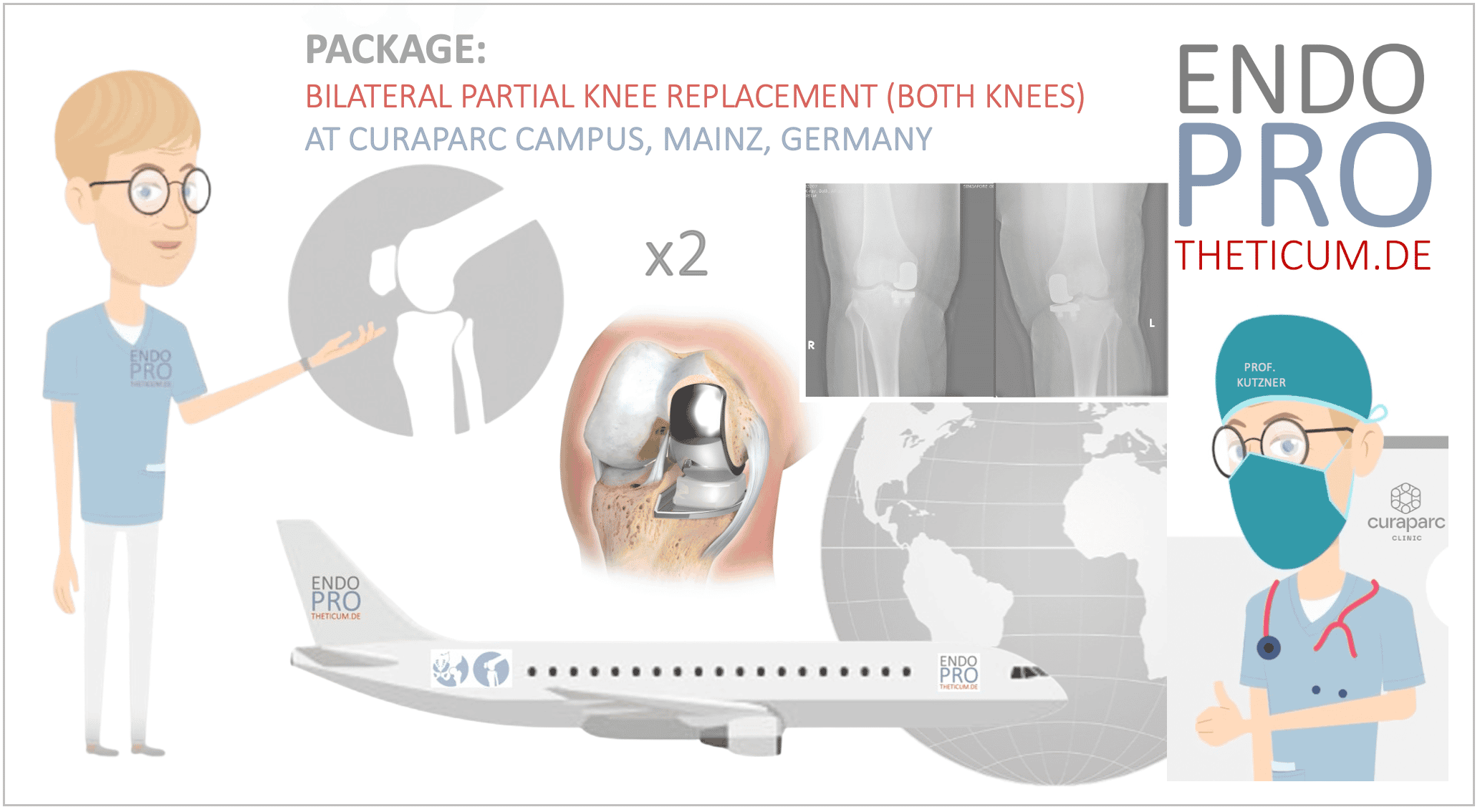
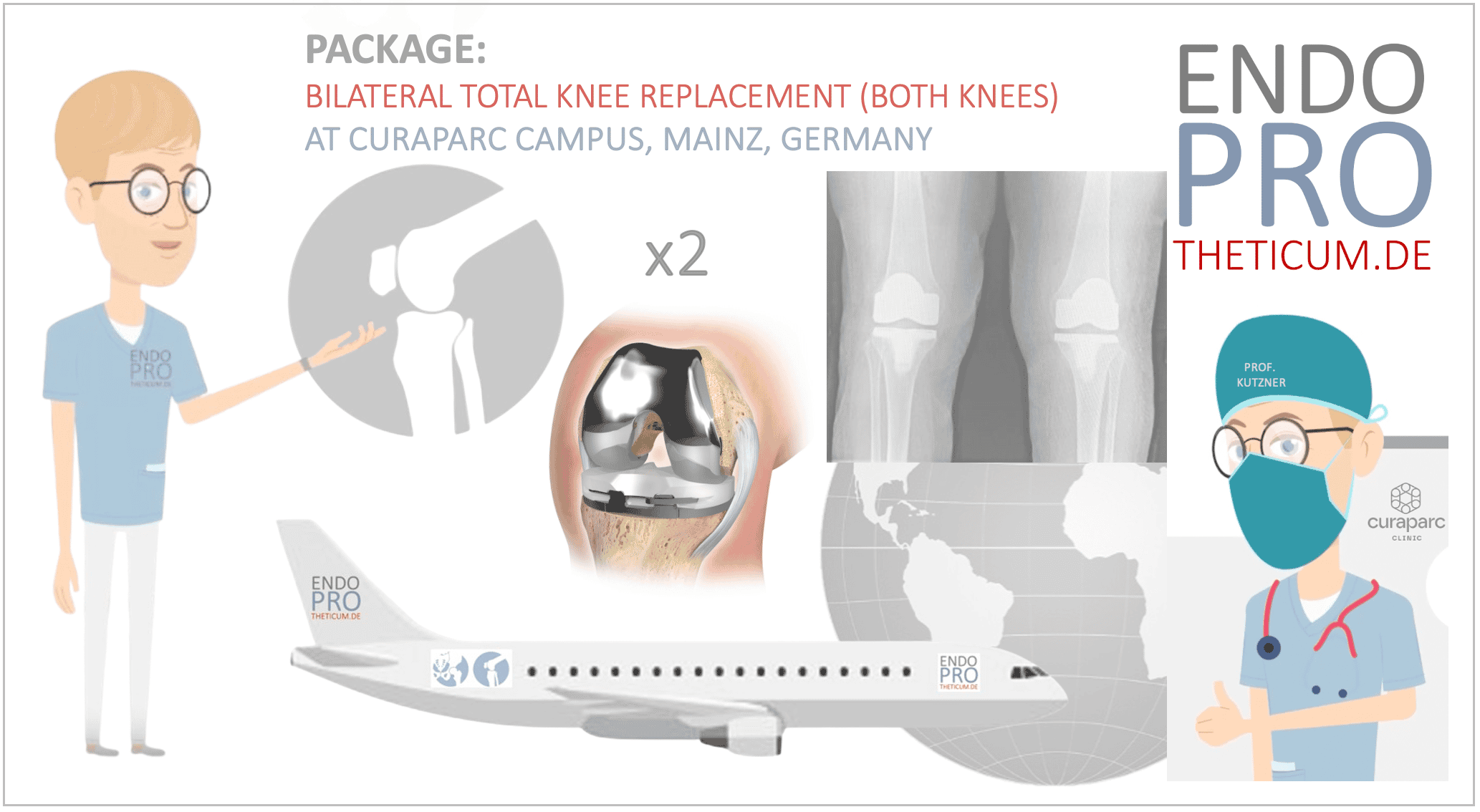
| Total Knee Replacement | $16,000 - $22,000 | $45,000+ |
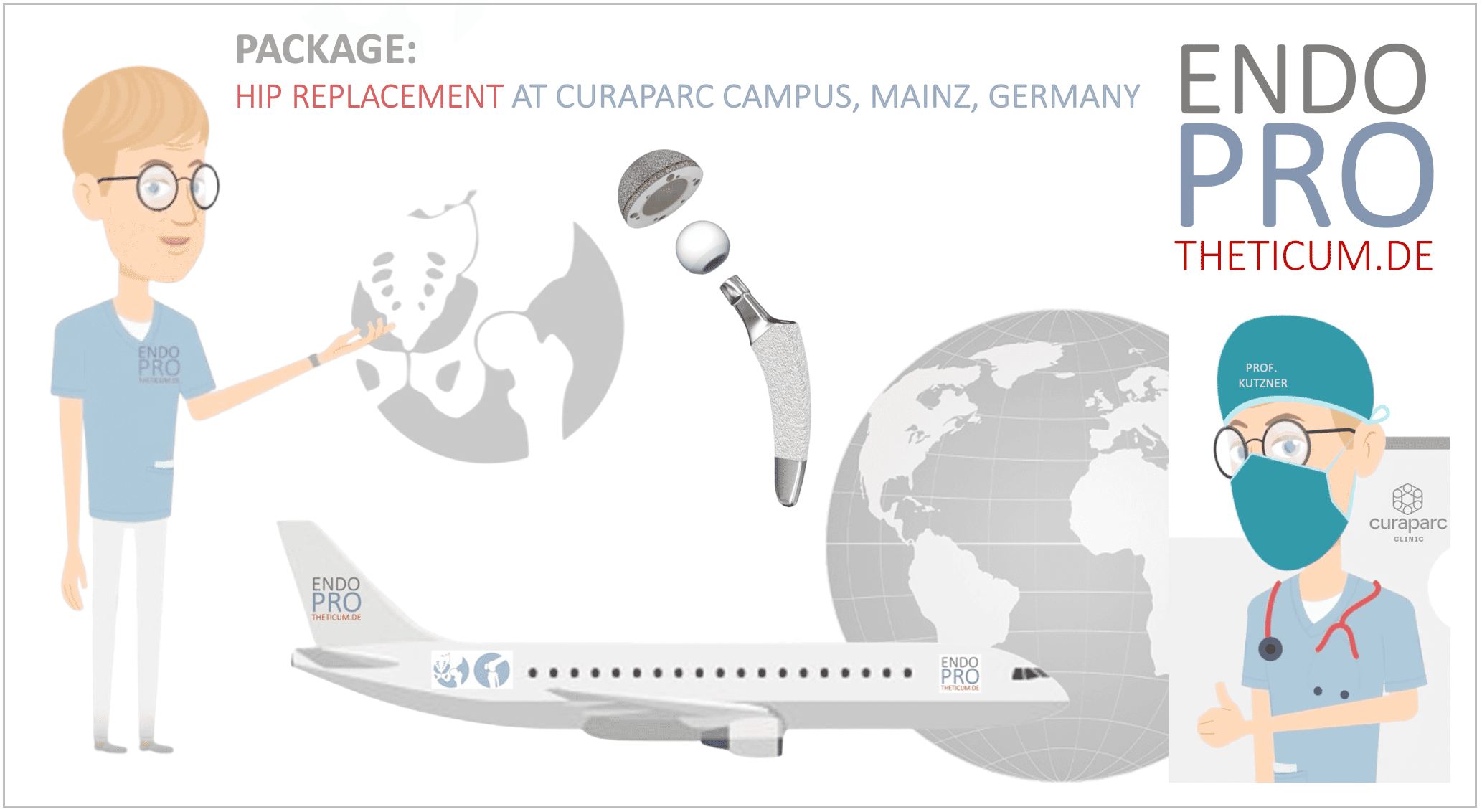
| Total Hip Replacement | $17,000 - $23,000 | $50,000+ |
| Shoulder Arthroscopy | $7,000 - $10,000 | $20,000+ |
| Stem Cell Therapy (Orthopedic) | $8,000 - $12,000 | $25,000+ (often unavailable) |
| Spine Surgery (Discectomy) | $12,000 - $18,000 | $35,000+ |
| Coronary Artery Bypass Graft (CABG) | $25,000 - $35,000 | $100,000+ |
| Heart Valve Replacement | $28,000 - $40,000 | $140,000+ |
| IVF Cycle (Standard) | $4,500 - $6,500 | $15,000+ |
| Dental Implants (Titanium) | $1,500 - $2,500 | $4,000+ |
| LASIK Eye Surgery (Both Eyes) | $2,500 - $4,000 | $5,000+ |
| Gastric Sleeve Surgery | $10,000 - $14,000 | $25,000+ |
| Breast Augmentation | $5,000 - $7,500 | $10,000+ |
| Prostate Cancer Treatment (Prostatectomy) | $18,000 - $24,000 | $55,000+ |
German hospitals are required by law to maintain price transparency. While costs for international patients may include a surcharge for administrative handling, the base medical fees are regulated by the government.
How Medical Tourism Works in Berlin
Understanding the process of medical travel to Berlin helps alleviate anxiety and ensures a smooth experience. The German system is efficient but bureaucratic, so having a structured approach is essential. From the initial inquiry to your return flight, every step is designed to ensure you receive the appropriate care for your condition.
Most patients begin planning 1-3 months in advance, especially if visa processing is required. PlacidWay assists in streamlining these steps, but knowing the general flow is helpful for preparation. Here is the typical step-by-step patient journey:
- Initial Inquiry: You submit your medical reports and imaging (MRI, CT scans) digitally for review by German specialists.
- Treatment Plan & Quote: The clinic provides a preliminary treatment plan and a cost estimate (Cost Estimate Letter).
- Financial Clearance: Most German hospitals require prepayment of the estimated cost to secure the booking and issue visa support documents.
- Visa Application: Using the hospital's invitation letter, you apply for a Schengen Medical Visa at your local German embassy.
- Travel & Arrival: You fly to Berlin Brandenburg Airport (BER), where transport to your accommodation or hospital is arranged.
- Pre-operative Tests: Comprehensive diagnostics are conducted 1-2 days before the procedure to ensure you are fit for surgery.
- Treatment & Recovery: The procedure is performed, followed by a hospital stay and subsequent outpatient recovery.
- Discharge & Follow-up: You receive a detailed medical report in English and a plan for follow-up care back home.
Always bring your original medical records, X-rays, and a list of current medications with you. Having digital backups on a USB drive or cloud storage is also highly recommended.
Top Medical Destinations and Facility Types in Berlin
Berlin is a sprawling metropolis, and its medical excellence is distributed across various districts, each hosting different types of world-class facilities. When looking for best hospitals in Berlin, you will generally encounter three types of institutions: large University Hospitals, specialized Private Clinics, and Rehabilitation Centers. The central districts like Mitte and Charlottenburg are hubs for private practices and specialized surgery centers, offering a more hotel-like atmosphere.
Conversely, the larger campuses located on the outskirts or near academic centers are where complex, multi-disciplinary cases are handled. These facilities are often research-driven, meaning patients have access to clinical trials and the newest therapies before they become widely available. Below are the types of destinations available:
- University Medical Centers: Massive, multi-specialty complexes ideal for oncology, transplants, and rare diseases. They combine research with patient care.
- Specialized Private Clinics: Smaller, luxury facilities often focused on orthopedics, cosmetic surgery, or fertility treatments, providing personalized concierge services.
- Rehabilitation Clinics: Located in quieter, greener parts of Berlin (like Wannsee or nearby Potsdam), these centers focus on post-operative recovery and physiotherapy.
- Dental Centers: High-tech dental studios often located in the city center, offering implants and full-mouth restorations in a short timeframe.
- Diagnostic Centers: Dedicated facilities for "Check-up Medicine," offering comprehensive full-body scans and preventative health screenings for executives and travelers.
Berlin is home to one of Europe's largest university hospitals, which has produced more than half of all German Nobel Prize winners in Physiology or Medicine.
Patient Success Stories in Berlin
Nothing speaks louder than the experiences of those who have already traveled for care. Patient reviews of Berlin hospitals consistently highlight the professionalism of the staff and the feeling of safety during procedures. Patients from the USA, UK, and Middle East frequently report that the level of attention they received exceeded their expectations.
Below are summaries of real patient journeys facilitated through medical tourism channels. These stories reflect the typical outcomes for orthopedic, cardiac, and cosmetic procedures in Berlin.
Knee Replacement Success - John from USA
"I was quoted $60,000 in Texas for a knee replacement. I flew to Berlin, paid less than half including my flights, and the surgeon used a robotic assist that wasn't even available at my local hospital. I was walking within 2 days."
Complex Spine Surgery - Sarah from UK
"The waiting list in the UK was over a year. In Berlin, I was seen by a top neurosurgeon within two weeks. The minimally invasive technique they used meant my scar is barely visible, and my chronic back pain is gone."
Dental Implants - Ahmed from UAE
"I needed extensive dental work. The clinic in Berlin completed 4 implants and crowns in just two visits. The German precision is real—the fit is perfect, and the clinic looked more like a spaceship than a dentist's office."
Oncology Treatment - Elena from Russia
"We came for a second opinion on cancer treatment. The doctors in Berlin suggested a new immunotherapy protocol. The care was compassionate and extremely thorough. We felt we were in the best hands in Europe."
Medical Accreditations and Quality Standards
When searching for top clinics in Berlin, you can rest assured that quality is strictly monitored. Germany has a legal requirement for quality management in hospitals. Beyond national laws, many facilities seek voluntary accreditation from prestigious international and domestic bodies to demonstrate their excellence to medical tourists.
Understanding these acronyms can help you verify the quality of a clinic. A hospital with these certifications has proven that it meets rigorous standards for patient safety, hygiene, and management processes.
- JCI (Joint Commission International): The gold standard for global healthcare. Several top Berlin hospitals hold this accreditation.
- KTQ (Kooperation für Transparenz und Qualität im Gesundheitswesen): A specific German certification focused on transparency and quality in healthcare, widely respected across Europe.
- ISO 9001: Certification for quality management systems, ensuring consistent processes and administrative efficiency.
- TEMOS: An accreditation specifically for medical tourism services, verifying that the hospital is equipped to handle international patients' unique needs.
- DKG (German Cancer Society): Certification for oncology centers, ensuring they adhere to the latest evidence-based treatment guidelines.
- EndoCert: specific certification for joint replacement centers, ensuring high volumes and high success rates for orthopedic surgeries.
Germany has established "Certified Centers" (Zertifizierte Zentren) for specific diseases like breast cancer, prostate cancer, and stroke, requiring hospitals to prove high case numbers and successful outcomes annually to maintain the status.
Safety and Legal Protections for Patients
One of the biggest fears for medical tourists is: "What if something goes wrong?" In Berlin, patient safety is backed by a robust legal framework. German liability laws are strict, and doctors are required to carry professional liability insurance. This provides a safety net that is often missing in unregulated medical tourism destinations. Furthermore, the safety of medical tourists in Berlin is ensured by strict sterilization protocols and the use of single-use medical devices wherever possible.
Informed consent is taken very seriously. Before any procedure, you will have a detailed consultation where risks are explained. You have the legal right to view your medical records and request copies. While malpractice is rare due to high training standards, the legal system offers recourse, though proceedings can be lengthy. Most reputable clinics have internal quality boards that investigate any complications immediately.
Ensure you have comprehensive travel insurance that covers medical complications abroad. While German hospitals are safe, standard travel insurance often excludes planned medical treatments. You need a specific medical travel policy.
Cost of Living and Accommodation in Berlin
While medical costs are the primary concern, living expenses play a big role in your total budget. Fortunately, Berlin is one of the most affordable capital cities in Western Europe. The cost of living in Berlin for a medical tourist is significantly lower than in London, Paris, or New York. From affordable Airbnb apartments to luxury hotels, there are options for every budget.
Food is also reasonably priced, with a diverse culinary scene. Transportation is efficient and cheap compared to other major cities. Below are estimated daily costs for a medical tourist and their companion (excluding treatment fees).
- Mid-range Hotel: $90 - $140 per night.
- Luxury Hotel (5-star): $200 - $350 per night.
- Serviced Apartment (Monthly): $1,500 - $2,500 per month (ideal for long recovery).
- Daily Meals (Mid-range): $40 - $60 per person.
- Public Transport (Day Ticket): ~$10 (Zone AB).
- Taxi (Airport to City Center): $60 - $80.
- Sim Card/Data Plan: $20 - $30 for a prepaid month plan.
Berlin has an excellent public transport system (BVG). It is wheelchair accessible and much cheaper than relying on taxis. Download the BVG app for easy navigation.
How to Plan Your Medical Trip to Berlin
Planning a medical trip requires attention to detail. To ensure a stress-free experience, you should start the process at least 6-8 weeks before your desired treatment date. Coordination between your home doctor and the specialists in Berlin is vital for pre-op clearance and post-op care. A well-planned itinerary allows you to focus solely on your recovery.
Here is a checklist to guide your planning phase:
- Gather Records: Collect all recent medical history, lab results, and imaging (DICOM format) to send to the clinic.
- Consultation: Schedule a video consultation with the surgeon to discuss the procedure and expectations.
- Check Visa: Verify if you need a Schengen visa. If so, request the "medical treatment invitation letter" from the hospital immediately after deposit payment.
- Flight Booking: Book flights to Berlin Brandenburg (BER). Choose a refundable ticket in case medical dates shift.
- Accommodation: Book a hotel or apartment near the clinic. Ensure it has an elevator and is accessibility-friendly.
- Companion: Decide who will accompany you. Their support is crucial during the initial recovery days.
- Pack Smart: Bring loose, comfortable clothing, slip-on shoes, and all necessary adaptors for your electronics.
Berlin is widely considered one of the most disability-friendly cities in Europe, with most museums, transport, and public spaces fully accessible for wheelchairs and mobility aids.
How PlacidWay Facilitates Your Medical Journey in Berlin
Navigating a foreign healthcare system can be daunting, especially with language barriers and complex administrative procedures. PlacidWay acts as your bridge to top-tier medical care in Berlin. We do not provide the medical treatment ourselves; instead, we connect you with accredited, vetted providers who match your specific health needs and budget.
Our role is to provide you with information, facilitate communication with doctors, and help you compare quotes from different facilities. We ensure that you have all the necessary data to make an informed decision. Importantly, our business model is transparent and patient-centric.
- Direct Payment: You pay the clinic directly for your treatment; our assistance in connecting you and gathering information is completely free of charge to you.
- Personalized Options: We provide a list of clinics tailored to your specific medical condition.
- Information Gathering: We assist in collecting your medical records and transferring them securely to the medical team for review.
- Quote Comparison: We help you understand and compare treatment quotes to ensure you are getting fair market value.
- Ongoing Support: We remain available to answer questions regarding the logistics of connecting with the hospital.
Frequently Asked Questions About Medical Tourism in Berlin
Yes, the vast majority of medical professionals in Berlin are fluent in English. During medical training in Germany, English is a mandatory component, ensuring effective communication with international patients.
Citizens of non-EU countries typically require a Schengen medical visa. You will need a letter of invitation from the hospital and proof of financial means to cover the treatment.
Patients can typically save between 40% to 60% on complex procedures like orthopedics and cardiac surgery compared to US prices, without compromising on quality.
German law regulates medical fees through the DRG (Diagnosis Related Groups) system and the GOÄ (fee schedule for physicians), ensuring transparent and fair pricing for specific procedures.
German hospitals are equipped with world-class intensive care units and emergency protocols. Before treatment, clinics usually outline a contingency plan, though additional costs may apply for extended stays.
Absolutely, bringing a companion is encouraged for support. Many hospitals offer guest rooms, or you can find affordable accommodation nearby for your family member.
Most hospitals require an upfront deposit or full payment via bank transfer before the visa letter is issued. Credit cards are also widely accepted for smaller payments.
Yes, German hospitals adhere to strict quality standards. Many hold international accreditations like JCI, as well as local certifications like KTQ (Cooperation for Transparency and Quality in Healthcare).
Spring and Autumn offer mild weather which is comfortable for recovery. However, medical facilities operate at full capacity year-round.
This depends on the procedure; minimally invasive surgeries may require 3-5 days, while major orthopedic or cardiac surgeries often require 14-21 days before you are fit to fly.
Take the Next Step Toward Better Health
Berlin offers a unique combination of historical beauty and futuristic medicine. By choosing medical tourism in Berlin, you are opting for safety, precision, and affordability. Don't let high costs or long waiting times at home compromise your health. PlacidWay is here to help you access the best medical minds in Germany.
Ready to receive a free quote from top clinics in Berlin?


.png)


Share this listing