


Regenerative medicine has significantly advanced the way healthcare professionals approach chronic musculoskeletal conditions and degenerative joint diseases. Utilizing the body's natural healing mechanisms, evidence-based stem cell therapy focuses on repairing damaged tissues, reducing chronic inflammation, and potentially delaying or eliminating the need for invasive orthopedic surgeries. Germany has emerged as a global leader in this specialized field, combining rigorous scientific research with highly regulated clinical applications.
For international patients suffering from osteoarthritis, sports injuries, or cartilage degradation, seeking joint regeneration in Germany offers access to advanced medical technologies and highly specialized physicians. The protocols used in German medical centers generally involve the ethical extraction, meticulous processing, and precise reinjection of a patient's own cellular material. Most patients experience a comprehensive clinical approach that prioritizes long-term joint health over temporary symptom management.
Germany is home to some of the oldest and most respected medical research institutions in Europe, making it a pioneer in translating cellular laboratory research into safe, regulated clinical therapies.
Why Choose Medical Tourism in Germany for Regenerative Medicine
Patients worldwide are increasingly participating in medical tourism in Germany to access treatments that may be heavily restricted, prohibitively expensive, or unavailable in their home countries. The German healthcare system is universally recognized for its precision, stringent safety protocols, and emphasis on evidence-based outcomes. International patients are drawn not just to the technology, but to the deep clinical expertise of German orthopedic surgeons and biologists who work collaboratively to optimize patient care.
Choosing Germany for regenerative treatments ensures that patients are treated in facilities that adhere to strict European Union medical directives. Beyond the clinical excellence, the infrastructure for international patients is highly developed, offering streamlined English-language consultations, transparent medical evaluations, and structured treatment plans. This level of professionalism typically fosters a deep sense of trust and security for those traveling abroad for medical care.
Always request a comprehensive pre-treatment virtual consultation. Speaking directly with the treating physician allows you to understand realistic outcomes and verify the specific cellular protocols they intend to use.
Conditions Treated by Stem Cell Clinics in Germany
Orthopedic specialists at leading facilities, including well-known centers like the CBC Health Clinic, typically focus on degenerative joint diseases and complex musculoskeletal injuries. The primary goal of these targeted cellular therapies is to manage pain naturally, enhance mobility, and stimulate the regeneration of degraded cartilage. By directly addressing the root cause of joint deterioration, these protocols offer an alternative pathway for individuals who may not be ideal candidates for total joint replacement.
While the applicability of cellular therapy varies from patient to patient, German clinics have developed specialized protocols for a variety of orthopedic conditions. Before proceeding with any intervention, a thorough diagnostic imaging review is generally required to confirm that the patient is a suitable candidate for regenerative treatments.
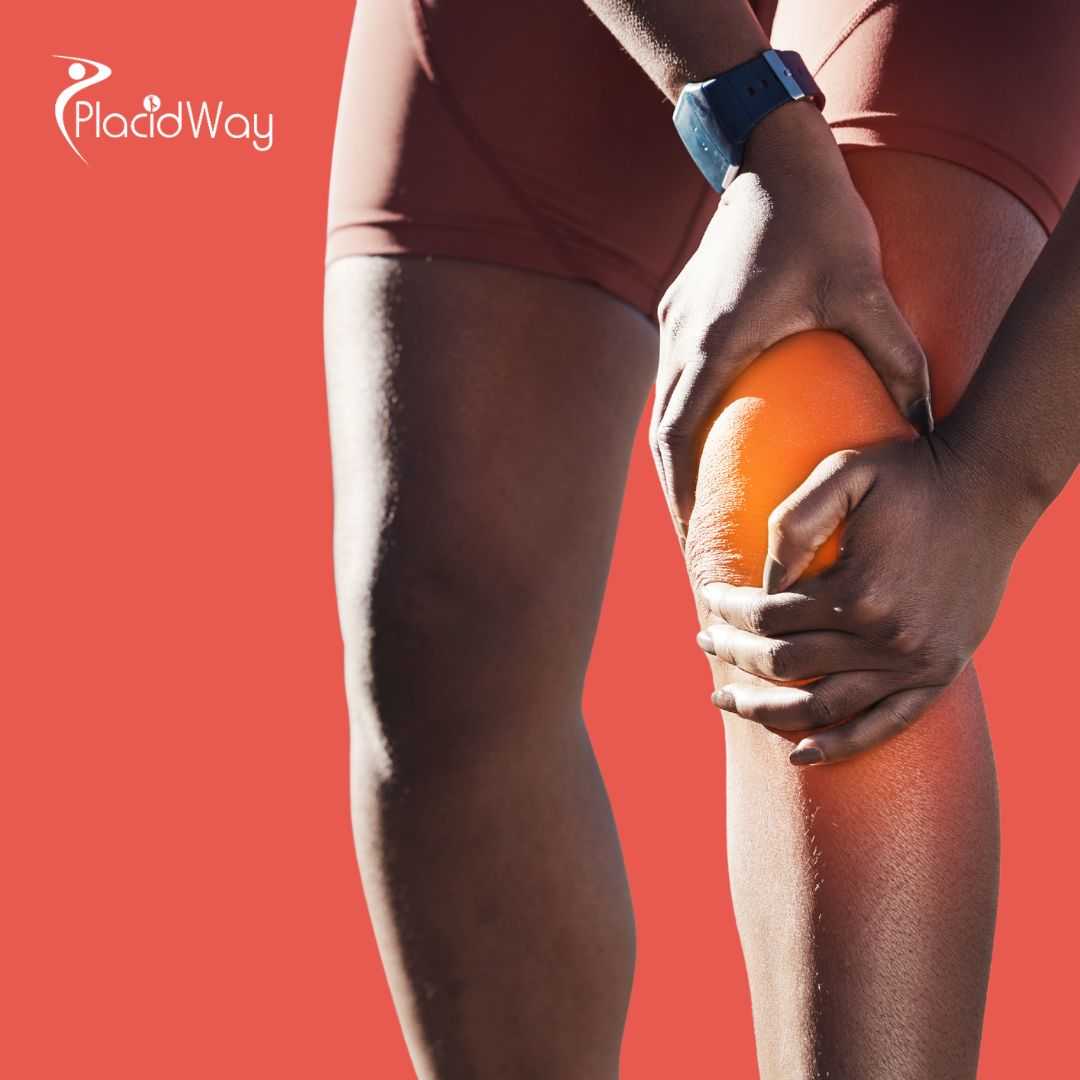
- Knee Osteoarthritis: Addressing cartilage wear and tear to improve mobility and reduce chronic pain.
- Hip Degeneration: Targeted injections to stimulate healing in weight-bearing hip joints.
- Shoulder Injuries: Treating rotator cuff tears and degenerative shoulder conditions.
- Sports Injuries: Accelerating recovery for ligament and tendon damage (e.g., Achilles tendonitis, tennis elbow).
- Spinal Disc Degeneration: Utilizing specific regenerative protocols for chronic back pain caused by disc degradation.
Autologous stem cell therapy uses your own body's cells, which significantly minimizes the risk of immune rejection or cross-contamination compared to donor-derived cellular materials.
Cost of Stem Cell Therapy in Germany Versus Global Averages
Pricing is a crucial factor for anyone considering cross-border healthcare. The cost of stem cell therapy in Germany is generally structured to reflect the high quality of medical care, advanced laboratory processing, and the expertise of the medical staff. Despite the premium nature of German healthcare, treatments are often much more competitively priced than identical procedures performed in the United States or the United Kingdom, where out-of-pocket medical costs can be astronomical.
When evaluating the financial aspect of this journey, patients should consider the comprehensive nature of the treatment package. German clinics typically include diagnostic imaging, laboratory cellular processing, physician fees, and post-injection monitoring in their primary quotes. Below is a realistic comparison of average costs for regenerative joint procedures.
| Procedure Name | Average Cost in Germany (USD) | Average Cost in USA (USD) | Average Cost in UK (USD) |
|---|---|---|---|
| Stem Cell Therapy for Knees | $8,000 - $12,000 | $15,000 - $25,000 | $10,000 - $18,000 |
| Hip Joint Regeneration | $9,000 - $14,000 | $18,000 - $30,000 | $12,000 - $20,000 |
| Shoulder / Rotator Cuff Treatment | $7,500 - $11,000 | $14,000 - $22,000 | $9,000 - $16,000 |
| Multi-Joint / Systemic Packages | $12,000 - $18,000 | $25,000 - $40,000 | $15,000 - $28,000 |
The Science Behind Evidence-Based Stem Cell Therapy in Germany
The foundation of regenerative medicine in Germany relies heavily on rigorous scientific validation. German clinics predominantly utilize mesenchymal stem cells (MSCs) harvested from the patient’s own adipose (fat) tissue or bone marrow. These specific cells have proven immunomodulatory properties, meaning they can help regulate the immune system to reduce chronic inflammation while secreting growth factors that signal surrounding cells to repair damaged tissue.
Laboratory processing is where German medical standards truly shine. Once harvested, the cellular material is separated and concentrated in state-of-the-art cleanrooms that adhere to stringent biotechnological standards. By using advanced centrifugation and closed-system processing, medical experts ensure that the maximum number of viable, highly active cells are prepared for precise, ultrasound-guided reinjection into the affected joint.
Clinical studies indicate that targeted mesenchymal stem cell therapy can significantly reduce joint inflammation markers in the synovial fluid, with biological activity peaking within the first 3 to 6 months post-injection.
Regulatory Gold Standards for Safe Stem Cell Therapy in Germany
Germany enforces some of the strictest medical guidelines in the world regarding the use of human tissues and cells. The Paul-Ehrlich-Institut (PEI), the German Federal Institute for Vaccines and Biomedicines, closely monitors and regulates biological therapies. Furthermore, any stem cell clinics in Germany must comply with the overarching directives established by the European Medicines Agency (EMA), ensuring that every procedure meets uncompromised standards for safety, sterility, and ethical application.
This regulatory environment protects international patients from experimental or unverified treatments that are sometimes promoted in loosely regulated destinations. Medical providers must undergo rigorous audits, and the laboratories handling biological materials are subject to constant oversight. This uncompromising dedication to patient safety establishes Germany as a trustworthy destination for those seeking reliable regenerative care.
Important Note: While regenerative medicine shows great potential, results cannot be guaranteed. Outcomes vary significantly based on patient age, baseline health, and condition severity. Always ensure you are a medically cleared candidate before traveling.
Evaluating Success Rates for Joint Regeneration in Germany
When researching an , understanding realistic success rates is vital. While no medical treatment offers a 100% success rate, clinical feedback and observational studies from German orthopedic centers consistently highlight substantial improvements in a majority of treated patients. The most commonly reported benefits include significant reductions in daily pain, increased range of motion, and a decreased dependency on anti-inflammatory medications.
It is important to understand that "success" in regenerative medicine is typically defined as halting the progression of joint degeneration and improving the quality of life, rather than restoring an aging joint to a youthful state. Patients who strictly adhere to post-procedure physical therapy and lifestyle modifications generally experience the most sustained, positive outcomes over a multi-year period.
The success of joint regeneration is heavily influenced by the severity of osteoarthritis. Patients in early to moderate stages (Kellgren-Lawrence grades 2 and 3) typically respond much better than those with severe, bone-on-bone joint destruction.
Preparing for Your Orthopedic Stem Cell Procedure in Germany
Proper preparation is an essential step in ensuring a safe and successful medical journey. Before booking your flights, you will typically undergo an extensive remote consultation with your chosen German healthcare provider. This involves submitting recent MRI or X-ray imaging, comprehensive blood work, and a detailed medical history to verify that regenerative medicine is a suitable and safe option for your specific orthopedic concern.
Once medically cleared, patients should prepare their bodies for cellular extraction and healing. Doctors generally advise patients to cease taking certain anti-inflammatory medications (NSAIDs), limit alcohol consumption, and refrain from smoking for several weeks prior to the procedure. Maintaining a nutrient-rich diet and staying hydrated can also help optimize the health and viability of your stem cells prior to extraction.
Organize your medical records digitally. Having high-resolution, easily transmittable copies of your MRIs and physician notes will significantly speed up the evaluation process with your German specialist.
The Patient Journey for Stem Cell Treatments in Germany
From the moment you arrive at a specialized clinic for joint regeneration in Germany, the patient journey is meticulously structured. The process typically begins with an in-person diagnostic evaluation and consultation to finalize the treatment protocol. This ensures that the specialist has a real-time understanding of your mobility, pain points, and overall physical condition prior to beginning the procedure.
The actual treatment is usually performed on an outpatient basis over one or two days. It begins with the safe, minimally invasive extraction of bone marrow or adipose tissue under local anesthesia. The tissue is then swiftly transported to the on-site laboratory for isolation and concentration. A few hours later, the concentrated, viable cells are strategically injected into the damaged joint using precise image guidance, such as fluoroscopy or ultrasound, to ensure optimal placement.
Image-guided injection techniques used by German specialists increase the accuracy of stem cell delivery into the joint capsule by up to 40% compared to traditional "blind" injection methods.
Comprehensive Post-Treatment Care and Recovery in Germany
Rehabilitation is just as important as the cellular injection itself. Immediately following the procedure, patients typically experience mild swelling, soreness, and stiffness at both the extraction and injection sites. German physicians usually recommend a brief period of rest, advising against strenuous physical activity, heavy lifting, or prolonged walking for the first few weeks to allow the regenerative cells to properly anchor and begin the healing process.
Post-treatment care involves a phased approach to physical therapy. As the initial soreness subsides, a customized rehabilitation program is introduced to gently restore a range of motion and strengthen the surrounding supportive muscles. Compliance with these physical therapy protocols is vital, as mechanical stimulation helps encourage the injected cells to differentiate and form healthy new tissue.
- Days 1-3: Complete rest and joint immobilization; manage minor pain with physician-approved non-NSAID analgesics.
- Weeks 1-4: Gentle range-of-motion exercises; strict avoidance of high-impact activities.
- Weeks 4-8: Introduction of structured, light-resistance physiotherapy to stabilize the joint.
- Months 3-6: Gradual return to normal activities; this is typically when patients notice the most significant improvements in pain and mobility.
Comparing Stem Cell Therapy Options: Germany vs. Other Nations
When exploring global healthcare options, patients often compare Germany with other popular regenerative medicine destinations like Mexico, Panama, or the United States. While the U.S. offers high-quality care, restrictive FDA regulations often limit the types of cellular processing techniques available, and the financial burden is exceptionally high. Conversely, some destinations in Latin America offer lower costs but may lack the rigorous, centralized governmental oversight found in Europe.
Choosing medical tourism in Germany strikes an optimal balance. Patients benefit from advanced, biologically active cellular processing that may not be legally permissible in the U.S. (such as enzymatic digestion of fat tissue), while remaining protected by the strict regulatory frameworks of the European Union. This blend of technological freedom and uncompromising safety makes Germany the gold standard for discerning international patients.
The European Medicines Agency (EMA) classifies advanced stem cell therapies as Advanced Therapy Medicinal Products (ATMPs), requiring them to pass rigorous quality controls before being offered to patients.
How PlacidWay Assists Your Stem Cell Therapy Medical Tourism Journey in Germany
Navigating international healthcare systems, language barriers, and complex medical evaluations can be overwhelming for patients already dealing with chronic pain. PlacidWay serves as a dedicated partner, simplifying the process of connecting with world-class regenerative specialists.
Our commitment is to empower patients with transparent information and seamless access to accredited healthcare providers, ensuring your journey to Germany is organized, professional, and entirely focused on your medical well-being.
- Providing access to a carefully vetted network of top-tier, certified orthopedic clinics and regenerative specialists in Germany.
- Facilitating secure, HIPAA-compliant transfer of your medical records and imaging for accurate pre-treatment evaluations.
- Assisting with scheduling virtual consultations directly with German specialists to discuss realistic expectations and personalized treatment plans.
- Offering comprehensive cost estimates from multiple providers to help you make an informed, value-based healthcare decision.
- Supplying valuable resources and educational materials regarding international healthcare regulations, patient rights, and clinical protocols.
Real Patient Experiences with Joint Regeneration in Germany
Hearing directly from individuals who have undergone stem cell therapy for knees in Germany or other regenerative procedures provides valuable insight into the patient experience. While every medical outcome is unique, these summaries reflect the typical journey and care quality experienced by international travelers.
These experiences highlight the professionalism of German medical staff and the profound impact that well-regulated cellular therapies can have on overall quality of life.
Overcoming Chronic Knee Pain
After struggling with severe osteoarthritis in both knees, John (USA) faced the prospect of bilateral knee replacement. Opting for a cellular approach in Munich, he reported a smooth outpatient experience. Within four months, he experienced a significant reduction in stiffness, allowing him to return to light jogging without daily pain medication.
Healing a Persistent Rotator Cuff Injury
Sarah (UK) traveled to Germany after years of limited shoulder mobility due to a sports injury. She appreciated the thorough diagnostic approach and the precise, ultrasound-guided injection. Her structured physical therapy, guided by her German clinic's protocol, helped her regain nearly full range of motion within six months.
Delaying Hip Replacement Surgery
Michael (Canada) sought alternative treatments for deteriorating hip cartilage. Impressed by the strict safety standards and the depth of the initial consultation, he underwent autologous stem cell therapy. He currently reports enhanced joint stability and a substantial decrease in the sharp pains that previously restricted his walking.
Comprehensive Care and Transparency
Elena (Australia) chose Germany specifically for its regulatory standards. She felt completely supported by the English-speaking staff and appreciated the transparency regarding realistic outcomes. Her targeted joint therapy for early-stage osteoarthritis successfully mitigated her symptoms, significantly improving her daily comfort.
Frequently Asked Questions About Stem Cell Therapy in Germany
Making an informed decision about international healthcare requires access to accurate, concise information. We have compiled a list of common inquiries from patients considering regenerative treatments.
Review these frequently asked questions to better understand the logistics, safety, and expectations associated with choosing Germany as your medical destination.
Is stem cell therapy for joint regeneration safe in Germany?
Yes, stem cell therapy in Germany is generally considered safe when performed in certified medical facilities. The country strictly follows the Paul-Ehrlich-Institut (PEI) and European Medicines Agency (EMA) guidelines, ensuring rigorous safety and quality controls.
How much does stem cell therapy cost in Germany?
The cost typically ranges from $8,000 to $18,000 depending on the specific joint being treated, the complexity of the procedure, and the clinical protocols used. This is generally much more affordable than comparable treatments in the United States.
What conditions are typically treated with stem cells in Germany?
Orthopedic specialists in Germany primarily use stem cell therapies to treat musculoskeletal conditions, most commonly osteoarthritis of the knees, hips, and shoulders, as well as sports injuries and cartilage defects.
How long is the recovery after a joint regeneration procedure?
Most patients experience a brief initial downtime of a few days, followed by a structured rehabilitation period. Noticeable improvements typically begin to appear within 6 to 12 weeks, though full tissue regeneration can take several months.
Do I need a medical visa to travel to Germany for this treatment?
Depending on your country of origin, you may need a Schengen medical visa. Patients from the US, Canada, and the UK generally do not need a visa for stays up to 90 days, but always verify current immigration requirements before traveling.
Are the results of stem cell therapy guaranteed?
No medical procedure can be fully guaranteed. While many patients report significant pain reduction and improved mobility, individual results vary based on age, the severity of the condition, and adherence to post-treatment rehabilitation.
Where do the stem cells come from?
German clinics typically utilize autologous stem cells, meaning they are harvested directly from the patient’s own body. The most common sources are adipose (fat) tissue or bone marrow, minimizing the risk of rejection.
Can I combine this treatment with a holiday in Germany?
While light tourism is possible before the procedure, patients are generally advised to rest and prioritize rehabilitation immediately following the treatment. Medical professionals typically recommend focusing entirely on recovery during the post-treatment phase.
How do I communicate with doctors if I do not speak German?
Most top-tier medical facilities in Germany cater to international patients and have fluent English-speaking medical staff. Interpreters for other languages are also widely available to ensure complete transparency and understanding.
How does PlacidWay help me access these treatments?
PlacidWay assists by connecting you with accredited, vetted medical providers in Germany, facilitating the transmission of your medical records for pre-evaluations, and helping you navigate the complex process of global medical tourism.
Ready to take the next step towards joint regeneration? Contact PlacidWay today to connect with top-rated stem cell specialists in Germany and begin your journey to a pain-free life.
References
- European Medicines Agency (EMA). Advanced therapy medicinal products: Overview. https://www.ema.europa.eu/en/human-regulatory-overview/advanced-therapy-medicinal-products-overview
- National Center for Biotechnology Information (NCBI). Mesenchymal Stem Cells in Orthopedic Surgery. https://pubmed.ncbi.nlm.nih.gov/39035449/
- World Health Organization (WHO). Global Report on Medical Products of Human Origin. https://cdn.who.int/media/docs/default-source/bulletin/online-first/blt.24.291569.pdf?sfvrsn=a6b13de6_3





.jpg)


.png)








Share this listing