
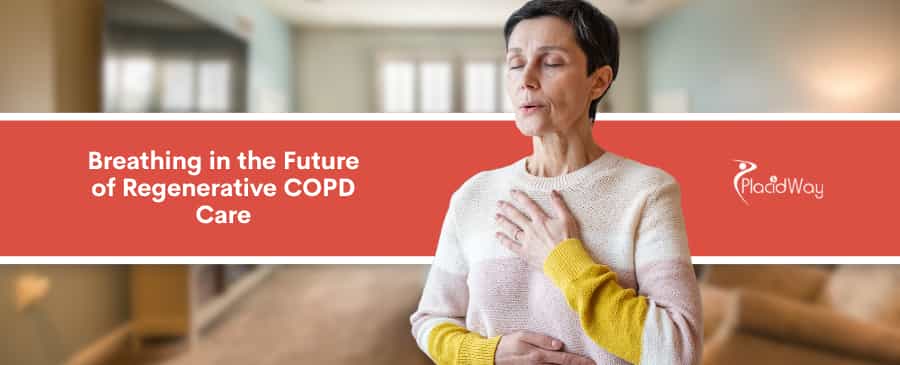
Chronic Obstructive Pulmonary Disease (COPD) significantly alters the daily lives of millions globally, creating an urgent need for innovative management strategies. For years, standard medical protocols have primarily focused on symptom reduction through bronchodilators and systemic steroids, which offer temporary relief but do not address progressive tissue damage. In recent years, international patients have increasingly explored regenerative respiratory care in Germany. This search for advanced alternatives is driven by the desire to slow disease progression and improve overall lung function.
Enter the era of inhalable regeneration, a specialized approach that aims to deliver regenerative biologics directly into the pulmonary system. By utilizing advanced nebulized delivery systems, therapeutic agents such as stem cell-derived exosomes can bypass systemic circulation to target damaged alveolar structures locally. This localized administration is typically less invasive and generally well-tolerated by patients with compromised breathing capacities. As clinical understanding deepens, inhalable stem cell therapy for COPD in Germany is emerging as a compelling option for those exhausting conventional avenues.
Inhalable therapies allow biological agents to reach the microscopic air sacs (alveoli) in the lungs directly, reducing the dosage needed compared to traditional intravenous applications.
Why Choose Mannheim for Advanced Respiratory Treatments
Mannheim sits at the heart of Germany's medical and biotech innovation landscape, making it a premier destination for healthcare travelers. Medical tourists actively seek out COPD clinics in Germany because the country enforces some of the strictest regulatory and safety standards in the European Union. This rigorous oversight ensures that any emerging therapeutic protocol is handled with meticulous precision, giving international patients peace of mind. The specialized respiratory hubs located here are uniquely equipped with state-of-the-art diagnostic and therapeutic technologies.
Beyond the advanced clinical infrastructure, the city fosters a collaborative environment among researchers, pulmonologists, and regenerative medicine specialists. This multidisciplinary approach ensures that every patient receives highly individualized care tailored to their specific respiratory profile. The combination of ethical medical practices, cutting-edge science, and highly skilled specialists makes Mannheim a strategic choice for individuals pursuing comprehensive medical tourism in Mannheim.
Germany invests a substantial percentage of its GDP into healthcare and medical research, ranking among the top countries globally for specialized healthcare infrastructure and patient outcomes.
How Inhalable Regenerative Therapy for COPD Works
The biological mechanism behind inhalable regenerative care focuses on the targeted delivery of cellular messengers directly to the inflamed and damaged lung tissue. When a patient inhales the nebulized solution, microscopic biological agents—often isolated exosomes containing proteins, lipids, and RNA—travel deep into the bronchial pathways. These agents are tasked with naturally stimulating the body's local repair mechanisms, aiming to modulate severe inflammation and promote tissue healing over time.
Because the delivery is highly localized, the therapeutic compounds do not need to navigate the entire circulatory system to reach the lungs, which is often the case with traditional intravenous therapies. Most patients experience the process similarly to using a standard nebulizer for asthma or severe COPD maintenance. The sessions are carefully monitored by respiratory therapists to ensure optimal inhalation techniques and maximal absorption of the regenerative particles.
Aerosolized delivery systems can achieve up to a 60% higher concentration of therapeutic agents in the lungs compared to systemic administration, minimizing off-target effects.
Affordable Inhalable COPD Care in Mannheim
For many international patients, the financial aspect of managing a chronic respiratory condition can be overwhelming in their home countries. Accessing affordable COPD care in Germany often provides a financially viable alternative without compromising on the quality or safety of the medical interventions. High-tier respiratory hubs in Mannheim offer transparent pricing models that encompass diagnostics, the core treatments, and essential rehabilitation.
When comparing the cost of COPD treatment in Mannheim to equivalent specialized care in North America or the United Kingdom, patients frequently discover significant savings. These savings allow medical travelers to afford a more comprehensive package that includes advanced diagnostic imaging and extensive pulmonary rehabilitation, elements that are crucial for optimizing the outcome of regenerative therapies.
| Procedure Name | Average Cost in Mannheim, Germany | Estimated Cost in US / UK |
|---|---|---|
| Advanced Diagnostic Pulmonology Panel | $1,500 - $2,500 | $4,000 - $6,500 |
| Inhalable Regeneration Session (Per Session) | $5,000 - $8,000 | $12,000 - $20,000 |
| Intensive Pulmonary Rehabilitation Program | $2,000 - $3,500 | $5,000 - $9,000 |
| Comprehensive COPD Care Package | $10,000 - $15,000 | $25,000 - $40,000+ |
Always request an itemized cost estimate from your chosen international clinic before traveling. Ensure it details diagnostics, treatment sessions, medical team fees, and post-procedure follow-ups to avoid unexpected medical expenses.
Candidacy and Preparation for Respiratory Care in Germany
Not every individual diagnosed with a chronic respiratory condition is an ideal candidate for innovative therapies. Medical professionals evaluate candidacy based on current lung function, the specific phenotype of the disease, and the patient's overall cardiovascular health. Typically, individuals in the mild to moderate stages of disease progression see the most benefit, whereas those with end-stage respiratory failure may face strict contraindications.
Preparation begins long before arriving in Germany. Patients are required to submit comprehensive medical records, including recent high-resolution CT scans, spirometry results, and detailed cardiac evaluations. The expert medical boards will review these documents rigorously to ensure that the patient can safely endure the travel and will likely respond positively to the planned therapeutic interventions.
Patients with active severe infections, advanced pulmonary hypertension, or a history of specific active malignancies are generally strictly contraindicated for regenerative lung treatments. Always disclose your complete medical history to your evaluating specialist.
Diagnostic Precision at High-Tech Respiratory Hubs in Mannheim
A successful medical intervention relies heavily on the accuracy of the baseline diagnostics. Specialized pulmonary centers in Mannheim utilize advanced diagnostic arrays that go beyond traditional spirometry. High-Resolution Computed Tomography (HRCT) and specialized plethysmography are employed to map the precise areas of tissue damage and track dynamic lung volumes with immense clarity.
These highly detailed evaluations allow the medical teams to customize the nebulization protocol, ensuring the correct droplet size and pressure are used for the specific anatomical needs of the patient. This high-tech precision ensures that the localized therapy reaches the most compromised areas of the respiratory tract efficiently, avoiding unnecessary waste of the regenerative biologics.
Body plethysmography is considered the gold standard for measuring total lung capacity and residual volume, metrics that are critical for accurately staging COPD severity before any major treatment.
The Step-by-Step Patient Journey for COPD Treatment
The patient journey is carefully orchestrated to minimize stress and maximize clinical safety from the moment of arrival. The initial phase involves in-person consultations with the leading pulmonology team, repeating essential diagnostics to establish a real-time health baseline. Once cleared, patients enter the preparatory phase, which may include mild breathing exercises and hydration therapies to prepare the mucosal linings of the lungs.
The actual administration phase is relatively straightforward and usually performed in an outpatient setting. Under strict supervision, patients complete their prescribed inhalation sessions, which generally last between 30 to 60 minutes.
- Step 1: Pre-travel medical dossier review and preliminary approval.
- Step 2: Arrival in Mannheim and comprehensive on-site diagnostic testing.
- Step 3: Finalization of the customized inhalable dosing protocol.
- Step 4: Administration of the nebulized regenerative treatment in a clinical suite.
- Step 5: Post-treatment observation and commencement of pulmonary rehabilitation.
Recovery and Aftercare Following Inhalable Regeneration
Because the procedure relies on inhalation rather than surgical intervention, the immediate recovery period is generally swift. Patients are typically monitored for a few hours post-session to ensure there are no acute reactive airway spasms or oxygen desaturation events. The non-invasive nature means that patients can normally resume light activities almost immediately, making it an ideal outpatient protocol.
Long-term aftercare is critical to the potential success of the therapy. Patients are provided with a structured pulmonary rehabilitation program that includes specialized breathing exercises, nutritional guidance, and gradual physical conditioning. Continuous virtual follow-ups with the German medical team ensure that progress is tracked and any standard medications are adjusted appropriately as lung function is reassessed.
Commit entirely to the prescribed post-treatment pulmonary rehabilitation. Regenerative treatments provide the biological tools for repair, but consistent lung exercises provide the necessary mechanical stimulation for improved breathing capacity.
Risks and Safety Standards for COPD Care in Germany
Transparency regarding the limitations and risks of any medical treatment is a cornerstone of ethical healthcare. While the localized delivery of biologics aims to minimize systemic side effects, risks are not entirely eliminated. Most patients experience minor, temporary side effects such as a mild cough, localized throat irritation, or slight fatigue on the day of the procedure, which generally resolve quickly.
To mitigate serious complications, German medical facilities adhere strictly to federal and European regulations concerning biologic agents. The specialized respiratory hubs employ robust safety protocols, including immediate access to emergency pulmonary support and intensive care units, should an unexpected adverse reaction occur. This dedication to patient safety is a primary reason international travelers place immense trust in German healthcare.
Germany’s Paul-Ehrlich-Institut (PEI) is the federal regulatory agency responsible for ensuring the safety, efficacy, and quality of biological medicinal products used throughout the country.
Combining Medical Tourism in Mannheim with Respiratory Recovery
The geographic and cultural setting of a medical destination can significantly influence the recovery experience. Mannheim is situated along the Rhine and Neckar rivers, providing a serene environment with ample green spaces that are highly conducive to relaxation. Engaging in medical tourism in Mannheim allows patients to recover in a calm, structured European setting that promotes both physical and mental well-being.
During the recovery phase, patients are encouraged to undertake gentle, supervised outdoor walks to practice their breathing techniques in clean, fresh air. The city's excellent accessibility, high standard of living, and patient-friendly infrastructure ensure that the downtime between clinic visits is comfortable, safe, and entirely supportive of respiratory healing.
The Role of Environment in Healing
A low-stress, pollution-reduced environment combined with mild, consistent physical activity can significantly optimize the rehabilitation outcomes for international respiratory patients.
Patient Experiences with Regenerative Therapy in Germany
Patient narratives provide valuable context for individuals considering overseas medical treatments. While clinical data provides objective metrics, the subjective improvement in daily life is often the primary goal for those seeking intervention. Individuals who have undergone these advanced protocols frequently report gradual, incremental changes in their exercise tolerance and a reduction in daily breathlessness.
It is crucial to note that individual results vary, and regenerative medicine does not guarantee a cure. However, documenting the structured care and compassionate support received at these specialized hubs highlights the high standard of care. Here are summaries of patient experiences highlighting their medical journeys.
Increased Daily Stamina
A patient from Canada noted that three months following her nebulized sessions, she was able to walk her dog without needing multiple rest breaks—a significant milestone for her daily independence.
Reduced Exacerbations
A 65-year-old male reported a noticeable decrease in severe winter flare-ups following his treatment in Mannheim, allowing him to reduce his reliance on emergency rescue inhalers.
Comprehensive Care Experience
An international traveler praised the multidisciplinary team in Germany, highlighting how the integration of advanced diagnostics and tailored physiotherapy accelerated his post-treatment recovery.
Better Sleep Quality
A patient with severe nocturnal breathlessness shared that after completing the full therapeutic protocol and rehabilitation, her nighttime oxygen saturation levels stabilized, leading to significantly better sleep.
Measuring Success in High-Tech COPD Treatments
The evaluation of success in regenerative pulmonary care relies on a combination of objective clinical data and subjective quality-of-life assessments. Medical teams utilize the Forced Expiratory Volume (FEV1) metric and diffusion capacity tests to objectively measure any structural improvements or stabilization in lung function over time. Additionally, the standard 6-Minute Walk Test is frequently employed to gauge functional exercise capacity.
Equally important is the patient's subjective experience. Questionnaires like the COPD Assessment Test (CAT) help doctors understand how the treatment has impacted the patient's daily routine. Managing expectations is critical; success is often defined not as a complete reversal of the disease, but as the stabilization of lung function, a decrease in exacerbations, and an enhanced ability to perform routine activities comfortably.
The 6-Minute Walk Test (6MWT) measures the distance a patient can walk quickly on a flat surface in six minutes and is an internationally recognized standard for assessing cardiovascular and pulmonary function.
Holistic Recovery Approach
True therapeutic success integrates the medical procedure with robust nutritional counseling, smoking cessation support, and psychological well-being initiatives.
How PlacidWay Assists Your COPD Care Medical Tourism Journey in Mannheim
Navigating an unfamiliar healthcare system in a foreign country can be a complex endeavor, especially when dealing with a chronic illness. PlacidWay serves as a crucial bridge, connecting international patients with specialized medical providers who meet rigorous international standards. The platform focuses on empowering patients through transparent information and streamlined coordination.
By offering dedicated assistance, PlacidWay ensures that your focus remains entirely on your health and recovery rather than administrative burdens. Here is how the platform facilitates your medical journey:
- Providing access to thoroughly vetted and accredited medical facilities.
- Facilitating secure transfer of medical records and diagnostic images for preliminary evaluations.
- Coordinating initial virtual consultations between patients and overseas specialists.
- Assisting with the acquisition of detailed, transparent cost estimates.
- Offering guidance on standard medical visa requirements and documentation.
- Ensuring multilingual support to bridge any communication gaps with the medical team.
Frequently Asked Questions About COPD Treatment in Germany
Making an informed decision about traveling abroad for specialized healthcare requires detailed and accurate information. Patients understandably have numerous inquiries regarding the medical process, safety protocols, and logistical planning.
Below are some of the most frequently asked questions regarding advanced respiratory treatments and medical travel considerations to help guide your initial research and planning.
Am I a good candidate for inhalable regenerative therapy?
Candidacy is generally determined through a comprehensive medical evaluation including pulmonary function tests and imaging. Patients with mild to moderate COPD often respond better, while those with end-stage disease may face strict contraindications.
How does inhalable delivery differ from intravenous treatments?
Inhalable delivery uses a nebulizer to turn regenerative biologics into a fine mist, allowing the agents to directly reach the damaged lung tissue. This localized approach typically minimizes systemic exposure and maximizes targeted therapeutic impact.
Is regenerative COPD care in Germany safe?
Germany maintains some of the strictest medical regulatory frameworks in the world, ensuring high safety standards. However, all medical procedures carry risks, and patients must undergo thorough pre-screening to mitigate potential adverse events.
How long do I need to stay in Mannheim for the procedure?
Most international patients are advised to stay for 7 to 14 days to accommodate initial consultations, the treatment sessions, and essential follow-up observations. This timeframe allows the medical team to ensure you are stable for return travel.
Will I be cured of COPD after this treatment?
Currently, there is no definitive cure for COPD. Regenerative therapies aim to manage symptoms, potentially slow disease progression, and improve overall quality of life, but results vary significantly among individuals.
Are there side effects associated with inhalable regeneration?
Most patients experience only mild, transient side effects such as a temporary cough, slight throat irritation, or minor fatigue. Severe complications are rare but will be discussed comprehensively during your initial consultation.
Do I need a medical visa to travel to Germany for treatment?
Depending on your country of origin, a Schengen medical visa may be required to enter Germany for healthcare purposes. Your chosen medical facility can usually provide a formal letter of invitation to support your visa application.
Can I continue using my regular COPD medications?
Yes, standard inhalers and medications are typically continued unless explicitly advised otherwise by your treating pulmonologist. Regenerative therapies are designed to complement, rather than immediately replace, traditional maintenance protocols.
How much does the treatment cost on average?
The cost of inhalable regenerative packages in Mannheim typically ranges from $10,000 to $15,000, depending on the specific diagnostic requirements and the number of sessions prescribed. This often represents a significant savings compared to North American healthcare costs.
How quickly will I see results after the procedure?
While some individuals report subjective improvements in breathing within a few weeks, cellular regeneration is a gradual process. Objective improvements in pulmonary function tests, if they occur, are usually evaluated three to six months post-treatment.
Ready to explore advanced inhalable regeneration for COPD care in Mannheim? Let PlacidWay guide you toward highly accredited medical hubs in Germany.
References
- World Health Organization (WHO). Chronic obstructive pulmonary disease (COPD). https://www.who.int/news-room/fact-sheets/detail/chronic-obstructive-pulmonary-disease-(copd)
- National Institutes of Health (NIH) / PubMed. Exosomes in Respiratory Disease and Therapeutics. https://pmc.ncbi.nlm.nih.gov/articles/PMC12671103/
- Mayo Clinic. COPD - Diagnosis and treatment. https://www.mayoclinic.org/diseases-conditions/copd/diagnosis-treatment/drc-20353685


-(7).png)





.png)
-(5).png)
.png)
-(3).png)
.png)
.jpg)
.png)
.png)









Share this listing