
If you live in London with persistent knee pain, stem cell therapy for knee pain in Germany may appear in searches alongside physiotherapy, injections, or knee replacement.
Ask what diagnosis is treated, what cells or tissue product is used, what authorization applies, what evidence supports the outcome, and what happens after you return to the UK. A listed price can help you start a budget, but cannot determine suitability, safety, or expected benefit.
Quick Summary: Stem Cell Therapy for Knee Pain in Germany
- Estimated price context: A current knee-therapy package listing in Bonn starts at $8,500. This is an indicative package price rather than a German national average or a personalized treatment quote.
- Evidence: A 2025 Cochrane review found 25 randomized trials involving 1,341 participants. It reported low-certainty evidence for small improvements in pain and function up to six months, with uncertainty about structural repair and safety.
- Possible candidate: You need a confirmed diagnosis and an assessment of severity, alternatives, medications, general health, and travel fitness. Stem-cell treatment is not a universal option for every cause of knee pain.
- Recovery: Injection soreness may be short-lived, but the overall care plan varies by product, collection method, rehabilitation, and diagnosis. Ask when you can fly, walk normally, drive, and resume work.
- What to verify in Germany: Confirm the facility’s legal identity and authorization, the treating physician’s German professional registration and specialty, the product source and processing, and the emergency and follow-up arrangements.
- London planning: Arrange a UK clinician to review your records before travel and identify who will assess you if pain, fever, swelling, or reduced mobility develops after you return.
- Important caution: “Stem cell,” “regenerative,” and “cartilage repair” are not interchangeable terms. Ask which outcome is being measured and whether it is symptom relief, function, imaging change, or a research endpoint.
Stem Cell Therapy for Knee Pain in Germany: Why London Patients Compare It
You may be considering Germany because you want a second opinion, a self-pay consultation, a particular regenerative-medicine program, or a shorter route to a specialist appointment. The London-to-Germany journey is relatively straightforward to research, but planned treatment abroad changes the practical questions. You must coordinate diagnosis, payment, consent, travel, records, rehabilitation, and responsibility for complications across two healthcare systems.
The treatment label also needs careful unpacking. Some programs use your own bone marrow or adipose tissue; others describe donor-derived or laboratory-processed materials. A cell count, laboratory certificate, or photograph of a vial does not by itself show that an injection will regenerate cartilage or change the long-term course of osteoarthritis.
- London patients may compare overseas private or less familiar options.
- Some patients are seeking symptom management for osteoarthritis, while others have meniscal, cartilage, ligament, inflammatory, or post-traumatic conditions that require different assessment.
- Travel distance, direct transport, language support, appointment timing, and a written quote can influence the practical comparison.
- UK patients should distinguish an NHS pathway, a UK private self-pay quote, a research study, and an overseas medical package.
- A verified Germany-specific breakdown of international knee stem-cell patients by age, sex, diagnosis, and treatment type is not available in the public sources used here.
- The decision should be based on diagnosis-specific evidence and continuity of care, not on the word “affordable” alone.
London-to-Germany patient planning profile
This figure is a planning framework, not a demographic survey or claim about who should receive treatment.
You can review a Germany knee stem-cell package listing to see how a provider describes location and starting price. Use the page as a research lead and confirm the treating physician, facility, product, inclusions, and current price directly.
Which Knee Pain Diagnoses Are Discussed With Stem Cell Therapy in Germany?
Stem-cell injections are most often discussed in relation to knee osteoarthritis, but knee pain has many causes. Osteoarthritis involves changes in cartilage, bone, synovium, and surrounding tissues. A meniscal tear, ligament injury, inflammatory arthritis, infection, fracture, or referred pain can require a different treatment plan.
A proper assessment may include a history, physical examination, weight-bearing radiographs, magnetic resonance imaging when indicated, blood tests, or aspiration of joint fluid. The purpose is to identify the pain source and rule out conditions for which an injection or delay in treatment could be inappropriate.
| Knee problem | Assessment question | Why the distinction matters |
|---|---|---|
| Osteoarthritis | What is the clinical and imaging severity? | Evidence may differ by disease stage, pain pattern, and prior treatment. |
| Meniscal or cartilage injury | Is there a repairable mechanical lesion or locking? | An injection may not address a displaced or mechanically unstable structure. |
| Inflammatory arthritis | Is systemic inflammation active or uncontrolled? | Rheumatology input and disease control may be more important than a local injection. |
| Possible infection or acute injury | Are there fever, marked warmth, sudden swelling, trauma, or inability to bear weight? | Urgent evaluation should take priority over planned regenerative treatment. |
What “Stem Cell Therapy” May Mean for a Knee in Germany
The phrase covers different interventions. Autologous material comes from you; allogeneic material comes from a donor. Bone-marrow, adipose, culture-expanded, platelet-rich-plasma, and cartilage-cell procedures have different preparation, regulation, and evidence questions.
Ask the German provider to name the intervention precisely. The consent form and written quote should identify the source, collection site, processing steps, cell or tissue identity, dose or volume, injection route, imaging guidance, storage, sterility testing, and whether the intervention is routine care or part of a regulated clinical study.
| Label you may see | What to clarify | Do not assume |
|---|---|---|
| Bone marrow aspirate or BMAC | Where is marrow collected, how is it processed, and what components remain? | That “concentrate” means a standardized stem-cell dose. |
| Adipose-derived or SVF product | Is tissue collected, mechanically processed, enzymatically digested, or cultured? | That a tissue source has the same regulatory status as a simple autologous injection. |
| Culture-expanded cells | Where are cells expanded, under which quality system, and for what authorized use? | That a larger cell number proves better clinical benefit. |
| PRP or combined protocol | Is it a platelet product, a cell product, or both, and what evidence applies? | That PRP and stem-cell therapy are interchangeable. |
What Recent Evidence Says About Knee Stem Cell Injections
A 2025 Cochrane review identified 25 randomized trials with 1,341 participants comparing stem-cell injections with placebo, usual care, or other treatments. For the main placebo comparison, the review found that injections may slightly improve pain and function up to six months, but graded the evidence as low certainty because cell source, preparation, dose, and study methods varied.
The same review reported uncertainty about quality of life, structural progression on imaging, and safety. Serious adverse events were infrequently reported, but low event numbers do not prove that an intervention has no important risks. All invasive joint procedures carry infection and other procedure-related risks.
2025 evidence review: line graph
Counts reported by the Cochrane review; they describe trial coverage, not patient outcomes.
2025 evidence review: histogram
The review included 25 randomized trials; the categories below overlap and are not additive.
Who May Be Assessed for Knee Stem Cell Therapy in Germany?
A possible candidate is an adult with a documented knee diagnosis, persistent symptoms, and a clinician-reviewed reason to discuss an investigational or limited-evidence option. Suitability depends on joint structure, pain source, mobility, expectations, general health, medications, and the alternatives already tried.
You may need a different pathway if you have suspected infection, active cancer, uncontrolled systemic disease, severe bleeding risk, an acute fracture, an unstable knee, rapidly progressive swelling, or a mechanical problem that requires timely surgery. Pregnancy, immune conditions, allergies, anticoagulants, and recent procedures should be discussed directly with the treating clinician.
Information that supports assessment
- Confirmed diagnosis and symptom timeline
- Imaging reports and actual images
- Previous physiotherapy, injections, or surgery
- Medication, allergy, and medical history
- Functional goals and work demands
Reasons to pause and seek review
- Fever, severe warmth, or sudden swelling
- Inability to bear weight after injury
- Unclear product or unnamed clinician
- Pressure to pay before consultation
- Promise of guaranteed cartilage regrowth
Stem Cell Therapy for Knee Pain Cost in Germany Compared With London
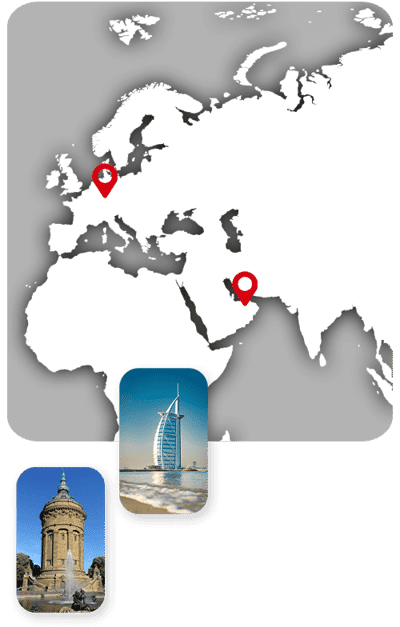
The Germany figure is based on a listed treatment package rather than a national price survey. The Bonn package shows a starting price of $8,500, while prices in Mannheim may differ. Before comparing costs, confirm the currency, number of knees treated, product used, follow-up care, and any exclusions.
There is no single UK retail benchmark for this treatment. NHS care, private self-pay, research, and overseas packages are different categories. A headline price may exclude imaging, processing, rehabilitation, accommodation, flights, repeat treatment, or complication care.
| Source or pathway | Published cost information | How to interpret it |
|---|---|---|
| Germany, Bonn listing | Starting price shown: $8,500 | Platform listing context; confirm current scope and inclusions. |
| Germany, other city listings | Amounts vary by listing; one Mannheim search page shows separate package figures. | Do not compare without matching product, visit count, clinical service, and follow-up. |
| London or wider UK private care | No national self-pay benchmark identified in the sources used here. | Request an itemized local quote and confirm whether the intervention is routine care or research. |
| NHS or research pathway | Eligibility and funding depend on the specific service or study. | Do not treat public access, a trial, and a commercial package as equivalent. |
| Cost item | Ask whether Germany quote includes it | Possible London-side cost or responsibility |
|---|---|---|
| Consultation and diagnosis | Review of records, examination, imaging, and second opinion | GP, consultant, imaging, or translation costs before travel |
| Collection and processing | Anaesthesia, collection site, laboratory processing, testing, and storage | Usually not covered by a UK travel policy for planned care |
| Injection and observation | Image guidance, sterile supplies, medicines, and monitoring | Follow-up assessment, transport, and help at home |
| Recovery and contingency | Physiotherapy, repeat visit, complication care, and cancellation terms | UK rehabilitation, urgent care, time away from work, and possible repatriation |
For a comparison starting point, you can review Germany knee stem-cell listings by location. Listing prices are not guarantees, and a search result should not replace direct credential, clinical, and financial checks.
How Germany Regulates Stem Cell and Advanced Therapy Products
Germany applies EU medicines and tissue rules through national authorities. Depending on preparation and use, a product may fall under advanced therapy, tissue and cell, medicines, device, or ordinary medical-practice rules. Classification is product-specific; “autologous” does not answer the regulatory question.
Ask which authority has assessed or authorized the exact product and use. For research, request registration, ethics information, sponsor identity, consent materials, and adverse-event reporting. International accreditation does not replace legal authorization or physician registration.
| Verification layer | Document or question | Why it matters |
|---|---|---|
| Product status | Exact name, source, processing, intended use, and responsible authority | The same label can describe different products. |
| Facility | Legal name, address, hospital status, and authorization | You need to know which entity provides and manages the care. |
| Research pathway | Trial registration, ethics information, consent, and monitoring | Research participation has different expectations from routine care. |
How to Choose a Hospital or Clinic for Knee Stem Cell Therapy in Germany
Start with the facility that diagnoses, consents, delivers, and manages complications, not only the supplying laboratory. For hospital-based care, the German Hospital Directory can help check identity and quality-report information. A directory entry is a verification aid, not a clinical endorsement.
Ask about emergency access, imaging, sterile rooms, anaesthesia support, observation, and transfer arrangements. Request the responsible medical director’s name and the post-treatment contact for London.
- Confirm the facility’s legal name, physical address, registration, and the department providing the treatment.
- Ask for the applicable German or EU authorization for the exact product and use.
- Check whether international accreditation is current, what entity it covers, and what it does not certify.
- Ask for complication management, emergency contact, hospital transfer, and follow-up details in writing.
- Confirm interpreter availability and whether medical records will be provided in English.
You can use the German Hospital Directory search to check the facility’s public identity and quality-report context. Use the exact German name supplied by the clinic and compare it with the name on your contract and invoice.
How to Verify a German Doctor for Knee Stem Cell Treatment
The treating physician should be identifiable, legally permitted to practise in Germany, and appropriately trained for the diagnosis and procedure. “Regenerative medicine specialist” is not enough by itself. Ask whether the doctor is an orthopaedic and trauma surgeon, sports-medicine physician, rheumatologist, radiologist, or another specialist, and which part of the treatment each person will perform.
Request the doctor’s full name, title, State Chamber registration, specialty certificate, professional indemnity arrangements, experience with the exact procedure, and annual case volume if the provider uses volume as a trust signal. Experience is context, not proof that the intervention works. Ask how the physician measures outcomes and handles a poor response.
| Doctor check | Evidence to request | Follow-up question |
|---|---|---|
| Professional registration | State Chamber and licence details | Who is legally responsible for your care? |
| Specialty | Recognized specialty and procedure-specific training | How does the specialty fit your diagnosis? |
| Procedure experience | Experience with the same product and injection route | What outcomes and complications are tracked? |
| Consent and contingency | Written consent, alternatives, and failure plan | What is the next step if symptoms do not improve? |
Recovery Timeline After Knee Stem Cell Therapy in Germany
Recovery is product- and procedure-specific. A simple injection and a treatment involving tissue collection do not create the same restrictions. Early soreness or swelling can occur, while any change in pain or function may take longer to assess. The treating clinician should provide your individual plan.
| Timeframe | Biological or clinical process | Patient sensation | Activity level | Action required |
|---|---|---|---|---|
| Procedure day | Injection or collection site is monitored | Tenderness, pressure, or temporary swelling may occur | Follow the facility’s mobility and driving restrictions | Keep discharge papers and contact number |
| First several days | Local tissue response and early recovery | Pain may fluctuate; severe or worsening symptoms need review | Short walks only if advised; avoid unapproved loading | Report fever, redness, drainage, or marked swelling |
| Weeks one to six | Rehabilitation and gradual functional testing | Symptoms may improve, remain unchanged, or vary | Progress only under the agreed rehabilitation plan | Attend planned review and share records with London clinician |
| Months after treatment | Outcome assessment rather than assumed cartilage regeneration | Measure pain, function, and activity against baseline | Return to higher-impact activities only when cleared | Decide next steps with a qualified clinician |
Travel Planning From London to Germany for Knee Treatment
Travel planning should follow medical advice. Ask how long to remain, whether an in-person review is required, how you will reach the airport, and whether you need an escort. Consider mobility assistance, luggage, transfers, medication transport, and emergency access.
UK patients should check entry rules, travel-insurance exclusions, medical evacuation terms, and planned-treatment complications. CDC guidance highlights continuity of care, infection risks, insurance limits, and follow-up. A routine policy may exclude treatment-related complications.
| Planning point | Before booking | Before flying home |
|---|---|---|
| Travel fitness | Ask the clinician about flight timing and mobility | Obtain written clearance or restrictions when applicable |
| Insurance | Check planned-treatment and complication exclusions | Keep insurer and emergency contacts accessible |
| Mobility | Arrange airport help, transport, and accommodation access | Do not travel alone if the facility advises an escort |
| Continuity | Identify a London clinician willing to receive records | Carry procedure note, product details, restrictions, and contacts |
Risks, Contraindications, and Warning Signs After Knee Cell Therapy
Risks vary with the injection, collection, product, sterility controls, health, and aftercare. Problems can include pain, swelling, bleeding, infection, tissue injury, inflammatory reactions, reduced mobility, and no meaningful improvement. Donor-derived or manipulated products require product-specific risk information.
Seek urgent medical assessment for fever, rapidly increasing pain, spreading redness, pus or drainage, severe swelling, chest pain, shortness of breath, fainting, a cold or discoloured foot, new weakness, or inability to bear weight. Contact the German facility and a UK clinician, but do not delay emergency care while waiting for a reply from abroad.
| Concern | What you should ask | Action if it occurs |
|---|---|---|
| Infection | How is infection monitored and treated? | Urgent local assessment for fever, warmth, drainage, or worsening pain. |
| Bleeding or collection-site problem | How do medicines affect risk and who manages it? | Follow the discharge plan and seek review for persistent bleeding or severe pain. |
| No meaningful improvement | What is the reassessment and alternative-treatment plan? | Do not assume another injection is the only next step. |
| Travel-related deterioration | Who is responsible after you return to London? | Use NHS urgent or emergency services as appropriate and share records. |
Alternatives to Compare Before Knee Stem Cell Therapy in Germany
For knee osteoarthritis, WHO describes exercise, education, and relevant weight management as important care components, while noting insufficient evidence that stem-cell therapy is beneficial. Depending on diagnosis, clinicians may discuss medicines, established injections, bracing, physiotherapy, osteotomy, or knee replacement.
The comparison depends on the diagnosis. Mild osteoarthritis, severe joint-space loss, an unstable ligament, inflammatory arthritis, and a locked knee need different assessment. Ask the Germany physician and a London clinician what each option can and cannot address.
| Option | Potential purpose | Question for your diagnosis |
|---|---|---|
| Exercise and physiotherapy | Strength, movement, function, and self-management | Has a structured, diagnosis-specific program been tried? |
| Medicines or established injections | Symptom control when clinically appropriate | What are the benefits, risks, and duration of effect? |
| Knee surgery | Address selected structural or mechanical problems | Would delay affect function, deformity, or later treatment? |
| Clinical trial | Study a defined intervention under a research protocol | What are the eligibility, randomization, costs, and withdrawal rules? |
Records and Follow-Up for London Patients After Germany Treatment
Before leaving Germany, obtain the diagnosis, imaging, consultation note, consent form, exact product and source, dose or volume, collection details, laboratory or batch documentation, procedure note, medication instructions, activity restrictions, warning signs, and follow-up schedule. Ask for English copies or a medically accurate translation.
Agree in advance who will measure your outcome and when. Useful measures may include pain, walking distance, stairs, work function, sleep, range of motion, and validated questionnaires selected by the clinician. A temporary improvement should not automatically be described as cartilage regeneration; imaging and symptoms do not always change together.
Frequently Asked Questions About Knee Stem Cell Therapy in Germany
How much does stem cell therapy for knee pain cost in Germany?
A current PlacidWay Bonn listing shows a starting price of $8,500 for a Germany knee stem-cell package. This is a platform figure, not a national average or final quote. Confirm the product, number of visits, imaging, collection, rehabilitation, travel items, exclusions, taxes, and complication responsibilities in writing.
Is knee stem cell therapy in Germany proven to regrow cartilage?
Current evidence does not establish consistent cartilage regeneration for all knee stem-cell products. A 2025 Cochrane review found low-certainty evidence that injections may slightly improve pain and function up to six months, with uncertainty about structural progression. Ask for evidence on the exact product and outcome being claimed.
Who may be a candidate for stem cell injections for knee osteoarthritis in Germany?
A possible candidate has a confirmed diagnosis, persistent symptoms, and a clinician-reviewed reason to discuss a limited-evidence or investigational option. Suitability depends on severity, imaging, medications, general health, mobility, alternatives, and travel fitness. Infection, acute injury, uncontrolled illness, or mechanical instability may require a different pathway.
What types of stem cell products may be used for a knee in Germany?
A provider may describe bone-marrow-derived material, adipose-derived material, culture-expanded cells, donor-derived products, or a combined biologic protocol. These are not interchangeable. Request the exact source, processing method, cell or tissue identity, dose, sterility testing, intended use, authorization, and consent documents before deciding.
How can a London patient verify a German stem-cell clinic?
Ask for the facility’s legal name, address, authorization, responsible department, emergency pathway, and current accreditation details if claimed. Check the facility in the German Hospital Directory when applicable. Confirm the physician’s State Chamber registration and specialty, then match those details with the consent form, invoice, and procedure note.
How long should I stay in Germany after knee stem cell treatment?
There is no universal stay length. It depends on whether tissue is collected, whether sedation or anaesthesia is used, your mobility, symptoms, the facility’s review schedule, and travel advice. Ask whether you need an in-person check before flying and avoid non-refundable travel until the clinician gives procedure-specific guidance.
What should a Germany knee stem cell quote include?
The quote should identify the diagnosis, product, source, processing, dose, physician, facility, consultation, imaging, collection, injection, medicines, observation, rehabilitation, number of visits, records, interpreter, exclusions, cancellation terms, taxes, and complication costs. Ask what happens if the diagnosis or treatment changes after examination.
What are the risks of stem cell injections into the knee?
Risks can include temporary pain or swelling, bleeding, infection, inflammatory or allergic reactions, collection-site problems, reduced mobility, and no meaningful improvement. Product-specific risks depend on the source and processing. Seek urgent assessment for fever, spreading redness, severe swelling, drainage, chest pain, shortness of breath, or inability to bear weight.
Can knee stem cell therapy replace knee replacement surgery?
It should not be presented as a guaranteed replacement for knee replacement. The answer depends on diagnosis, joint damage, symptoms, function, health, and alternatives. If you have severe structural disease or mechanical instability, ask for a surgical opinion and a clear plan for what happens if the injection does not help.
What records should I bring back to my London doctor?
Bring the diagnosis, imaging, consent, exact product and source, dose or volume, laboratory or batch information, procedure note, medicines, restrictions, warning signs, follow-up schedule, and emergency contacts. Request English copies and send them to a London clinician who agrees to receive the records before you travel.
Request Information About Knee Stem Cell Therapy in Germany
If you want to compare options, send your diagnosis, imaging, symptoms, previous treatment, medications, medical conditions, preferred city, timing, and London follow-up needs. Ask for the named physician, exact product, facility identity, evidence explanation, itemized quote, travel advice, emergency plan, and records handoff.
Request treatment informationDisclaimer: This information is for educational purposes only and does not replace professional medical advice. Always consult a qualified healthcare provider before making medical decisions. It is not a diagnosis, treatment recommendation, financial quote, insurance determination, or substitute for advice from a clinician who has assessed you. Confirm all medical, product, regulatory, payment, travel, and follow-up details directly with the responsible providers.
References
- Cochrane Review: Stem Cell Injections for Osteoarthritis of the Knee – PubMed
- Osteoarthritis Fact Sheet – World Health Organization
- Recognition of Training Qualifications – German Medical Association
- German Hospital Directory – German Hospital Federation
- Advanced Therapy Medicinal Products: Regulation and Licensing – UK Government
- Scientific Recommendations on Classification of Advanced Therapy Medicinal Products – European Medicines Agency
- Medical Tourism – CDC Yellow Book
- Spherox: Cartilage-Cell Product for Selected Knee Cartilage Defects – European Medicines Agency
























Share this listing