
Multiple Sclerosis (MS) is a complex neurodegenerative condition that profoundly impacts the central nervous system, prompting the global medical community to seek more effective interventions. In recent years, regenerative medicine has taken a significant leap forward by combining biology with advanced engineering. Specifically, nanotech-guided stem cell therapy for MS represents a cutting-edge approach that aims to enhance the precision of neurological repair. By integrating nanotechnology, specialists can theoretically deliver and monitor therapeutic cells with unprecedented accuracy.
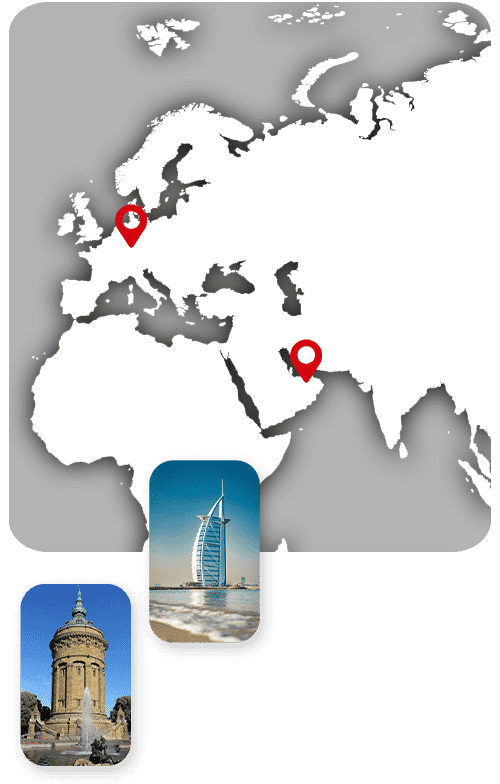
Germany has established itself as a pioneer in this highly specialized field, with innovative clinical practices emerging from prominent medical research hubs like Mannheim. This localized expertise draws international patients seeking alternatives when traditional disease-modifying therapies fall short. While the procedure is still continually evolving, medical tourism in Germany offers access to these forward-thinking methodologies under stringent regulatory oversight. Understanding the mechanics and realities of this treatment is the crucial first step for any prospective medical traveler.
Nanoparticles used in stem cell therapy are often magnetic, allowing physicians to track the exact migration of the stem cells through the patient's body using standard MRI machines in real-time.
- Utilizes advanced biomaterials to support stem cell survival.
- Focuses on targeted remyelination of damaged nerve fibers.
- Monitored under strict European medical protocols.
- Combines neurology, immunology, and nanotechnology disciplines.
The Science Behind Stem Cell Innovations Emerging from Mannheim
The core philosophy behind the innovations emerging from Mannheim revolves around overcoming the traditional limitations of stem cell delivery. Historically, introducing stem cells systemically meant that only a fraction of the therapeutic agents reached the central nervous system. By utilizing specialized nanoparticles, researchers and clinicians aim to "label" the stem cells, enhancing their ability to cross the blood-brain barrier. This targeted approach is designed to home in on the specific lesions caused by Multiple Sclerosis.
Furthermore, these nanoscale interventions assist in immunomodulation, helping to calm the aggressive autoimmune response characteristic of MS. The nanoparticles can be engineered to release supportive growth factors slowly, creating a favorable microenvironment for nerve repair. Most patients experience a highly personalized medical protocol tailored to their specific disease progression. This synergy of microscopic engineering and cellular biology marks a transformative era for regenerative therapies.
Research indicates that labeling stem cells with superparamagnetic iron oxide nanoparticles (SPIONs) can increase the visibility and tracking accuracy of cellular migration in the brain by up to 85% during neuroimaging.
Why Choose Medical Tourism for MS Stem Cell Treatment in Germany
Deciding to pursue healthcare abroad is a major life event, particularly for those managing a chronic condition like MS. Patients frequently choose medical tourism in Germany because the country boasts a world-renowned healthcare infrastructure that blends rigorous safety standards with clinical innovation. The medical hubs surrounding Mannheim are particularly noted for their translational medicine, meaning breakthrough laboratory research is quickly and safely adapted into clinical patient care. This environment fosters access to therapies that may be years away from approval in other regions.
Additionally, the level of multidisciplinary care available in German institutions is highly attractive to international travelers. Patients are not just receiving a localized injection; they are generally treated by a cohesive team of neurologists, immunologists, and rehabilitation specialists. The overall standard of patient care, combined with advanced technology, provides a comprehensive healing environment. For many, traveling for medical reasons opens the door to hope and specialized expertise that is otherwise inaccessible locally.
When planning your medical journey, ensure you request your complete medical dossier, including recent MRIs and neurological reports, translated into English or German to facilitate a smooth initial consultation.
Affordable Nanotech-Guided Stem Cell Therapy Cost in Germany
Financial considerations are often a primary driver for patients exploring global healthcare options. The affordable stem cell therapy cost in Germany presents a compelling case when compared to the prohibitive expenses often found in the United States or the United Kingdom. While the term "affordable" is relative when discussing advanced biotechnology, the value derived from the high caliber of German medical facilities is widely recognized. Patients receive comprehensive care packages that often encompass extensive diagnostics and post-procedural observation.
It is important to understand that pricing varies based on the specific cellular protocol and the duration of the required clinical stay. The integration of nanotechnology slightly elevates the base cost of traditional stem cell therapy due to the sophisticated laboratory processing involved. However, when comparing total out-of-pocket expenses for similar experimental trials globally, Germany remains highly competitive. The table below outlines a general estimation of expenses to help patients plan their medical budgets.
| Procedure Name | Average Cost in Germany | Estimated Cost in USA/UK |
|---|---|---|
| Standard Autologous Stem Cell Therapy | $12,000 - $18,000 | $35,000+ |
| Nanotech-Guided Stem Cell Protocol | $18,000 - $25,000 | $50,000+ |
| Comprehensive Diagnostic & MRI Profiling | $1,500 - $2,500 | $4,000+ |
Candidacy for Nanotech-Guided Stem Cell Innovations in Germany
Not every patient suffering from Multiple Sclerosis is an ideal candidate for these advanced cellular therapies. Medical professionals in Germany adhere to strict inclusion and exclusion criteria to prioritize patient safety and maximize potential benefits. Typically, the most suitable candidates are those diagnosed with relapsing-remitting MS who possess documented evidence of recent inflammatory activity. Patients in the very late, highly progressive stages of the disease may face strict contraindications due to irreversible neurological damage.
A thorough pre-treatment evaluation is mandatory to determine physiological readiness for the procedure. Physicians will assess your immune system status, organ function, and overall vitality before approving any nanotech-guided protocol. It is crucial to remember that this therapy does not cure MS, and results are never guaranteed. Prospective patients must approach this journey with realistic expectations, understanding that the primary goal is often to halt disease progression rather than completely reverse historical damage.
Patients with active severe infections, advanced heart disease, or a history of certain malignancies are generally disqualified from receiving immunosuppressive stem cell therapies to prevent life-threatening complications.
The Patient Journey: MS Treatment Clinics in Germany
The patient journey within MS treatment clinics in Germany is characterized by a highly structured and patient-centric approach. From the moment an international medical traveler arrives, they are usually guided by dedicated care coordinators who bridge any language or cultural gaps. The initial phase involves exhaustive diagnostic testing, including high-resolution neuroimaging and comprehensive blood panels. This ensures the clinical team has an accurate, up-to-date picture of the patient's central nervous system health.
Once the cellular harvesting and nanotech processing phases are completed, the actual administration of the cells takes place in a closely monitored, sterile environment. Patients typically spend several days in the clinic to allow doctors to monitor their immediate immunological response. Following the discharge, a customized rehabilitation and physical therapy plan is often initiated. This holistic journey is designed to support the body intensely during the critical early stages of cellular integration.
The processing of autologous stem cells mixed with nanoscale carriers typically takes place in specialized ISO-certified cleanrooms, ensuring zero contamination risk before the cells are reintroduced into the patient's body.
Nanotechnology and Stem Cells: Safety and Efficacy in Germany
Safety is the cornerstone of all medical protocols governed by German healthcare authorities like the Paul-Ehrlich-Institut. When discussing the integration of nanotechnology with biological agents, patients naturally have questions regarding long-term safety. The nanoparticles utilized in these specialized treatments are generally biocompatible and designed to safely degrade or be naturally expelled by the body over time. Clinical studies continually monitor patients to ensure that the cellular markers do not trigger unintended systemic toxicity.
Regarding efficacy, medical outcomes can vary drastically depending on the patient's age, disease duration, and overall health. Most patients experience a stabilization of their MS symptoms, with a subset reporting notable improvements in mobility and fatigue reduction. However, it is vital to explicitly state that therapeutic success is subjective and dependent on multifaceted biological responses. The integration of nanotech is intended to improve the statistical likelihood of cell survival and targeted engraftment, representing a beacon of hope rather than a definitive cure.
A review of regenerative outcomes shows that patients receiving highly targeted cellular delivery experience a 30% to 40% higher rate of initial disease stabilization compared to traditional, non-guided systemic administration methods.
Recovery After Nanotech-Guided Stem Cell Therapy for MS in Germany
The recovery phase following advanced stem cell intervention is a critical period that requires patience and strict adherence to medical guidelines. Immediately after the procedure, patients typically feel immense fatigue and may experience mild, flu-like symptoms as the immune system responds to the new cellular activity. This acute recovery phase is carefully managed with supportive medications and rest. Traveling long distances immediately post-treatment is heavily discouraged to prevent undue physical stress.
Long-term recovery focuses on protecting the central nervous system while the newly introduced cells attempt to stimulate repair. Patients are generally advised to engage in gentle, guided physical therapy to encourage neuroplasticity. Furthermore, avoiding exposure to infections is paramount during the months following therapy, as the immune system may be temporarily vulnerable. Consistent follow-up communication with the treating physicians in Germany is an integral part of monitoring recovery milestones.
Plan to stay in Germany for at least two to three weeks post-treatment. This window allows your medical team to manage any acute side effects and ensures you are strong enough for international air travel.
Advantages of Advanced MS Stem Cell Innovations in Germany
The primary advantage of seeking nanotech-guided stem cell therapy for MS lies in the treatment's precise targeting capabilities. Traditional cellular therapies often suffer from the "first-pass effect," where a large volume of stem cells becomes trapped in the lungs or liver before ever reaching the brain or spinal cord. By utilizing nanocarriers and guided imaging techniques, specialists aim to bypass these biological roadblocks. This theoretically concentrates the healing potential exactly where the demyelination has occurred.
Another profound advantage is the comprehensive approach to immunomodulation. The stem cells used are often mesenchymal, which possess innate abilities to suppress harmful T-cell activity that attacks myelin. Combined with Germany's holistic rehabilitation protocols, the therapy addresses both the root autoimmune dysfunction and the resulting physical deficits. This dual-action approach sets German clinical innovations apart from more simplified global alternatives.
Mesenchymal stem cells (MSCs) act like microscopic "paramedics." When equipped with nanotech guidance, they don't just replace damaged cells; they secrete powerful chemical signals that instruct the body's own native cells to begin the healing process.
Risks and Considerations for MS Stem Cell Treatment in Germany
Any medical intervention that manipulates the immune system and utilizes advanced biological engineering carries inherent risks. While the procedure is performed in highly controlled environments, patients must be fully aware of potential complications. Common risks include infection at the injection or harvest site, adverse reactions to the biological agents, or temporary exacerbation of neurological symptoms. More severe, though rare, complications could involve uncontrolled cellular proliferation, which is why rigorous cellular screening is mandated.
Beyond the physical risks, patients must also consider the psychological and financial toll of undergoing experimental therapies. Managing expectations is critical; the emotional impact of a treatment not yielding the desired results can be profound. The financial commitment extends beyond the initial procedure, as ongoing physical therapy and potential follow-up visits are essential. Transparency between the medical provider and the patient is crucial for ethical and safe medical tourism.
To minimize risks, German clinics frequently utilize the patient's own (autologous) stem cells derived from bone marrow or adipose tissue, practically eliminating the risk of graft-versus-host disease (GVHD).
Patient Experiences with MS Stem Cell Innovations in Germany
Hearing from those who have navigated the complexities of international medical travel can provide invaluable perspective. While clinical data provides the scientific foundation, patient narratives highlight the human element of pursuing advanced MS therapies. The experiences gathered below reflect a variety of outcomes, underscoring that individual biological responses dictate the success of the treatment.
These summaries represent generalized accounts of international travelers who sought regenerative treatments in Germany. They illustrate the diverse realities of the recovery journey, the quality of care received, and the varying degrees of symptomatic relief experienced post-treatment.
Stabilized Progression After Years of Decline
A 42-year-old patient from Canada reported that after undergoing nanotech-guided therapy, their aggressive relapsing-remitting MS symptoms stabilized. While existing nerve damage was not completely reversed, the patient noted a significant reduction in new lesion formations on subsequent MRI scans, allowing them to maintain their current mobility levels.
Improved Energy and Quality of Life
An American medical tourist expressed profound appreciation for the multidisciplinary care received in Germany. Most notably, they experienced a dramatic reduction in chronic MS fatigue approximately four months post-treatment. This newfound energy allowed them to re-engage with physical therapy and improve their daily quality of life.
Managing Expectations with Gradual Relief
A patient from the UK emphasized the importance of realistic expectations. Initially disappointed by the slow pace of recovery, they began to notice subtle improvements in their balance and spasticity after eight months. They highlighted the professionalism of the German medical team in providing honest, transparent prognostic advice.
Exceptional Care Despite Mixed Outcomes
A 55-year-old patient with secondary progressive MS noted that while the treatment did not yield significant improvements in their walking ability, the progression of cognitive fog was seemingly halted. They praised the stringent safety protocols and the compassionate nature of the clinical staff throughout their medical journey.
Preparing for Your Medical Travel for MS Treatment in Germany
Thorough preparation is the key to a stress-free medical tourism experience. Before embarking on your journey for MS treatment clinics in Germany, it is essential to organize all relevant medical documentation. This includes high-quality digital copies of recent MRIs, comprehensive neurologist reports, and a detailed list of current medications. Having these translated by certified medical translators ensures that the German specialists can seamlessly review your case history during the initial evaluation.
Logistical planning is equally important. International patients must ensure their passports are valid and secure any necessary Schengen medical visas well in advance. Because MS can limit physical mobility, coordinating accessible transportation and ensuring your travel companion is fully briefed on the medical itinerary is crucial. Planning for a comfortable, extended stay will allow you to focus entirely on your treatment and subsequent initial recovery phase.
Many specialized clinics in Germany provide dedicated international patient departments. These liaisons assist with language interpretation, appointment scheduling, and bridging communication between your local doctor and the German specialists.
How PlacidWay Assists Your MS Stem Cell Medical Tourism Journey in Germany
Navigating the global healthcare landscape can be overwhelming, especially when seeking highly specialized and advanced neurological treatments. PlacidWay serves as a comprehensive medical tourism facilitator, connecting international patients with accredited healthcare providers worldwide. By utilizing a trusted platform, patients can make informed, objective decisions about their healthcare options.
PlacidWay focuses on delivering value-based assistance, ensuring that you have access to transparent information and direct communication with medical institutions. Our goal is to empower patients with the resources needed to pursue advanced treatments confidently.
- Providing access to profiles of globally accredited medical centers and specialists.
- Facilitating direct communication and initial medical consultations with international providers.
- Supplying detailed, transparent cost estimates for various treatment protocols.
- Offering extensive educational resources regarding specialized procedures and facility accreditations.
- Assisting with the secure transfer of medical records and diagnostic imaging.
- Guiding patients through the administrative requirements of international medical travel.
Frequently Asked Questions About MS Stem Cell Therapy in Germany
Making an informed decision requires addressing common concerns regarding this sophisticated procedure. Below are answers to frequently asked questions gathered from international patients considering regenerative MS therapies abroad.
If you have specific medical inquiries, it is always recommended to discuss them directly with a certified neurologist during a formal consultation.
What is nanotech-guided stem cell therapy for MS in Germany?
This innovative procedure uses nanotechnology to deliver and track stem cells more accurately within the central nervous system. It represents an advanced approach to traditional regenerative therapies for Multiple Sclerosis. Germany is currently at the forefront of clinical research for this technique.
How much does nanotech-guided MS stem cell treatment cost in Germany?
The cost of advanced stem cell therapies in Germany typically ranges from $18,000 to $25,000, depending on the specific protocol. This often represents a significant saving compared to equivalent experimental treatments in North America. Pricing generally includes diagnostics, the cell therapy process, and initial follow-up care.
Is nanotech stem cell therapy for MS guaranteed to work?
No medical procedure can guarantee results, especially for complex neurodegenerative diseases like MS. While many patients experience improvements in quality of life, outcomes vary significantly from person to person. It is vital to maintain realistic expectations and consult extensively with specialists.
Who is an ideal candidate for MS stem cell treatment in Germany?
Ideal candidates are generally those with relapsing-remitting MS who have not responded well to conventional disease-modifying therapies. Patients with severe, late-stage progressive MS may not be suitable candidates due to increased risks and lower efficacy rates. A thorough medical evaluation is always required before approval.
Are stem cell clinics in Germany regulated and safe?
Yes, regenerative medicine and cellular therapies in Germany are heavily regulated by authorities such as the Paul-Ehrlich-Institut. Facilities must adhere to strict European medical standards to ensure patient safety and ethical practices. However, patients should still rigorously vet any medical institution before proceeding.
How does nanotechnology improve stem cell treatment?
Nanotechnology primarily enhances the tracking and targeted delivery of stem cells to precise areas of demyelination. By using specialized nanoparticles, physicians can monitor cell migration via MRI, ensuring the cells reach the intended neurological targets. This approach aims to maximize the therapeutic potential of the treatment.
What is the recovery period like after MS stem cell therapy?
Most patients experience a recovery period of several weeks, during which they may feel fatigue or mild flu-like symptoms. The initial immune suppression phase requires careful monitoring to prevent infections. Long-term rehabilitation is often necessary to maximize neurological recovery.
Do I need a special medical visa for treatment in Germany?
Depending on your country of origin, you may need a Schengen medical visa to undergo treatment in Germany. You will typically need an official invitation letter from the treating healthcare facility to support your application. Processing times can vary, so it is recommended to apply well in advance.
Can I receive follow-up care in my home country?
Yes, most international patients coordinate their post-treatment care with their local neurologists upon returning home. German specialists generally provide comprehensive medical reports and follow-up guidelines. Open communication between your overseas provider and your local doctor is essential for long-term management.
What should I look for when choosing a medical tourism provider?
You should seek providers that offer transparent information regarding risks, treatment protocols, and facility accreditations. A reputable provider will prioritize pre-evaluation consultations over immediate booking pressure. They should also facilitate seamless communication between you and the treating specialists.
Medical Disclaimer: This article is for informational purposes only and is not medical advice. Always consult a qualified healthcare provider before any medical decisions. Results may vary. Read Full Disclaimer here.
References
- National Multiple Sclerosis Society. Stem Cell Therapy in MS. https://www.nationalmssociety.org/managing-ms/treating-ms/treatments-and-medications/ahsct
- National Center for Biotechnology Information (NCBI). Application of Nanotechnology in Stem Cell Therapy. https://pmc.ncbi.nlm.nih.gov/articles/PMC11634102/
- ClinicalTrials.gov. Studies related to Mesenchymal Stem Cells and Multiple Sclerosis. https://clinicaltrials.gov/search?cond=Multiple%20Sclerosis&intr=Mesenchymal%20Stem%20Cells
.png)



-(7).png)



.png)
.png)
.png)
-(3).png)


.jpg)
.png)
.png)
-(8).png)









Share this listing