The Training Bag Stayed Packed: A UAE Patient’s Sports Injury Stem Cell Therapy in Frankfurt

Publish date: Modified date: Medically reviewed by: Dr. Alejandro Fernando on Sep 14, 2026 Author: Pinki Sharma

UAE Patient’s Sports Injury Stem Cell Therapy in Frankfurt 

Patient Profile

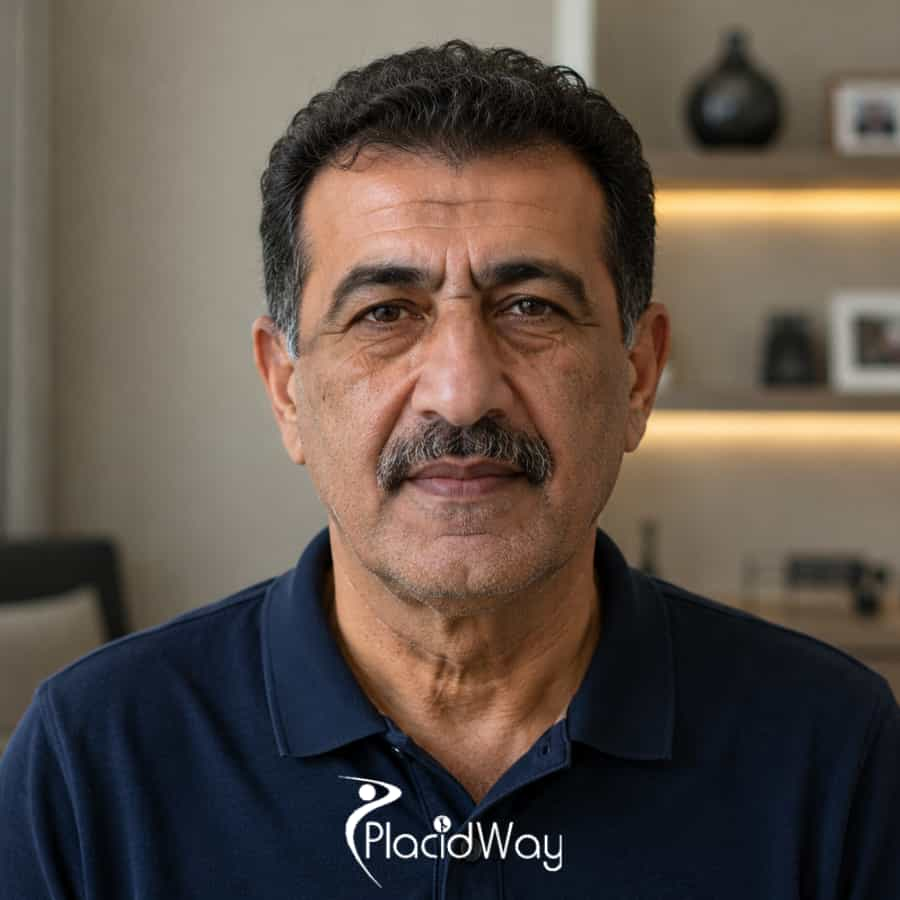
Name: Omar Al Mansoori

Age: 42

Condition: Advanced cartilage degradation and chronic joint instability

Treatment: Autologous stem cell therapy with image-guided injection and supportive physiotherapy

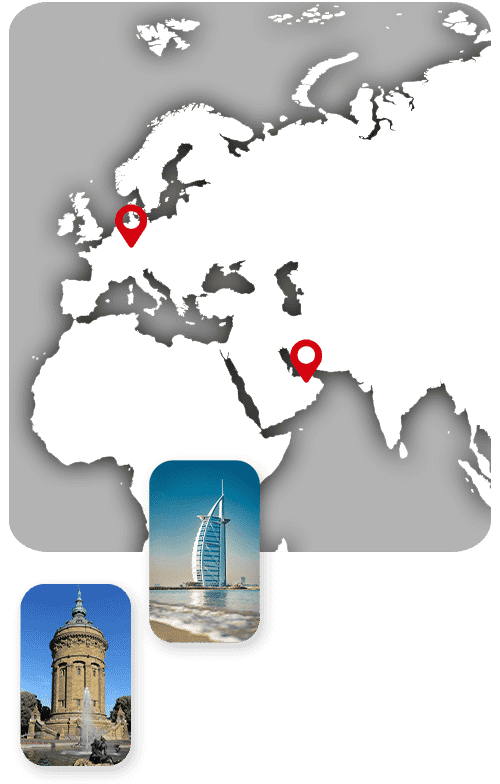
Destination: Frankfurt, Germany

Journey at a Glance

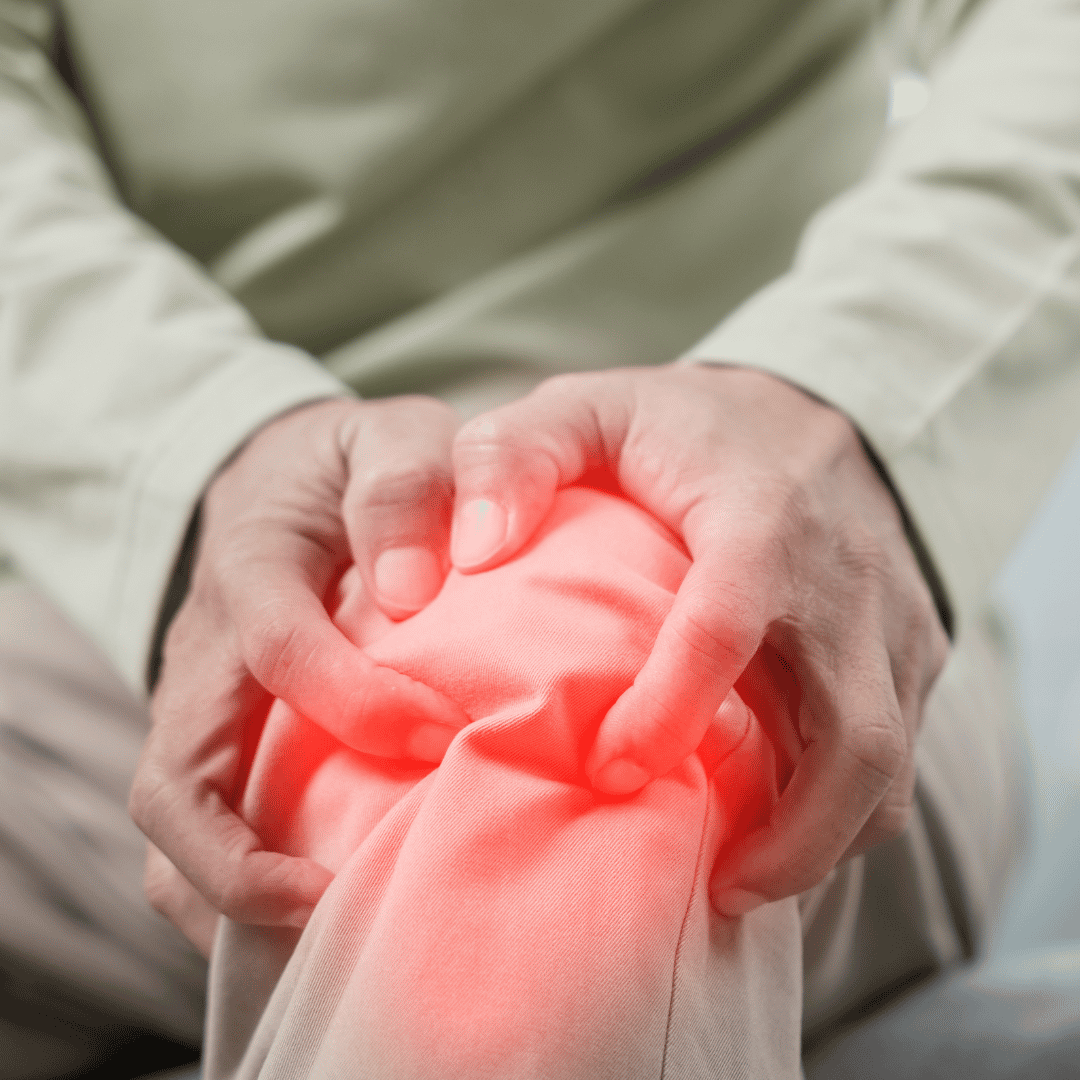
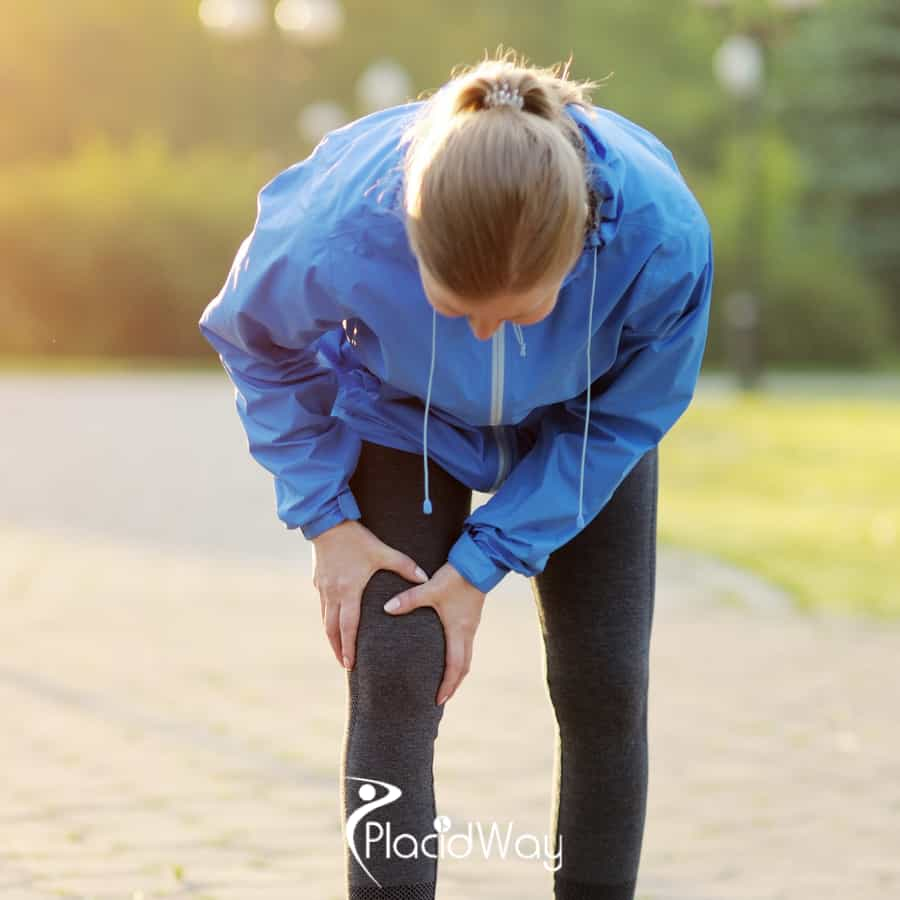
Main problems: Chronic joint pain, reduced range of motion, persistent swelling, and inability to return to high-demand activities without severe discomfort.

Previous care: Months of mechanical physiotherapy in the UAE, corticosteroid and hyaluronic acid injections providing only temporary relief, and local surgical consultations recommending invasive joint procedures.

Travel driver: Seeking advanced, highly regulated regenerative medicine protocols to avoid prolonged surgical downtime and minimize career interruption.

Treatment explored: Autologous or allogeneic stem cell therapy aimed at tissue regeneration and functional restoration.

Personal goal: To reclaim structural agency, resume an active lifestyle, and avoid permanent functional loss without undergoing invasive orthopedic surgery.

STEM CELL THERAPY FOR SPORTS INJURY RECOVERY: UAE PATIENTS SEEKING ADVANCED CARE IN FRANKFURT

You start by making small concessions to your anatomy.

You stop playing the Thursday night padel matches.

You take the elevator instead of the stairs at the DIFC office.

You buy a heavier, more restrictive knee sleeve.

You learn exactly how to shift your weight getting out of the SUV.

You tell your wife it is just a temporary flare-up.

You ignore the grinding sound when you crouch down.

You swallow ibuprofen before boarding long flights.

"You should really rest that knee."

"I have a great physio in Jumeirah."

"Maybe it is just age catching up."

Your world has quietly become smaller.

The hardest part is not the constant throbbing or the cost of the weekly massages, but the waiting.

Omar is navigating a system designed for maintenance rather than restoration.

Omar Al Mansoori is not a real patient, but a composite built from the exact situations, clinical hurdles, and late-night research queries faced by professionals in the UAE.

He is forty-two years old.

He lives in Dubai.

He directs operations for a regional logistics firm.

He used to run half-marathons in the winter months before his family woke up.

He carried his youngest daughter on his shoulders for three hours at Expo City without a second thought.

The decline of his joint health was frustratingly gradual.

He blamed the initial stiffness on back-to-back flights to Riyadh.

Ice packs.

Ibuprofen.

Sports massage.

Hyaluronic acid injections.

Cortisone shots.

Standard orthopedic protocols for grade three cartilage damage or persistent tendinopathy typically begin with conservative management, escalating to surgical intervention—such as arthroscopy or partial joint replacement—only when structural failure severely limits daily function .

The orthopedic surgeon in Healthcare City points to the white shadows on the MRI screen.

"You have advanced cartilage degradation and will eventually need surgery."

When?

The timeline for structural joint failure is deeply unpredictable.

Musculoskeletal conditions are the leading contributor to disability worldwide, with waiting times for elective orthopedic procedures in both public and private systems extending significantly as demand for specialized sports medicine outpaces regional surgical capacity .

But Omar does not experience regional healthcare capacity as a national statistic.

He experiences it trying to sit cross-legged at a majlis.

"I just need to stretch it out."

He experiences it during quarterly board meetings:

"I need to stand up for a minute."

He experiences it watching his friends load their golf clubs into the trunk.

"I will catch you guys at the clubhouse."

He has already tried to be an exceptionally patient patient.

People who explore complex medical care abroad are rarely impulsive consumers looking for a quick fix.

Omar is meticulously careful with his body and his time.

He spent six months doing functional rehabilitation with a specialist trainer.

He altered his diet to eliminate inflammatory foods.

He bought the expensive ergonomic chair for his home office.

"I just need to give the joint time."

"It is healing, just very slowly."

His fundamental question has shifted:

From "Can I tolerate this daily stiffness?" to "How much of my life am I prepared to organise around it?"

The conventional domestic options require a sacrifice he cannot make.

Orthopedic surgery in Dubai is highly accessible, technologically advanced, and clinically excellent.

But an arthroscopic washout or a partial knee replacement means up to three months of mandatory downtime.

He cannot leave his regional logistics teams leaderless during the busiest quarter of the year.

Price alone should not answer a strategic medical question.

"We have premium comprehensive insurance here."

"Having coverage does not buy back my time."

He is not specifically searching for stem cell therapy yet.

His late-night internet searches begin as quiet attempts to understand his symptoms and local alternatives.

Knee pain returning months after cortisone shot

How to avoid meniscus surgery completely

Regenerative medicine clinics in Dubai

Stem cell therapy for cartilage repair outcomes

Best sports medicine clinics in Europe

The search algorithms begin presenting a very specific destination:

Frankfurt.

"I am not going abroad just because a clinic has slick marketing."

That protective instinct is entirely correct.

Why does Frankfurt consistently appear in these medical searches?

Germany possesses one of the most strictly regulated advanced therapy medicinal product frameworks in Europe, governed by federal biological institutes that mandate rigorous laboratory standards for human cell processing .

But the central reframe is essential:

Countries do not regenerate tissue.

Specialist clinical teams do.

There is a concrete, verifiable clinical infrastructure behind the reputation.

Prospective patients must verify individual clinic credentials, demand peer-reviewed outcome data, and consult their domestic physician before traveling for any regenerative treatments .

His first practical question was about the financial commitment.

The indicative cost for autologous stem cell therapy in Frankfurt varies between EUR 15,000 and EUR 25,000, depending on the cell harvesting method, the advanced imaging technology utilized, and the duration of the subsequent rehabilitation protocol .

His father's voice echoes in his mind:

"You always pay for quality, one way or another."

"What exactly am I getting?"

Are the pre-procedure high-resolution MRI diagnostics included in this figure?
Is the bone marrow or adipose tissue extraction performed under local or general anesthesia?
Does the fee cover the specialized laboratory time required for cell expansion?
Are the image-guided ultrasound injections billed as a separate surgical theater fee?
How many sessions of immediate post-injection physiotherapy are provided?
Are airport transfers and medical translation services part of the operational package?
Does this include the formal medical visa facilitation letter required for entry?
What happens financially if the initial cell yield is deemed too low for therapeutic use?
Who pays for the remote follow-up consultations once I am back in Dubai?
Is accommodation at the clinic or a partnered nearby hotel covered?
Are the mandatory blood panels for infectious diseases included?
Is there a financial provision for unexpected complication management?

The advertised number is only the beginning of a much longer process:

The negotiation of care.

What does the procedure actually require from the body?

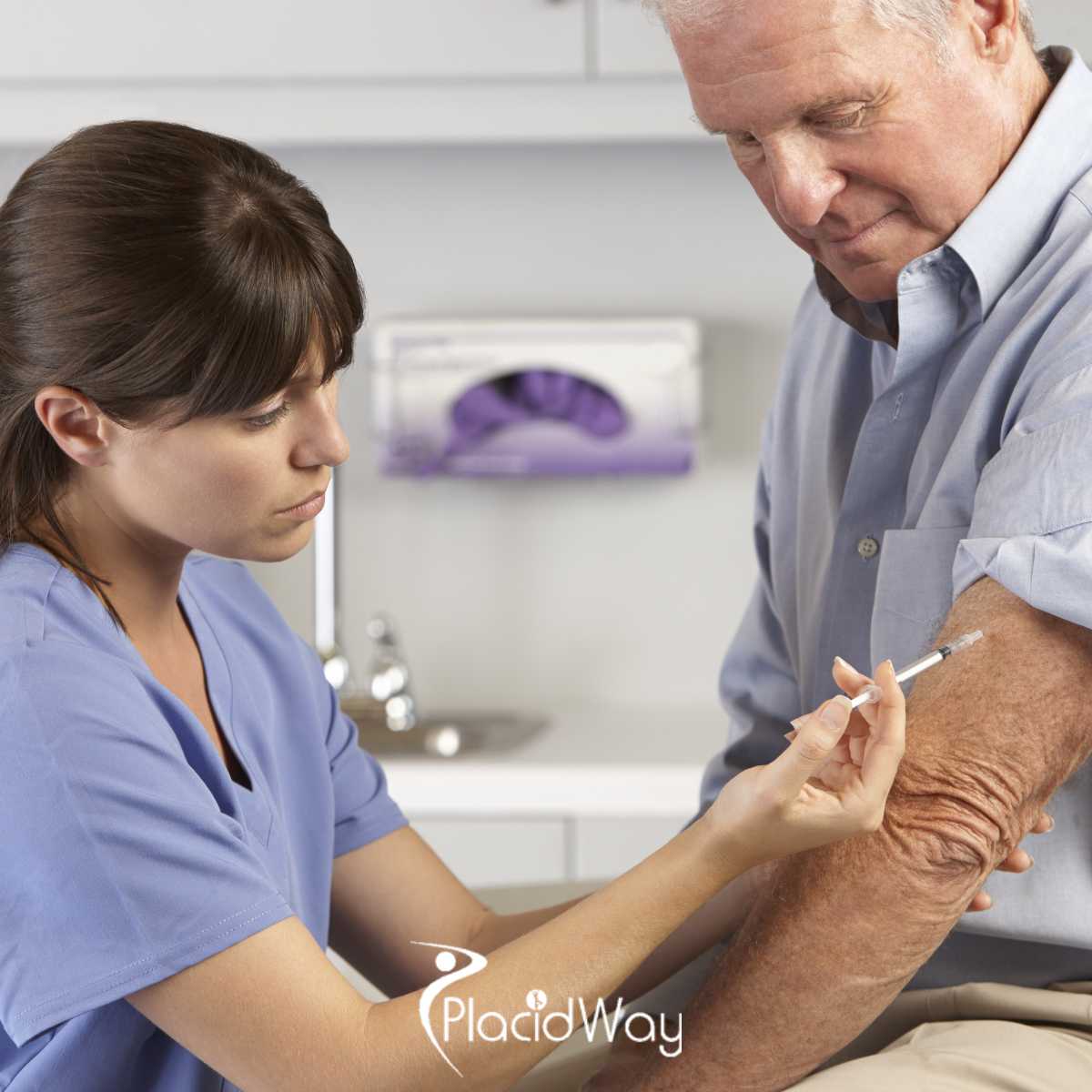
Autologous stem cell therapy for orthopedic injuries involves harvesting mesenchymal stem cells from the patient's own body—usually fat or bone marrow—processing them in a highly controlled laboratory environment, and injecting them back into the damaged joint under direct imaging to stimulate tissue repair .

The science is elegant, but the execution is physically demanding.

"How am I supposed to get home?"

The part the clinic brochures rarely put on the front page is the unglamorous aftermath.

Joints treated with concentrated stem cells typically swell significantly and ache intensely in the first forty-eight hours.

Current guidance states that weight-bearing protocols after intra-articular injections vary significantly based on the specific joint treated, the volume of cells delivered, and individual patient biomechanics .

The variation itself is the lesson.

This logistical constraint must be part of the travel plan before committing to the procedure, not afterward.

"Wait. Does that mean I cannot walk through the airport terminal?"

Possibly, depending on the exact injection site and the strictness of your physician's post-operative immobilization instructions.

Will I need to pre-book wheelchair assistance at Frankfurt Airport?

How do I manage continuous ice therapy during a six-hour commercial flight to Dubai?

Can I comfortably bend my knee in a standard business class seat?

Who will handle my heavy luggage while I am on crutches?

What if the cabin pressure increases the joint swelling to an intolerable level?

Are the prescribed European pain medications legal to bring back into the UAE?

How do I navigate the stairs in my split-level villa for the first week?

When exactly will I be cleared to drive my car again?

Who will coordinate the specific rehabilitation protocols with my local physio?

Will the German clinic send comprehensive, English-language medical reports?

What happens if I develop an unexplained fever on day three after returning?

This is not medical tourism in the usual sense.

It is an international medical transfer.

His wife is not just coming along for a holiday.

She is the invisible second participant in the entire medical journey.

She will carry the passports, the physical MRI films, and the bulky compression bandages.

She will be responsible for remembering the specific dosage times for the anti-inflammatories.

She will be the one watching his face to see if he is hiding the severity of his pain.

She needs to know exactly who to call if something goes wrong in the hotel room at two in the morning.

Standard travel policies routinely exclude complications arising from planned medical procedures abroad, necessitating specialized medical complication insurance before departure .

They are part of the clinical system too.

Then comes the uncomfortable conversation about physical risk.

Regenerative medicine is not without biological limitations; documented risks include severe infection at the injection site, failure of the cells to engraft or survive, and painful immune reactions if allogeneic materials are used improperly .

Omar learns to actively distrust marketing materials that use certain phrases:

Completely safe. No risk. Guaranteed success. Permanent cure.

Informed consent means understanding much more than the hoped-for outcome.

The goal is not to persuade you to undergo a procedure, but to ensure you understand the gravity of intervening in your own biology.

Omar's questions for the clinics become significantly sharper.

He stops asking if it will definitely work.

He starts asking how clinical failure is managed.

What is your exact clinical protocol if the cartilage does not respond to the injection?
How many of these specific knee procedures have you personally performed this calendar year?
Where do you source your laboratory equipment for the cell processing phase?
What are the specific biomechanical markers you look for to determine if I am not a suitable candidate?
Can I speak to a previous patient from the Gulf region who had this exact treatment?
Who takes ultimate legal responsibility if I develop a severe joint infection?
What is the formal escalation path if I need urgent revision surgery upon returning home?
Do you use targeted ultrasound or fluoroscopy for the injection guidance?
How long does the expanded cell culture remain viable before it must be injected?
Are you tracking your international patients in a formal, peer-reviewed clinical registry?

What would you see on my MRI that would make you tell me not to proceed?

They do not only want a physician willing to perform the treatment.

They want a physician willing not to.

Have I thoroughly exhausted my options at home?

Patients maintain the fundamental right to seek independent second opinions within their domestic healthcare framework and to request comprehensive case reviews by multidisciplinary sports medicine boards before pursuing overseas experimental therapies .

Is there a domestic clinical trial I am currently eligible for?
Has a different local orthopedic specialist reviewed this latest MRI?
Would a customized off-loading knee brace delay the need for intervention?
Have we truly exhausted all advanced shockwave therapy options?
Could a minor arthroscopic debridement buy me five more years of function?
Can my local medical team formally collaborate with the German clinic for aftercare?

Frankfurt should be compared with your real alternatives, not with a worst-case assumption about the home system.

The night before the final decision feels remarkably calm.

The dining room table is covered in documents again.

The Frankfurt clinic's translated laboratory protocol. The local surgeon's pessimistic arthroscopy assessment. The specialized medical travel insurance quote. The direct flight schedules to Germany. The formal leave-of-absence form for his company.

"It is a lot of money for something that isn't a guarantee."

"But it is our decision to make now, not just waiting for it to snap."

The weeks of rigorous research did not make them more afraid.

It made them far more capable of deciding.

What Omar actually wants isn't stem cell therapy.

His wife asks a very simple question:

"Why are you pushing so hard for this?"

"I just want my knee fixed."

TO WALK EIGHTEEN HOLES WITHOUT LIMPING ON MONDAY MORNING.

He wants to carry his daughter again without wincing.

He wants to step out of his car without bracing himself against the door.

He wants to stop feeling like an aging, fragile version of himself.

Not the stem cell injections. Not the sterile centrifuge spinning the bone marrow. Not the VIP airport transfer package. Not Germany.

Agency.

And underneath that:

Identity.

Stem cell therapy might be the answer, but it might not be.

He might discover during the pre-consultation that his cartilage is too eroded for regenerative medicine to work.

He might realize the logistics of flying home in intense pain are simply too daunting for his family.

He might decide a local partial knee replacement is the more predictable, established path.

He might choose to modify his lifestyle entirely and stop playing high-impact sports.

He might postpone the decision entirely until his company's quarterly targets are safely met.

A considered rejection of a medical pathway is a successful outcome.

Only when you understand the physical toll, the financial exposure, and the logistical friction can you say yes to the process.

Any of those can be an informed decision.

The goal is not to persuade you to board a plane.

The goal is to make sure frustration does not make the decision for you.

The burden of making the choice eventually falls to you.

Maybe you have iced your shoulder in the dark before driving to work.

Maybe you have smiled through a business lunch while your hip throbbed relentlessly.

Maybe you have stared at an MRI report full of words like degeneration and tears.

Maybe you have felt the sudden tightness in your chest when you realize your joints are dictating your career.

Maybe you are tired of being told to just rest.

You do not need to decide today.

What does my exact cartilage defect look like on a screen?

Who in my local network can give me an unbiased, non-surgical second opinion?

What is the actual biological ceiling for what stem cells can repair in a joint like mine?

Am I traveling for a permanent cure, or merely for a chance at better management?

How will my family cope with the physical demands of the recovery period?

What happens if I do absolutely nothing for another twelve months?

Is this clinic selling me rigorous science, or just selling me hope?

It is not just about comparing EUR 15,000 against EUR 25,000.

It is about comparing paths forward.

Hope is not the promise that everything will be seamlessly fixed.

Hope is not a glossy brochure from a luxury clinic in Europe.

Hope is not a guaranteed return to your twenty-five-year-old knees.

Hope is not the absence of physical or financial risk.

Hope is having enough information to make a decision that feels like yours.

The capability to look at your own MRI and understand the damage. The capability to ask a foreign surgeon hard, uncomfortable questions. The capability to weigh time against money. The capability to say no to a bad plan. The capability to take responsibility for a good one.

From "I suppose I will just have to keep waiting."

To "What other informed options do I have?"

PlacidWay — Your Way to Hope.

PlacidWay helps you navigate the complex landscape of international medical options, allowing you to explore destinations, compare verified facility credentials, and prepare the rigorous questions you need for a safe journey. We do not provide clinical advice, recommend specific treatments, or guarantee medical outcomes. For someone like Omar, traveling to Frankfurt for stem cell therapy isn't a promise of eternal youth; it is one carefully researched route worth understanding.

Your Way to Hope.

Medical disclaimer

This article is for educational and informational purposes only and does not constitute medical advice, nor does it recommend that any individual undertake specific treatments or travel for medical care. Individual suitability, risks, and potential benefits require comprehensive professional assessment. Readers must consult their own qualified clinician or domestic specialist before making any medical decisions, independently verify the credentials and current regulatory status of any foreign healthcare provider, and obtain appropriate specialized medical travel insurance.


The Training Bag Stayed Packed: A UAE Patient’s Sports Injury Stem Cell Therapy in Frankfurt

About Article

  • Translations: EN DE AR
  • Treatment: Stem Cell Therapy
  • Country: Germany
  • Overview Omar Al Mansoori has completed physiotherapy and tried injections, yet joint pain and instability still keep him away from demanding activity. He looks to Frankfurt for a more regulated assessment of regenerative options. A useful consultation should identify the exact injury, review imaging, explain the cell source and regulatory status, set measurable goals and clarify when surgery may remain the more appropriate path.

Trusted Medical Tourism Platform Since 2007

60+
Countries
2k+
Clinics
19.5k+
Reviews
2.5k+
Qualified Doctors
1.1M+
Patients Served Since 2007