


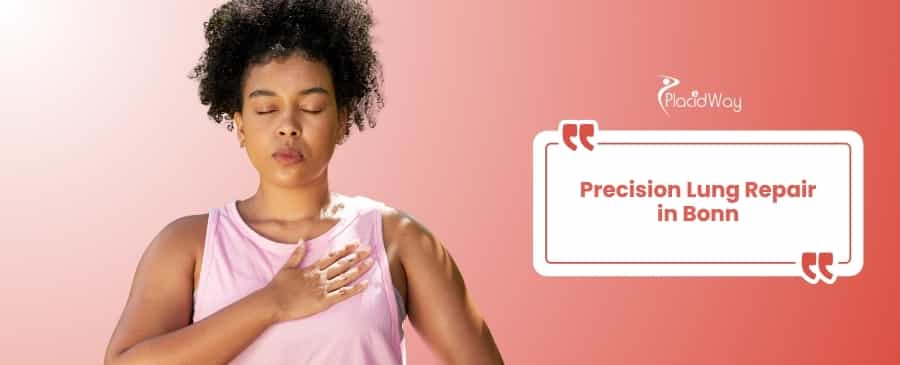
Chronic Obstructive Pulmonary Disease (COPD) presents profound daily challenges for millions of individuals worldwide, progressively diminishing lung function and overall quality of life. Traditional medical interventions have historically focused on symptom management, utilizing bronchodilators and corticosteroids to slow disease progression. However, the international medical community is increasingly exploring regenerative medicine, opening new pathways for patients seeking alternative approaches to respiratory care. Specifically, patients are looking toward stem cell treatment for COPD in Bonn as a potential method to address underlying cellular damage rather than merely masking symptoms.
Bonn has steadily emerged as a premier destination for advanced medical interventions, supported by a rich infrastructure of scientific research and stringent clinical standards. Directed stem cell therapies in this region typically involve the targeted application of regenerative cells designed to mitigate inflammation and promote tissue repair within the pulmonary system. While these protocols are highly specialized, the growing interest in COPD stem cell therapy in Germany highlights a paradigm shift in how chronic respiratory illnesses are being approached on a global scale. Patients navigating this journey require comprehensive education regarding what these therapies entail.
Directed stem cell therapies often utilize Mesenchymal Stem Cells (MSCs), which are known for their ability to seek out areas of inflammation and potentially assist in tissue repair within the body.
Why International Patients Choose COPD Stem Cell Therapy in Germany?
Germany’s healthcare system is globally renowned for its meticulous integration of technological innovation and rigorous patient safety protocols. For individuals considering international healthcare options, the appeal of accessing highly regulated, evidence-based medical environments is a primary motivating factor. International patients frequently seek affordable stem cell therapy in Germany because the country successfully balances premium medical expertise with cost structures that are often more accessible than those found in North America. Furthermore, the commitment to continual scientific advancement ensures that patients have access to refined medical methodologies.
The regulatory framework governing regenerative therapies in Europe provides an added layer of reassurance for those traveling abroad for care. The emphasis on ethical medical practices and transparent clinical data helps establish a foundation of trust between international patients and local healthcare providers. As medical travelers explore options for COPD clinics in Germany, they typically find multidisciplinary teams that prioritize comprehensive patient evaluations over rushed procedural approvals. This dedication to holistic, patient-centered care distinguishes the region as a leader in global health initiatives.
Germany ranks among the top European destinations for medical tourism, hosting tens of thousands of international patients annually who seek highly specialized procedures and regenerative treatments.
The Science Behind Precision Pulmonary Repair in Bonn
Directed stem cell therapies for respiratory conditions focus primarily on the intricate microenvironment of the lung tissue. The scientific premise relies on the unique properties of stem cells, particularly their potential to modulate the immune system and secrete growth factors that may encourage the regeneration of damaged alveolar structures. When pursuing pulmonary stem cell treatments in Bonn, patients learn that these protocols are generally designed to decrease chronic airway inflammation, which is the hallmark of COPD progression. This immunomodulatory effect is critical for stabilizing lung function over time.
Physicians typically utilize adult stem cells, frequently harvested from the patient’s own bone marrow or adipose tissue, to minimize the risk of immune rejection. Once isolated and purified, these cells are systematically delivered back into the patient, often intravenously or via localized respiratory methods. The goal of this precision pulmonary repair in Germany is not to provide an immediate cure, but rather to foster an internal environment conducive to healing and symptom alleviation. Extensive laboratory processing under strict sterile conditions is paramount to the safety and efficacy of these complex biological procedures.
Research into COPD stem cell therapies is continuously expanding, with ongoing clinical studies focusing on how cellular therapies can effectively reduce acute exacerbations in patients with severe lung disease.
Comprehensive Cost of COPD Stem Cell Therapy in Germany
Financial considerations are a fundamental aspect of the decision-making process for anyone exploring cross-border healthcare options. The stem cell therapy cost in Germany presents a compelling value proposition, offering world-class medical expertise at a price point that is often significantly lower than comparable treatments in the United States or the United Kingdom. Patients are encouraged to look beyond base prices, as comprehensive treatment packages typically include necessary diagnostic imaging, laboratory processing, specialist consultations, and post-procedural monitoring. Transparency in medical billing is a hallmark of the German medical system.
Understanding the exact financial parameters helps patients plan their medical journey with confidence and clarity. While variations exist depending on the specific protocol and individual medical requirements, evaluating an average COPD treatment cost comparison in Germany provides essential perspective. The market ranges below illustrate the realistic financial commitment required for these advanced pulmonary interventions, allowing prospective patients to budget effectively for their regenerative therapy needs.
| Treatment Phase / Procedure | Average Cost in Germany (USD) | Estimated Cost in US/UK (USD) |
|---|---|---|
| Comprehensive Pulmonary Diagnostics | $1,500 - $2,500 | $4,000 - $7,000 |
| Autologous Stem Cell Processing | $6,000 - $9,000 | $15,000 - $25,000 |
| Stem Cell Administration Phase | $3,000 - $5,000 | $8,000 - $12,000 |
| Post-Therapy Monitoring (1 Year) | $1,500 - $3,000 | $5,000 - $9,000 |
| Total Estimated Package Range | $12,000 - $19,500 | $32,000 - $53,000 |
Exploring the Medical Tourism Landscape in Bonn
Selecting the right environment for medical treatment is almost as important as the clinical protocol itself. Bonn offers a uniquely tranquil and culturally rich atmosphere that is highly conducive to rest and recovery during complex medical procedures. Individuals participating in medical tourism in Bonn benefit from a city that seamlessly blends historical charm with highly advanced modern infrastructure. This environment allows patients to undergo their treatments away from the chaotic pace of larger, more congested metropolitan centers, fostering a stress-free healing process.
Accessibility is another crucial factor that positions the city as an ideal destination for international healthcare travelers. Situated near major international airports and connected by highly efficient rail networks, patients find navigating the region straightforward and reliable. The local healthcare community is extensively experienced in managing the needs of international visitors seeking advanced medical procedures in Germany. Consequently, English is widely spoken across medical facilities, ensuring that communication remains clear and that patients feel fully supported throughout their stay.
When planning your medical journey, aim to arrive a few days before your scheduled clinical evaluations. This allows your body to adjust to the new time zone and reduces travel-induced stress prior to medical testing.
What to Expect During Stem Cell Treatment for COPD in Germany?
The clinical pathway for regenerative pulmonary therapy is meticulously structured to maximize patient safety and optimize potential therapeutic outcomes. Upon arrival, individuals undergo exhaustive preliminary testing, including advanced pulmonary function tests and high-resolution imaging, to precisely map the current state of their respiratory health. This diagnostic phase ensures that the stem cell protocol for COPD in Germany is precisely tailored to the specific anatomical and physiological needs of each patient. The initial evaluations are highly detailed, often taking several days to complete.
Following diagnostics, the actual procedural phase involves several distinct, carefully managed steps. Patients are typically briefed thoroughly on what they will experience, ensuring psychological comfort alongside physical care. The standard steps for receiving directed stem cell therapies in Bonn generally involve:
- Cellular Harvesting: The safe extraction of the patient's own tissue, usually through a minimally invasive mini-liposuction or bone marrow aspiration performed under local anesthesia.
- Laboratory Processing: The extracted samples are transported to specialized laboratories where the vital mesenchymal stem cells are isolated, purified, and prepared for re-administration.
- Administration: The processed cells are reintroduced into the patient's body, most commonly via intravenous infusion, allowing them to circulate and home in on pulmonary inflammation.
- Immediate Observation: A brief monitoring period within the medical facility to ensure the patient remains stable and comfortable following the administration phase.
Patient Eligibility for Pulmonary Stem Cell Therapies in Bonn
It is imperative to understand that regenerative medicine is not a universally applicable solution for all individuals suffering from chronic respiratory conditions. Determining candidacy is a rigorous process designed to protect patient health and prevent the administration of therapies where they may be ineffective or unsafe. Specialists reviewing patients for COPD treatments in Germany focus heavily on the stage of the disease, the patient's overall cardiovascular health, and their capacity to withstand mild procedural interventions. A thorough medical history review is the absolute foundation of this process.
Ideal candidates generally possess moderate COPD and maintain a level of physical stability that allows for travel and clinical procedures. Conversely, those with end-stage lung failure or severe comorbidities may be advised against pursuing these specific protocols. Assessing eligibility for advanced pulmonary therapies in Bonn requires collaboration between the patient's home pulmonologist and the international medical team to ensure all clinical data is accurately interpreted before any travel occurs.
Patients with a recent history of active malignancies, systemic infections, or severe blood clotting disorders are strictly contraindicated for stem cell therapies. Always provide your complete medical history to your evaluating physician.
Advantages of Advanced COPD Treatments in Germany
The integration of regenerative techniques into standard pulmonary care protocols represents a significant advancement in how chronic respiratory diseases are managed. One of the primary advantages reported by patients is the comprehensive, multi-disciplinary approach adopted by European specialists. Individuals seeking an effective COPD treatment abroad appreciate that the therapy does not exist in a vacuum; it is typically paired with personalized respiratory rehabilitation and nutritional counseling. This holistic methodology aims to address the disease from multiple angles simultaneously.
Furthermore, the focus on utilizing autologous (self-derived) biological materials significantly reduces the likelihood of adverse immune responses, providing a safer therapeutic profile. While outcomes cannot be guaranteed, the potential for targeted reduction in lung inflammation offers hope for slowing disease progression. Patients returning from medical travel to Germany frequently highlight the rigorous medical oversight and the high caliber of post-treatment educational support they receive.
Testimonial Summary: Improved Daily Energy
A patient from the United Kingdom reported that following her directed therapy in Bonn, she experienced a noticeable reduction in morning breathlessness, allowing her to resume light gardening activities that she had previously abandoned.
Testimonial Summary: Reduced Frequency of Exacerbations
An international patient noted a significant decrease in winter respiratory infections and acute COPD flare-ups over the twelve months following their comprehensive stem cell protocol in Germany.
Risks and Contraindications of Stem Cell Therapies in Bonn
Transparency regarding the potential risks of any medical intervention is a fundamental principle of ethical healthcare delivery. While utilizing a patient’s own cells mitigates the risk of systemic rejection, the procedures required to harvest and administer these cells carry inherent medical risks. Patients researching safe stem cell therapy in Germany are thoroughly educated on these possibilities during their initial consultations. It is essential to approach these therapies with a clear, realistic understanding of their experimental nature in the context of COPD.
Understanding strict contraindications is just as crucial as understanding the potential benefits. Medical professionals in Germany strictly adhere to guidelines that exclude specific patient demographics to maintain safety standards. Common risks and contraindications associated with regenerative treatments in Bonn generally include:
- Procedural Risks: Mild pain, bruising, or the minimal risk of infection at the site of bone marrow or adipose tissue extraction.
- Infusion Reactions: Though rare, patients may experience transient fever, fatigue, or mild allergic responses following the intravenous administration of processed cells.
- Strict Contraindications: Patients with active pulmonary infections, untreated pulmonary hypertension, or those currently undergoing immunosuppressive therapy are universally excluded.
- No Guaranteed Outcomes: A fundamental risk is the possibility that the patient may not experience significant or measurable clinical improvement following the intervention.
Germany's regulatory body, the Paul-Ehrlich-Institut, is responsible for the rigorous oversight of biological medicines, ensuring that advanced therapy medicinal products (ATMPs) meet the highest safety standards in Europe.
Preparing for Your Medical Journey to Bonn Germany
A successful international medical experience relies heavily on strategic and thorough preparation prior to departure. Patients must meticulously compile their comprehensive medical histories, including recent chest X-rays, CT scans, and lung function test results, to facilitate an accurate pre-evaluation by the German medical team. Organizing these documents for your medical journey to Germany ensures that local specialists can formulate a precise treatment plan before you even board your flight. Delays in gathering this information can needlessly prolong the medical evaluation process.
Beyond clinical preparation, understanding the logistical requirements of international travel is vital. Depending on your country of origin, securing a medical visa may be a mandatory step, requiring specific documentation and invitation letters from your chosen healthcare provider. Patients preparing for COPD treatments abroad must also coordinate closely with their primary care physicians at home to ensure continuity of care. Proper planning minimizes stress, allowing the patient to focus entirely on their upcoming therapeutic process.
Always travel with physical, translated copies of your most critical medical records and a comprehensive list of your current medications, as digital files can sometimes be difficult to access across different international healthcare networks.
Recovery and Follow-Up Care After COPD Therapy in Germany
The conclusion of the physical treatment in Europe is merely the beginning of the comprehensive recovery and monitoring phase. Post-treatment protocols are highly emphasized by German medical professionals, as the integration of regenerative cells is a gradual biological process rather than an immediate fix. Patients who undergo stem cell treatments in Bonn are typically provided with detailed recovery guidelines, encompassing respiratory exercises, dietary recommendations, and specific lifestyle modifications designed to support cellular healing. Adherence to these guidelines is vital for optimizing potential outcomes.
Long-term follow-up care is strategically coordinated between the international medical team and the patient’s local healthcare providers. Continuous monitoring of lung capacity and overall respiratory health ensures that any necessary adjustments to the patient's broader COPD management plan are made promptly. This collaborative approach to post-therapy care in Germany guarantees that patients are never left isolated once they return to their home countries, fostering a sustained continuum of specialized medical support.
Testimonial Summary: Seamless Continuity of Care
A patient shared that the post-treatment virtual consultations with their German medical team were instrumental in easing their transition back home, providing consistent reassurance and clinical guidance.
Testimonial Summary: Enhanced Physical Endurance
After adhering strictly to the post-therapy pulmonary rehabilitation guidelines provided in Bonn, a patient reported a steady, measurable increase in their walking distance tolerance over a six-month period.
Evaluating Success Rates of Pulmonary Stem Cell Repair in Bonn
Defining "success" in the context of advanced regenerative therapy for chronic respiratory conditions requires managing patient expectations accurately. Because COPD is a progressive, currently incurable disease, success is typically measured by the stabilization of lung function and enhancements in daily quality of life, rather than the complete reversal of lung damage. Individuals evaluating the success rates of COPD stem cell therapy in Germany should understand that clinical outcomes vary wildly depending on patient age, disease severity, and individual biological responses. There is no one-size-fits-all metric for recovery.
Many patients report subjective improvements, such as decreased reliance on supplemental oxygen, increased stamina, and a reduction in the severity of chronic coughs. However, medical professionals remain cautious, utilizing objective data like Spirometry results to gauge actual physiological changes over extended periods. The dedication to evidence-based tracking distinguishes medical experts in Bonn, as they contribute valuable data to the broader global understanding of how these innovative therapies perform in real-world clinical scenarios.
Clinical observations indicate that a significant subset of patients undergoing targeted stem cell therapies report stabilization in their Forced Expiratory Volume (FEV1) scores during the first 12 months post-treatment.
How PlacidWay Assists Your COPD Stem Cell Therapy Journey in Germany?
Navigating the complexities of cross-border medical travel requires meticulous planning and expert guidance. Attempting to coordinate international healthcare independently can be overwhelming, particularly when managing a chronic condition like COPD. PlacidWay acts as a vital bridge, connecting international patients with highly vetted, globally accredited healthcare professionals. For those considering pulmonary treatments in Germany, securing knowledgeable support is essential.
Our dedicated platform is designed to streamline your medical discovery process, ensuring you have the resources needed to make empowered healthcare decisions. We focus entirely on facilitating your access to quality medical care and transparent information. Here is how PlacidWay supports your medical journey:
- Providing comprehensive directories of globally accredited medical centers and specialized healthcare professionals.
- Facilitating the secure transfer of your medical records for preliminary specialist evaluations.
- Assisting with the acquisition of transparent, detailed medical quotes for your chosen procedures.
- Offering dedicated patient coordination services to streamline communication with international medical teams.
- Supplying educational resources to help you thoroughly understand patient eligibility and procedural protocols.
PlacidWay connects patients with healthcare providers in over 50 countries, facilitating transparent access to advanced, specialized treatments that may not be readily available in the patient's home region.
Frequently Asked Questions
Making an informed decision about international healthcare requires access to clear, concise, and accurate information. Patients exploring complex treatments naturally have a multitude of specific inquiries regarding safety, logistics, and medical protocols. Addressing these questions openly helps alleviate anxiety and builds a foundation of trust before any medical travel begins.
Below is a curated compilation of the most common inquiries from our global patient community regarding regenerative respiratory care. These answers provide essential insights into what you can expect when considering medical tourism in Bonn Germany.
Stem cell therapies for COPD are generally considered to have a favorable safety profile when performed in regulated environments. However, patients typically undergo rigorous screening, as risks like infection or immune reactions exist.
The stem cell therapy cost in Germany for COPD generally ranges between $12,000 and $22,000, depending on the specific protocols and diagnostic tests required. This is often more affordable compared to equivalent advanced treatments in the US.
Depending on your country of origin, you may need a specialized medical visa to enter Germany for treatment. Patients generally need to present a letter of acceptance from their chosen healthcare provider during the application process.
Physicians typically utilize adult Mesenchymal Stem Cells (MSCs) derived from the patient’s own body (autologous) or a screened donor. These are favored due to their immunomodulatory properties and lower risk of rejection.
The entire process, including preliminary diagnostics, cell harvesting, processing, and administration, usually requires patients to stay in the city for one to two weeks. Some protocols may necessitate a slightly longer observation period.
Results vary significantly among individuals, and while some experience long-term relief from symptoms, the therapy does not cure COPD. Most patients require ongoing disease management and lifestyle adjustments alongside the therapy.
No, detailed medical evaluations determine patient suitability, and there are strict contraindications. Individuals with active infections, recent cancer histories, or end-stage organ failure are generally excluded from these treatments.
Medical professionals in top German healthcare centers are highly proficient in English. Furthermore, international patient departments typically provide translation services to ensure clear and accurate communication.
After returning home, patients generally participate in scheduled virtual consultations with their German medical team. They must also work closely with their local pulmonologist for routine lung function monitoring.
Bonn is globally recognized for its stringent medical regulations, integration of cutting-edge research, and multidisciplinary healthcare approach. This combination fosters a highly trusted environment for complex medical travel.
Medical Disclaimer: This article is for informational purposes only and is not medical advice. Always consult a qualified healthcare provider before any medical decisions. Results may vary. Read Full Disclaimer here.
References
- National Institutes of Health (NIH). Stem Cell Basics. https://stemcells.nih.gov/info/basics/stc-basics
- American Lung Association. Chronic Obstructive Pulmonary Disease (COPD). https://www.lung.org/lung-health-diseases/lung-disease-lookup/copd
- Mayo Clinic. COPD - Diagnosis and Treatment. https://www.mayoclinic.org/diseases-conditions/copd/diagnosis-treatment/drc-20353685
- World Health Organization (WHO). Chronic respiratory diseases. https://www.who.int/health-topics/chronic-respiratory-diseases
- Cleveland Clinic. Mesenchymal Stem Cells. https://my.clevelandclinic.org/departments/neurological/depts/multiple-sclerosis/ms-approaches/stem-cell-therapy
.jpg)
















Share this listing