
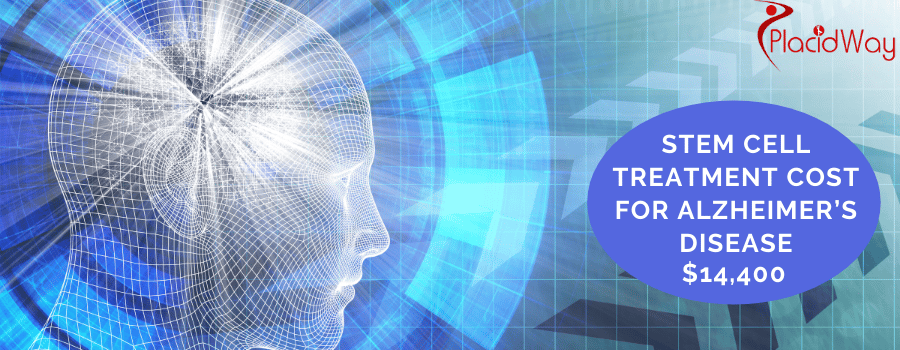
Stem Cell Treatment for Alzheimer’s Disease in Germany
Choosing Stem Cell Treatment for Alzheimer’s Disease Germany provides patients with access to some of the world's most advanced regenerative medicine protocols aimed at slowing neurodegenerative progression. Germany is globally recognized for its rigorous medical standards, employing cutting-edge biotechnology to offer hope to families dealing with memory loss and cognitive decline. By opting for therapy in this region, patients benefit from strict regulatory oversight that ensures the highest quality of cellular products and safety standards.
International patients seeking regenerative medicine for dementia in Germany will find a healthcare system that integrates holistic patient care with scientific innovation. The medical facilities here are equipped with state-of-the-art laboratories that specialize in the isolation and expansion of Mesenchymal Stem Cells (MSCs) and other therapeutic agents. Beyond the medical excellence, the supportive environment and patient-centric approach found in German clinics help alleviate the stress associated with traveling for complex medical procedures, making it a preferred destination for neurological care.
Key Takeaways
- Germany offers strict GMP (Good Manufacturing Practice) standards for stem cell cultivation, ensuring high purity and safety.
- Treatment protocols are often customized, combining stem cell therapy with other supportive neurological treatments.
- The cost of Stem Cell Treatment for Alzheimer’s Disease in Germany is often more competitive than in the US, with transparent pricing structures.
- German clinics frequently utilize advanced delivery methods to maximize the potential of cells crossing the blood-brain barrier.
- Patients receive comprehensive pre-treatment evaluations and detailed post-treatment follow-up plans to monitor cognitive changes.
Cost Overview and Comparison for Stem Cell Treatment for Alzheimer’s Disease in Germany
The financial investment for Stem Cell Treatment for Alzheimer’s Disease in Germany is reflective of the high-quality medical care, advanced laboratory processing, and specialist expertise provided. While premium compared to some developing nations, the cost is significantly lower than similar experimental protocols found in North America. Patients can expect a transparent billing process where the focus remains on value-driven healthcare outcomes and safety.
| Country | Average Price (USD) | Estimated Savings |
|---|---|---|
| Germany | $18,000 - $28,000 | N/A |
| United States | $35,000 - $60,000 | 40% - 55% |
| Switzerland | $30,000 - $45,000 | 20% - 40% |
| United Kingdom | $25,000 - $35,000 | 15% - 25% |
Note: Prices listed above are estimates and may vary based on the patient's specific medical condition, the number of stem cell vials required, the method of administration, and the specific clinic chosen.
What’s Included in the Stem Cell Treatment for Alzheimer’s Disease Package
- Comprehensive neurological evaluation and medical history review by a specialist.
- All necessary pre-procedure laboratory tests and blood work.
- The Stem Cell procedure itself, including cell harvesting, processing, and administration.
- Administration of anesthesia or sedation if required during the procedure.
- Hospital fees, nursing care, and use of recovery rooms for the duration of the treatment.
- Post-procedure medication and nutritional supplements prescribed by the doctor.
- Initial follow-up consultation before departure to monitor immediate reactions.
- Translation services at the clinic for non-German speaking patients.
What’s Not Included in the Stem Cell Treatment for Alzheimer’s Disease Package
- Round-trip airfare to and from Germany.
- Accommodation costs (hotels or apartments) outside of the hospital stay.
- Daily meals and beverages outside of the clinic.
- Local transportation and airport transfers (unless specified in a premium tier).
- Visa application fees and travel insurance.
- Sightseeing tours or leisure activities in Germany.
- Complications requiring emergency care outside the scope of the standard package.
Understanding Stem Cell Treatment for Alzheimer’s Disease in Germany
- Purpose of Treatment: The primary goal is to utilize the regenerative properties of stem cells to repair damaged neural tissue, reduce neuroinflammation, and potentially slow the progression of cognitive decline associated with Alzheimer's disease.
- Types of Cells Used: Clinics in Germany typically utilize Mesenchymal Stem Cells (MSCs) derived from umbilical cord tissue or the patient’s own adipose (fat) tissue or bone marrow, due to their high safety profile and potent anti-inflammatory effects.
- Mechanism of Action: Once introduced, these cells work by modulating the immune system, secreting neurotrophic factors (proteins that support neuron growth), and stimulating the body's own repair mechanisms in the brain.
- Administration Routes: Depending on the patient's condition, cells may be administered Intravenously (IV) or, in more specific cases, via Intrathecal injection (into the spinal canal) to bypass the blood-brain barrier more effectively.
- Expected Benefits: While results vary, potential benefits include improved memory retention, better mood regulation, increased mental alertness, and a reduction in the rate of cognitive deterioration.
- Success Rates and Safety: German clinics adhere to strict safety protocols. While stem cell therapy is not a guaranteed cure, many patients report a stabilization of symptoms and improved quality of life, with minimal severe adverse effects recorded.
Who Is the Ideal Candidate for Stem Cell Treatment for Alzheimer’s Disease?
- Early to Moderate Stage: Patients who are in the early to moderate stages of Alzheimer’s disease tend to respond better to regenerative therapies compared to those in advanced stages with extensive neuronal loss.
- Medically Stable: Candidates must be free from active infections, uncontrolled cancer, or severe organ failure that could complicate the procedure or recovery.
- Adequate Support System: Patients traveling to Germany should be accompanied by a caregiver or family member who can assist with travel logistics and post-treatment monitoring.
- Realistic Expectations: The ideal candidate understands that this is a therapeutic intervention aimed at management and quality of life improvement, rather than a definitive cure.
- Ability to Travel: Patients must be physically fit enough to endure an international flight to Germany and the associated travel activities.
Day-by-Day Itinerary for Your Stem Cell Treatment for Alzheimer’s Disease in Germany
- Day 1: Arrival and Consultation: Arrive in Germany. Transfer to your accommodation. Meet the medical team for an initial in-person consultation, physical examination, and review of medical history.
- Day 2: Pre-Treatment Testing: Undergo comprehensive blood tests, MRI or CT scans if necessary, and general health screenings to ensure readiness for the procedure.
- Day 3: The Procedure: Admission to the clinic. Administration of stem cells via the chosen method (IV or other). The process usually takes a few hours. Observation by medical staff for immediate reactions.
- Day 4: Rest and Monitoring: A day dedicated to rest, either at the clinic or your hotel. The medical team may perform a check-up to monitor vital signs and general well-being.
- Day 5: Final Review and Discharge: Final consultation with the specialist to discuss post-treatment care, dietary recommendations, and medication. Discharge and clearance to travel back home.
What to Expect from Your Stem Cell Treatment for Alzheimer’s Disease in Germany
Patients undergoing Stem Cell Treatment for Alzheimer’s Disease in Germany should prepare for a professional and highly clinical experience. The procedure itself is minimally invasive, and pain is generally managed effectively with standard protocols. The immediate aftermath usually involves mild fatigue, which is a normal response as the body processes the cellular therapy.
It is crucial to understand that improvements are rarely instantaneous. The regenerative process takes time. Families may notice subtle changes in the weeks following the treatment, such as increased engagement in conversation, better sleep patterns, or a stabilization of mood. The full effect of the therapy often manifests over a period of 3 to 6 months. Regular communication with the German medical team after returning home is a standard part of the process to track these long-term outcomes.
Post-Stem Cell Treatment for Alzheimer’s Disease Recovery in Germany
- Immediate Rest: Patients are advised to rest for at least 24 to 48 hours post-procedure to allow the body to recover from the stress of the treatment and travel.
- Hydration and Nutrition: Maintaining hydration and following an anti-inflammatory diet rich in antioxidants is highly recommended to support the survival and function of the stem cells.
- Avoid Strenuous Activity: Heavy physical exercise should be avoided for the first week, although light walking is often encouraged to promote circulation.
- Cognitive Stimulation: Doctors often suggest engaging in light cognitive exercises or social interaction to help stimulate neural pathways during the regeneration phase.
- Symptom Monitoring: Caregivers should monitor for any signs of fever or injection site infection, although these are rare in German clinics due to high sterility standards.
Why Choose Germany for Stem Cell Treatment for Alzheimer’s Disease?
- World-Class Regulatory Standards: Germany enforces some of the strictest medical regulations in the world, ensuring that stem cell therapies are safe, ethical, and of the highest purity.
- Pioneering Research: German universities and private clinics are at the forefront of neurodegenerative research, offering access to the latest protocols that may not yet be available elsewhere.
- Advanced Technology: Clinics are equipped with cutting-edge biotechnology for cell isolation and expansion, ensuring maximum viability of the stem cells used in treatment.
- Holistic Care Approach: The German medical system emphasizes treating the whole patient, often integrating physical therapy and nutritional counseling with the biological treatment.
- Strategic Location: Located in the heart of Europe, Germany is easily accessible and offers a safe, clean, and comfortable environment for medical tourists and their families.
Explore Germany While You Recover: Top Attractions for Stem Cell Patients
- The Black Forest (Schwarzwald): A perfect destination for relaxation, offering fresh air, gentle walking trails, and serene nature that is calming for patients with cognitive sensitivities.
- Rhine River Cruises: A stress-free way to see the countryside. Patients can sit comfortably and watch castles and vineyards pass by without the need for physical exertion.
- Botanical Gardens in Munich or Berlin: These gardens offer a peaceful environment for slow strolls, providing sensory stimulation through colorful flowers and fragrances which can be beneficial.
- Lake Constance (Bodensee): Located near the Alps, this area offers tranquil views and a very relaxed pace of life, ideal for the days following medical treatment.
- Historic Heidelberg: A small, manageable city with a beautiful old town and castle ruins that can be enjoyed at a leisurely pace without the chaos of a major metropolis.
FAQs About Stem Cell Treatment for Alzheimer’s Disease in Germany
1. Is Stem Cell Treatment for Alzheimer’s Disease in Germany a cure?
No, it is currently considered a therapeutic management tool. The goal is to slow progression and improve quality of life, not to reverse the disease completely.
2. How long do the effects of the treatment last?
The duration varies by patient. Some experience benefits for 6 to 12 months, after which follow-up treatments or "booster" sessions might be recommended by the German specialists.
3. Are the stem cells used in Germany safe?
Yes, German clinics operate under strict GMP guidelines. The cells are rigorously tested for purity, viability, and sterility to minimize any risk of rejection or infection.
4. Does insurance cover this procedure in Germany?
Generally, international health insurance and government schemes do not cover experimental stem cell therapies. Patients should expect to pay out-of-pocket.
5. Can advanced Alzheimer's patients benefit?
Patients in late stages may see limited benefits compared to early-stage patients. A consultation is necessary to determine if the potential benefits outweigh the costs and efforts.
6. What languages are spoken in German clinics?
Most medical professionals in private clinics catering to international patients speak fluent English. Translation services are also typically available.
7. Is the procedure painful?
The procedure is minimally invasive. IV infusions are painless, while intrathecal injections are performed under local anesthesia to ensure patient comfort.
8. How soon can I fly home after the treatment?
Doctors usually recommend waiting 2 to 3 days after the procedure before taking a long-haul flight to ensure no immediate adverse reactions occur.
Take the Next Step with PlacidWay
- Vetted Medical Providers: PlacidWay connects you exclusively with certified and accredited clinics in Germany that specialize in neuro-regenerative medicine.
- Personalized Coordination: Our team assists in gathering your medical records and facilitating preliminary consultations with German doctors to ensure you are a good candidate.
- Transparent Pricing: We help you navigate the costs, providing clear quotes so you understand exactly what the medical package covers without hidden fees.
- Patient Advocacy: From the moment you inquire until you return home, PlacidWay acts as your advocate, ensuring your questions are answered and your medical needs are met.
- Global Experience: With years of experience in medical tourism, we understand the specific needs of international patients seeking complex treatments abroad.





-(7).png)



.png)
.png)
-(5).png)


-(8).png)
.png)
.png)
.png)









Share this listing