
Medical Tourism in Medellin: A Complete Patient Guide
A teacher from Toronto sits at her kitchen table surrounded by dental quotes, calculating how many sick days she needs for cosmetic dentistry in Colombia. She is balancing the lower upfront cost of veneers against the logistics of a long flight. Her primary concern is whether the materials used abroad match the standards her local dentist expects.
A project manager in Chicago reviews recovery timelines for bariatric surgery, trying to figure out how soon he can fly back. He has found a clinic in Medellin that includes a hotel stay, but he worries about sitting on an airplane for hours just days after an operation. He needs to know exactly how complications are handled once he crosses the border back home.
A mother in Manchester is researching stem cell therapy for joint pain, scrolling through heavily filtered clinic photos online. She feels overwhelmed by the medical terminology and is struggling to separate genuine scientific protocols from glossy marketing brochures. Her focus is finding independent verification of the doctor's credentials before booking a consultation.
All three people are dealing with the same broad topic, but their actual journeys, decisions, and experiences differ significantly.
How do I evaluate if traveling to a specific clinic in Medellin is a safe, medically sound, and practical choice for my specific health constraints?
Evaluating Your True Motivation for Traveling to Colombia
Before looking at provider directories or booking flights, you have to define what is actually driving your search. People do not board international flights for medical care purely because they want a vacation. They travel because they are trying to solve a specific problem that feels unmanageable at home.
Maybe you are facing a waiting list for a procedure that stretches into next year, and your daily discomfort makes waiting impossible. You need timely intervention, and cross-border care offers a faster schedule. Speed of access is your primary driver.
Perhaps you have been quoted a price for extensive dental implants that equals a down payment on a house. The local cost is simply out of reach, pushing you to look at currency differences and lower overhead costs in South America. Your focus is strictly on financial feasibility.
Maybe you are seeking a highly specialized plastic surgery technique that doctors in your immediate area rarely perform. You have heard that specific surgeons in Medellin perform this exact procedure daily. You are traveling for concentrated expertise rather than cost savings.
Perhaps you want the privacy of recovering far away from your colleagues, neighbors, and extended family. A dedicated recovery house in a foreign city offers a level of anonymity you cannot find at home. Your priority is discretion and focused healing away from daily obligations.
Which sounds most like you?
"I need to stretch my healthcare budget without compromising the basic safety of the procedure."
This reader is prioritizing cost vs long-term value. They must carefully verify that lower prices are due to regional economic differences, not a lack of essential medical equipment or standard safety protocols.
"I am tired of waiting months just to get a preliminary consultation."
This reader is prioritizing speed vs verification. The challenge here is ensuring that moving quickly does not mean skipping crucial pre-operative screening or independent background checks on the provider.
"I want a complete package where someone else handles the local transportation and recovery nursing."
This reader is prioritizing convenience vs capability. They need to confirm that the agency organizing the logistics is partnering with fully accredited medical facilities, rather than just nice hotels.
"I need to know my local doctor back home can easily pick up my ongoing care."
This reader is prioritizing continuity over one-time access. Their research must focus on clinics in Medellin that provide comprehensive medical records in English and follow internationally recognized protocols.
This is why choosing medical tourism in Medellin should begin with your situation, not a generic ranking, slogan, or price comparison.
One Destination. Several Different Real-World Paths.
Medical tourism in Medellin involves genuinely different pathways, options, environments, and experience models. A single city houses everything from internationally recognized hospitals to small, independent boutique clinics. The level of care, language support, and regulatory oversight varies widely depending on exactly which doors you walk through.
Current local health regulations require facilities to be registered with the *Registro Especial de Prestadores de Servicios de Salud (REPS)*. However, basic registration is not the same as high-level clinical accreditation. Capability, quality, timing, and support can differ substantially between providers, even if they operate in the same upscale neighborhood.
In practice, this means your experience relies heavily on the specific infrastructure your chosen provider has built. Some clinics possess dedicated intensive care units and specialized emergency transfer protocols. Others rely entirely on calling local ambulances if a complication arises during an outpatient procedure.
Here is what those differences can feel like in real life.
Plastic Surgery: When Extensive Recovery Requires Dedicated Local Support
A patient arrives at a dedicated recovery facility in the El Poblado district three days after an extensive body contouring procedure. She is dealing with surgical drains, specialized compression garments, and restricted mobility. She chose a package that includes a private nurse, specialized meals, and daily vital sign monitoring.
This option attracts readers who understand that the surgery is only the first phase of the journey. It solves the problem of post-operative vulnerability in a foreign country. By relying on structured recovery environments, patients avoid the physical strain of managing a standard hotel room alone.
However, the less obvious reality is that recovery houses in Colombia are completely separate entities from the surgical clinics. They often have different owners, different standards, and varying levels of emergency medical training. If a sudden complication occurs in the middle of the night, the recovery house staff must know exactly how to escalate the situation to the operating surgeon.
Before you decide, ask:
- Is the recovery facility officially registered with local health authorities, or is it just a modified residential home?
- How far is the recovery location from the actual hospital in heavy Medellin traffic?
- Who holds liability if a complication occurs during the transfer between the clinic and the lodging?
- Are the overnight caregivers licensed nurses or simply hospitality staff?
- What specific emergency escalation procedures are in place after standard clinic hours?
- How long must I remain at this altitude before I am medically cleared to fly?
Attractive lodging can make the experience easier. It cannot replace critical medical oversight.
Cosmetic Dentistry: When Phased Treatment Means Multiple International Flights
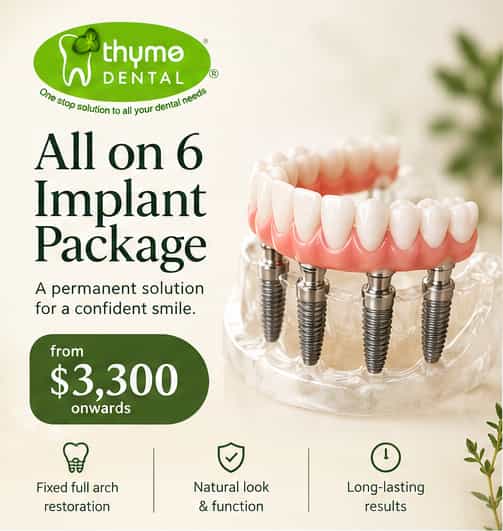
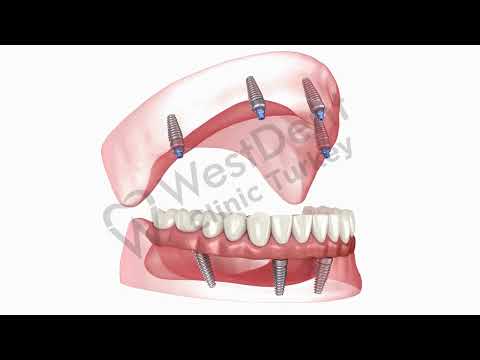
A patient sits in a modern dental suite in Laureles, looking at a treatment plan for full-mouth dental implants. The dentist explains that the titanium posts must be placed today, but the final permanent crowns cannot be attached for another four months. The patient must fly home, heal, and return to Colombia later in the year.
This option attracts people needing complex oral rehabilitation that is financially devastating in their home country. It solves the immediate budget crisis while providing access to high-end dental technology and specialists. Patients often choose this route because the combined cost of two trips still falls below local dental quotes.
The trade-off is the significant operational challenge of biological healing time. Bone integration cannot be rushed by a tight travel schedule. If an infection occurs while the patient is back in the United Kingdom or Canada, they must find a local dentist willing to work on foreign implants.
Before you decide, ask:
- Does the clinic use internationally recognized implant brands that my local dentist can easily adjust?
- What happens to my treatment timeline if the bone graft does not heal as quickly as expected?
- Who covers the cost of a replacement flight if a procedure requires an extra week of observation?
- How will the clinic manage my pain control and prescriptions once I cross an international border?
- Will I receive my complete dental records and implant serial numbers in English?
Same procedure category. Completely different long-term dependencies.
Bariatric Surgery: When the Procedure Dictates a Strict Timeline for Flying Home
A patient is recovering from a gastric sleeve procedure in a private Medellin hospital room. They feel groggy but relieved, knowing the surgery went smoothly. However, they are now facing a strictly mandated period of local recovery before their surgeon will authorize a long-haul flight back to the United States.
This option appeals to those needing metabolic intervention to prevent severe long-term health decline. It creates the expectation of a fresh start through an affordable, minimally invasive surgical intervention. Patients choose this to bypass restrictive insurance hurdles or multi-year approval processes back home.
The hidden cost here is the absolute necessity of post-operative monitoring for blood clots, leaks, or dehydration. Altitude changes and cabin pressure during a flight carry specific risks for fresh abdominal surgical sites. Furthermore, bariatric surgery requires decades of nutritional follow-up that the Colombian clinic cannot realistically provide from thousands of miles away.
Before you decide, ask:
- What are the specific clinical requirements for flight clearance after abdominal surgery?
- How does the clinic handle nutritional counseling and psychological support post-surgery?
- Have I secured a local doctor at home willing to run routine blood work and monitor my vitamin absorption?
- What is the emergency escalation path if I experience severe abdominal pain immediately after flying home?
- Does the clinic assist in coordinating with my local primary care physician?
The surgical event is short. The lifestyle shift and medical follow-up are permanent.
The Person Beside You Has a Critical Role Too
There is often another person missing from guides like this. A spouse, a sibling, or a close friend usually travels alongside the patient, carrying an immense amount of invisible pressure. Their role dictates the safety and emotional stability of the entire trip.
Companions handle the immediate, practical realities of medical travel. They are the ones navigating a foreign pharmacy at dusk, using a translation app to confirm medication dosages. They track drainage outputs, monitor slight changes in the patient's breathing, and coordinate with hotel staff for extra pillows or ice packs.
A responsible provider will ensure the companion is fully integrated into the medical briefing. Companions need direct access to the surgical team's emergency contact numbers, not just a general clinic email. They must understand exactly what a normal recovery looks like, and what specific warning signs warrant an immediate return to the hospital.
Their own wellbeing and ability to cope with stress directly impacts the patient. If the companion is exhausted, overwhelmed by a language barrier, or terrified by an unexpected delay, the recovery environment deteriorates rapidly. Better decisions consider everyone affected, not only the person undergoing the procedure.
Moving Past "Is Medellin Safe for Treatment?"
It is completely natural to ask broad questions about the safety of an entire city or country. However, asking if a destination is safe is a deeply flawed way to evaluate medical care. Safety is not a geographical blanket; it is a highly specific condition created by individual doctors, clinical protocols, and facility infrastructure.
A simple "yes" or "no" answer can be dangerously misleading. Medellin has exceptional, world-class hospitals with stringent infection control, and it also has unverified providers operating outside of strict regulations. Your safety depends entirely on which specific address you walk into.
Instead of asking broad destination questions, shift your focus to precise provider evaluations. Ask how a specific clinic filters their air in the operating room. Ask for the direct license numbers of the attending anesthesiologist.
A patient undergoing non-invasive cosmetic dentistry needs to verify sterilization protocols for tools. A patient undergoing general anesthesia for bariatric surgery needs to verify intensive care capabilities. Different people need entirely different safety answers.
Identifying Responsible Entities Behind the Marketing
Attractive claims on social media are designed to evoke emotion, not communicate clinical accountability. Beautiful before-and-after photos and glowing testimonials offer comfort, but they do not provide proof of medical capability. Trust must come from identifiable responsibility and verifiable evidence.
"We are the number one premium destination for stem cell therapy and aesthetic transformations in Colombia."
Instead of accepting that claim, a better verification question is: Who exactly holds the medical license, and where is this facility registered with the *Secretaría Seccional de Salud y Protección Social de Antioquia*? Every legitimate clinic in Medellin must have a verified REPS registration number.
Go beyond logos and website badges. Verify the individual doctor's credentials through the Colombian medical association relevant to their specialty. Understand that an agency booking your travel is not the entity legally responsible for your surgical outcome.
Before You Commit, Try the 4-Day Recovery Test
It is easy to get caught up in the excitement of booking a trip and imagining the final results. To ground your decision in reality, you must imagine the most vulnerable part of the process. Walk yourself through the 4-Day Recovery Test.
- The Midnight Scenario: It is 2:00 AM on day four, and you develop a high fever. Exactly what phone number do you call, and does the person answering speak your native language fluently?
- The Mobility Hurdle: You are physically exhausted and cannot easily walk. How exactly are you getting from your bed to the bathroom, and who is helping you manage your surgical garments or bandages?
- The Flight Delay Reality: The doctor says you are not cleared to fly for another week. Do you have the flexible budget, visa clearance, and work permission to simply extend your stay without panic?
- The Home Handoff: You are back in your own house on day fourteen. Which local doctor is reading your discharge papers, and do they understand the exact surgical techniques used abroad?
That is the Medellin medical travel test.
Show the Topic Through Different Reader Eyes
No two patients evaluate a clinic in exactly the same way. What is acceptable for one person might be entirely unsafe for another.
"I am managing a tight budget and taking time off without pay."
The Direction: Focus on comprehensive package pricing that bundles lodging, airport transfers, and clinical fees to prevent surprise expenses.
The Investigation: Verify exactly which medications and post-op garments are excluded from the initial quote.
The Warning: Do not choose a provider solely because they offer the lowest upfront price, as cheap aftercare can lead to expensive complications.
"I am an experienced traveler but a first-time medical patient."
The Direction: Look for clinics that excel in patient education and offer robust, multi-stage pre-operative video consultations.
The Investigation: Determine how the clinic translates complex medical consent forms into plain, native English.
The Warning: Do not assume your general travel savvy will help you navigate a foreign healthcare system during a medical crisis.
"I am seeking a highly complex, multi-stage procedure."
The Direction: Prioritize large, multidisciplinary hospital environments over small boutique clinics.
The Investigation: Ask about the availability of on-site blood banks and intensive care units.
The Warning: Do not let a luxurious clinic waiting room distract you from checking their emergency medical infrastructure.
"I am traveling alone without a caregiver."
The Direction: Restrict your search strictly to facilities that mandate in-patient recovery or provide dedicated, 24/7 nursing staff in a partnered recovery house.
The Investigation: Confirm exactly how your daily meals, hygiene, and medication schedules will be managed when you cannot get out of bed.
The Warning: Do not underestimate the physical helplessness you may feel in the first 48 hours after major surgery.
Same medical destination. Four completely different research journeys.
Looking Beyond the Initial Surgical Estimate
Eventually, almost everybody asks.
It is entirely reasonable to want to know the cost of the procedure before committing time to research. However, focusing solely on the surgical fee completely misrepresents the financial reality of cross-border healthcare.
What will the whole journey cost?
You must build a complete budget that accounts for dependencies, travel logistics, and potential delays. The true cost of your journey includes:
- Preparation: Pre-operative blood work, specialized imaging, and clearance letters from local doctors.
- Travel Logistics: Flexible return flights, companion airfare, medical travel insurance, and specialized airport transfers.
- Accommodations: Extended hotel stays, specific dietary food delivery, and potential dedicated nursing care at a recovery house.
- Hidden Medical Fees: Anesthesia upgrades, specialized post-operative garments, prescription painkillers, and antibiotics.
- Time Commitments: Lost wages from unpaid time off work, both for you and your companion.
- Unexpected Delays: The cost of changing flights and booking extra hotel nights if the surgeon delays your clearance to fly.
- Ongoing Support: Future appointments with local specialists back home to monitor long-term outcomes.
The cheapest upfront procedure may not create the cheapest total journey.
What the Experience Actually Feels Like
Sitting in an air-conditioned waiting room listening to a language you do not fully understand.
The sudden realization that your favorite comfort foods are unavailable when you feel nauseous.
Relying on a WhatsApp message at 9:00 PM to confirm if a specific level of swelling is normal.
The physical exhaustion of packing a suitcase while managing surgical drains or a sore jaw.
The quiet relief when a kind nurse hands you a glass of ice water exactly when you need it.
Navigating the airport wheelchair assistance line while clutching your medical discharge papers.
The slow, satisfying realization a few months later that the intervention actually worked.
That is still care. Just a very different kind.
The Questions People Wish They Had Asked
After the flights are booked and the procedure is over, patients often look back and realize they focused on the wrong details during their research phase.
- "I wish I'd asked exactly who is legally responsible if my dental implant fails after six months."
- "I wish I'd known how physically demanding the flight home would be on my body."
- "I wish we'd planned for the emotional toll the isolation took on my caregiver."
- "I wish I'd checked if my local doctor was willing to remove the stitches placed by a foreign surgeon."
- "I wish I'd asked to speak with the anesthesiologist directly, rather than just the clinic coordinator."
- "I wish I'd known that the recovery house was a 45-minute drive from the hospital in daily traffic."
"Enjoy a stress-free medical vacation in beautiful Medellin."
Real-life questions provide better guidance than promotional messages because they address the friction of human recovery. Medical procedures are inherently stressful, and anticipating these specific challenges allows you to prepare adequately rather than hoping for a flawless vacation.
Understanding Fit and Caution
Traveling to Medellin for medical care may be worth investigating when:
- You have the time and ability to independently verify a provider's local accreditations and credentials.
- Your budget comfortably covers the procedure, travel, extended stays, and unexpected emergency fees.
- You have a dedicated, capable companion willing to manage logistics and emotional support.
- You have secured a local doctor willing to handle routine follow-up care in your home country.
- Your timeline allows for proper pre-operative assessment and an unhurried, mandated recovery period before flying.
Who Should Think Especially Carefully?
Medical tourism—or any comparable option—may make less sense when:
- You have complex underlying health conditions, such as severe heart disease or bleeding disorders.
- You are attempting to rush a procedure during a standard one-week vacation timeframe.
- You cannot afford the cost of a complication, a delayed flight, or emergency local hospitalization.
- You are traveling entirely alone and undergoing a procedure involving general anesthesia.
- You feel pressured by limited-time discounts or aggressive social media marketing tactics.
- You have not fully disclosed your medical history because you fear being rejected for the surgery.
"I'm not comfortable proceeding."
A responsible decision-making process must always leave room for walking away. Recognizing that the risks, logistics, or timing do not align with your current reality is a successful outcome of your research.
What Brings You Here?
Your next step depends entirely on what problem you are trying to solve.
You are seeking extensive dental reconstruction.
Focus your research on multi-trip timelines, temporary prosthetics, and verifying implant brands that your local dentist can service.
You are exploring bariatric surgery for long-term health.
Prioritize finding a local nutritional support system and psychological counseling at home before selecting a surgeon in Colombia.
You need specialized body contouring or plastic surgery.
Direct your attention to the logistical gap between the operating room and your recovery house, focusing on nursing credentials.
You are investigating stem cell therapies for pain or joint issues.
Halt entirely until you can verify the clinic's specific laboratory standards, clinical trial data, and regulatory compliance.
You are feeling overwhelmed by the sheer number of clinic options.
Step back from marketing materials and begin filtering clinics solely by their official registrations with Colombian health authorities.
That is not simply a guide. It is a decision environment.
Returning to the Human Story
Maybe you are sitting at your desk, comparing local healthcare quotes to estimates from South America, trying to find a mathematical justification for boarding a plane.
Maybe you and your partner are at the dinner table, debating whether the savings are worth the anxiety of managing a surgical recovery in a country where you do not speak the language fluently.
Maybe you are realizing that you need to delay your trip by six months so you can afford to stay an extra week in Medellin, ensuring you are genuinely safe to fly home.
Medical travel should never be reduced to simple promises of instant transformations, finding the "best" secret doctor, or merely saving money. It is a complex reality involving your individual physical limits, your companion's resilience, strict verification, and the unglamorous work of post-operative healing.
The best medical travel choice is not the one with the most attractive price tag.
It is the one where:
the right medical capability,
the right verifiable facility,
the right logistical support system,
and a realistic path to safe, long-term follow-up care
can come together for your particular situation.
"Where is the cheapest and fastest clinic in Medellin?"
Replace with:
"What is the next informed step that realistically fits my personal constraints, risk tolerance, and support system?"
Your Way to Hope
Navigating healthcare across borders is a profound personal decision. It requires patience, careful evaluation, and a clear understanding of your own boundaries. Medical tourism is one possible option, not a guaranteed solution for everyone.
Maybe it is the right path to restore your comfort and confidence. Maybe it isn't the right time or fit for your current medical reality.
At PlacidWay, we believe in supporting informed decisions rather than pushing rapid commitments. Not only helping you explore destinations like Medellin, but empowering you to ask the hard questions about safety, family involvement, and true capability.
Are you ready to explore your options with clarity and realistic expectations?
Request Information & Explore Your OptionsReferences
- Medical Tourism Guidelines – Centers for Disease Control and Prevention (CDC)
- Patient Safety and Travel Guidelines – International Society of Aesthetic Plastic Surgery (ISAPS)
- Patient Safety Facts and Protocols – World Health Organization (WHO)
- Bariatric Surgery Procedures and Aftercare Expectations – American Society for Metabolic and Bariatric Surgery (ASMBS)
- Dental Infection Control Guidelines – Organization for Safety, Asepsis and Prevention (OSAP)
Disclaimer: This article is for informational and educational purposes only and does not constitute personalized medical, financial, or legal advice. Healthcare regulations, facility accreditations, and travel restrictions change frequently. Always consult with a qualified, independent healthcare professional regarding your specific medical condition before making any decisions related to international medical travel, surgery, or treatment.




.jpg)

-(5).png)








Share this listing