


About - Dr Mo ZHANG
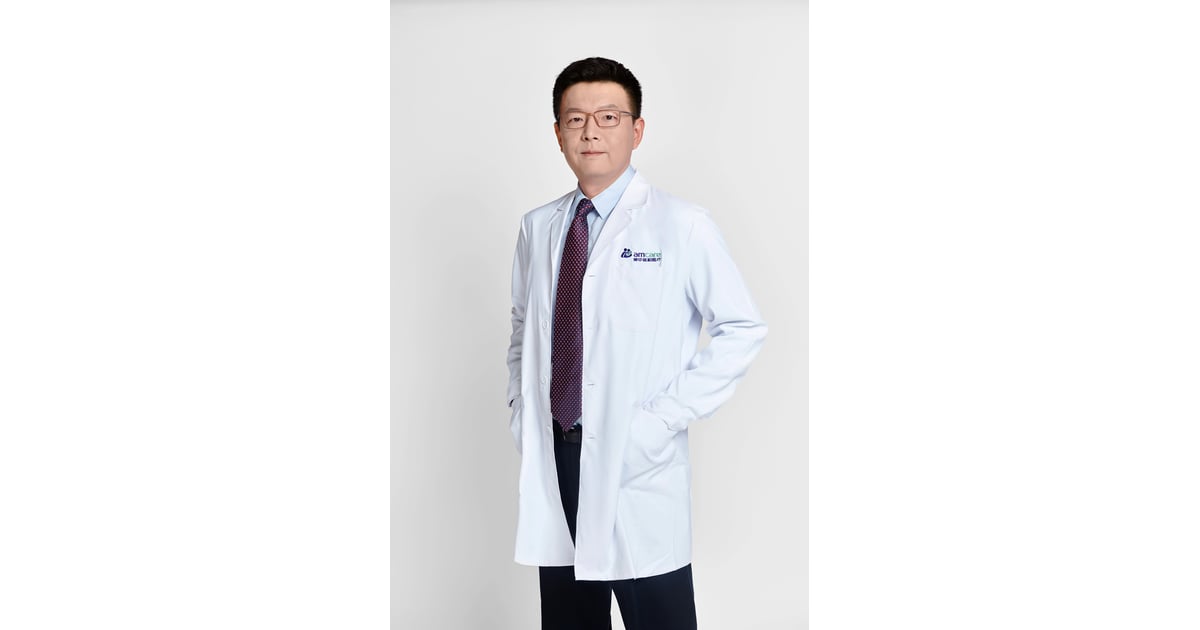
Dr. Mo ZHANG
Associate Chief Physician & Minimally Invasive Spine & Knee Surgery Specialist in Beijing
About Dr. Mo ZHANG
Associate Chief Physician | Minimally Invasive Spine Surgery & Arthroscopic Knee Preservation
Formerly of PLA General Hospital (301 Hospital), Beijing
Fellowship-Trained in the United States
Overview
Dr. Mo ZHANG is a highly specialized orthopedic surgeon with the title of Associate Chief Physician at Beijing Amcare Hospital, renowned for his dual expertise in minimally invasive spine surgery and arthroscopic knee preservation. With over a decade of clinical experience at PLA General Hospital (301 Hospital) – one of China‘s most prestigious orthopedic centers – and nearly 1,000 endoscopic spinal procedures to his name, Dr. ZHANG brings advanced minimally invasive techniques to both spine and knee conditions. He now focuses on delivering precision care for international patients seeking to avoid open surgery, preserve joint function, and achieve rapid recovery.
Key Stats & Information
|
Current Title |
Associate Chief Physician |
|
Years of Experience |
10+ Years (2014 – Present) |
|
Minimally Invasive Procedures |
Nearly 1,000 Endoscopic Spinal Procedures + Hundreds of Arthroscopic Knee Surgeries |
|
Previous Institution |
PLA General Hospital (301 Hospital), Attending Surgeon |
|
Current Practice |
Beijing Amcare Hospital |
|
Patient Focus |
International Patients (Expatriates & Medical Tourists) |
|
Languages Spoken |
English (First Language), Mandarin Chinese |
|
Spine Clinical Focus |
Endoscopic Discectomy (PELD/PTED), Biportal Endoscopy (UBE/BESS), Microendoscopic Discectomy (MED), Minimally Invasive Fusion (MIS-TLIF), Vertebral Augmentation (PVP/PKP), Percutaneous Pedicle Screw Fixation |
|
Knee Clinical Focus |
Arthroscopic Meniscal Suture (All-Inside, Inside-Out, Outside-In), Meniscal Root Repair, Concomitant ACL + Meniscal Repair |
|
U.S. Fellowship Training |
University of Illinois Medical Center (2014), Texas Back Institution, Dallas (2015), Celebration Hospital, Orlando (2016) |
|
Accepting New Patients |
Yes |
Medical Expertise & Specializations
Dr. Mo ZHANG has dedicated his career to perfecting minimally invasive surgical techniques for both the spine and the knee. As an Associate Chief Physician formerly serving at PLA General Hospital (301 Hospital) – the medical center entrusted with the care of Chinese national leaders – his clinical philosophy emphasizes tissue preservation, anatomic reduction, and rapid functional recovery. He has completed nearly 1,000 endoscopic spinal procedures under the mentorship of Professor Xifeng Zhang, a national leader in endoscopic minimally invasive spine surgery. This extensive experience translates directly to his arthroscopic knee practice, where small-incision precision, tissue preservation, and rapid recovery are paramount.
Dr. ZHANG was among the first surgeons in his cohort to integrate U.S. fellowship-trained minimally invasive principles into routine practice in Beijing. His practice at Beijing Amcare Hospital offers internationally accredited facilities, English-first communication (Dr. ZHANG speaks English as his primary medical language), and a patient-centered environment, now with shorter wait times, transparent pricing, and a dedicated focus on expatriates and medical travelers.
Minimally Invasive Spine Surgery: Conditions Treated
Throughout his career at PLA General Hospital (301 Hospital) and PLA 306 Hospital Spine Surgery Center, Dr. ZHANG has successfully treated thousands of patients suffering from a wide spectrum of spinal pathologies using endoscopic and minimally invasive techniques.
-Lumbar Disc Herniation – Soft, contained herniations unresponsive to 3 months of conservative care or with recurrent symptoms
- Lumbar Spinal Stenosis – Particularly bilateral stenosis, complex disc herniations
- Lumbar Spondylolisthesis (Grade I-II) – With instability
- Lumbar Instability – Degenerative or iatrogenic
- Cervical Radiculopathy – Selected cases of nerve root compression in the neck
- Osteoporotic Vertebral Compression Fractures – In elderly patients
- Recurrent Disc Herniation – Revision cases
- Degenerative Scoliosis – With instability or progressive deformity
- Painful Vertebral Hemangiomas – Selected cases
- Vertebral Metastatic Tumors – For pain palliation
Minimally Invasive Spine Surgery: Procedures Performed
Dr. Mo ZHANG is a master of all three categories of minimally invasive spine surgery. With nearly 1,000 endoscopic spinal procedures completed and an annual surgical volume exceeding 400 cases, he offers a level of volume-based proficiency that few spine surgeons in Asia can match.
- Percutaneous Endoscopic Lumbar Discectomy (PELD/PTED) – 7 mm incision; natural transforaminal approach; direct endoscopic removal of herniated nucleus pulposus. Best for soft, contained lumbar disc herniations.
- Unilateral Biportal Endoscopy (UBE/BESS) – Two separate portals (~1 cm each): one for scope, one for instruments; wider visualization and more flexible instrumentation. Best for lumbar spinal stenosis, complex disc herniations, and mild spondylolisthesis.
- Microendoscopic Discectomy (MED) – Metal tubular retractor; microscopic or endoscopic visualization; minimally invasive version of open surgery. Excellent for paracentral and sequestered herniations.
- Minimally Invasive Transforaminal Lumbar Interbody Fusion (MIS-TLIF) – 2-3 cm tubular channel; discectomy, interbody fusion, and pedicle screw fixation through same approach. Best for lumbar spondylolisthesis, instability, and degenerative scoliosis.
- Percutaneous Vertebroplasty (PVP) / Kyphoplasty (PKP) – Single needle puncture into fractured vertebral body; injection of bone cement (with balloon inflation for PKP). Best for osteoporotic vertebral compression fractures.
- Percutaneous Pedicle Screw Fixation – Screws placed through small stab incisions (1-2 cm each) using fluoroscopic guidance. Used adjunctively with MIS-TLIF or for fracture fixation.
Arthroscopic Knee Preservation: Conditions Treated
Dr. ZHANG has successfully treated thousands of patients suffering from meniscal and knee pathologies. His arthroscopic acumen and surgical precision are particularly noted in the management of:
- Traumatic Meniscal Tears – Sports-related, acute tears in vascular (red-red, red-white) zones
- Degenerative Meniscal Tears – Chronic, age-related tears where repair is still feasible
- Bucket-Handle Meniscal Tears – Large, displaced tears requiring prompt anatomic reduction and repair
- Flap & Radial Tears – Complex tear patterns that demand advanced all-inside suture techniques
- Meniscal Root Tears – Detachment of the meniscal root from tibial attachment, requiring specialized root repair
- Combined ACL + Meniscal Tears – Concomitant ligament and meniscal injury (common in sports)
- Early to Mid-Stage Osteoarthritis (Kellgren-Lawrence I-III) – When concurrent meniscal tear accelerates joint degeneration
Arthroscopic Knee Preservation: Procedures Performed
Dr. ZHANG is a master of modern arthroscopic meniscal repair techniques:
- All-Inside Meniscal Suture – The most modern technique for posterior horn and body tears, using advanced suture anchors placed through a single working portal without additional incisions.
- Inside-Out Meniscal Suture – The gold-standard for complex, anterior, or large tears extending into the white-white zone, achieving the highest biomechanical strength.
- Outside-In Meniscal Suture – A minimally invasive option for selected anterior horn tears or as an adjunct technique.
- Meniscal Root Repair – Transtibial pull-out repair or suture anchor fixation to restore the root‘s critical load-distributing function.
- Concomitant Meniscal Repair + ACL Reconstruction – Single-stage arthroscopic procedure restoring both knee stability and meniscal function simultaneously.
- Arthroscopic Meniscectomy (when repair is impossible) – For irreparable white-on-white tears, performed with maximal tissue preservation.
Education & Training
Dr. Mo ZHANG’s academic and clinical training reflects a deep foundation in China’s premier orthopedic institutions, augmented by two years of hands-on fellowship training in the United States and international observerships across Asia.
- Medical & Residency Training – PLA General Hospital (301 Hospital) and PLA 306 Hospital Spine Surgery Center, Beijing.
- U.S. Fellowship Training (2014–2016) – Three prestigious U.S. institutions:
- University of Illinois Medical Center (2014)
- Texas Back Institution (TBI), Dallas (2015)
- Celebration Hospital, Orlando (2016)
- International Observerships – National University Hospital (Singapore), National Hospital (Colombo, Sri Lanka).
- Mentorship – Trained under Professor Xifeng Zhang, a national leader in endoscopic minimally invasive spine surgery, completing nearly 1,000 endoscopic spinal procedures.
- Research Participation – Major national projects including the “863 Plan” for injectable artificial nucleus pulposus and the Capital Medical Development Research Fund for minimally invasive treatment of osteoporotic vertebral fractures.
- Language & Communication – English as first language for medical communication; official academic translator at multiple international conferences.
Why Dr. Mo ZHANG Chooses Beijing Amcare Hospital for International Patients
After more than a decade at a major public tertiary hospital (PLA General Hospital 301), Dr. ZHANG recognized that international patients often face unique challenges: language barriers, unfamiliar administrative procedures, long waiting lists, and a lack of personalized attention. Beijing Amcare Hospital offers a boutique, internationally accredited environment where Dr. ZHANG can provide:
- English-fluent, concierge-style care – Direct communication with Dr. ZHANG without interpreters, from first consultation to post-operative follow-up.
- Shorter wait times – Prompt scheduling for minimally invasive spine or knee surgery, often within days rather than months.
- Private, single-patient rooms – With family-friendly amenities (up to 3 persons can stay).
- Integrated pain management & early rehabilitation – Physical therapy begins on post-op day 1.
- Seamless coordination with international insurance – Direct billing for most global health plans.
- Optional advanced add-ons – For knee patients: TCM acupuncture, cosmetic plastic surgery closure, and MFAT stem cell therapy for enhanced recovery.
Dr. ZHANG‘s practice at Amcare is not a reduction in scope but a strategic rededication of his minimally invasive expertise to serve the global community.
Frequently Asked Questions (FAQ)
1. Why is Dr. Mo ZHANG considered a top minimally invasive spine and knee specialist in Beijing?
Dr. ZHANG served as an attending surgeon and now holds the title of Associate Chief Physician, with over a decade at PLA General Hospital (301 Hospital), one of China’s most prestigious orthopedic centers. He has completed nearly 1,000 endoscopic spinal procedures, maintains an annual surgical volume exceeding 400 cases, and holds U.S. fellowship training at three American institutions. He speaks English as his first medical language.
2. What is the difference between PELD, UBE, and MED?
- PELD (Percutaneous Endoscopic Lumbar Discectomy): 7 mm incision, transforaminal approach, local anesthesia possible. Best for soft, contained lumbar disc herniations.
- UBE (Unilateral Biportal Endoscopy): Two 1 cm incisions, wider visualization, more flexible instrumentation. Best for lumbar spinal stenosis, bilateral pathology, and more complex cases.
- MED (Microendoscopic Discectomy): Tubular retractor, classic minimally invasive approach. Excellent for paracentral and sequestered herniations.
3. What is the advantage of MIS-TLIF over traditional open fusion?
MIS-TLIF uses a 2-3 cm tubular channel rather than a large open incision, resulting in less muscle damage, reduced blood loss, shorter hospital stay, and faster return to daily activities – while achieving the same fusion rates as open surgery.
4. Who is a candidate for PVP/PKP?
Elderly patients with painful osteoporotic vertebral compression fractures that have not healed with conservative care. Many patients experience immediate pain relief and are walking the next day.
5. How does Dr. ZHANG’s spine experience benefit his knee practice?
Having completed nearly 1,000 endoscopic spinal procedures, Dr. ZHANG is a master of endoscopic and minimally invasive techniques – including tissue preservation, small-incision precision, and rapid recovery protocols. This expertise translates directly to arthroscopic knee surgery.
6. What is the difference between meniscal repair and meniscectomy?
Meniscectomy removes the torn portion but sacrifices meniscal function, leading to almost certain early osteoarthritis within 10–20 years. Meniscal suture repairs the tear, preserving joint protection. Dr. ZHANG recommends repair whenever possible for vascular zone tears in active patients.
7. How long is recovery after meniscal suture?
- Weeks 0–6: Strict non-weight-bearing with crutches; brace locked in extension.
- Weeks 6–12: Progressive weight-bearing; brace unlocked; gentle strengthening.
- Months 3–6: Return to jogging and light sports.
- Month 6+: Return to cutting/pivoting sports after clearance.
For isolated all-inside meniscal repair, Dr. ZHANG offers an accelerated 6-day stay protocol in Beijing.
8. What is Dr. ZHANG’s success rate for meniscal repair?
In the vascular zone (red-red and red-white), healing rates consistently exceed 90% on follow-up MRI. For combined ACL + meniscal repair, healing rates exceed 90–95%.
9. Can international patients have a video consultation before traveling?
Yes. Dr. ZHANG offers initial video consultations for overseas patients to review medical records, MRI/CT images, and discuss treatment options before travel. Dr. ZHANG speaks fluent English and Mandarin Chinese.
10. How can international patients schedule a consultation with Dr. Mo ZHANG at Beijing Amcare Hospital?
Consultations can be arranged directly through Beijing Amcare Hospital’s Orthopedics and Sports Medicine Center, or via medical facilitators. Dr. ZHANG offers direct, interpreter-free communication for English-speaking patients.
Ready to Restore Your Mobility with Dr. Mo ZHANG?
Whether you suffer from a painful herniated disc, spinal stenosis, a vertebral compression fracture, or a meniscal tear in your knee – living with pain can rob you of independence and joy. Choosing a surgeon with over a decade of experience, the title of Associate Chief Physician, nearly 1,000 endoscopic procedures, U.S. fellowship training, and healing rates exceeding 90% ensures you are in the safest possible hands.
Now practicing at Beijing Amcare Hospital, Dr. Mo ZHANG is dedicated to serving international patients with world-class minimally invasive surgical skill, direct English communication, and a seamless, patient-centered care pathway – for both your spine and your knee.
Ready to Consult with Dr. Mo ZHANG in Beijing?
Contact PlacidWay today to facilitate your consultation with Dr. Mo ZHANG. Whether you are a local resident or an international patient seeking high-quality orthopedic care in China, PlacidWay helps you navigate the process of scheduling appointments, obtaining quotes, and accessing the best medical resources in Beijing.
Important Disclaimer
PlacidWay.com provides medical travel information, not healthcare services. We don't endorse any providers, and we're not responsible for the care you receive.
Pricing: Prices on our site are estimates only, provided by the centers. Always confirm actual prices directly with the provider before booking to ensure full transparency and avoid hidden fees.
Your Health: Consult your local licensed healthcare provider before pursuing any treatment found on our site. Your health decisions are your responsibility.








.png)
.png)
.png)




.png)








Share this listing