

Contents
North American couples and singles often hit a brick wall when trying to build a family using double donation. Between multi-year waiting lists for anonymous donors and domestic clinics quoting upward of $25,000 for a single cycle, the dream of parenthood can quickly feel out of reach. Add in the complex legal hurdles surrounding donor rights in many US states and Canadian provinces, and it is entirely understandable why you might be looking across borders for a better path forward.
That is exactly why Bogota, Colombia, has emerged as a premier destination for advanced fertility treatments. Not only are the donor pools diverse and immediately accessible, but the entire process is handled with remarkable legal transparency. You can typically expect the procedure cost for IVF with donor eggs and sperm to be around $7,500, which is a fraction of what you would pay back home. When evaluating your options, prioritize fertility centers backed by local regulatory bodies like the Colombian Ministry of Health and international benchmarks like REDLARA certification.
Key Insights
When traveling abroad for fertility treatments, piecing together donor compensation, lab work, and clinic fees on your own can quickly turn into an organizational nightmare. Comprehensive medical packages bundle these essential services together, giving you a clear financial picture from day one. This approach prevents unexpected expenses from popping up mid-cycle.
Most inclusive double donation bundles cover the compensation for both donors, sperm processing, egg retrieval, fertilization via ICSI, and the final embryo transfer. Some clinics also include airport transfers and initial consultation fees. Take a moment to compare the packages listed below to see which option aligns best with your medical requirements and budget.

Price starting from $10,200
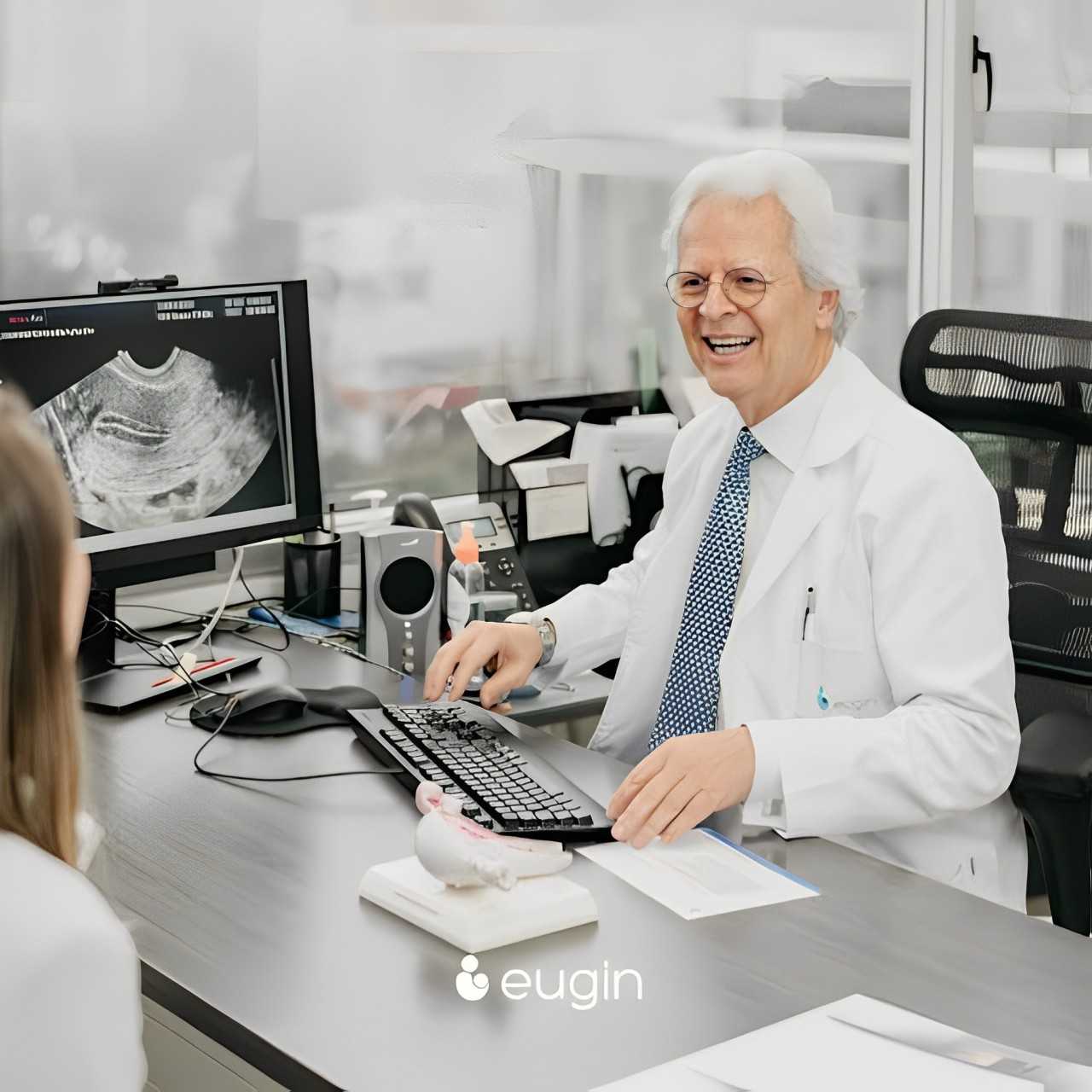
IVF with Donor Eggs and Sperm Package in Bogota, Colombia by EUGIN Clinic
Eugin Colombia - Clínica de Fertilidad
- Fertility Treatment
Bogota, Colombia
The average cost for IVF with donor eggs and sperm in Bogota typically sits right around $7,500. This single, comprehensive rate covers both the egg and sperm donor aspects, which is where domestic prices usually skyrocket due to exorbitant third-party agency fees.
Even when factoring in flights, hotel stays, and transportation in Colombia, patients routinely save tens of thousands of dollars compared to North American averages. The lower cost is purely a reflection of Colombia's overall cost of living, not a compromise on laboratory standards. Be sure to compare the specific costs and fee breakdowns listed below to find the most financially viable option for your family.
Selecting a fertility clinic is one of the most intimate healthcare decisions you will make, so looking past polished reception areas is crucial. You need a facility with a proven track record in third-party reproduction and rigorous genetic screening protocols for their donors. A reliable clinic will openly share their embryo development rates and exact donor matching criteria.
Always verify that a clinic holds active certification from REDLARA, the gold standard for reproductive medicine in Latin America. They should also operate under the strict medical guidelines established by the Colombian Ministry of Health. Take time to explore and compare the highly-rated clinics listed below to ensure you find a medical team you can completely trust.

Eugin Colombia - Clínica de Fertilidad
Bogota, Colombia
Reading about a fertility clinic's advanced technology is helpful, but seeing their embryology labs and consultation rooms offers a completely different level of reassurance. Video tours provide a virtual walkthrough of the facilities, letting you gauge the cleanliness and professionalism of the environment where your future embryos will be created.
You can also watch interviews with the lead reproductive endocrinologists to get a feel for their bedside manner before booking a flight. Seeing how a doctor explains complex procedures can build significant trust. Check out the videos below to gain a more personal, behind-the-scenes perspective on your potential medical team.
Nothing validates a fertility clinic's claims quite like the unvarnished stories of patients who have walked the same emotional path. Reading personal accounts helps you understand the true level of communication, empathy, and professionalism a clinic provides during what is often a highly stressful process.
Pay close attention to reviews that mention the clinic's donor matching process, laboratory transparency, and responsiveness to international patients across different time zones. These details often reveal how supported you will feel throughout your cycle. Take a look at the patient reviews below to see how others rate their experiences with these specialists.

Understanding the medical and legal nuances of third-party reproduction in another country is vital for a smooth journey. Below are the most common questions patients ask when considering double donation in Colombia.
Is double donation legally permitted in Bogota?
Yes, both egg and sperm donation are entirely legal and well-regulated in Colombia. The laws protect the intended parents, ensuring you have full legal rights to any child born from the procedure.
Are the egg and sperm donors anonymous?
Under Colombian law, gamete donation is strictly anonymous. You will receive detailed medical histories, physical descriptions, and sometimes childhood photos, but the adult identities of the donors remain confidential.
How are donors screened in Colombia?
Donors undergo comprehensive physical, psychological, and genetic screening. This includes testing for infectious diseases, karyotyping, and screening for common hereditary conditions in accordance with REDLARA guidelines.
Can I choose the physical traits of the donors?
Yes. Clinics will match you with donors based on your physical characteristics, such as height, eye color, hair color, and blood type, ensuring the closest possible phenotype match to you or your partner.
How long do I need to stay in Bogota?
Since you are using both donor eggs and donor sperm, your physical presence is only required for the embryo transfer. This typically requires a stay of about 7 to 10 days in Bogota.
Do clinics in Bogota offer genetic testing on embryos?
Yes, top fertility centers in Bogota offer Preimplantation Genetic Testing for Aneuploidies (PGT-A). This screens embryos for chromosomal abnormalities before transfer, which can increase the chances of implantation.
What happens to my remaining embryos?
Any high-quality embryos not used during your first transfer are safely cryopreserved (frozen) in the clinic's laboratory. You can return to Bogota for a frozen embryo transfer in the future to expand your family.
How do I prepare my uterine lining from home?
Your Colombian fertility specialist will coordinate with a local doctor in your home country. You will take estrogen and progesterone locally and have ultrasound scans sent to Bogota to monitor your lining before you travel.
Is the embryo transfer painful?
The embryo transfer is a minimally invasive procedure that feels similar to a routine pap smear. Anesthesia is generally not required, though some clinics may offer a mild oral sedative to help you relax.
What happens if the first transfer is not successful?
If the first transfer does not result in a pregnancy and you have frozen embryos remaining, you can plan a subsequent frozen embryo transfer. This is significantly less expensive and requires less medication than the initial cycle.
The success of your IVF cycle hinges heavily on the expertise of your reproductive endocrinologist and their surrounding embryology team. You want a specialist who has extensive daily experience specifically managing third-party reproduction and complex international fertility cases.
It is important to review their educational background, verifying if they completed specialized fellowships in assisted reproductive technology. Doctors who actively participate in international fertility conferences often bring the most up-to-date protocols back to their labs. Review the profiles of the fertility specialists below to compare their credentials and find the right expert to guide your journey.
Bogota has rapidly transformed into a major hub for medical tourists seeking advanced reproductive care, drawing patients primarily from the United States, Canada, and the Caribbean. The city offers a unique combination of high-tech medical infrastructure and a very diverse population, which translates to a broad and varied donor pool for international patients. For individuals and couples dealing with the emotional weight of infertility, the city provides a welcoming, cosmopolitan environment combined with excellent healthcare standards.
Traveling to Colombia's capital is highly convenient. El Dorado International Airport (BOG) is one of the busiest hubs in South America, offering direct daily flights from major North American cities like Miami, New York, Atlanta, and Toronto. Once you arrive, getting around is straightforward using reputable ride-sharing apps, which are safer and more reliable than hailing street cabs.
Most premium fertility clinics are located in upscale, highly secure northern districts such as Usaquén and Chapinero. These areas are incredibly walkable and packed with excellent restaurants, boutique hotels, and green spaces, making your medical trip feel much more like a relaxing urban retreat.
| Primary Airport | El Dorado International Airport (BOG) |
| Flight Time (from US) | 3.5 hours from Miami, 5.5 hours from NY |
| Local Currency | Colombian Peso (COP) |
| Visa Requirements | Not required for US or Canadian citizens for stays under 90 days |
| Climate | Mild and spring-like year-round (approx. 57°F to 66°F) |
| Top Clinic Districts | Usaquén, Chapinero, Chicó |
When planning your trip, remember that Bogota sits at a high altitude (over 8,600 feet). It is perfectly normal to feel slightly winded during your first day or two, so plan for a relaxed itinerary before your embryo transfer. Drinking plenty of water and taking it easy upon arrival will help you acclimate quickly and comfortably.
Navigating the complexities of international fertility treatment does not have to be an overwhelming solo mission. Our team is here to help you connect with certified specialists, secure accurate pricing, and coordinate your medical travel logistics seamlessly. Take the next step toward building your family by reaching out for personalized guidance tailored to your unique medical situation.
References
- Third-Party Reproduction Guidance – American Society for Reproductive Medicine
- Latin American Registry of Assisted Reproduction – REDLARA
- Assisted Reproductive Technology Data – Centers for Disease Control and Prevention
- Infertility Fact Sheet – World Health Organization
- Medical Tourism Guidance – CDC Travelers' Health




















Share this listing