


.png)
Contents
Why Choose IVF Fertility Treatment in Colombia?
The journey to parenthood is deeply personal, and for those facing infertility, it can be an emotionally and financially exhausting road. When local treatments become prohibitively expensive or endlessly delayed, expanding your search internationally opens doors to incredible possibilities. Colombia has rapidly emerged as a premier global sanctuary for In Vitro Fertilization (IVF), offering intended parents access to successful, highly advanced fertility treatments delivered with the warmth and empathy that Latin American culture is famous for.
Cities like Bogota, Medellin, and Cartagena host a network of state-of-the-art fertility clinics that operate on the absolute cutting edge of reproductive endocrinology. These centers utilize the exact same high-tech embryology equipment found in top-tier US and European clinics—including time-lapse incubators (EmbryoScope), Intracytoplasmic Sperm Injection (ICSI), and Preimplantation Genetic Testing (PGT-A) for chromosomal screening. By leveraging these technologies, Colombian specialists maximize the viability of every embryo, leading to success rates that rival or exceed global averages.
What truly sets Colombia apart, however, is the democratization of these advanced treatments. In North America, a single comprehensive IVF cycle can easily cost upwards of $20,000, forcing many couples to abandon their dreams after one failed attempt. In Colombia, the same elite level of care is available at a fraction of the cost. This profound financial relief empowers patients to opt for multi-cycle packages or advanced genetic testing, significantly increasing their cumulative chances of taking home a healthy baby.
Furthermore, Colombia's legal framework surrounding assisted reproduction is notably progressive and inclusive. Fertility clinics here warmly welcome married couples, unmarried partners, single women, and the LGBTQ+ community. Combining world-class science, an inclusive environment, and the stress-reducing backdrop of a beautiful country, IVF fertility treatment in Colombia provides a holistic, hopeful, and highly successful pathway to building your family.
Did You Know?
The top fertility centers in Colombia are accredited by REDLARA (The Latin American Network of Assisted Reproduction). This prestigious organization enforces strict international standards for embryology laboratories, clinical protocols, and the ethical reporting of IVF success rates, ensuring you receive care that meets the highest global benchmarks.
Key Insights at a Glance
Top clinics consistently report clinical pregnancy rates of 50% to 70% per transfer when utilizing PGT-A genetic screening.
Routine use of ICSI, Time-Lapse Embryoscopes, and laser-assisted hatching maximizes embryo development.
Patients typically save 50% to 60% on full IVF cycles and stimulation medications compared to US prices.
Progressive laws make Colombia a welcoming destination for single parents and same-sex couples seeking treatment.
Unlike public healthcare systems in Europe or Canada, you can begin your IVF protocol immediately upon clearance.
Recovering and resting in a beautiful, temperate climate is known to positively impact implantation and overall wellbeing.
The Power of "Freeze-All" Protocols
Many elite clinics in Colombia utilize a "Freeze-All" strategy, where embryos are vitrified (flash-frozen) and transferred in a later cycle. This allows the woman's body to completely recover from the stimulating hormones, creating a more natural uterine environment that can increase successful implantation rates by up to 15%!
Managing the logistics of fertility treatment abroad can feel overwhelming, which is why top Colombian clinics offer comprehensive IVF packages. In the section below, we have identified premier reproductive centers that bundle their services to give you peace of mind. These all-inclusive packages typically cover your specialist consultations, ultrasound monitoring, egg retrieval surgery, anesthesia, ICSI fertilization, embryo culture, and the embryo transfer. Review these options to find a seamless, transparent plan for your fertility journey.
Note: While clinic fees are bundled, always ask if fertility medications (stims) are included in the package, as medication needs vary greatly from patient to patient.

Price starting from $8,000
IVF with Partner's Own Eggs and Semen Package in Bogota, Colombia by EUGIN Clinic
Eugin Colombia - Clínica de Fertilidad
- Fertility Treatment
Bogota, Colombia

Price starting from $9,500
IVF with Own Eggs and Donor Sperm Package in Bogota, Colombia by EUGIN Clinic
Eugin Colombia - Clínica de Fertilidad
- Fertility Treatment
Bogota, Colombia
Cost Comparison - Colombia vs. United States and Canada
Financial planning is one of the most stressful aspects of infertility. The pricing table below provides a transparent breakdown of average IVF cycle costs in Colombia compared to standard pricing in the United States and Canada. While these figures represent baseline clinical estimates, they clearly illustrate the profound affordability of Colombian clinics. This cost-effectiveness is what allows many couples to comfortably afford advanced add-ons, like PGT-A genetic screening or a second cycle if needed, without facing financial ruin.
Tip: Schedule a virtual consultation to get a customized quote; many Colombian clinics offer free or low-cost initial video calls to review your medical history.
In Vitro Fertilization (IVF) Cost Comparison in Colombia
| Country | Procedure | Price |
|---|---|---|
| United States | In Vitro Fertilization (IVF), Fertility Treatment | $15000 |
| Canada | In Vitro Fertilization (IVF), Fertility Treatment | $13000 |
| Australia | In Vitro Fertilization (IVF), Fertility Treatment | $9500 |
Top IVF Clinic in Colombia
The success of an IVF cycle heavily depends on the precision of the embryology laboratory. We have carefully selected a group of elite fertility centers in major Colombian cities like Bogota and Medellin that focus exclusively on complex reproductive medicine. These clinics are heavily vetted for their modern clean-room environments, adherence to REDLARA standards, and their specialized international patient departments. Explore the profiles below to find a facility equipped to handle your unique fertility needs.
Safety First: Ensure the clinic you choose utilizes strict ID-matching protocols and advanced air filtration systems in their embryology labs to protect embryo quality.

Eugin Colombia - Clínica de Fertilidad
Bogota, Colombia
Infertility can be incredibly isolating, but hearing the success stories of those who have navigated the exact same challenges offers profound hope. The video testimonials featured below showcase the emotional journeys of international patients who traveled to Colombia for IVF. Watch these videos to hear about their experiences with the compassionate medical staff, their thoughts on the clinical process, and the joyous moments they finally achieved a positive pregnancy test.
Insight: Patient videos provide an authentic look at the level of personalized attention and emotional support offered by Colombian medical teams, which is often cited as superior to Western clinics.
What Former Patients Say About IVF Treatment in Colombia?
Verified written feedback is crucial for assessing the day-to-day operations and bedside manner of a fertility practice. In this section, you will find detailed reviews and ratings from intended parents who have undergone IVF cycles in Colombia. Read through their comments regarding the doctor's communication style, the transparency of the pricing, and the responsiveness of the bilingual coordinators. These honest accounts will help you choose a clinic where you feel completely supported.
Review Tip: Pay special attention to reviews that mention how the clinic handled setbacks or complicated cases, as this reveals the true expertise and empathy of the medical team.

Question about IVF Treatment in Colombia
How Much Does IVF Cost in Colombia?
Hello and welcome! If you're exploring fertility options, you've likely seen Colombia pop up as a top destination. It's a question many people are asking: "Is it really possible to get high-quality medical care, like IVF, for a fraction of the cost?" I'm here to tell you that, for many, the answer is a resounding yes. The IVF cost in Colombia is often the first thing that catches the eye, but what keeps people interested is the combination of advanced technology, highly-trained specialists, and a warm, welcoming culture. Navigating the world of fertility treatments can feel overwhelming, especially when you're trying to figure out the finances. You might be wondering if the low prices in Colombia mean you'll be compromising on quality. That's a completely valid concern. In this post, we're going to break down everything you need to know. We'll explore the affordable IVF options, dive into what's included (and what's not), and compare the costs and quality to what you might find at home. Think of this as your friendly, expert guide to understanding fertility treatment in Colombia. We'll answer the real questions you're asking, so you can feel informed and confident as you consider your next steps. From the qualifications of the doctors to the success rates at top clinics in Bogota and Medellin, we're covering it all. My goal is to provide clear, trustworthy information to help you see if this path is the right one for your family-building journey. Let's get started. What is the average cost of a single IVF cycle in Colombia? "The average cost for a standard, single IVF cycle in Colombia typically ranges from $3,500 to $6,000 USD. This price point is significantly lower than in many Western countries, making it a primary reason international patients choose Colombia for fertility care." This base price is what you can expect for a standard IVF protocol. This includes the core procedures needed to complete one full cycle of In Vitro Fertilization. It's important to get a detailed quote from your chosen clinic, as prices can vary between cities like Bogota and Medellin, and from one clinic to another based on their reputation, technology, and facilities. Even at the higher end of this range, the IVF cost in Colombia represents a potential savings of 50-70% compared to the United States or the UK. This financial relief, without a compromise on medical standards, is what makes Colombia a leading destination for medical tourism. What is typically included in a standard IVF package in Colombia? "A standard IVF package in Colombia generally includes initial consultations with your fertility specialist, all monitoring appointments and ultrasounds during stimulation, the egg retrieval procedure (including anesthesiologist fees), lab fees for fertilization and embryo culture, and the fresh embryo transfer." This comprehensive package covers the entire clinical and laboratory process from start to finish for a fresh IVF cycle. Most top-tier clinics are very transparent about what their package price covers. You can expect it to include: Initial and follow-up medical consultations. Ultrasound monitoring and blood tests during the ovarian stimulation phase. The complete egg retrieval procedure, which is done under sedation. Semen processing and preparation. Standard fertilization in the lab (conventional IVF or ICSI, depending on the clinic's package). Culture of embryos for 3-5 days (to blastocyst stage). The embryo transfer procedure. This "all-in" approach for the core cycle simplifies budgeting for many international patients. Always ask for an itemized list to be 100% sure what's covered. What services are *not* included and cost extra? "The most common costs *not* included in the standard IVF package are fertility medications, Preimplantation Genetic Testing (PGT-A), cryopreservation (freezing) of extra embryos, and the cost of using donor eggs or sperm." These are considered "add-ons" or variable costs because not every patient will need or choose them. Fertility medications are the biggest variable and are almost always a separate cost. Other common exclusions include: Fertility Medications: The hormones needed for ovarian stimulation. Pre-treatment Screening: Any infectious disease bloodwork or diagnostic tests you need *before* starting your cycle. Genetic Testing (PGT-A): Testing embryos for chromosomal abnormalities. Embryo Freezing: The cost to freeze any viable embryos you have left over after your fresh transfer, plus annual storage fees. Frozen Embryo Transfer (FET): The procedure to use a frozen embryo in a future cycle. Understanding these potential extra costs is key to accurately budgeting your total IVF cost in Colombia. Always ask your clinic for a price list for these additional services. How much are fertility medications in Colombia? "The cost of IVF medications in Colombia is also significantly lower, typically ranging from $800 to $2,500 USD. The final price depends on the specific protocol and dosage prescribed by your doctor, which is based on your age and ovarian reserve." This is one of the biggest "hidden" savings. In the U.S., these same medications can easily cost $4,000 to $7,000. The reason for the lower price in Colombia is simply that drug prices are regulated differently and are not as inflated as in other countries. You are getting the exact same high-quality medications (from brands like Gonal-F, Menopur, etc.) for a fraction of the price. Your doctor will determine your protocol after your initial consultation and tests. A woman who is younger and has a high ovarian reserve will likely require less medication, putting her at the lower end of that cost range. A woman who is older or has a diminished ovarian reserve may need higher doses, increasing the cost. How much does IVF in Colombia cost compared to the USA and UK? "Patients can expect to save 50-70% on their total fertility treatment costs by choosing Colombia over the USA or the UK. A full IVF cycle with medications that might cost $20,000-$25,000 in the U.S. could be as low as $5,000-$8,000 in Colombia." The cost difference is truly staggering, and it's the main driver for fertility tourism. This savings is not an exaggeration; for many, it's the difference between being able to try IVF once or being able to afford multiple cycles, egg donation, or genetic testing. Here’s a simple comparison table to illustrate the potential savings. These are estimates, but they paint a very clear picture: Procedure / Service Estimated Cost in USA Estimated Cost in UK Estimated Cost in Colombia Standard IVF Cycle (Base) $15,000 - $20,000 £5,000 - £8,000 ($6,500 - $10,400) $3,500 - $6,000 IVF Medications $4,000 - $7,000 £1,000 - £2,000 ($1,300 - $2,600) $800 - $2,500 IVF with Egg Donation $30,000 - $45,000 £9,000 - £14,000 ($11,700 - $18,200) $6,500 - $10,500 Total Estimated (IVF + Meds) $19,000 - $27,000 $7,800 - $13,000 $4,300 - $8,500 What is the cost of IVF with egg donation in Colombia? "An IVF cycle using an egg donor in Colombia generally costs between $6,500 and $10,500 USD. This comprehensive price typically includes the donor's compensation, screening, medications, and the full IVF procedure for the recipient." This is another area with massive savings. In the U.S., an egg donor cycle can easily top $30,000. The cost in Colombia is all-inclusive, covering the complex process of synchronizing the donor's and the recipient's cycles. This includes all donor-related expenses, so you aren't hit with surprise fees. Colombian clinics have robust egg donor programs with rigorously screened donors. The law in Colombia allows for anonymous egg donation, which means clinics have access to a large and diverse pool of healthy, young donors, reducing wait times. What is the cost of using a sperm donor? "Using a sperm donor is a very affordable addition to fertility treatment in Colombia. The cost for donor sperm from a clinic's bank typically ranges from $1,200 to $3,000, depending on the clinic and the specifics of the donor profile." This cost covers the acquisition and preparation of the donor sperm for use in your IVF or IUI cycle. Colombian sperm banks follow strict screening protocols, testing donors for infectious diseases, genetic conditions, and ensuring high-quality samples. This is a crucial option for single women, same-sex female couples, and heterosexual couples dealing with severe male-factor infertility. The accessibility and affordability of this service make Colombia an even more inclusive destination for all types of families. How much does Preimplantation Genetic Testing (PGT-A) add to the cost? "Preimplantation Genetic Testing for Aneuploidy (PGT-A) typically adds between $2,000 and $4,000 USD to your total IVF cost in Colombia. This price often includes the embryo biopsy fee and the testing of a set number of embryos (e.g., up to 8)." PGT-A is a technology that screens embryos for the correct number of chromosomes before transfer. This can increase the chances of a successful pregnancy, reduce the risk of miscarriage, and avoid the transfer of an embryo with a condition like Down syndrome. It's highly recommended for women over 35 or those with a history of recurrent miscarriage. While an added cost, the price for PGT-A in Colombia is still significantly less than in the U.S., where it can cost $3,000 to $6,000. This makes advanced, high-tech IVF more accessible. How much does freezing embryos (cryopreservation) cost? "The cost for cryopreservation, or freezing your remaining viable embryos, is very low in Colombia. Clinics typically charge a one-time fee of $300 to $600 for the vitrification (freezing) process, which may include the first year of storage." This is a huge relief for many patients. If your fresh cycle is successful, you have embryos ready for a future sibling. If it's not, you have a much less expensive "round two" with a Frozen Embryo Transfer (FET), which costs a fraction of a full IVF cycle. Annual storage fees after the first year are also very affordable, often just a few hundred dollars per year. This is a sharp contrast to the high freezing and storage fees in many other countries. Why is IVF so much cheaper in Colombia? "The IVF cost in Colombia is lower due to the country's lower cost of living, lower operational overhead (like staff salaries and rent), and favorable currency exchange rates. It is *not* a reflection of lower quality, technology, or medical expertise." This is the most important question to understand. The same advanced equipment, the same high-quality medications, and the same level of medical training are all present in Colombia. However, the price tag for *everything* is lower. A highly-skilled embryologist or doctor in Bogota has a much lower cost of living than their counterpart in New York or London, so their salary expectations are different. The rent for a state-of-the-art clinic is less. These operational savings are passed directly on to you, the patient. What are the success rates for IVF in Colombian clinics? "Success rates at top fertility clinics in Colombia are on par with, and often exceed, the averages in the United States and Europe. Many leading clinics report pregnancy rates of 50-70% per embryo transfer, especially for younger patients and those using PGT-A." Colombian clinics are transparent about their success rates and are proud to share them. They invest heavily in the latest technology—like AI-powered embryo selection, time-lapse incubators (EmbryoScope), and advanced genetic testing—precisely to keep their success rates high and competitive on a global scale. When you consult with a clinic, ask for their specific success rates broken down by age group and whether they are for fresh or frozen transfers. Reputable clinics will have this data readily available. Are fertility clinics in Colombia accredited? "Yes, many of the best fertility clinics in Colombia are internationally accredited by bodies like the Joint Commission International (JCI) and Global Healthcare Accreditation (GHA). They also often hold certifications from REDLARA, the Latin American Network of Assisted Reproduction." This is a key indicator of quality and safety. International accreditation means the clinic voluntarily adheres to the highest global standards for patient care, lab processes, and safety protocols. These are the same standards top hospitals in the U.S. must meet. When researching clinics, look for these accreditation logos on their websites. This provides peace of mind that you are choosing a center committed to world-class excellence. What qualifications do fertility doctors in Colombia have? "Fertility specialists in Colombia are highly qualified, with many having completed their medical training, fellowships, and residencies in the United States and Europe. They are often members of international bodies like ASRM (American Society for Reproductive Medicine) and ESHRE (European Society of Human Reproduction and Embryology)." You will also find that many doctors and clinic staff are fluent in English, having worked or studied abroad. They are active in the international fertility community, publishing research and speaking at global conferences. Don't hesitate to look up the credentials of your potential doctor. Top clinics will proudly display their doctors' biographies, showcasing their extensive education and international experience. You are in expert hands. What are the best cities in Colombia for IVF treatment? "The two best and most popular cities for IVF treatment in Colombia are Bogota, the nation's capital, and Medellin. Both cities host a concentration of world-class, internationally-accredited fertility clinics and are easy to travel to." Bogota is a large, cosmopolitan capital with excellent international flight connections. It is home to several of the country's most established and high-tech fertility centers. Medellin, known as the "City of Eternal Spring" for its perfect climate, is a modern, innovative city that is extremely popular with medical tourists. It also boasts a wide range of top-tier clinics, often located in beautiful, modern medical districts. Both cities are safe, affordable, and offer a comfortable stay for international patients. How long do I need to stay in Colombia for an IVF cycle? "For a standard fresh IVF cycle, you should plan to stay in Colombia for approximately 15 to 20 days. This allows time for the final stages of ovarian stimulation, monitoring, the egg retrieval procedure, embryo development in the lab, and the embryo transfer, plus a day or two of rest." The timeline can be very efficient. Much of the initial pre-testing and even the first part of your stimulation protocol can sometimes be coordinated with your local doctor at home before you even travel. You would then fly to Colombia for the most critical part of the process. This 2.5- to 3-week period is the typical "on-site" time required. If you are doing a frozen embryo transfer (FET), the stay can be shorter, perhaps only 7-10 days, as you only need to be there for the transfer and monitoring of your uterine lining. What is the IVF process in Colombia for an international patient? "The process is streamlined for international patients: it starts with a virtual consultation, followed by remote pre-testing at home. You then travel to Colombia for 15-20 days for the main procedures (stimulation, retrieval, transfer) before flying home for your pregnancy test." Here is a typical step-by-step breakdown: Step 1: Virtual Consultation: You'll have a video call with your Colombian doctor to review your medical history and create a treatment plan. Step 2: Remote Monitoring: You may complete your pre-cycle bloodwork and even start your stimulation medications at home, monitored by a local clinic or doctor. Step 3: Travel to Colombia: You'll fly to Bogota or Medellin around day 5-7 of your stimulation. Step 4: On-Site Monitoring & Retrieval: You'll have several monitoring appointments at the clinic before your scheduled egg retrieval. Step 5: Lab & Transfer: Your eggs are fertilized, and the embryos grow for 5 days. You'll then return to the clinic for the simple, painless embryo transfer. Step 6: Fly Home: After a day or two of rest, you are clear to fly home. You'll take your "two-week wait" and your final pregnancy blood test with your local doctor. Are there legal regulations for IVF in Colombia? "Yes, assisted reproductive technology is legal in Colombia and is protected by the country's constitution. Article 42-6 gives equal rights to all children, including those "procreated naturally or with scientific assistance," which provides a strong legal foundation for IVF." This constitutional protection makes Colombia a very stable and secure place to pursue fertility treatment. The law is inclusive and does not discriminate based on marital status or sexual orientation. This legal clarity is a significant advantage for international patients, as it ensures the legitimacy of the procedures and the parental rights of the intended parents. Clinics operate under the oversight of the Ministry of Health and must adhere to national healthcare standards, ensuring all practices are safe and ethical. Can single women get IVF in Colombia? "Absolutely. Colombia is a very popular destination for single women seeking motherhood. The law is non-discriminatory and fully supports a single woman's right to form a family using IVF, with or without a sperm donor." This inclusive legal framework, combined with affordable sperm donor options, makes it an ideal choice for single-mothers-by-choice. You will be welcomed and supported by clinics that have extensive experience helping single women navigate their journey to parenthood. You will receive the same high level of care and respect as any other patient. Is IVF in Colombia an option for same-sex couples? "Yes, Colombia is a very welcoming and legally supportive destination for same-sex couples. Female same-sex couples can access IVF using partner eggs (Reciprocal IVF) or donor sperm. Male same-sex couples can also pursue family building through egg donation and surrogacy." The country's progressive, non-discriminatory constitution has made it a haven for LGBTQ+ individuals and couples seeking to build their families. For female couples, Reciprocal IVF—where one partner provides the egg and the other carries the pregnancy—is a very popular and affordable option. Clinics in Colombia are experienced in working with same-sex couples and provide a supportive, respectful environment for all family types. What are the potential hidden costs of IVF in Colombia? "The main 'hidden costs' are not medical but rather travel-related: flights, accommodation, and food. While these are very affordable in Colombia, you must factor them into your total budget. Medically, the only 'surprises' would be procedures you opt into, like PGT or embryo freezing." Top clinics are very transparent about their medical pricing to avoid surprises. The costs you need to budget for yourself are: Flights: A round-trip flight to Bogota or Medellin. Accommodation: A 15-20 day stay. An Airbnb or extended-stay hotel is very affordable, often $50-$100 per night for a comfortable, modern apartment. Food: Food is famously delicious and inexpensive in Colombia. Local Transport: Ubers and taxis are safe and very cheap. Even when you add these expenses (perhaps $2,000 - $3,000 total), the overall IVF cost in Colombia remains significantly lower than the *medical costs alone* in the United States. Ready to explore your fertility options in a world-class, affordable destination? PlacidWay is your trusted partner in medical tourism. We connect you with accredited clinics and experienced specialists in Colombia and around the world. Discover personalized healthcare solutions and start your journey today. Explore PlacidWay to find the right fertility solution for you.
Is IVF Legal in Colombia?
If you're exploring options for building your family, you might be wondering about the legal landscape of fertility treatments in different countries. Today, we're going to dive into a common question: Is IVF legal in Colombia? The short answer is a resounding yes! Colombia has emerged as a significant destination for individuals and couples seeking assisted reproductive technologies, including In Vitro Fertilization. This is largely due to a progressive legal environment that, while not always based on specific, comprehensive laws, is strongly supported by constitutional principles and a series of important court decisions. This framework ensures that a broad spectrum of people, including heterosexual couples, single individuals, and same-sex couples, can access these life-changing treatments. We'll explore the nuances of this legal standing, what it means for those considering IVF in Colombia, and answer many other related questions you might have. Is IVF explicitly legal in Colombia? "Yes, IVF is legal in Colombia, supported by constitutional rights and various court rulings rather than a single, specific law." While there isn't one overarching, specific law dedicated solely to IVF, the practice is indeed legal and widely available in Colombia. Its legality stems from the fundamental constitutional right to form a family and access reproductive health services, as affirmed by the Colombian Constitutional Court. This means that while a dedicated statute might not exist, the judicial system has consistently upheld the right of individuals to pursue assisted reproduction. This legal foundation provides a secure environment for fertility clinics to operate and for patients to undergo IVF procedures. The absence of a single, comprehensive law can sometimes lead to questions, but the consistent judicial support effectively legitimizes and protects IVF treatments across the country. What is the legal framework for IVF in Colombia? "The legal framework for IVF in Colombia is built upon constitutional rights, particularly Article 42-6, and various Constitutional Court rulings that protect the right to form a family and access assisted reproduction." The legal framework for IVF and other assisted reproductive technologies in Colombia is primarily rooted in the country's Constitution. Specifically, Article 42-6 of the Colombian Constitution states that "Children born in or out of wedlock, adopted and procreated naturally or with scientific assistance, have equal rights and duties. The law will regulate the responsible offspring." This article forms the bedrock upon which the legality of IVF rests. Beyond this constitutional provision, a series of Constitutional Court rulings have further solidified the legal standing of assisted reproduction. These rulings have interpreted the constitutional right to form a family broadly, encompassing the use of scientific assistance to achieve parenthood. For instance, decisions like Sentence T-968 of 2009 have played a crucial role in recognizing and legitimizing assisted reproductive methods, including IVF. These judicial pronouncements effectively fill the gap left by the absence of a specific legislative act, providing a clear legal pathway for fertility treatments. Are there any specific regulations or guidelines for IVF clinics in Colombia? "While no specific law governs IVF, fertility clinics in Colombia generally adhere to international medical standards and ethical guidelines, often regulated by the Ministry of Health and Social Protection." While there isn't a single, comprehensive law explicitly regulating IVF, clinics in Colombia operate under the general oversight of the Ministry of Health and Social Protection. This means they are expected to comply with broader healthcare regulations and standards that ensure patient safety and quality of care. Many reputable clinics also voluntarily adhere to international medical standards and ethical guidelines, often seeking international accreditations to demonstrate their commitment to high-quality practices. These guidelines typically cover aspects such as: Patient screening: Ensuring that patients are medically and psychologically suitable for treatment. Laboratory standards: Maintaining strict protocols for handling gametes and embryos. Informed consent: Requiring comprehensive consent from all parties involved in the treatment. Record keeping: Maintaining detailed records of procedures and outcomes. The lack of highly specific IVF legislation means that clinics often rely on their own internal protocols, informed by best practices from other countries with more established reproductive laws. Can single individuals undergo IVF in Colombia? "Yes, single individuals, regardless of gender, can undergo IVF in Colombia, as the legal framework does not discriminate based on marital status." One of the progressive aspects of Colombia's approach to assisted reproduction is its inclusivity. Single individuals, whether male or female, are generally permitted to undergo IVF treatments. This non-discriminatory stance is consistent with the broader constitutional principles that protect the right to form a family for all citizens, regardless of their marital status. For single women, this often involves the use of donor sperm. For single men, it typically involves the use of donor eggs and a gestational surrogate. Clinics in Colombia are accustomed to working with single intended parents and can guide them through the necessary steps, including donor selection and legal considerations. Is IVF available for same-sex couples in Colombia? "Yes, IVF is available for same-sex couples in Colombia, aligning with the country's progressive stance on LGBTQ+ rights and family formation." Colombia has made significant strides in recognizing LGBTQ+ rights, including same-sex marriage and adoption. This progressive stance extends to assisted reproductive technologies, making IVF accessible to same-sex couples. The legal framework, supported by Constitutional Court rulings, ensures that same-sex couples have the same rights to form a family as heterosexual couples. For female same-sex couples, IVF may involve using one partner's eggs and donor sperm, or donor eggs and donor sperm, with one partner carrying the pregnancy. For male same-sex couples, IVF would involve donor eggs and a gestational surrogate. Clinics in Colombia are generally welcoming and experienced in assisting same-sex couples through their fertility journeys, providing comprehensive support and guidance. Are there any age limits for IVF in Colombia? "While there are no strict legal age limits for IVF in Colombia, clinics typically have medical guidelines based on a woman's reproductive health and the likelihood of success." Colombia does not impose strict legal age limits for individuals seeking IVF treatment. However, fertility clinics will have their own medical guidelines and recommendations based on a patient's age and overall reproductive health. This is because the success rates of IVF naturally decline with age, particularly for women, due to factors such as egg quality and quantity. Clinics will conduct thorough medical evaluations to determine the most appropriate course of action and discuss the realistic chances of success. While there might not be a hard legal cutoff, clinics generally advise against treatment for women beyond a certain age (e.g., mid-40s) unless using donor eggs, where success rates can be higher. For men, age is less of a factor, though sperm quality can decline with advanced age. Is egg donation legal and regulated in Colombia? "Yes, egg donation is legal in Colombia and is typically anonymous, with strict screening processes for donors to ensure safety and ethical practices." Egg donation is legal and commonly practiced in Colombia as part of IVF treatments. The process is generally anonymous, meaning the identity of the donor is not revealed to the recipient, and vice versa. Clinics adhere to strict screening protocols for potential egg donors to ensure their physical and mental health, as well as to minimize the risk of transmitting genetic conditions. The screening process for egg donors typically includes: Comprehensive medical history and physical examination. Genetic testing to rule out inheritable diseases. Psychological evaluation to assess suitability. Screening for infectious diseases. These measures are in place to protect both the donor and the intended parents, ensuring the safety and ethical integrity of the donation process. Is sperm donation legal and regulated in Colombia? "Yes, sperm donation is legal in Colombia and, like egg donation, is usually anonymous, with rigorous screening procedures for donors." Similar to egg donation, sperm donation is legal and widely available in Colombia for individuals and couples undergoing IVF. The process typically maintains anonymity between the donor and the recipient. Reputable fertility clinics have established rigorous screening procedures for sperm donors to ensure the quality and safety of the donated gametes. The screening for sperm donors usually involves: Detailed medical history and physical examination. Genetic screening for inheritable conditions. Testing for infectious diseases. Semen analysis to assess quality and viability. These comprehensive screening processes are crucial for safeguarding the health of the future child and the intended parents, upholding high ethical standards in assisted reproduction. Is embryo freezing legal in Colombia? "Yes, embryo freezing (cryopreservation) is legal in Colombia, allowing individuals and couples to store embryos for future use." Embryo freezing, also known as cryopreservation, is a legal and common practice in Colombia. This technology allows individuals and couples to store viable embryos that are not transferred during an IVF cycle for future use. This is particularly beneficial for those who wish to attempt multiple IVF cycles without repeating the egg retrieval process, or for those who want to preserve their fertility for later. The legal framework supports embryo freezing as it aligns with the right to reproductive autonomy. Clinics provide clear guidelines on the storage duration, maintenance fees, and options for the disposition of embryos if they are no longer needed, such as donation to other couples, donation for research, or thawing and discarding. What are the regulations regarding embryo disposition in Colombia? "Regulations for embryo disposition in Colombia require informed consent from intended parents regarding options like future use, donation for reproduction or research, or discarding, with clear contractual agreements." While specific legislation on embryo disposition may not be as detailed as in some other countries, the overarching principle in Colombia is that the intended parents have the right to decide the fate of their frozen embryos. This decision is typically made through informed consent forms and contractual agreements signed at the time of embryo freezing. The common options for embryo disposition include: Future use: Storing the embryos for subsequent IVF cycles. Donation to other couples: Donating embryos to other individuals or couples struggling with infertility. Donation for research: Donating embryos for scientific research purposes, usually with strict ethical oversight. Thawing and discarding: Choosing to have the embryos thawed and discarded, which is typically done in a respectful manner. Clinics ensure that patients are fully aware of these options and their implications before making a decision. Is preimplantation genetic testing (PGT) legal in Colombia? "Yes, preimplantation genetic testing (PGT) is legal in Colombia and is offered by many fertility clinics to screen embryos for genetic abnormalities." Preimplantation genetic testing (PGT), which includes PGT-A (for aneuploidy), PGT-M (for monogenic diseases), and PGT-SR (for structural rearrangements), is legal and available in Colombia. This advanced genetic screening technique is offered by many fertility clinics to help identify genetic abnormalities in embryos before they are transferred to the uterus. PGT can significantly improve IVF success rates and reduce the risk of passing on genetic disorders. PGT is typically recommended for: Couples with a history of recurrent miscarriages. Couples who have experienced multiple failed IVF cycles. Individuals or couples known to be carriers of specific genetic diseases. Women of advanced maternal age. The use of PGT is guided by medical necessity and ethical considerations, with clinics ensuring proper counseling and informed consent. Are there any restrictions on the number of embryos transferred in Colombia? "While there are no strict legal limits, IVF clinics in Colombia generally follow medical guidelines to limit the number of embryos transferred, typically to one or two, to reduce the risk of multiple pregnancies." Colombia does not have a strict legal mandate on the maximum number of embryos that can be transferred during an IVF cycle. However, reputable fertility clinics in Colombia generally adhere to international medical guidelines and best practices to minimize the risks associated with multiple pregnancies (e.g., twins, triplets). The trend in modern IVF is to transfer fewer embryos, ideally one or two, to optimize success rates while prioritizing the health of both the mother and the babies. The decision on the number of embryos to transfer is made in consultation between the patient and the fertility specialist, taking into account factors such as: Patient's age. Quality of the embryos. Previous IVF history. Overall health of the patient. The goal is to achieve a healthy singleton pregnancy whenever possible. Is commercial surrogacy legal in Colombia? "Commercial surrogacy is not explicitly regulated in Colombia, but the legal framework tends to favor altruistic arrangements, with compensation typically covering expenses rather than a fee for the surrogate." The legal landscape for surrogacy in Colombia is complex. While surrogacy itself is not prohibited and is supported by constitutional rulings, commercial surrogacy (where a surrogate mother is paid a fee beyond her expenses) is not explicitly regulated or sanctioned. The prevailing interpretation of the legal framework leans towards altruistic surrogacy, where the surrogate receives compensation for her expenses related to the pregnancy, rather than a commercial payment. This distinction is important, as it aims to prevent the commodification of human reproduction. While there isn't a specific law banning commercial surrogacy, the courts have emphasized the altruistic nature of such arrangements. It is crucial for intended parents considering surrogacy in Colombia to seek expert legal advice to ensure compliance with the current interpretations and to protect the rights of all parties involved. What are the requirements for intended parents in Colombia? "Intended parents in Colombia typically need to undergo medical and psychological evaluations, provide informed consent, and may need to demonstrate a medical need for assisted reproduction." The requirements for intended parents seeking IVF in Colombia are generally focused on ensuring they are medically and psychologically prepared for the process and parenthood. While specific legal requirements might not be as rigid as in some other countries, clinics will typically require: Medical evaluation: A thorough assessment of the intended parents' health to determine the most suitable treatment plan and address any underlying fertility issues. Psychological evaluation: An assessment to ensure the emotional and mental readiness for the IVF journey and the responsibilities of parenthood. Informed consent: Comprehensive understanding and agreement to the IVF procedures, potential risks, and financial implications. Demonstration of medical need: In some cases, intended parents may need to demonstrate a medical reason for requiring assisted reproduction, especially if considering options like surrogacy. For international patients, additional requirements related to travel and legal documentation for their home country may apply. Are there any restrictions on genetic material (e.g., genetic link to child) for IVF in Colombia? "In cases involving surrogacy, Colombian law often requires a genetic link between at least one of the intended parents and the child, while IVF with donor gametes for direct parenthood is generally permitted without this specific requirement." For standard IVF procedures where the intended parents are carrying the pregnancy, there are generally no explicit legal restrictions requiring a genetic link to the child if donor gametes are used. This means that IVF with both donor eggs and donor sperm (double donation) is typically permissible. However, when it comes to surrogacy arrangements in Colombia, the legal interpretation often emphasizes the need for a genetic link between at least one of the intended parents and the child. This is a crucial distinction and aims to establish clear parental rights and avoid situations where no genetic connection exists between the child and the intended parents. Therefore, while IVF with donor gametes is broadly accepted, its application within a surrogacy context may have specific genetic link requirements. What are the success rates of IVF in Colombia? "IVF success rates in Colombia are competitive with international standards, typically ranging from 45% to 60% per cycle, depending on factors like patient age and clinic expertise." Colombia's fertility clinics boast competitive IVF success rates, often on par with leading clinics in other parts of the world. While success rates can vary significantly based on individual factors, many clinics report average success rates ranging from 45% to 60% per cycle. It's important to remember that these are averages, and an individual's success rate will depend on various factors, including: Patient's age: Younger patients generally have higher success rates. Cause of infertility: The underlying reason for infertility can impact outcomes. Embryo quality: Higher quality embryos are more likely to implant successfully. Clinic expertise and technology: The experience of the medical team and the technology used play a significant role. Number of embryos transferred: Transferring more embryos can increase pregnancy rates but also the risk of multiple births. Reputable clinics will provide transparent information about their success rates and discuss realistic expectations with patients. What is the typical cost of IVF in Colombia? "The typical cost of an IVF cycle in Colombia ranges from $4,000 to $8,000, making it significantly more affordable than in many Western countries." One of the major attractions of seeking IVF treatment in Colombia is the cost-effectiveness. The typical cost of a single IVF cycle in Colombia generally ranges from $4,000 to $8,000 USD. This is significantly lower than the costs in countries like the United States, Canada, or many European nations, where a single IVF cycle can easily exceed $15,000 to $20,000. The affordability in Colombia does not typically compromise the quality of care or the technology used. Many clinics are equipped with state-of-the-art facilities and employ internationally trained specialists. The lower cost often reflects the generally lower cost of living and healthcare services in the country. It's important to note that this cost usually covers the basic IVF cycle, and additional services like medication, genetic testing, or donor fees would be extra. How long does an IVF cycle typically take in Colombia? "A typical IVF cycle in Colombia, from initial consultation to embryo transfer, usually takes about 2 to 3 weeks, with preparation phases potentially extending this." The duration of an IVF cycle in Colombia is generally similar to that in other parts of the world. From the start of ovarian stimulation to the embryo transfer, the active phase of an IVF cycle typically takes about 2 to 3 weeks. However, the overall process can be longer, as it includes initial consultations, diagnostic tests, and preparation phases before the actual cycle begins. A general timeline for an IVF cycle includes: Phase Duration Activities Initial Consultation & Diagnostics Variable (days to weeks) Medical history, physical exam, blood tests, ultrasounds, semen analysis. Ovarian Stimulation 10-14 days Daily hormone injections to stimulate egg production, regular monitoring. Egg Retrieval 1 day Surgical procedure to collect eggs. Fertilization & Embryo Culture 3-5 days Eggs fertilized with sperm in the lab, embryos cultured. Embryo Transfer 1 day Transfer of selected embryos into the uterus. Pregnancy Test ~9-14 days after transfer Blood test to confirm pregnancy. Patients traveling from abroad should factor in travel time and potential recovery periods. Are there support services for international patients undergoing IVF in Colombia? "Many IVF clinics in Colombia offer comprehensive support services for international patients, including language assistance, accommodation help, and travel coordination." Given Colombia's growing reputation as a medical tourism destination, many IVF clinics are well-equipped to cater to international patients. They often provide a range of support services to make the process as smooth and stress-free as possible. These services can include: Language assistance: English-speaking staff, interpreters, or translation services to ensure clear communication. Accommodation assistance: Help with finding suitable hotels or short-term rentals near the clinic. Travel coordination: Guidance on visa requirements, airport transfers, and local transportation. Concierge services: Some clinics offer dedicated patient coordinators to assist with various logistical needs throughout the treatment journey. Telemedicine consultations: Initial consultations or follow-up appointments may be conducted remotely to minimize travel. These services aim to provide a comfortable and seamless experience for patients traveling from other countries for IVF treatment. What are the ethical considerations surrounding IVF in Colombia? "Ethical considerations for IVF in Colombia primarily revolve around informed consent, donor anonymity, embryo disposition, and the welfare of all parties involved, guided by medical ethics and constitutional principles." While Colombia's legal framework for IVF is progressive, ethical considerations remain paramount. These considerations are largely guided by medical ethics, professional guidelines, and the constitutional emphasis on human dignity and the right to form a family. Key ethical points include: Informed Consent: Ensuring that all individuals involved (intended parents, donors, surrogates if applicable) fully understand the procedures, risks, and implications before giving their consent. Donor Anonymity: The practice of anonymous donation raises ethical discussions about the child's right to know their genetic origins, though current practice largely favors anonymity. Embryo Disposition: The ethical dilemmas surrounding the fate of unused or excess embryos, including their storage, donation, or discarding, are carefully considered. Welfare of the Child: Prioritizing the best interests and well-being of the child born through assisted reproduction. Prevention of Commercialization: Efforts to prevent the exploitation of individuals, particularly in surrogacy, by emphasizing altruistic arrangements. Clinics are generally expected to operate with transparency and uphold high ethical standards, providing counseling and support to help patients navigate these complex issues. Can I choose the gender of my baby with IVF in Colombia? "Gender selection for non-medical reasons is generally not permitted in Colombia, though PGT can be used for medical reasons to prevent sex-linked genetic diseases." In Colombia, gender selection for non-medical reasons (often referred to as "social sex selection") is generally not permitted or practiced by ethical fertility clinics. The primary purpose of IVF and associated technologies like PGT is to help individuals and couples achieve a healthy pregnancy and prevent the transmission of serious genetic diseases. However, preimplantation genetic testing (PGT) can be used for medical reasons to identify the gender of an embryo if there is a risk of passing on a sex-linked genetic disorder (e.g., Duchenne muscular dystrophy, hemophilia). In such cases, selecting an embryo of a specific gender to avoid the disease is ethically acceptable and medically indicated. Clinics will adhere to strict ethical guidelines regarding gender selection. What is the process for international patients seeking IVF in Colombia? "International patients seeking IVF in Colombia typically begin with remote consultations, followed by travel for the active treatment phase, with clinics often assisting with logistics." The process for international patients seeking IVF in Colombia is designed to be as streamlined as possible, often involving a combination of remote and in-person steps: Initial Consultation (Remote): Patients typically start with an online or phone consultation with a fertility specialist in Colombia. During this, medical history is reviewed, initial assessments are made, and a preliminary treatment plan is discussed. Diagnostic Tests: Patients may undergo necessary diagnostic tests in their home country, with results sent to the Colombian clinic. Some tests might need to be performed in Colombia. Travel to Colombia: Once the treatment plan is finalized, patients travel to Colombia for the active phase of the IVF cycle, which includes ovarian stimulation, egg retrieval, fertilization, and embryo transfer. This typically requires a stay of 2-3 weeks. Treatment and Monitoring: During their stay, patients undergo daily monitoring, medication administration, and the key IVF procedures. Post-Treatment Care: After embryo transfer, patients may stay for a few days before returning home. Follow-up pregnancy tests and early pregnancy care can often be coordinated with their local healthcare providers. Logistical Support: Many clinics offer assistance with travel arrangements, accommodation, and local transportation to facilitate the patient's visit. It is crucial for international patients to research clinics thoroughly and ensure they have a clear understanding of the entire process, including financial aspects and any legal considerations relevant to their home country. Are there any restrictions on the number of IVF cycles I can undergo in Colombia? "There are no legal restrictions on the number of IVF cycles an individual can undergo in Colombia; decisions are based on medical advice and patient well-being." Colombia's legal framework does not impose a limit on the number of IVF cycles an individual or couple can undergo. The decision to pursue multiple IVF cycles is primarily a medical one, made in consultation with the fertility specialist. Factors influencing this decision include: Patient's response to previous cycles: How the body reacted to stimulation and embryo development. Age and overall health: The patient's physical and emotional capacity to endure further treatments. Chances of success: Realistic assessment of the likelihood of achieving a successful pregnancy with additional cycles. Financial considerations: The cost associated with each cycle. Clinics prioritize patient safety and well-being, and will advise against further cycles if the medical benefits no longer outweigh the risks or if the chances of success become very low. What documentation is required for IVF in Colombia for international patients? "International patients seeking IVF in Colombia typically need a valid passport, visa (if applicable), and comprehensive medical records from their home country." For international patients seeking IVF treatment in Colombia, certain documentation is typically required to ensure a smooth process. While specific requirements can vary slightly between clinics, the general list includes: Valid Passport: Essential for international travel and identification. Visa (if applicable): Depending on your country of origin, you may need a specific medical visa or a tourist visa that allows for the duration of your stay. It's crucial to check Colombia's visa requirements for your nationality. Comprehensive Medical Records: This includes your fertility history, previous test results, diagnoses, and any prior fertility treatments. Providing these in English or Spanish will facilitate the process. Marriage Certificate (if applicable): For married couples, this may be required by some clinics. Signed Consent Forms: All necessary consent forms related to the IVF procedure, embryo disposition, and financial agreements. It is always advisable to confirm the exact documentation requirements directly with your chosen clinic in Colombia well in advance of your travel. Explore PlacidWay for solutions related to medical tourism, healthcare services, or other relevant offerings.
How Much Does IVF Treatment Cost in Bogota, Colombia?
Considering In Vitro Fertilization (IVF) treatment is a significant step for many individuals and couples hoping to start a family. When exploring options, Bogota, Colombia, has emerged as a prominent destination for fertility treatments due to its advanced medical facilities, experienced specialists, and notably lower costs compared to countries like the United States or Europe. This blog post aims to provide a detailed overview of the costs associated with IVF in Bogota, addressing common questions and offering insights to help you make informed decisions about your fertility journey. We'll delve into what these costs generally include, factors that can influence the final price, and why Colombia has become a preferred choice for medical tourism in this field. How much does a standard IVF cycle cost in Bogota? "A standard IVF cycle in Bogota, Colombia, generally costs between $5,000 and $8,500, which typically covers consultations, hormonal medications, egg retrieval, fertilization, and embryo transfer." The price range for a basic IVF cycle in Bogota is highly competitive, especially when compared to the thousands more it would cost in North America or Western Europe. This affordability doesn't mean a compromise on quality; many clinics in Bogota adhere to international standards of care and boast high success rates. The quoted price usually encompasses the core components of an IVF cycle, providing a comprehensive package for patients. It's important to understand that while this range gives a good estimate, the final cost can vary based on individual needs and clinic-specific protocols. Some clinics may offer slightly different packages, so always request a detailed breakdown of what is included. What is included in the typical IVF package cost in Bogota? "A typical IVF package cost in Bogota generally includes initial consultations, necessary diagnostic tests, ovarian stimulation medications, egg retrieval procedures, fertilization in the lab, embryo culture, and the final embryo transfer." When considering an IVF package in Bogota, it's crucial to know what you're paying for. Most comprehensive packages are designed to cover the core steps of an IVF cycle. This often begins with thorough medical consultations with fertility specialists, followed by various diagnostic tests such as blood work and ultrasounds to assess your fertility status. The cost usually also covers the hormonal medications required for ovarian stimulation, which helps produce multiple eggs. The crucial procedures of egg retrieval, where eggs are collected, and fertilization, where sperm and eggs are combined in a laboratory setting, are typically included. Finally, the package covers the process of embryo culture and the delicate embryo transfer into the uterus. However, it's essential to clarify with the clinic what specific items are part of their package, as some exclusions, like specific advanced genetic testing or long-term embryo storage, might be extra. Are medications included in the IVF cost in Bogota? "Yes, hormonal medications for ovarian stimulation are generally included in the overall IVF cost in Bogota for a standard cycle, though the specific types and dosages might vary." Medications form a significant part of the IVF journey, especially the hormones used to stimulate egg production. In Bogota, most IVF clinics factor these necessary medications into their package prices. This ensures that patients have access to the required hormonal therapy without encountering unexpected additional costs for these essential drugs. However, it's wise to confirm with your chosen clinic the exact scope of medication coverage. Sometimes, certain specialized medications or higher dosages, depending on individual response, might incur a slight additional fee. Always get a clear understanding of the medication policy before starting treatment. How does the cost of IVF in Bogota compare to the USA or Europe? "The cost of IVF in Bogota, Colombia, is significantly lower than in the USA or Europe, often representing a 50% to 70% reduction, even when accounting for travel and accommodation expenses." One of the primary reasons individuals and couples consider Bogota for IVF treatment is the considerable cost savings. A single IVF cycle in the United States can easily exceed $15,000 to $20,000, and in some parts of Europe, it can range from $7,000 to $10,000 or more. Bogota's more affordable healthcare infrastructure, lower operational costs, and favorable exchange rates contribute to these substantial savings. Patients can often undergo multiple IVF cycles in Bogota for the price of one in their home country, significantly increasing their chances of success while managing their budget effectively. This cost-effectiveness makes Bogota an attractive option for those who might otherwise find IVF financially prohibitive in their home countries. What factors can influence the final cost of IVF in Bogota? "The final cost of IVF in Bogota can be influenced by factors such as the patient's age, the need for additional procedures like ICSI or PGT, the number of IVF cycles required, and whether donor eggs or sperm are used." While a base IVF package provides a starting point, several elements can alter the overall expenditure. The patient's age and specific medical condition often dictate the intensity and duration of treatment. For example, older patients might require higher medication dosages or more cycles to achieve a successful pregnancy. Additional advanced reproductive technologies (ART) such as Intracytoplasmic Sperm Injection (ICSI), where a single sperm is injected directly into an egg, or Preimplantation Genetic Testing (PGT), which screens embryos for genetic abnormalities, will add to the cost. Furthermore, if the treatment involves using donor eggs or donor sperm, this will also increase the total price due to the additional screening and compensation for donors. The need for embryo freezing and subsequent frozen embryo transfers (FET) also contributes to the overall expense. Are there hidden costs associated with IVF in Bogota? "Reputable IVF clinics in Bogota strive for transparent pricing, but potential hidden costs can arise from unforeseen complications, the need for extra diagnostic tests, or extended stays for monitoring and recovery." While many clinics in Bogota are upfront with their pricing, it's always important for patients to ask for a detailed cost breakdown and clarification on what is explicitly included and excluded. Unforeseen medical complications, though rare, might necessitate additional procedures or medications not initially accounted for. Sometimes, the initial diagnostic workup might reveal conditions requiring pre-treatment, which would be an extra cost. Patients should also budget for non-medical expenses like flights, accommodation, local transportation, and daily living costs, as these can add up over the duration of their stay, which can be several weeks for a full IVF cycle. It's advisable to discuss all potential scenarios with the clinic's financial coordinator to ensure a clear understanding of all possible expenses. What is ICSI and does it add to the IVF cost in Bogota? "ICSI (Intracytoplasmic Sperm Injection) is a specialized procedure used during IVF to directly inject a single sperm into an egg, and yes, it typically adds an additional cost to the IVF treatment in Bogota." ICSI is often recommended in cases of male infertility, such as low sperm count or poor sperm motility, or when previous IVF cycles have had low fertilization rates. While it enhances the chances of fertilization, it is a more intricate laboratory procedure than conventional IVF. Therefore, clinics in Bogota, like those elsewhere, will charge an extra fee for ICSI. This additional cost covers the specialized equipment and expertise required for this precise micro-manipulation. It's important for patients to discuss with their fertility specialist if ICSI is recommended for their particular situation and to inquire about the specific additional fee for this service. What is PGT and how much does it increase the IVF cost in Bogota? "PGT (Preimplantation Genetic Testing), including PGS (Preimplantation Genetic Screening) and PGD (Preimplantation Genetic Diagnosis), involves genetically testing embryos before transfer and significantly increases the IVF cost in Bogota, typically by several thousands of dollars." PGT is an advanced technique used to identify genetic abnormalities or specific genetic diseases in embryos created during IVF, before they are implanted into the uterus. PGS screens for chromosomal abnormalities (like Down syndrome), while PGD tests for specific single-gene disorders (like cystic fibrosis). This testing helps in selecting the healthiest embryos for transfer, improving success rates and reducing the risk of genetic conditions. Due to the complex nature of the genetic analysis and the specialized laboratory procedures involved, PGT adds a substantial amount to the overall IVF cost. The price can vary depending on the number of embryos to be tested and the specific type of genetic screening required. Is embryo freezing included in the IVF package or an extra cost in Bogota? "Embryo freezing (cryopreservation) is typically an additional cost beyond the standard IVF package in Bogota, covering the freezing process and annual storage fees." For many IVF cycles, more embryos are created than are transferred in a single attempt. Freezing these surplus viable embryos offers couples the opportunity for future transfers without undergoing another full IVF stimulation cycle. This can be a more cost-effective option for subsequent attempts. However, the initial freezing process and the annual storage of these embryos are usually not part of the base IVF package. Patients will incur separate fees for cryopreservation and ongoing storage, which can range from a few hundred to over a thousand dollars annually, depending on the clinic and storage duration. What is the typical duration of stay required for IVF treatment in Bogota? "A typical IVF cycle in Bogota usually requires a stay of approximately 3 to 4 weeks, allowing for initial consultations, ovarian stimulation, egg retrieval, and embryo transfer, along with necessary monitoring." The duration of your stay in Bogota for an IVF cycle is an important logistical consideration. The treatment involves several phases that require consistent monitoring by the medical team. This includes initial assessments, daily injections for ovarian stimulation, frequent ultrasounds and blood tests to monitor follicle growth, the egg retrieval procedure, and finally, the embryo transfer. While some initial consultations might be done remotely, the active treatment phase requires your physical presence in Bogota. It's advisable to plan for a stay that allows for flexibility, as treatment schedules can sometimes adjust based on individual response to medication. What are the success rates of IVF in Bogota clinics? "IVF success rates in Bogota clinics are competitive with international standards, often ranging from 30% to 50% per cycle, varying based on factors like patient age, fertility diagnosis, and the clinic's specific technologies and expertise." Bogota's fertility clinics are increasingly known for their high success rates, largely due to investments in advanced technologies, state-of-the-art laboratories, and highly skilled fertility specialists. While individual success rates can vary significantly, many clinics report outcomes comparable to those in leading fertility centers worldwide. It's crucial to remember that success rates are highly dependent on individual circumstances, particularly the woman's age. Younger patients generally have higher success rates. Clinics should be able to provide their specific success rates, broken down by age groups and type of procedure, to help patients make informed decisions. Are there financing options available for IVF in Bogota? "While direct financing from IVF clinics in Bogota may be limited, some clinics might offer payment plans, and patients can explore medical tourism financing companies or personal loans in their home countries." The upfront cost of IVF can be substantial, and understanding payment options is important. While Bogota clinics often provide competitive pricing, direct installment plans from the clinics themselves might not always be available. However, some clinics are willing to work with patients on a payment schedule. For international patients, exploring medical tourism financing companies that specialize in covering fertility treatments abroad can be a viable option. Additionally, personal loans or lines of credit from banks in their home countries can help manage the financial burden. It's always recommended to discuss payment options and financial planning directly with the clinic's administrative staff. How do I choose the best IVF clinic in Bogota based on cost and quality? "Choosing the best IVF clinic in Bogota involves researching transparent pricing, assessing their success rates, verifying accreditations and specialist qualifications, and reading patient testimonials to balance cost and quality." Selecting the right IVF clinic is a critical decision. Beyond just comparing prices, it's essential to consider the clinic's overall quality of care. Look for clinics that provide clear, detailed pricing breakdowns, avoiding any hidden fees. Investigate their reported success rates, understanding that these can vary based on patient demographics. Verify that the clinic and its specialists hold appropriate national and international accreditations, ensuring they meet high standards of medical practice. Reading reviews and testimonials from previous patients can offer valuable insights into the patient experience, the staff's professionalism, and the overall quality of care. It's often beneficial to schedule initial consultations with a few different clinics to compare their approaches and feel comfortable with your choice. What pre-IVF tests are required and are they included in the cost in Bogota? "A range of pre-IVF tests are required to assess fertility, including blood tests, hormone panels, and ultrasounds, and while some basic tests might be included, comprehensive diagnostic workups often incur additional costs in Bogota." Before starting an IVF cycle, both partners typically undergo a series of diagnostic tests to determine the underlying causes of infertility and to formulate the most effective treatment plan. These tests may include blood work to check hormone levels (e.g., FSH, LH, AMH, estrogen), infectious disease screening, semen analysis for the male partner, and ultrasounds to examine the reproductive organs. While a basic set of initial assessments might be factored into the overall IVF package, more extensive or specialized diagnostic tests (like hysteroscopy or specific genetic screenings) that are needed based on individual circumstances usually come at an extra cost. Always clarify with the clinic which initial tests are covered and which might require separate payment. What happens if the first IVF cycle in Bogota is unsuccessful? "If the first IVF cycle in Bogota is unsuccessful, the clinic will typically review the case, assess why it failed, and recommend a revised treatment plan for subsequent cycles, which will involve additional costs." An unsuccessful IVF cycle can be disheartening, but it's a reality for some patients. If this occurs, the fertility specialists in Bogota will conduct a thorough review of your treatment, examining all aspects from ovarian stimulation to embryo quality and transfer. They will analyze what might have contributed to the outcome and discuss potential adjustments to your protocol for future cycles. Subsequent IVF cycles will incur additional costs, though these might sometimes be at a reduced rate if frozen embryos from a previous cycle are available for transfer. Clinics are generally very supportive and will guide you through the process of deciding on the next steps, whether it's another full cycle, a frozen embryo transfer, or exploring alternative treatments. Is it safe to undergo IVF treatment in Bogota, Colombia? "Yes, it is generally safe to undergo IVF treatment in Bogota, Colombia, as many clinics adhere to international medical standards, employ highly qualified specialists, and utilize modern equipment, making it a reliable destination for fertility care." Bogota has invested significantly in its healthcare infrastructure and has become a recognized hub for medical tourism, including fertility treatments. Many IVF clinics in the city are accredited nationally and some even internationally, demonstrating their commitment to high standards of patient care and safety. The fertility specialists and embryologists working in these clinics are often highly trained, with experience gained both locally and internationally. As with any medical procedure, there are inherent risks, but reputable clinics in Bogota take all necessary precautions to minimize these. Patients should research and choose clinics with strong reputations, positive patient reviews, and clear communication about their safety protocols. What are the main benefits of choosing Bogota for IVF treatment? "The main benefits of choosing Bogota for IVF treatment include significantly lower costs, access to high-quality medical care and advanced technologies, experienced fertility specialists, and a welcoming environment for international patients." Bogota offers a compelling combination of advantages for individuals seeking IVF treatment. The most obvious benefit is the cost-effectiveness, which can make fertility treatment accessible to a wider range of patients who might find it unaffordable elsewhere. Beyond price, Bogota's clinics often feature state-of-the-art equipment, modern laboratories, and adhere to international medical standards, ensuring high-quality care. The city is home to many experienced fertility specialists who have received training from prestigious institutions globally. Additionally, Colombian clinics are known for their personalized patient care and a supportive environment for international visitors, often providing assistance with logistics like accommodation and translation services. The opportunity to combine medical treatment with a visit to a vibrant cultural city also adds to its appeal. Ready to explore your options for IVF treatment in Bogota, Colombia? PlacidWay can help you navigate the world of medical tourism, connecting you with reputable clinics and comprehensive healthcare solutions. Visit PlacidWay today to learn more about how we can support your journey towards building a family.
Best IVF Doctors in Colombia
In the delicate field of assisted reproduction, the experience and empathy of your medical team dictate both your success and your peace of mind. We have compiled a list of Colombia's most distinguished reproductive specialists. These experts are recognized for their high clinical success rates, mastery of complex cases (such as low ovarian reserve or severe male factor infertility), and their contributions to global fertility research.
Reproductive Endocrinologists
Specialists in Hormonal Protocols and Ovarian Stimulation
These leading doctors hold advanced fellowships in reproductive medicine. They excel at tailoring highly individualized medication protocols designed to maximize the yield of healthy eggs while minimizing the risk of conditions like Ovarian Hyperstimulation Syndrome (OHSS).
Senior Clinical Embryologists
Masters of the IVF Laboratory
The magic of IVF happens in the lab. Colombia’s top embryologists are highly skilled in the microscopic handling of eggs and sperm, performing delicate procedures like ICSI and embryo biopsies for genetic testing with unparalleled precision.
International Patient Coordinators
Your Dedicated Medical Concierge
A stress-free cycle is a successful cycle. These bilingual professionals act as your liaison, translating medical documents, organizing your daily injection schedule, and ensuring all your logistical needs are met so you can focus entirely on your treatment.

Indulge in Romantic Vacation with Your Partner in Colombia
Elite Clinical Standards and REDLARA Accreditation
Colombia has positioned itself as a healthcare leader in Latin America. Its top fertility clinics are rigorously audited and accredited by REDLARA, guaranteeing that their laboratory air quality, embryo handling protocols, and success rate reporting meet strict international criteria. Patients travel here knowing that the scientific integrity of their cycle matches that of the finest clinics in the US or Europe.
Progressive and Inclusive Legal Framework
Unlike several countries that impose strict regulations on who can receive fertility care, Colombia is highly inclusive. Assisted reproductive technologies are legally accessible to heterosexual couples, single individuals, and LGBTQ+ couples alike. Furthermore, the country has transparent and legally protective frameworks for treatments involving egg or sperm donation, providing immense peace of mind for intended parents.
The "Medical Vacation" Implantation Advantage
Stress is a known antagonist to successful implantation. By combining a medical procedure with the relaxing, beautiful environments of cities like Medellin (the City of Eternal Spring) or Cartagena, patients naturally lower their cortisol levels. Escaping the daily grind of work and chores to focus entirely on resting, eating well, and enjoying a supportive, warm culture provides a holistic boost to the body's receptivity to pregnancy.
Become Parents after IVF Fertility Treatment in Colombia!
Navigating the complexities of IVF abroad requires a partner you can trust implicitly. PlacidWay simplifies your journey by connecting you directly with vetted, high-success fertility centers in Colombia, ensuring a transparent, secure, and empowered path to parenthood.
Rigorous Clinic Vetting
We pre-screen fertility centers across Colombia to ensure they hold REDLARA accreditation and maintain the highest standards of embryology and patient safety.
Cost Transparency
We facilitate direct, no-obligation quotes, helping you understand the full financial picture of your IVF cycle, including ICSI and medication estimates.
Direct Specialist Access
We help arrange initial virtual consultations so you can meet your doctor, discuss your medical history, and outline a customized stimulation protocol.
Treatment Plan Coordination
We assist you in understanding the complex timelines of IVF, making sure your travel aligns perfectly with your cycle and transfer dates.
Information Empowerment
We provide detailed clinic profiles and verified patient reviews, empowering you to make a data-driven, confident choice for your family.
Patient Advocacy
Our specialized team is here to guide you through the emotional inquiry process, ensuring your questions are answered and your stress is minimized.
Take the first step toward meeting your future child. Contact PlacidWay today to receive a personalized quote and begin planning your successful IVF journey in Colombia.
Get Your Free Personalized Quote.png)
-Package-at-Advanced-Fertility-Center-Cancun,-Cancun,-Mexico.png)



.png)

.png)
.png)






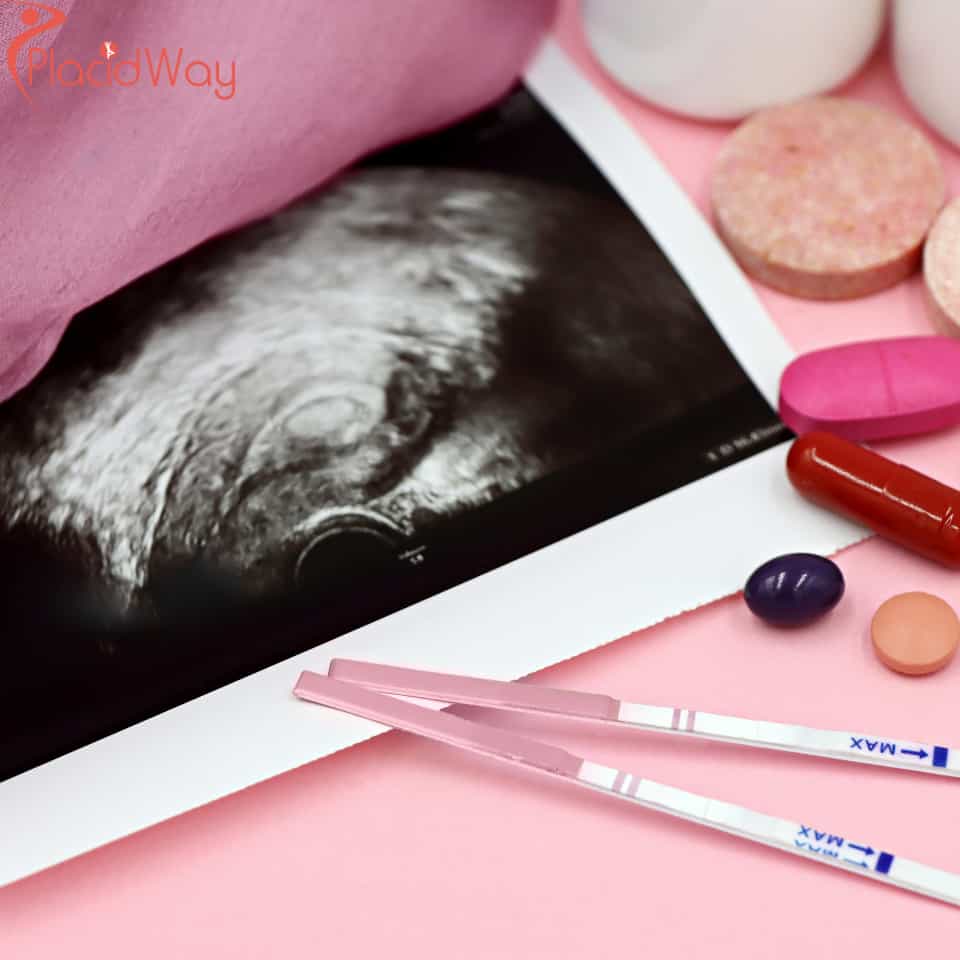








Share this listing