

Contents
Navigating chronic kidney disease often feels like being stuck on a treadmill of dialysis appointments and endless waiting lists. For many patients in the US and Canada, the frustration of limited therapeutic options at home prompts a search across the border. Tijuana has quietly become a major destination for people seeking alternative ways to manage kidney function through regenerative medicine.
You might be wondering about the logistics and the bottom line. Generally, stem cell therapy for chronic kidney disease in Tijuana ranges from $5,000 to $8,500, a fraction of what similar investigational treatments cost elsewhere. However, safety should always outrank savings. It is crucial to verify that any clinic you consider holds active certification from COFEPRIS, Mexico’s federal health regulatory agency, ensuring they meet rigorous medical standards.
Key Insights
Coordinating international travel while managing chronic fatigue or kidney disease symptoms is easily overwhelming. Comprehensive medical packages exist specifically to take that logistical weight off your shoulders.
A well-structured treatment package covers more than just the cellular therapy itself. It typically includes your ground transportation from San Diego, specialized blood panels, medical consultations, and hotel accommodations. Before making a decision, review exactly what is included and excluded. Compare the treatment packages below to see which option offers the most seamless experience for your journey.

Price starting from $4,599
Stem Cell Therapy for Chronic Kidney Disease Package in Tijuana, Mexico by CellsTime Clinique
CellsTime Clinique Tijuana
- Stem Cell Therapy
Tijuana, Mexico
Let's talk numbers directly, because financial transparency is essential when planning healthcare abroad. Stem cell therapy for chronic kidney disease in Tijuana usually costs between $5,000 and $8,500, depending on the specific medical protocol.
This price point is notably lower than investigational therapies in North America, largely due to differences in pharmaceutical regulations and lower operational costs in Mexico. Keep in mind that the final price often shifts based on the number of cell infusions required for your specific condition. Compare the pricing details below to evaluate the most cost-effective options for your situation.
Stem Cell Treatment for Kidney Failure Centers Cost Comparison in Tijuana, Mexico
| Provider | Procedure | Price |
|---|---|---|
| CellsTime Clinique Tijuana | Stem Cell Treatment for Kidney Failure, Stem Cell Therapy | $4599 |
Stem Cell Treatment for Kidney Failure Cost Comparison in Mexico
| Country | Procedure | Price |
|---|---|---|
| Switzerland | Stem Cell Treatment for Kidney Failure, Stem Cell Therapy | $40000 |
Filtering through medical centers in another country shouldn't feel like taking a shot in the dark. When your kidney health is on the line, the facility you choose needs to demonstrate complete transparency and rigorous safety standards.
Instead of focusing on sleek lobbies, look directly at their credentials. A trustworthy regenerative medicine clinic in Mexico will prominently display their COFEPRIS operating license and specialized lab certifications. Pay attention to how they source, screen, and cultivate their mesenchymal stem cells. Compare the verified clinics listed below to find a facility that properly aligns with your medical needs.

Stem Health | Leading Stem Cell Clinic in Tijuana, Mexico
Tijuana, Mexico

CellsTime Clinique Tijuana
Tijuana, Mexico
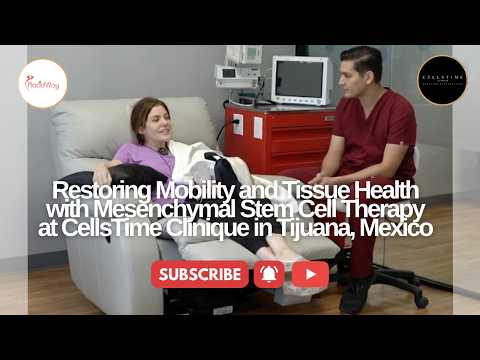
Sometimes, reading about a medical facility isn't enough to make you feel completely comfortable. Seeing the environment where your treatment will take place can help ease pre-travel anxiety.
Video tours give you a practical look inside the clinic's laboratory, patient rooms, and consultation spaces. They also provide a chance to hear directly from the medical team about their unique approach to regenerative care. Take a few minutes to watch the videos below and get a genuine feel for the facilities.
Nothing provides better context than the honest, unedited experiences of patients who have already traveled for this exact treatment. When dealing with complex conditions like kidney disease, community feedback is incredibly valuable.
Reading through patient testimonials helps you understand the reality of the medical care, the bedside manner of the staff, and the post-treatment follow-up. While individual medical results will always vary, consistent positive feedback regarding safety and professionalism is a strong indicator of quality. Browse the patient reviews below to hear directly from those who have made the trip.

Planning a trip to Mexico for regenerative kidney care naturally brings up plenty of logistical and medical questions. Below are some of the most common concerns patients have when considering this path.
Is stem cell therapy for CKD legal in Tijuana?
Yes, stem cell therapy is legal in Mexico when performed by clinics that hold appropriate licenses from COFEPRIS, the national health regulatory agency. Always verify a clinic's credentials before booking.
Can stem cells completely cure chronic kidney disease?
No, stem cell therapy is not a recognized cure for chronic kidney disease. It is an investigational treatment aimed at managing symptoms, reducing inflammation, and potentially slowing the progression of the disease.
How do I safely cross the border to Tijuana for treatment?
Most patients fly into San Diego International Airport. Reputable clinics typically provide private medical transport that picks you up at the airport and uses a dedicated fast-pass medical lane to cross the border smoothly.
What accreditation should I look for in a Mexican stem cell clinic?
You should strictly look for a current operating license from COFEPRIS. Additionally, reputable clinics often hold ISO certifications for their laboratories, ensuring safe handling and cultivation of cellular material.
How long do I need to stay in Tijuana for this procedure?
Most treatment protocols require a stay of 3 to 5 days. This allows enough time for preliminary blood work, the cell infusions, and necessary post-treatment medical observation before you travel home.
Do doctors in Tijuana speak English?
Yes, the major medical centers in Tijuana that cater to international tourists have fully bilingual staff. Your consultations and medical documentation will be conducted clearly in English.
Where do the stem cells used in Mexico come from?
Clinics generally use ethically sourced allogeneic mesenchymal stem cells derived from donated umbilical cord tissue. These are screened heavily for infectious diseases before being cultivated in a lab.
Will my nephrologist at home support this treatment?
Opinions vary. Because stem cell therapy for CKD is considered investigational by the FDA, some home doctors may be hesitant. It is crucial to maintain transparency with your primary nephrologist regarding any treatments abroad.
Is the main medical district in Tijuana safe for tourists?
The primary medical hub, known as Zona Río, is heavily monitored and generally very safe for medical tourists. However, you should still practice common travel safety and utilize clinic-provided transportation.
What happens if I experience complications after returning home?
Before leaving Tijuana, your clinic should provide a detailed follow-up plan and remote consultation access. If a severe medical emergency occurs at home, you must seek immediate care at your local emergency room.
What is the Cost of Stem Cells Transplant in Mexico?
Stem cell therapy has become a groundbreaking medical treatment for various conditions, offering patients new hope for recovery and improved quality of life. Mexico has emerged as a leading destination for affordable and advanced stem cell transplants, attracting international patients seeking effective treatments without the high costs associated with similar procedures in the U.S. and Europe. Key Insights at a Glance Save Up to 70%: Affordable stem cell treatments. Top Clinics: Advanced medical technology. Expert Doctors: Globally trained specialists. Multiple Treatments: Over 80 conditions treated. All-Inclusive Deals: Treatment, stay, and travel covered. Why Choose Mexico for Stem Cell Transplants? Mexico's healthcare system has gained global recognition for its innovative medical procedures and patient-centered care. Here’s why Mexico is a top choice for stem cell therapy: Affordable Treatment: Significantly lower costs compared to the U.S. and Europe. Advanced Medical Facilities: Clinics equipped with the latest medical technology. Experienced Specialists: Internationally trained doctors and medical staff. Flexible Treatment Options: Personalized therapies tailored to individual needs. Quick and Easy Access: Proximity to the U.S. makes travel convenient for North American patients. Cost Breakdown for Stem Cell Transplants in Mexico Stem cell transplant costs in Mexico vary based on the type of treatment and clinic chosen. Below is an overview of typical prices: Type of Stem Cell Treatment Cost in Mexico (USD) Cost in the U.S. (USD) Cost in Europe (USD) Autologous Stem Cell Transplant $15,000 - $25,000 $45,000 - $70,000 $50,000 - $75,000 Allogeneic Stem Cell Transplant $25,000 - $40,000 $100,000 - $200,000 $120,000 - $250,000 Mesenchymal Stem Cell Therapy $5,000 - $10,000 $20,000 - $50,000 $25,000 - $60,000 Stem Cell Therapy for Neurological Disorders $12,000 - $20,000 $50,000 - $90,000 $60,000 - $100,000 Stem Cell Therapy for Orthopedic Conditions $6,000 - $12,000 $25,000 - $45,000 $30,000 - $50,000 Note: Prices may vary based on clinic reputation, treatment complexity, and additional services. Did You Know? Stem cell therapy can treat over 80 medical conditions, including neurological disorders, autoimmune diseases, and orthopedic injuries. Factors Affecting the Cost of Stem Cell Therapy in Mexico Several factors influence the cost of stem cell therapy in Mexico: Type of Stem Cells Used: Autologous (from the patient) vs. Allogeneic (from a donor). Treatment Complexity: More severe or complex conditions may require more intensive treatment. Clinic Reputation: Well-known clinics with advanced technology may charge more. Additional Therapies: Complementary treatments and follow-up care may impact overall costs. Popular Clinics for Stem Cell Therapy in Mexico Mexico is home to several highly reputable clinics offering stem cell treatments, including: MexStem Cells Clinic – Focuses on neurological and orthopedic conditions. Dr. Omar Gonzalez Integra Medical Center – Known for pioneering stem cell therapies for chronic and degenerative diseases. Stem Health – Offers cutting-edge stem cell treatments for orthopedic and neurological disorders. SportMed – Specializes in sports injury recovery and orthopedic stem cell therapies. Did You Know? Many Mexican clinics offer all-inclusive packages that cover treatment, accommodation, and transportation for international patients. Conditions Treated with Stem Cell Therapy in Mexico Stem cell therapy in Mexico addresses a wide range of conditions, including: Neurological Disorders: Parkinson's disease, multiple sclerosis, spinal cord injuries. Autoimmune Diseases: Lupus, rheumatoid arthritis, Crohn's disease. Orthopedic Conditions: Osteoarthritis, joint injuries, and back pain. Diabetes: Type 1 and Type 2 diabetes management. Heart Diseases: Heart failure and coronary artery disease. Frequently Asked Questions (FAQs) Is Stem Cell Therapy Legal in Mexico? Yes, stem cell therapy is legal in Mexico and is regulated by health authorities to ensure safe and ethical treatment practices. Many clinics follow international medical standards. How Safe is Stem Cell Therapy in Mexico? Stem cell therapy in Mexico is generally safe when performed by certified and experienced professionals. Clinics use advanced technology and adhere to strict safety protocols. What Types of Stem Cells are Used in Mexico? Clinics in Mexico commonly use: Autologous Stem Cells: Derived from the patient's own body. Allogeneic Stem Cells: Donor-derived stem cells. Mesenchymal Stem Cells (MSCs): Sourced from umbilical cord tissue, bone marrow, or adipose tissue. How Long Does the Treatment Process Take? The treatment duration varies depending on the condition but generally lasts between 3 to 7 days, including consultations, preparation, and the procedure. Is There a Waiting List for Treatment? Most clinics in Mexico offer minimal waiting times, allowing international patients to start treatment shortly after booking. Are the Results of Stem Cell Therapy Permanent? Results vary by individual and condition. Some patients experience long-term relief, while others may require additional treatments for sustained results. Ready to Experience Advanced Stem Cell Treatment? Contact PlacidWay Today! Looking for safe, effective, and affordable stem cell treatments in Mexico? PlacidWay connects you with top-rated clinics offering world-class care. Why Choose PlacidWay? Access to certified, experienced medical professionals. Customized treatment plans tailored to your needs. Assistance with travel, accommodation, and logistics. Ongoing support before, during, and after treatment. Take the first step toward better health today! Contact PlacidWay Now and start your journey to recovery with advanced stem cell treatments in Mexico!
What does Stem Cell Cost for Kidney Failure in Tijuana, Mexico?
The estimated stem cell therapy cost in Tijuana, Mexico for kidney conditions typically ranges from $5,000 to $10,000 per treatment session. Prices vary depending on the cell source, required dosage, and individual patient protocols. When facing the physical and emotional toll of chronic kidney disease (CKD), many patients look beyond conventional treatments to explore alternative options. In recent years, regenerative medicine has gained attention as an investigational approach for managing various chronic conditions. Seeking stem cell therapy for kidney failure in Tijuana, Mexico has become a notable consideration for international patients due to the proximity of the destination to the United States and the availability of advanced cellular protocols that may not yet be widely accessible elsewhere. However, it is crucial to approach this subject with realistic expectations. Stem cell therapy is not a cure for end-stage renal disease (ESRD), nor does it replace standard treatments such as dialysis or kidney transplantation. Instead, it is being studied for its potential to manage inflammation and possibly slow disease progression in carefully selected patients. Because the treatment is highly individualized, understanding the costs, medical implications, and safety requirements is essential before making any decisions. Key Takeaways The estimated cost for a full protocol generally falls between $5,000 and $10,000. Stem cell therapy for kidney conditions remains an investigational, alternative treatment. Treatment focuses on potentially reducing inflammation and slowing disease progression, not reversing end-stage kidney failure. Patients must undergo thorough medical screening to determine their eligibility. Consultation with a primary nephrologist is strictly recommended before pursuing medical tourism for regenerative therapies. How does stem cell therapy for kidney failure work? Stem cell therapy aims to utilize the body's natural healing mechanisms to reduce renal inflammation and support tissue repair, though it cannot regenerate a entirely new kidney. Mesenchymal stem cells (MSCs) are the most common type of cells used in these therapies. Rather than transforming into new kidney cells, research suggests that MSCs primarily work through a "paracrine effect." This means the cells release specific proteins, growth factors, and cytokines that communicate with the surrounding damaged tissues. The theoretical goal of this cellular communication is to modulate the immune system, decrease chronic inflammation, and stimulate the formation of new blood vessels (angiogenesis). In the context of chronic kidney disease, reducing systemic inflammation is vital because ongoing inflammation accelerates the deterioration of nephrons—the functional units of the kidneys. While clinical trials continue to investigate these mechanisms, results in human patients vary widely, and the treatment does not provide guaranteed outcomes. What is included in the stem cell therapy cost in Tijuana, Mexico? The quoted cost usually covers pre-treatment medical evaluations, the laboratory preparation of the cells, the clinical administration process, and basic immediate post-treatment observation. When you receive an estimate from a stem cell clinic in Tijuana, Mexico, it is important to ask for a detailed breakdown of what is included. Because regenerative medicine protocols are customized, no two treatment plans look exactly alike. Typically, a comprehensive package includes: Medical Consultations: Initial reviews of your kidney function tests (such as GFR and creatinine) by the clinic's medical team. Cell Sourcing and Expansion: The laboratory costs associated with acquiring, expanding, and testing the viability of the stem cells prior to infusion. Administration Fees: The clinical costs for administering the cells, which is usually done via an intravenous (IV) drip over several hours. Basic Follow-up: Immediate aftercare and observation while you are at the clinic to ensure you do not have an adverse reaction to the infusion. Travel expenses, accommodation, specialized localized imaging, and long-term remote follow-up consultations may incur additional fees. Always request a transparent, itemized quote before traveling. Are stem cell treatments for kidney disease medically approved? Stem cell therapy for chronic kidney disease is currently considered an investigational and alternative treatment, and it is not universally approved as a standard of care by major global health organizations. In many countries, including the United States, the Food and Drug Administration (FDA) has not approved stem cell products for the treatment of kidney failure. Conventional medicine relies on standardized treatments such as blood pressure management, dietary changes, dialysis, and kidney transplantation. Regenerative medicine is still undergoing rigorous clinical trials to establish standardized efficacy and long-term safety profiles. In Mexico, the regulatory body COFEPRIS oversees health facilities and the laboratories that process biological materials. While clinics may operate legally and follow strict laboratory safety protocols under Mexican law, this does not mean the therapy is universally recognized as a definitive cure. Patients must clearly understand that they are pursuing an alternative therapy and should discuss the implications extensively with their local healthcare provider. What types of stem cells are used for kidney conditions in Tijuana? Clinics typically utilize Mesenchymal Stem Cells (MSCs), which are most commonly sourced from ethically donated human umbilical cord tissue (Wharton's Jelly). The choice of stem cell type is a major factor in both the cost and the proposed protocol. There are two primary categories of stem cells used in these therapies: Allogeneic Cells (Donor-derived): These are usually Wharton's Jelly MSCs harvested from the umbilical cords of healthy, screened donors after a normal delivery. They are favored because they are young, robust, and generally have a low risk of triggering an immune rejection. Autologous Cells (Patient-derived): These cells are harvested from the patient's own body, typically from adipose (fat) tissue or bone marrow. However, in patients with chronic illness or advanced age, autologous cells may be less viable or effective compared to younger, donor-derived cells. Most modern clinics focusing on systemic conditions like chronic kidney disease prefer umbilical cord-derived MSCs because they can be expanded in a laboratory to yield the high cell counts often required for therapeutic protocols. Who might be a suitable candidate for this treatment? Suitable candidates are often those in the earlier or middle stages of chronic kidney disease (Stages 2 to 4) who are looking to slow the progression of their condition. Not everyone is an ideal candidate for regenerative therapies. A responsible medical team will conduct a thorough screening process before accepting a patient. Generally, individuals who retain some degree of viable kidney function may be considered better candidates because the therapy relies on supporting remaining healthy tissue. Patients with Stage 5 chronic kidney disease (end-stage renal disease) who require continuous dialysis usually have extensive, irreversible scarring (fibrosis) in the kidneys. While some clinics may still offer treatments to these patients with the aim of improving general quality of life or managing systemic symptoms, it is medically unlikely that stem cells will reverse the need for dialysis at this stage. Additionally, individuals with active infections, a history of certain cancers, or severe cardiovascular instability are typically contraindicated for this treatment. What are the potential risks and side effects? While minimally invasive, potential risks include injection site reactions, transient fever, fatigue, infection, and the unknown long-term effects of introducing biological materials into the body. Patient safety must always be the top priority. Mesenchymal stem cells are generally considered to have a strong safety profile regarding acute immune rejection (they are immunoprivileged), but no medical procedure is entirely without risk. Following an intravenous infusion, some patients experience mild, short-term side effects such as a low-grade fever, headache, nausea, or fatigue as the body processes the new cells. More severe risks, though less common, include bacterial infection (if the cells were improperly screened or handled) or an unexpected immune response. Because long-term data on large populations receiving these treatments is still being collected, the potential for unforeseen future complications cannot be completely ruled out. It is imperative to choose facilities that adhere strictly to stringent laboratory standards and cell viability testing. How many treatment sessions are typically required? Most initial protocols involve one comprehensive treatment course administered over a period of 1 to 3 days, though some patients may opt for follow-up sessions months or years later. The number of cells required—and consequently the number of infusion sessions—depends entirely on the patient's weight, overall health, and the severity of the kidney condition. A standard protocol might involve the intravenous administration of tens of millions to over a hundred million MSCs. To prevent overwhelming the body and to maximize absorption, this high dosage is frequently divided into smaller infusions administered over consecutive days. After the initial therapy course is completed, the medical team will monitor the patient's blood work remotely over the following months. Based on the patient's response and disease trajectory, some individuals may choose to return for "booster" treatments, though this incurs additional costs. How long does it take to recover and see potential results? Immediate physical recovery from the infusion usually takes only a few days, but any potential systemic improvements in kidney function metrics may take 3 to 6 months to evaluate. The procedure itself is typically performed on an outpatient basis. Most patients feel well enough to return to their normal daily activities within 24 to 48 hours after their final infusion. However, it is advised to avoid strenuous physical exertion and strictly adhere to any prescribed dietary guidelines during the initial post-treatment phase. Assessing the efficacy of the treatment is a waiting game. Stem cells do not provide an overnight fix; the biological processes of modulating inflammation and supporting tissue repair occur gradually. Patients are typically instructed to have their local doctor run standard renal function panels (monitoring eGFR, creatinine, and BUN levels) at 1-month, 3-month, and 6-month intervals. Outcomes are highly variable; while some patients report stabilization of their numbers and improved energy levels, others may experience no measurable clinical benefit. Why do patients travel for medical tourism in Tijuana, Mexico? Patients often engage in medical tourism in Tijuana, Mexico due to the accessibility of specialized stem cell protocols, geographical convenience, and potentially lower treatment costs compared to domestic options. Tijuana has positioned itself as a major global hub for medical tourism, attracting thousands of international patients annually. For individuals seeking alternative therapies for chronic conditions, the primary driver is often access. Regulatory frameworks in Mexico allow specialized clinics to culture and administer expanded stem cells in quantities that are heavily restricted in places like the United States and Canada. Furthermore, Tijuana's location just across the border from San Diego, California, makes it highly accessible for North American patients. Many established clinics offer seamless logistical support, including private border transfers from San Diego airports directly to their facilities. While the cost is a significant factor—often presenting savings compared to similar experimental treatments elsewhere—patients must weigh these financial benefits against the inherent uncertainties of pursuing alternative medicine abroad. What should patients ask a stem cell clinic before booking? Patients must proactively verify the clinic's regulatory compliance, the credentials of the medical staff, the source of the biological materials, and the comprehensiveness of their patient screening processes. Thorough due diligence is non-negotiable when planning international medical care, especially for complex conditions like kidney failure. Before committing to any treatment plan, consider asking the following critical questions: Are your facility and your partner laboratory fully licensed and certified by COFEPRIS? Who is the attending physician, and what is their specific experience with cellular therapies and chronic conditions? Can you provide a Certificate of Analysis (CoA) demonstrating the viability, cell count, and sterility of the stem cells you intend to use? What criteria do you use to determine if I am a safe and viable candidate for this procedure? What specific emergency protocols do you have in place in the event of an adverse reaction during treatment? Why Choose PlacidWay for Medical Tourism? Navigating international healthcare options can be overwhelming. PlacidWay serves as an educational and informational resource designed to assist patients in exploring medical facilities worldwide. Here is what PlacidWay provides: Extensive Network: Access to a wide database of international medical centers and specialized clinics. Comparative Information: The ability to review and compare estimated costs, facility details, and treatment protocols in one place. Educational Resources: Informative guides that help patients understand the logistics and considerations of seeking care abroad. Direct Communication: Tools that allow you to request information directly from healthcare providers. No Hidden Platform Fees: PlacidWay offers its informational platform to patients without charging hidden booking fees. Frequently Asked Questions Is stem cell therapy a cure for end-stage kidney failure? No, stem cell therapy is not a cure for end-stage renal disease (ESRD). It is an investigational treatment that may help manage inflammation and potentially slow disease progression in earlier stages, but it does not replace the need for dialysis or a kidney transplant. Does health insurance cover stem cell treatments in Tijuana? Health insurance providers generally do not cover stem cell therapy for kidney disease, whether performed domestically or internationally, because the treatment is classified as experimental or investigational. Can I stop dialysis after receiving stem cells? You should never stop dialysis or any prescribed medical treatment without explicit instructions from your primary nephrologist. Stem cell therapy is not a recognized replacement for dialysis. How long do I need to stay in Tijuana for treatment? Most patients stay in Tijuana for 2 to 5 days. This allows time for an initial medical consultation, the administration of the stem cells (which often takes just a few hours), and a brief observation period before traveling home. Are stem cell treatments painful? The treatment is typically minimally invasive. If the cells are administered intravenously (IV), you will experience a standard needle prick similar to a blood draw. Mild discomfort may occur depending on the specific administration route. What medical records do I need to provide? You will need to provide recent comprehensive blood panels, a detailed medical history, current kidney function tests (such as eGFR and creatinine levels), imaging results, and a list of all current medications. Can I travel back home immediately after treatment? While many patients travel home the day after their final infusion, it is recommended to rest and follow the clinic's specific post-treatment travel guidelines to ensure proper recovery and monitor for any immediate adverse reactions. How do I know if the cells are ethically sourced? Reputable clinics use cells that are processed in specialized laboratories regulated by COFEPRIS (Mexico's health regulatory agency). You should always ask the clinic for documentation regarding their cell sourcing, laboratory certifications, and viability testing. What happens if I experience complications after returning home? Before traveling, you should establish a plan with your local healthcare provider for post-treatment care. If complications arise, you should seek immediate medical attention from your local hospital or nephrologist. How do Mexican clinics regulate stem cell safety? Legitimate clinics and their partner laboratories operate under the strict oversight of COFEPRIS, which sets safety, hygiene, and ethical standards for medical facilities and biological products in Mexico. Explore Your Treatment Options Gather the information you need to make an educated decision about your healthcare journey. Request educational materials and facility details today. Request Treatment Information Medical Disclaimer: The information provided in this article is for educational and informational purposes only and does not constitute medical advice. Stem cell therapy for chronic kidney disease is an investigational and alternative treatment. Results, eligibility, and potential risks vary by individual. Always consult with a licensed, qualified nephrologist or primary care physician before making any decisions regarding medical treatments or traveling abroad for healthcare. References Kidney Disease Information – National Institute of Diabetes and Digestive and Kidney Diseases (NIDDK) About Chronic Kidney Disease – National Kidney Foundation Patient Resources on Stem Cell Therapies – International Society for Stem Cell Research (ISSCR) Important Patient Information About Regenerative Medicine – U.S. Food and Drug Administration (FDA) Clinical Studies on Mesenchymal Stem Cells and Renal Function – National Library of Medicine (PubMed) Medical Tourism Safety and Guidelines – Centers for Disease Control and Prevention (CDC) Health and Sanitation Regulations – Federal Commission for the Protection against Sanitary Risk (COFEPRIS, Mexico)
Can Stem Cell Therapy Help Kidney Failure in Tijuana?
Stem cell therapy for kidney failure in Tijuana uses mesenchymal stem cells to potentially repair damaged renal tissue, reduce inflammation, and improve kidney function. Patients often see an improved quality of life and delayed need for dialysis. Key Takeaways: Renal Regeneration Insights Regenerative Potential: Specialized cells target internal inflammation and promote natural tissue repair in compromised renal systems. Cost Effectiveness: Patients save significantly compared to alternative experimental treatments in North America without compromising medical standards. Outpatient Convenience: The majority of these modern protocols are minimally invasive allowing for rapid recovery. Advanced Protocols: Top facilities utilize millions of viable ethically sourced mesenchymal cells to maximize therapeutic outcomes. How does stem cell therapy for kidney failure in Mexico work? The procedure involves introducing highly concentrated biological cells into the body to target damaged renal structures. These intelligent cells release growth factors that actively combat severe inflammation and stimulate blood vessel regeneration. The core mechanism behind stem cell therapy for kidney failure in Mexico relies on the unique homing ability of mesenchymal stem cells. When these cells enter the bloodstream they naturally migrate toward areas of acute distress and high inflammation which in this case are the compromised kidneys. Once they reach the renal tissue they do not simply replace dead cells but rather act as cellular managers directing the bodys own healing mechanisms. Through a process known as paracrine signaling these biological agents secrete essential proteins cytokines and exosomes. This powerful biochemical cocktail works directly to halt cellular apoptosis preventing further rapid deterioration of the filtering units known as nephrons. By slowing down this destructive process patients have a much better chance of maintaining their current filtration rates and preserving remaining renal capabilities. Furthermore the treatment promotes angiogenesis which is the creation of new microscopic blood vessels. Poor blood flow is a major contributing factor to chronic renal decline. By enhancing local microcirculation within the kidneys the therapy ensures that surviving tissues receive optimal oxygen and nutrients creating a highly favorable environment for sustained internal repair and improved overall physiological stability. Did You Know? Mesenchymal cells are uniquely immune privileged meaning they lack the specific surface markers that typically trigger an aggressive immune response. This makes them exceptionally safe for allogeneic donor use eliminating the strict need for blood type matching before the procedure. What is the average stem cell therapy for kidney failure cost in Mexico? Patients can expect to invest between five thousand and twelve thousand dollars for comprehensive renal regenerative packages. This competitive pricing is largely due to lower administrative overhead and favorable geographic economic conditions. When evaluating the stem cell therapy for kidney failure cost in Mexico it is crucial to understand exactly what the investment covers. Unlike standalone procedures in other regions comprehensive packages here typically encompass initial medical consultations extensive baseline blood testing the biological cellular material itself the administration process and initial post procedural monitoring. This all inclusive approach provides immense financial predictability for international visitors seeking critical care. The dramatic price difference compared to northern countries does not reflect a reduction in safety or cellular quality. The primary drivers of this affordability include specialized local laboratory networks lower property operating costs and an efficient regulatory environment that avoids the massively inflated administrative bloat found elsewhere. Leading facilities maintain international laboratory standards utilizing the exact same highly calibrated clean room equipment found globally. To fully grasp the financial advantages consider the comparative table below which outlines standard industry estimates. This transparency empowers patients to make highly informed decisions regarding their healthcare budgets while ensuring they retain access to premium restorative medical technologies that might otherwise be entirely out of their financial reach. Medical Service Component Estimated Cost in USA Estimated Cost in Tijuana Initial Consultation & Lab Work $1000 - $2500 Included in Package Comprehensive Cellular Protocol $15000 - $30000+ $5000 - $12000 Post Treatment Medications $500 - $1500 $100 - $300 Who is a good candidate for stem cell therapy for kidney failure in Tijuana? Ideal candidates are individuals diagnosed with chronic renal disease stages two through four who possess realistic medical expectations. A thorough medical evaluation determines absolute eligibility based on overall health and organ function. Patients experiencing a gradual decline in glomerular filtration rate who wish to explore aggressive preventative measures before reaching end stage failure. Individuals with stable cardiovascular health who can safely tolerate mild intravenous therapies without experiencing severe heart related complications. Those suffering from intense systemic inflammation caused by autoimmune renal conditions that are actively destroying delicate kidney filtering structures. People who have been denied alternative procedures in their home countries but still maintain enough viable renal tissue for regenerative cells to act upon. Patients committed to maintaining strict dietary and lifestyle modifications following their treatment to ensure the best possible environment for cellular success. What types of stem cells are used at a stem cell therapy for kidney failure clinic in Mexico? Specialized centers primarily utilize Wharton Jelly derived mesenchymal stem cells harvested from healthy umbilical cords. These specific cells are renowned for their incredible vitality immense regenerative capacity and robust anti inflammatory properties. When selecting a stem cell therapy for kidney failure clinic in Mexico patients will discover that the highest rated facilities heavily favor human umbilical cord tissue. This specific biological source provides cells that are effectively at day zero of their biological clock meaning they possess unmatched proliferation capabilities compared to older cells extracted from adult fat tissue or bone marrow. Their youth directly translates to a much stronger therapeutic punch. The extraction and cultivation process of these cells is a marvel of modern biotechnology. Following a highly vetted healthy birth the donated cord tissue is immediately transported to certified laboratories. Here expert biochemists isolate the most active mesenchymal cells and expand them into the millions under strict sterile conditions ensuring that each patient receives a highly potent concentrated dose tailored to their specific degree of organ damage. Furthermore premium facilities often incorporate exosomes into their advanced renal protocols. Exosomes are tiny extracellular vesicles secreted by the parent cells that act as rapid messengers deeply penetrating damaged tissues to deliver concentrated healing proteins. Combining these microscopic powerhouses with live umbilical cells creates a dual action approach that sets top tier Mexican regenerative centers apart from standard medical providers. Did You Know? Umbilical cord derived cells have a significantly higher replication rate than adult bone marrow cells. While an adult cell might safely divide only a few times before losing effectiveness youthful cord cells can multiply exponentially providing a massive therapeutic army to combat renal decay. Are there side effects of stem cell therapy for kidney failure in Mexico? The procedure presents a highly favorable safety profile with severe complications being incredibly rare. Minor transient effects may include mild fatigue temporary low grade fever or slight discomfort precisely at the intravenous insertion site. Mild lethargy is the most common immediate reaction as the body redirects its vital energy toward integrating the new cells and initiating internal healing protocols. Patients occasionally report a minor headache or slight nausea during the initial twenty four hours which easily resolves with standard over the counter hydration and rest. A brief low grade temperature elevation can occur serving as a completely normal biological indicator that the immune system is actively interacting with the introduced therapeutic proteins. Because the cells are immune privileged the terrifying risk of graft versus host disease or severe allergic rejection is virtually nonexistent in strictly controlled clinical settings. Bruising or mild swelling at the IV needle injection point may manifest but this is a standard physical response to any intravenous procedure rather than a reaction to the cells themselves. How long does it take to see results from stem cell therapy for kidney failure in Tijuana? Biological repair is a gradual process requiring patience and consistent monitoring. Initial systemic improvements often emerge within four to six weeks while measurable changes in renal lab markers typically manifest after three to six months. Unlike chemical pharmaceuticals that force an immediate artificial change in symptoms regenerative medicine works entirely on a foundational cellular timeline. During the first month post procedure the newly introduced cells are aggressively working to modulate systemic inflammation and establish microscopic vascular networks. During this early phase patients frequently report secondary benefits such as increased stamina better sleep quality and a noticeable reduction in chronic brain fog. As the healing progression continues into the second and third months the paracrine signaling begins to influence actual renal tissue repair. It is during this critical window that doctors advise patients to complete comprehensive blood panels. Improved creatinine clearance rates stabilized blood urea nitrogen levels and elevated glomerular filtration rates are the definitive clinical indicators that the therapy is successfully fortifying the failing organ architecture. It is paramount to recognize that the therapeutic timeline is not universally identical. A patient with early stage two kidney disease will likely exhibit faster and more dramatic biomarker improvements than someone battling severe stage four complications. Continuous communication with medical experts and strict adherence to post procedural dietary guidelines ensure the cells have the ideal physical runway to maximize their long term reconstructive potential. Why is medical tourism in Mexico popular for kidney failure treatments? The destination expertly combines cutting edge regenerative science world class bilingual specialists and massive geographical convenience. Patients access revolutionary therapies simply unavailable or prohibitively expensive in their home countries. The explosive growth of medical tourism in Mexico is directly tied to the undeniable quality of advanced healthcare available just across the border. Tijuana specifically has transformed into a global hub for biotechnology attracting elite medical talent from around the world. These physicians are often internationally trained holding prestigious board certifications and bring a wealth of specialized knowledge directly to patients seeking innovative solutions outside restrictive domestic healthcare systems. Accessibility is another massive contributing factor driving this popularity. For North American patients a short flight or a simple drive across the border immediately connects them with elite medical care eliminating the grueling stress of long haul international travel often required for similar treatments in Asia or Europe. Dedicated medical fast passes at border crossings further streamline this highly efficient travel experience. Finally the deeply ingrained culture of personalized hospitality sets the entire journey apart. International patients are not treated as mere numbers on a clinical assembly line. Facilities provide VIP concierge services dedicated patient coordinators comprehensive medical translation and luxurious recovery accommodations ensuring the environment is entirely conducive to stress free healing and absolute peace of mind. How is the regulatory framework for stem cell therapy for kidney failure in Mexico managed? The national health authority COFEPRIS rigorously oversees all biological treatments establishing stringent safety protocols. Legitimate clinics must pass extensive annual inspections and hold specialized licensing specifically for advanced cellular medicine. COFEPRIS acts as the exact equivalent to the FDA demanding meticulous documentation regarding the complete sourcing cultivation and secure transportation of all biological materials. Certified laboratories are strictly mandated to utilize highly specialized ISO certified clean rooms ensuring absolute sterility and preventing microscopic contamination during cellular expansion. Only specialized physicians holding verified advanced degrees in regenerative or internal medicine are legally permitted to prescribe and administer these potent biological protocols. Rigorous independent third party testing is continuously performed on cell batches to confirm exact viability counts and ensure entirely disease free biological profiles prior to patient use. This forward thinking legal framework allows doctors to legally expand cells to massive therapeutic numbers a highly effective practice currently restricted by excessive red tape in many northern nations. Why Choose PlacidWay for your stem cell therapy for kidney failure in Tijuana? PlacidWay operates as your ultimate medical advocate ensuring absolute safety transparency and quality. We exclusively connect patients with highly vetted internationally accredited centers eliminating the intense guesswork from your vital healthcare decisions. Rigorous Facility Vetting: We conduct exhaustive background checks ensuring partner clinics hold active COFEPRIS licenses maintain impeccable safety records and employ verified board certified regenerative specialists. Transparent Financial clarity: We negotiate robust all inclusive medical packages granting you immediate access to premium treatments without hidden fees entirely eliminating any confusing billing surprises. Dedicated Patient Advocacy: Our highly experienced team works tirelessly on your behalf facilitating seamless medical communication between you and the leading international doctors before during and after your procedure. Unbiased Medical Matching: We deeply analyze your specific clinical needs and match you strictly with the specialist best equipped to handle your unique stage of renal decline ensuring optimal tailored care. Comprehensive Record Transfer: We facilitate the secure efficient sharing of your domestic laboratory results and complex medical history guaranteeing the international medical team has a flawless understanding of your health baseline. Frequently Asked Questions About Renal Procedures Does stem cell therapy for kidney failure in Mexico provide a permanent cure? Regenerative medicine is not classified as a permanent cure for chronic renal disease. However stem cell therapy for kidney failure in Mexico focuses on halting disease progression repairing damaged tissue and significantly improving the overall quality of life by potentially delaying the absolute need for dialysis or a transplant. Is it safe to undergo stem cell therapy for kidney failure in Tijuana? Yes undergoing stem cell therapy for kidney failure in Tijuana is considered highly safe when performed at regulated and certified facilities. Clinics operate under strict guidelines set by COFEPRIS utilizing advanced clean rooms and thoroughly screened donor cells to prevent immune rejection and ensure maximum patient safety. How long do the effects of stem cell therapy for kidney failure in Mexico last? The duration of beneficial effects varies greatly among individual patients based on disease severity and lifestyle. Many patients report sustained improvements in energy levels and stable kidney function markers for one to three years before requiring any additional supportive booster treatments. Can dialysis patients benefit from stem cell therapy for kidney failure in Tijuana? Patients currently undergoing dialysis can still receive regenerative treatments although the primary goal shifts slightly. For late stage patients stem cell therapy for kidney failure in Tijuana aims to reduce systemic inflammation improve cardiovascular health and enhance daily energy levels rather than completely reversing the need for dialysis. What is the recommended age limit for stem cell therapy for kidney failure in Mexico? There is no strict maximum age limit for receiving regenerative treatments. Medical professionals evaluate each candidate based on their overall health cardiac stability and specific renal markers rather than chronological age ensuring the treatment is safely tailored to the individual. How are stem cells administered during stem cell therapy for kidney failure in Tijuana? The most common administration method is a slow intravenous infusion allowing the cells to circulate systematically and home in on areas of high inflammation. Some specialized protocols may also include localized injections or targeted arterial delivery depending on the exact medical evaluation of the patient. Are donor cells used in stem cell therapy for kidney failure in Mexico ethically sourced? Absolutely all allogeneic mesenchymal stem cells are ethically sourced from the umbilical cords of healthy full term pregnancies with comprehensive maternal consent. These biological materials are heavily screened for genetic and infectious diseases before being cultivated in state of the art laboratory facilities. Will my home doctor monitor my stem cell therapy for kidney failure in Tijuana? While the specialized procedure takes place internationally your primary care physician or nephrologist back home will continue your long term monitoring. Mexican medical teams highly encourage collaborative care and will provide extensive medical records and lab results for you to share with your local healthcare providers. What dietary changes support stem cell therapy for kidney failure in Mexico? To maximize cellular regeneration patients are advised to follow an anti inflammatory renal friendly diet. This typically involves reducing sodium intake monitoring potassium and phosphorus levels consuming high quality proteins and eliminating processed foods to create an optimal healing environment for the newly introduced cells. How quickly can I travel after stem cell therapy for kidney failure in Tijuana? Most regenerative treatments are performed on an outpatient basis allowing patients to recover swiftly. Medical experts usually recommend staying in the city for two to three days post treatment for observation and rest after which patients are fully cleared to fly or drive back to their home countries. Start Your Restorative Medical Journey Today Do not let chronic illness dictate your future. PlacidWay connects you with premium accredited centers offering advanced regenerative solutions. Secure your health by exploring world class affordable medical options today. Get Your Free Quote * Responses typically within 24 hours. Privacy completely guaranteed.
The effectiveness and safety of cellular therapy rely entirely on the expertise of the medical professional directing your care. You are looking for a specialist, not just a general practitioner.
For kidney-specific protocols, your doctor should ideally have a strong background in nephrology combined with specialized training in regenerative medicine. Check where they completed their medical training and verify their current board certifications in Mexico. Compare the specialists listed below to find a qualified doctor you feel confident trusting.

Tijuana is no longer just a bustling border town; it has evolved into a highly specialized hub for North Americans seeking advanced medical care. Its immediate proximity to the United States makes it uniquely accessible for patients managing chronic health issues.
Most international patients fly into San Diego International Airport, which is less than forty minutes away from Tijuana's main medical districts. From there, clinics often arrange private medical transport across the border using the designated fast-pass medical lane. This streamlined process minimizes travel fatigue, which is a major benefit for anyone dealing with kidney disease.
| Nearest Major Airport | San Diego International (SAN) |
| Primary Medical Zone | Zona Río, Tijuana |
| Border Crossing | San Ysidro Medical Lane (Fast-Pass) |
| Currency Accepted | US Dollars widely accepted in clinics |
While the main medical district is heavily secured and specifically caters to medical tourists, it is always wise to stick to clinic-arranged transportation and accommodations. Review the destination details carefully below to plan a smooth, stress-free trip across the border.
Making decisions about managing chronic kidney disease abroad requires verified facts, careful planning, and a trusted support system. You do not have to navigate this complex process by yourself.
Our team connects you with accredited clinics, specialized doctors, and transparent pricing to ensure your medical journey is as safe and straightforward as possible. Let us help you organize the details so you can focus entirely on your health.
References
- What Is Chronic Kidney Disease? – National Institute of Diabetes and Digestive and Kidney Diseases
- FDA Warns About Stem Cell Therapies – U.S. Food and Drug Administration
- Mesenchymal Stem Cells in Chronic Kidney Disease – National Institutes of Health (NIH)
- Patient Advisory for Stem Cell Tourism – International Society for Cell & Gene Therapy
- Official Health Regulation Information – COFEPRIS (Government of Mexico)

























Share this listing