


Contenuto
Raggiungi i tuoi obiettivi di genitorialità con un trattamento per la fertilità in Spagna
La Spagna è ampiamente considerata il leader europeo nella riproduzione assistita, con un numero di cicli di fecondazione in vitro (FIVET) annuale superiore a qualsiasi altro paese europeo. Pazienti provenienti da Regno Unito, Francia, Italia e altri paesi scelgono la Spagna per la sua combinazione vincente di tecnologia avanzata, legislazione progressista e tassi di successo eccezionali. Le cliniche di Barcellona, Madrid, Valencia e Alicante sono all'avanguardia nella ricerca sulla fertilità, spesso introducendo nuove tecniche come il monitoraggio time-lapse EmbryoScope e lo screening genetico avanzato (PGT-A) prima che diventino standard altrove.
Uno dei maggiori vantaggi della Spagna sono le sue leggi permissive sulla fertilità. Il trattamento è disponibile per donne single e coppie lesbiche (con il metodo ROPA) e la donazione di ovociti è anonima e altruistica per legge, garantendo un bacino di donatrici ampio e diversificato. Ciò si traduce in liste d'attesa praticamente inesistenti per gli ovociti donati, un vantaggio significativo rispetto al Regno Unito e ad altri paesi con carenze.
Gli standard di cura sono rigorosi e supervisionati dalla Società Spagnola di Fertilità (SEF). Le cliniche offrono un ambiente accogliente e personalizzato, spesso con reparti internazionali dedicati che si occupano di tutto, dalla traduzione alla logistica del viaggio, rendendo il percorso emozionale del trattamento di fertilità il più possibile privo di stress.
Con alti tassi di successo, accessibilità legale per tutte le donne e una reputazione di eccellenza, la Spagna offre un percorso promettente verso la genitorialità in una splendida cornice mediterranea.
Lo sapevate?
La Spagna esegue circa il 40% di tutti i cicli di donazione di ovociti in Europa. La legge sull'anonimato incoraggia la donazione e le donatrici sono in genere donne giovani e sane, sottoposte a rigorosi screening medici e psicologici. Questa abbondanza di ovociti di donatrici di alta qualità si traduce in alcuni dei tassi di gravidanza più alti al mondo per le donne con bassa riserva ovarica.
Informazioni chiave a colpo d'occhio
Legalmente accessibile alle donne single, alle coppie non sposate e alle coppie di donne dello stesso sesso (metodo ROPA).
Accesso immediato ai trattamenti, tra cui la donazione di ovociti, grazie a un bacino di donatrici ampio e diversificato.
Utilizzo routinario del PGT-A (screening genetico) per garantire la salute dell'embrione e migliorare i tassi di impianto.
Percentuali di successo costantemente elevate (spesso >60% per trasferimento) grazie alla tecnologia di laboratorio avanzata e alla qualità dei donatori.
Leggi severe tutelano l'anonimato dei donatori, il che aumenta l'offerta e semplifica il processo per i riceventi.
Le cliniche offrono supporto psicologico, agopuntura e coordinatori di cure personalizzate per i pazienti internazionali.
Pacchetti convenienti per la fecondazione in vitro in Spagna
Trovare la clinica giusta è essenziale per una gravidanza di successo. Nella sezione sottostante, abbiamo selezionato i migliori centri per la fertilità in Spagna che offrono pacchetti completi di fecondazione in vitro. Questi pacchetti in genere includono monitoraggio del ciclo, prelievo degli ovociti, ICSI, coltura embrionale fino allo stadio di blastocisti e trasferimento. I pacchetti premium per la donazione di ovociti includono la compatibilità con la donatrice, la terapia farmacologica per la donatrice e la garanzia di blastocisti. Esplora le opzioni per trovare un pacchetto in linea con gli obiettivi e il budget della tua famiglia.
Nota: i farmaci per il destinatario solitamente non sono inclusi nel prezzo del pacchetto a causa della variabilità individuale, ma possono essere acquistati localmente.

Price starting from $5,000
IVF with Embryo Freezing Package in Spain by UR Vistahermosa Alicante
UR Vistahermosa - Fertility Clinic in Spain
- Fertility Treatment
Alicante, Spain

Price starting from $3,400
IVF with Embryo Donation Package in Spain by UR Vistahermosa Alicante
UR Vistahermosa - Fertility Clinic in Spain
- Fertility Treatment
Alicante, Spain

Price starting from $8,000
Secure IVF with PGTA Package in Spain at UR Vistahermosa Alicante
UR Vistahermosa - Fertility Clinic in Spain
- Fertility Treatment
Alicante, Spain
Costo della fecondazione in vitro in Spagna - Confronto dei prezzi dei trattamenti per la fertilità
Comprendere l'impegno finanziario è fondamentale nel processo decisionale. La tabella seguente fornisce una ripartizione trasparente dei costi medi per le procedure di fecondazione in vitro (FIVET), donazione di ovociti e ROPA (procedura di procreazione assistita) in Spagna, confrontati con i prezzi del Regno Unito e degli Stati Uniti. Sebbene la Spagna sia una destinazione di lusso, i costi sono spesso inferiori del 30-50% rispetto agli Stati Uniti, con tassi di successo più elevati che offrono un ottimo rapporto qualità-prezzo.
Suggerimento: un ciclo standard di fecondazione in vitro di solito costa tra i 4.000 e i 6.000 euro , mentre la donazione di ovuli costa tra i 6.500 e i 9.000 euro .
Fertility Treatment Confronto dei costi dei centri in Spain
| Fornitore | Procedura | Prezzo |
|---|---|---|
| UR Vistahermosa - Fertility Clinic in Spain | Egg Donation, Fertility Treatment | $7450 |
| UR Vistahermosa - Fertility Clinic in Spain | IVF with ICSI, Fertility Treatment | $4900 |
| UR Vistahermosa - Fertility Clinic in Spain | IVF with Sperm Donation, Fertility Treatment | $5300 |
| UR Vistahermosa - Fertility Clinic in Spain | Egg Freezing Treatment, Fertility Treatment | $4900 |
| UR Vistahermosa - Fertility Clinic in Spain | Intrauterine insemination (IUI), Fertility Treatment | $800 |
| UR Vistahermosa - Fertility Clinic in Spain | Egg donation with Sperm Donation, Fertility Treatment | $7850 |
Fertility Treatment Confronto dei costi in Spain
| Paese | Procedura | Prezzo |
|---|---|---|
| Canada | Natural Cycle and ICSI, Fertility Treatment | $12480 |
| United States | Uterine Removal, Fertility Treatment | $3950 |
| United Kingdom | Egg Freezing Treatment, Fertility Treatment | $4261 |
Le migliori cliniche per la fecondazione in vitro in Spagna - Strutture per il trattamento della fertilità a prezzi accessibili
Il tuo successo dipende dalla qualità del laboratorio e dalla competenza del team. Abbiamo selezionato un elenco delle migliori cliniche per la fertilità in Spagna, note per la loro specializzazione nella riproduzione assistita e nei casi più complessi. Queste cliniche sono certificate ISO, dotate di tecnologie all'avanguardia (EmbryoScope, NGS) e di team di pazienti internazionali esperti. Esplora i profili qui sotto per saperne di più sui loro specifici programmi di donazione e sulle opzioni ROPA.
Standard: cerca cliniche che pubblicano i loro tassi di successo verificati da un ente indipendente come Veritas o DNV.

UR Vistahermosa - Fertility Clinic in Spain
Alicante, Spain

Quironsalud University Hospital Madrid
Madrid, Spain
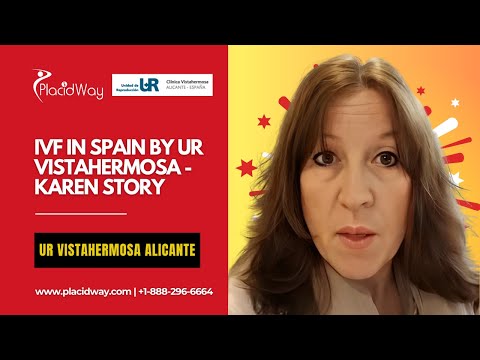
Guarda il video popolare sulla fecondazione in vitro in Spagna
Ascoltare direttamente le testimonianze di genitori di successo può offrire una preziosa rassicurazione. Le testimonianze video presentate di seguito mostrano storie vere di coppie e donne single che hanno viaggiato in Spagna per completare la loro famiglia. Guarda questi video per scoprire le loro esperienze personali, il livello di assistenza ricevuto e la gioia di tenere finalmente in braccio i loro bambini.
Approfondimento: i pazienti spesso sottolineano l'empatia e il supporto emotivo forniti dal personale della clinica rispetto alle loro esperienze a casa.




Recensioni di pazienti con trattamento di fertilità e fecondazione in vitro in Spagna
Le recensioni dei pazienti offrono una visione onesta della qualità dell'assistenza. In questa sezione troverete recensioni e valutazioni verificate di pazienti che hanno affidato il loro percorso di fertilità a specialisti in Spagna. Leggete i loro feedback sulla comunicazione della clinica, sulla chiarezza del processo e sulla loro soddisfazione generale per orientare la vostra scelta.
Suggerimento per la recensione: cerca le recensioni che menzionano il trattamento specifico di cui hai bisogno (ad esempio, donazione di ovuli o ROPA) per trovare esperienze pertinenti.

What Do Patient Reviews Reveal About IVF in Spain?
Testimonials from Real Patients after IVF Treatments in Spain When people think about IVF Fertility Treatment in Spain, they often look at reviews from other patients. These reviews can give you a good idea of what to expect. Let's see what these reviews commonly tell us. Why Many Couples Choose IVF in Spain: Insights from Patient Reviews Spain has become a popular destination for IVF treatment, with many patients sharing positive experiences. Based on patient reviews, here are some reasons why Spain is a preferred choice for IVF: High Success Rates: Many clinics in Spain are known for their excellent success rates, with patients reporting positive outcomes. Experienced Doctors: Spanish fertility specialists are highly trained and offer personalized care to ensure the best possible results. Affordable Treatment: IVF in Spain is often more affordable compared to other countries, making it accessible for many patients. Advanced Technology: Clinics in Spain use the latest fertility technologies to enhance treatment effectiveness and patient care. Quality of Care: Patients appreciate the professional and compassionate care they receive at IVF clinics, making their treatment journey smoother. Verified Patients Testimonials after IVF in Spain Ezio's Journey: Exceptional Support Every Step of the Way “Our experience was fantastic, the team that followed us was very professional, available from a clinical point of view, and impeccable from a human point of view ... A special thanks to Angela who followed us in every moment of our journey (even when she had the day off) from our first phone call to the clinic for simple information, until now ...” Katia's Story: Feeling Safe and Supported Through IVF “We will never stop thanking the whole team (doctors, nurses, international assistants) for how they made us feel safe, at ease and accompanied throughout the treatment. We highly recommend this clinic for the seriousness and humanity it has shown us. Thank you so much!” Anne's Triumph: From Struggles to Success with IVF “I am very happy with this Clinic. All of them made the whole process very easy from the beginning to the end, the international department girls and the rest of staff at the Unit. Now I am pregnant ,after 4 years trying ,and cannot wait to see my baby girl face . Thank you all.” Carole's Dream Come True: Overcoming Obstacles to Parenthood “After 4 unsuccessful years of PMA in France, I was followed by Fred, from Fertilog and the clinic. We took the time to do the exams, the treatments, they accompanied me from A to Z in my approach, v they reassured and supported me at every stage because I was very afraid of another failure. And when all the lights were green they told me to come! It was last January... My son Lukas was recently born and I am really on cloud nine. My dream is finally coming true.” The Importance of Patient Reviews Before choosing an IVF clinic, many people read reviews. These reviews can help you understand: Real Experiences: You can learn about the actual experiences of people who have gone through IVF in Spain. Clinic Strengths and Weaknesses: Reviews can point out what clinics do well and where they might have problems. Emotional Support: You can see how well clinics support patients emotionally. Communication: Reviews can tell you if a clinic communicates clearly. Overall Satisfaction: You can get a sense of how happy patients are with their results. What to Look For in Patient Reviews When reading reviews, keep these points in mind: Look for Specific Details: Reviews that provide specific details are more helpful than general statements. Balance Positive and Negative Reviews: Consider both the positive and negative aspects of the clinic. Look for Patterns: Pay attention to common themes that appear in multiple reviews. Consider the Source: Be aware that some reviews might be biased. Read Recent Reviews: Recent reviews are more likely to reflect the current state of the clinic. The Importance of Personal Research for IVF Treatment While reviews can provide helpful insights, doing your own research is crucial when considering IVF in Spain. Start by visiting clinic websites to learn about their services and doctors. Reach out to the clinic directly with any questions about treatments, costs, and procedures. Additionally, talking to others who have undergone IVF in Spain can offer valuable first-hand experiences and help you make an informed decision about your fertility journey. How Reviews Can Help You Choose a IVF Clinic in Spain Patient reviews can play a big role in helping you choose an IVF clinic in Spain: Narrow Down Your Options: Reviews can help you identify clinics that meet your needs. Get a Sense of the Clinic's Culture: Reviews can give you an idea of the clinic's atmosphere and how they treat patients. Prepare for Your Treatment: Reviews can help you understand what to expect during the treatment process. Ask the Right Questions: Reviews can help you identify questions to ask the clinic. Maria and Roger’s Testimonial on In-Vitro Fertilization in Spain Dimi & Malcolm’s Parenthood Journey: Fertility Treatment in Spain Lisa’s Journey to Motherhood: Spain Fertility Treatment IVF in Spain: Karen Wilton’s Journey to Motherhood FAQs (Frequently Asked Questions) 1. What is the success rate of IVF in Spain? The success rate of IVF in Spain varies depending on factors such as the woman's age, health, and the clinic's experience. On average, IVF success rates in Spain range from 40% to 50% for women under 35, and the rate decreases as age increases. 2. How much does IVF treatment cost in Spain? The average cost of IVF treatment in Spain typically starts at around $5,300. The price can vary based on the clinic, the treatment package, and any additional services such as egg freezing or sperm donation. 3. What types of IVF treatments are available in Spain? IVF clinics in Spain offer various treatments, including conventional IVF, egg donation, sperm donation, embryo freezing, and ICSI (intracytoplasmic sperm injection), depending on the patient's needs. 4. How long does the IVF process take in Spain? The IVF process in Spain typically takes around 4 to 6 weeks, from ovarian stimulation to embryo transfer. However, it may take longer if additional treatments or egg retrieval are required. 5. Are fertility treatments in Spain regulated? Yes, fertility treatments in Spain are regulated by the Spanish Fertility Society (SEF) and follow strict protocols to ensure the safety and well-being of patients. Spain has a high standard of medical care and is considered one of the top destinations for fertility treatments. 6. Can international patients receive IVF treatment in Spain? Yes, Spain is a popular destination for medical tourism, and many international patients seek IVF treatment here. Clinics offer services in multiple languages, and international patients can receive personalized care, including assistance with travel arrangements and accommodations. Book Your FREE Consultation for IVF in Spain with PlacidWay! If you're thinking about Fertility Treatment in Spain, patient reviews can be a valuable resource. Reach out to clinics, ask questions, and gather as much information as possible to make an informed decision. At PlacidWay Medical Tourism, we're here to help connect you with trusted IVF clinics in Spain, making it easier for you to start your journey. Contact us today to learn more about your options and take the next step toward your dream of starting or growing your family.
What IVF Treatment Packages are Available in Spain?
Understanding IVF Treatment Packages in Spain When you're thinking about In Vitro Fertilization (IVF) in Spain, it's important to know what kind of help is available. In Spain, many clinics offer IVF treatment packages. These packages are designed to make the process easier and more organized. Let's take a closer look. What Are IVF Treatment Packages? IVF treatment packages are bundles of services offered by fertility clinics. Instead of paying for each part of the treatment separately, you pay one price for a set of services. These packages can include: Initial consultations: Meeting with the doctor to discuss your medical history and treatment options. Tests and screenings: Blood tests, ultrasounds, and other tests to check your fertility. Medications: Drugs to stimulate egg production. Egg retrieval: The procedure to remove eggs from the ovaries. Sperm preparation: Preparing the sperm for fertilization. Fertilization: Combining the eggs and sperm in a lab. Embryo transfer: Placing the fertilized egg(s) into the uterus. Follow-up care: Appointments to check on your progress. Here are the breakdowns of IVF Treatment Packages in Spain: Procedure Price (USD) IVF with ICSI Package in Spain $4,900 IVF with Sperm Donation Package in Spain $5,544 IVF with Egg Freezing Package in Spain $5,196 IVF with Embryo Donation Package in Spain $3,400 Note: price may change and vary depends on complexity of procedures and patient conditions. Types of IVF Treatment Packages in Spain Clinics in Spain offer different types of IVF treatment packages to meet various needs. Here are some common ones: Basic IVF Package: This package typically includes the core IVF procedures, such as egg retrieval, fertilization, and embryo transfer. IVF with Egg Donation Package: This package is for women who need to use donor eggs. It includes the cost of the donor eggs and the IVF procedures. IVF with Sperm Donation Package: This package is for women who need to use donor sperm. It includes the cost of the donor sperm and the IVF procedures. IVF with Genetic Testing Package: This package includes preimplantation genetic testing (PGT) to check embryos for genetic problems. Multi-Cycle IVF Package: This package offers multiple IVF cycles at a reduced cost. This can be helpful for people who may need more than one cycle. Guaranteed IVF Package: Some clinics offer packages that guarantee a certain outcome, such as a pregnancy or a live birth. These packages may come with specific conditions. What to Consider When Choosing a Package When choosing an IVF treatment package, here are some things to think about: What's included: Make sure you understand what services are included in the package. Cost: Compare the costs of different packages and clinics. Success rates: Ask about the clinic's success rates with the type of treatment you need. Clinic's reputation: Research the clinic's reputation and read reviews from other patients. Location and travel: If you're traveling from another country, consider the clinic's location and travel arrangements. Support services: Check if the clinic offers support services, such as counseling and language assistance. The Benefits of IVF Treatment Packages IVF treatment packages can offer several benefits: Benefit Description Cost-effectiveness Packages can be more affordable than paying for individual services. Convenience Packages simplify the payment process and make it easier to manage costs. Organization Packages help organize the treatment process and ensure that all necessary services are included. Transparency Packages provide clear information about the costs of treatment. Preparing for Your IVF Journey in Spain Before starting your IVF journey in Spain, here are some important steps: Research clinics: Find reputable clinics that offer the type of treatment you need. Consult with doctors: Schedule consultations with doctors to discuss your options. Gather medical records: Collect all your medical records and bring them to your consultations. Plan your travel: If you're traveling from another country, plan your travel and accommodation. Prepare emotionally: IVF can be emotionally challenging, so prepare yourself for the journey. Frequently Asked Questions (FAQs) What is included in a basic IVF treatment package in Spain? A basic package usually includes egg retrieval, fertilization, and embryo transfer. Are IVF treatment packages in Spain more affordable than paying for individual services? Yes, packages can often be more cost-effective. Do clinics in Spain offer IVF packages with donor eggs or sperm? Yes, many clinics offer packages with donor eggs or sperm. Can I find IVF packages that include genetic testing? Yes, some clinics offer packages with preimplantation genetic testing (PGT). How do I choose the right IVF treatment package for me? Consider what services are included, the cost, the clinic's success rates, and your individual needs. Are guaranteed IVF packages common in Spain? Some clinics do offer these packages, but be sure to read all the terms and conditions. Get FREE QUOTE for IVF Treatment Packages in Spain at PlacidWay! If you're considering Fertility Treatment in Spain, it's important to get all the information you need. Contact a reputable fertility clinic through PlacidWay Medical Tourism today to discuss your options and find the right treatment package for you. They can help guide you through the IVF process, answer any questions you have, and ensure you make the best decision for your family.
Who are the Best Fertility Treatment Doctors in Spain?
The best fertility treatment doctors in Spain are highly skilled, board-certified specialists with decades of reproductive medicine experience. They provide advanced IVF procedures, high success rates, and personalized care for international patients. Key Takeaways: Reproductive Care Excellence Regulatory Security: Treatments operate under progressive, highly regulated European laws. No Waiting Lists: A massive donor pool ensures immediate matching for egg and sperm donation. Advanced Diagnostics: Utilizing PGT-A and Time-Lapse incubators for optimal embryo selection. Inclusive Care: Legal equality guarantees access for single women and same sex couples. Cost Advantage: Save significantly on premium procedures compared to North American healthcare. Why is fertility treatment in Spain highly recommended for international patients? Patients globally seek fertility treatment in Spain because of its pioneering medical professionals, progressive reproductive laws, and complete lack of waiting lists for donor materials. The global reputation of Spanish reproductive medicine is not a coincidence. The region has spent decades cultivating a healthcare environment specifically designed to support complex fertility challenges. Specialists undergo rigorous medical training that exceeds standard European requirements, often holding international certifications and leading groundbreaking research in human reproduction. This dedication to academic and clinical excellence means patients receive protocols based on the absolute latest scientific evidence. Another major factor driving international patients is the progressive legal framework. Unlike many European nations that impose strict restrictions on who can receive treatment or mandate non anonymous donation, Spanish laws are designed to protect the patient experience. The legislation allows anonymous egg and sperm donation, which creates a robust donor pool. Consequently, patients requiring donor material can begin their journey immediately without enduring the months or even years of waiting seen in other countries. Furthermore, the entire medical infrastructure is optimized for cross border healthcare. Top tier facilities feature dedicated international departments offering multilingual support, legal guidance, and comprehensive logistical assistance. This seamless integration ensures that traveling abroad for medical care feels less like a clinical hurdle and more like a supportive, well managed step toward building a family. Expert Insight Because of the sheer volume of international cases handled annually, Spanish embryologists encounter and successfully manage complex infertility cases that practitioners in smaller markets might rarely see, resulting in refined laboratory techniques that directly boost success rates. What is the average fertility treatment cost in Spain compared to other countries? The average fertility treatment cost in Spain ranges between five thousand and eight thousand dollars for standard IVF, offering savings of up to sixty percent compared to North American facilities without sacrificing quality. Financial predictability is a significant concern for families exploring assisted reproduction. The fertility treatment cost in Spain is remarkably transparent and competitive on a global scale. While prices are slightly higher than some emerging medical markets, they represent an incredible value when considering the unparalleled laboratory standards, strict European safety protocols, and inclusion of cutting edge technologies like ICSI as standard practice rather than an expensive add on. When budgeting for your journey, it is important to understand what a typical package entails. Most comprehensive packages cover initial consultations, ultrasound monitoring during the stimulation phase, egg retrieval under sedation, laboratory fertilization, and the embryo transfer itself. Additional costs usually include personalized hormone medications, advanced genetic testing of embryos, and annual storage fees for frozen genetic material. To provide clear financial context, comparing prices internationally reveals the distinct advantage. The robust competition among elite medical centers ensures that pricing remains patient friendly while maintaining state of the art laboratory conditions. Procedure Type Average Cost in Spain (USD) Average Cost in USA (USD) Standard IVF (Own Eggs) $5,000 - $7,000 $15,000 - $25,000 IVF with Egg Donation $8,000 - $11,000 $30,000 - $40,000 Embryo Freezing (Vitrification) $600 - $1,000 $2,000 - $3,000 How do I choose a reputable fertility treatment clinic in Spain? Selecting the best fertility treatment clinic in Spain requires evaluating their ISO certifications, audited success rates, communication transparency, and the breadth of advanced technologies available in their embryology labs. Making an informed decision about where to entrust your reproductive journey is vital. The ideal fertility treatment clinic in Spain will combine rigorous clinical standards with deep empathetic care. Consider the following crucial factors when evaluating your options: External Auditing: Ensure the facility submits its success rates to independent governing bodies like the Spanish Fertility Society. This prevents statistical manipulation and ensures honesty. Quality Certifications: Look for international quality markers, specifically ISO 9001 and UNE certifications, which guarantee strict adherence to global safety and hygiene protocols. Embryology Laboratory Tech: The heart of any successful program is the lab. Top centers utilize Time-Lapse incubation systems and highly advanced air filtration to mimic natural uterine conditions. Customized Protocols: Avoid facilities that use a one size fits all approach. Reputable specialists will thoroughly review your medical history before suggesting a highly individualized stimulation protocol. Dedicated International Care: The availability of a personal patient coordinator who speaks your native language fluently is essential for reducing stress during the medical process. Transparent Financial Planning: Ethical medical centers provide comprehensive quotes detailing exactly what is and is not included, preventing unexpected financial burdens mid treatment. What makes medical tourism in Spain ideal for reproductive care? Medical tourism in Spain offers the perfect blend of world class medical expertise and a stress reducing environment. The temperate climate, relaxed lifestyle, and vibrant culture positively impact psychological well being during treatment. Undergoing reproductive procedures is inherently stressful, and stress management plays a tangible role in favorable outcomes. Medical tourism in Spain thrives because the destination naturally mitigates the anxiety associated with medical procedures. Escaping the daily grind of your home environment allows your nervous system to reset. Strolling through sunlit historical streets or resting by the Mediterranean coast replaces the clinical sterility often associated with hospital visits. Furthermore, the Mediterranean lifestyle is biologically beneficial. Nutritional specialists widely recommend the Mediterranean diet, rich in antioxidants, healthy fats, and fresh produce, for optimizing cellular health and egg quality. By recovering in this environment, patients naturally immerse themselves in dietary habits that support their reproductive goals. The overall relaxed pace of life encourages rest, which is crucial during the delicate days surrounding an embryo transfer. Logistically, the country is incredibly accessible. With major international airports located in key cities, direct flights are plentiful from North America and across Europe. The infrastructure supporting international visitors is immense, offering a wide range of recovery friendly accommodations from luxury wellness resorts to private, quiet apartments near your chosen medical facility. Fun Fact Many international patients view their trip as a conception vacation. By combining daily treatments with leisurely activities like museum visits and culinary tours, the psychological focus shifts from medical anxiety to enjoyable vacation experiences, creating a positive emotional state. What are the true success rates for IVF treatments performed by these specialists? Success rates vary by age and protocol, but cumulative pregnancy rates often exceed ninety percent over three cycles for egg donation, and hover between fifty to sixty percent for patients under thirty-five using their own eggs. Understanding success rates is critical, but it requires looking beyond simple percentages. The premier specialists in the region report figures that consistently rank above the European average. For a woman under thirty five using her own genetic material, a single cycle often yields a clinical pregnancy rate of fifty to sixty percent. This impressive figure is achieved through meticulous laboratory conditions and the standard use of intracytoplasmic sperm injection to guarantee fertilization. As maternal age increases, the quality of proprietary eggs naturally diminishes, affecting these numbers. However, this is where the region truly shines. For older patients utilizing the extensive egg donation program, success rates skyrocket. Because donors are young, rigorously screened, and highly fertile, the clinical pregnancy rate for recipient patients frequently reaches up to seventy percent per single transfer, regardless of the recipient mothers age. It is also essential to consider cumulative success rates. Leading professionals advocate for assessing the probability of a live birth after transferring all viable embryos generated from a single egg retrieval. Through advanced vitrification (flash freezing), subsequent frozen embryo transfers maintain nearly identical success rates to fresh transfers. Over three comprehensive cycles, the cumulative likelihood of achieving a healthy pregnancy often surpasses the ninety percent threshold. Are egg and sperm donations legally protected and anonymous? Yes, national law mandates strict anonymity for both egg and sperm donation. The identity of the donor is legally protected, meaning the child and the intended parents will never know the donors identity, nor will the donor have parental rights. The legal framework surrounding third party reproduction is a cornerstone of the countrys medical appeal. Legislation strictly dictates that all donation must be altruistic and completely anonymous. Medical facilities are legally forbidden from showing photographs or revealing identifying personal information about the donor to the intended parents. This guarantees absolute privacy for all parties involved and legally cements the intended parents as the sole legal guardians of the child from conception. Because intended parents cannot select a donor from a catalog, the responsibility of matching falls to the medical team. Specialists use phenotypic matching to ensure the child resembles the intended parents. Doctors meticulously compare physical traits such as height, bone structure, eye color, hair texture, and blood type. They also employ advanced facial recognition software to find the closest possible biometric match between the donor and the recipient mother. Beyond physical appearance, the safety protocols are uncompromising. Donors are subjected to exhaustive psychological interviews to confirm their altruistic intent. Furthermore, extensive genetic carrier screening is performed to ensure the donor does not carry mutations for severe hereditary diseases. This double layer of physical matching and genetic screening provides immense peace of mind to international families relying on donor material. What advanced reproductive technologies do these elite specialists use? Top professionals utilize cutting edge innovations including Preimplantation Genetic Testing, Time-Lapse Embryoscopes, Magnetic Activated Cell Sorting for sperm, and Artificial Intelligence to maximize healthy live birth rates. The integration of groundbreaking technology is what separates acceptable outcomes from exceptional ones. When consulting with leading professionals abroad, you can expect access to laboratory techniques that significantly enhance the probability of implantation and reduce miscarriage risks. PGT-A (Preimplantation Genetic Testing for Aneuploidies): This technique biopsies a few cells from the embryo to count the chromosomes. It ensures only genetically normal embryos are transferred, drastically lowering miscarriage rates. Time-Lapse Incubators (Embryoscope): Instead of removing embryos daily to check development, built in cameras take continuous photos. This undisturbed environment keeps pH and temperature perfectly stable while allowing embryologists to monitor division patterns. MACS (Magnetic Activated Cell Sorting): This advanced sperm selection technique uses magnetic fields to separate and eliminate apoptotic sperm cells, ensuring only the healthiest sperm are used for fertilization. Artificial Intelligence Selection: AI algorithms analyze thousands of data points from the Time-Lapse images to objectively rank embryos, predicting which one has the highest statistical probability of resulting in a live birth. Endometrial Receptivity Analysis: A personalized genetic test performed on the uterine lining to pinpoint the exact window of implantation, optimizing the timing for embryo transfer. Advanced Vitrification: An ultra rapid freezing technique that prevents ice crystals from forming inside the cells, ensuring exceptional survival rates when embryos or eggs are thawed. Is there an age limit for undergoing fertility procedures? While the law does not state a strict numeric age cutoff, the national reproductive medical society strongly advises that treatments should not be performed on women older than fifty years of age to ensure maternal and fetal safety. Navigating the boundaries of reproductive age is a common concern for international patients. Legally, the local government dictates that procedures can be performed as long as the patient is in suitable physiological health to carry a pregnancy. However, ethical guidelines established by the premier reproductive societies set the generally accepted maximum age limit at fifty years old. This consensus prioritizes the health and cardiovascular safety of the mother during gestation. For patients approaching their late forties, specific cardiovascular and systemic health screenings are mandatory before any protocol is approved. Doctors must confirm that the physical demands of pregnancy will not pose a critical threat. If approved, patients in this older demographic almost exclusively utilize the egg donation program, as the viability of autologous eggs past the age of forty four is statistically minute. It is vital to consult transparently with your medical team regarding age parameters. Some boutique facilities might evaluate cases slightly past fifty on an extreme case by case basis, provided the patient demonstrates exceptional baseline health. However, the fifty year benchmark remains the gold standard for ethical, safe reproductive medicine across the region. Did You Know? The high success of egg donation programs means that women in their late forties actually have higher live birth success rates per transfer in these specialized centers than women in their late thirties attempting IVF with their own eggs. What options exist for single women and same sex couples? The legal environment ensures complete equality, offering single women access to donor sperm, and providing married lesbian couples the opportunity to utilize the reciprocal IVF method, allowing both partners to share the pregnancy journey. Inclusivity is a massive draw for the international medical community. The legal system mandates that assisted reproduction be accessible regardless of sexual orientation or marital status. Single women seeking motherhood have full, unhindered access to treatments ranging from artificial insemination to complex IVF using anonymous, highly vetted donor sperm. The process is completely normalized and highly supported by medical staff. For married same sex female couples, the region offers the ROPA method, also known as reciprocal IVF. This beautiful procedure allows both women to be physically and legally involved in the creation of their family. One partner undergoes ovarian stimulation to provide the eggs, which are fertilized with donor sperm. The resulting embryo is then transferred into the uterus of the second partner, who carries the pregnancy and delivers the baby. The legal protection for these families is airtight. Provided the couple is legally married prior to the start of the treatment, both women are instantly recognized as the legal mothers on the childs birth certificate without the need for complex secondary adoption processes. This level of legal security, combined with compassionate medical care, creates a profoundly welcoming environment for diverse families. Why Choose PlacidWay for your reproductive journey? PlacidWay connects you exclusively with globally accredited medical professionals, ensuring transparent pricing, dedicated patient advocacy, and seamless communication to transform a complex medical process into a supported journey. Selecting the right medical team from thousands of miles away can feel overwhelming. PlacidWay acts as your ultimate safeguard and medical advocate, ensuring that your pursuit of family building is met with the highest standards of safety and professionalism. Here is why patients rely on PlacidWay: Pre Vetted Excellence: We do the rigorous background work for you. PlacidWay only partners with medical centers that hold valid international certifications, boast independently audited success rates, and employ board certified specialists. Complete Financial Transparency: We eliminate hidden fees. Through our platform, you receive highly detailed, itemized medical quotes so you understand exactly what your treatment package entails before making any financial commitments. Dedicated Patient Coordination: From the moment of your first inquiry, you are assigned a dedicated coordinator who facilitates seamless communication between you and the foreign medical staff, bridging any linguistic or cultural gaps. Comprehensive Treatment Planning: We assist in organizing preliminary virtual consultations with lead physicians. This ensures your medical history is thoroughly reviewed and a customized protocol is designed specifically for your biology prior to arrival. Ongoing Post Treatment Support: Our commitment does not end after the embryo transfer. We ensure that follow up communication channels remain open, allowing your local obstetrician to seamlessly connect with your overseas specialist for collaborative ongoing care. Frequently Asked Questions About Reproductive Procedures How long do I need to stay in Spain for an IVF cycle? The required length of stay depends heavily on the specific protocol chosen by your specialist. For a standard IVF cycle using your own eggs, you may need to stay for ten to fourteen days to cover ovarian stimulation, egg retrieval, and embryo transfer. However, many specialists coordinate with your local doctor to complete the stimulation phase at home, reducing your time in Spain to just three to five days. Do Spanish fertility doctors speak English fluently? Yes, the vast majority of specialists handling international patients are highly fluent in English. Top medical facilities prioritize multilingual communication, employing dedicated international departments with native English speaking coordinators. This ensures that complex medical terminology, treatment plans, and emotional support are conveyed clearly without any language barriers. Can single women access fertility treatments in Spain? Absolutely. Spanish reproductive laws are among the most progressive in Europe, granting equal access to assisted reproduction regardless of marital status or sexual orientation. Single women can undergo treatments such as intrauterine insemination or in vitro fertilization using anonymous donor sperm provided by heavily regulated national banks. Is gender selection allowed during IVF in Spain? Gender selection for family balancing purposes is strictly prohibited under Spanish law. It is only legally permitted in very specific medical circumstances where it is necessary to prevent the transmission of severe sex linked genetic diseases. In all other cases, the selection of the embryo for transfer is based entirely on its viability and morphological quality. What are the waiting times for an egg donor in Spain? One of the greatest advantages of seeking reproductive care in this region is the virtual absence of waiting lists for donor material. Thanks to a strong cultural inclination toward altruism and favorable legislative frameworks, the country boasts the largest pool of diverse donors in Europe, allowing treatments to begin almost immediately after your initial consultation. Do Spanish clinics treat international patients over forty? Yes, many international patients seeking care are over the age of forty. While success rates using a patients own eggs naturally decline with age, specialists offer advanced protocols and highly successful egg donation programs tailored for older patients. The generally accepted maximum age limit for treatment is fifty, adhering to the ethical guidelines set by national reproductive societies. How are egg donors screened by Spanish medical professionals? Donors undergo an incredibly rigorous screening process that exceeds European standards. This includes extensive psychological evaluations, infectious disease testing, and comprehensive genetic screenings to rule out hundreds of hereditary conditions. Only a small percentage of applicants pass these strict criteria, ensuring the highest possible quality and safety for the recipient. Can same sex female couples undergo reciprocal IVF in Spain? Yes, reciprocal IVF, known locally as the ROPA method, is fully legal and highly popular. This procedure allows both partners to participate actively in the pregnancy: one partner provides the eggs, and the other carries the pregnancy. The couple must be legally married to ensure both are recognized as the legal mothers from the moment of birth. Is embryo freezing an option during Spanish fertility treatments? Embryo freezing using advanced vitrification technology is a standard and highly successful option. If your cycle produces multiple high quality embryos, the remaining ones can be rapidly frozen for future use. Vitrification prevents ice crystal formation, resulting in survival rates that exceed ninety five percent upon thawing for subsequent transfers. Are fertility medications included in the base IVF package in Spain? Generally, the hormonal medications required for ovarian stimulation are not included in the base price of the procedure. Because medication dosages vary significantly from patient to patient based on age, ovarian reserve, and specific protocols, they are billed separately. You should budget an additional amount, usually ranging from one thousand to two thousand euros, depending on your individual requirements. Start Your Family Building Journey Today Do not let distance stand in the way of your dreams of parenthood. PlacidWay connects you with globally recognized specialists. Get a free, no obligation quote, receive a personalized protocol from elite experts, and unlock comprehensive medical packages designed for your ultimate peace of mind. Get Your Free Quote
How Much IVF Cost in Spain?
The average IVF Cost in Spain typically ranges from $5,000 to $8,500 per cycle, depending on the treatment type. This price usually includes consultations, egg retrieval, fertilization, and embryo transfer, making it a highly cost-effective choice for international patients. Key Takeaways: IVF in Spain Progressive Laws: Fertility treatments in Spain are governed by progressive laws that support singles, heterosexual, and same-sex couples. Variable Investment: The total financial investment will vary based on whether patients require donor eggs, genetic testing, or specialized fertilization techniques. Significant Savings: International patients can typically expect to pay 40% to 60% less than comparable treatments in North America or the UK. Separate Expenses: Medication costs and travel accommodations are generally separate from standard clinical packages. Strict Quality Control: Spanish clinics adhere to strict quality controls monitored by the Ministry of Health and the Spanish Fertility Society (SEF). What Factors Influence the Total IVF Cost in Spain? The final IVF cost in Spain is influenced by maternal age, specific treatment protocols, required medications, and the need for donor gametes or genetic testing. When planning for an in-vitro fertilization cycle, it is vital to understand that the base price advertised by an IVF clinic in Spain is rarely the final amount paid. Case complexity plays a significant role; women with diminished ovarian reserve may require higher doses of stimulation medications, which can steadily increase out-of-pocket expenses. Additionally, advanced laboratory techniques can adjust the final bill. Procedures such as Intracytoplasmic Sperm Injection (ICSI), preimplantation genetic testing (PGT-A) to screen for chromosomal abnormalities, or the use of an embryoscope for continuous embryo monitoring are typically billed as add-ons. These interventions are recommended based on individual medical histories and previous fertility outcomes. Finally, whether a patient utilizes their own gametes or requires a donor significantly impacts the financial landscape. Egg donation cycles are more expensive due to donor compensation, extensive medical screening, and synchronizing cycles, which requires more intensive coordination by the medical team. What is Typically Included in a Standard IVF Package? Standard packages at an IVF clinic in Spain generally include initial consultations, ultrasound monitoring, egg retrieval, fertilization, and the embryo transfer procedure. To help international patients manage their budgets, many facilities bundle core services into a single package. Our clinical evaluation focuses on five main components typically encompassed in a standard offering: Medical Consultations: Initial and follow-up clinical evaluations (often available via video call before travel). Ultrasound Monitoring: Transvaginal ultrasound scans to closely monitor follicular growth during the ovarian stimulation phase. Surgical Egg Retrieval: The surgical oocyte pickup procedure, including light sedation or anesthesia services. Laboratory Processing: Sperm preparation and standard in-vitro fertilization inside the embryology laboratory. Embryo Transfer: The final embryo transfer procedure performed under real-time ultrasound guidance. Did You Know? Spanish clinics are known for assigning a dedicated patient coordinator who speaks your native language. This coordinator helps decipher medical jargon and translates treatment schedules, ensuring smooth communication throughout your stay. How Does the Price of IVF in Spain Compare to the US or UK? Patients seeking medical tourism in Spain often find IVF costs are 40% to 60% lower than in the US and UK, despite identical standards of technological care. The stark difference in healthcare economics is a primary driver for patients crossing borders. In the United States, a single cycle can exceed $15,000 without medications, while private clinics in the UK often charge upwards of £6,000 to £8,000 per cycle. Spain’s cost of living and different healthcare pricing structures allow clinics to offer highly competitive rates. Crucially, lower costs do not imply compromised quality. Spanish clinics adhere to stringent European regulations and frequently invest in state-of-the-art reproductive technologies. To illustrate the cost discrepancy, review the estimated comparison below: Treatment Type Estimated Cost (Spain) Estimated Cost (USA) Estimated Cost (UK) Standard IVF (Own Eggs) $5,000 - $6,500 $12,000 - $17,000 $7,500 - $10,000 IVF with Egg Donation $7,500 - $10,000 $25,000 - $40,000 $12,000 - $16,000 ROPA Method (Reciprocal) $6,000 - $8,000 $15,000 - $20,000 $9,000 - $12,000 Average Estimated Savings 40% to 60% Savings Compared to US/UK Rates *Disclaimer: All prices are estimates and can vary by clinic, location, and individual medical needs. Exchange rates may also affect final out-of-pocket costs. Are There Hidden Costs When Undergoing IVF Abroad? While clinics provide transparent estimates, patients must budget for travel, accommodation, pre-treatment bloodwork in their home country, and specialized fertility medications. Transparency is a hallmark of reputable providers, but patients must take a holistic view of the financial commitment. Beyond clinical fees, you should account for several variable expenses: Fertility Medications: Injectable hormones are almost never included in cycle packages and can add $1,000 to $2,500 depending on the dosage required. Pre-Travel Diagnostics: Blood tests (like AMH levels) and infectious disease screenings are often completed in your home country before travel. Cryopreservation Fees: Freezing leftover embryos (vitrification) usually incurs a one-time fee, plus an annual storage maintenance charge. Travel Logistics: Flights, hotels or short-term apartment rentals, and local transportation in cities like Madrid, Barcelona, or Alicante. Sperm Freezing: If a male partner cannot travel for the egg retrieval, sperm freezing ahead of time will be an additional cost. What Are the Different Types of IVF Treatments Available? Fertility specialists offer conventional IVF, IVF with ICSI, egg or sperm donation cycles, and reciprocal IVF (ROPA method) for suitable candidates. Because infertility stems from diverse causes, clinics offer tailored approaches. Conventional IVF involves placing eggs and sperm in a petri dish for natural fertilization. When male factor infertility is present, ICSI is widely utilized; this involves an embryologist selecting a single healthy sperm and injecting it directly into the mature egg. For patients facing severe age-related fertility decline or premature ovarian failure, egg donation is a highly successful option. Spain possesses one of the largest anonymous donor pools in Europe, significantly reducing wait times for matched gametes. Furthermore, the ROPA method (Reception of Oocytes from Partner) is exclusively available for married or partnered lesbian couples. It allows shared motherhood, where one partner provides the eggs for fertilization and the other carries the pregnancy. How Long Do I Need to Stay for an IVF Cycle? Most patients traveling for IVF in Spain should plan to stay for 10 to 14 days to accommodate ovarian stimulation, egg retrieval, and embryo transfer. The timeline for fertility travel depends on how your doctor structures the cycle. Some patients choose a "two-trip" approach. They travel briefly for an initial consultation and sperm freezing (1-2 days), return home to begin stimulation medications, and then travel back strictly for the retrieval and transfer (7-10 days). Alternatively, many international patients opt for a single, extended trip lasting roughly two weeks. This allows the medical team in Spain to perform all ultrasound monitoring in-house, closely adjusting medication protocols in real-time. This longer stay also provides an opportunity to rest in a relaxed, stress-free environment, taking advantage of the Mediterranean climate. Important Consideration Medical outcomes can never be guaranteed. While Spain boasts high success rates, patients should mentally and financially prepare for the possibility that multiple cycles may be required to achieve a successful pregnancy. What Are the Legal Requirements for Fertility Treatments? Spanish law allows IVF for heterosexual couples, same-sex female couples, and single women up to the age of 50, with strict anonymity rules for egg and sperm donation. Law 14/2006 on Assisted Human Reproduction Techniques is the guiding legislation for all fertility treatments in the country. It is widely considered one of the most inclusive and legally secure frameworks in Europe. The law expressly prohibits discrimination based on marital status or sexual orientation, ensuring broad access to care. One of the most critical aspects of Spanish legislation is the absolute anonymity of gamete donors. Neither the recipient parents nor the donor-conceived child can ever discover the identity of the donor. This legal protection encourages a robust supply of willing, healthy donors. Additionally, while surrogacy is not legally permitted in Spain, treatments such as preimplantation genetic testing (PGT) are heavily regulated and only approved to prevent serious hereditary diseases, rather than for elective family balancing. How Can I Choose a Reliable IVF Clinic in Spain? Selecting a reputable clinic involves verifying registration with the Spanish Fertility Society (SEF), reviewing safety protocols, and ensuring clear communication in your language. Due diligence is paramount when engaging in medical tourism in Spain. First and foremost, confirm that the clinic actively submits its annual success rates and operational data to the Sociedad Española de Fertilidad (SEF). This registry ensures transparency and adherence to national health standards. Look beyond marketing materials. Investigate the qualifications of the medical director and head embryologist. Verify that the laboratory holds ISO certifications (such as ISO 9001) which reflect rigorous quality management systems for handling embryos and gametes. Finally, schedule a preliminary consultation. Evaluate their communication speed, the clarity of their financial estimates, and their willingness to discuss the risks and realistic success rates tailored to your specific age and medical history. Avoid any facility that guarantees a pregnancy. Why Choose PlacidWay for Your Medical Tourism Journey? PLACIDWAY 5 Patient Benefits Access to Verified Providers Connect with a global network of healthcare providers and specialized fertility centers. Transparent Pricing Review detailed pricing information to compare international treatment options more confidently. Comprehensive Clinic Profiles Explore clinic information, accreditations, facilities, technologies, and available treatments. Patient-Focused Education Access articles, treatment guides, and educational resources to support informed healthcare decisions. Facilitated Communication Request quotes and initial consultations while receiving support throughout the medical travel planning process. PlacidWay helps international patients research providers, compare treatment options, understand costs, and coordinate communication with healthcare providers. Frequently Asked Questions 1. Is there an age limit for undergoing IVF in Spain? Yes, while Spanish law does not explicitly state a numerical age limit, the consensus among fertility clinics and the Spanish Fertility Society (SEF) is to treat women up to their 50th birthday. This guideline prioritizes the health and safety of both the mother and the potential child. 2. Can single women or same-sex couples get IVF in Spain? Absolutely. Spanish legislation is highly progressive regarding assisted reproduction. Single women and female same-sex couples have the same legal rights to access fertility treatments, including IVF and artificial insemination, as heterosexual couples. 3. Is egg donation anonymous in Spanish fertility clinics? Yes, by law, all egg and sperm donations in Spain are strictly anonymous. Clinics match donors to recipients based on phenotypic (physical) characteristics and immunological compatibility, but patients cannot choose or know the identity of their donor. 4. Do I need a visa for medical tourism in Spain? Travel document requirements depend on your citizenship. Citizens of the EU, US, UK, and Canada typically do not need a visa for short medical stays (under 90 days). However, patients from other regions may require a Schengen medical visa and should verify entry rules with their local embassy. 5. Are fertility medications included in the quoted price? Typically, the cost of ovarian stimulation medications is not included in the base IVF package. Patients should budget an additional $1,000 to $2,000 for these injectable medications, which can be purchased at pharmacies. 6. Can I choose the gender of my baby through IVF in Spain? No, family balancing or gender selection for non-medical reasons is strictly prohibited by Spanish law. Sex selection is only legally permitted when necessary to prevent severe, gender-linked genetic disorders. 7. What happens to leftover embryos after an IVF cycle? Viable embryos not transferred during the initial cycle can be cryopreserved (frozen) for future use. If you complete your family, you may choose to donate remaining embryos to other couples, donate them to science, or have them discarded, in accordance with Spanish regulations. 8. How soon can I fly after an embryo transfer? Most fertility specialists advise waiting 24 to 48 hours after an embryo transfer before taking a flight. While flying itself does not typically impact implantation, resting for a day or two helps reduce stress and travel fatigue. 9. Are Spanish fertility clinics regulated by the government? Yes, assisted reproduction centers in Spain are strictly regulated by the Ministry of Health and autonomous regional governments. Clinics are also regularly audited and submit their success rates to the Spanish Fertility Society (SEF) to maintain their operational licenses. 10. Does insurance cover any part of the IVF cost in Spain? International health insurance rarely covers elective fertility treatments abroad. However, patients should check their specific policy, as some diagnostic bloodwork or ultrasound scans performed in their home country prior to travel might be covered. Ready to Explore Your Fertility Options? Take the next step in your family-building journey. Connect with top-tier international fertility specialists, compare estimates, and access comprehensive clinic information for IVF Treatments in Spain. Request Treatment Information Medical Disclaimer: The pricing and medical information provided in this guide is for educational purposes only and should not replace professional medical advice, diagnosis, or treatment. Always consult with a qualified healthcare provider regarding your specific medical condition. References European Society of Human Reproduction and Embryology (ESHRE) – Legal Guidelines Infertility Fact Sheet – World Health Organization (WHO) Practice Guidelines – American Society for Reproductive Medicine (ASRM) Medical Tourism Guidelines – Centers for Disease Control and Prevention (CDC) IVF Treatment Overview – Human Fertilisation and Embryology Authority (HFEA)
Specialisti in fecondazione in vitro in Spagna
La tua famiglia è in mani esperte. Abbiamo stilato un elenco dei migliori endocrinologi riproduttivi ed embriologi in Spagna, con una vasta esperienza in fecondazione in vitro e screening genetici. Questi profili mettono in risalto la loro formazione internazionale, i tassi di successo e la dedizione all'assistenza personalizzata.
Endocrinologi riproduttivi
Leader nella salute ormonale
I nostri specialisti sono ginecologi altamente qualificati, specializzati in medicina riproduttiva. Sono esperti nel personalizzare i protocolli di stimolazione in base alle vostre esigenze specifiche, massimizzando la qualità e il numero degli ovociti e dando priorità alla vostra sicurezza.
Embriologi senior
Esperti in micromanipolazione
Il successo della fecondazione in vitro avviene in laboratorio. Le cliniche spagnole vantano embriologi esperti certificati dall'ESHRE (Società Europea di Riproduzione Umana ed Embriologia). Sono esperti nelle tecniche di ICSI, biopsia embrionale e vitrificazione, garantendo uno sviluppo embrionale ottimale.
Esperti di genetica
Specialisti in PGT e screening
La Spagna è un centro nevralgico per i test genetici. Gli specialisti lavorano a stretto contatto con i genetisti per offrire test genetici preimpianto (PGT) per aneuploidie o malattie monogeniche. Questa competenza è fondamentale per prevenire le malattie ereditarie e garantire una gravidanza sana.
Visita la Spagna per la fecondazione in vitro ed esplora anche i suoi meravigliosi luoghi!
Leggi liberali
La Spagna ha una delle leggi sulla riproduzione assistita più aperte d'Europa.
L'accesso per donne single e coppie lesbiche (ROPA) e l'anonimato per i donatori ne fanno una destinazione ideale per la creazione di famiglie diversificate.
Disponibilità dei donatori
Il sistema di donazioni anonime garantisce un ampio bacino di donatori provenienti da contesti diversi.
Ciò significa che i tempi di attesa per i cicli di donazione di ovuli sono praticamente inesistenti, in netto contrasto con quanto avviene in molti altri Paesi europei.
Tecnologia avanzata
Le cliniche spagnole sono pioniere nell'adozione di nuove tecnologie come EmbryoScope e screening genetici avanzati.
Questo vantaggio tecnologico contribuisce a tassi di successo tra i più alti in Europa.
Prenota subito il trattamento di fertilità tramite fecondazione in vitro in Spagna!
Orientarsi tra i trattamenti per la fertilità all'estero richiede una guida esperta. PlacidWay funge da ponte verso i migliori centri per la fertilità in Spagna, gestendo la verifica, la comunicazione e la logistica per garantire un percorso sereno verso la genitorialità.
Verifica clinica
Collaboriamo solo con cliniche accreditate SEF che dimostrano alti tassi di successo e aderiscono agli standard di laboratorio internazionali.
Consulenza legale
Ti aiutiamo a chiarire i requisiti legali specifici per la fecondazione in vitro, la donazione di ovociti e la ROPA in Spagna, per garantire che tu sia idoneo e preparato.
Consulti virtuali
Offriamo consulenze video iniziali con specialisti della fertilità, consentendoti di discutere della tua storia clinica e pianificare il tuo ciclo prima di volare.
Trasparenza dei costi
Forniamo preventivi dettagliati che includono le spese mediche, i costi dei test genetici e le potenziali spese per i farmaci, evitando sorprese.
Logistica di viaggio
Ti aiutiamo a gestire i dettagli pratici del tuo viaggio, dalla prenotazione dei trasferimenti aeroportuali alla consulenza di hotel adatti ai pazienti vicino alla clinica.
Difesa dei diritti dei pazienti
Il nostro team è a tua disposizione per supportarti durante tutto il trattamento, fungendo da collegamento con la clinica per garantire che le tue esigenze siano soddisfatte.
Inizia il tuo percorso verso la genitorialità con fiducia. Contatta PlacidWay oggi stesso per una consulenza gratuita e scopri le opzioni di fecondazione in vitro disponibili in Spagna.
Ottieni il tuo preventivo personalizzato gratuito



.png)
.png)
.png)



.png)
.png)








Share this listing