

Contents
A facelift, medically known as rhytidectomy, is an elective surgical procedure used to reposition facial tissues and redrape or remove excess skin. For an international patient considering a facelift in Cancun, the decision should be based on more than photographs, package prices or a resort location. The surgeon’s verified specialty credentials, the exact operating facility, anesthesia arrangements, complication planning, recovery time and total travel budget all matter.
Current Cancun pricing information lists an average facelift quote of about US$7,499, with a reported range of approximately US$6,175 to US$8,823 across 19+ clinic quotes last verified in June 2026. These are planning figures, not guaranteed final prices, because technique, medical complexity and package inclusions vary.
Content reviewed: August 26, 2026
Key Insights at a Glance
- Current price reference: approximately US$6,175–US$8,823, with an average near US$7,499 on the current Cancun pricing page.
- Facility check: ask for the legal name and address of the surgical facility and verify the applicable Mexican sanitary authorization.
- Surgeon check: verify specialty certification rather than relying on terms such as “expert,” “top” or “board-certified” without documentation.
- Travel planning: recovery and flight timing should be individualized; CDC guidance highlights additional risks from medical tourism and travel soon after surgery.
- Cost comparison: lower Cancun prices may be possible, but U.S. and Mexican price sources often include different components, so a fixed savings percentage is not medically or financially responsible.
What Does a Facelift Procedure Involve?
A facelift generally addresses laxity in the lower face, jowls and related facial tissues. Depending on anatomy and goals, a surgeon may discuss a mini facelift, traditional facelift, SMAS-based technique, deep-plane approach or a combined face-and-neck procedure. Eyelid surgery, brow surgery or fat grafting may be proposed separately when those areas contribute to the patient’s concerns.
The appropriate operation cannot be selected from a price list alone. A surgeon should review medical history, medications, smoking or nicotine use, previous facial procedures, skin quality, scarring history, anesthesia risk and the patient’s expectations. Photographs and video consultations can support early planning, but they do not replace an individual surgical assessment or informed consent.
Packages are not standardized. One quote may include the surgeon, anesthesiologist, operating room, routine preoperative tests and postoperative visits, while another may add hotel nights, transfers or medications. Ask for a dated, itemized quote so that two offers can be compared on the same basis.
Before paying a deposit, clarify whether the quote includes:
- surgeon and assistant fees;
- anesthesiologist and anesthesia medications;
- operating and recovery room charges;
- laboratory tests or medical clearance;
- prescribed medicines, dressings and garments;
- postoperative visits, drain care or suture removal;
- hotel or recovery accommodation and transfers, if offered;
- fees for extra nights, hospital transfer or treatment of complications.
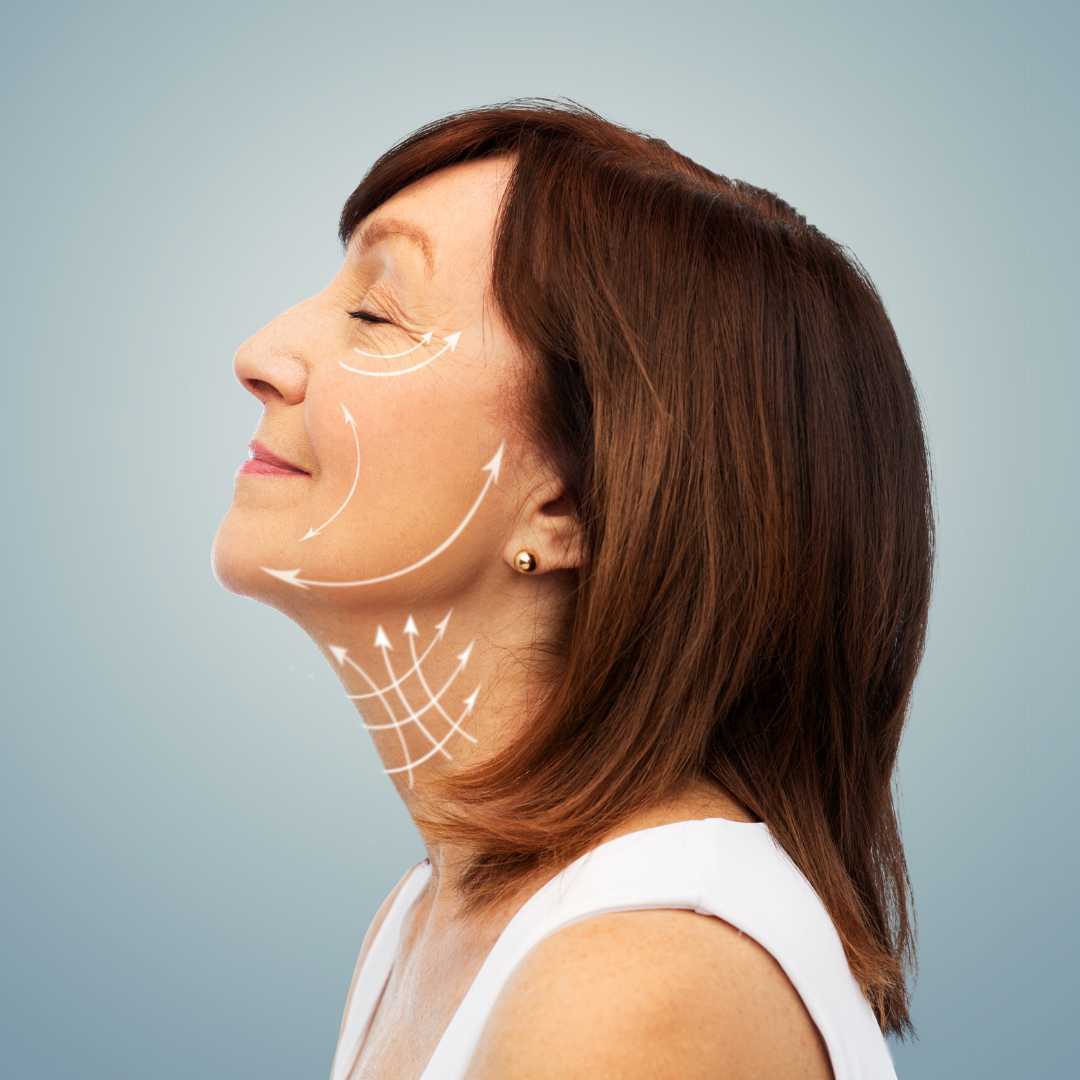
Price starting from $7,439
Facelift Surgery Package in Cancun, Mexico by Costamed
Costamed Medical Group in Playa del Carmen Mexico
- Cosmetic/Plastic Surgery
Tulum,Cancun

Price starting from $6,000
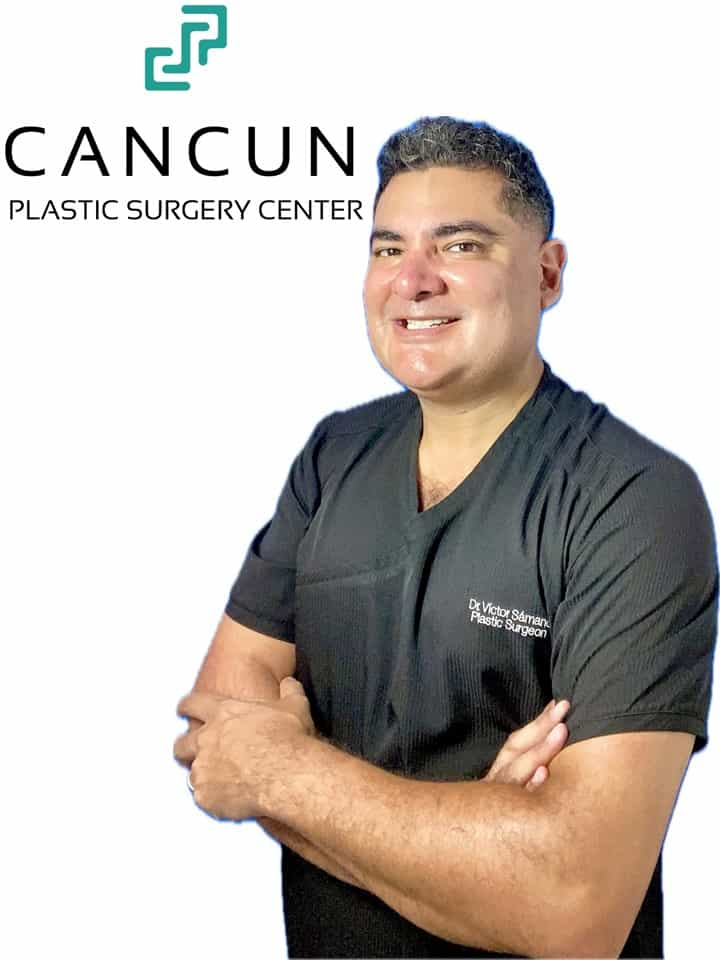
Facelift Package by Dr. Victor Samano in Cancun, Mexico
Cancun Plastic Surgery Center by Dr. Víctor Sámano
- Cosmetic/Plastic Surgery
Cancun,Playa Del Carmen

Price starting from $7,290
Facelift Package in Cancun, Mexico by Riviera Institute for Plastic Surgery
Riviera Institute for Plastic Surgery
- Cosmetic/Plastic Surgery
Cancun,Playa Del Carmen
| Reference | Price | How to interpret it? |
|---|---|---|
| Cancun clinic quotes | US$6,175–US$8,823; average US$7,499 | Inclusions differ and the final quote may change after assessment. |
| ASPS 2024 U.S. facelift benchmark | US$12,000–US$19,000 | This is a surgeon/physician-fee range, not a complete U.S. hospital or travel bill. |
The comparison shows why some patients investigate treatment in Mexico, but it does not support a precise savings percentage. The two datasets measure different things. A responsible budget should add flights, accommodation, meals, a companion if needed, local transportation, travel insurance, time away from work and a contingency amount for delayed travel or additional medical care. CDC guidance notes that follow-up treatment after medical tourism can be expensive and may not be covered by a patient’s insurance.
Face Lift Centers Cost Comparison in Cancun,Mexico
| Provider | Procedure | Price |
|---|---|---|
| Cancun Plastic Surgery Center by Dr. Víctor Sámano | Face Lift, Cosmetic/Plastic Surgery | $6175 |
| Riviera Institute for Plastic Surgery | Face Lift, Cosmetic/Plastic Surgery | $7290 |
| Costamed Medical Group in Playa del Carmen Mexico | Face Lift, Cosmetic/Plastic Surgery | $8823 |
Face Lift Cost Comparison in Mexico
| Country | Procedure | Price |
|---|---|---|
| Canada | Face Lift, Cosmetic/Plastic Surgery | $11000 |
| South Korea | Face Lift, Cosmetic/Plastic Surgery | $12381 |
Do not assume that the consultation office and operating facility are the same place. Ask for the legal name and street address where anesthesia and surgery will occur. This matters in the Riviera Maya because a provider may market services to Cancun patients while using a surgical facility in another nearby city.
COFEPRIS states that establishments in Mexico where surgical or obstetric procedures are performed require a sanitary license and a designated responsible health professional. Its process also addresses infrastructure requirements for surgical establishments. Instead of relying on broad phrases such as “international standard,” ask the facility for the specific authorization that applies to the place where your operation will occur.
Ask who provides anesthesia, what monitoring is used, whether the operating team follows a formal surgical safety process, and where you would be transferred if higher-level care became necessary. The World Health Organization’s Surgical Safety Checklist is designed to reduce avoidable errors and improve communication among the operating team.
Cancun Plastic Surgery Center by Dr. Víctor Sámano
Cancun,Playa Del Carmen

Costamed Medical Group in Playa del Carmen Mexico
Tulum,Cancun
Riviera Institute for Plastic Surgery
Cancun,Playa Del Carmen
Videos and photographs can help a patient understand communication style, clinic logistics and the kinds of outcomes a surgeon chooses to show, but they are not proof of safety and cannot predict an individual result. Lighting, expression, hairstyle, camera distance and the stage of healing can all change how a result appears.
When reviewing media, check whether the surgeon shown is the person who would operate on you, whether the case involved the same facelift technique being proposed, how long after surgery the “after” image was taken and whether other procedures such as neck lift, blepharoplasty or fat grafting were performed at the same time.
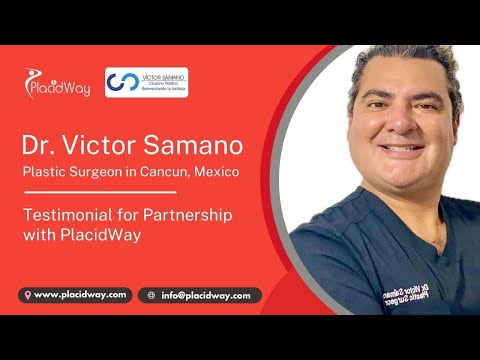
Patient reviews can provide useful context about communication, scheduling, postoperative support and how a team responded when questions arose. They should not be used as a substitute for credential checks, facility authorization or a personal medical consultation.
The most useful reviews describe the consultation, informed-consent process, pain control, postoperative examinations and response to concerns. Separate comments about hotels, drivers and hospitality from evidence about clinical care. Another patient’s outcome cannot guarantee yours because anatomy, medical history, technique and healing differ.

Many patients plan at least about 7–10 days after facial cosmetic surgery before air travel, but there is no universal safe departure date. Your surgeon should examine you and provide individualized clearance based on your procedure, healing, mobility and medical history. A hotel is not a medical facility. Whether hotel recovery is appropriate depends on the operation, your health, the surgeon’s discharge criteria, who is with you, how quickly you can return to the clinic and what urgent medical support is available. Ask for the surgeon’s full name and current specialty certification. CONACEM recognizes CMCPER for certification in Plastic, Aesthetic and Reconstructive Surgery in Mexico. Verify the status independently and also check the operating facility and anesthesia team. There is no single rule for every facelift patient. The presence of a drain is only one factor in travel clearance. Follow the surgeon’s drain-management instructions and do not fly until the treating surgeon has assessed your recovery and considered the risks of travel. Request the exact legal name and address of the operating facility and ask for its applicable sanitary authorization. COFEPRIS states that establishments performing surgical procedures require a sanitary license and a designated responsible health professional. Before booking, obtain written instructions for urgent symptoms, a direct clinical contact and copies of your operative records. Ask who pays for additional treatment or a return trip and arrange follow-up care at home before traveling. Early postoperative recovery should be treated as medical recovery, not vacation time. Swimming, intense sun, strenuous tours and heavy lifting may be restricted. Plan leisure activities before surgery or wait until your surgeon says they are appropriate. A facelift may be performed with general anesthesia or sedation with local anesthesia depending on the technique, patient factors and surgical plan. Ask who will administer anesthesia, what monitoring will be used and how the facility responds to an emergency.How long should I stay in Cancun after a facelift?
Is it safe to recover in a Cancun hotel?
How do I verify a plastic surgeon in Cancun?
Can I fly home with surgical drains still in place?
How can I check the surgical facility in Cancun?
What if I develop a complication after returning home?
Can I combine a facelift with a beach vacation?
What type of anesthesia is used for a facelift?
Surgeon selection should be based on verifiable credentials and relevant experience, not ranking language. CONACEM lists the Consejo Mexicano de Cirugía Plástica, Estética y Reconstructiva (CMCPER) as the council that certifies the specialty of Plastic, Aesthetic and Reconstructive Surgery in Mexico. Ask for the surgeon’s full legal name and current certification details and verify them independently.
Certification is an important credential check, but it does not guarantee a particular result. During consultation, ask how often the surgeon performs the proposed facelift technique, which complications they see most often, where surgery takes place, who administers anesthesia, how hematoma or infection is managed, and how follow-up is handled after an international patient returns home.

Dr. Ary Papadopulos
Dr. Ary Papadopulos - Stem Cell Mexico City Clinic for Anti-Aging
- Anti-Aging Medicine
Mexico City,Mexico
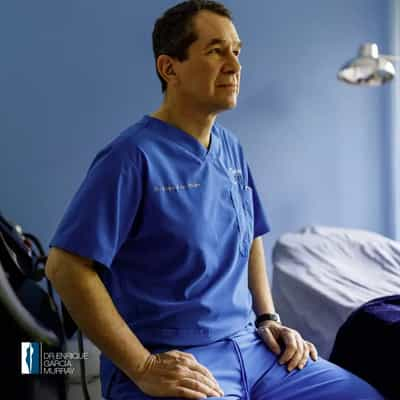
Dr. Enrique Garcia Murray
Dr. Enrique Garcia Murray - Plastic Surgery Mexico City
- Plastic Surgeon
Mexico City,Mexico
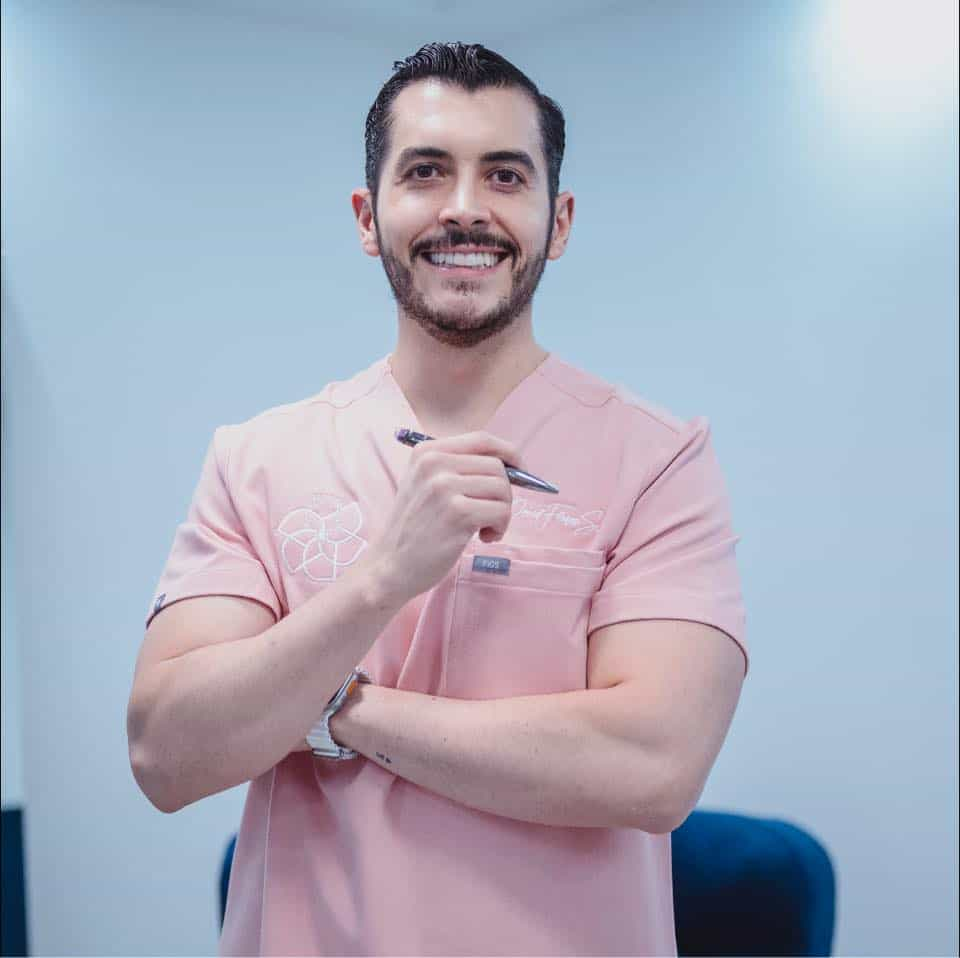
Dr. David Flores Soto
Dr. David Flores Soto - DFS Plastic Surgery
- Plastic Surgeon
Ciudad Juarez,Mexico
Early recovery can include swelling, bruising, tightness, temporary numbness and activity restrictions. Some patients have drains and others do not, depending on technique and surgeon preference. Drain removal and wound care should follow the operating surgeon’s plan rather than a fixed online timetable. The CDC notes that surgery and air travel can both contribute to blood-clot risk. Its medical-tourism guidance also cites a recommendation to wait about 7–10 days before flying after cosmetic procedures involving the face, eyelids or nose. That is general guidance, not an automatic clearance date; your surgeon may recommend a longer stay based on the operation and your recovery. Seek urgent medical assessment for symptoms such as breathing difficulty, chest pain, fainting, rapidly increasing facial or neck swelling, uncontrolled bleeding, severe worsening pain, fever, spreading redness or concerning wound drainage. Do not plan swimming, intense sun exposure, strenuous tours or heavy luggage during early postoperative recovery unless your medical team has cleared those activities. Cancun International Airport provides direct connections with many cities in North America, which can simplify travel planning for some patients. Cost is another reason patients compare Cancun with domestic options. Neither airport access nor a lower quote should be treated as evidence of surgical quality. Travel safety should be assessed separately from medical safety. The current U.S. State Department advisory places Quintana Roo, including Cancun, under “exercise increased caution” due to crime and terrorism. Its medical-tourism section also warns that quality varies and advises travelers to confirm emergency facilities and professional qualifications before elective surgery in Mexico. For European Union or European Economic Area patients, EU cross-border healthcare rules are structured around treatment in another EU/EEA country. Mexico falls outside that system, so patients should not assume that EU reimbursement or complaint mechanisms automatically apply. European Commission guidance recommends checking treatment quality and safety information, prices, reimbursement rules and complaint procedures before planned cross-border care.Why Travel to Cancun for Your Procedure?
Compare each option using the same criteria: proposed technique, surgeon certification, operating facility, anesthesia provider, package inclusions, required stay, aftercare, complication policy and total estimated trip cost. A personal consultation with a qualified plastic surgeon is still necessary to determine whether a facelift is appropriate for you.Compare Your Options Before Making a Decision
References






















Share this listing